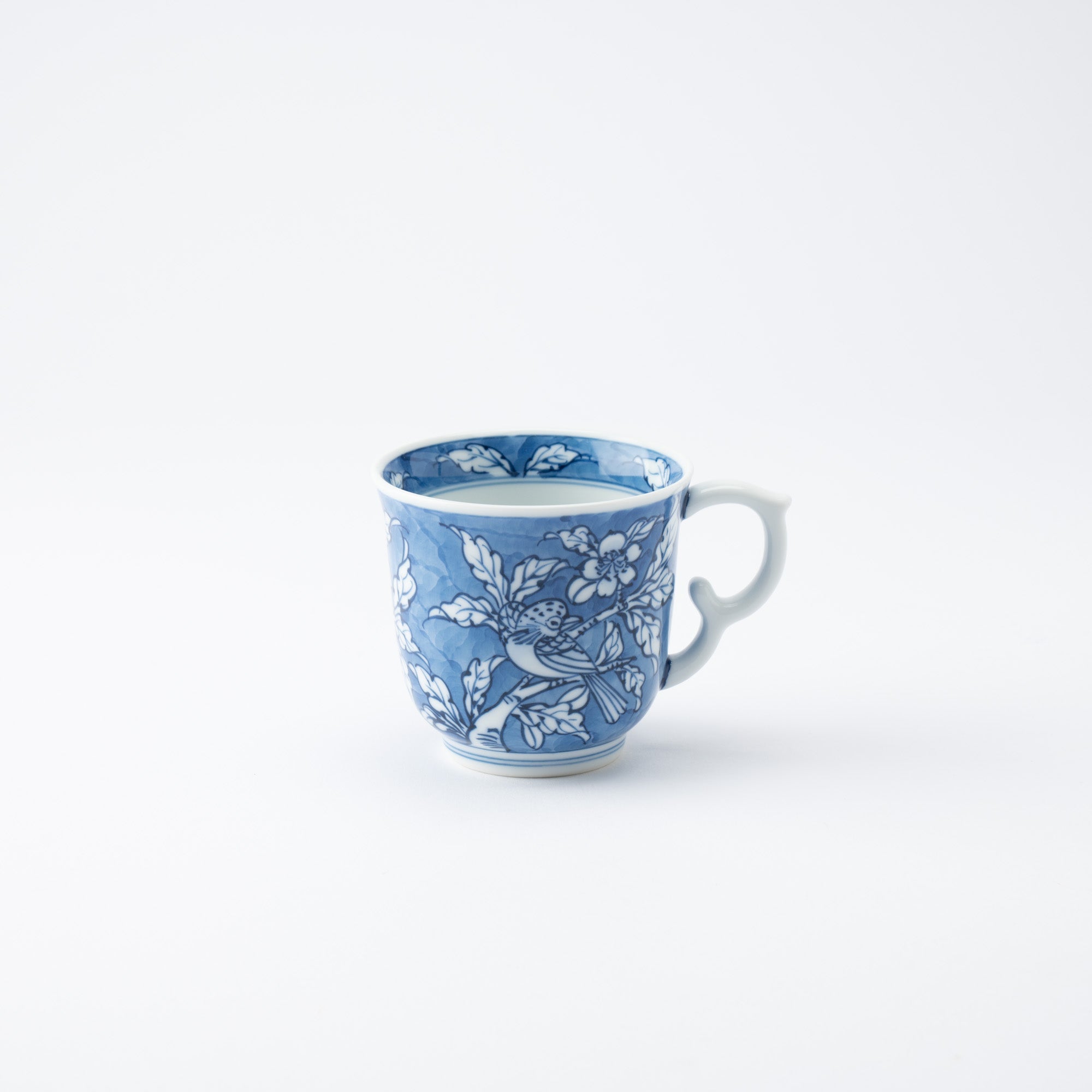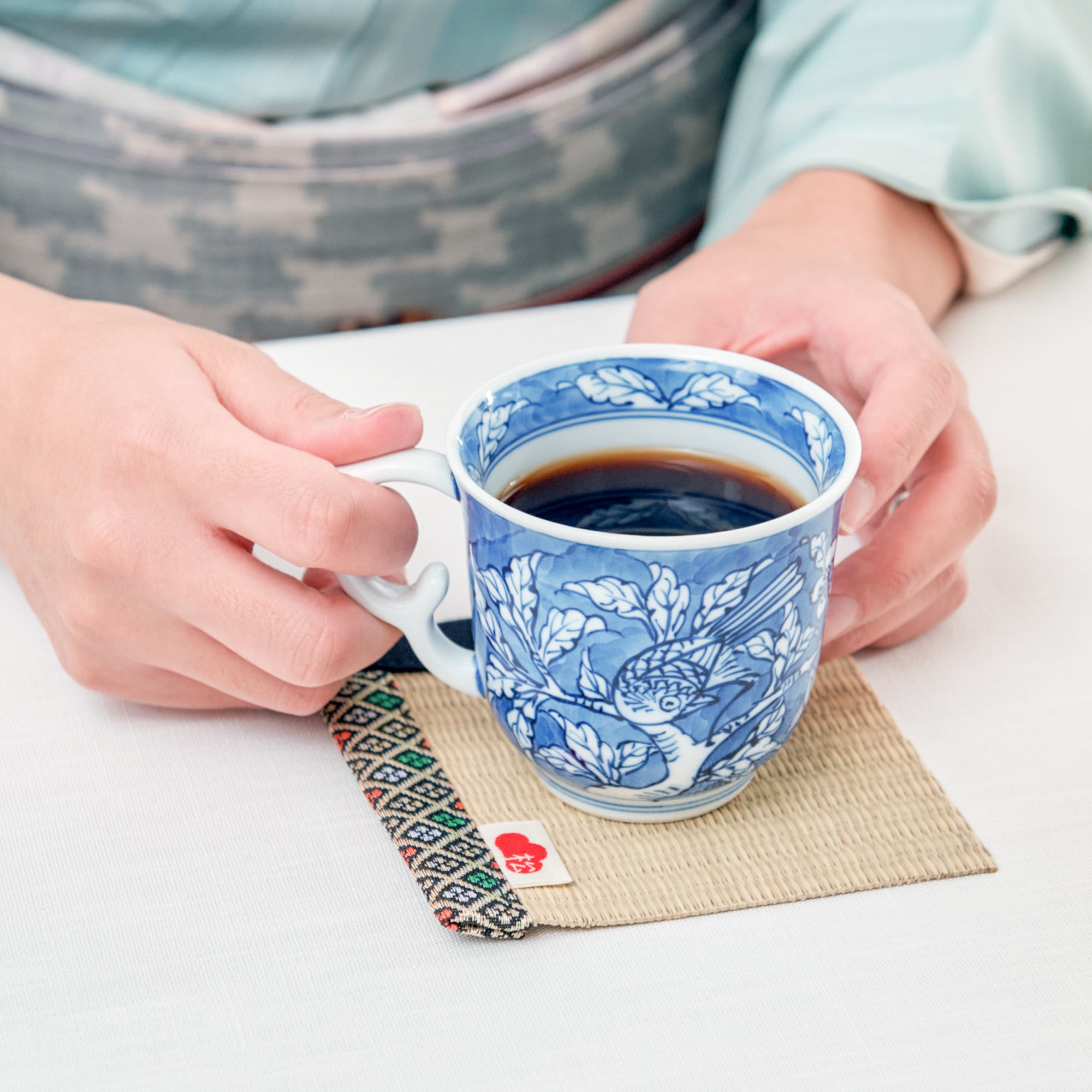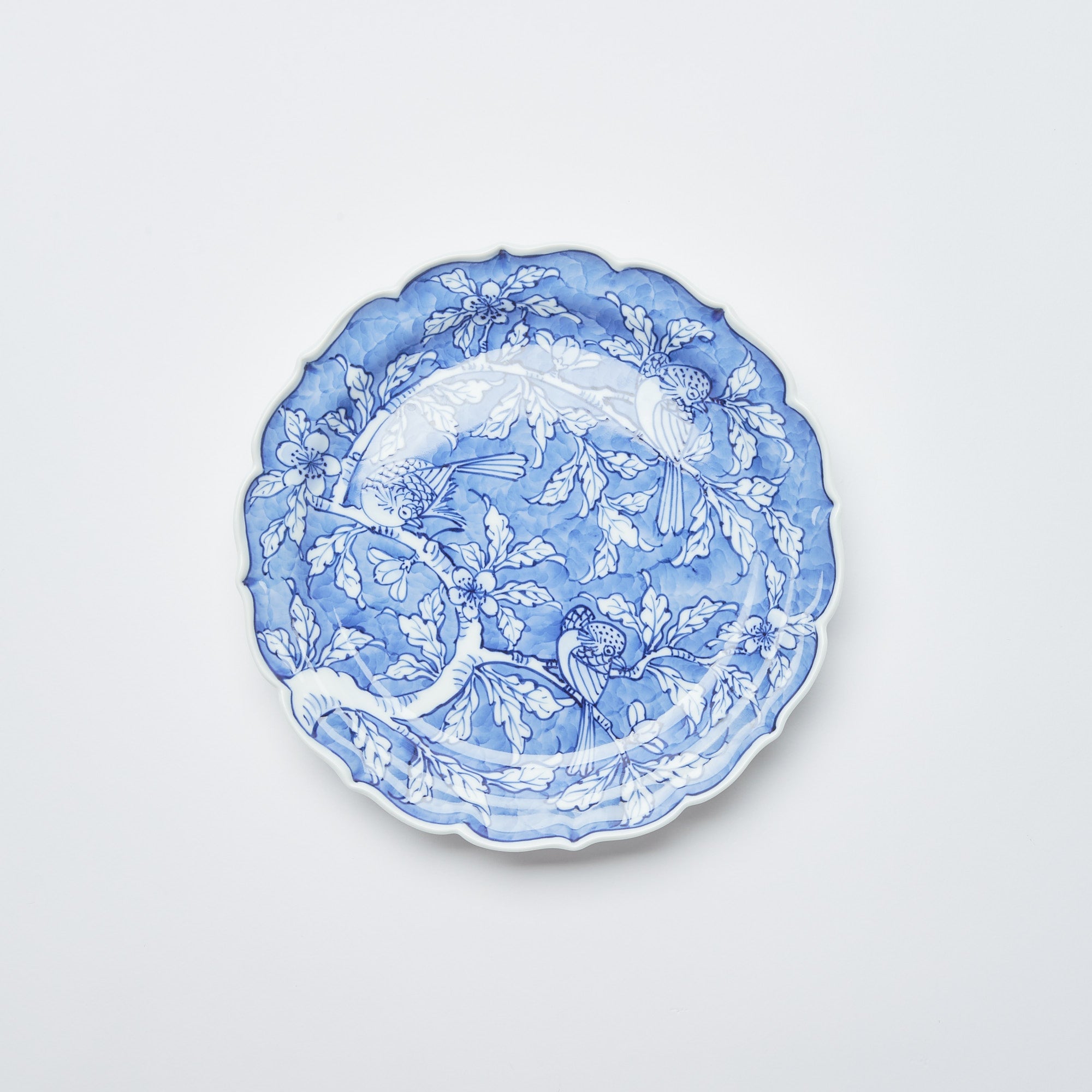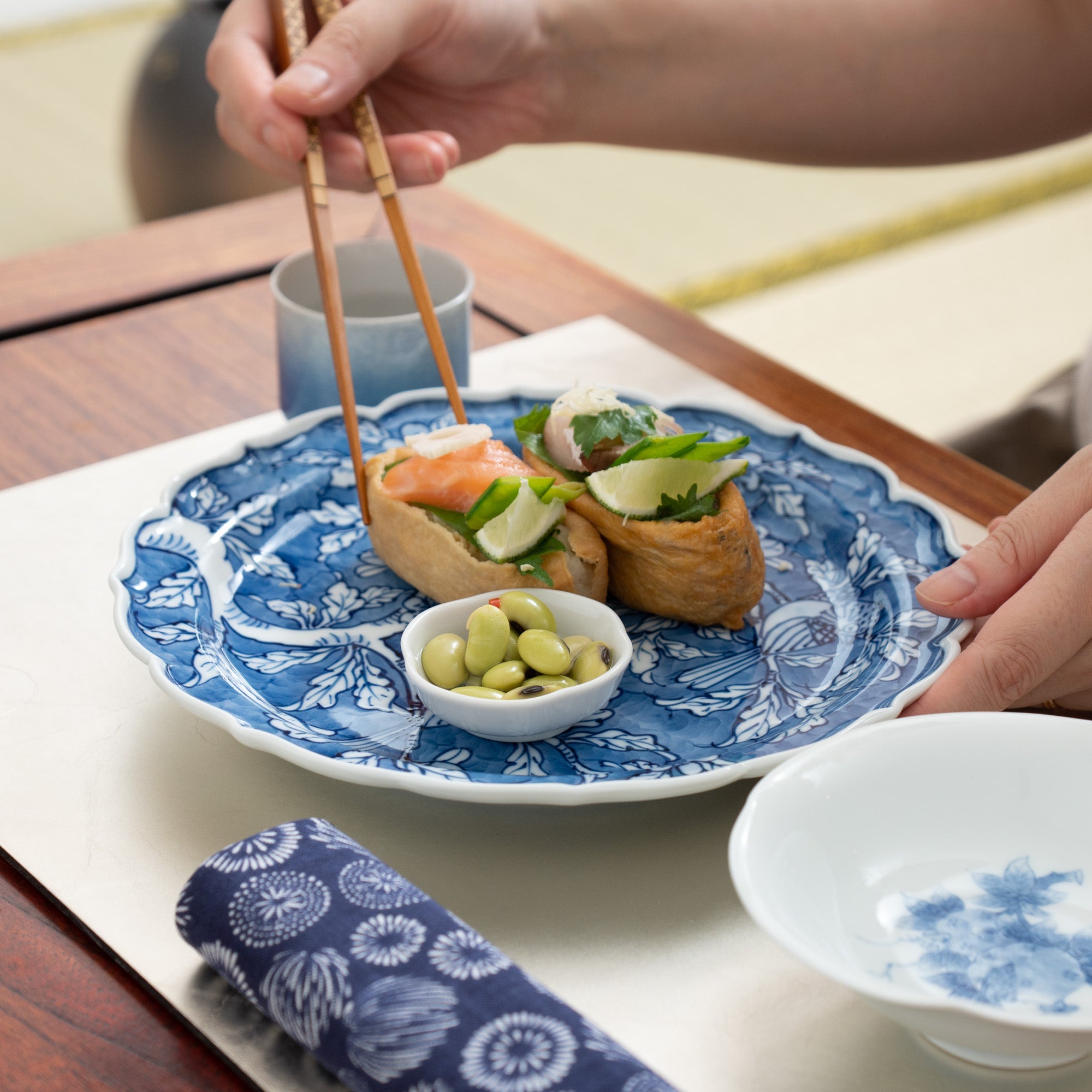
Kakusho Kiln
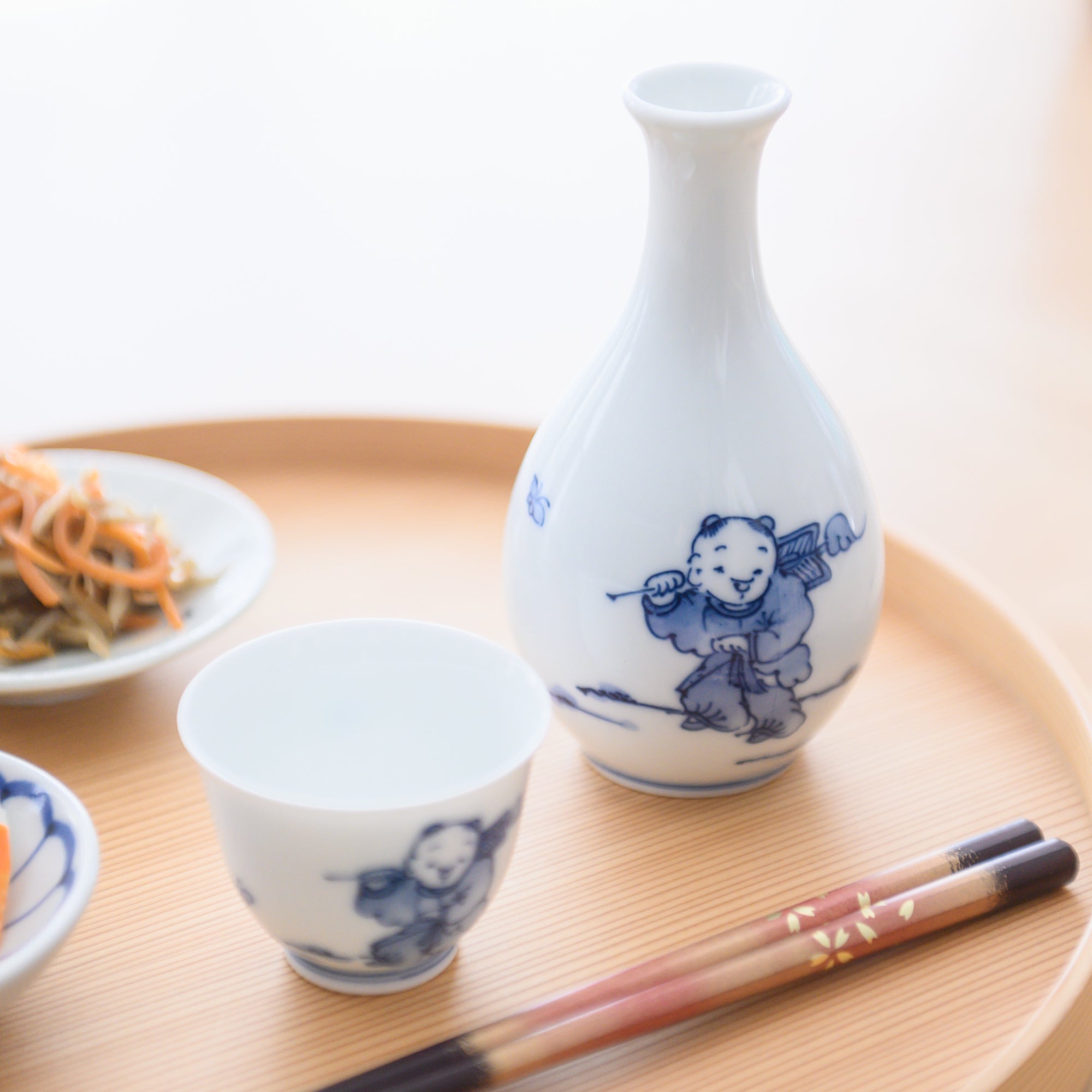
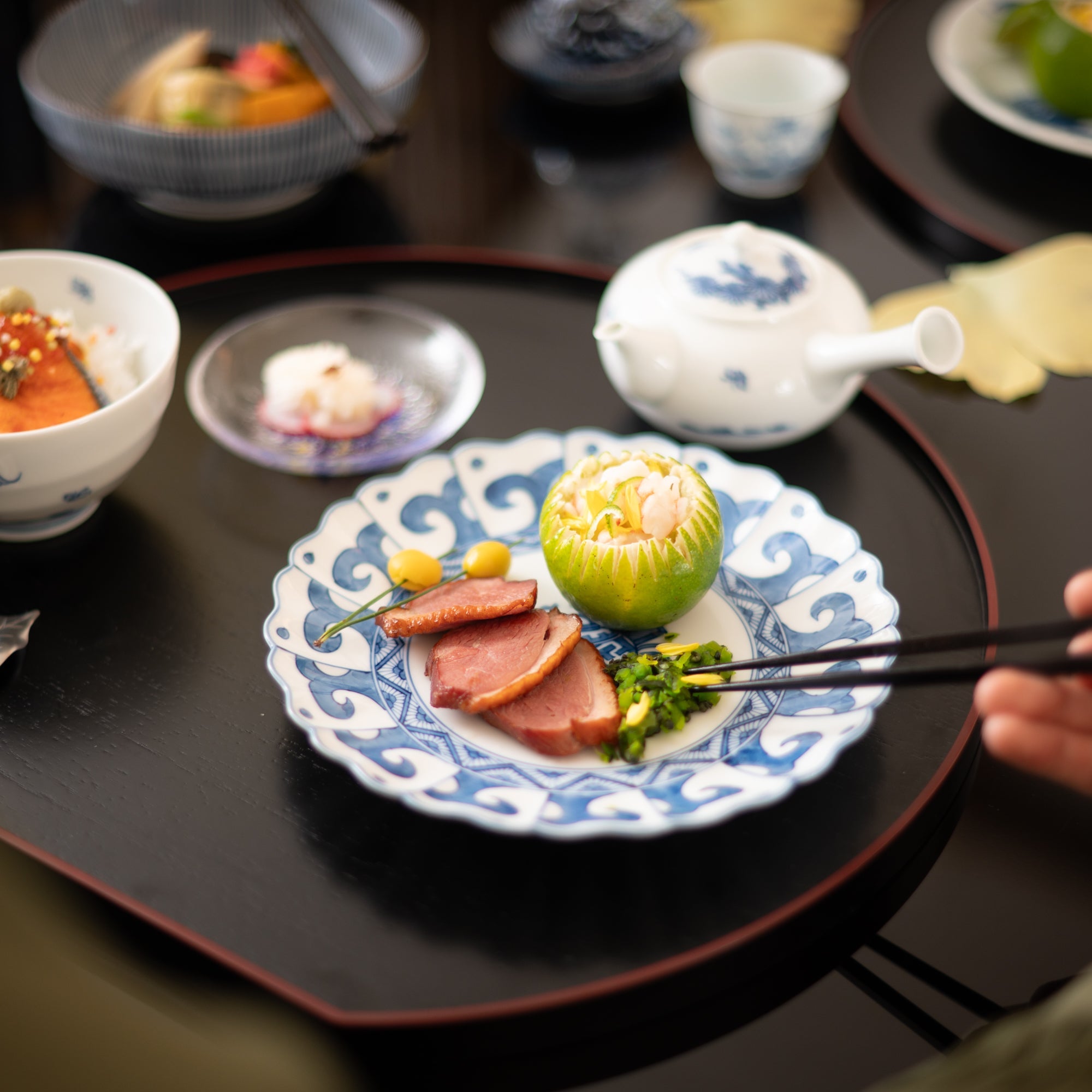
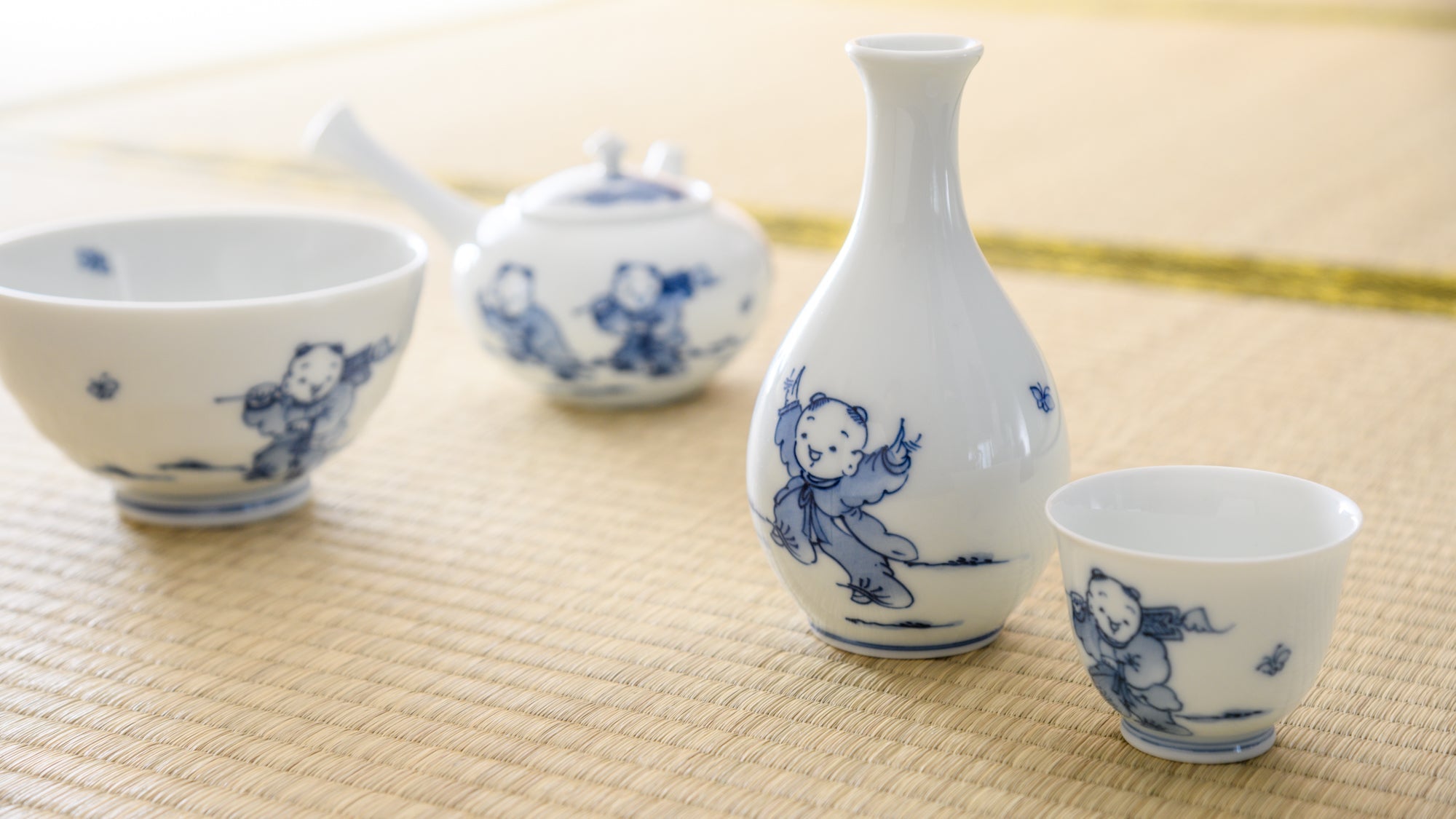
Kakusho Kiln is a historically prestigious kiln that used to serve the lordship of the Hirado Domain in the Edo Period (1600 CE–1868 CE). Kakusho Kiln has passed on the traditional art of sometsuke, blue designs on white porcelain, for more than 300 years.
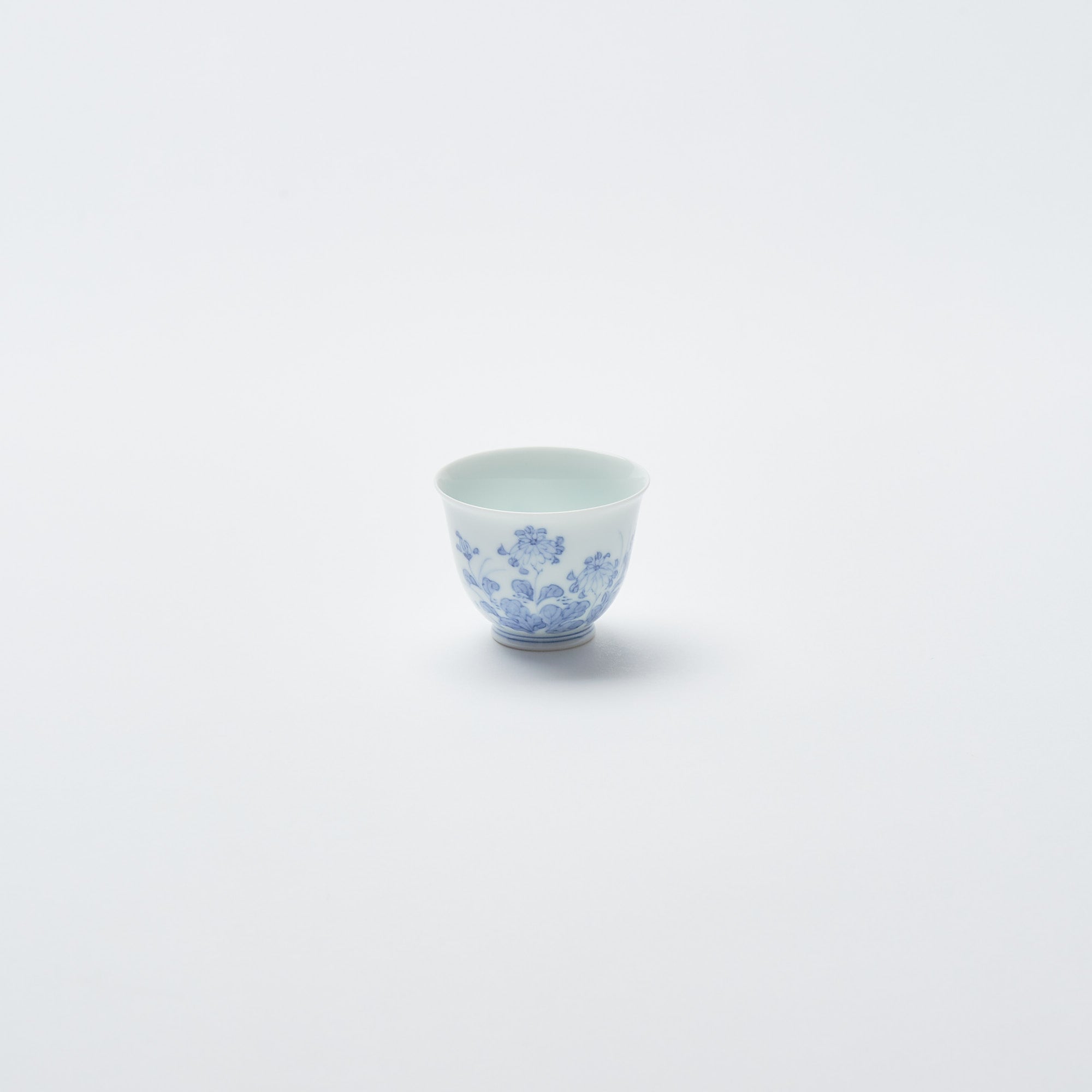
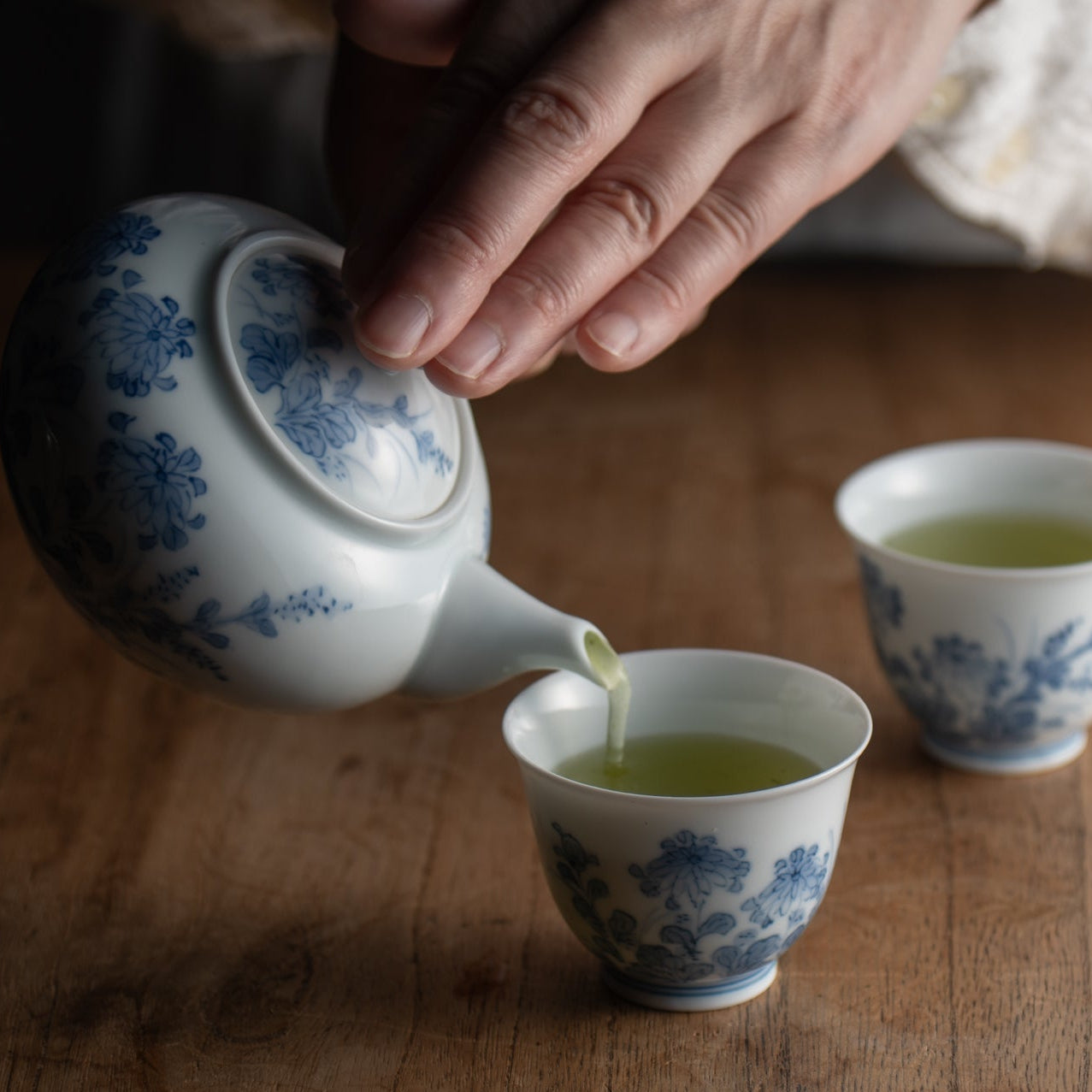
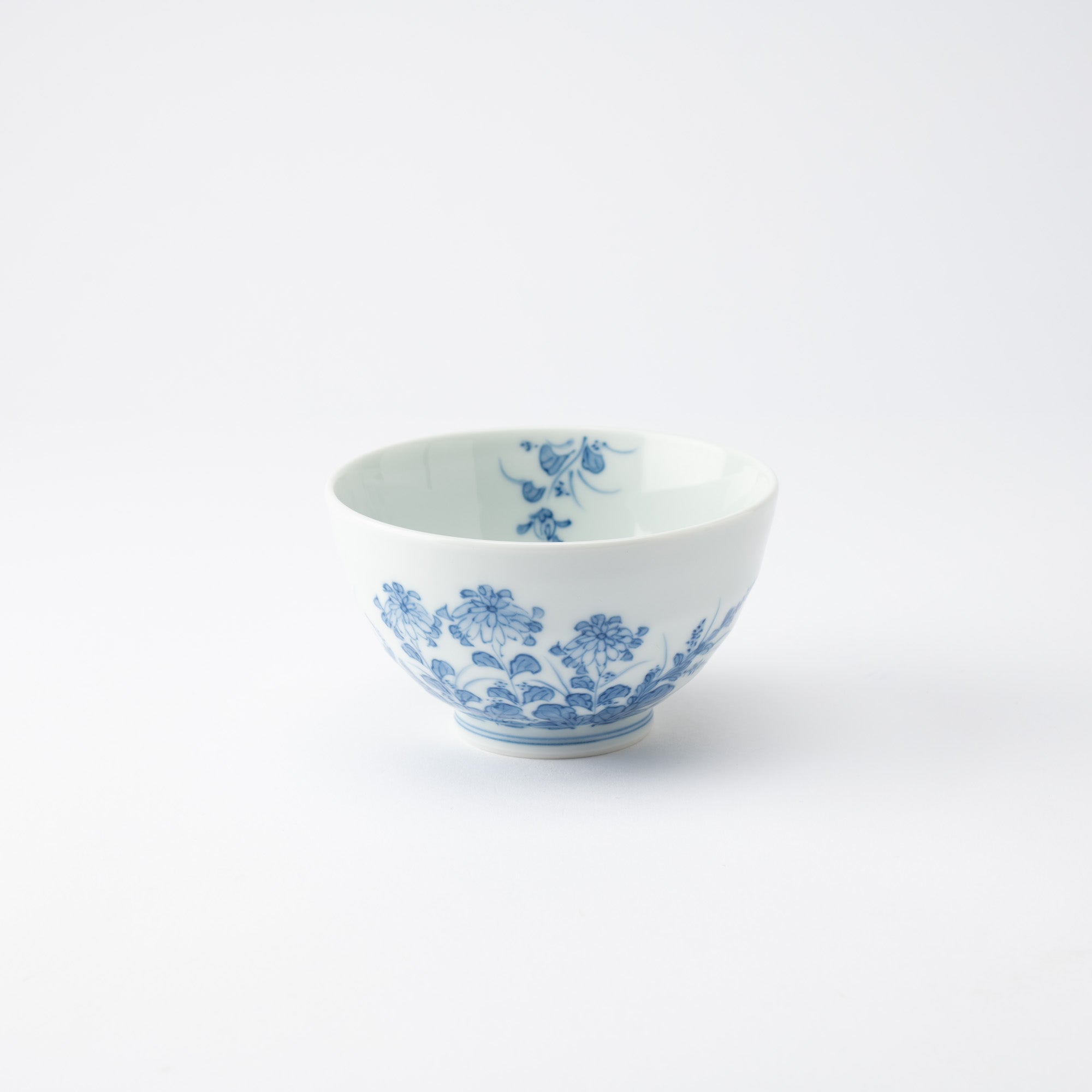
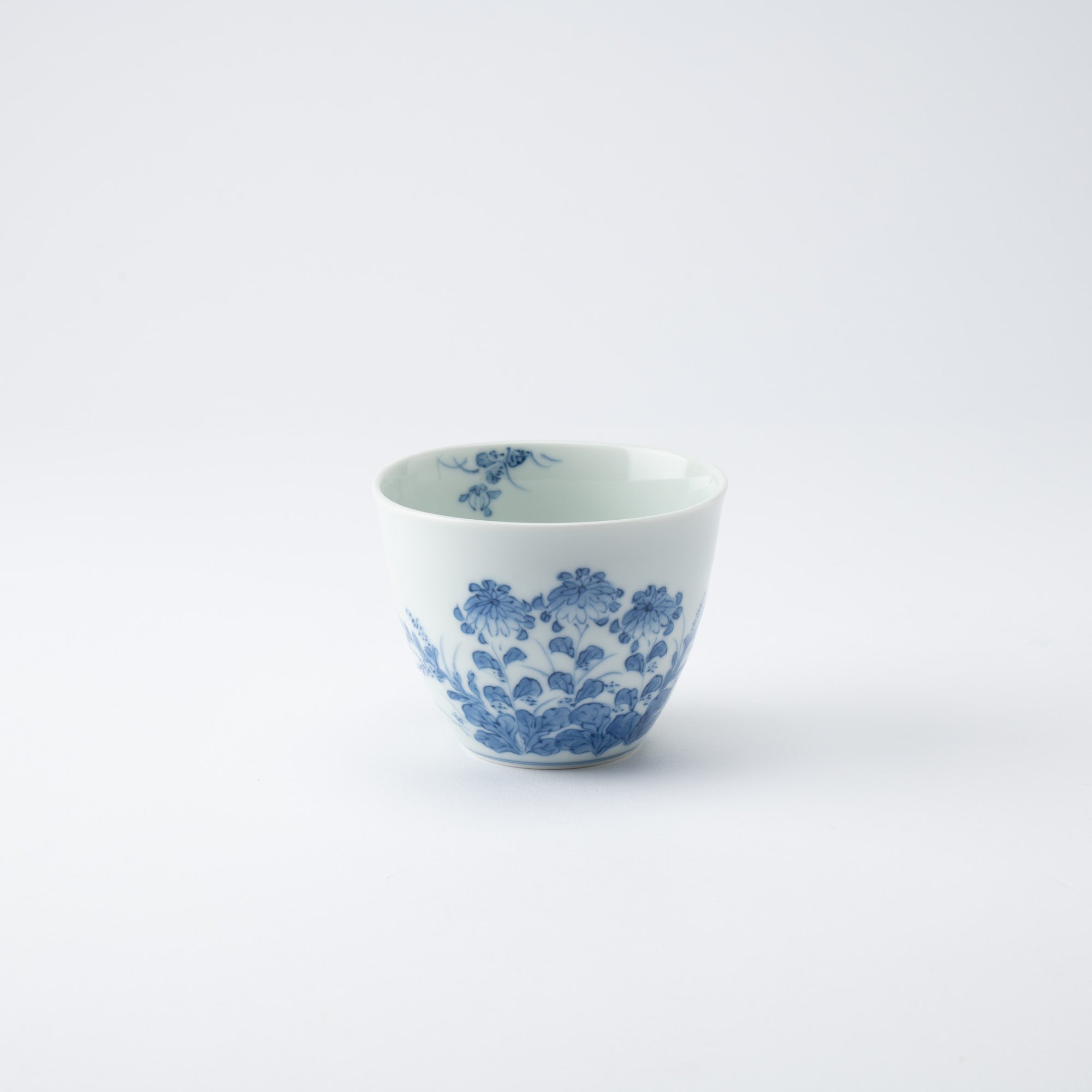
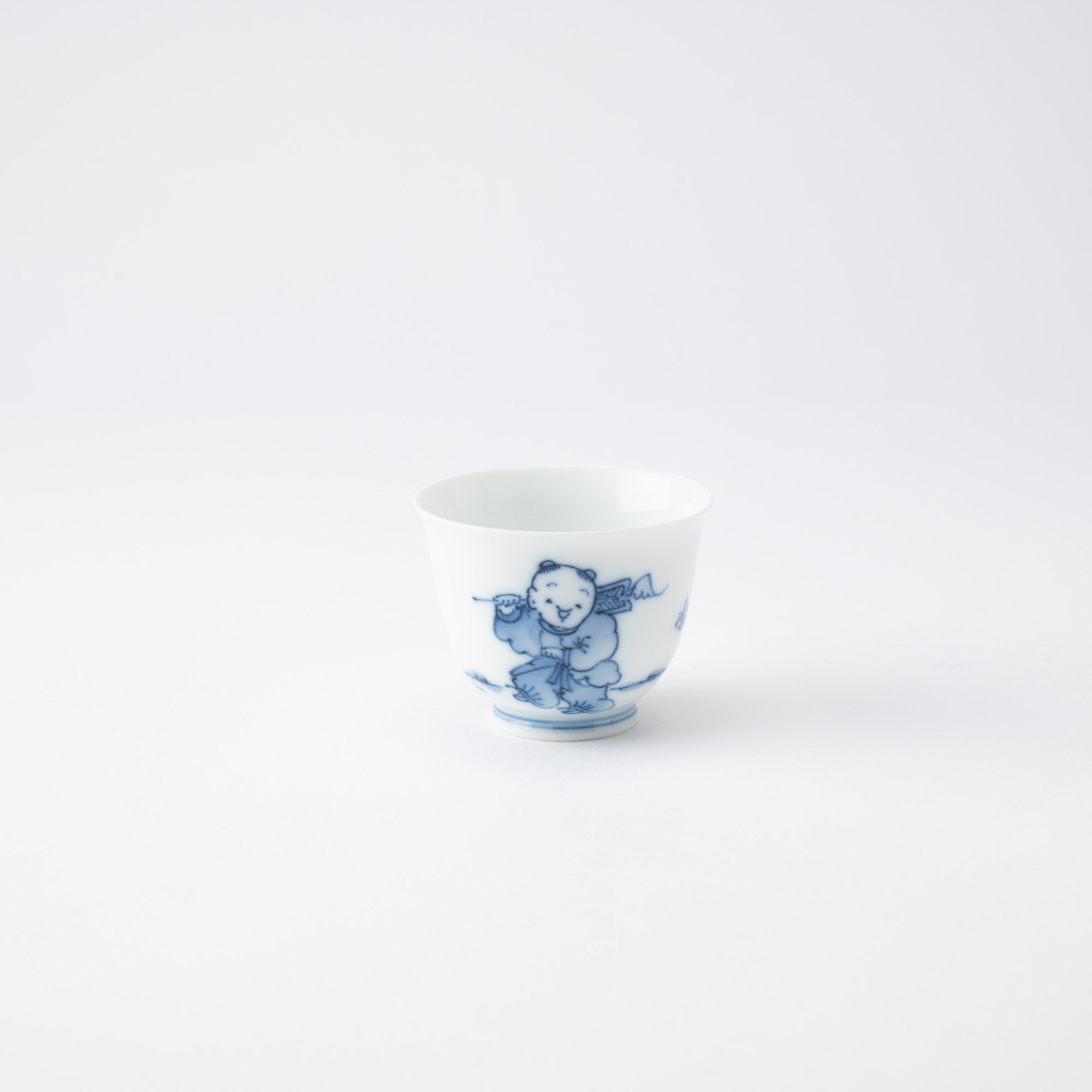
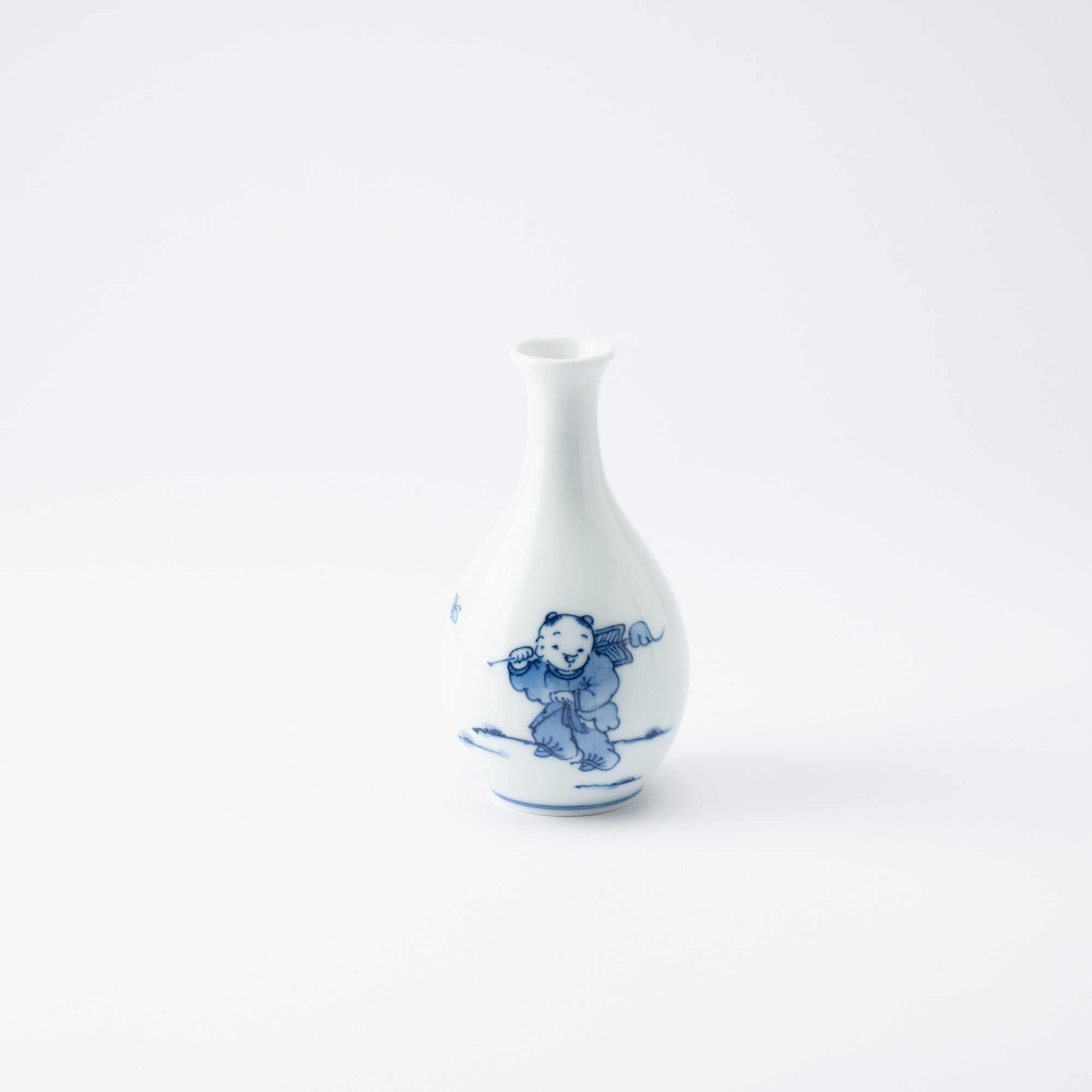
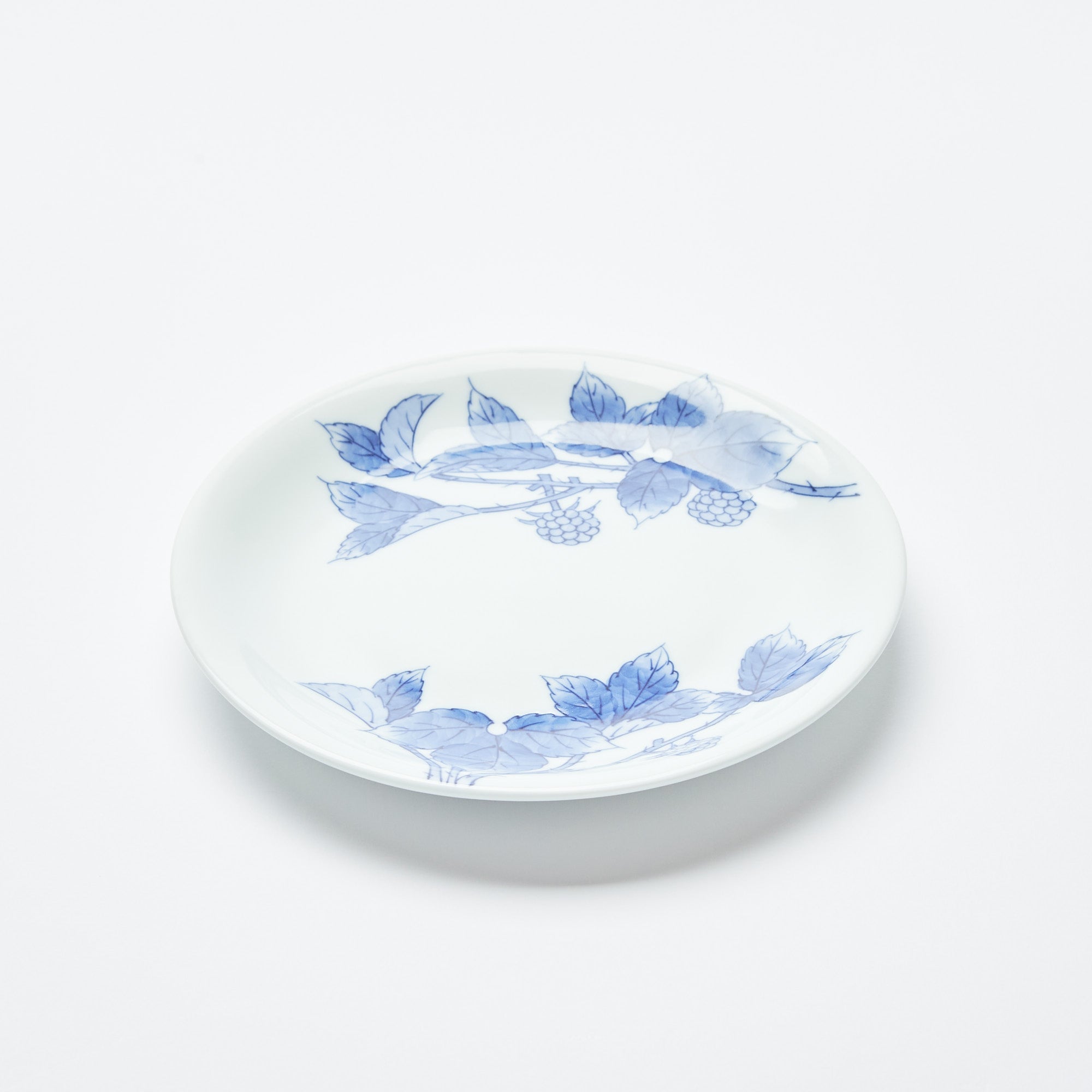
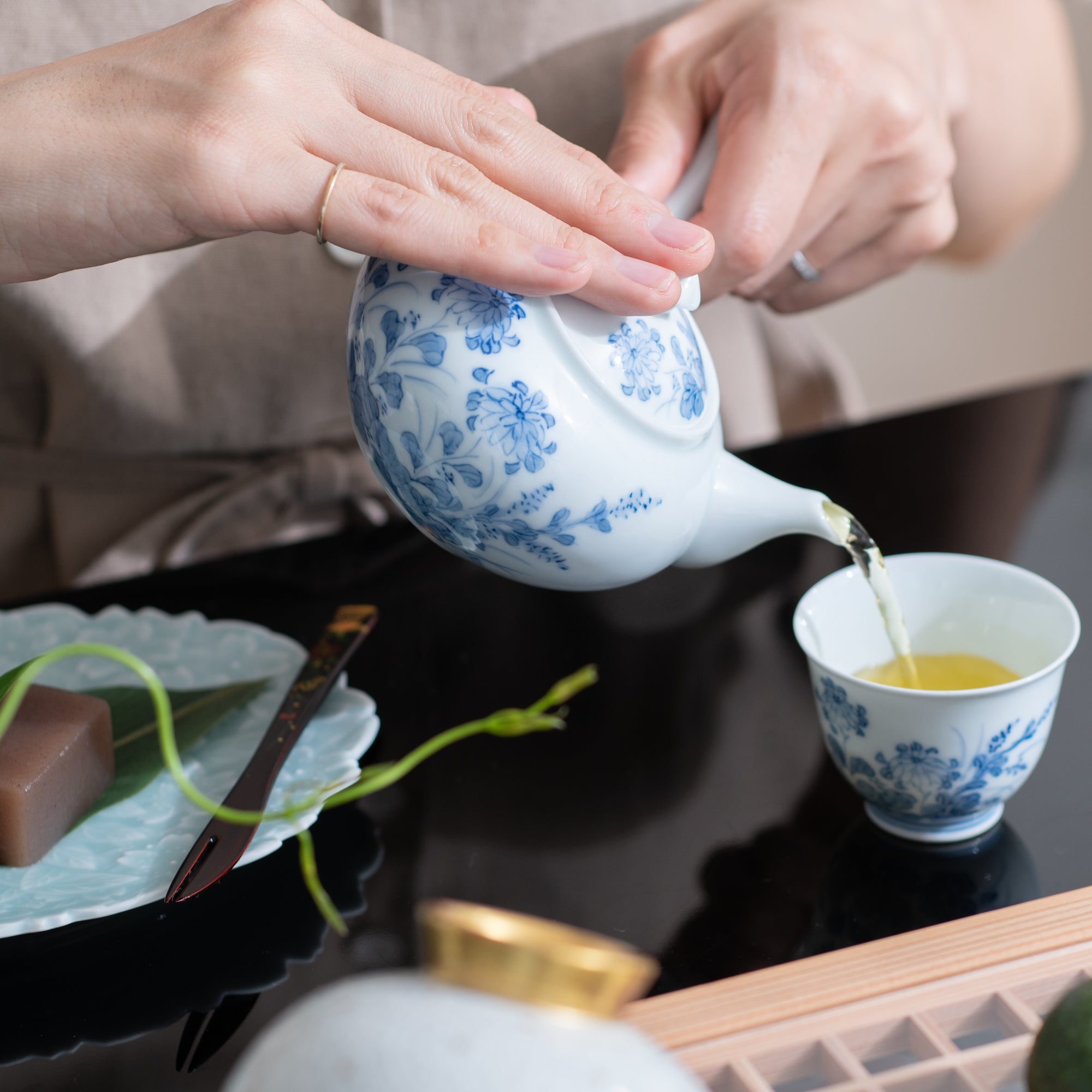
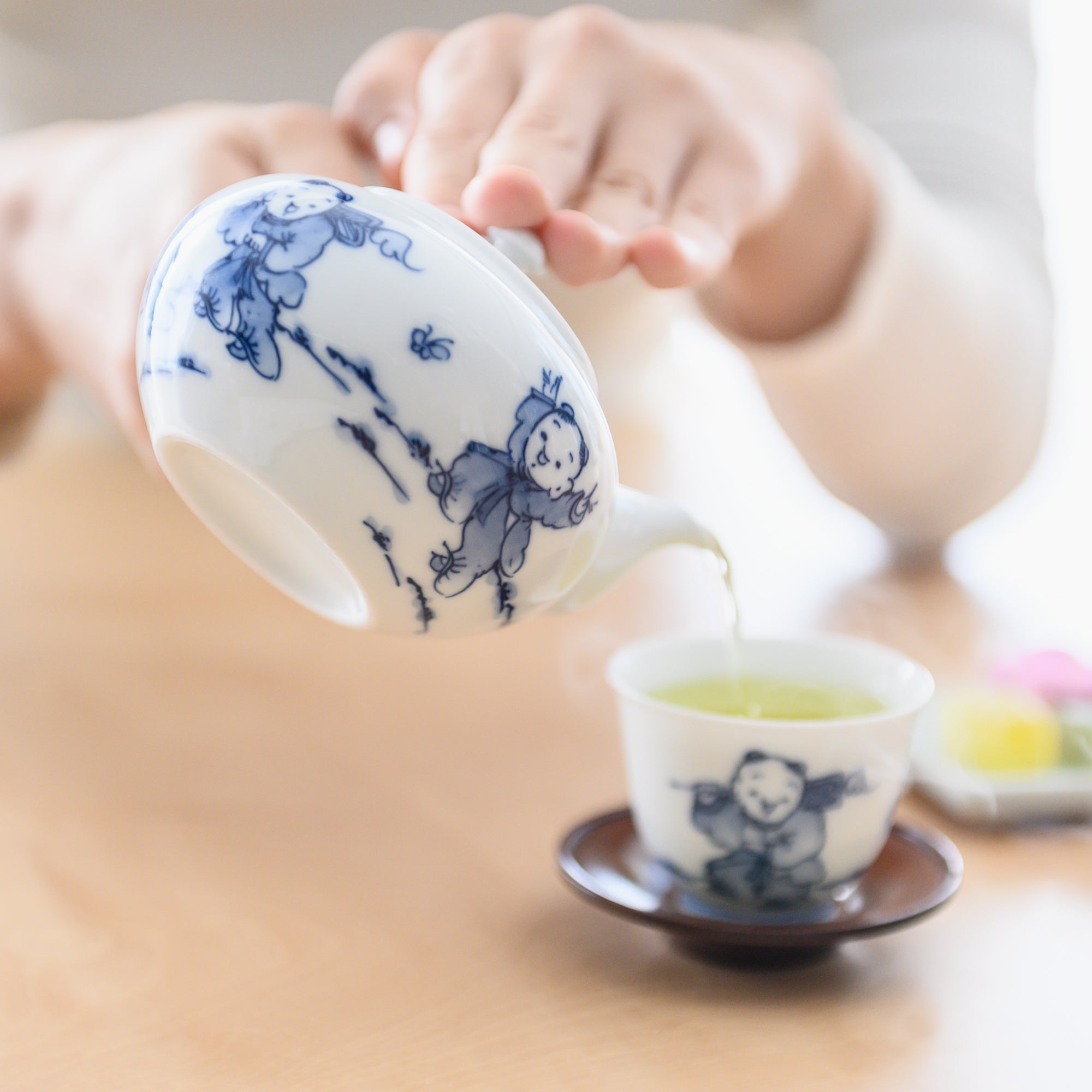
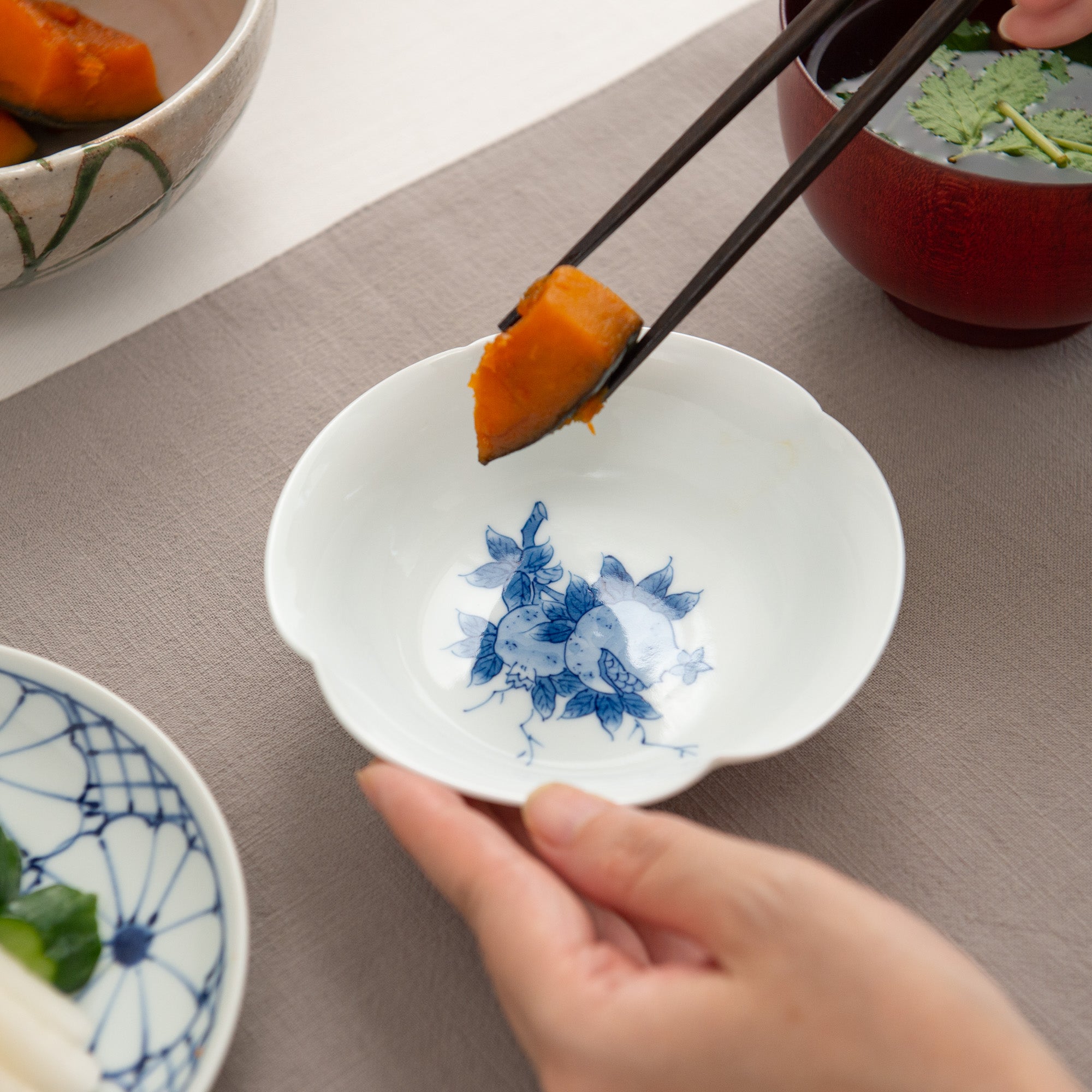
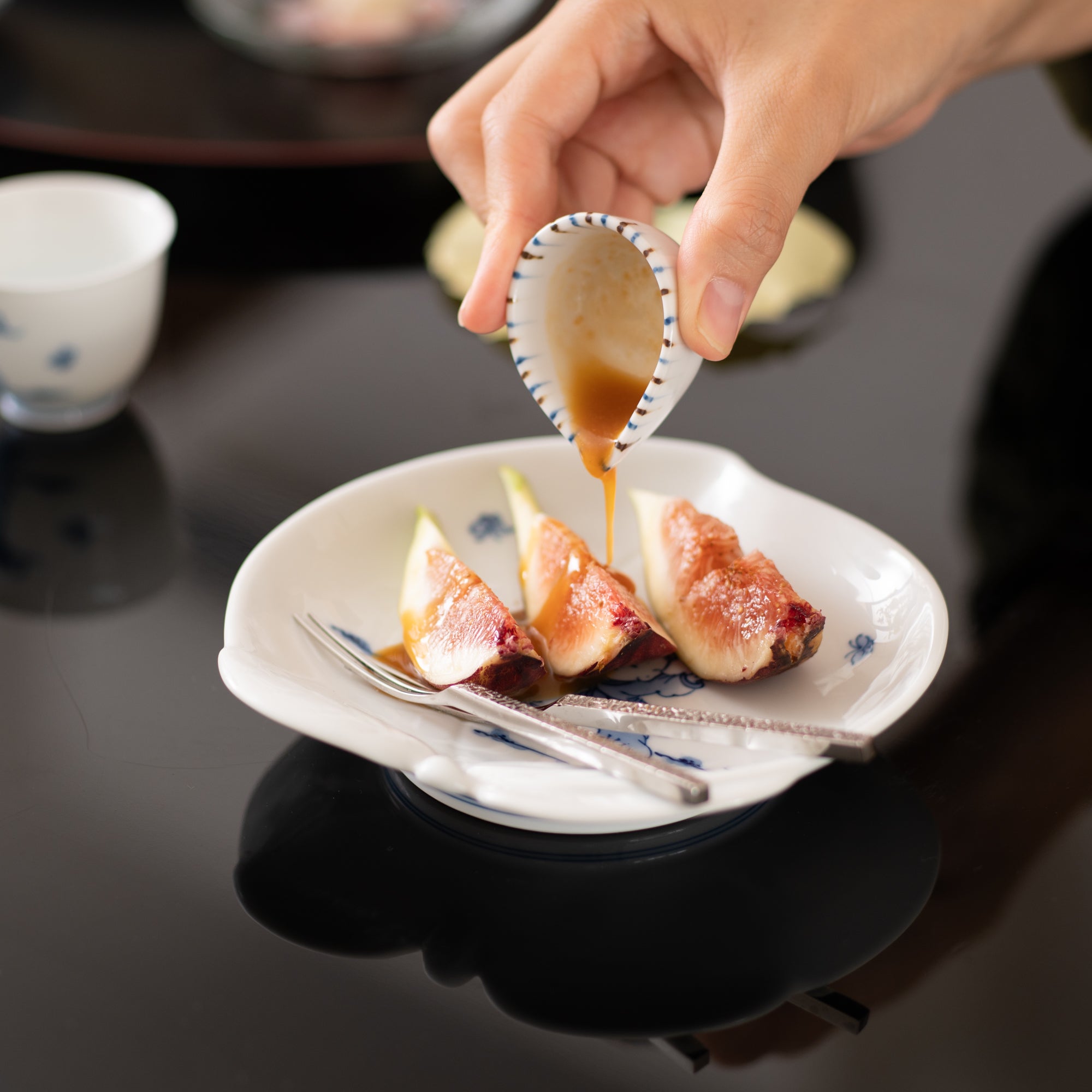
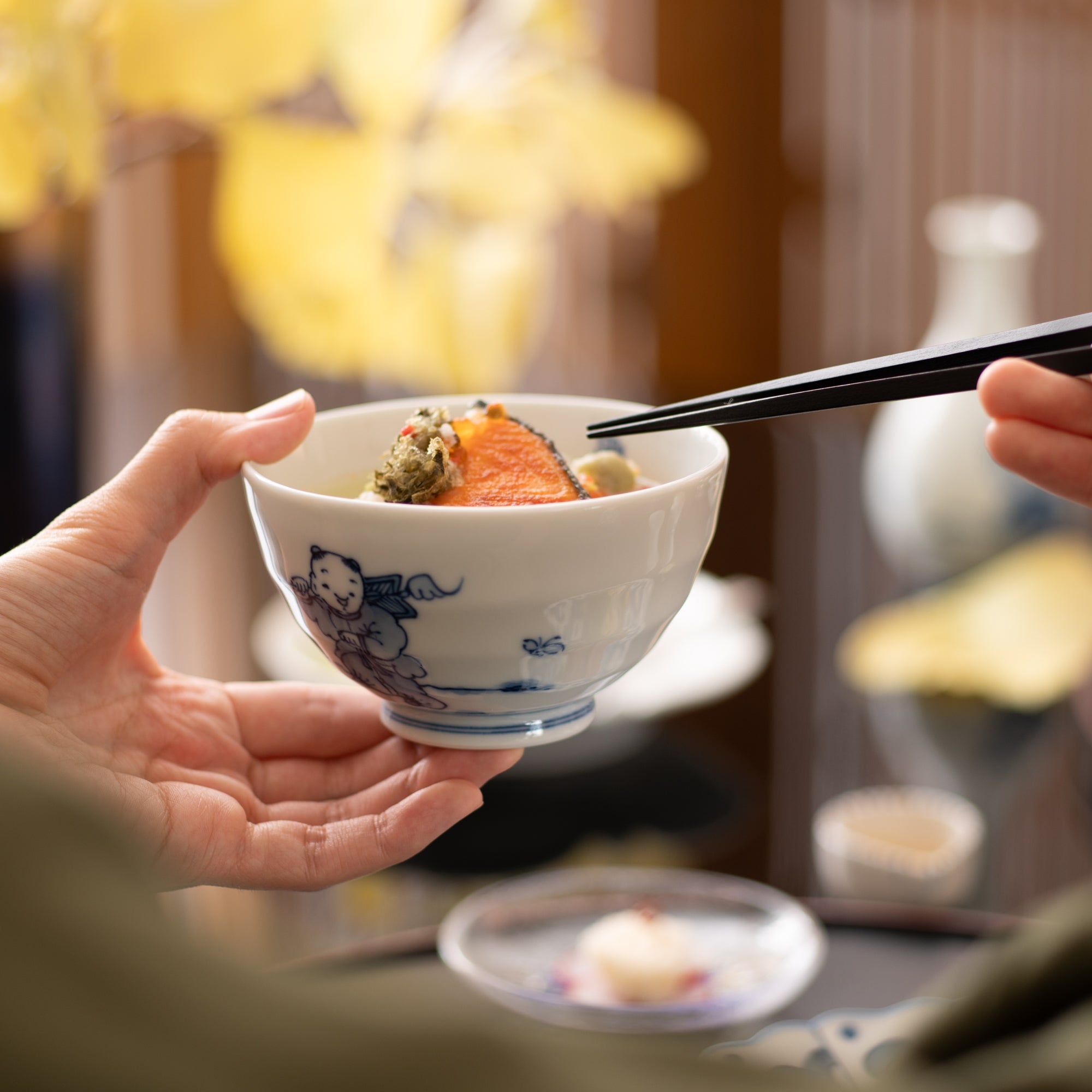
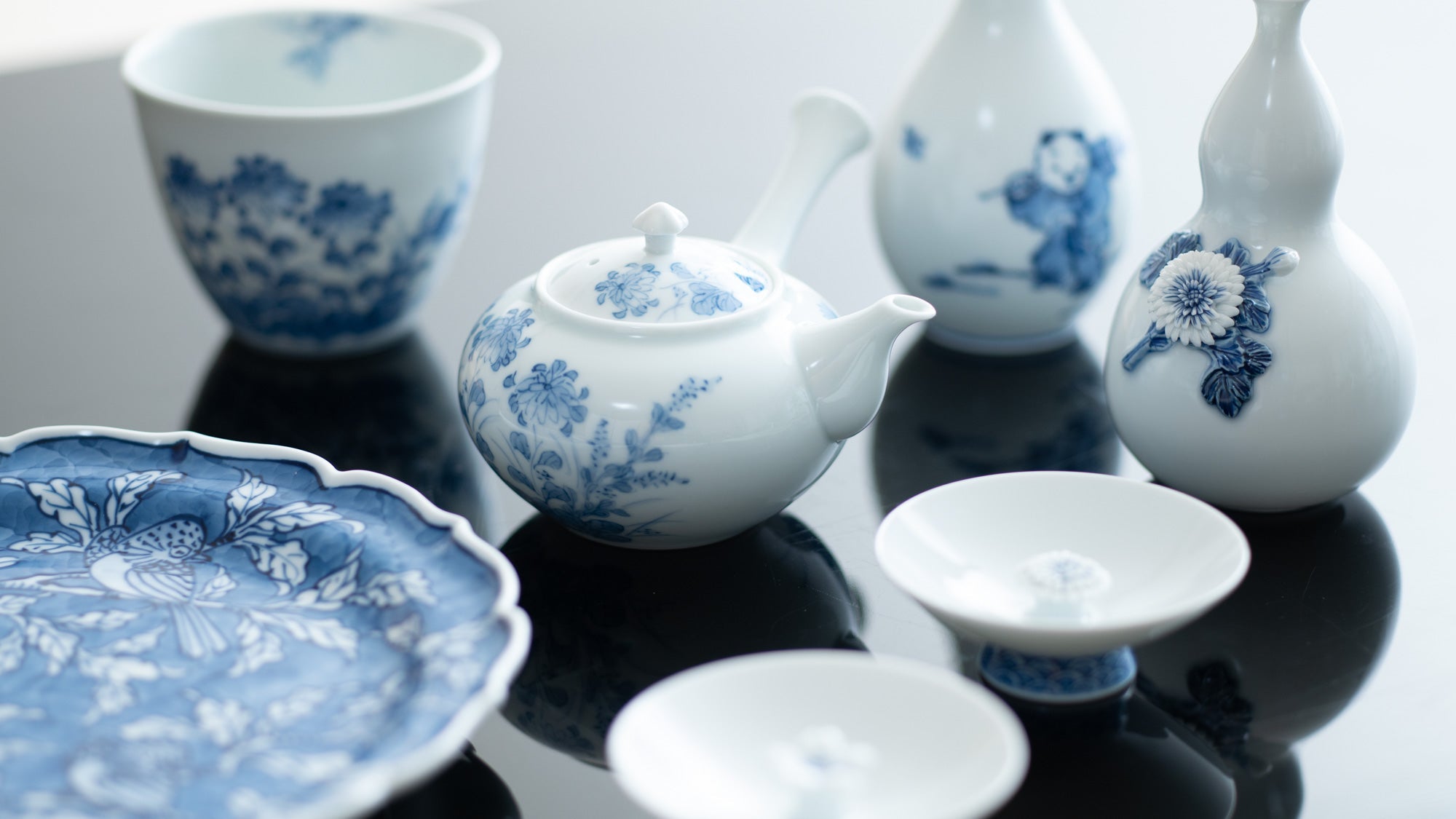
Their lightweight and elegant porcelain is smooth to the touch, with a soft and gentle shade of blue kind to the eye.
Coming from a prestigious clan of potters who served the Hirado Domain for more than 200 years, Kakusho Kiln was founded by the Satomi family in Sasebo city, Nagasaki prefecture. Since the Meiji Period (1868–1912 CE), Kakusho Kiln has won many awards including a Gold Prize at the Louisiana Purchase Exposition in 1904 for its sometsuke. The current master, Toshitaka Satomi, further incorporates traditional painting designs of Chinese influence and seeks to refine his sometsuke methods.
Delicate and Gentle Blue and White
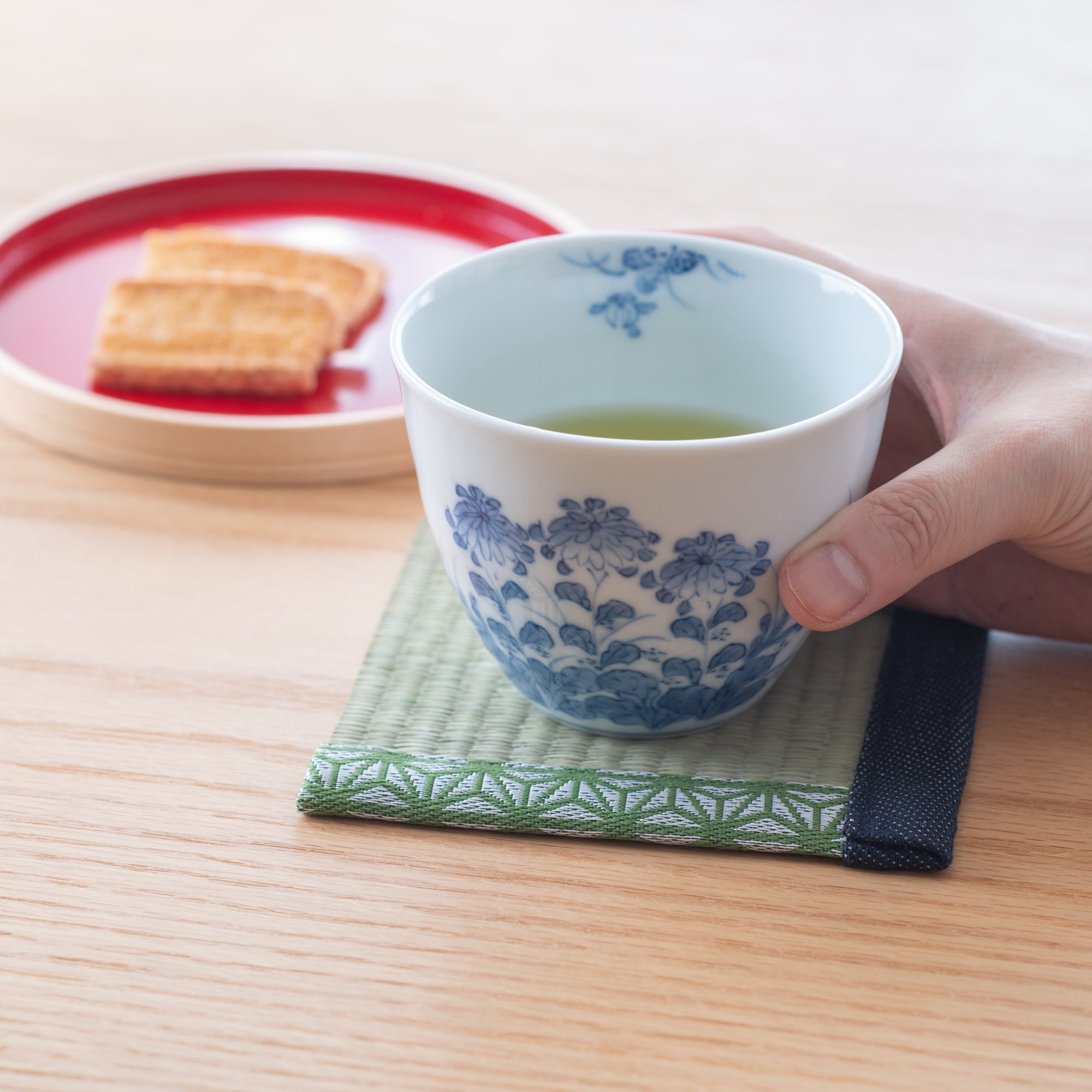
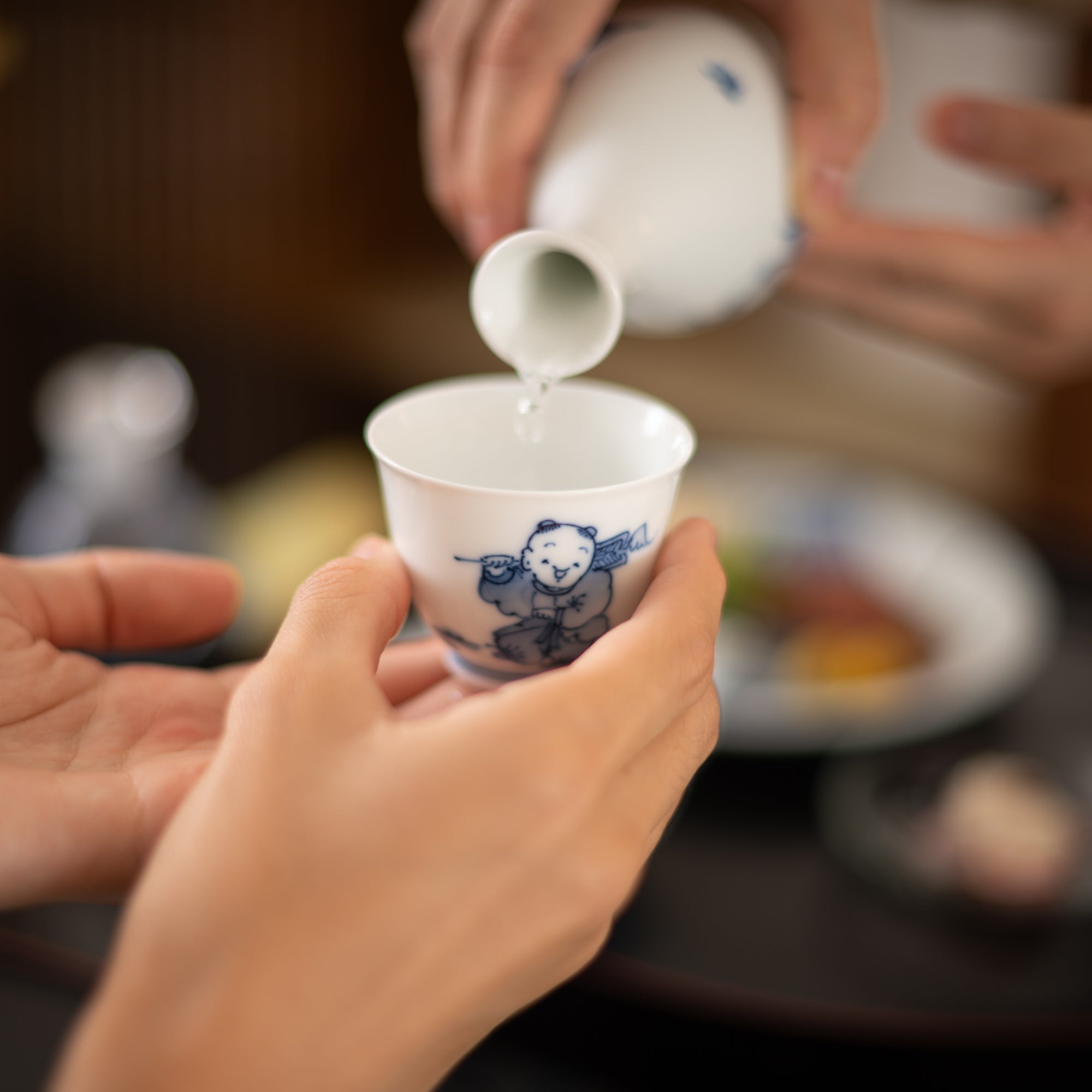
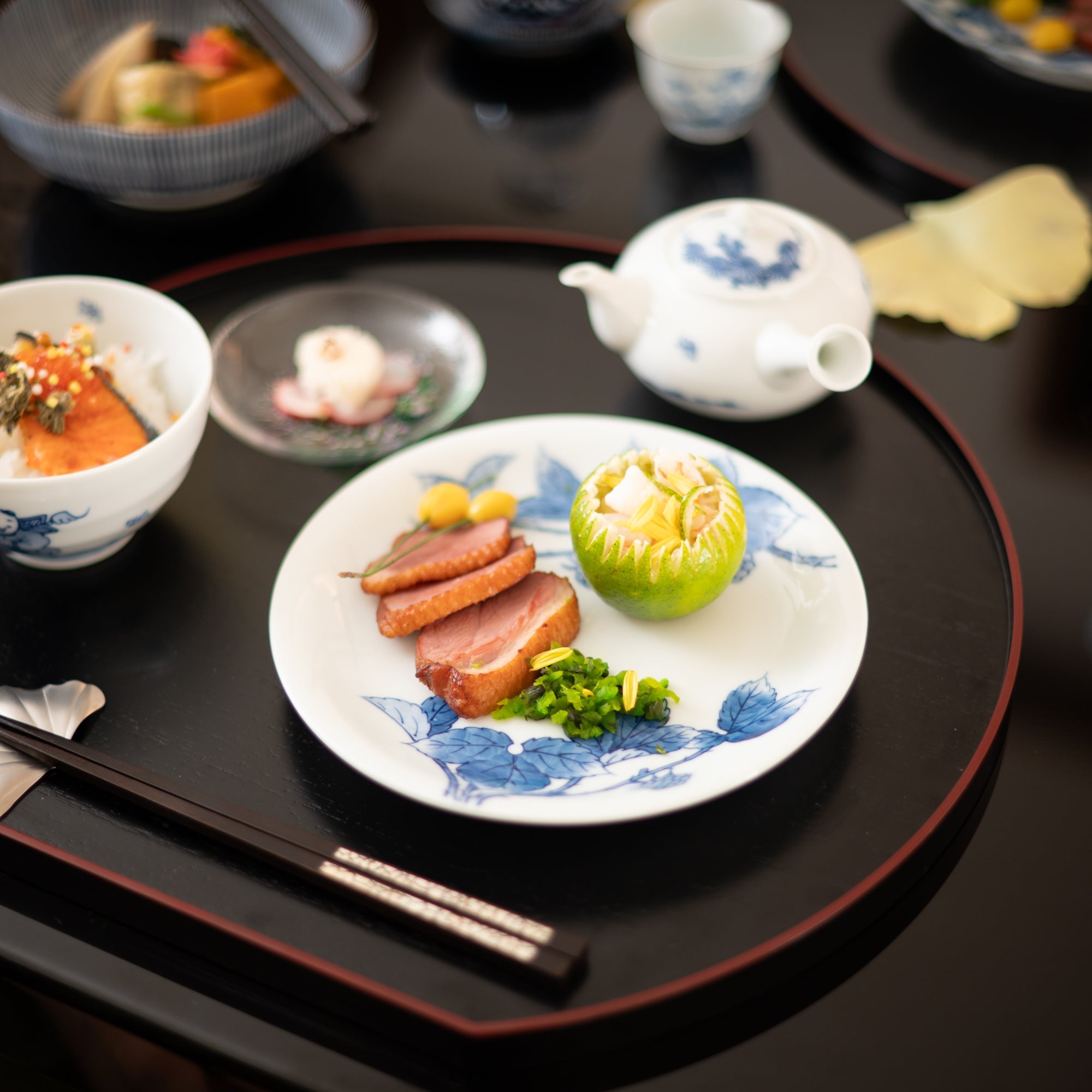
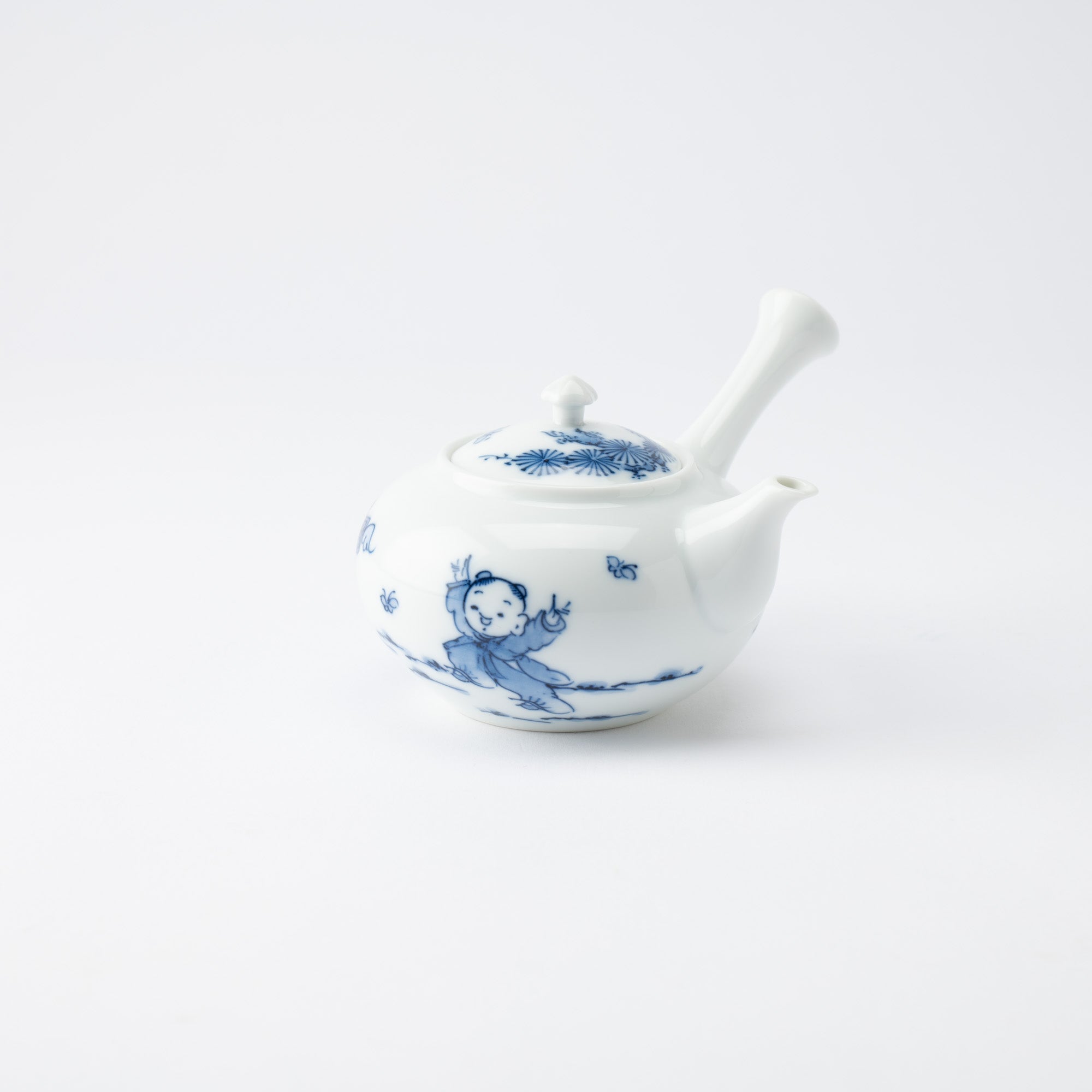
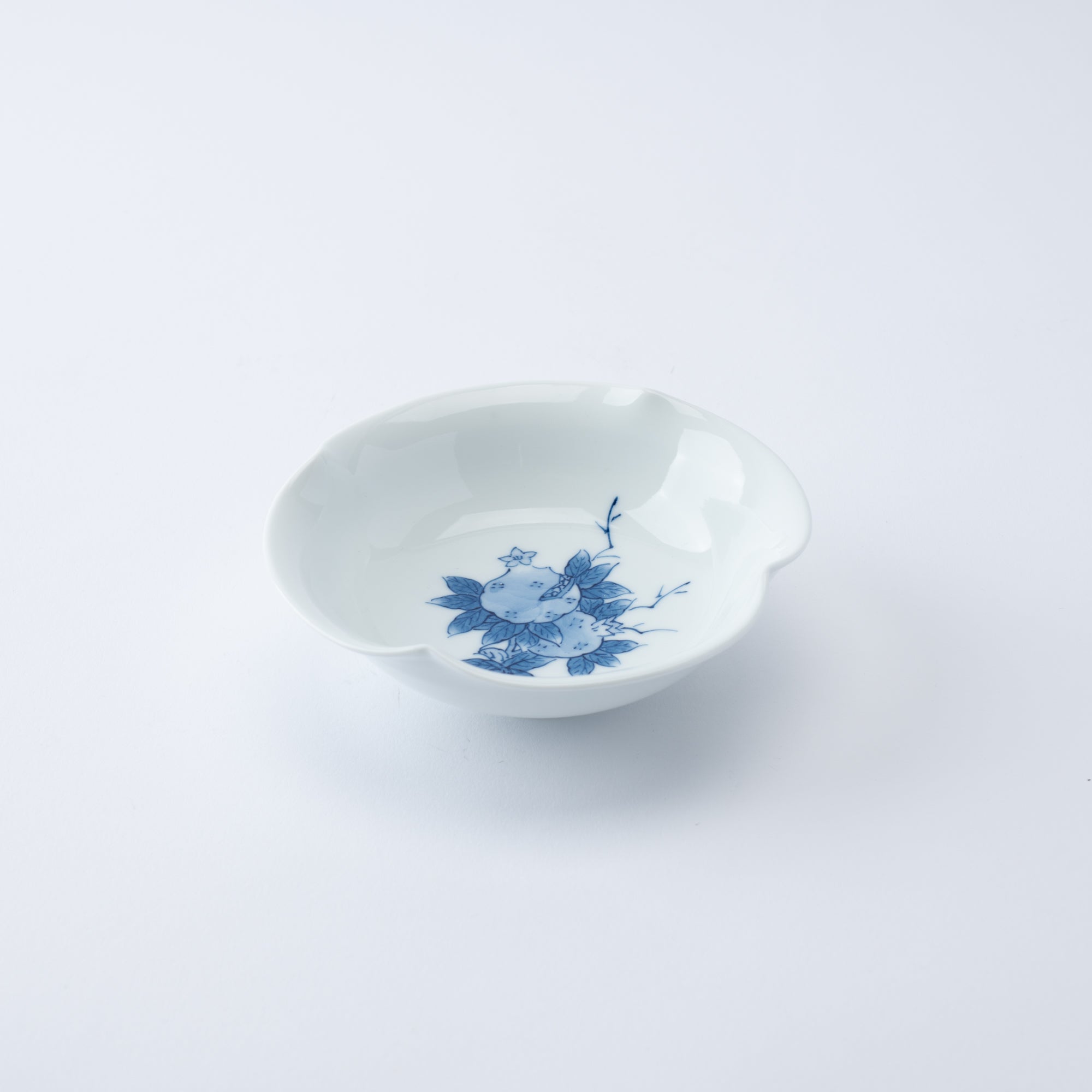
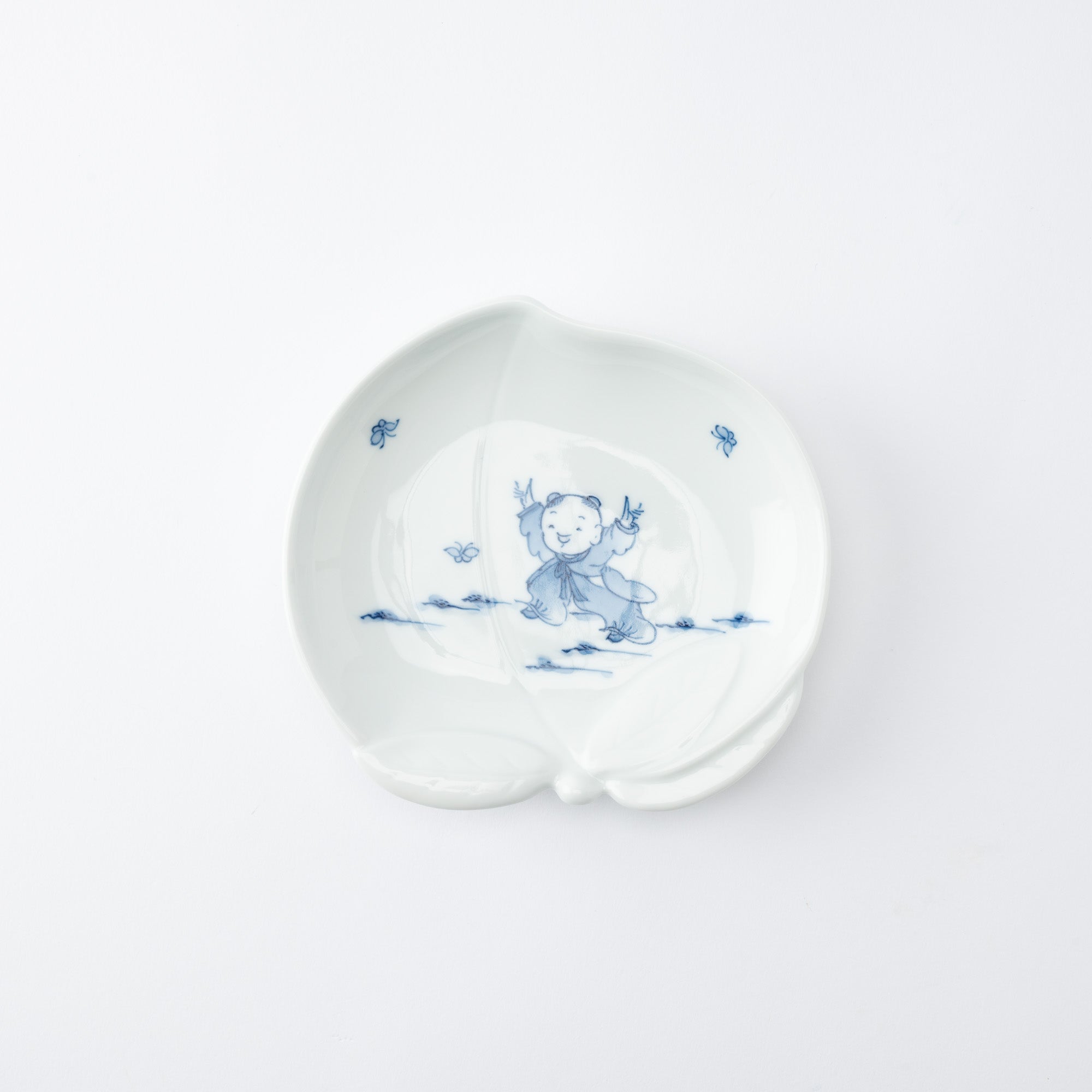
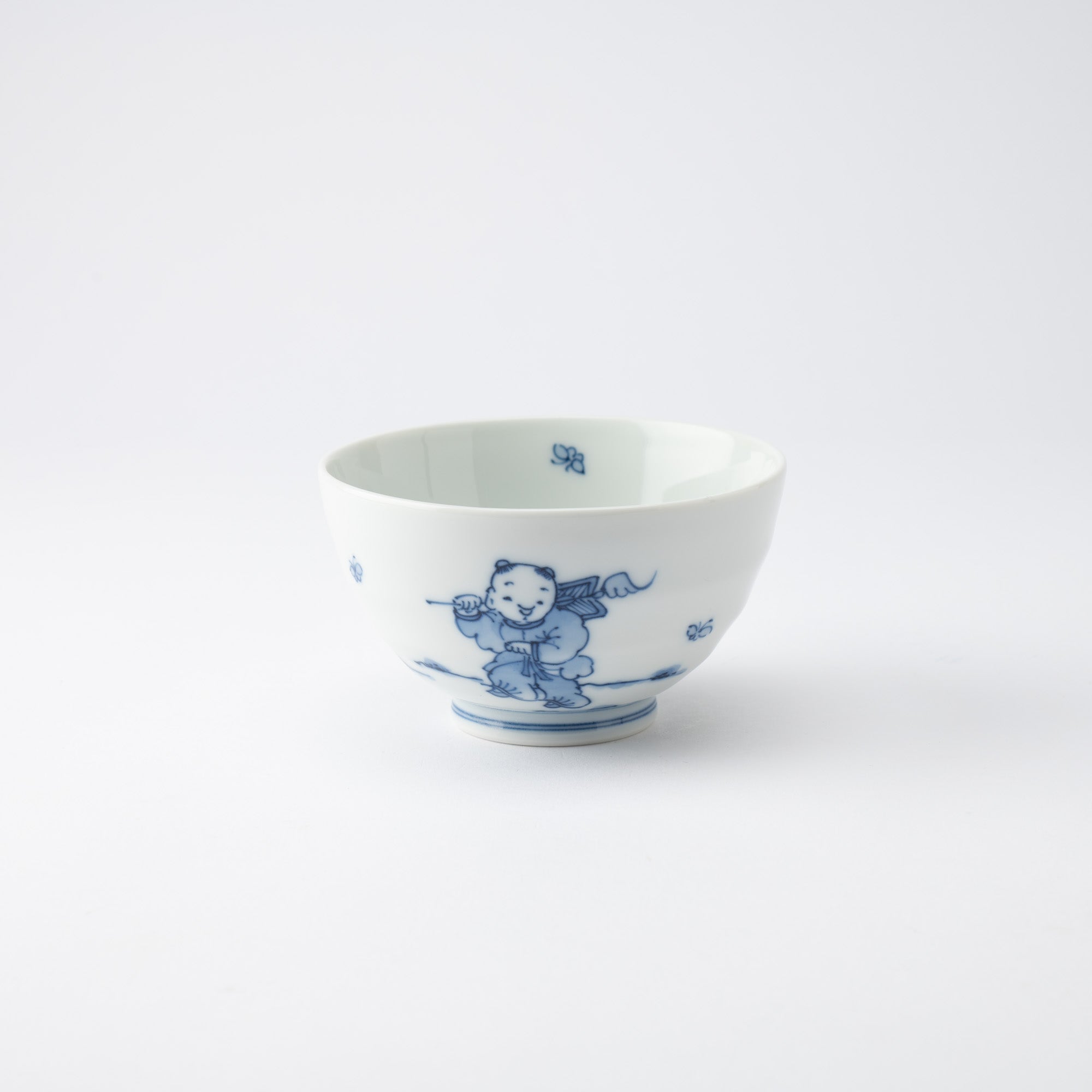
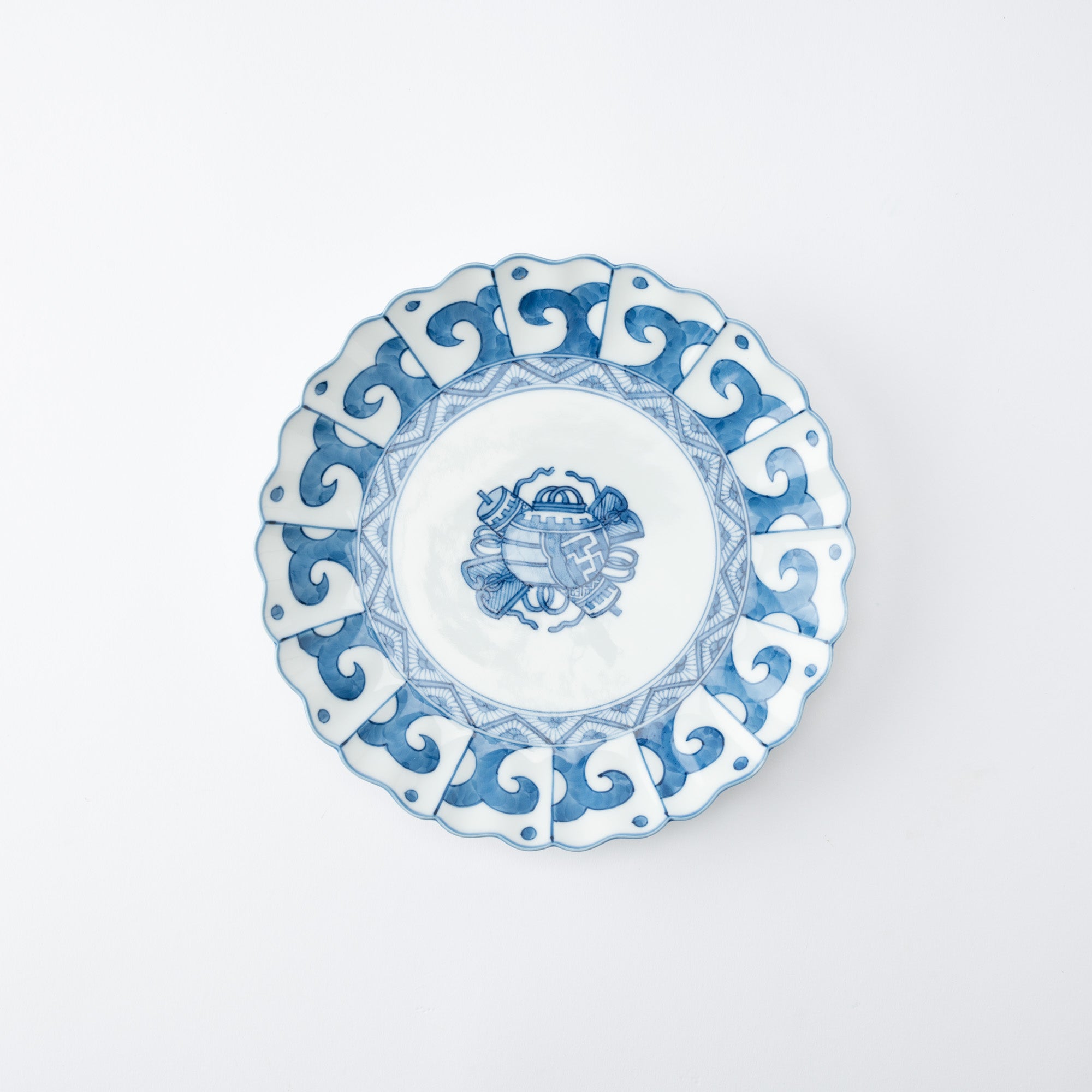
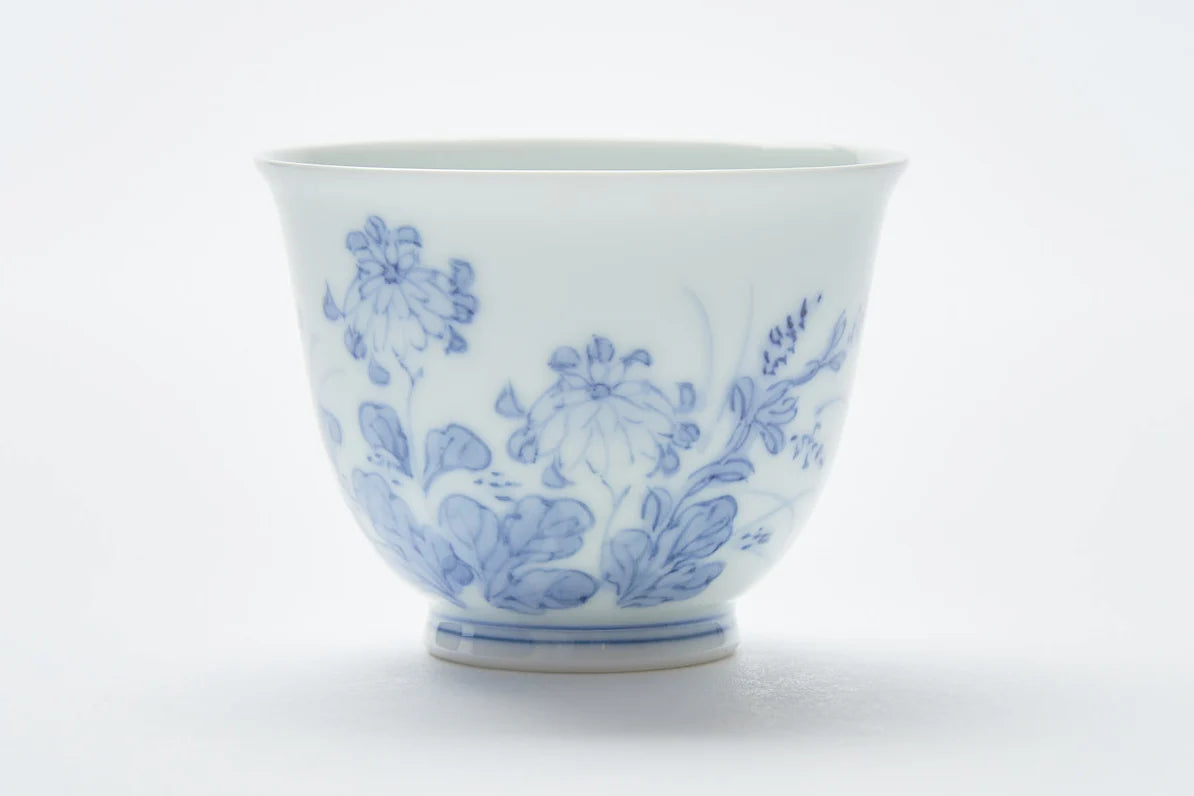
The blue of Kakusho Kiln's sometsuke is of a soft and light shade. The painting is done very gently and tenderly, giving a unique, heart-touching, and charming impression. Kakusho Kiln also values the beauty of white porcelain, gracefully enhancing the paintings.
Carving and Shaping of Porcelain
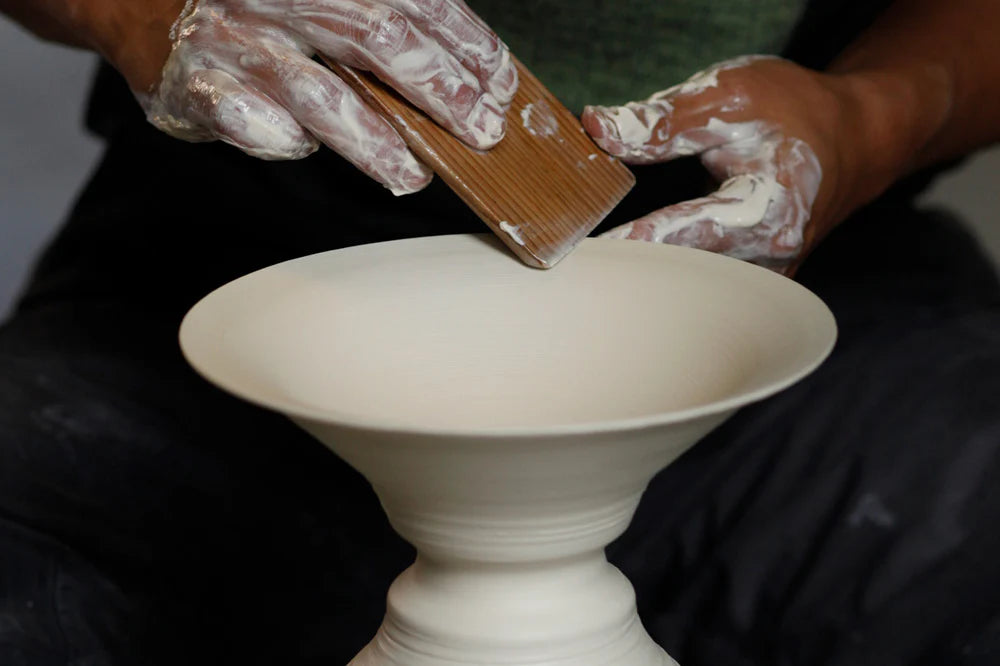
Porcelainware made by Kakusho Kiln is thin yet very durable. The thinness is created by carefully carving out the clay using a planer. As a result, Kakusho Kiln's tableware is lightweight. For durability and strength, the cups have a curved rim, which prevents the thin porcelain from deforming during the firing process.
Fine and Elegant Lines
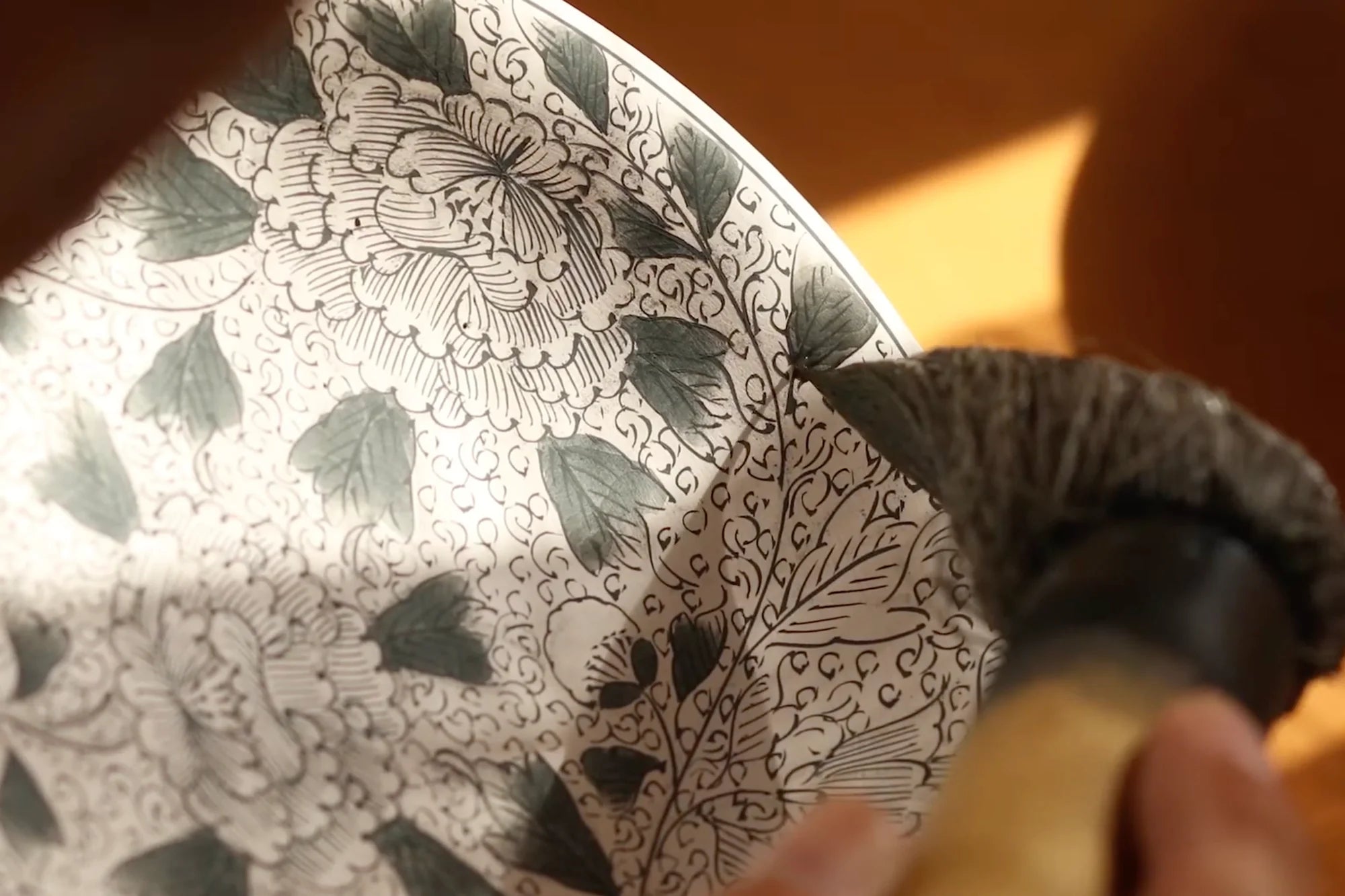
The delicately precise and accurate lines are created by swift and refined movements. One must also balance the right amount of pigment soaked in the paintbrush at once in order to draw without blurring the outlines. Kakusho Kiln cherishes the gentle interaction between the brush's bristles and the clay.
Gentle and Soft Blue
Sometsuke employs a brush soaked with a cobalt pigment called gosu to paint within outlines. Kakusho Kiln believes in gently applying this pigment so it seeps naturally across the surface of a piece, infusing into the bisque ware. The highly skilled application of this distinctive technique creates a uniquely soft and delicate shade of blue.
The Art of Hand-Painted Mikawachi Ware
Satomi Toshitaka, third-generation master of Kakusho Kiln, carries on a 350-year-old tradition of Mikawachi ware ceramics, known for its soft white porcelain and delicate indigo brushwork. In this video, he shares how decades of experience have sharpened his technique, allowing him to paint gosu lines with unmatched control and emotion. Discover the elegance behind each brushstroke, the history of sometsuke porcelain, and the passion of an artist whose hands remember what words cannot express.

Preserving Japanese Mikawachi Ware Ceramic Techniques
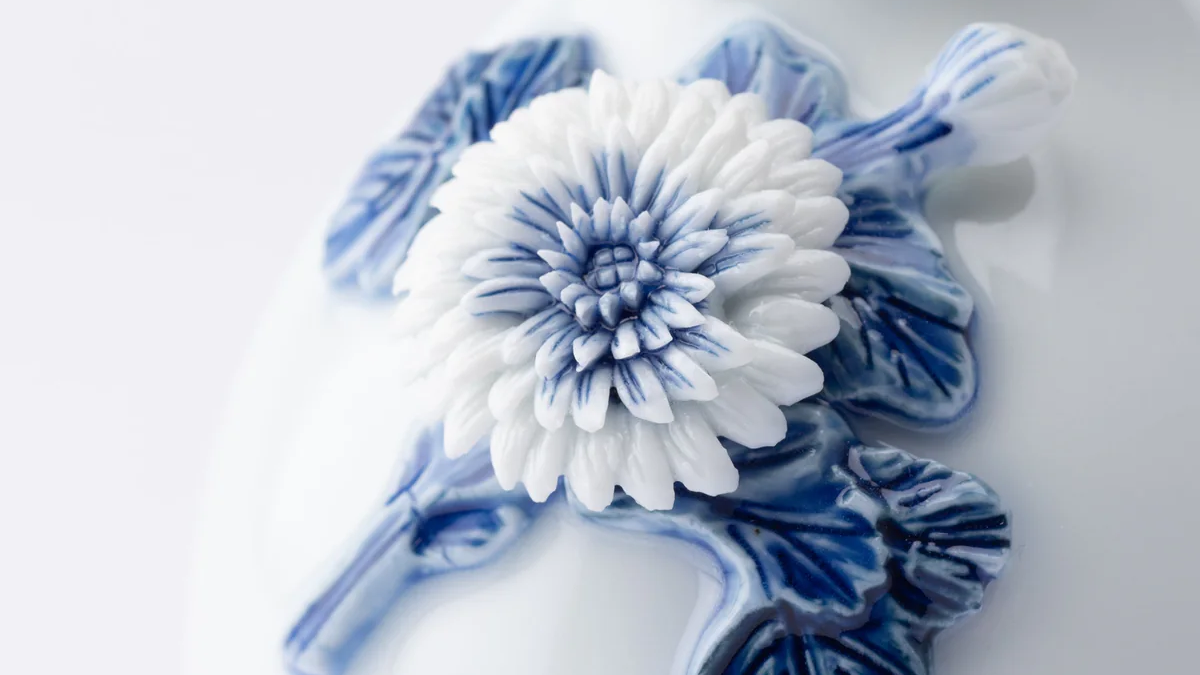
Eighth-generation Mikawachi ware artisan Satomi Toshitaka welcomes us into Kakusho Kiln, where tradition guides every piece. In this intimate interview, he recalls growing up among makers, inheriting Edo-era techniques, and reviving long-forgotten molds. Through motifs like chrysanthemums and sun-moon arabesques, he explains how he honors heritage while shaping Mikawachi ware for today—a living story passed down through generations.

Origin & Other Makers
Related posts
Filters