Fujin Raijin Sake Cup Pair
Ships from Japan · Free shipping on orders over $250 USD
Estimated Shipping Widget will be displayed here!
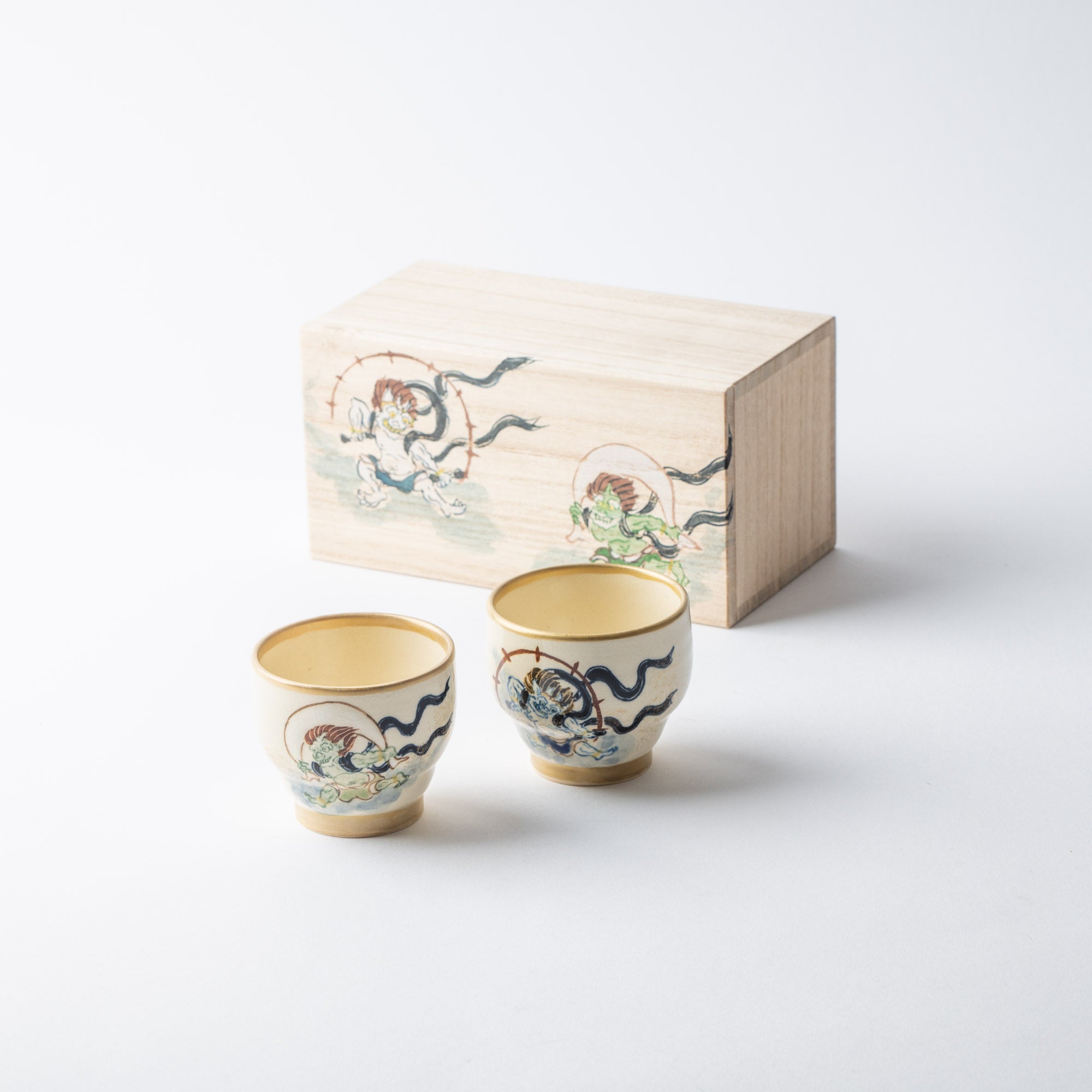
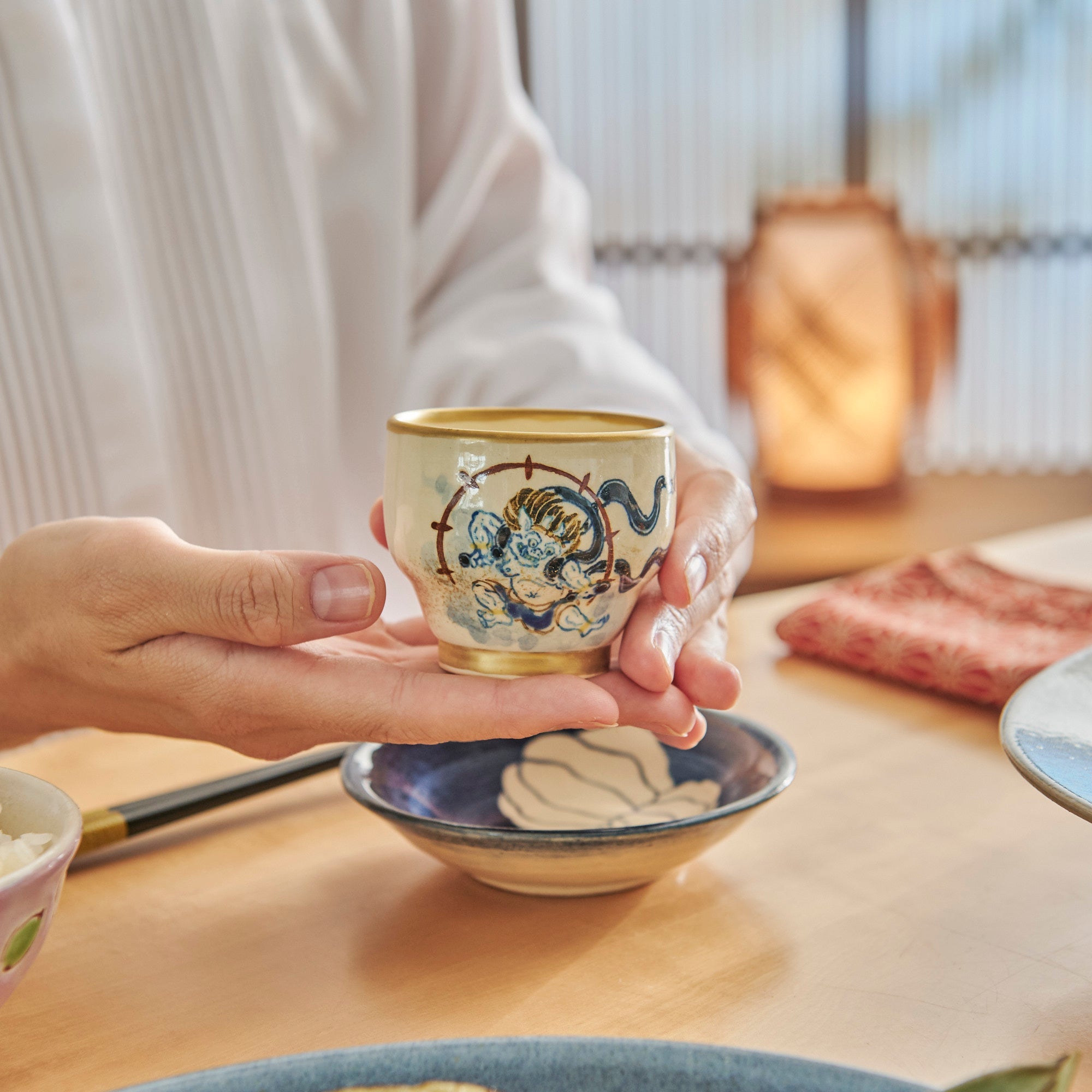
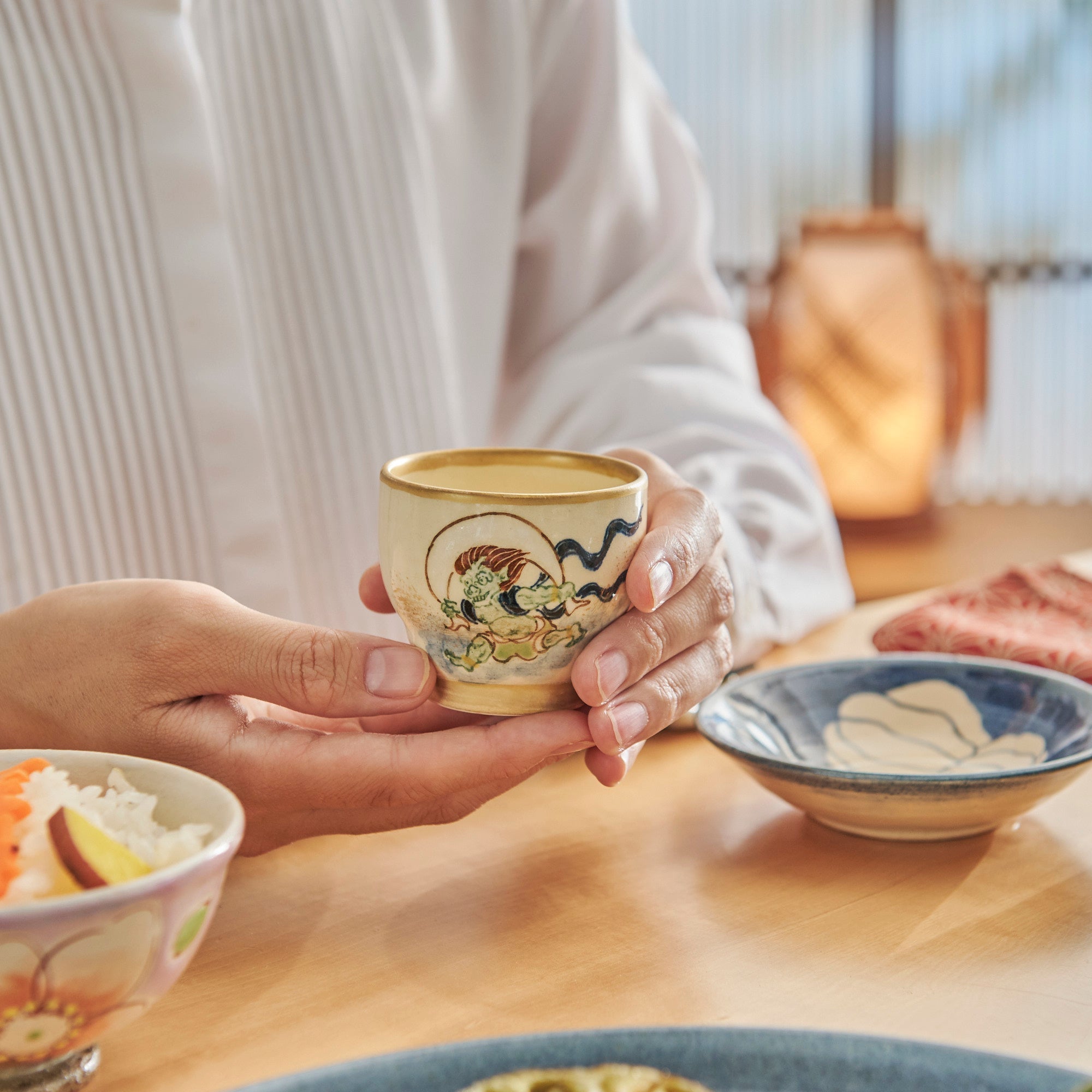
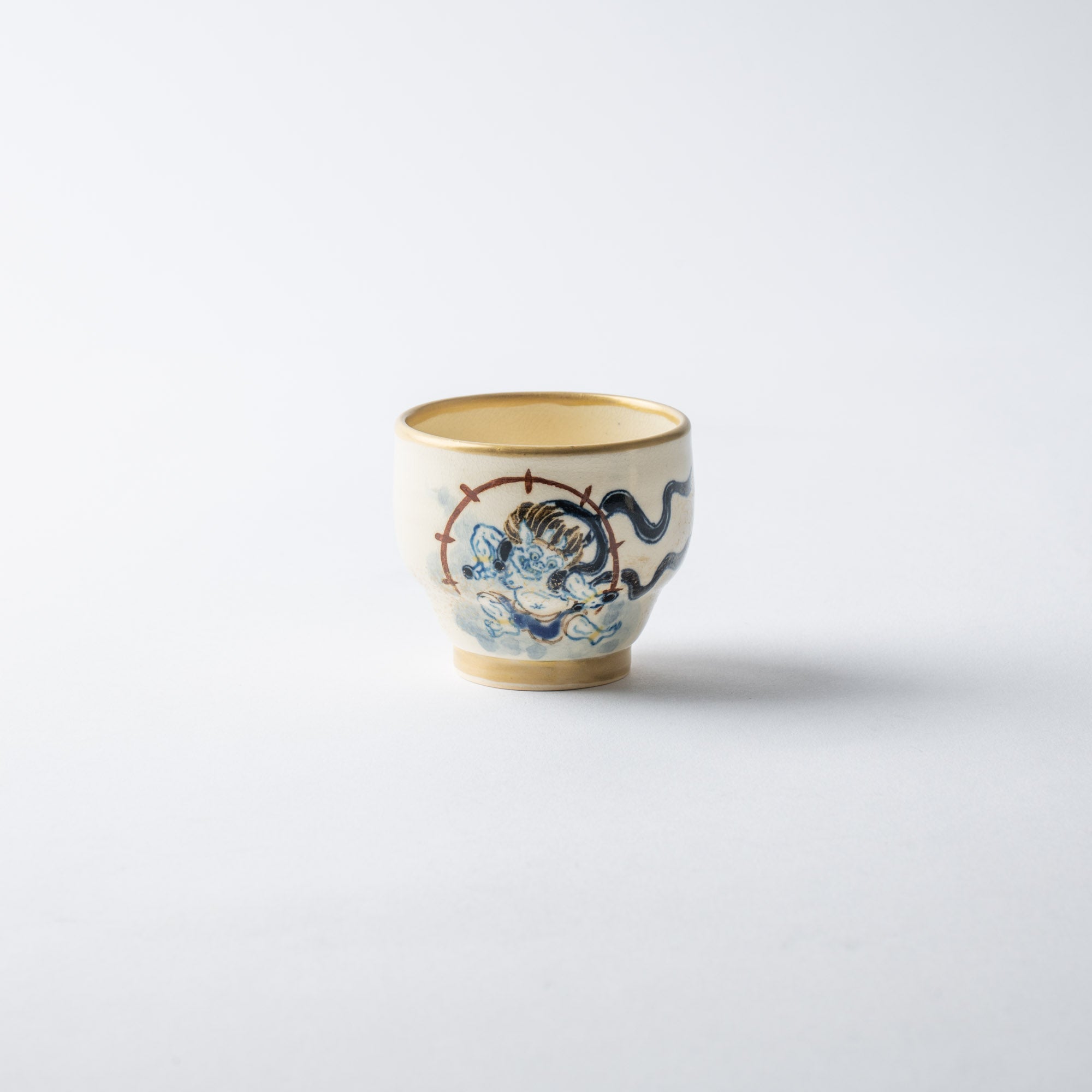
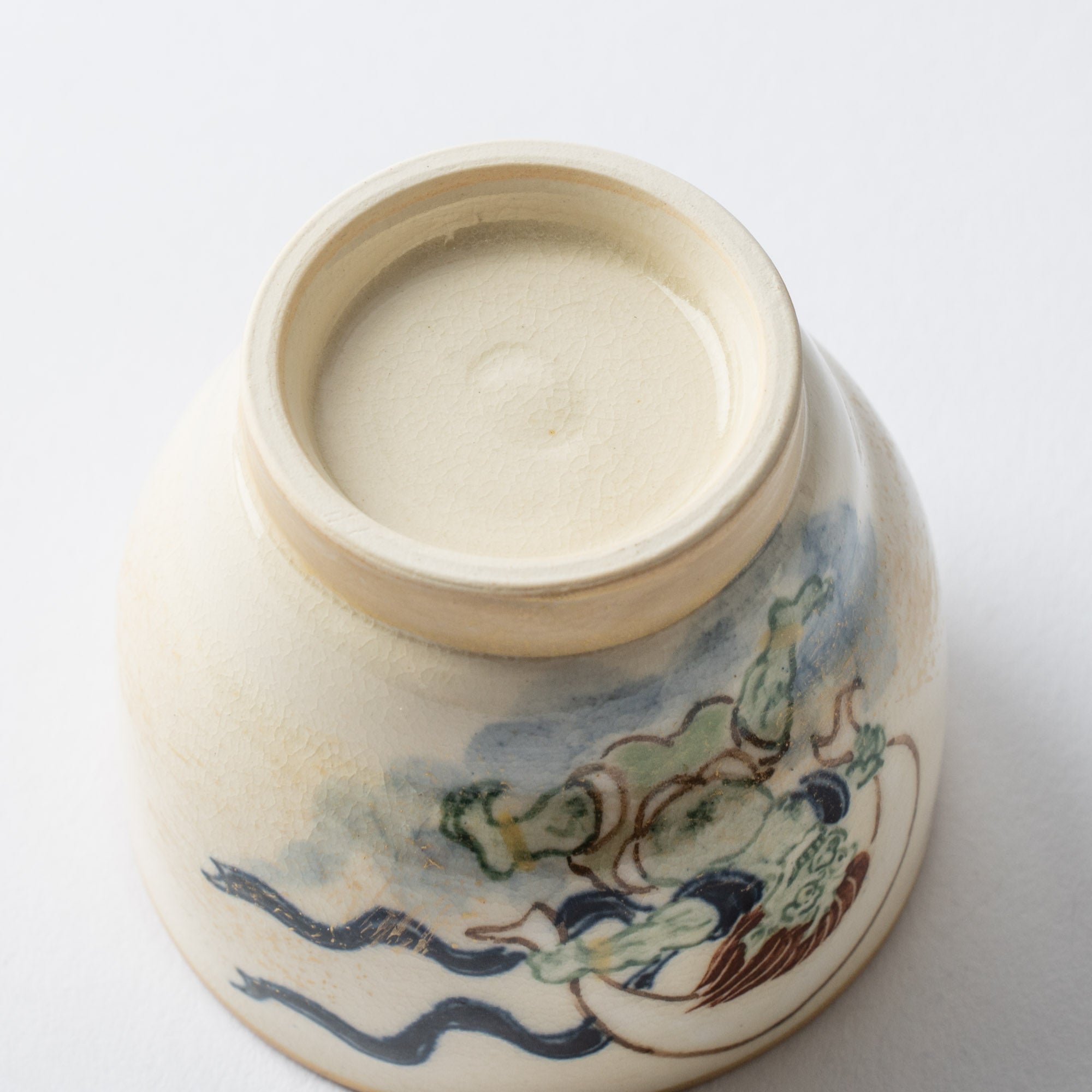
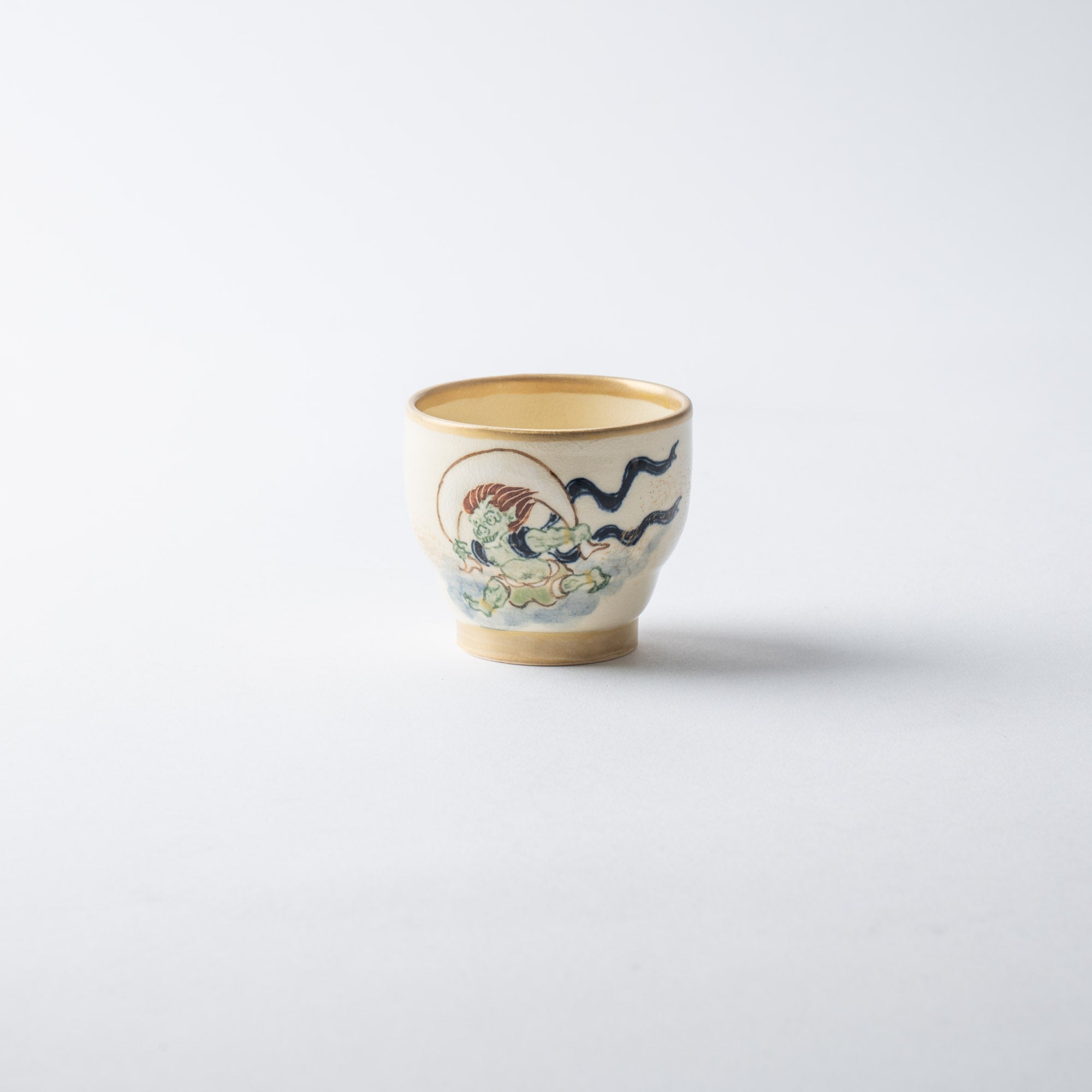
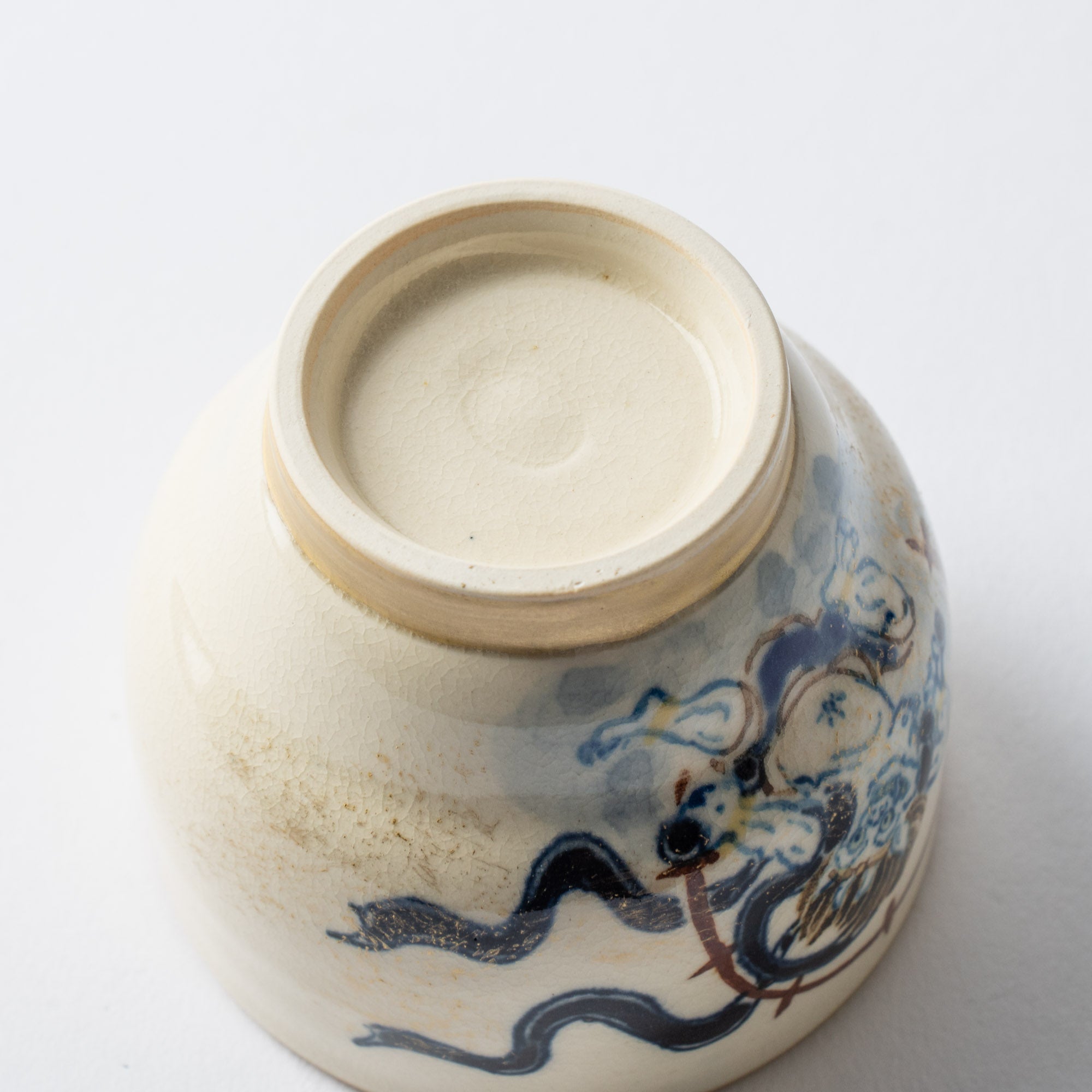
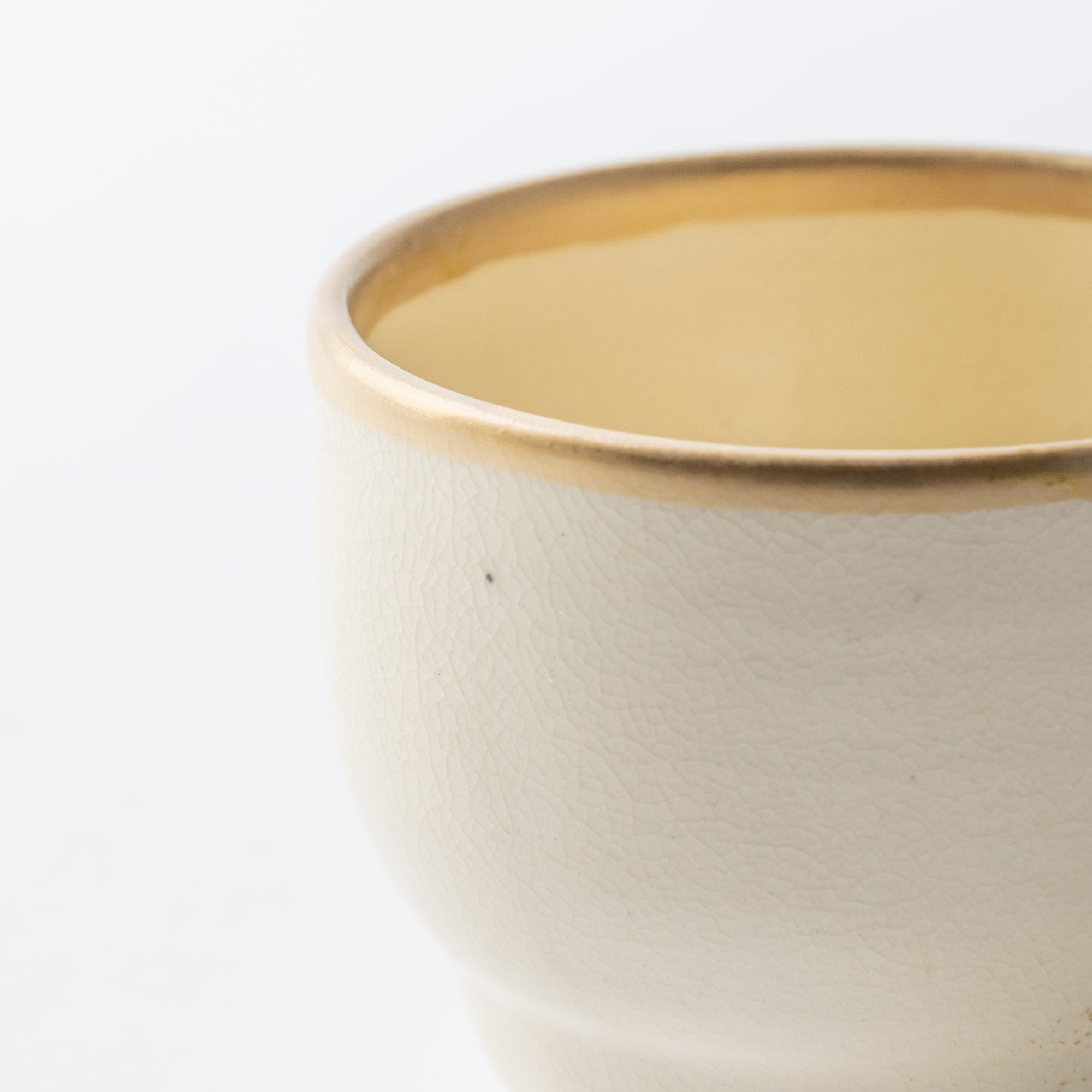
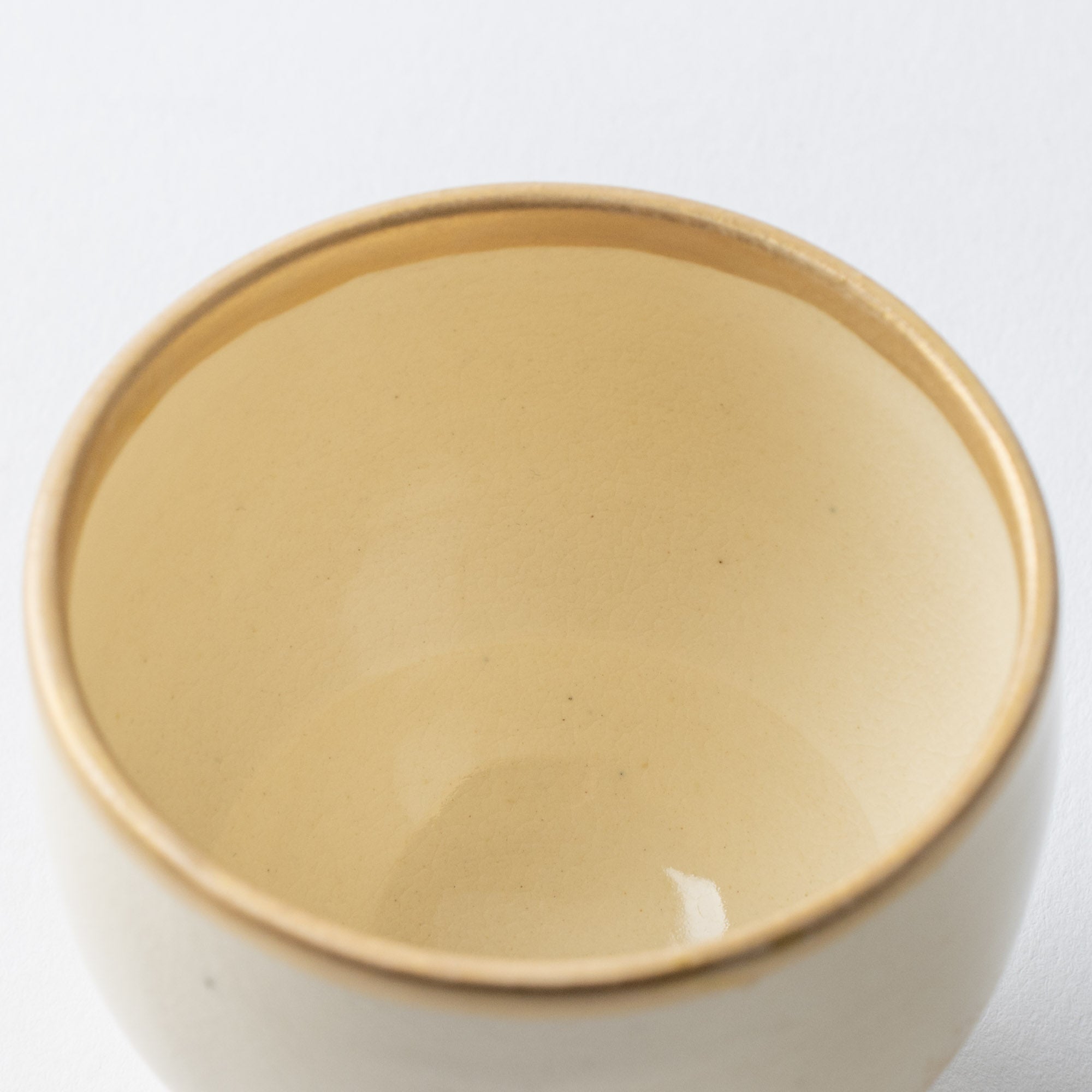
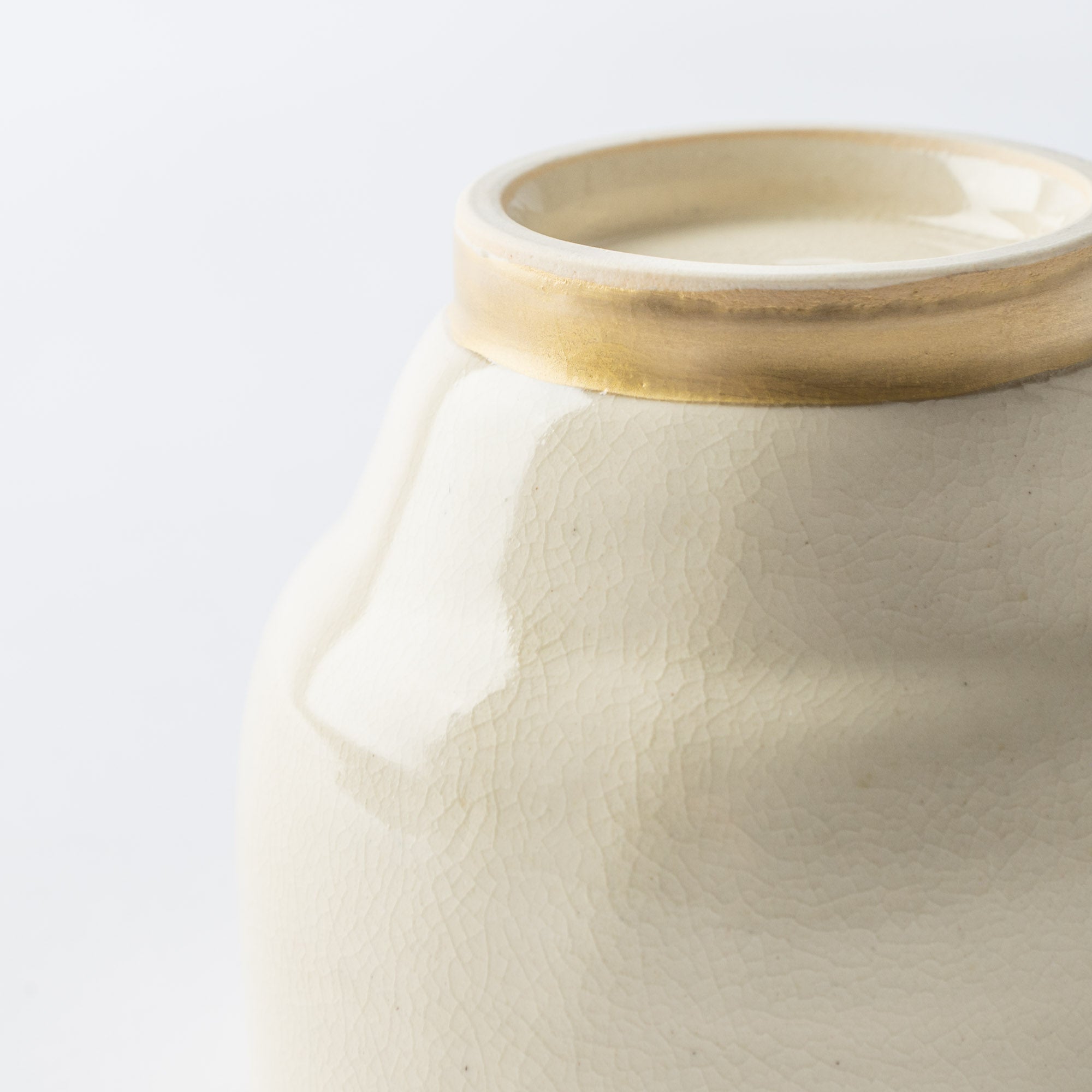
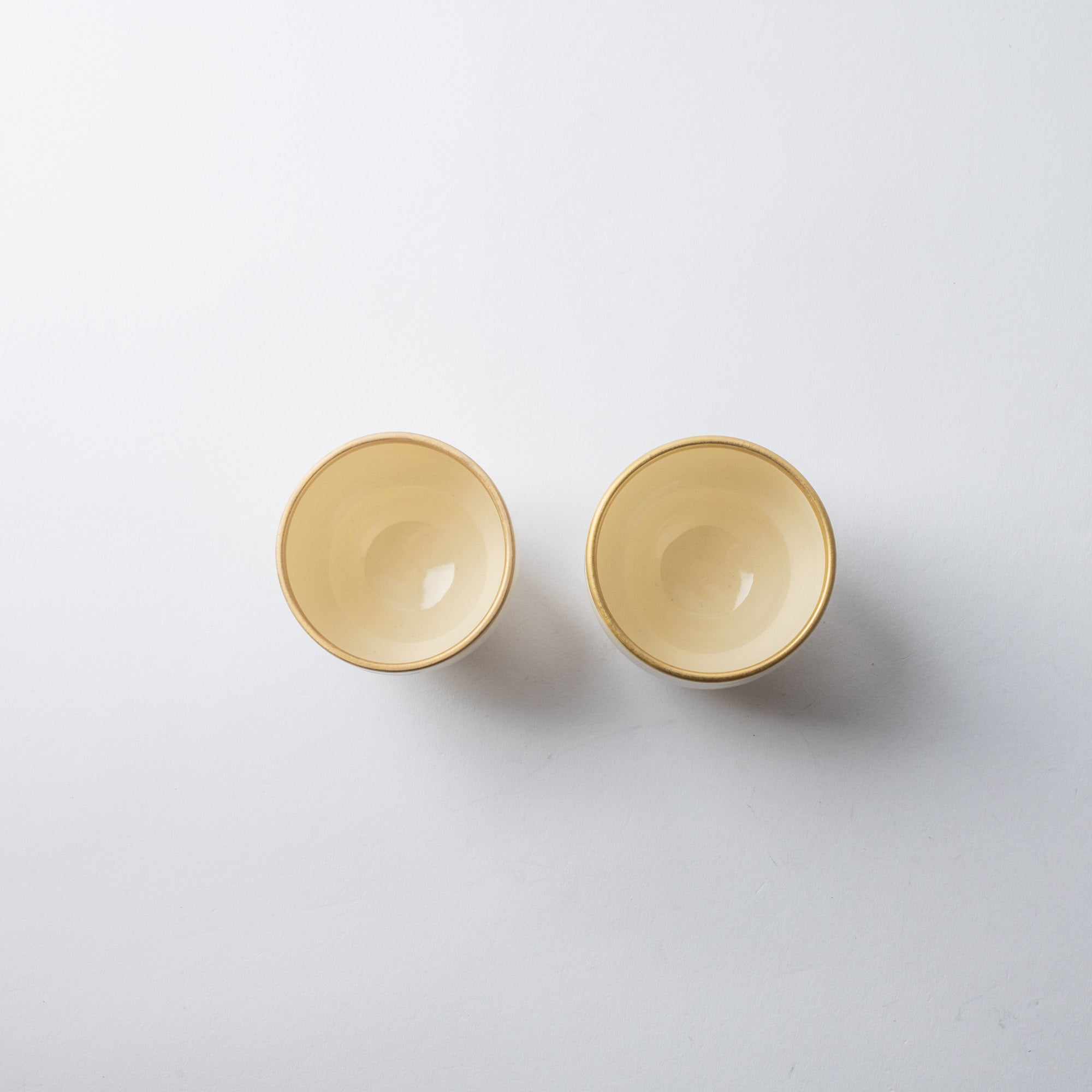
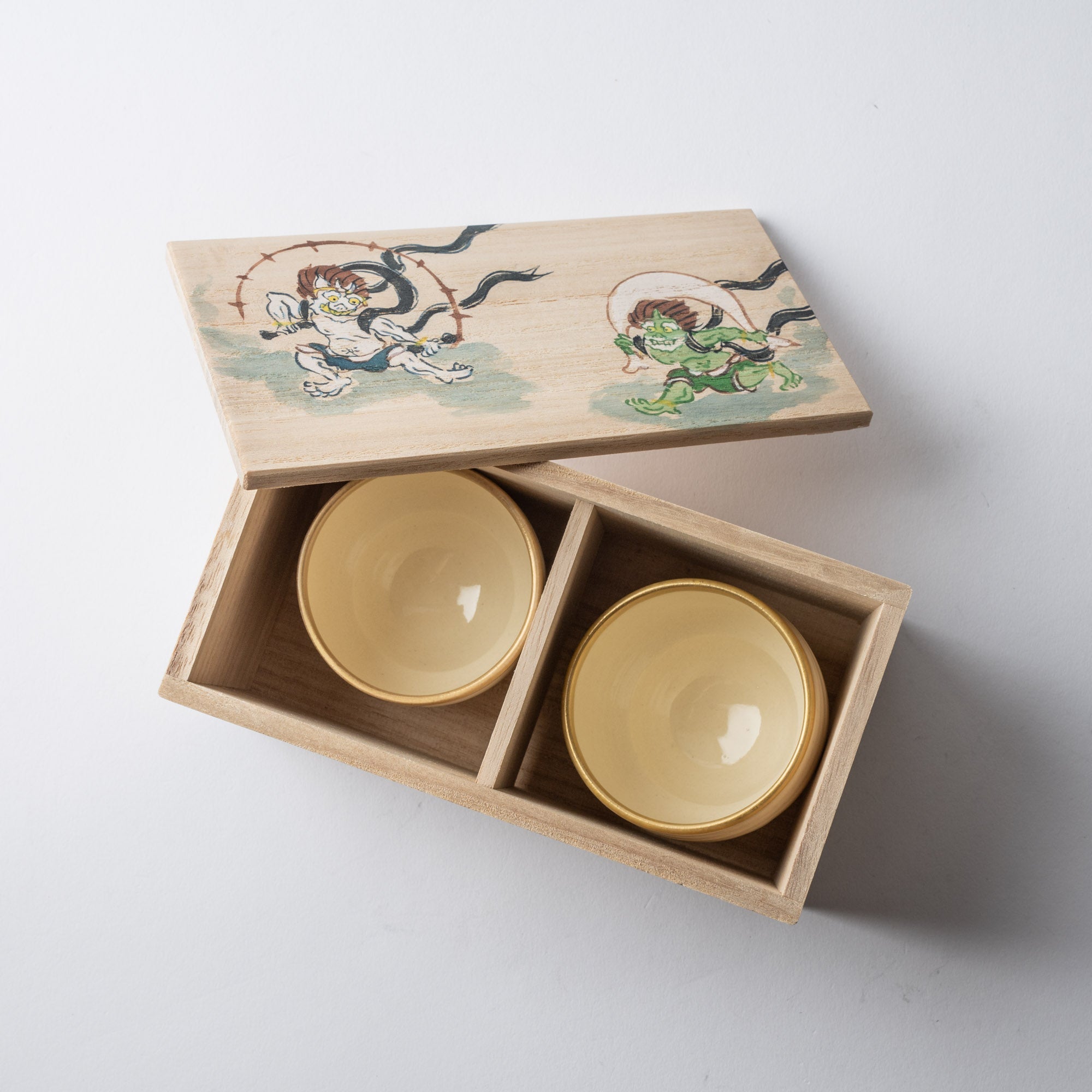
Featuring the distinctive nami-yu glaze made from the ashes of Kyoto forests, this pair of sake cups has a natural base color of yellowish cream-white.
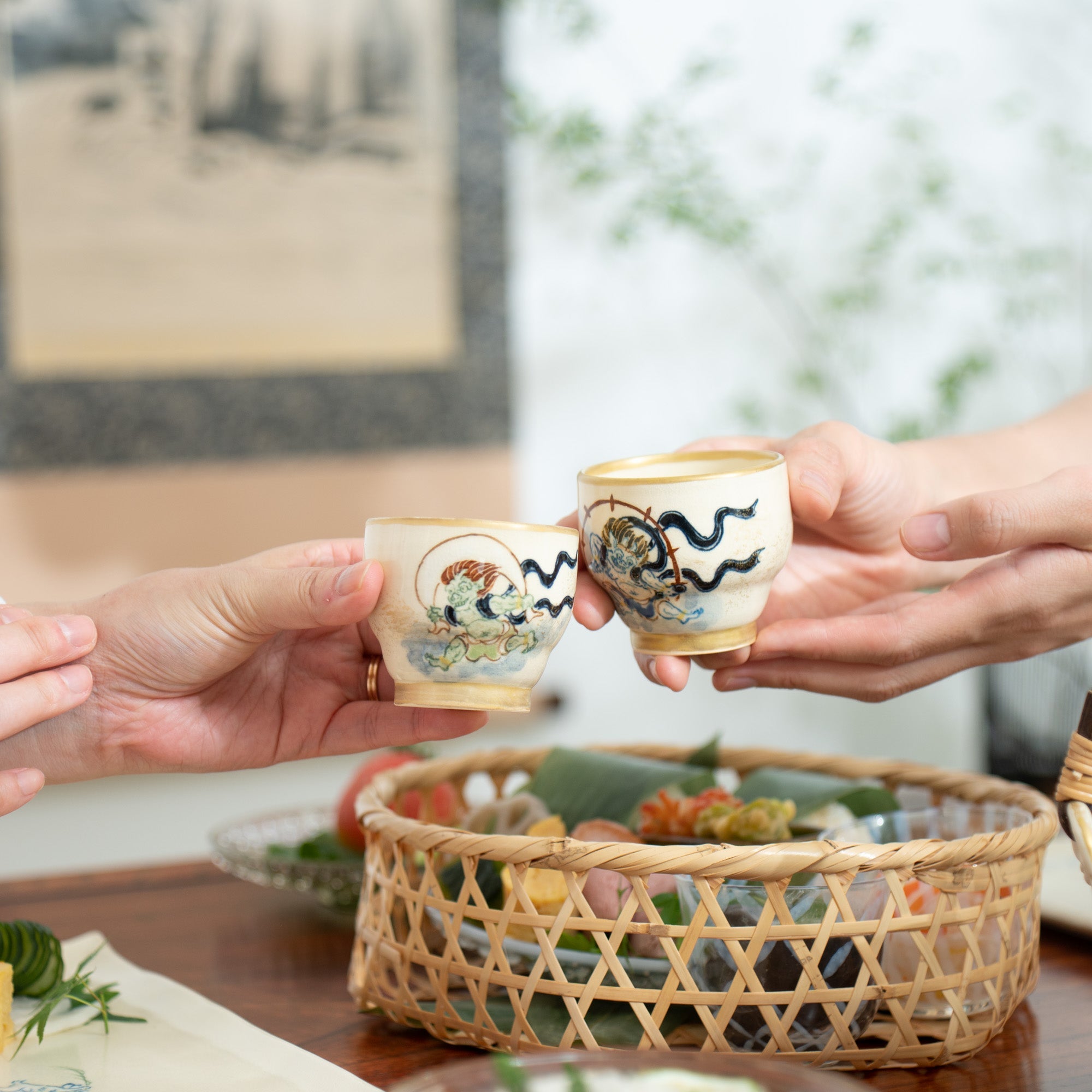
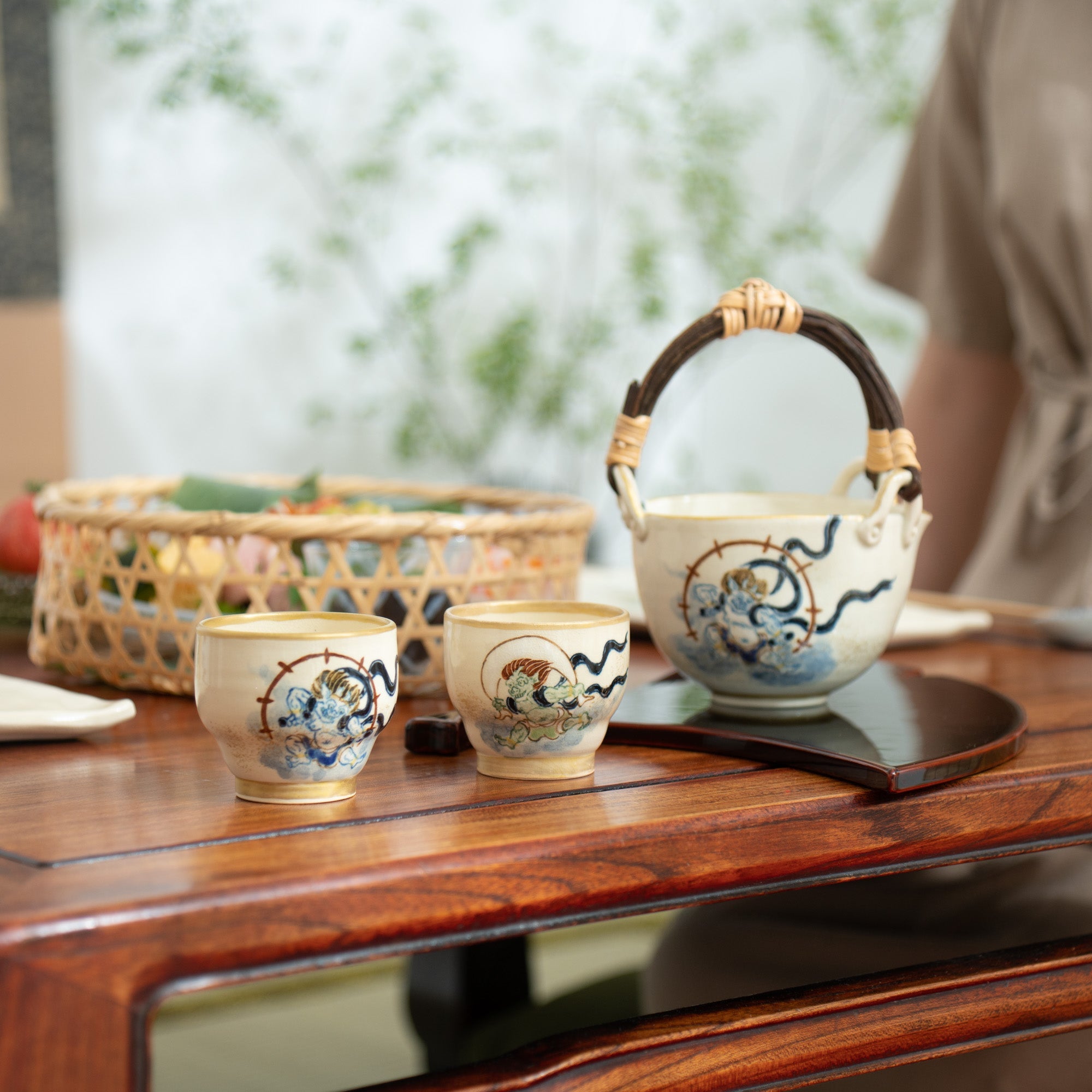
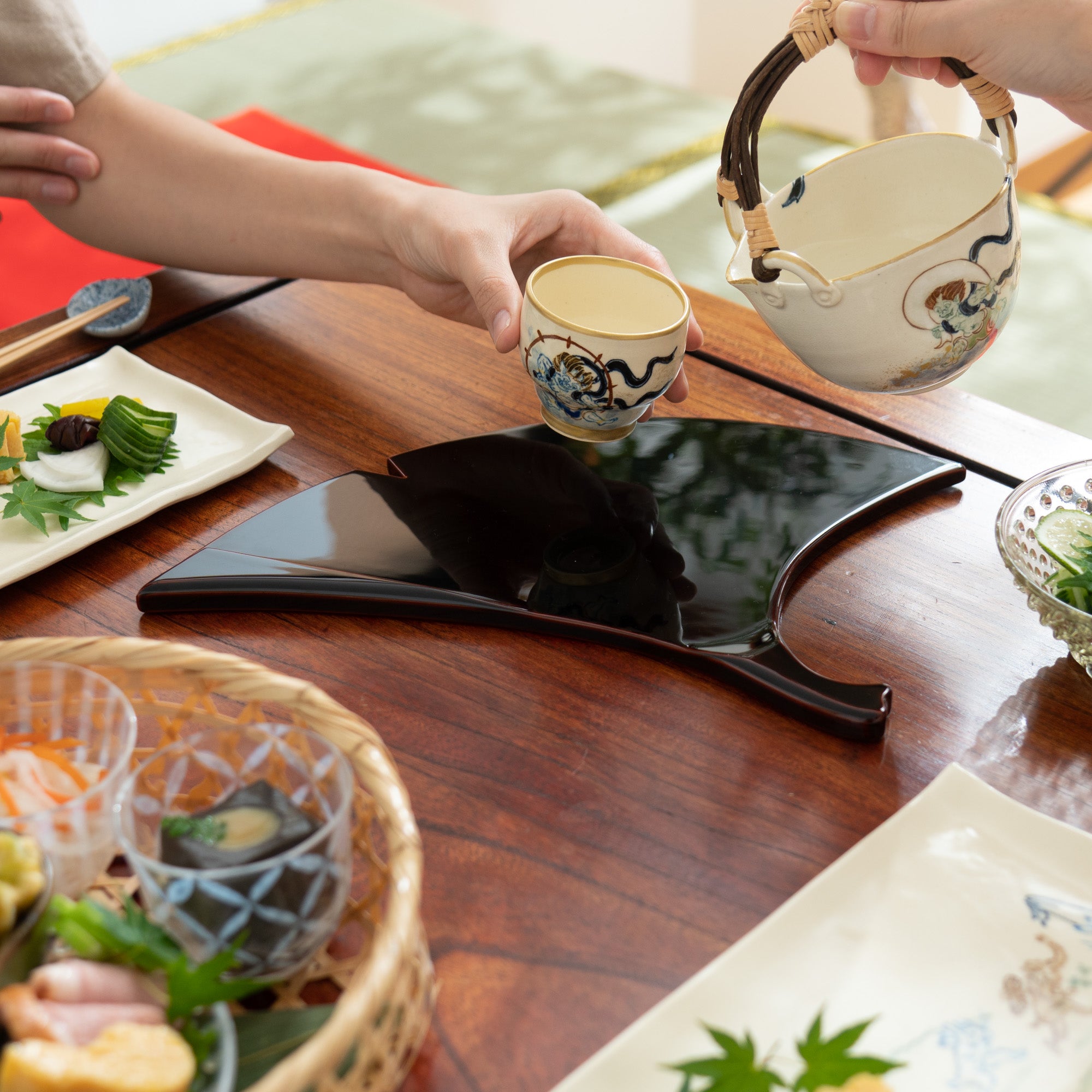
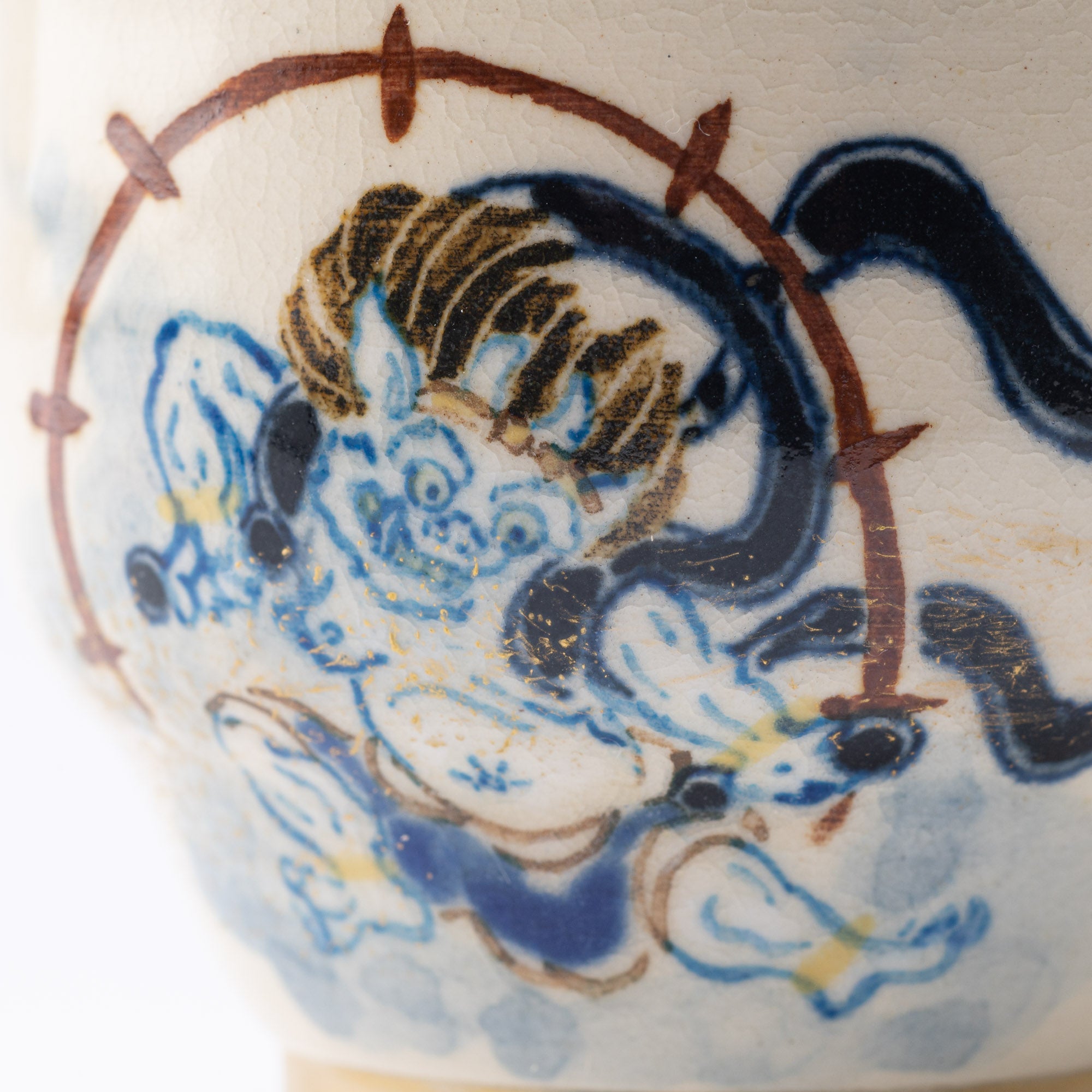
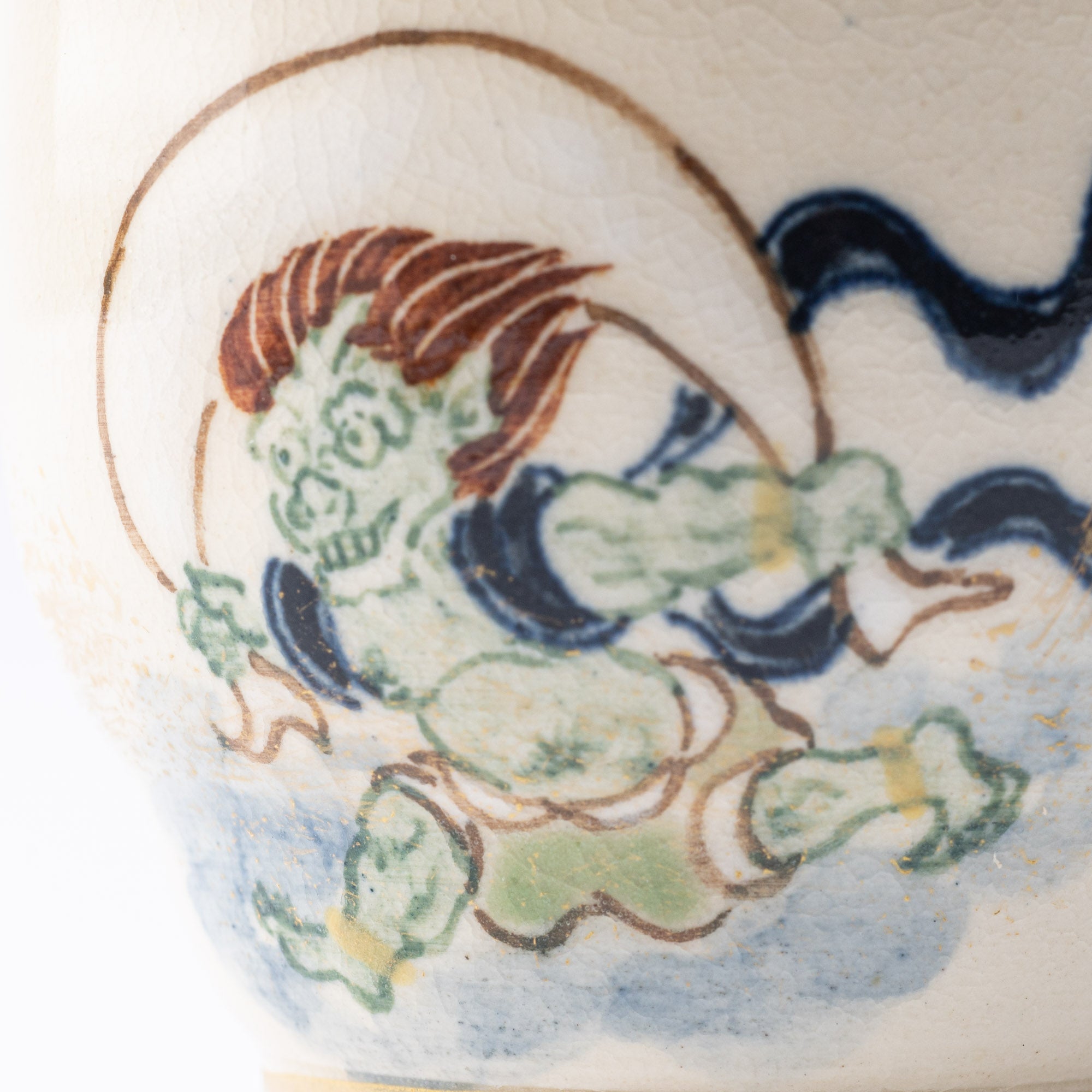
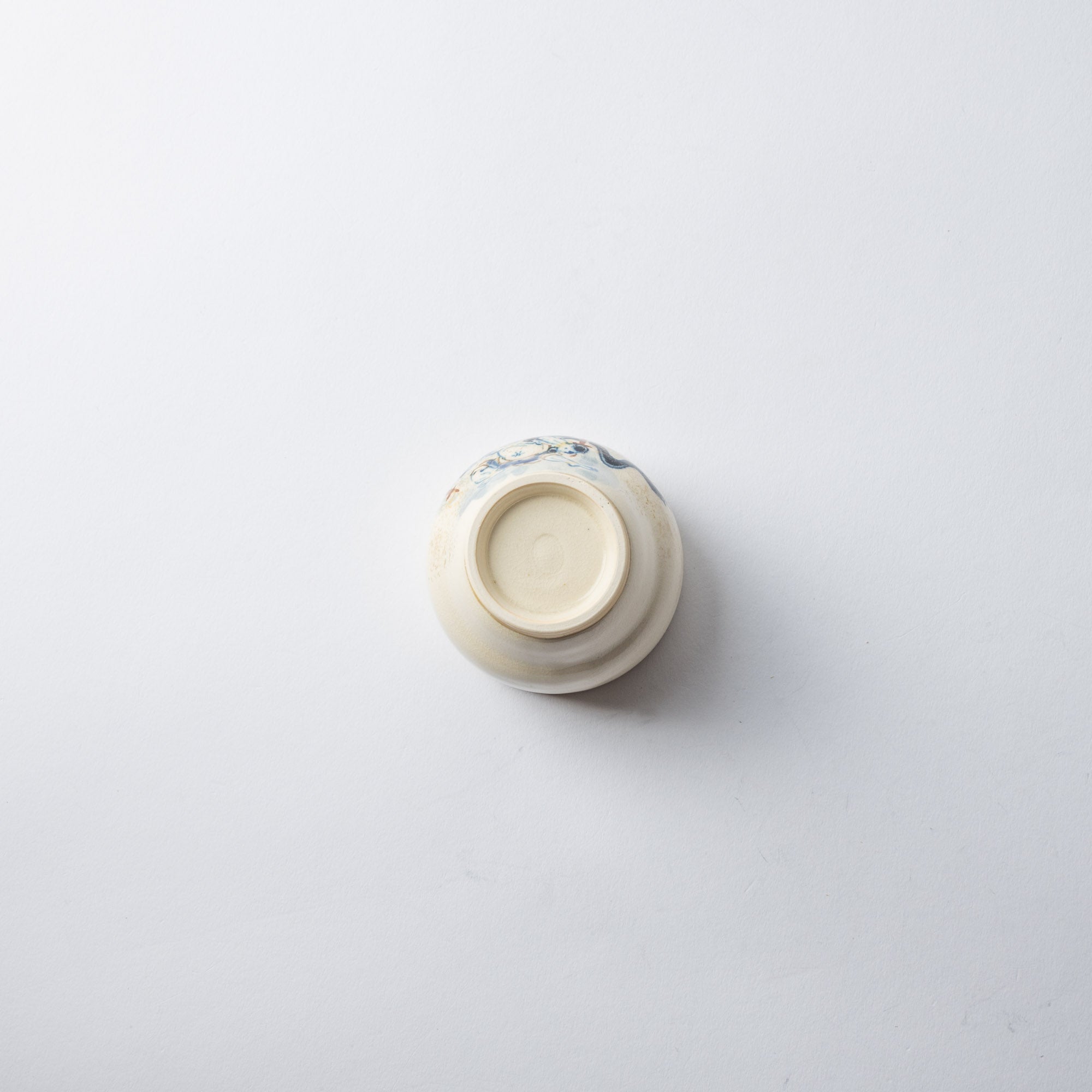
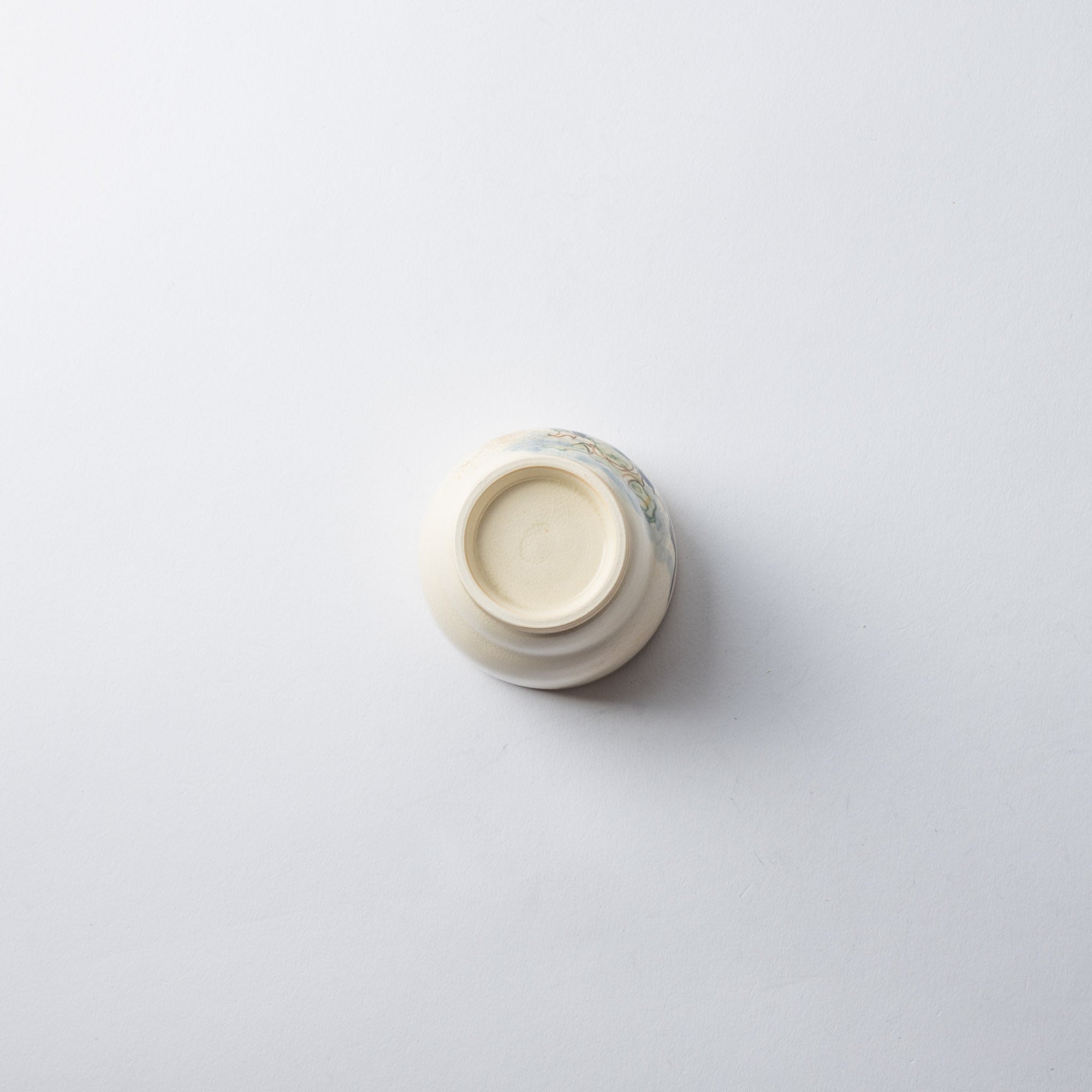
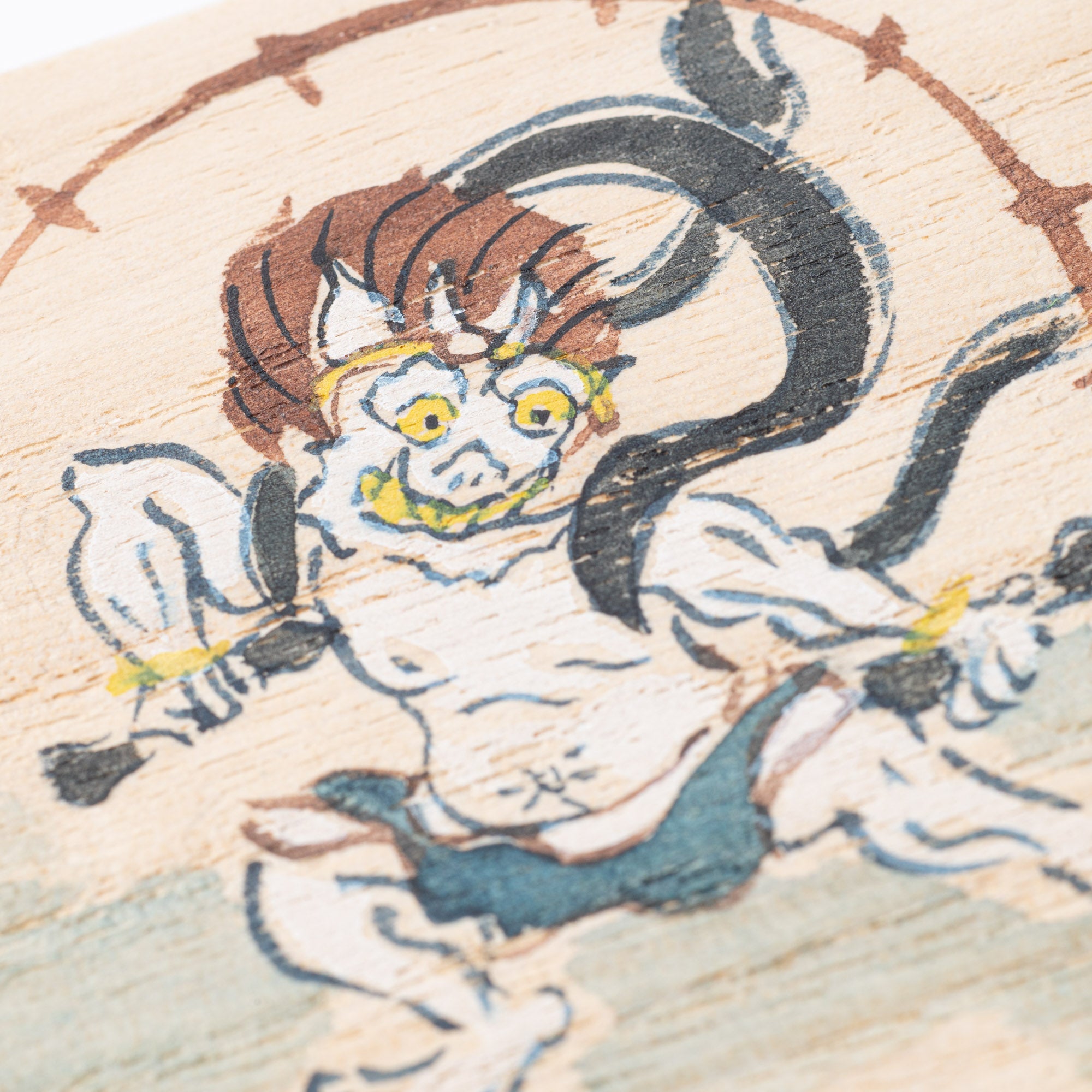
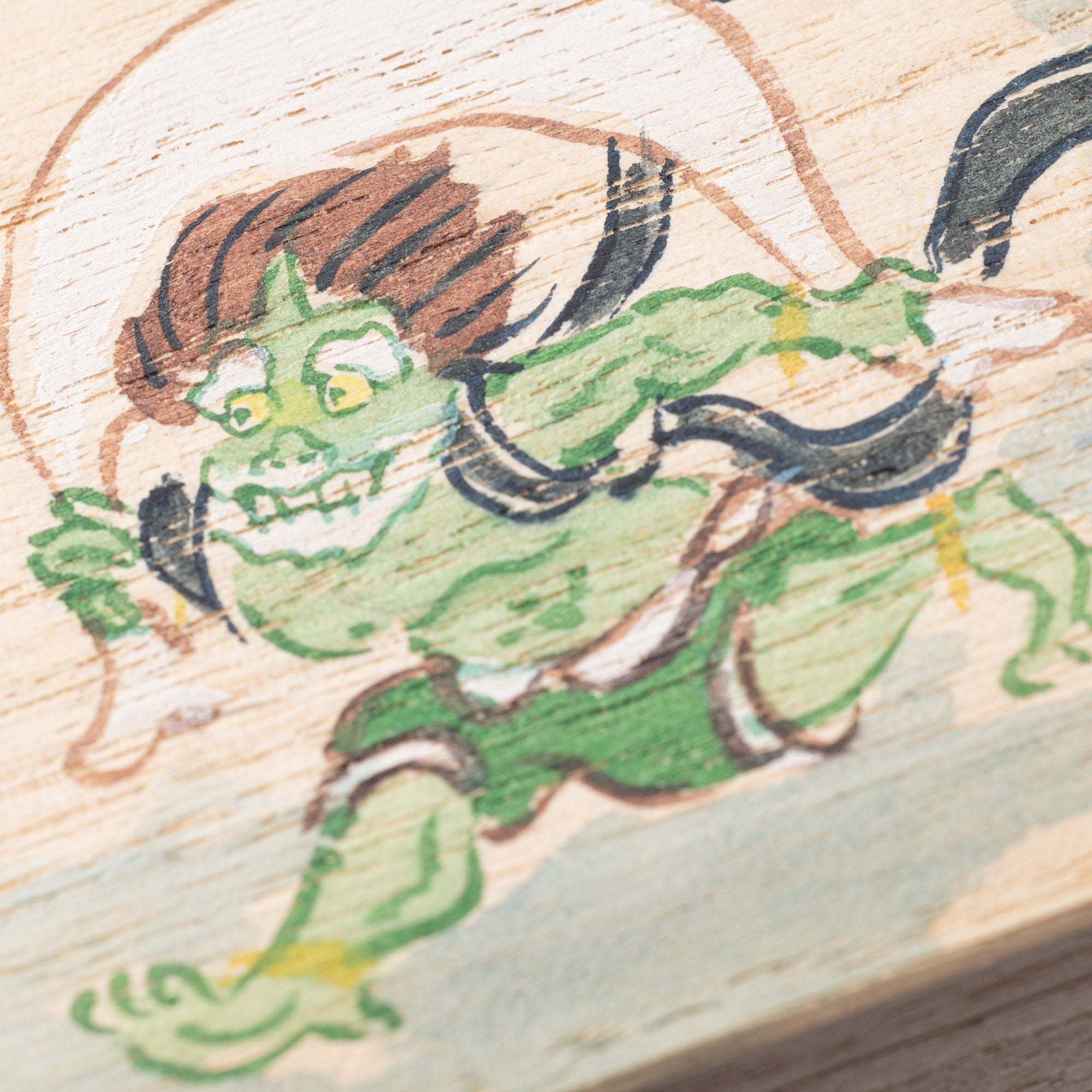
The painting is executed by individual Japanese-style painters, each pursuing their own sense of originality and expressive depth beyond mere decoration. This particular piece depicts the deities Fujin and Raijin (the wind god and the thunder god). Not only are they supernatural beings, but they are also believed to be attendants of the Buddha. Fujin rides upon a cloud, carrying a cloth that allows him to control the wind at will, while Raijin holds a ring of drums.
The technique of painting directly onto a bisque-fired vessel requires exceptional skill, as the paint is quickly absorbed into the clay surface. Underglaze painting employs restrained tones of blue and brown, lending the piece a calm and subdued impression.
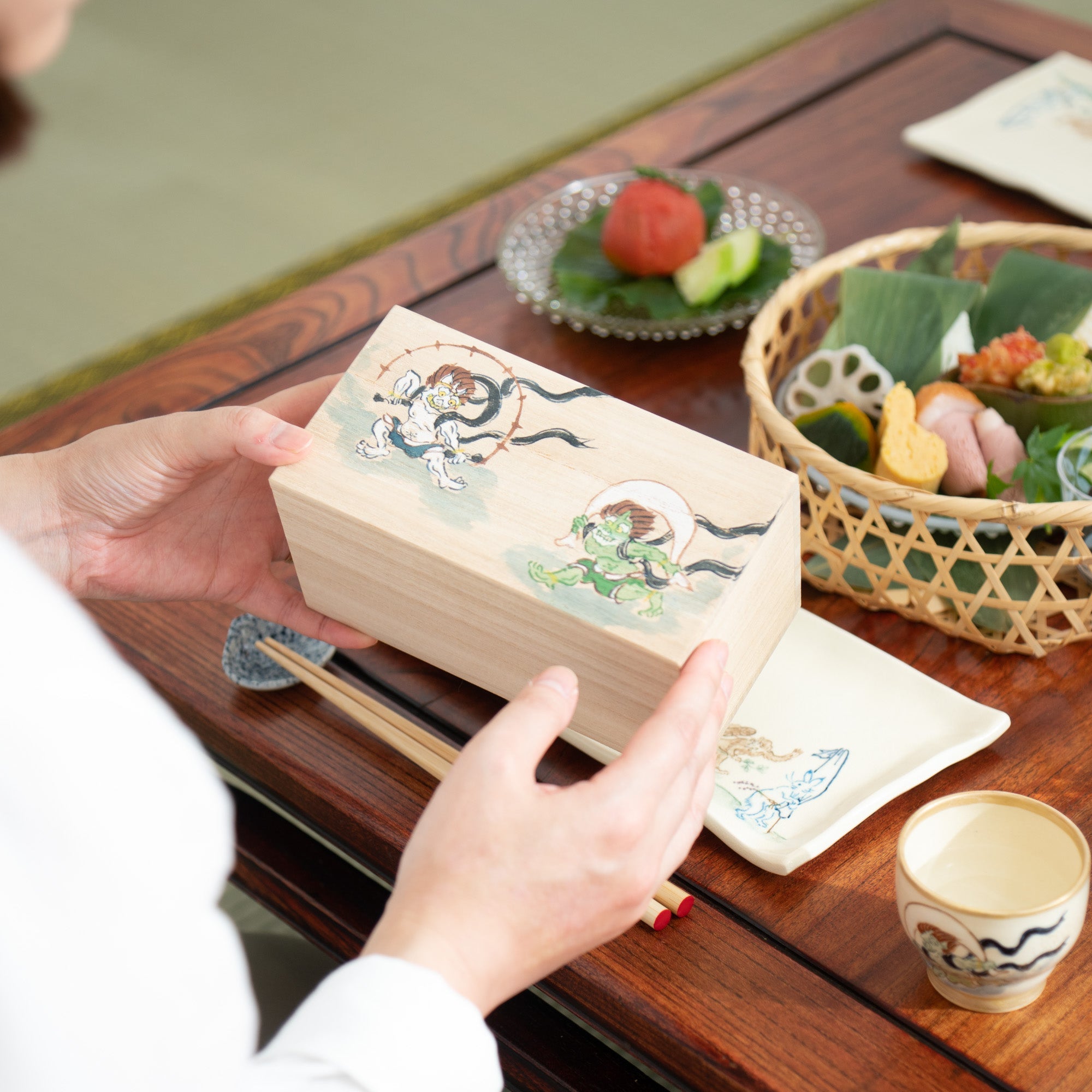
This item comes with a wooden box made from paulownia wood, making it an ideal gift. The lid features a hand-painted depiction of Fujin and Raijin, offering a warm and distinctive charm as the pigments gently permeate the wood.
DETAILS
| Quantity | 2 cups |
| Size |
D 6.5 cm (2.6 in) x H 5.7 cm (2.2 in) [Wooden box] L 16.8 cm (6.6 in) x W 8.2 cm (3.2 in) x H 8.8 cm (3.5 in) |
| Capacity | 60 ml (2.0 fl oz) |
| Material | Stoneware |
| Package Type | Wooden box |
| Microwave | No |
| Dishwasher | No |
Maker / Brand
Tosen Kiln embraces Kyoto’s traditional craftsmanship while adapting it for the modern era. Originally founded in 1868 as a Kiyomizu ware wholesaler, Tosen Kiln opened a ceramics production studio in 1944. Today, the kiln continues its legacy in Kyoto’s history-rich Gojo neighborhood.
Drawing inspiration from the precise wheel-throwing techniques and luminous paintings of Edo-period master potter Nonomura Ninsei, Tosen Kiln preserves this heritage while creating pieces that suit contemporary aesthetics.
Crafts
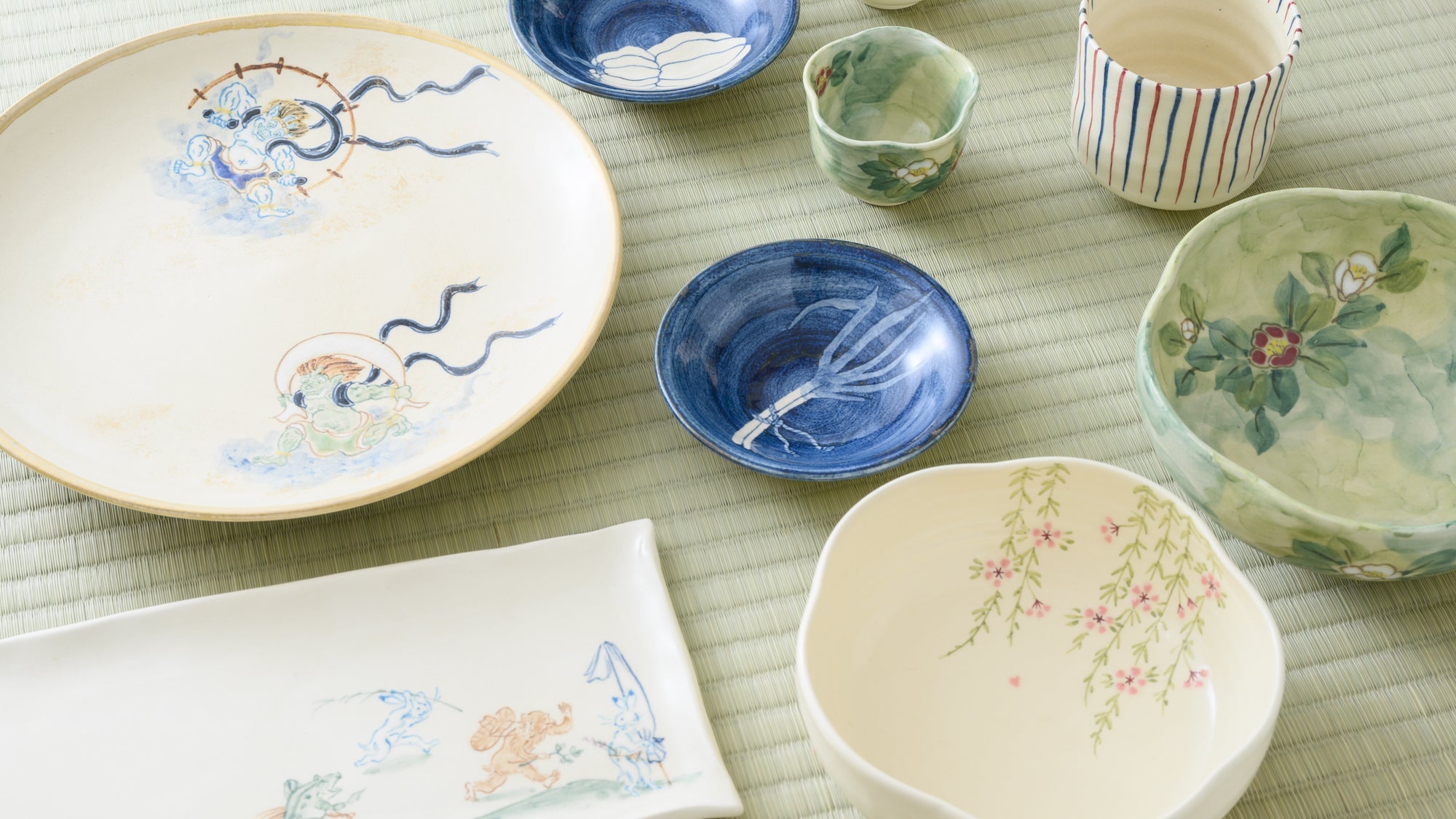
Kyo ware and Kiyomizu ware, collectively known as Kyo-yaki and Kiyomizu-yaki, are celebrated pottery styles from Kyoto. Known for their vibrant designs, finely sculpted forms, and dedication to handcrafted detail, these wares reflect Kyoto’s distinctive sense of beauty and artistic refinement.
Defined by a long-cultivated diversity, Kyo ware and Kiyomizu ware have drawn on techniques and styles from pottery traditions across Japan, evolving into a richly expressive and distinctly Kyoto art form. Recognized as a Traditional Craft of Japan in 1977, they continue to be cherished for their cultural depth and everyday appeal.
Choose options
Ochoko
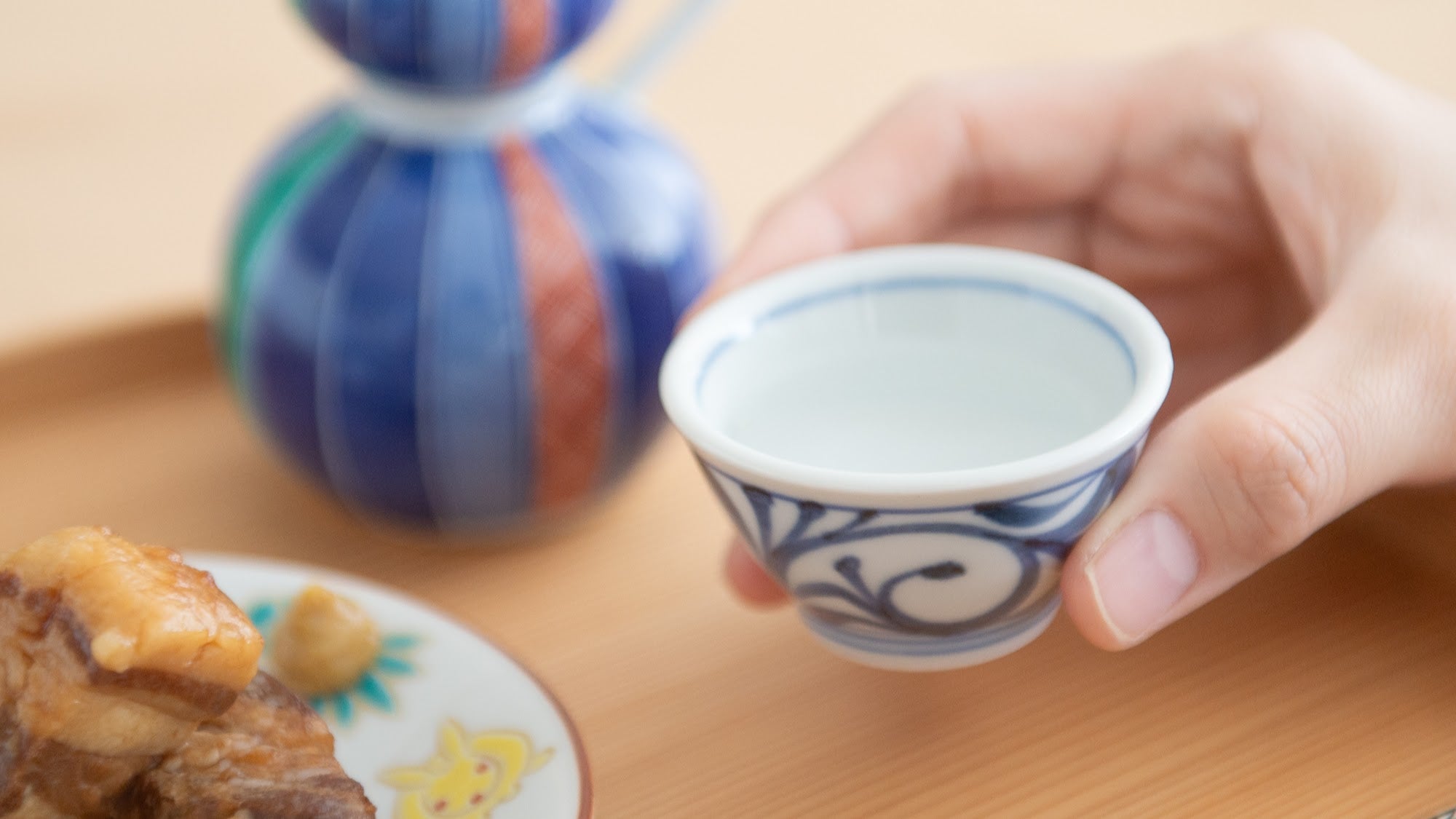
An ochoko is a small sake cup, usually holding a bit more than a sakazuki and accommodating two to three sips. Originally, ochoko sake cups were used as kobachi small bowls for side dishes. However, around the mid-Edo period (1603 CE–1868 CE), they began to be used at sake gatherings, where people would start with a sakazuki and then switch to an ochoko as the evening went on.
Ochoko sake cups come in various materials and shapes. The sake cups included in sake sets are commonly ochoko sake cups.
Stoneware
From our tableware and dinnerware collection, we have gathered stoneware products that fully display the warmth of the material. We hope that you will welcome these pieces, which are loved by people of all ages and regions, into your home.