

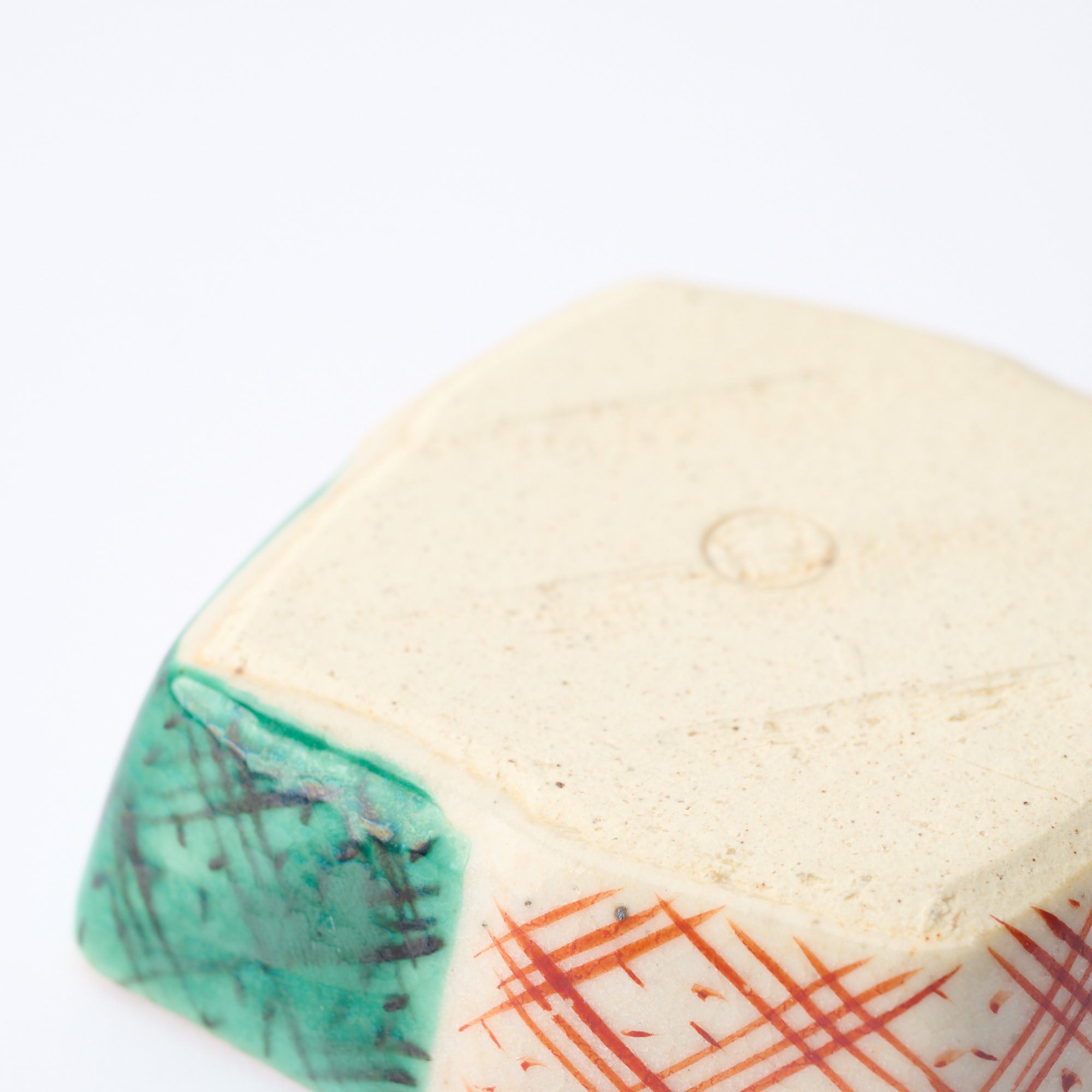
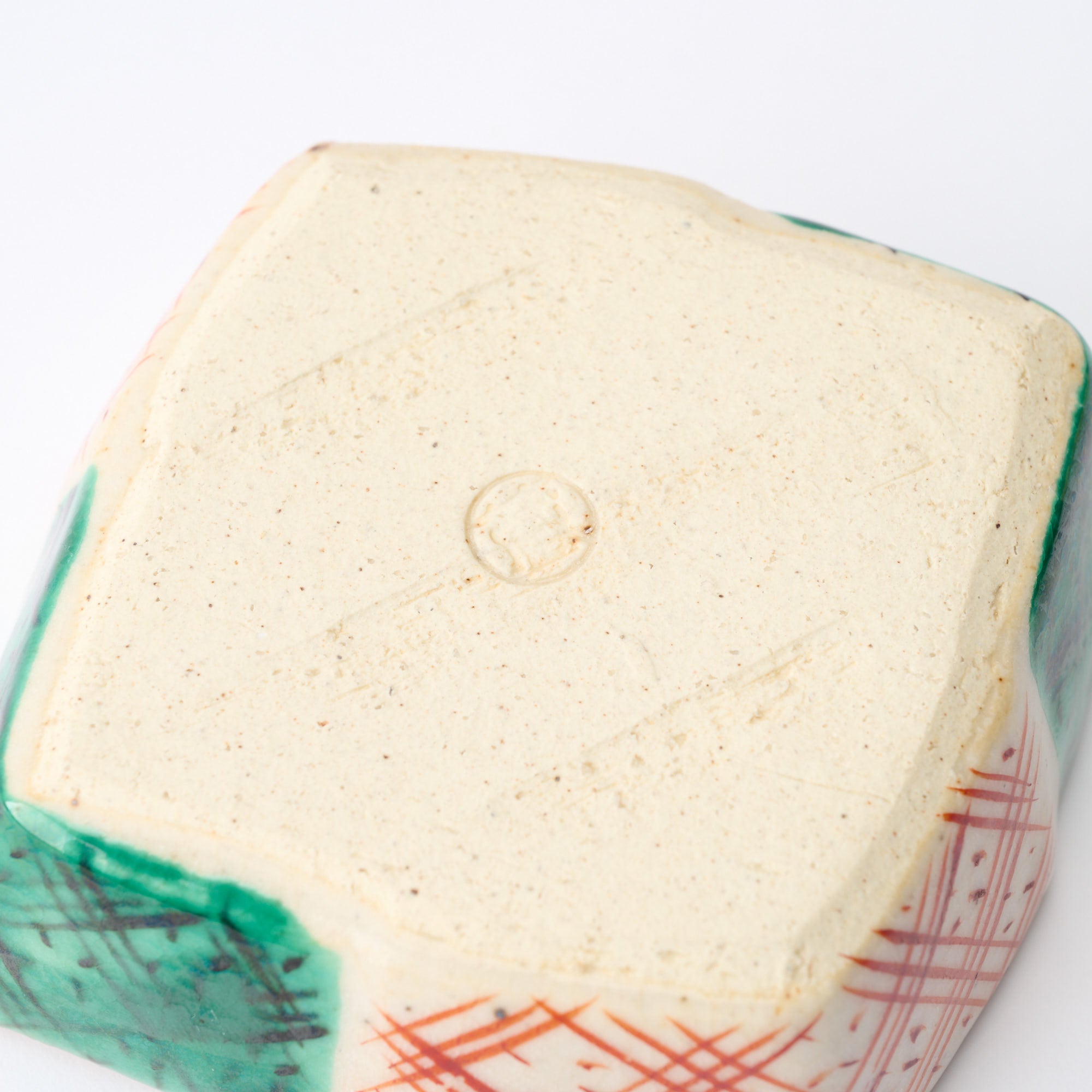
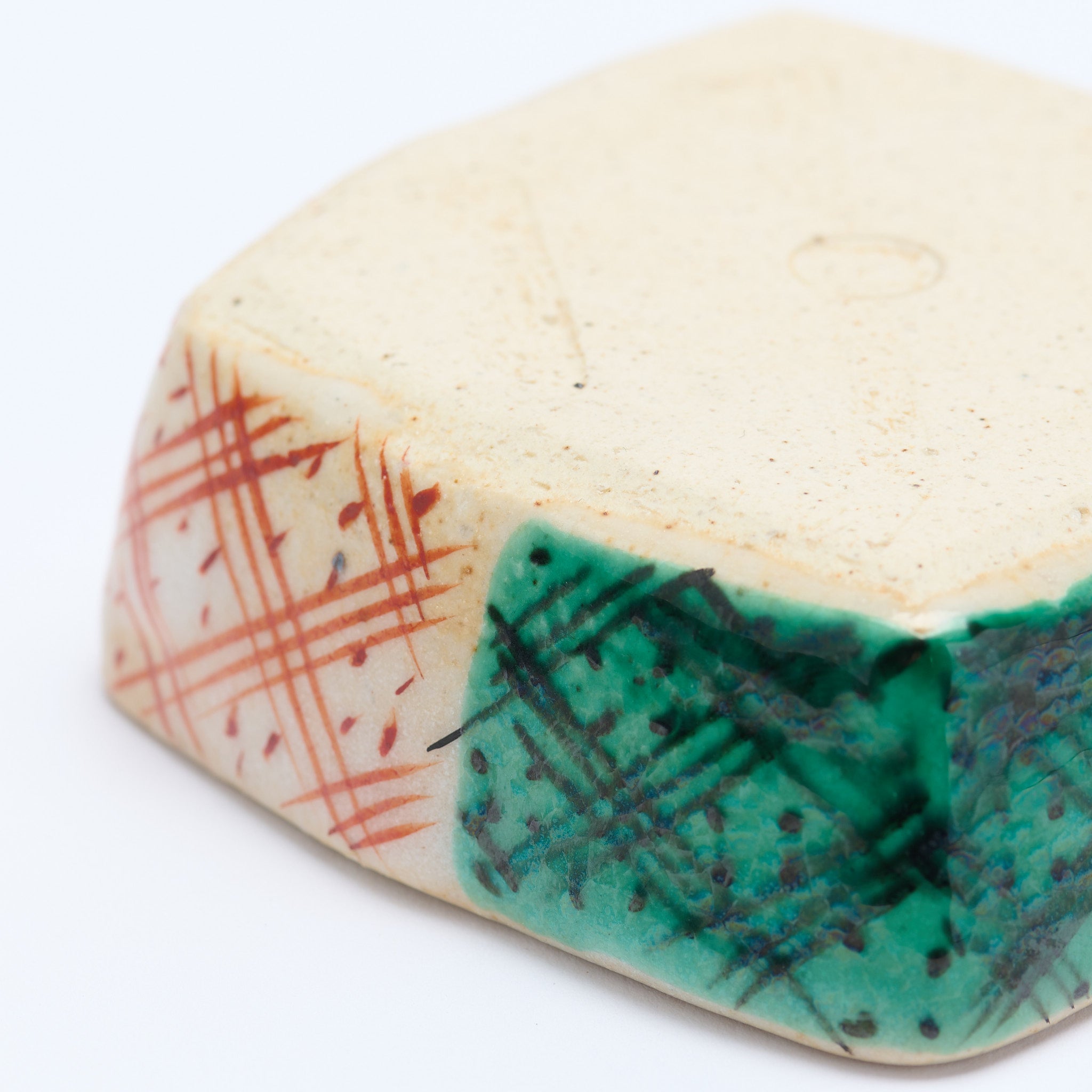
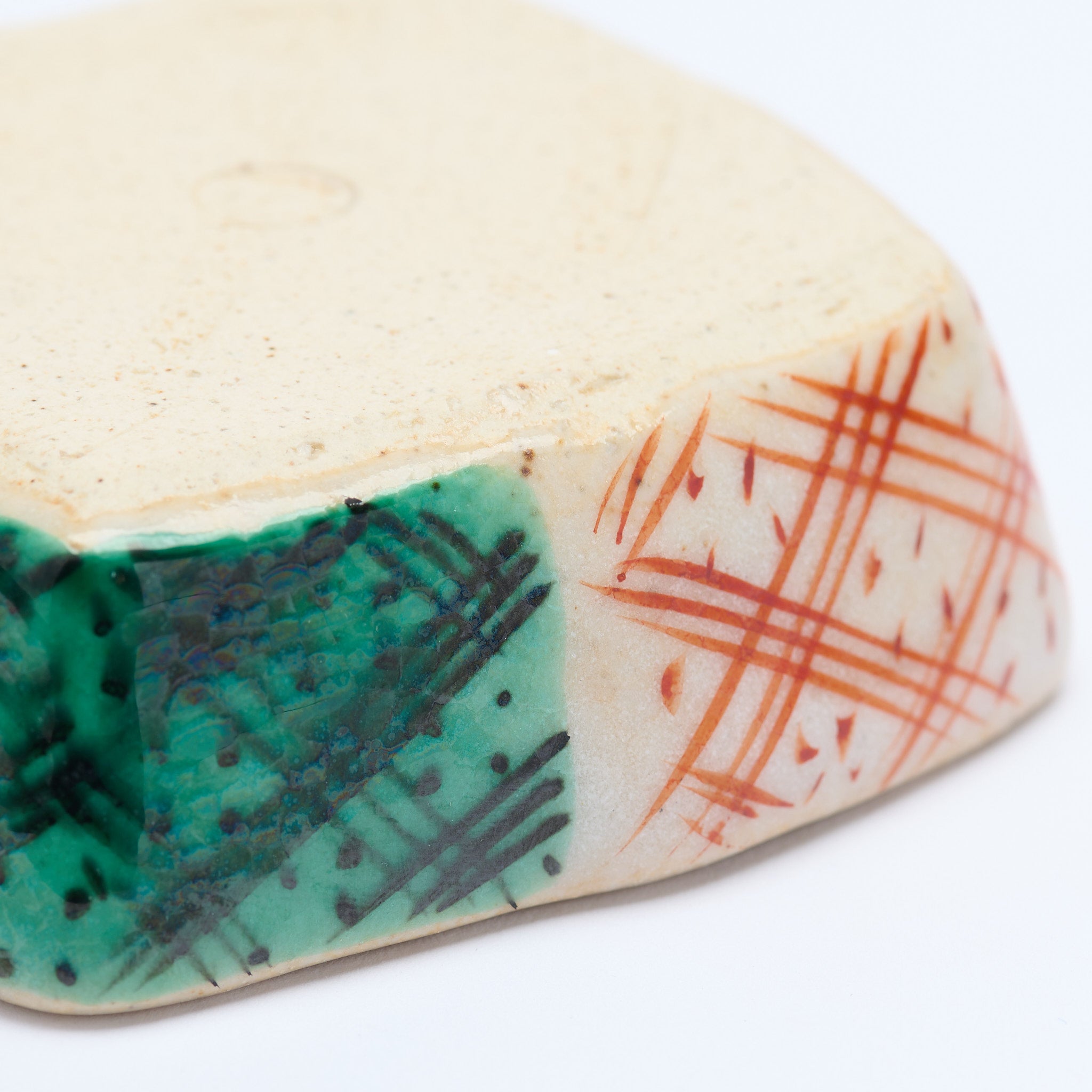
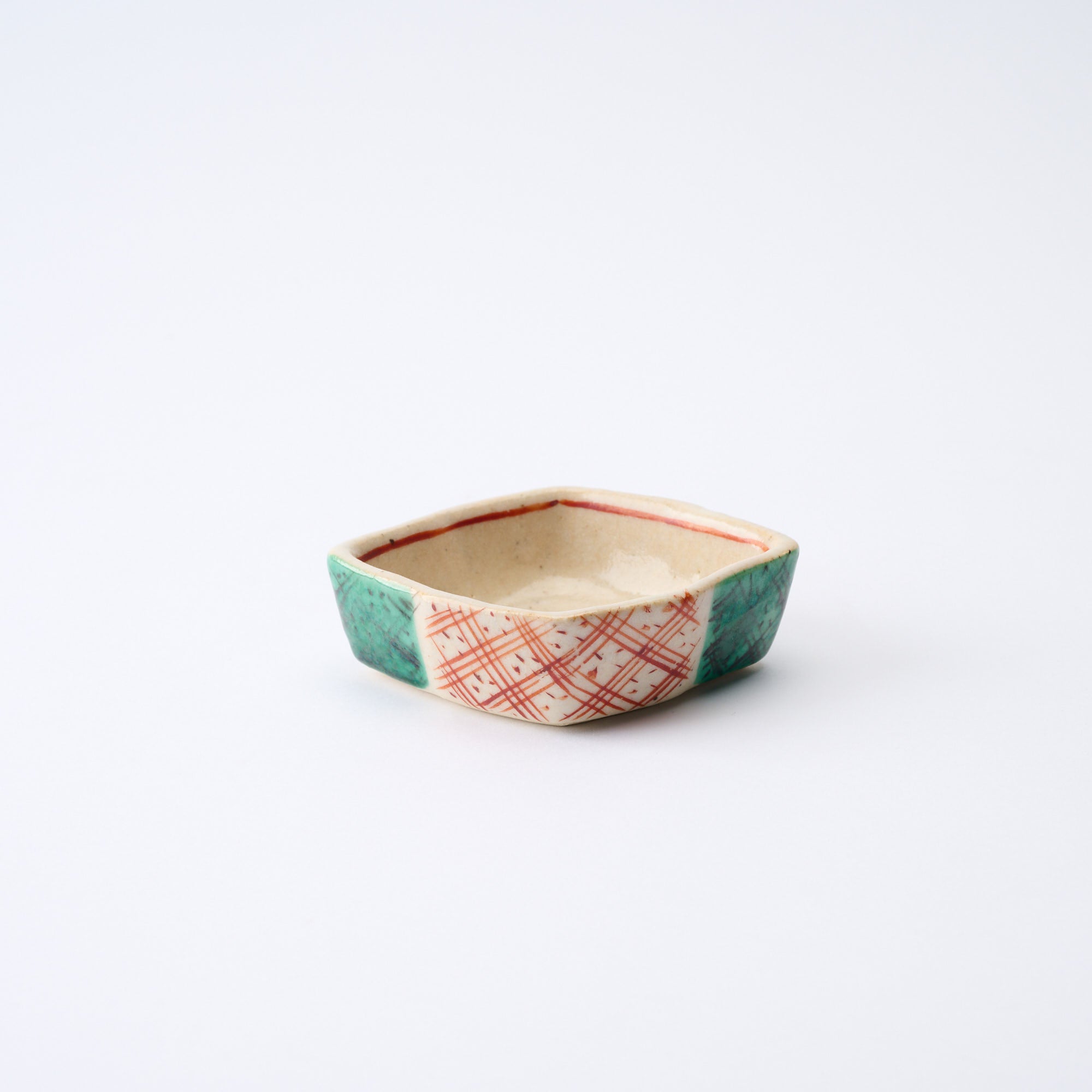
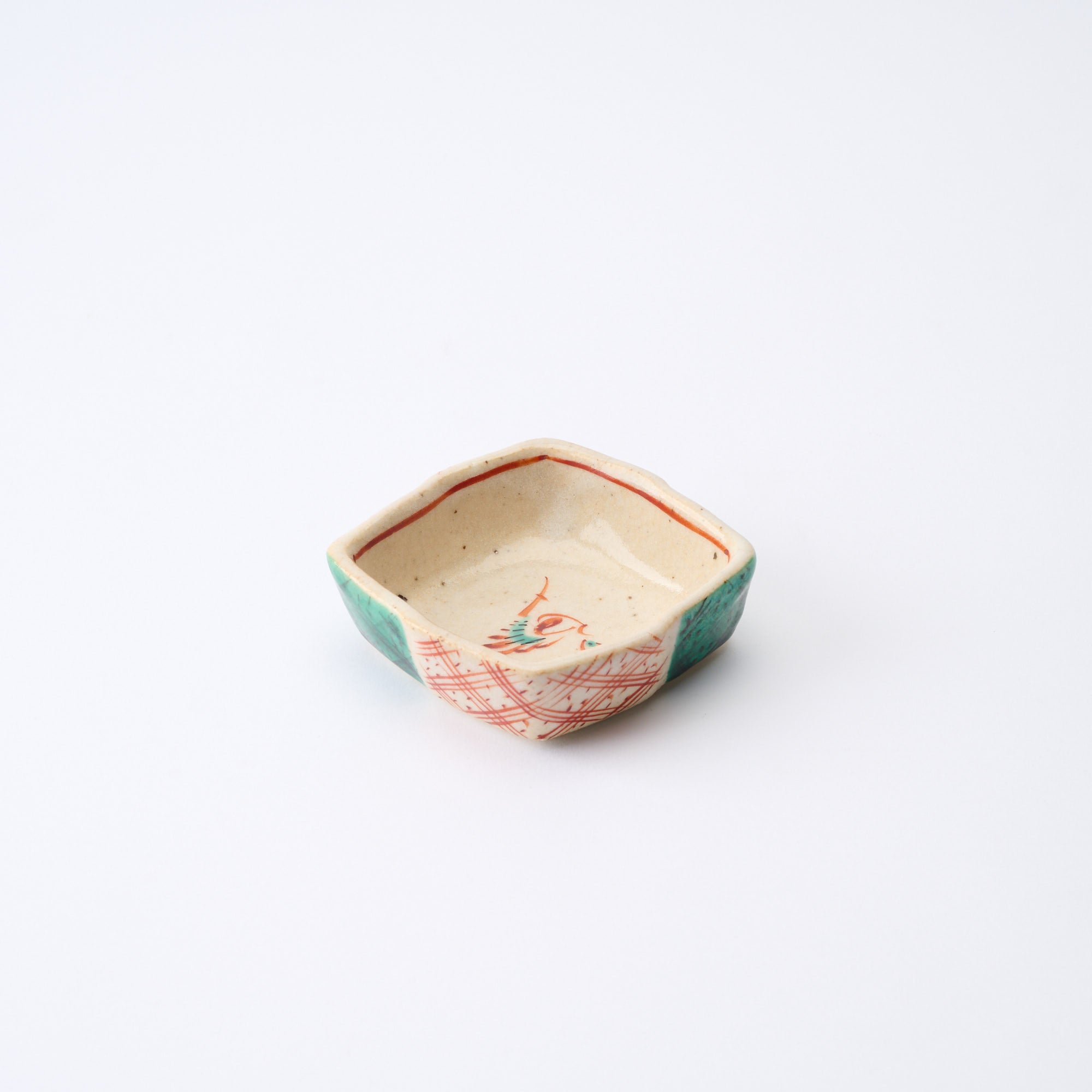
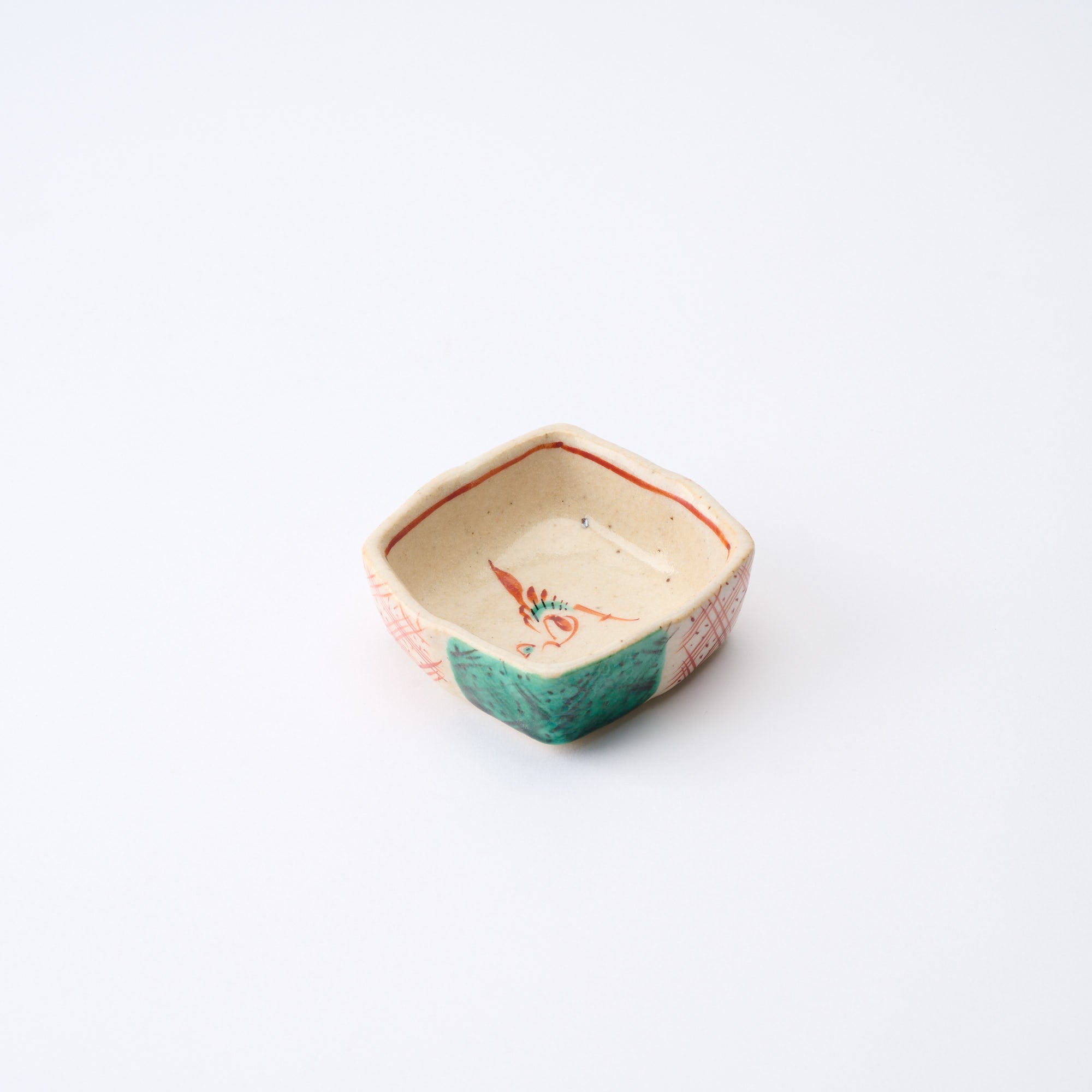
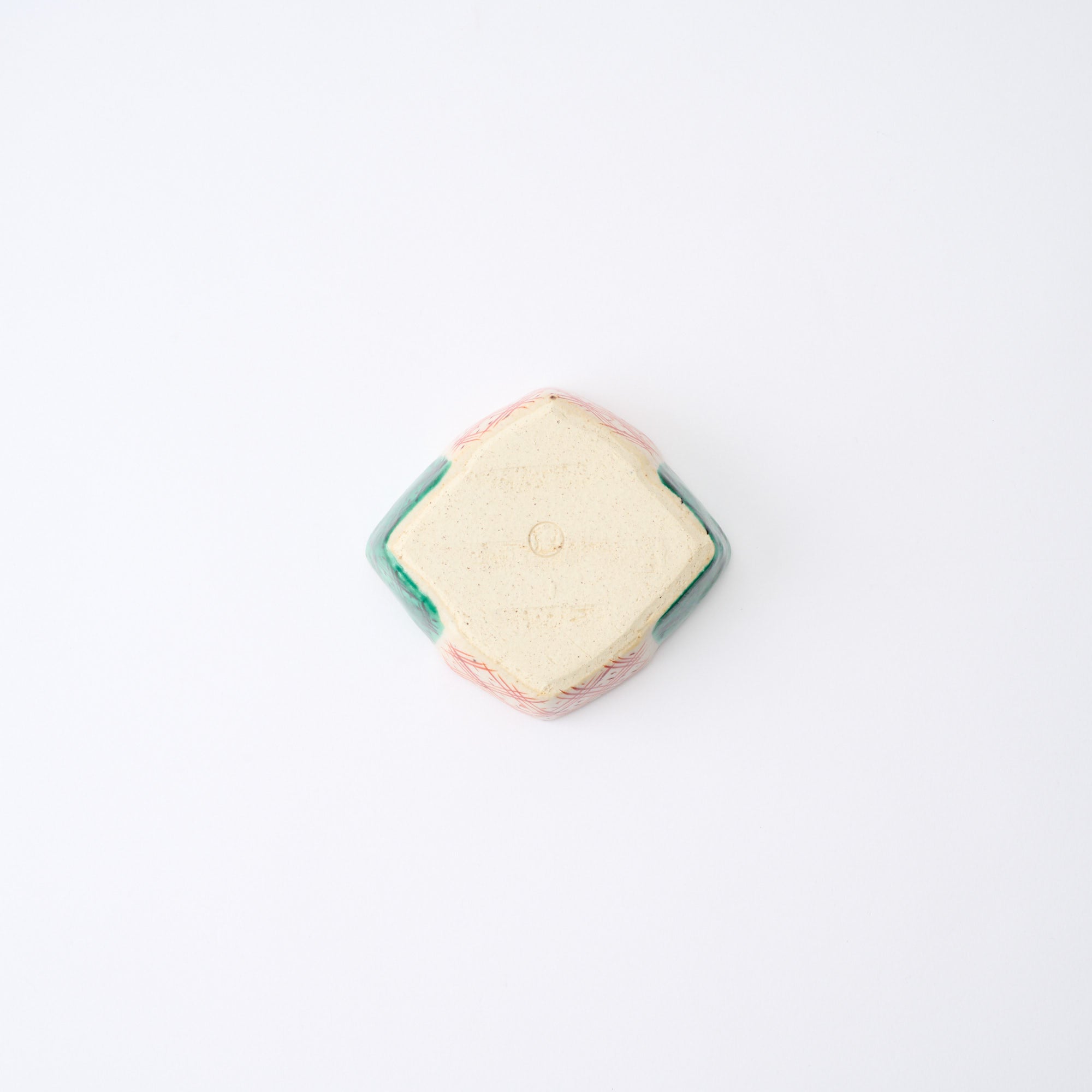
Akae Diamond Pattern Sauce Plate
Ships from Japan · Free shipping on orders over $250 USD
Estimated Shipping Widget will be displayed here!
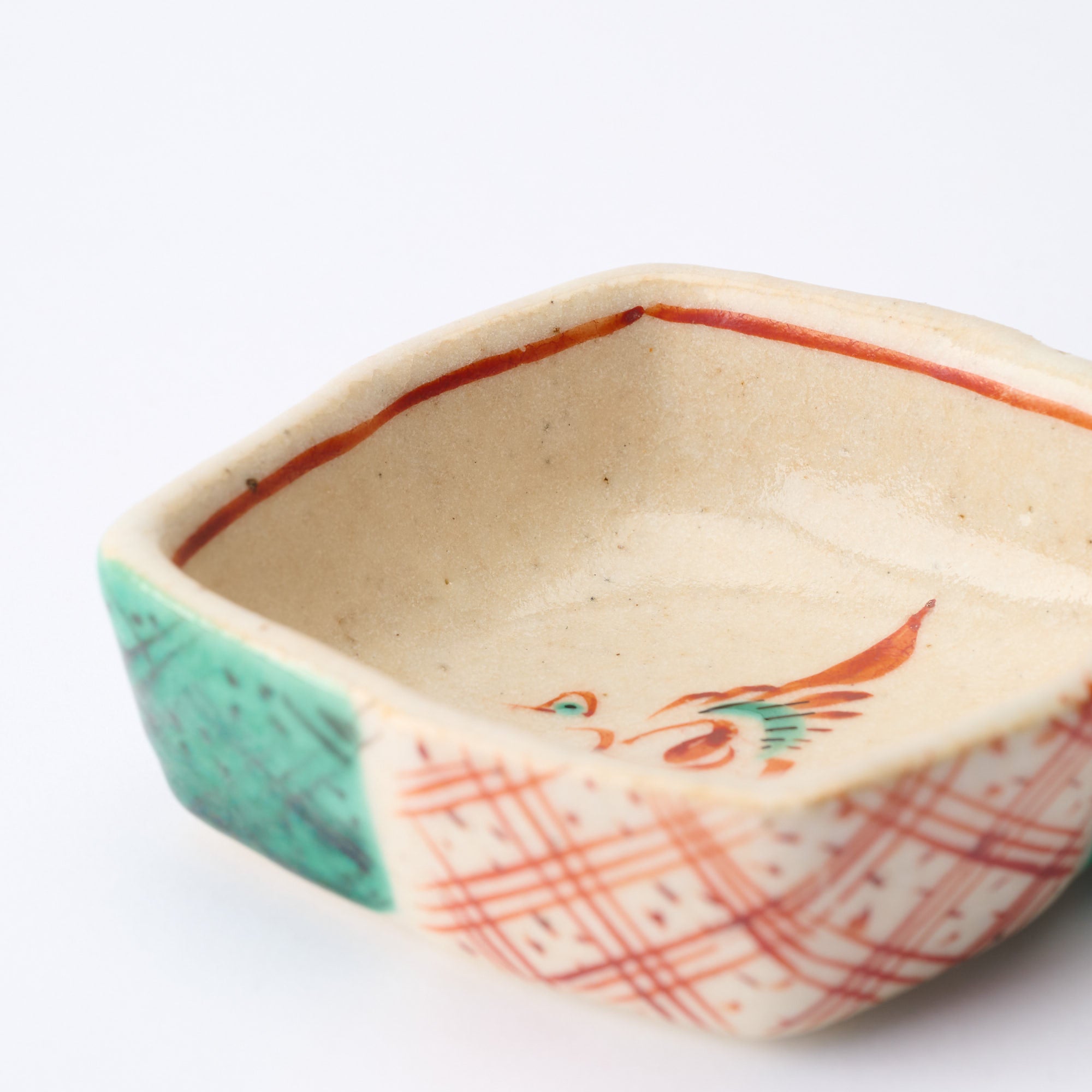
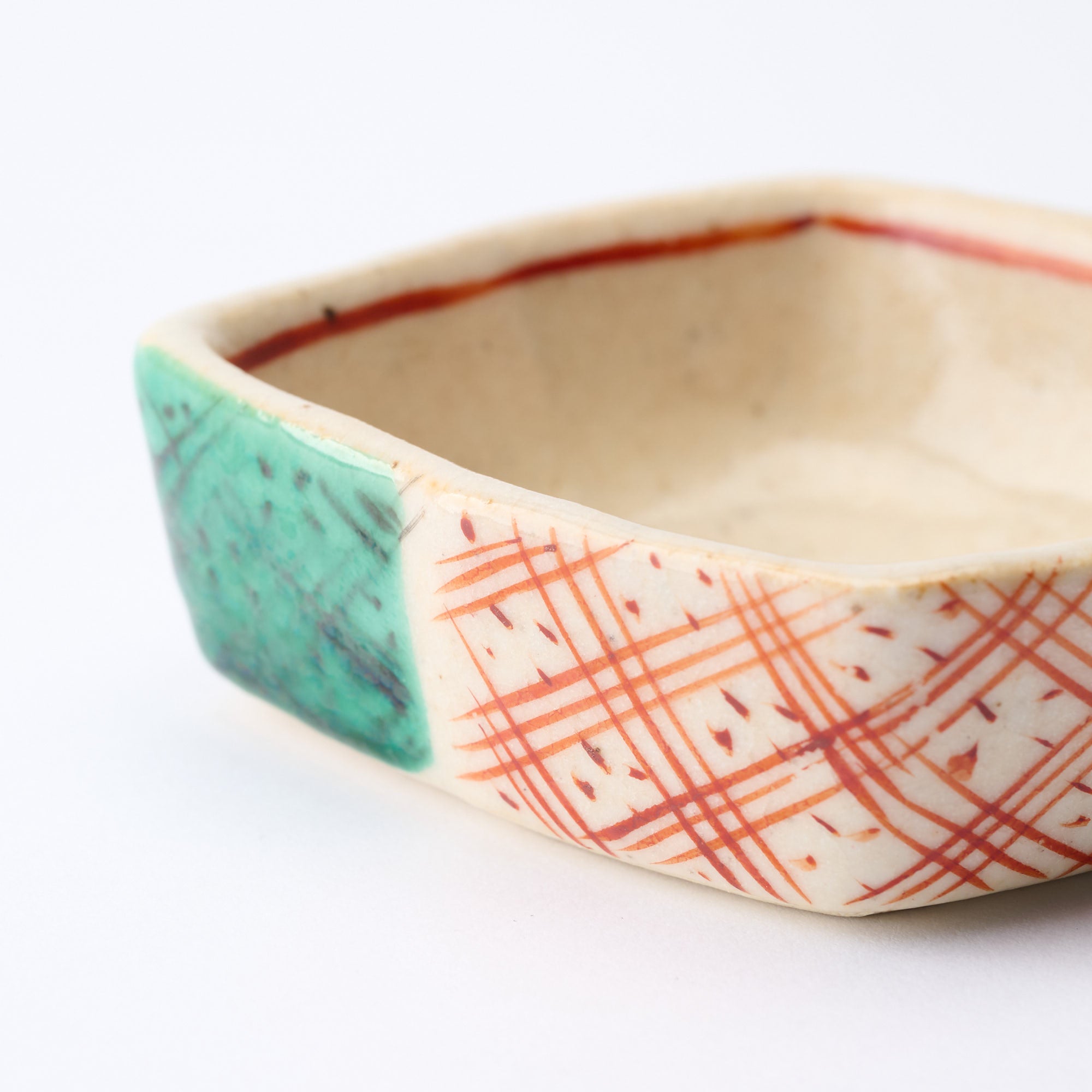
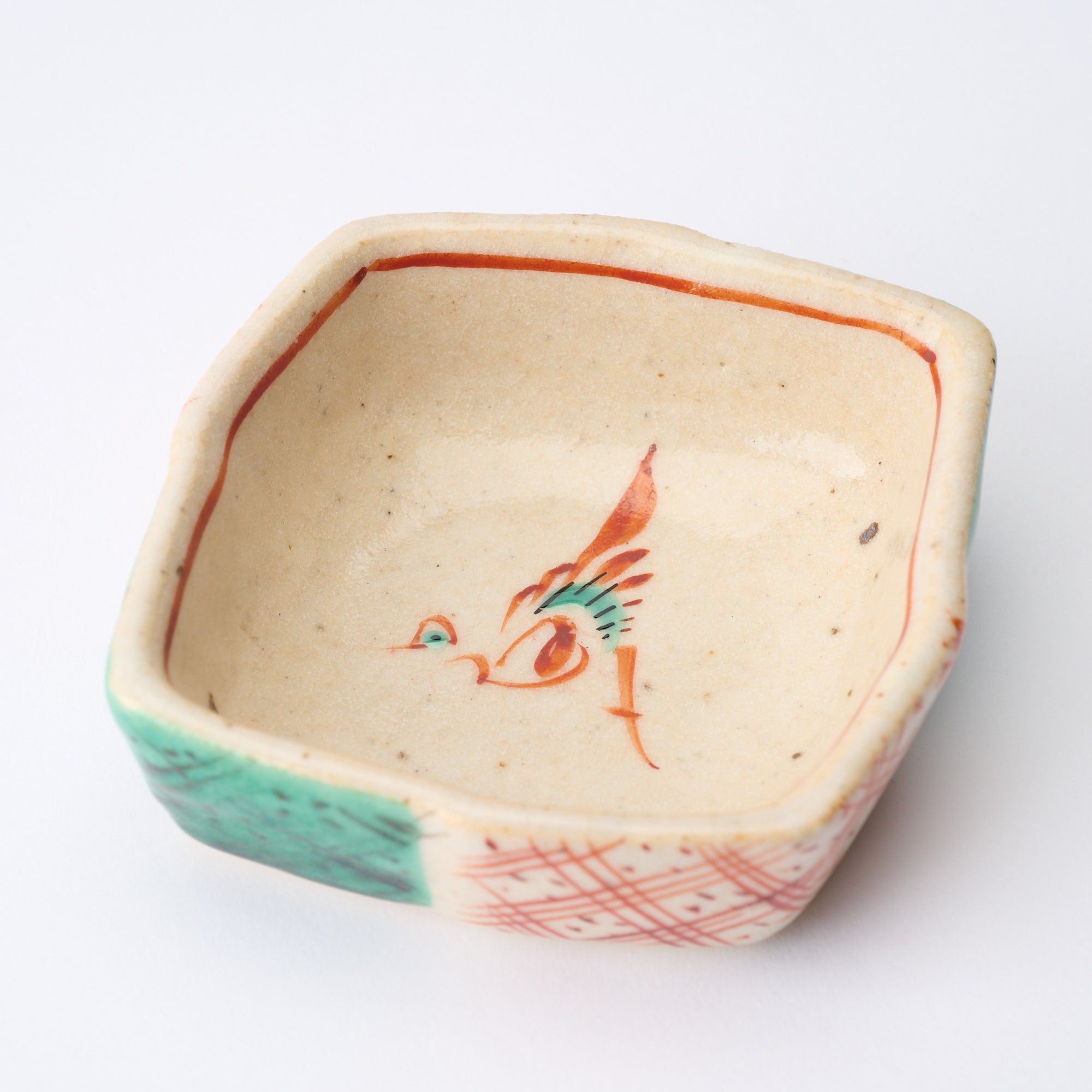
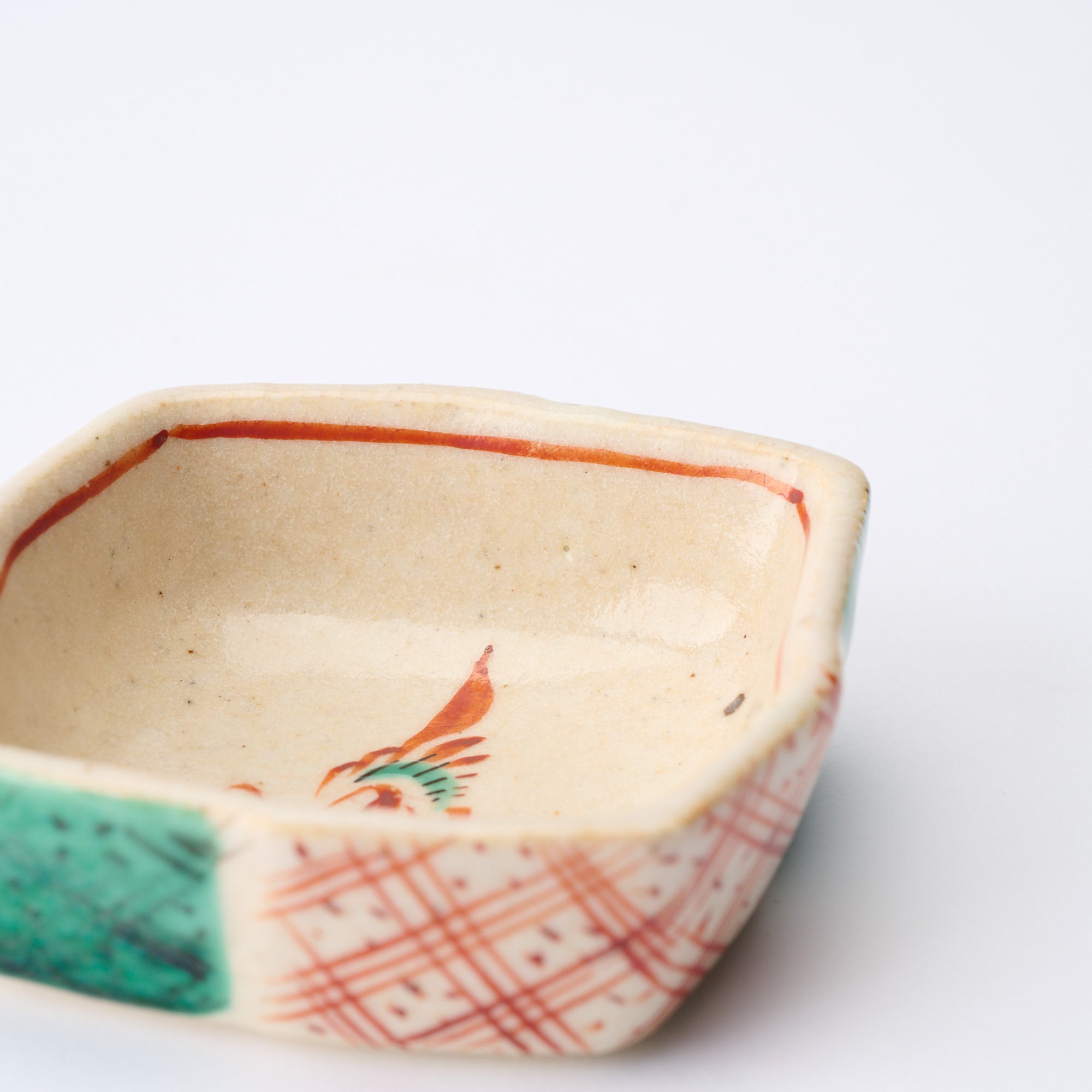
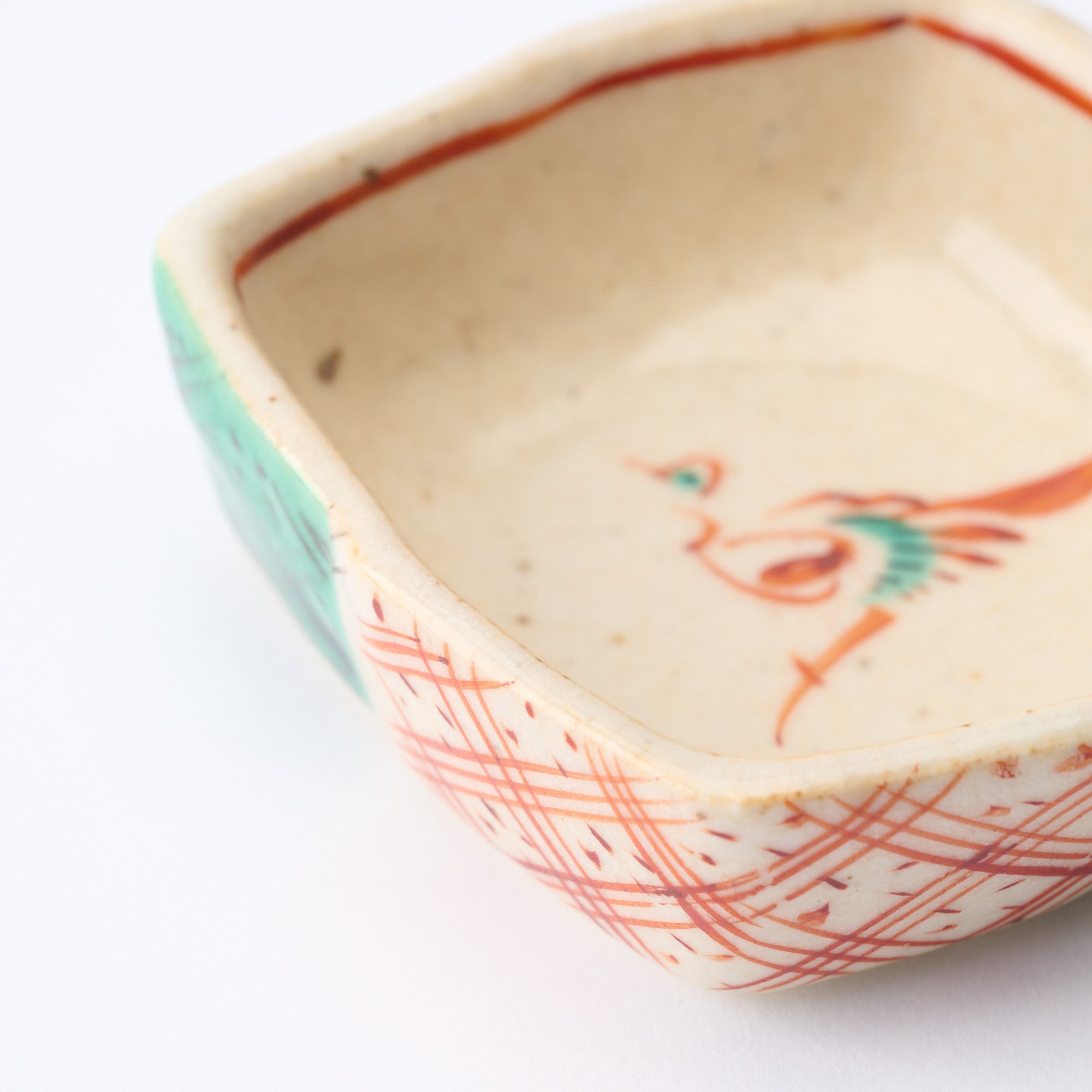
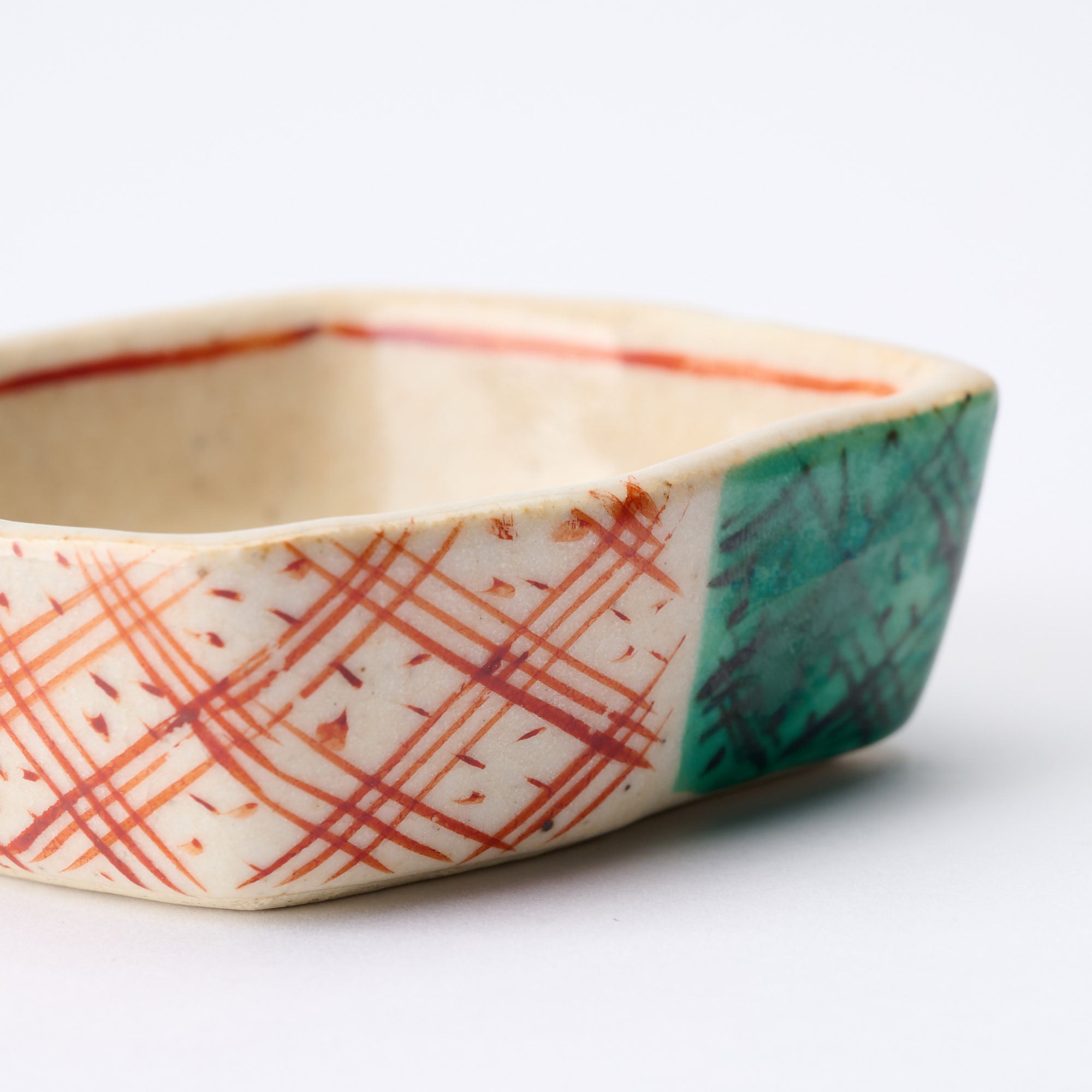
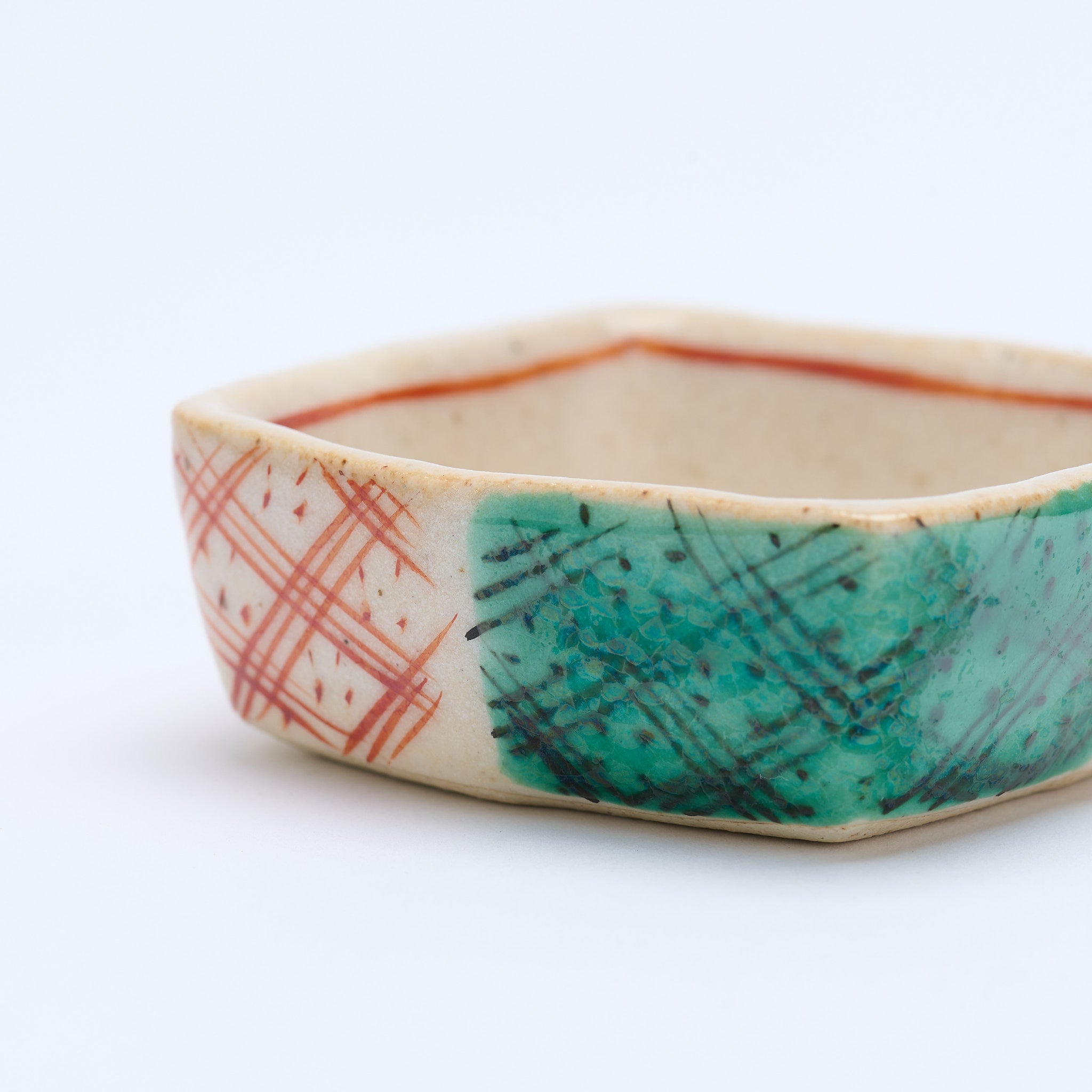
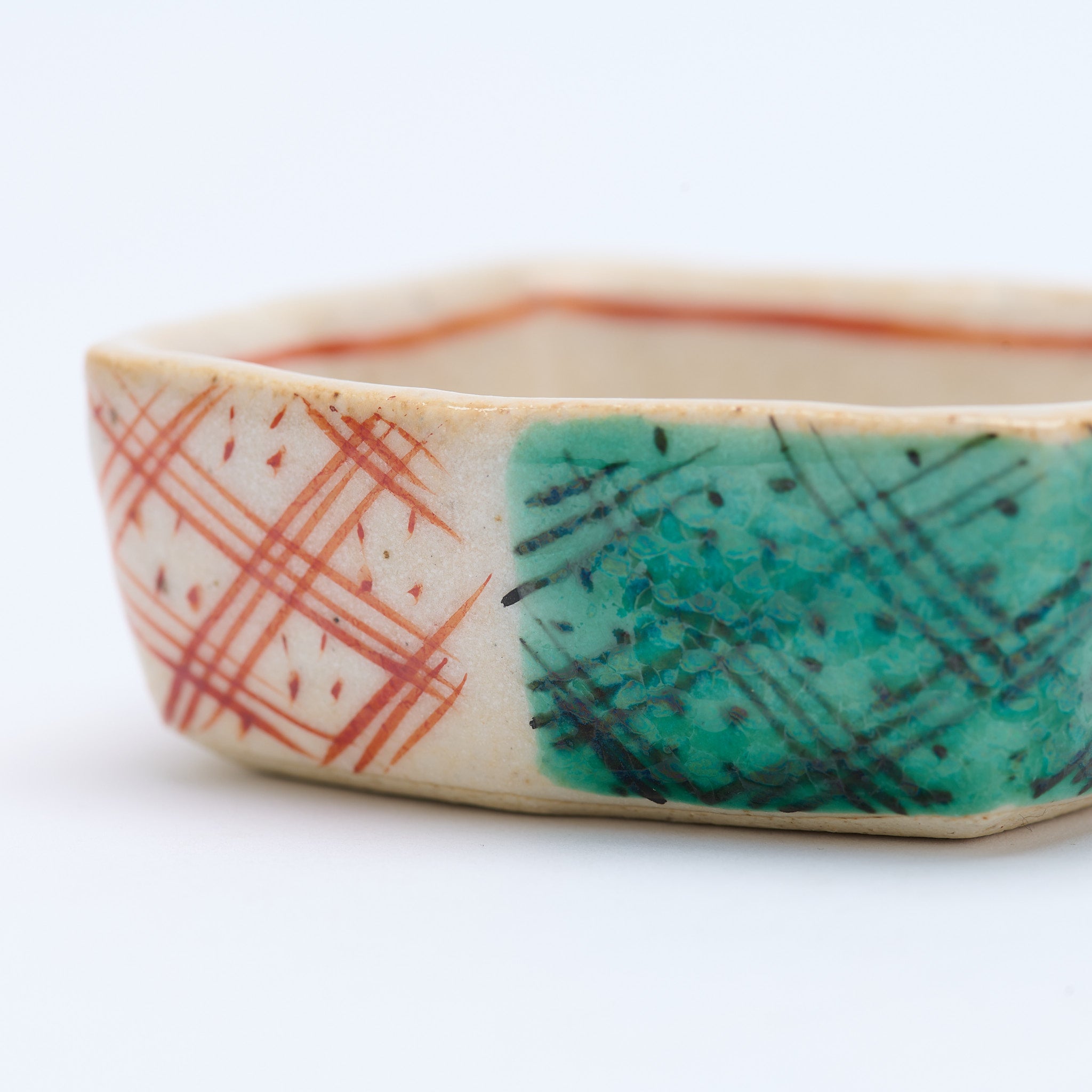
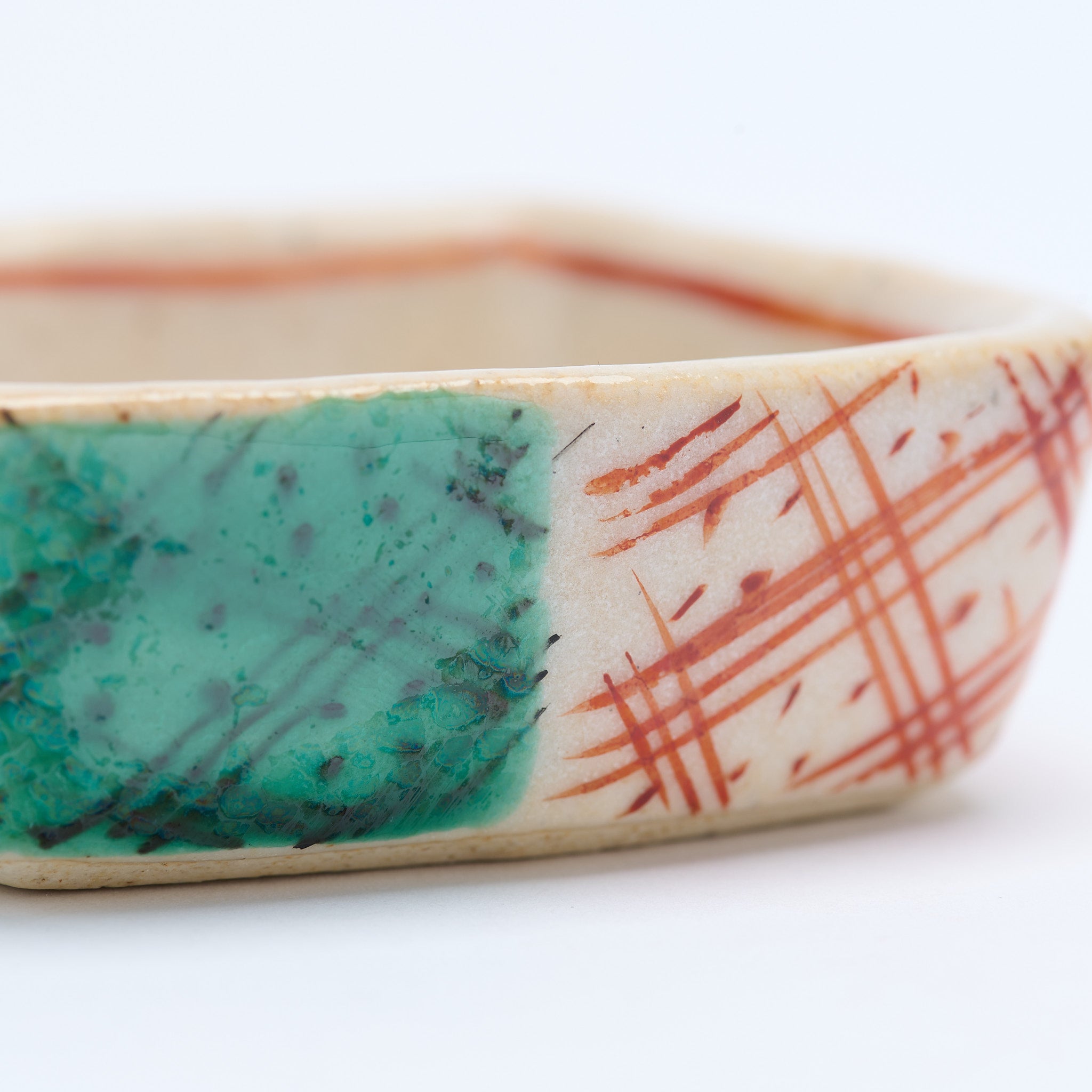
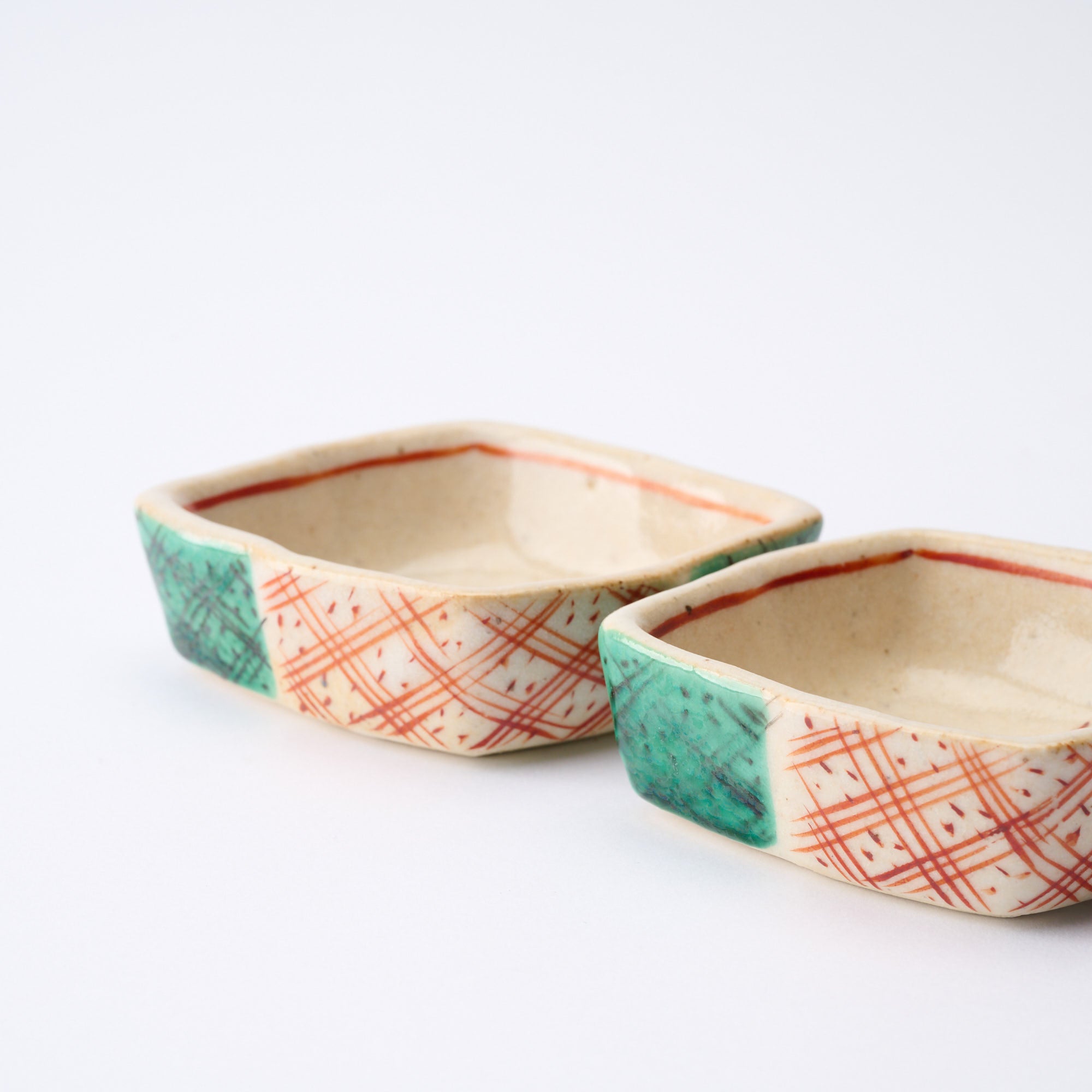
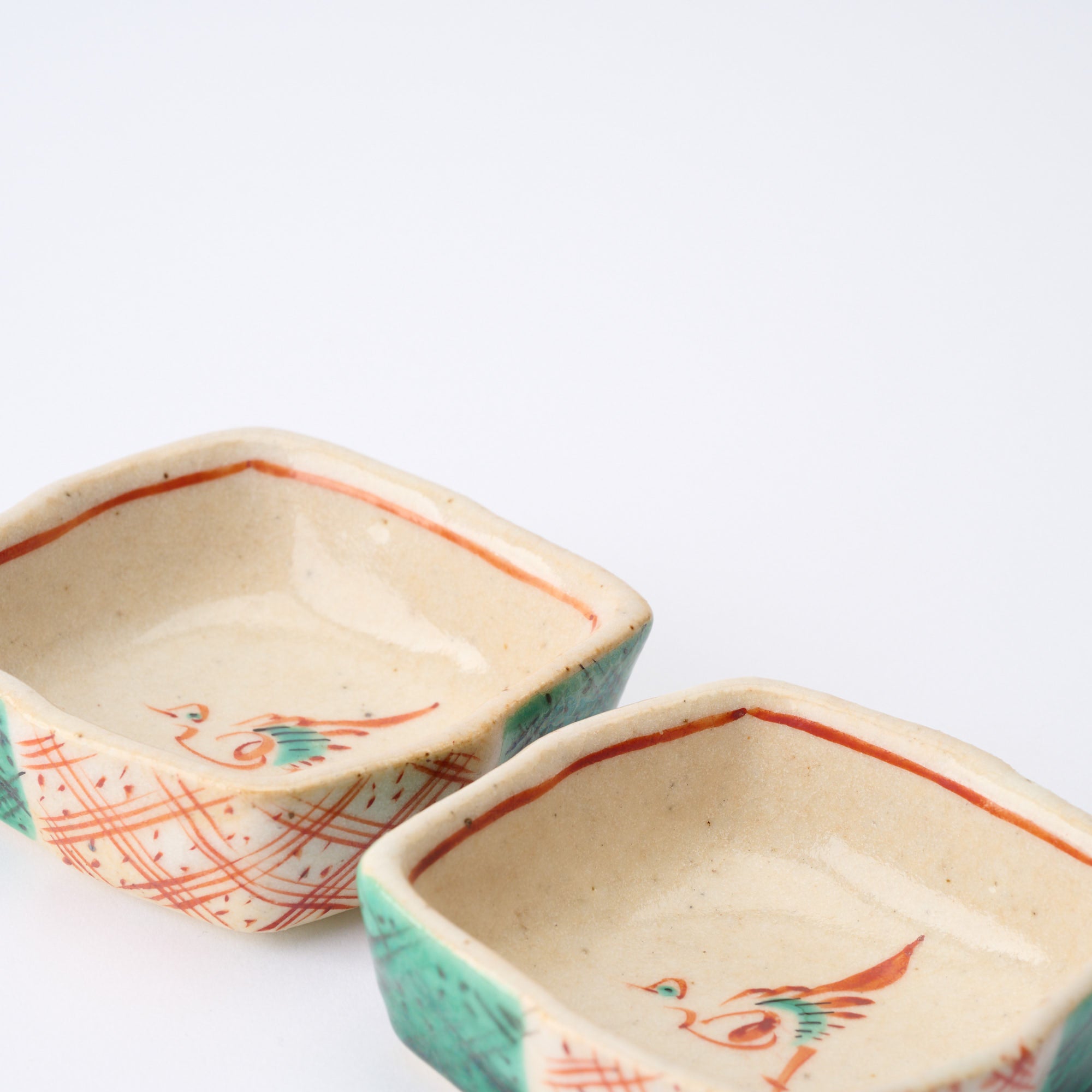
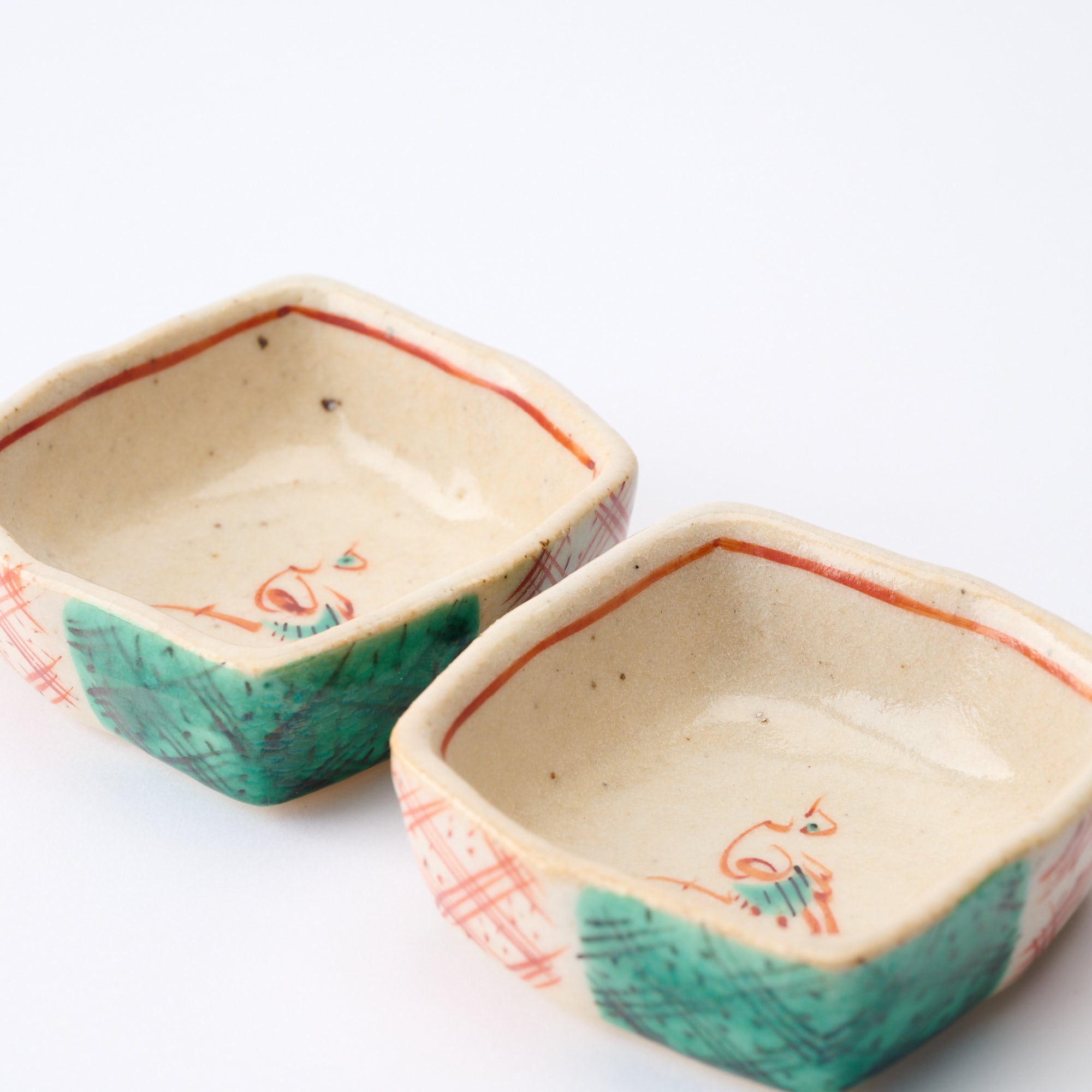
A vivid red lattice pattern forms detailed diamonds against the soft, warm stoneware body, giving this sauce plate a lively yet grounded presence. This traditional diamond motif, known as matsukawa-bishi and named for its resemblance to pine bark, carries an auspicious meaning. Pine, an evergreen, has long been regarded in Japan as a symbol of longevity, which is why this pattern has been cherished in textiles and decorative arts for centuries.
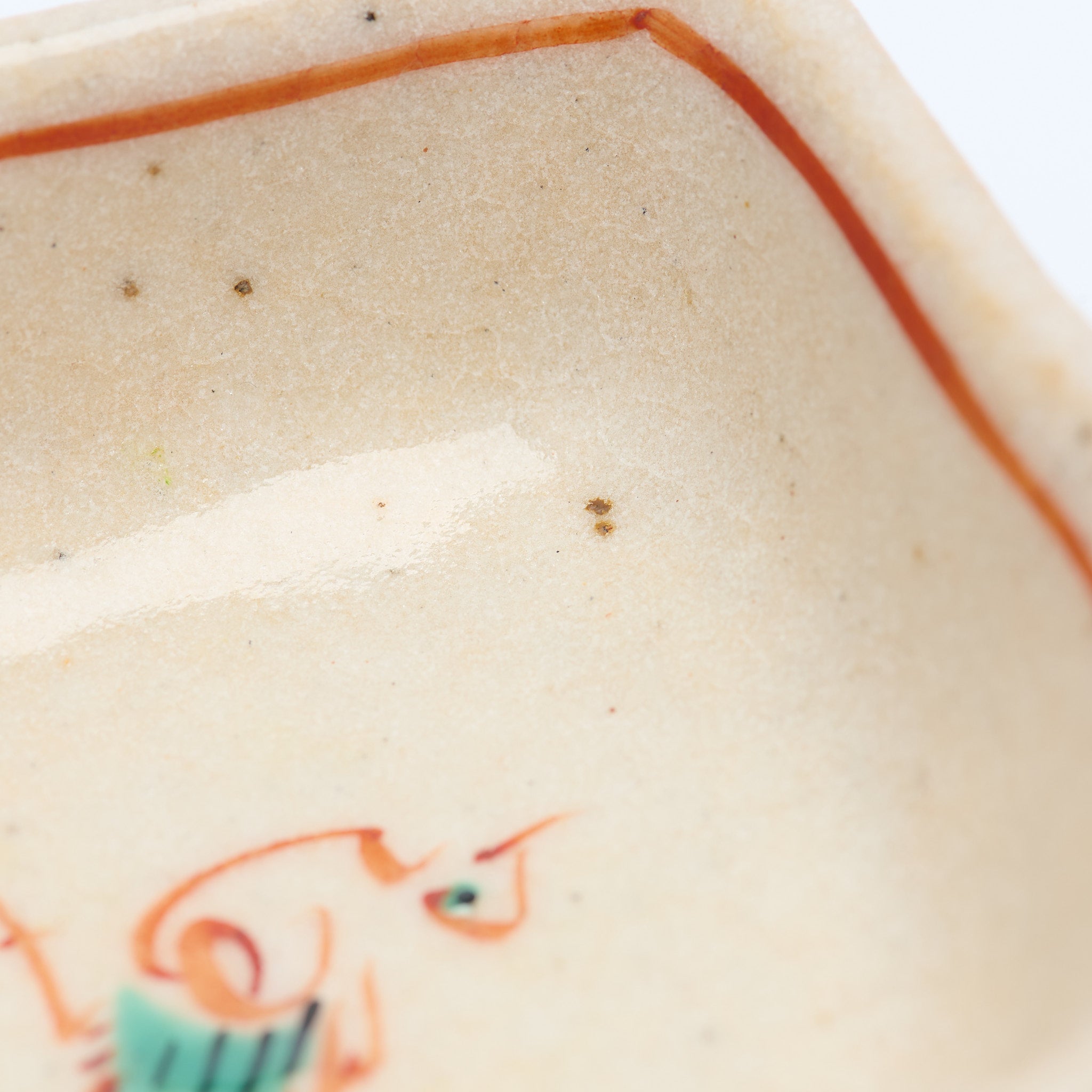
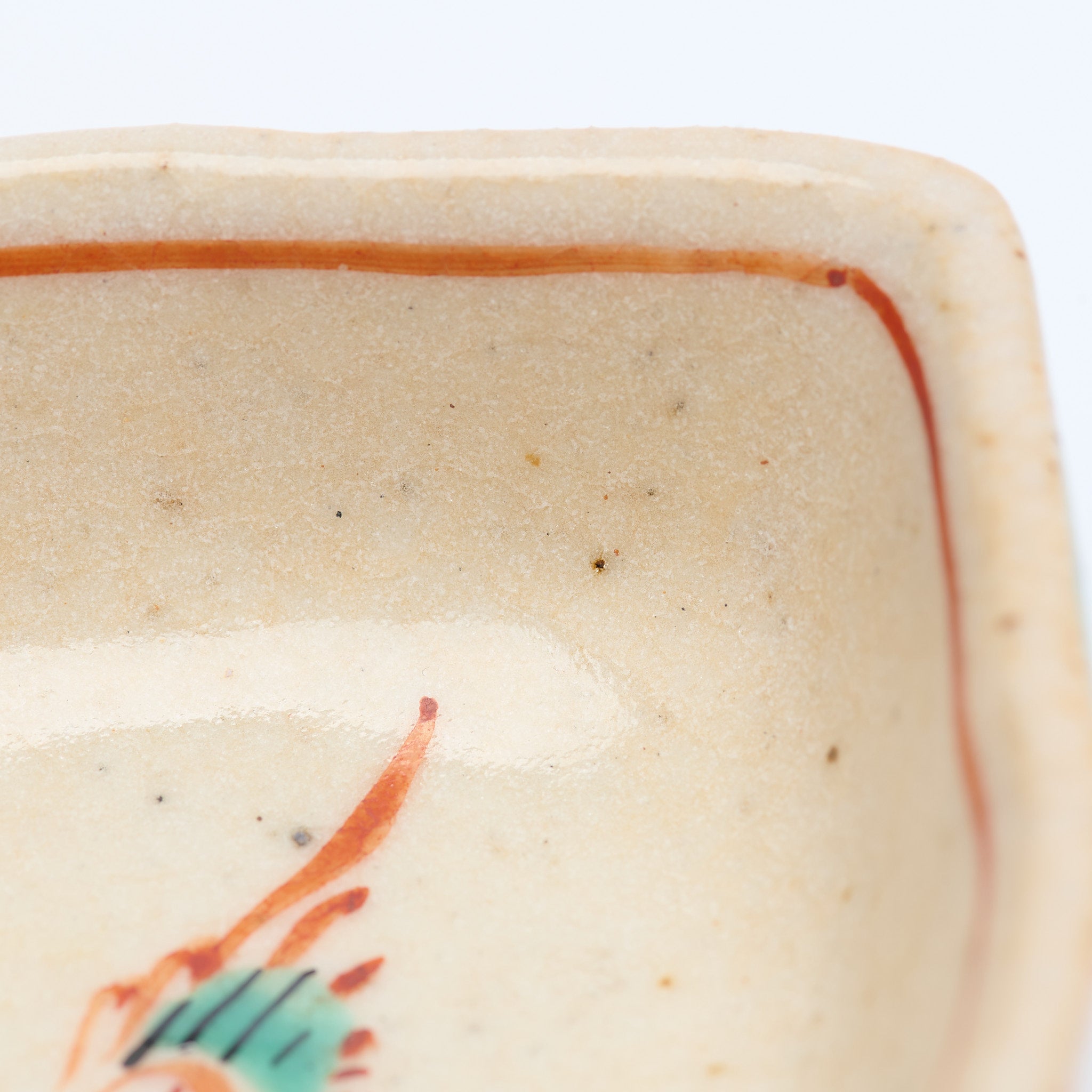
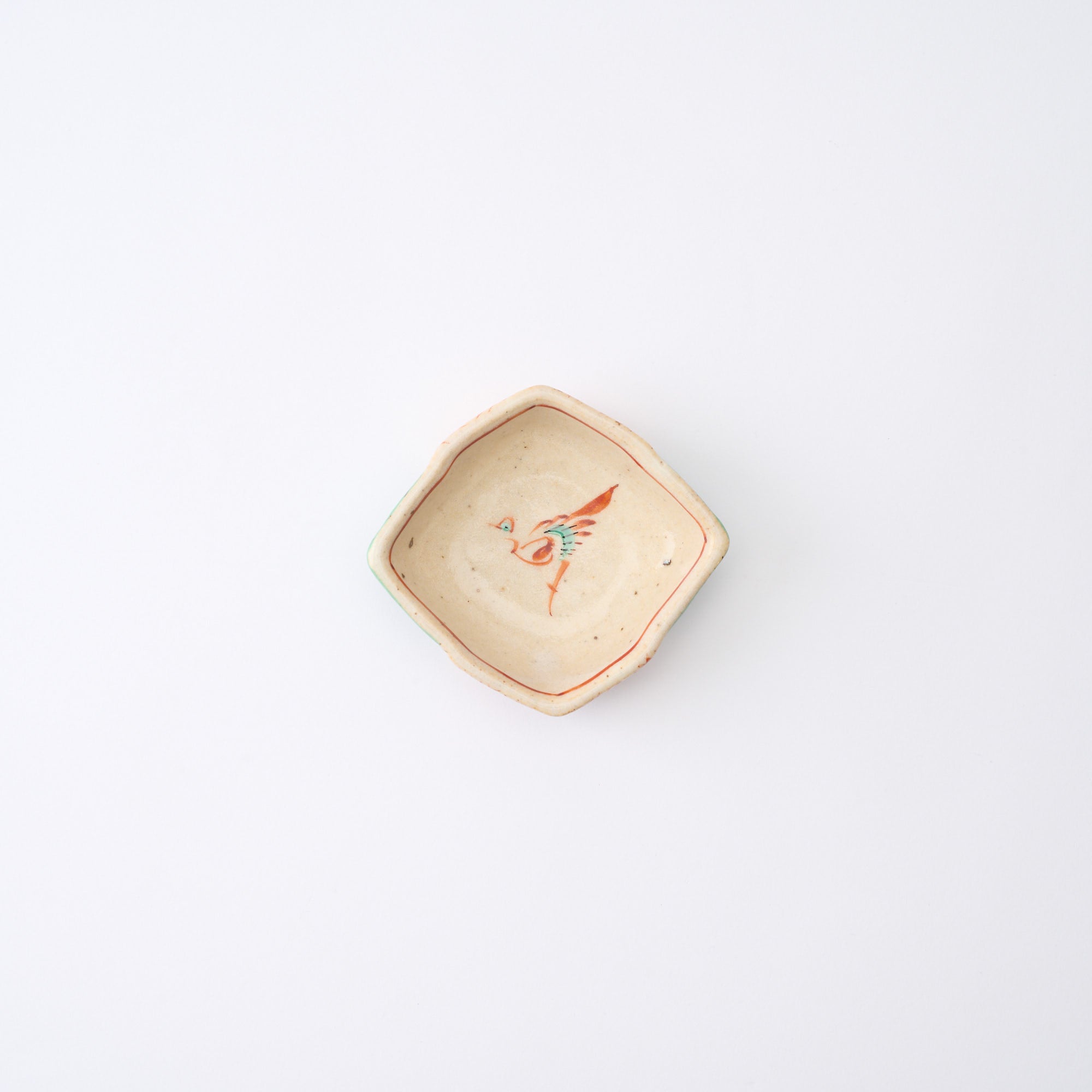
The decoration is rendered in akae, using Zoho Kiln’s specially developed natural bengara pigment, prepared from a bengara material no longer in production and carefully preserved by the kiln. Executed in soft, fluid brushwork, the phoenix motif lends vitality and refinement to the center of the plate.
Though small in size, the plate carries the gentle warmth characteristic of stoneware. Ideal for side dishes such as ohitashi (boiled and seasoned vegetables) or vinegared dishes, as well as seasonal fruit, it brings a touch of craftsmanship and understated elegance to the table.
DETAILS
| Quantity | 1 |
| Size | L 7.5 cm (3.0 in) x W 8 cm (3.1 in) x H 2.5 cm (1.0 in) |
| Weight | approx. 3.9 oz (110 g) |
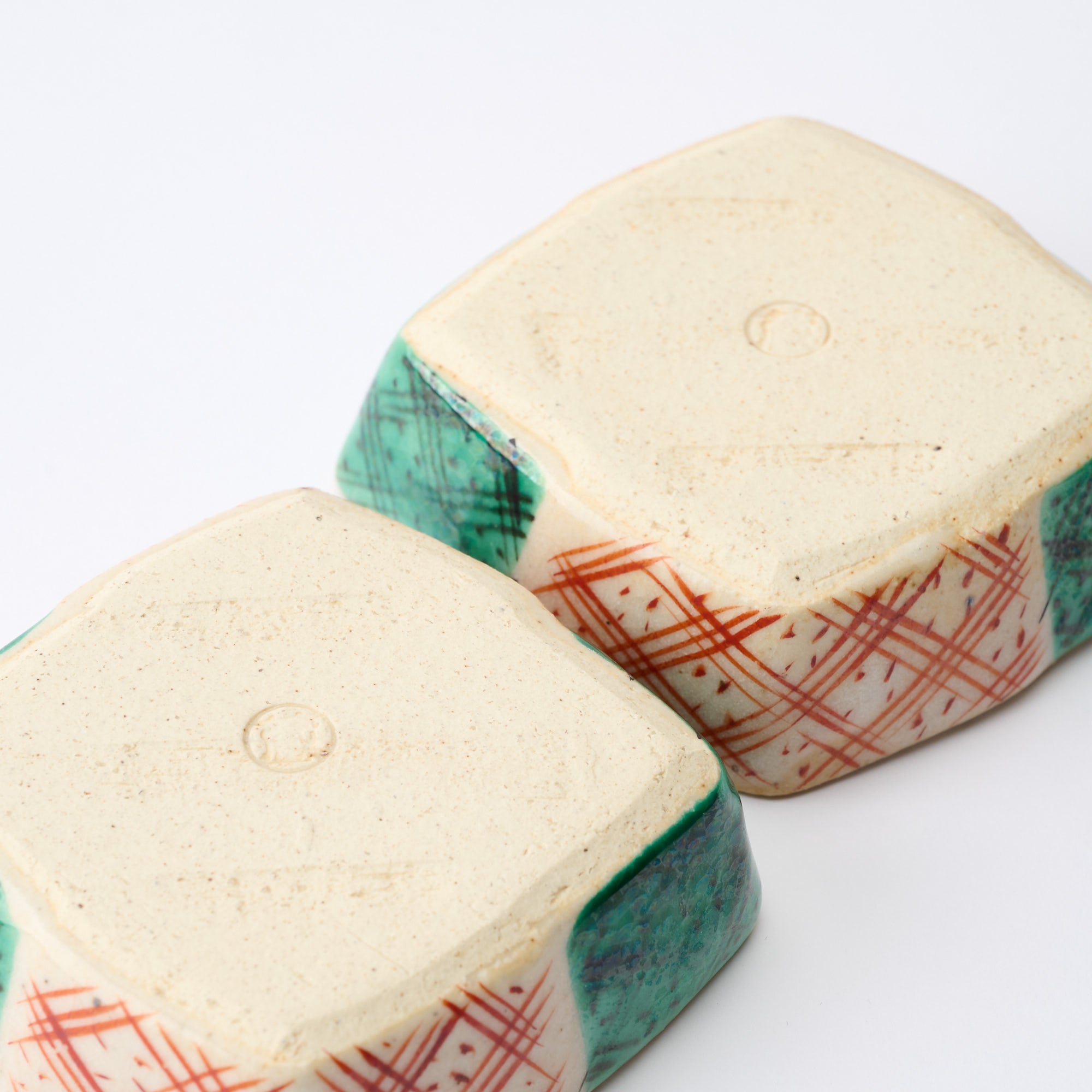
| Material | Stoneware |
| Package Type | Paper box |
| Microwave | Yes |
| Dishwasher | Yes |
Maker / Brand
Zoho Kiln, located in Tajimi City, Gifu Prefecture, is a renowned producer of Mino ware. While their designs are inspired by seasonal flowers and traditional patterns, they also focus on the practical beauty of their pieces, ensuring ease of use and graceful presentation.
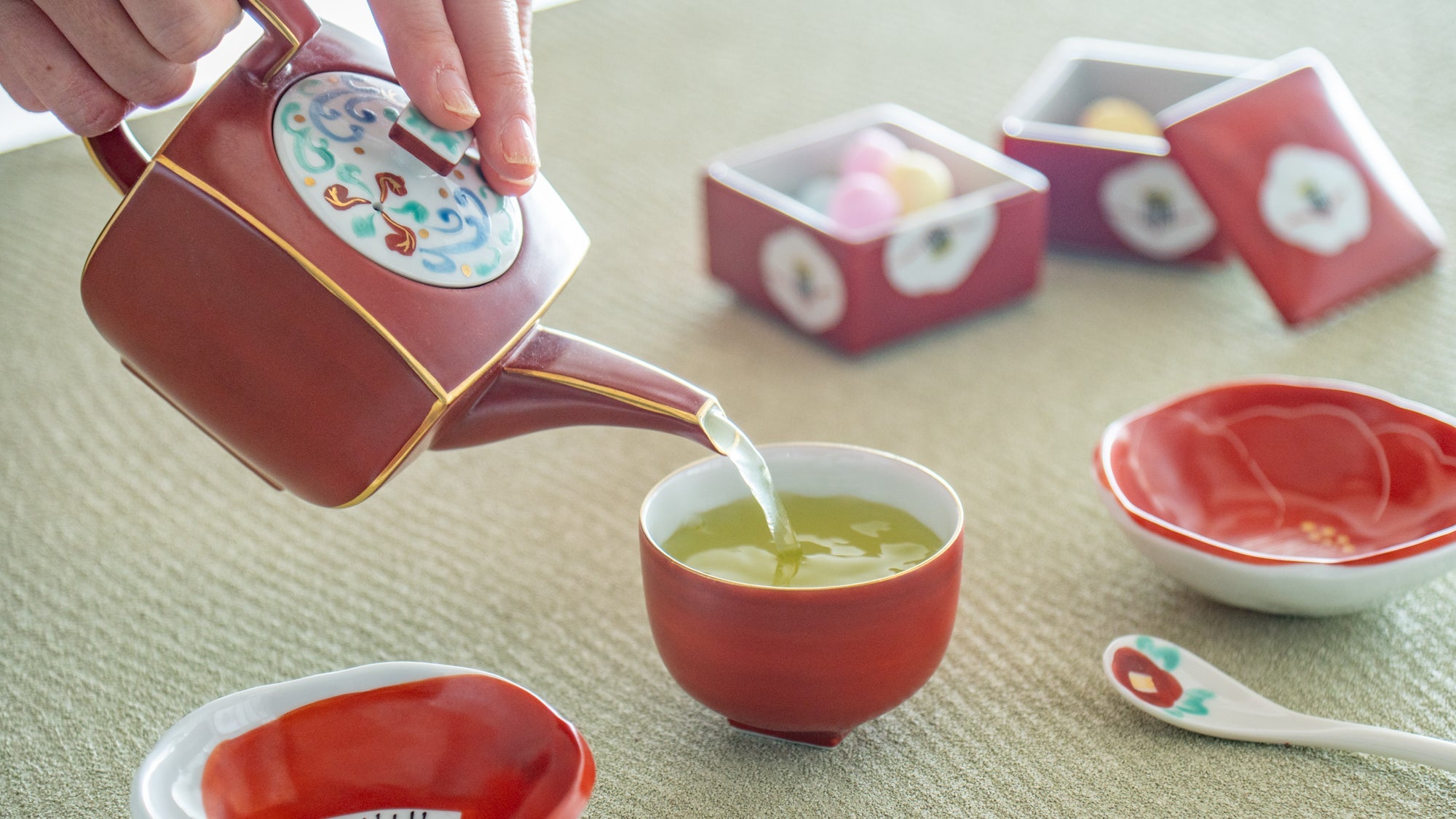
Zoho Kiln places particular importance on bengara, the distinctive red pigment used in their akae, or overglaze red enamel, designs. The rich red hue that adorns their pottery deepens in character and becomes even more beautiful with time and use, enhancing the aesthetic experience.
Crafts
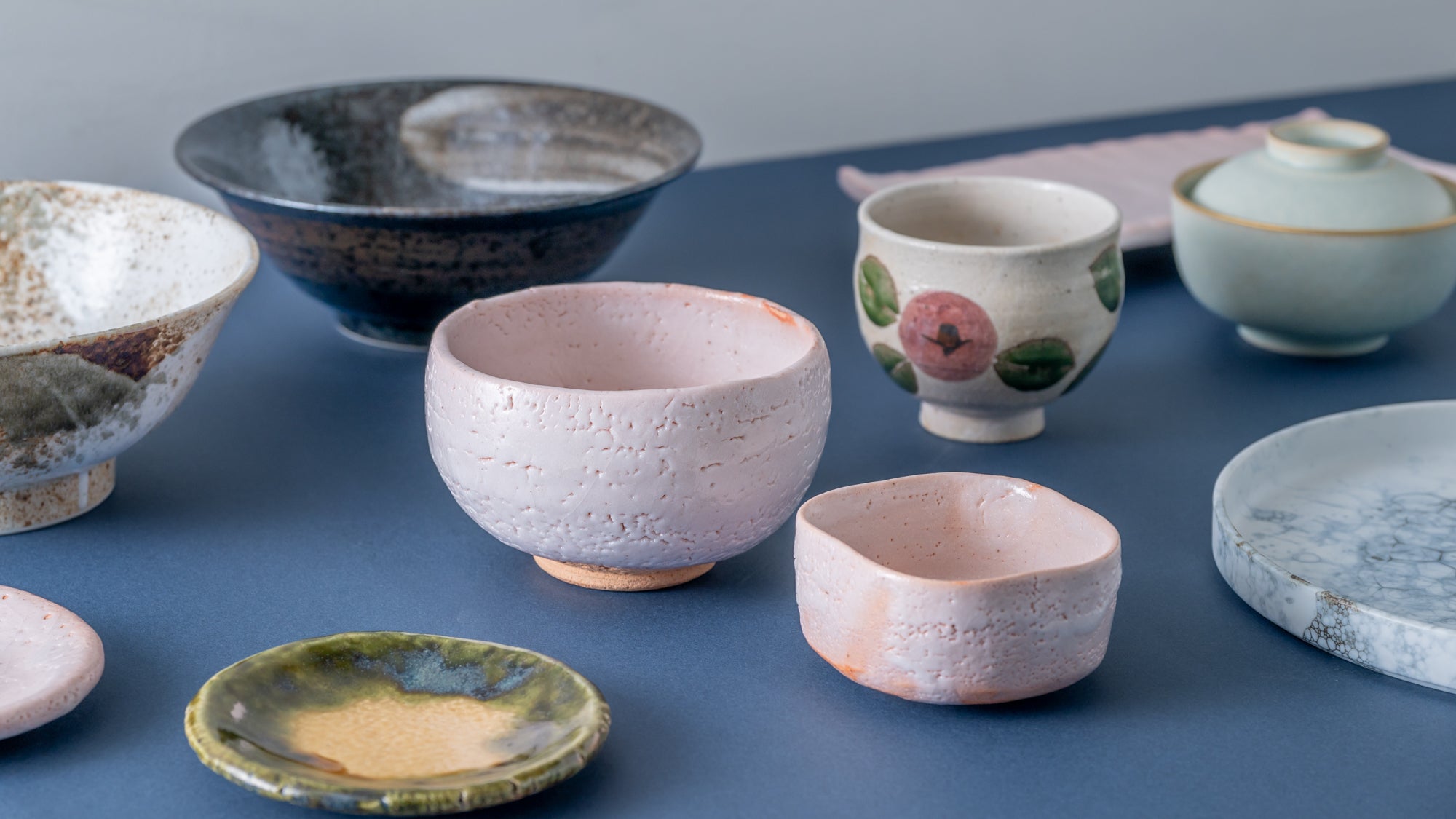
Mino ware, crafted in Gifu Prefecture's Tono region, is renowned among Japanese pottery for its rich heritage and versatility. It features over fifteen distinct styles, making it more varied than many other Japanese ceramics.
Now accounting for over 50 percent of Japan's ceramic production, its popularity is unmatched. Designated as a traditional craft in 1978, Mino ware reflects a blend of historical depth and modern relevance, exemplifying exceptional craftsmanship.
Notes
Choose options
Estimated Shipping Widget will be displayed here!
Sauce Plates
Ranging in style from elegant to kawaii, our collection of Japanese sauce plates is perfect for when you need something small yet versatile for your dining table. Conveniently sized for soy sauce and other condiments accompanying sushi or noodles, these dishes are also just right for bite-sized cheese, nuts, and appetizers. A must-have for any meal.
This category includes plates with diameters under 12.9 cm (5.1 in).
Akae
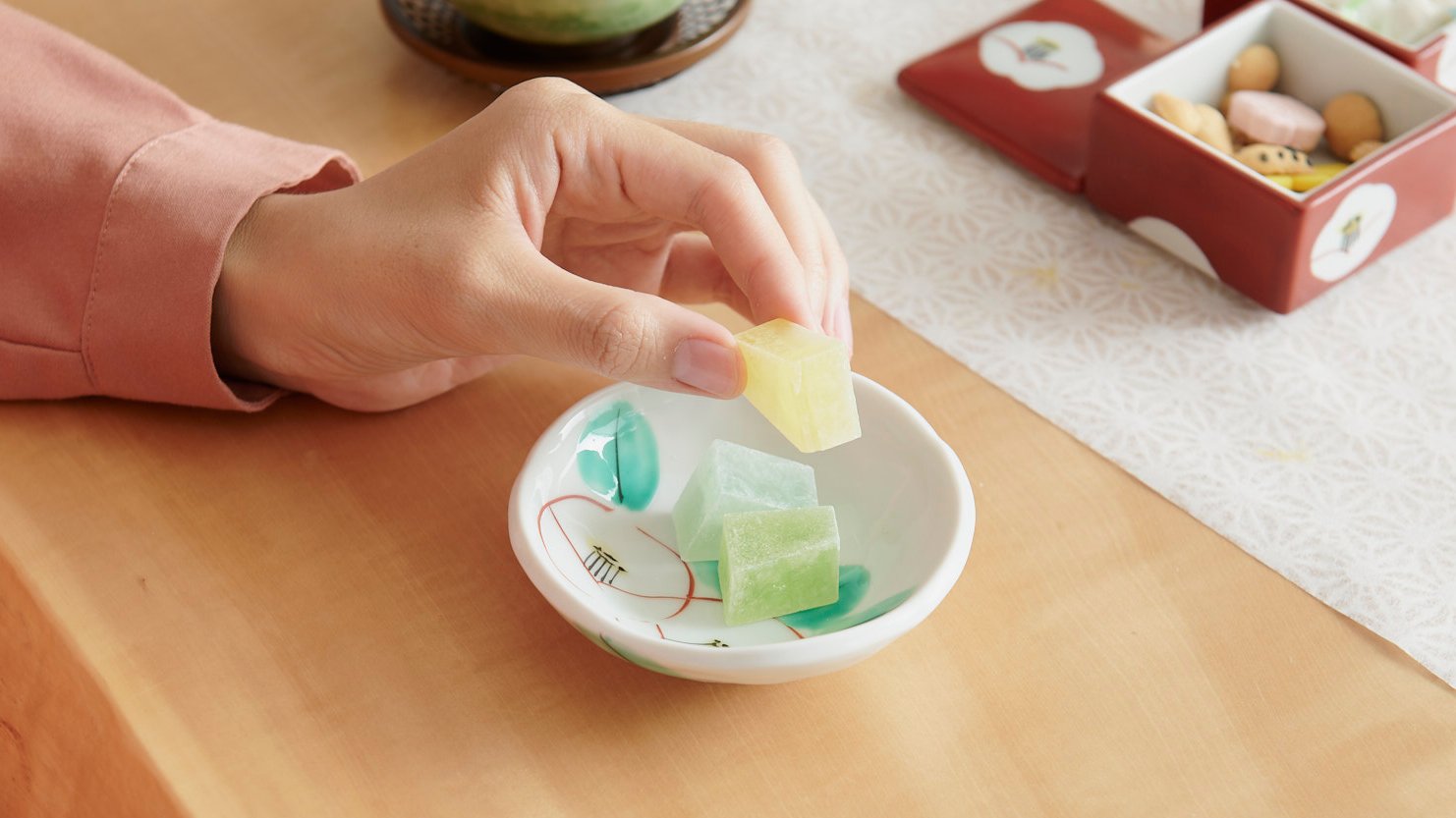
Akae, or red painting, is an overglaze decoration that primarily uses red, complemented by colors such as green, purple and blue. In China, this style originated during the Song Dynasty (960 CE–1279 CE), while in Japan, it was introduced by Sakaida Kakiemon during the Shoho era (1644 CE–1648 CE) and later found its place in Kutani ware.
In Kutani porcelain, akae-saibyo is particularly famous. Akae-saibyo literally means "fine painting in red." Using an extremely fine brush, each line is drawn on the surface of the vessel with exquisite detail, creating breathtakingly intricate patterns.