
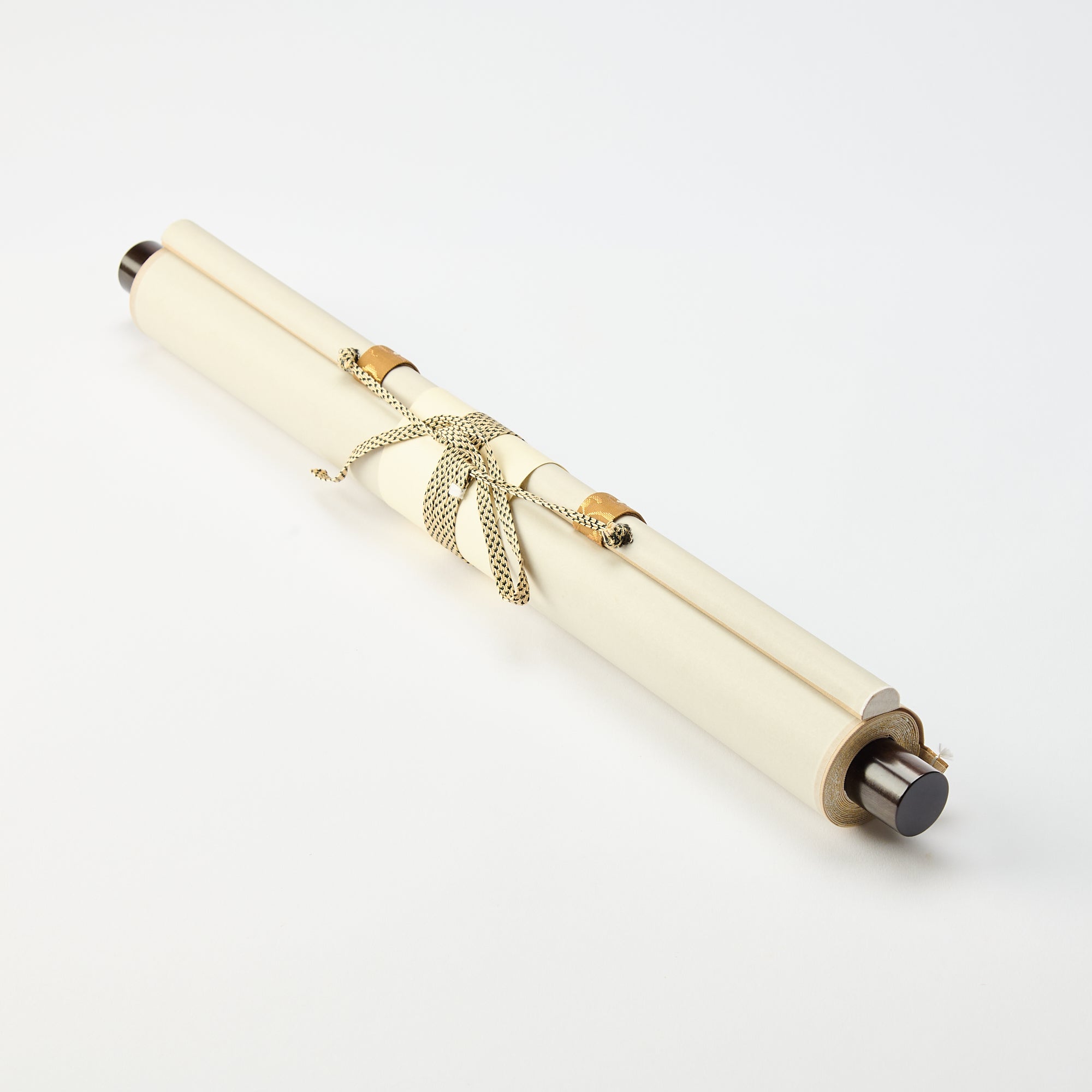
The Owl Kakejiku Hanging Scroll
Ships from Japan · Free shipping on orders over $250 USD
Estimated Shipping Widget will be displayed here!
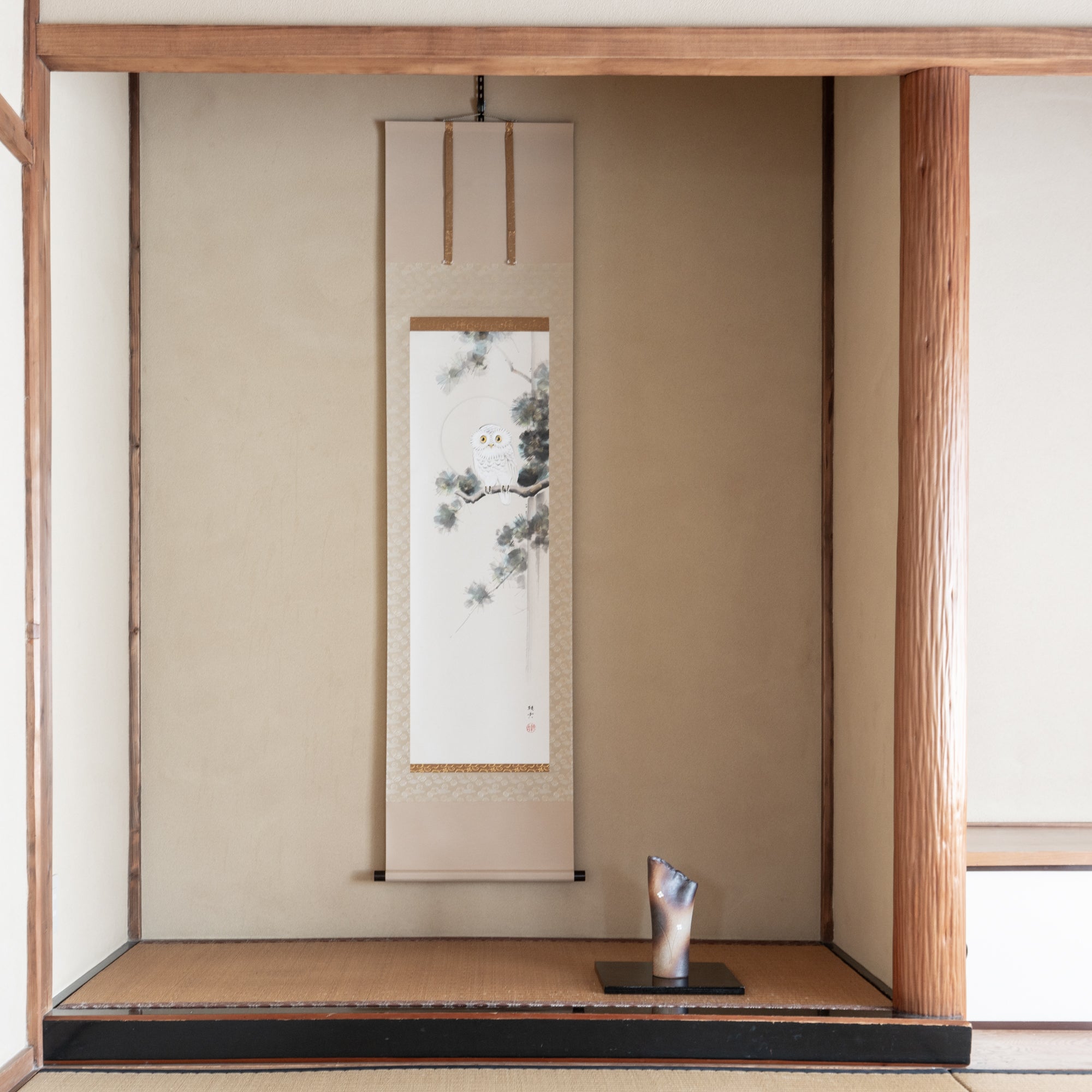
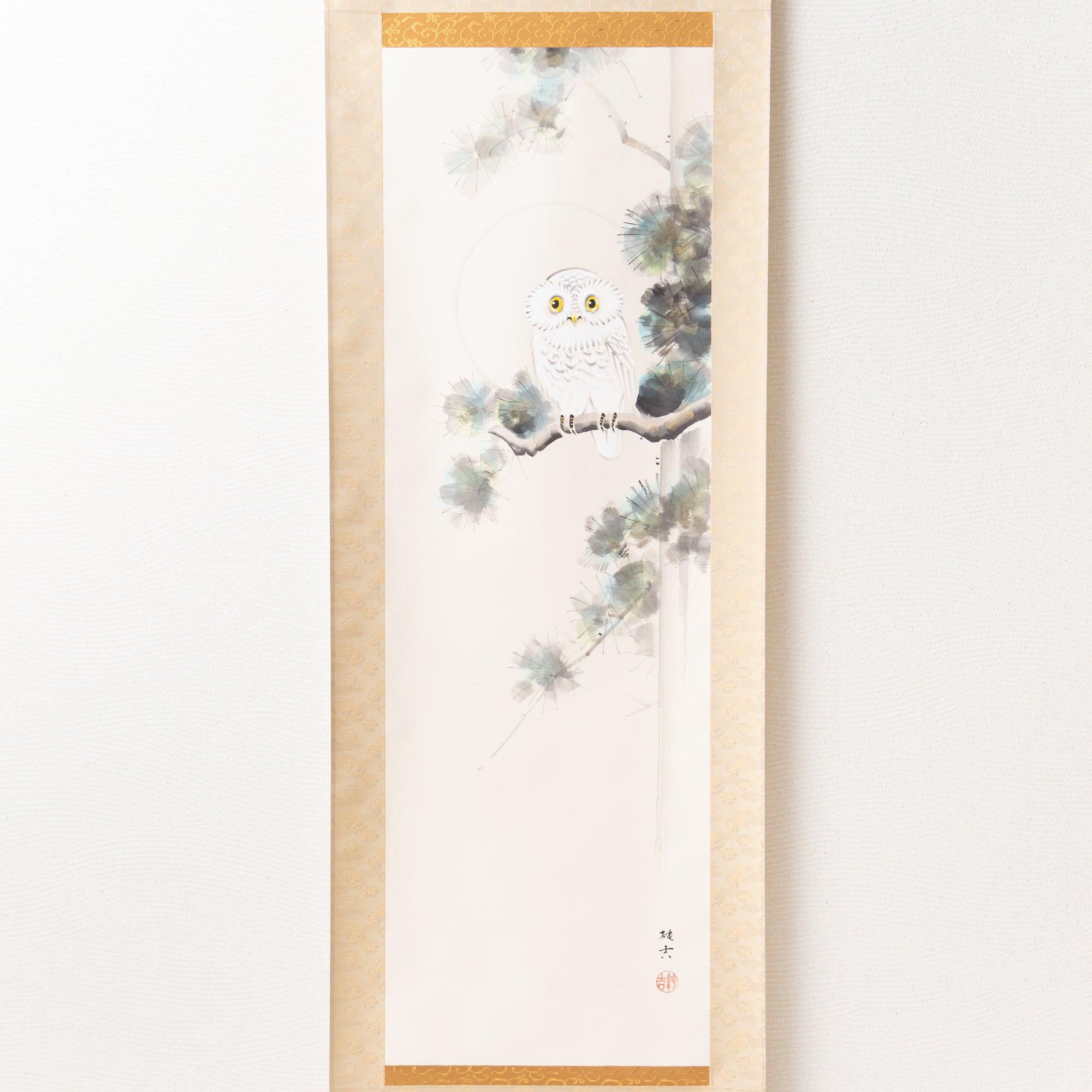
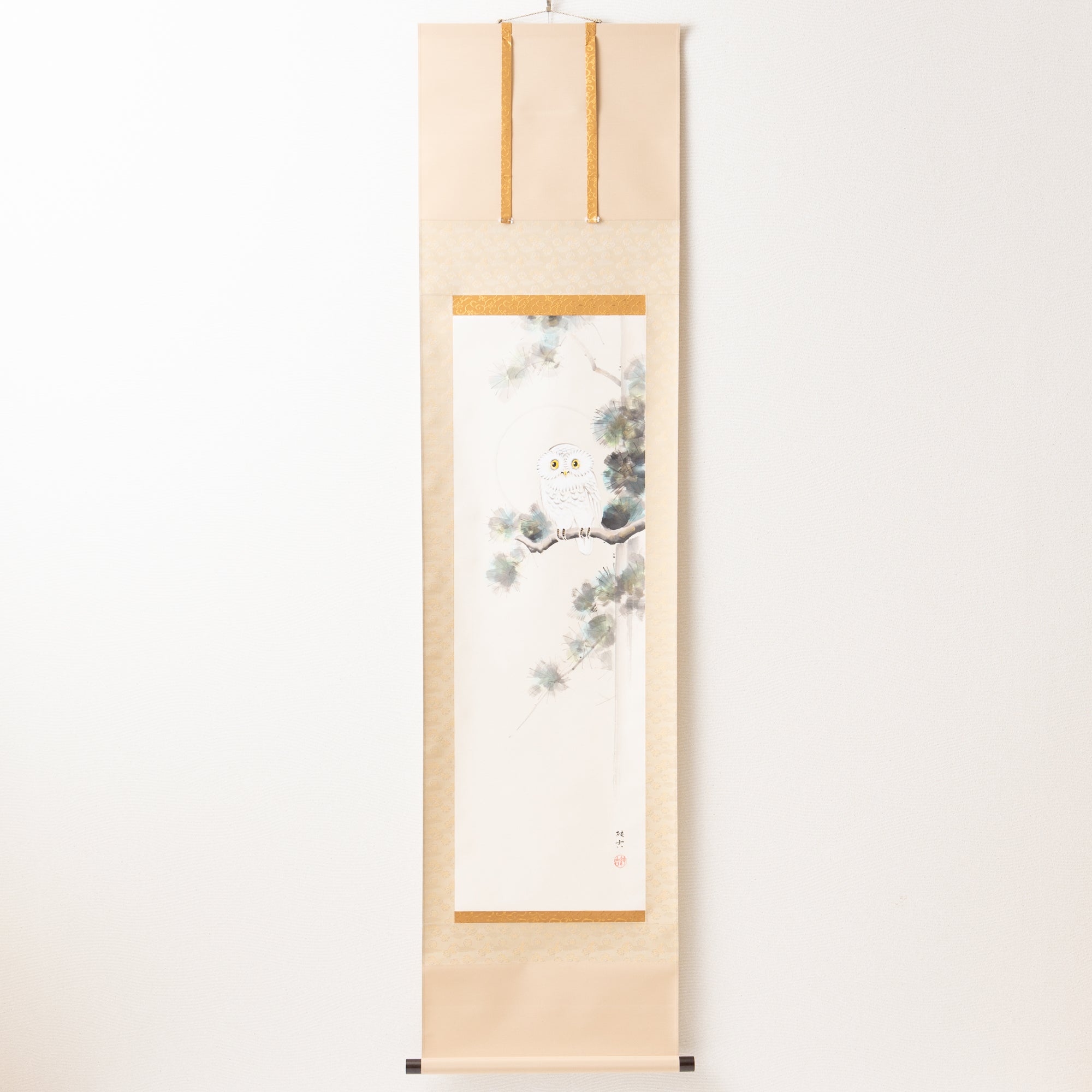
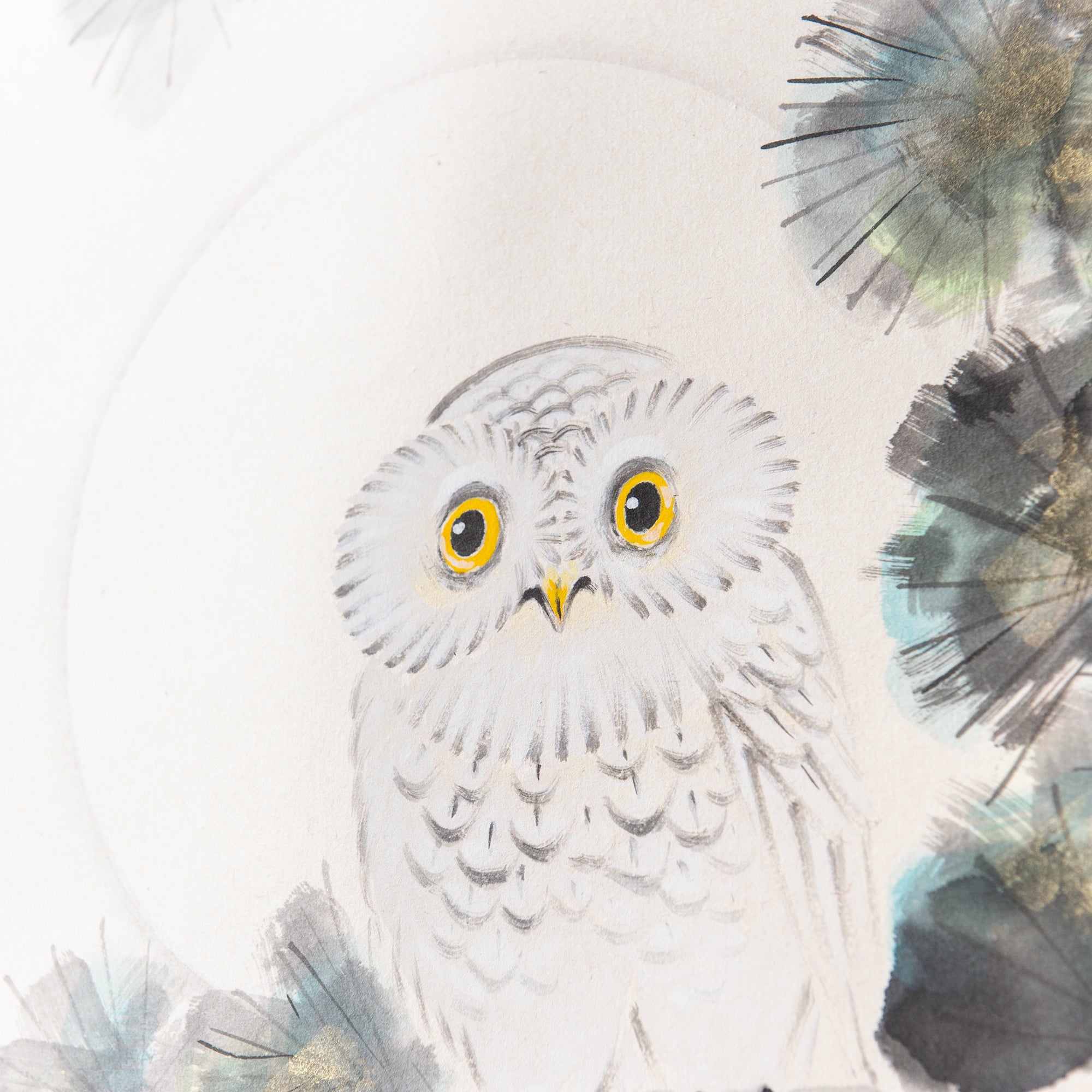
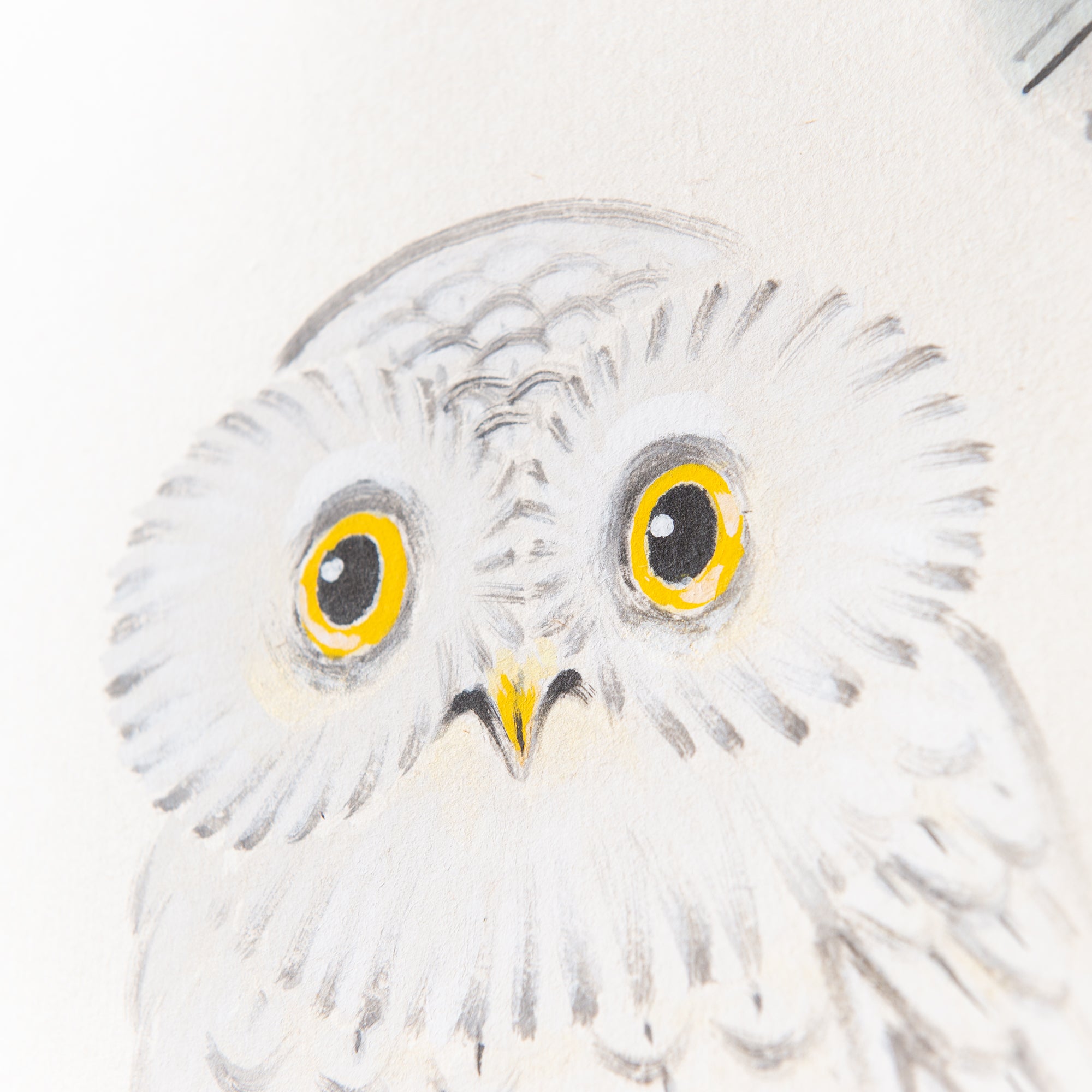
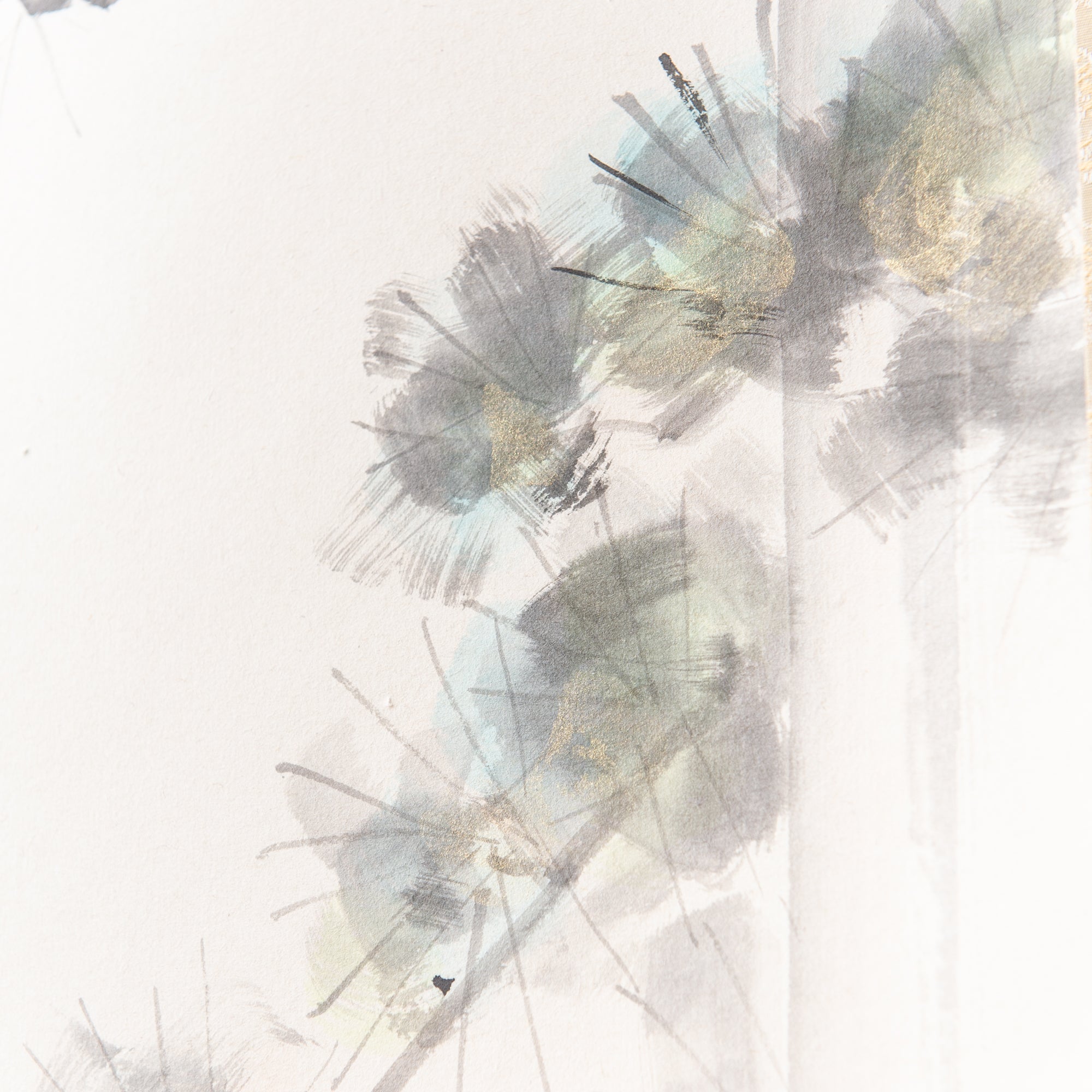
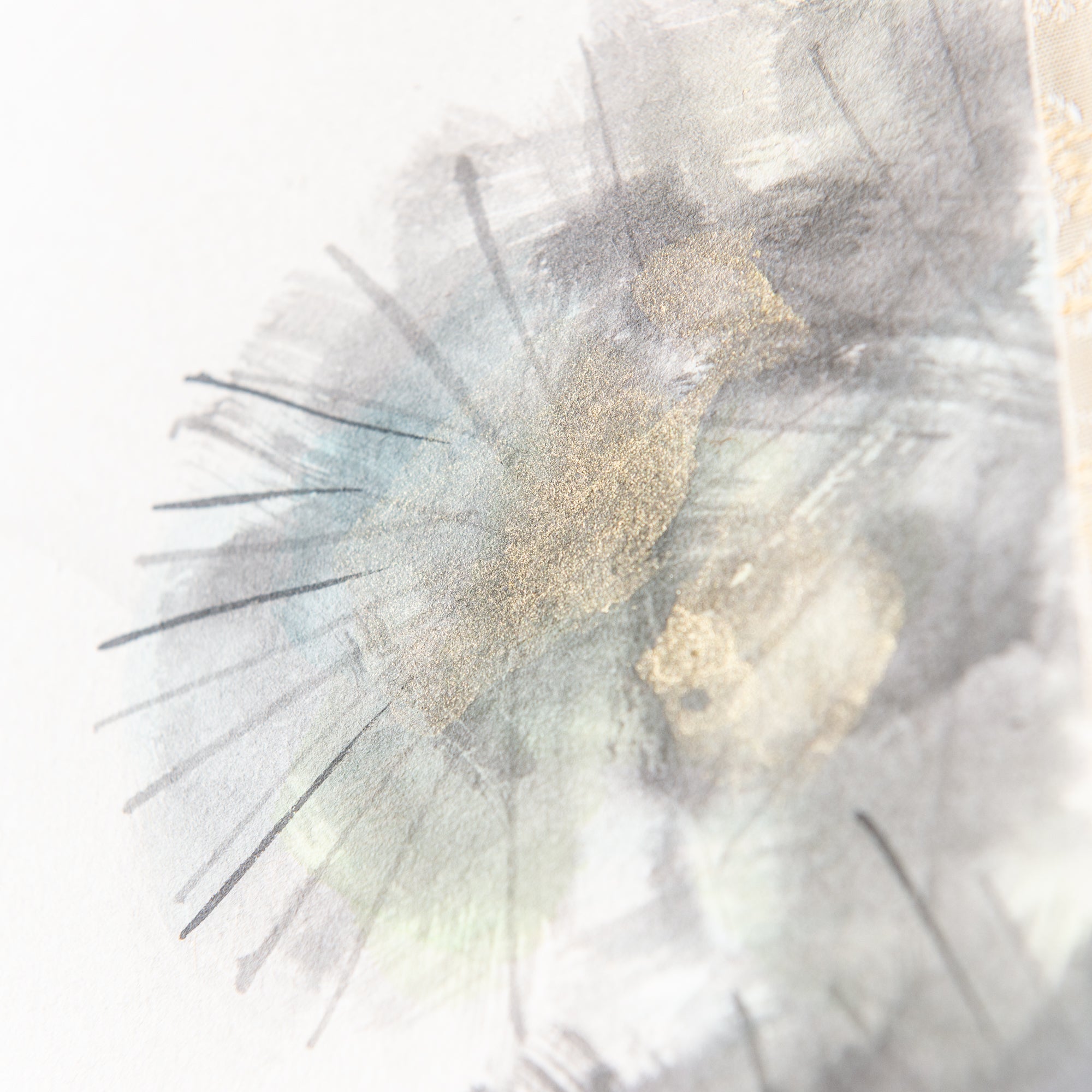
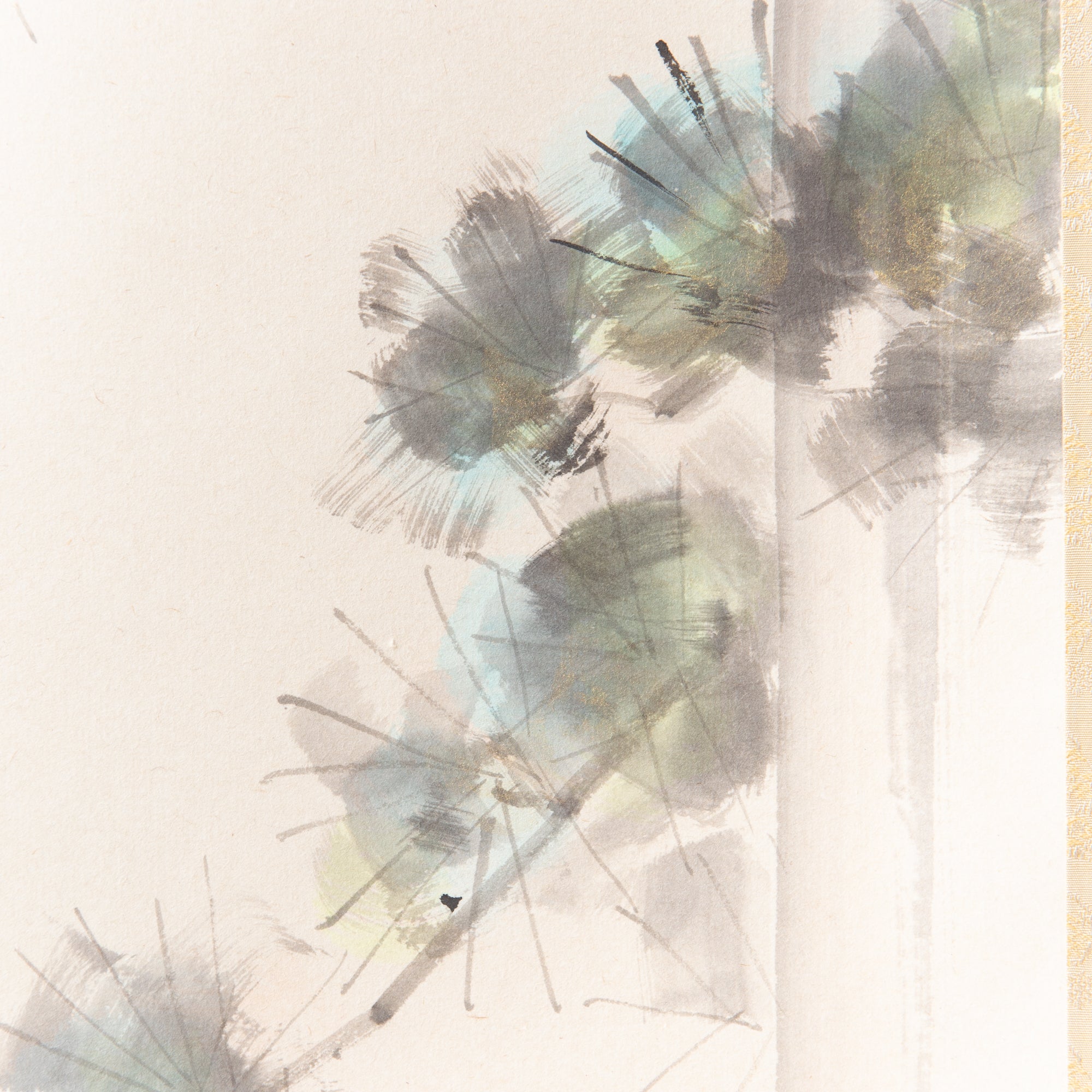
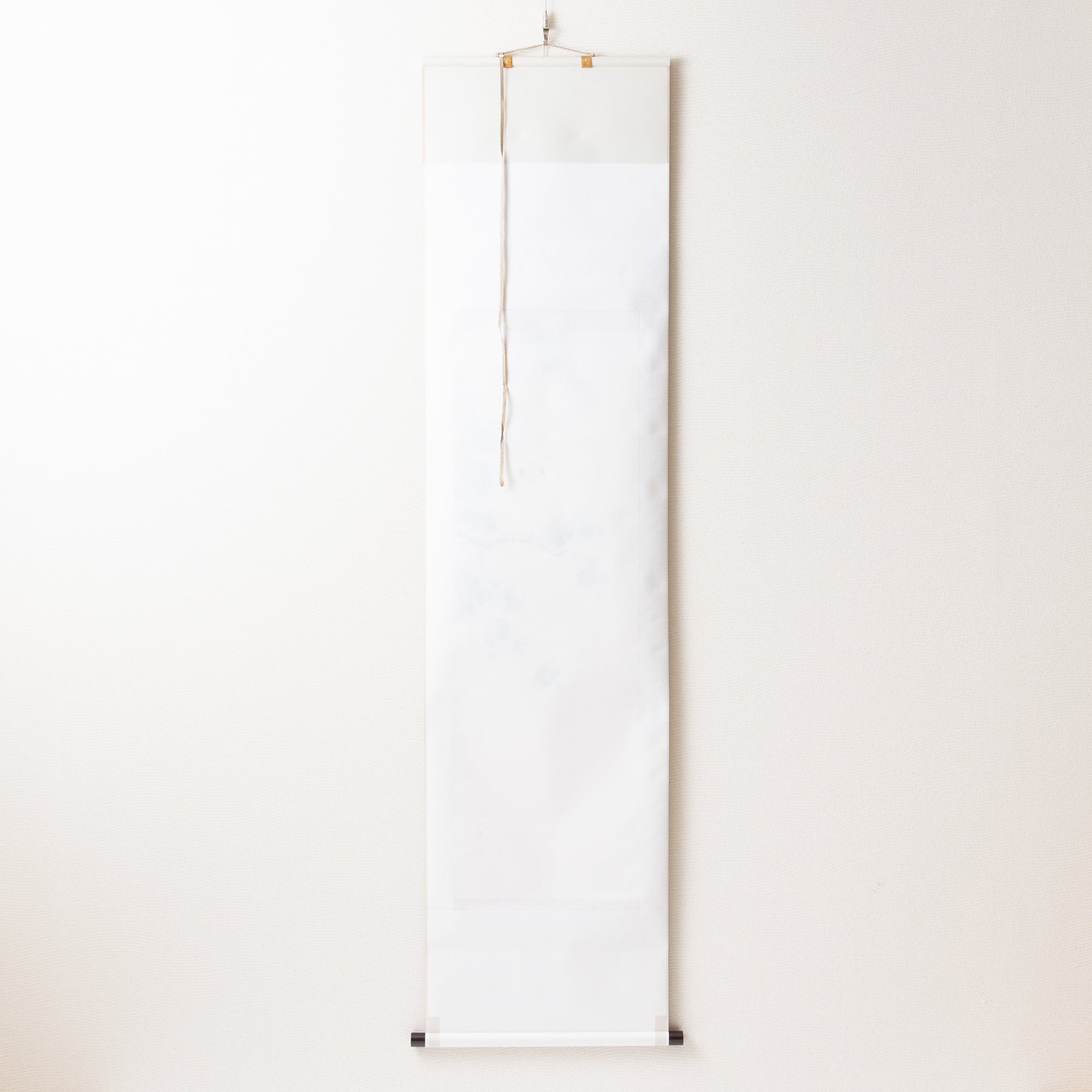
This hanging scroll features an owl, portrayed in a tranquil moonlit scene. Against the glow of a full moon, a single bird rests on a branch, its silhouette calm and watchful. Even the leaves and twigs carry a soft, subdued radiance, as if gently lit from within.
In Japan, the owl is cherished as an auspicious bird believed to ward off hardship and invite good fortune. This meaning is tied to a playful linguistic association: fukuro, the Japanese pronunciation of owl, echoes the meaning of phrases like “good luck comes” and “no hardship,” making the owl a symbol of protection and ease.
Because owls can turn their heads nearly 270 degrees, they are also admired for clear sight and foresight, creatures that “see all around” and therefore avoid misfortune. In the West, the owl has long been called the “sage of the forest,” a guardian of wisdom and learning. These shared traditions make the owl an especially fitting emblem for academic success, sound judgment, and thriving business. With its timeless subject and luminous palette, this scroll can be displayed year-round as a graceful talisman of good luck.
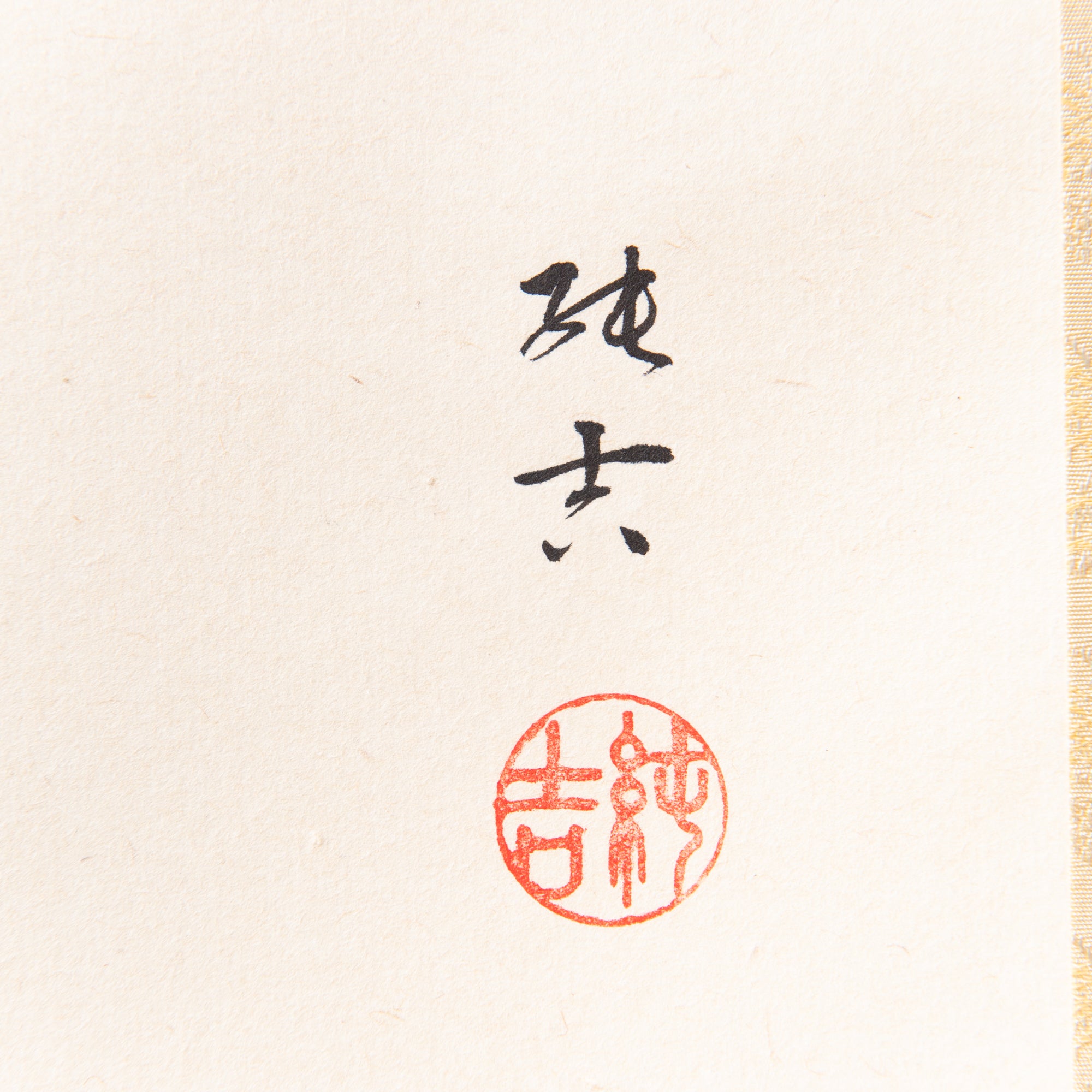
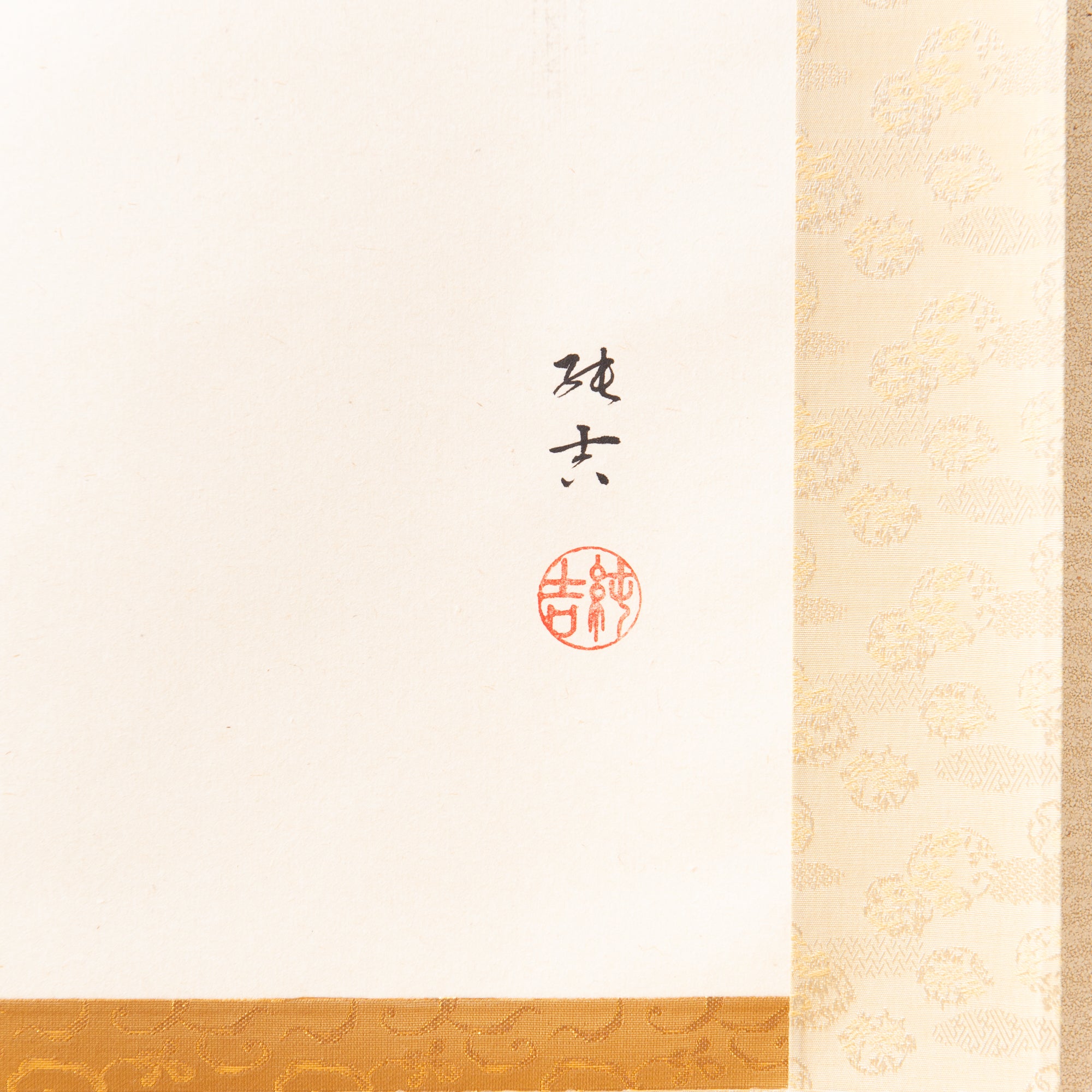
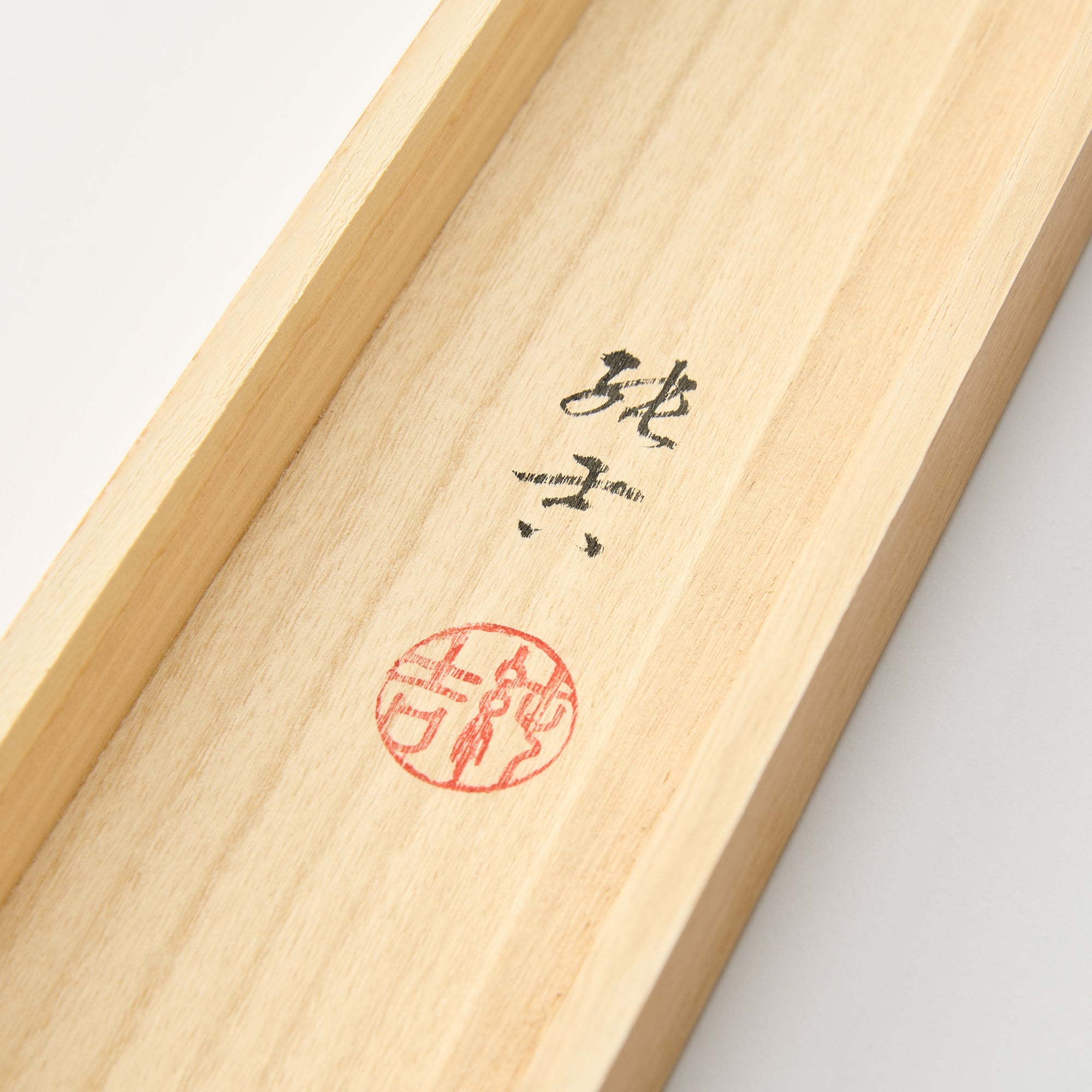
The artist, Sato Junkichi, was born in 1976 in Tokushima Prefecture and is a contemporary Japanese painter known for bird-and-flower works, landscapes, haiga (haiku painting), and portraiture. He has been selected for the Nisshun Exhibition and has participated in many group shows. As a director of the Bokusai-kai (Ink and Color Painting Association), he is recognized for his confident technique and sensitive handling of nature.
DETAILS
| Quantity | 1 |
| Size |
L 190 cm (74.8 in) x W 47 cm (18.5 in) [Scroll rod length] 52.5 cm (20.7 in) |
| Weight | approx. 14 oz (390 g) |
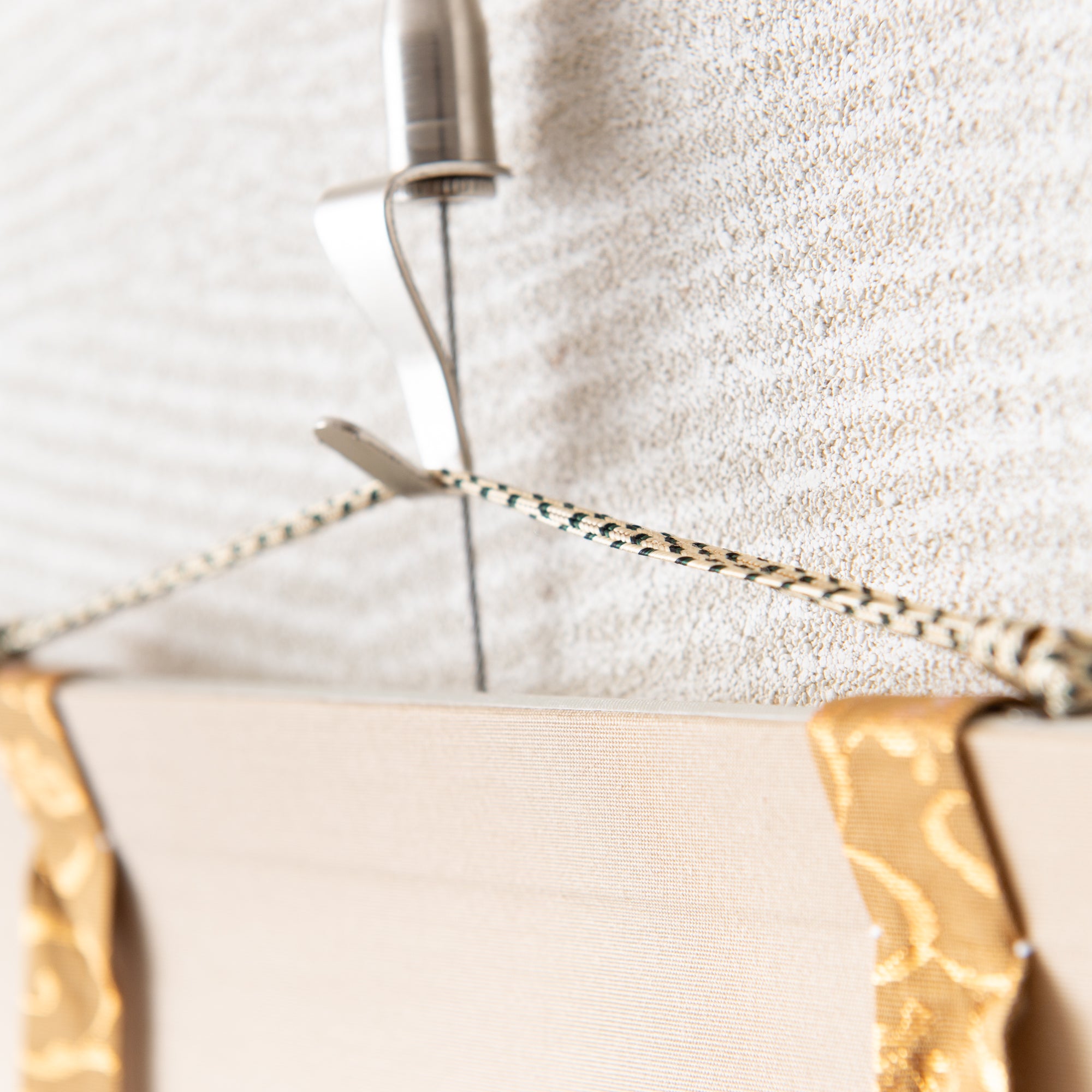
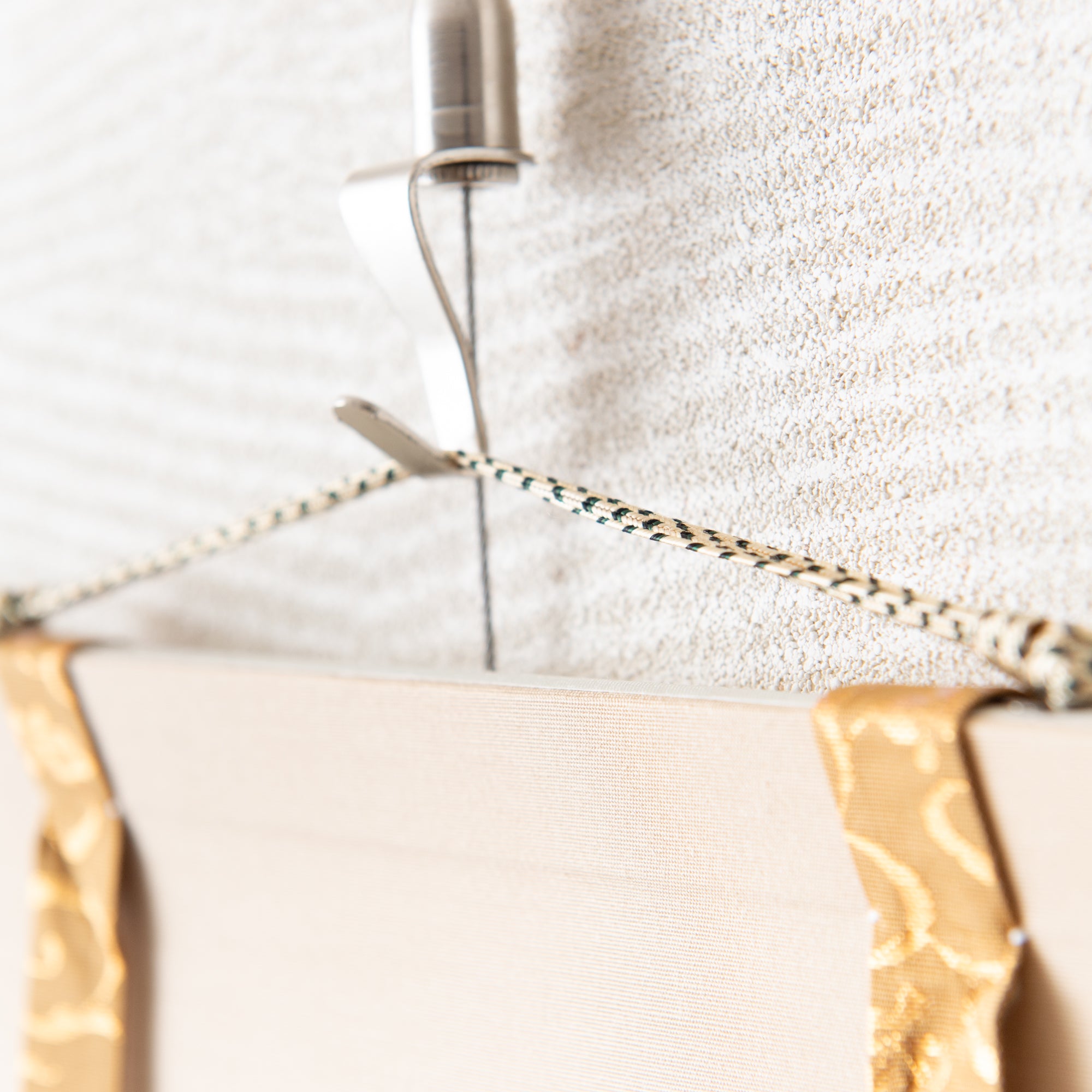
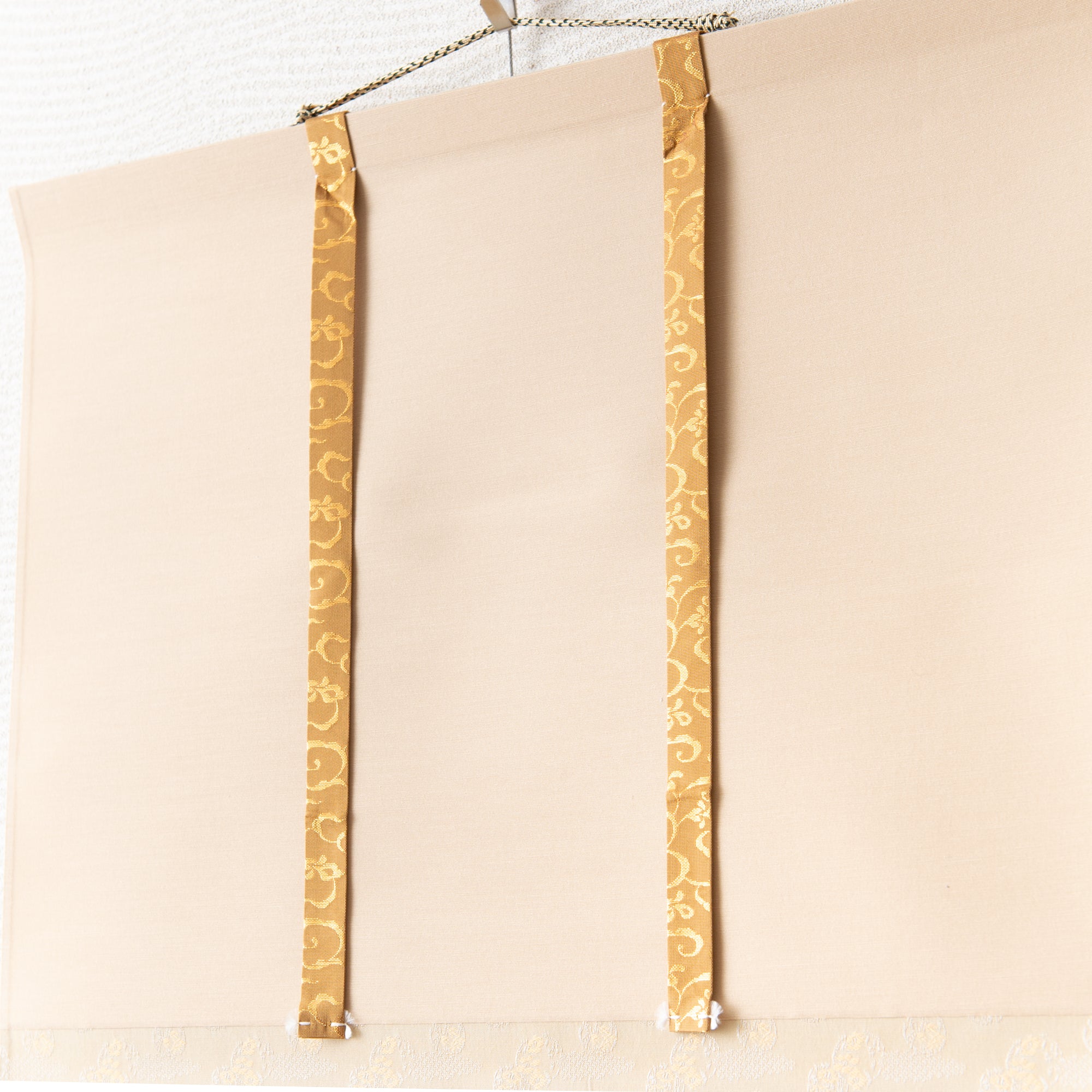
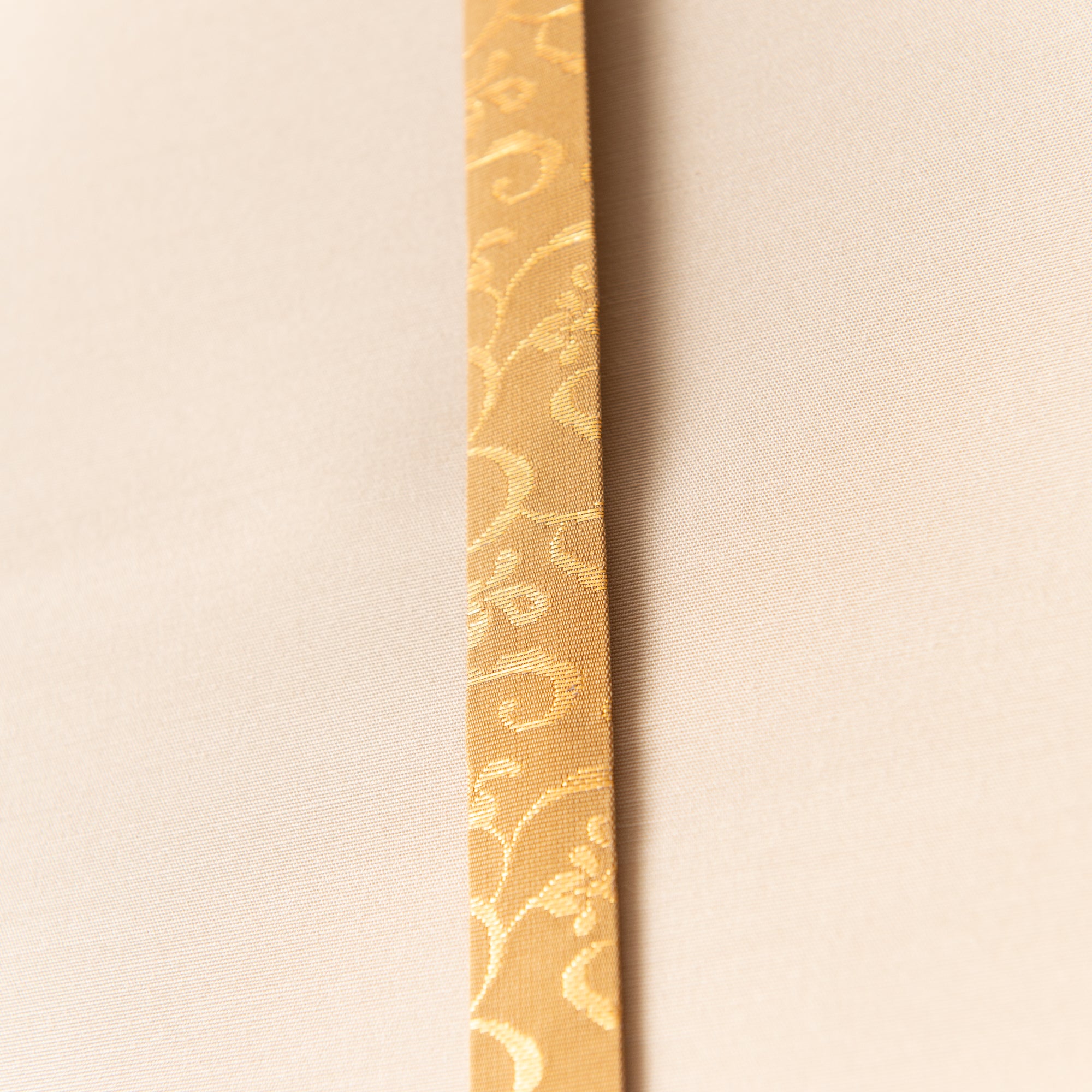
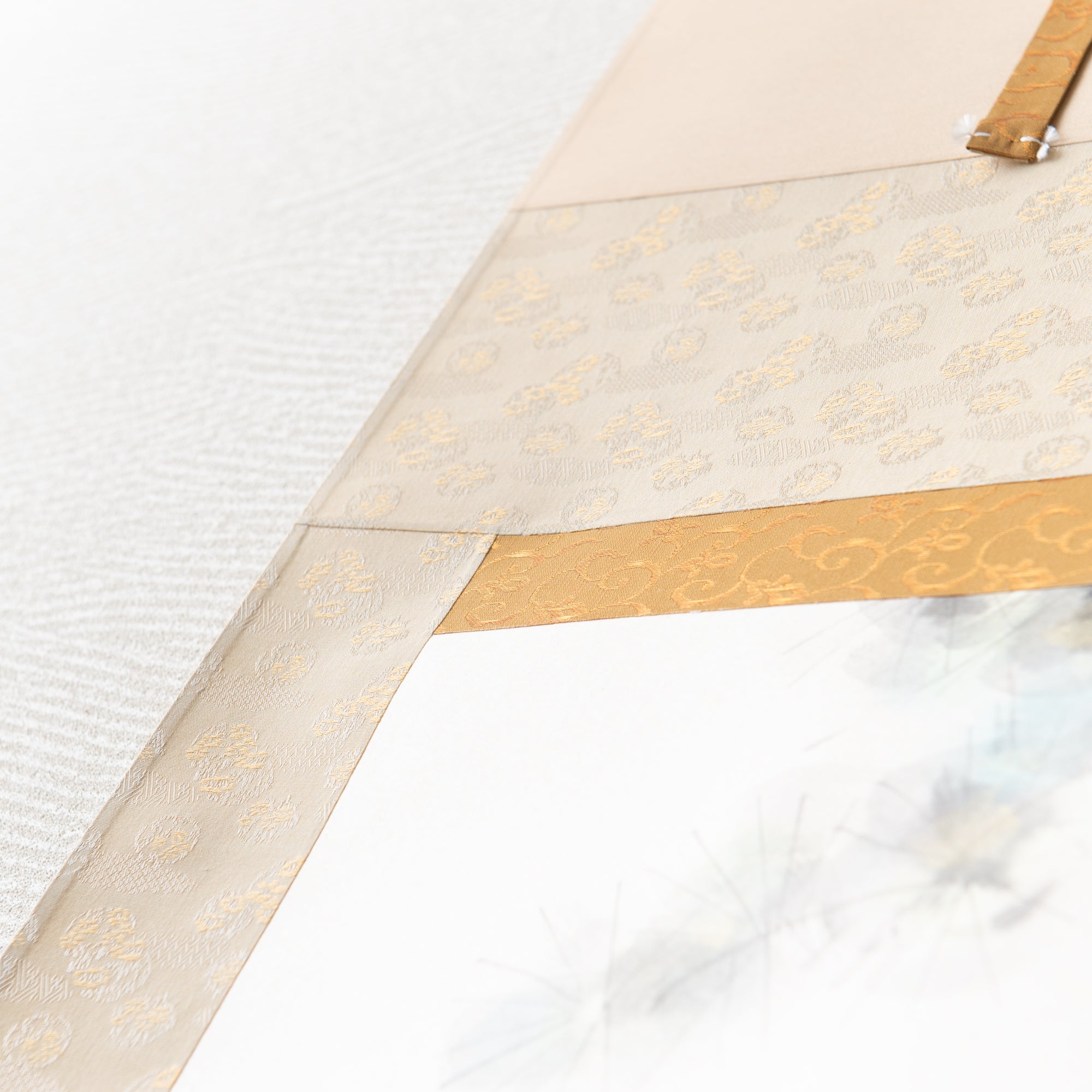
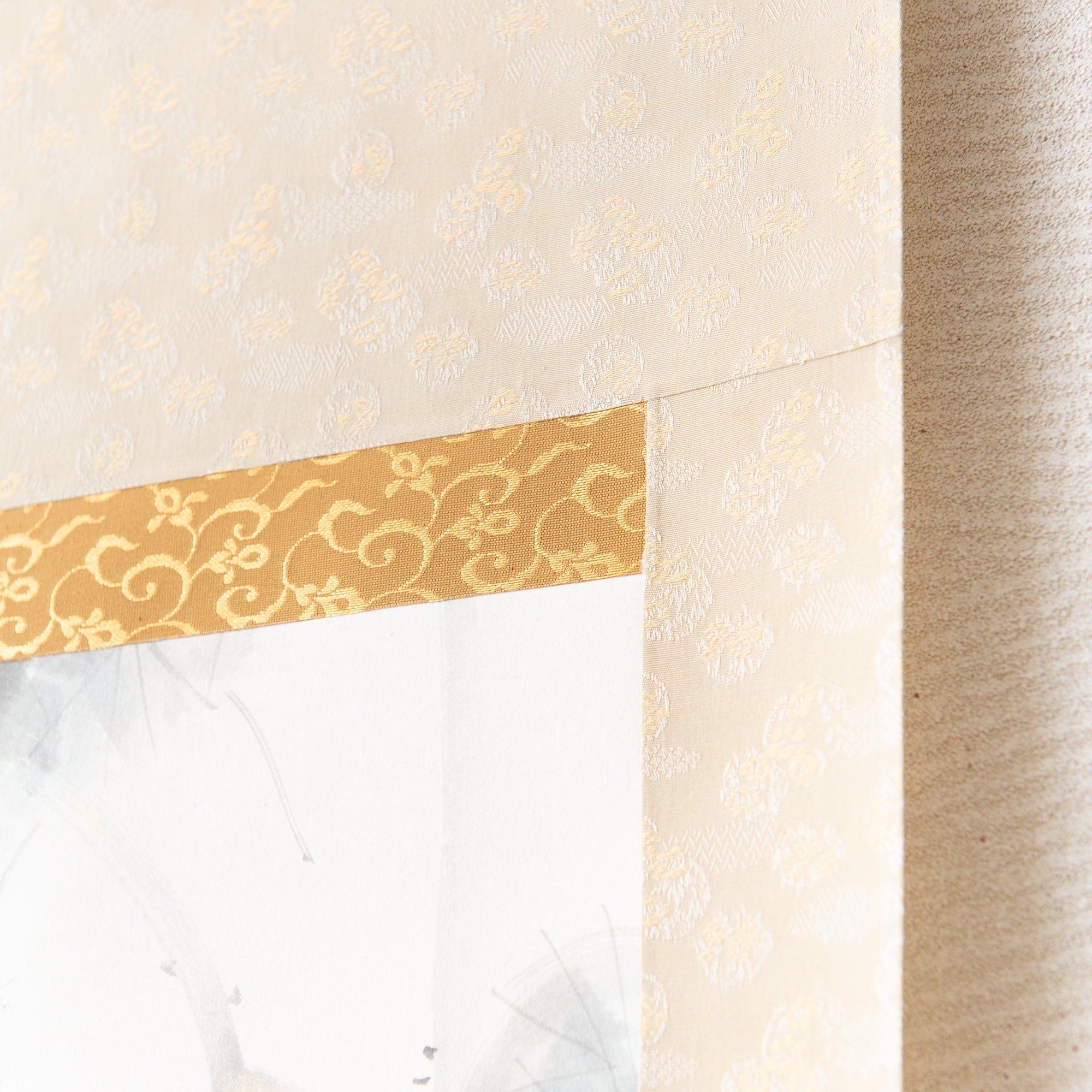
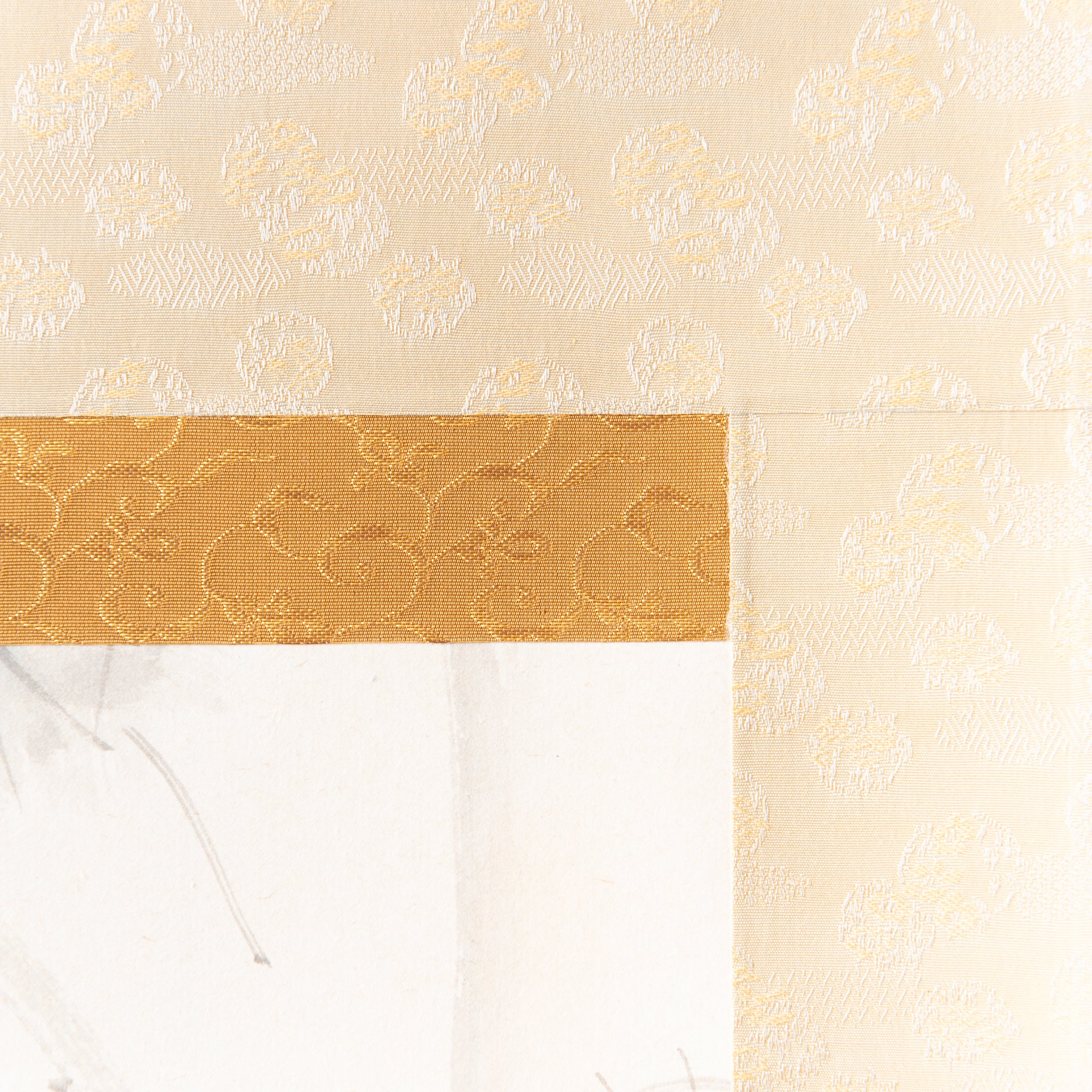
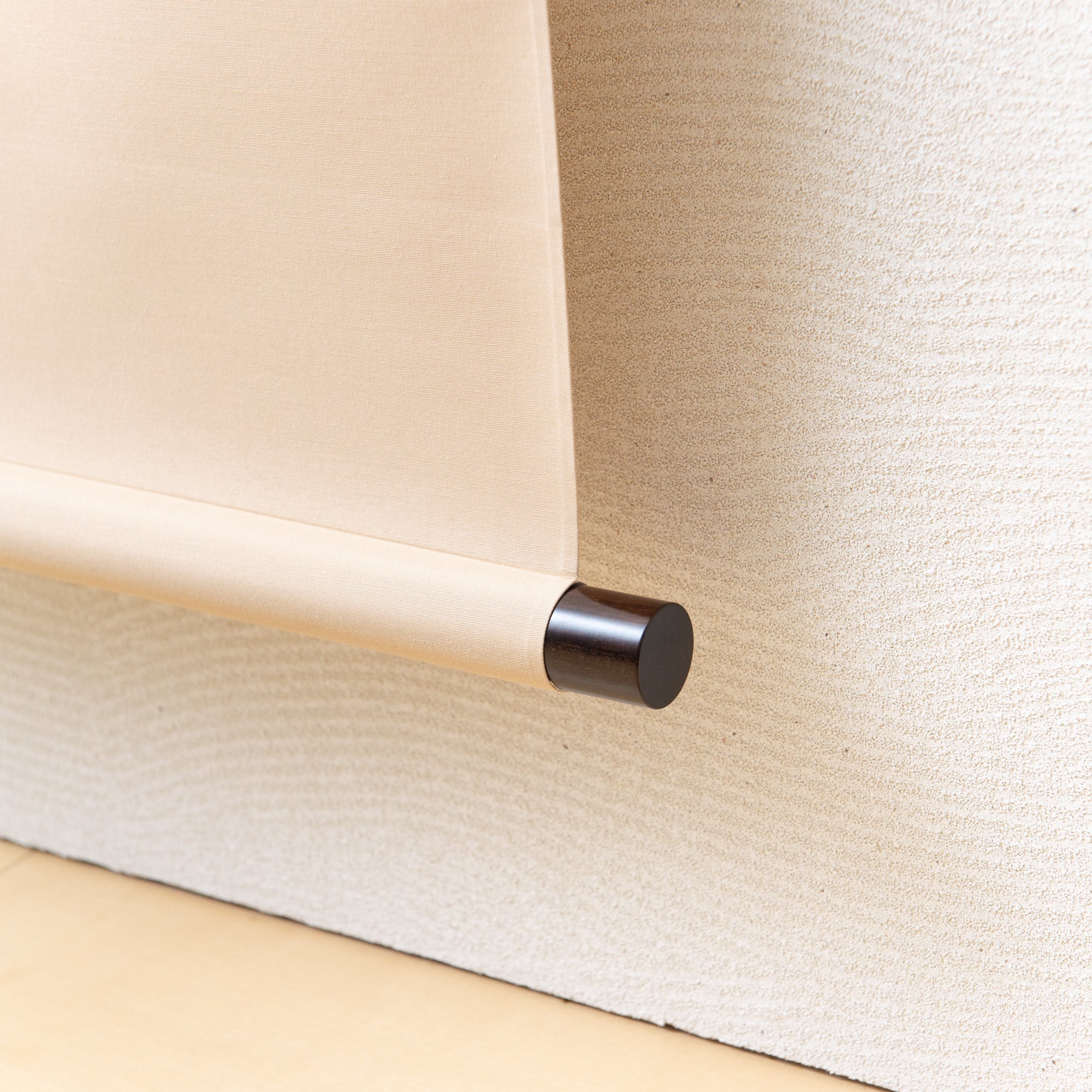
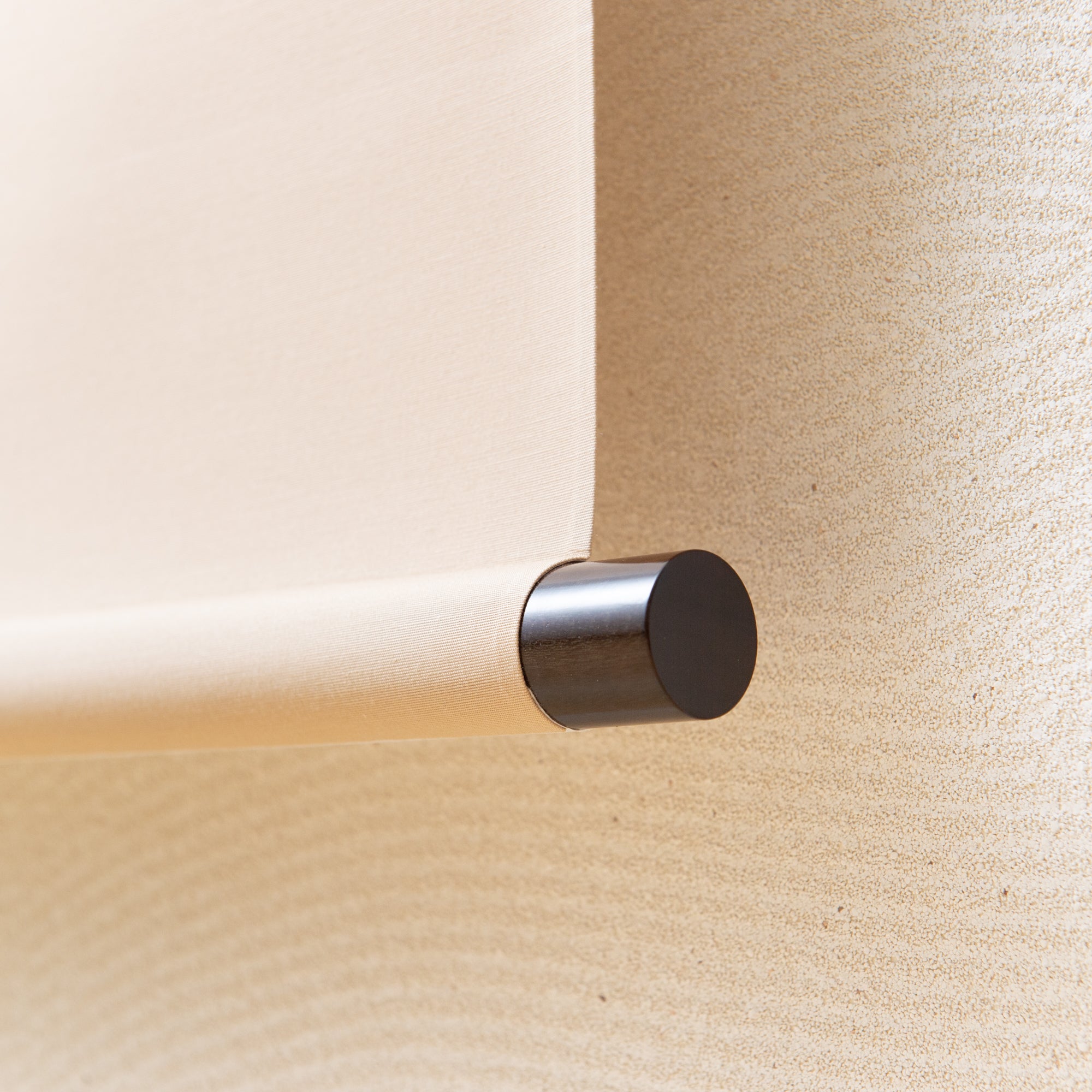
| Material | [Main work] Hand-colored giclée print on washi paper [Fabric Mount ] Cotton [Scroll rod] Wood [Scroll rod ends] Ceramic |
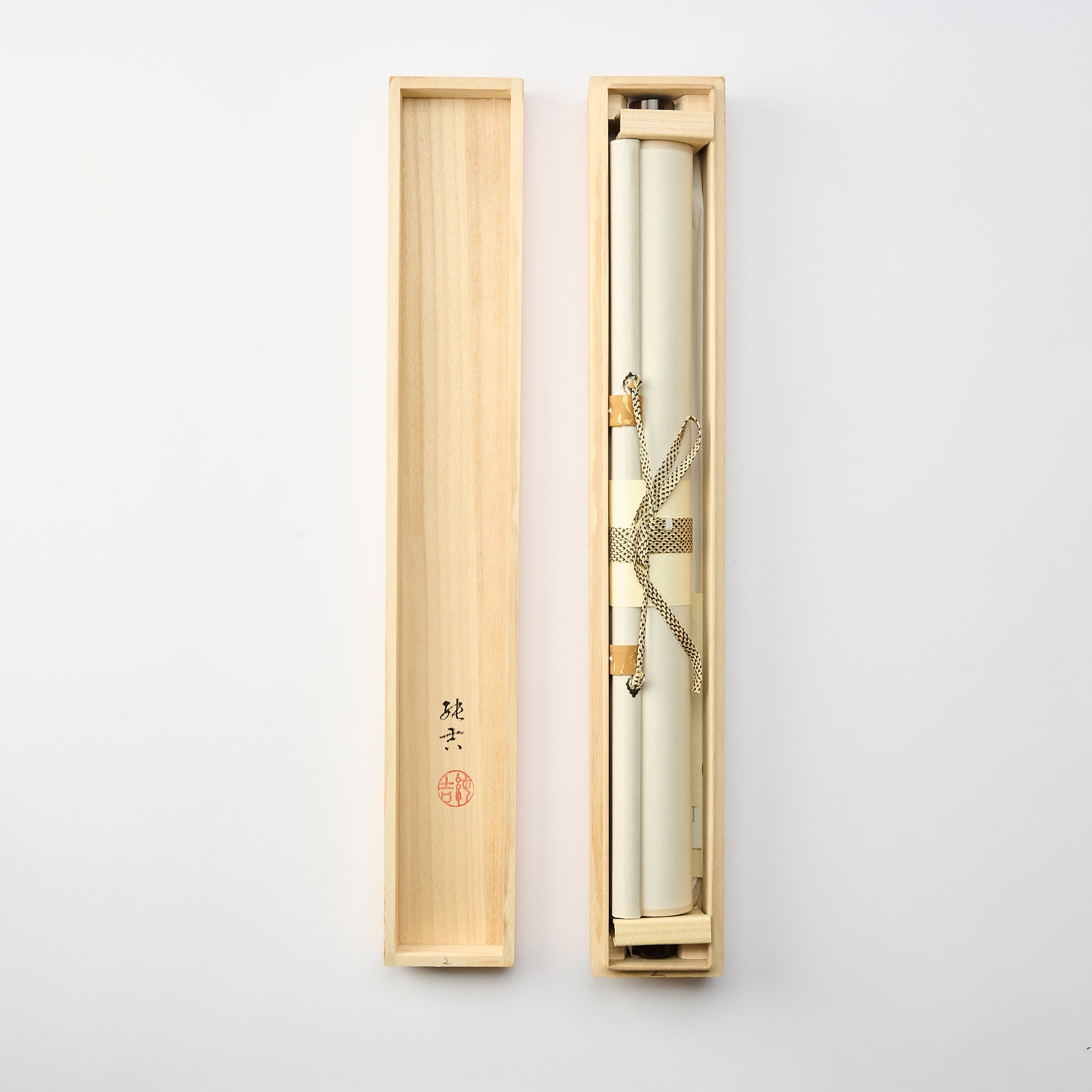
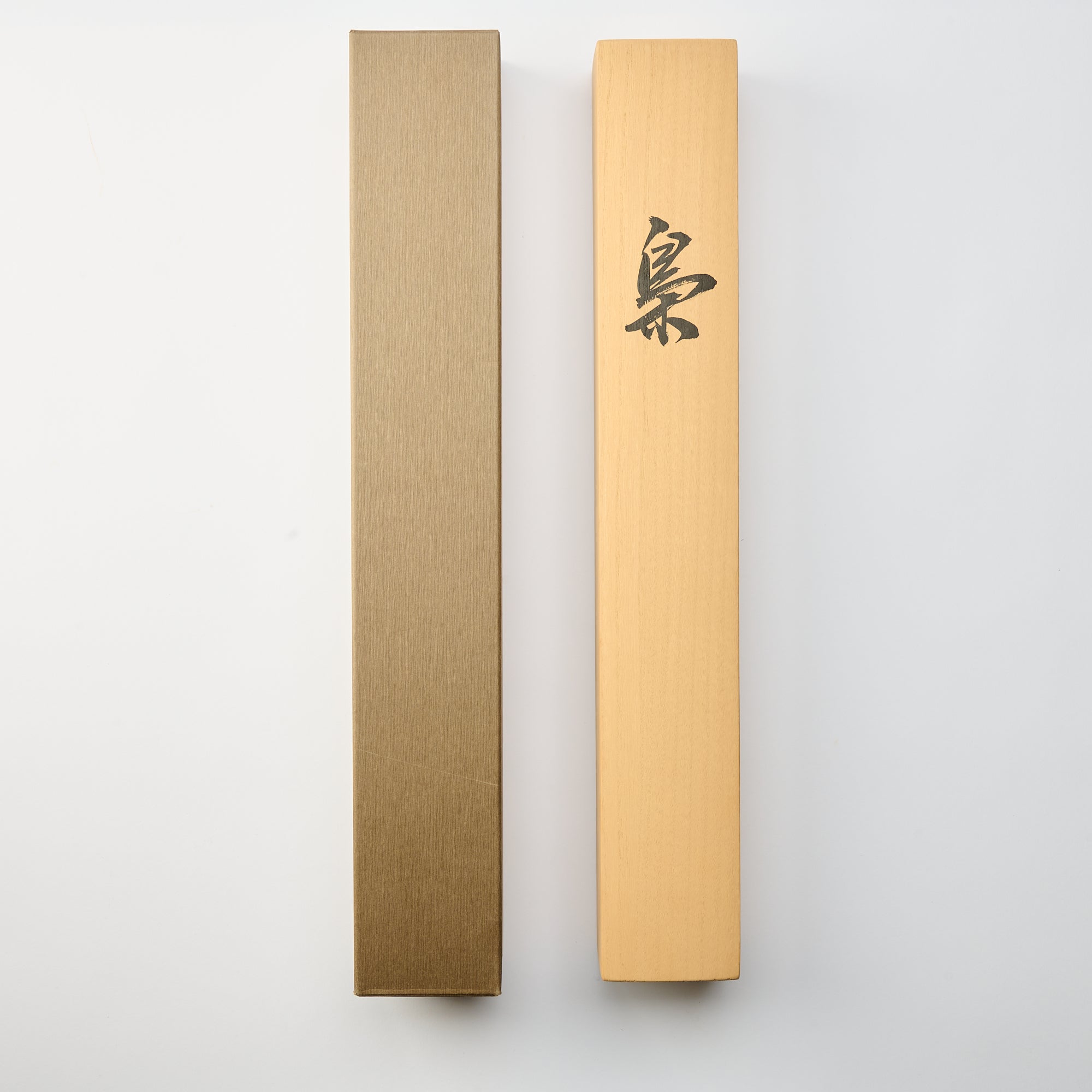
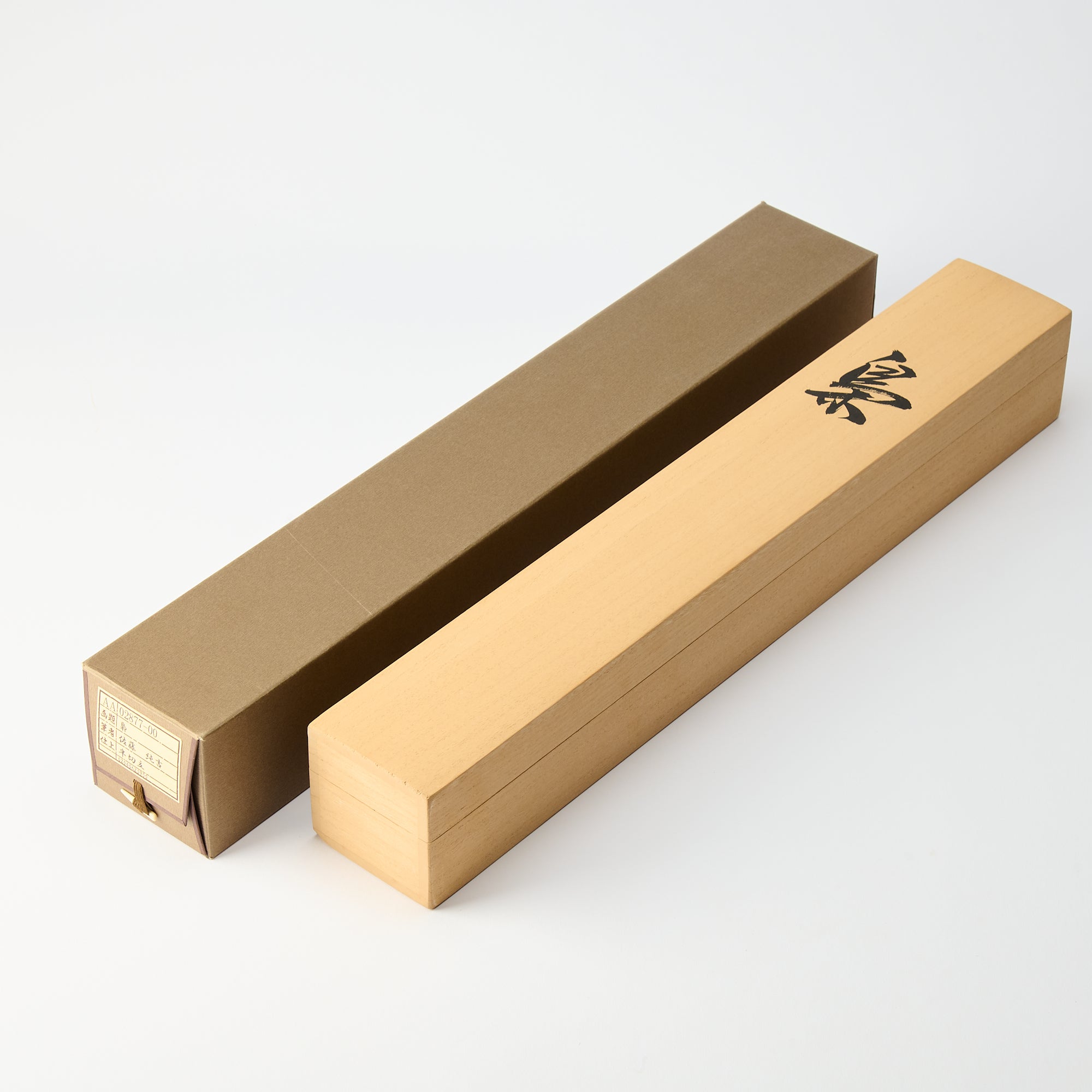
| Package Type | Wooden box |
Maker / Brand
Founded in Gifu, a region renowned for its rich Mino washi heritage, Kaitakudo Art has been crafting kakejiku, Japanese hanging scrolls, for over fifty years. Their work is supported by skilled artisans, including nationally certified first-grade specialists in traditional art mounting who uphold time-honored techniques. From planning and mounting to retail, they oversee the entire process in-house, ensuring consistent quality at every step.
While preserving tradition, they continue to explore new possibilities for kakejiku—developing styles that suit modern interiors and sharing the beauty of Japanese art with the world.
Crafts
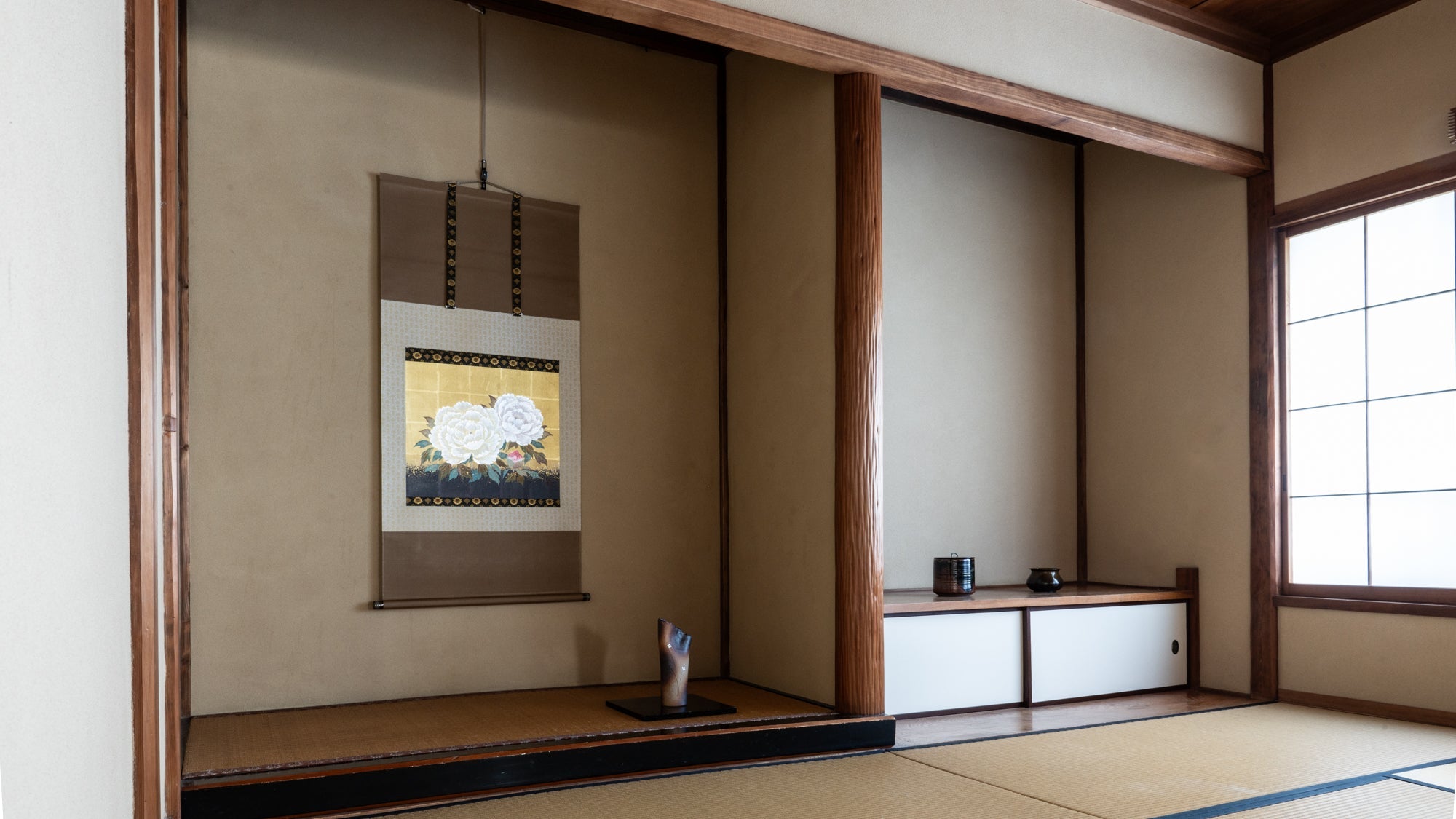
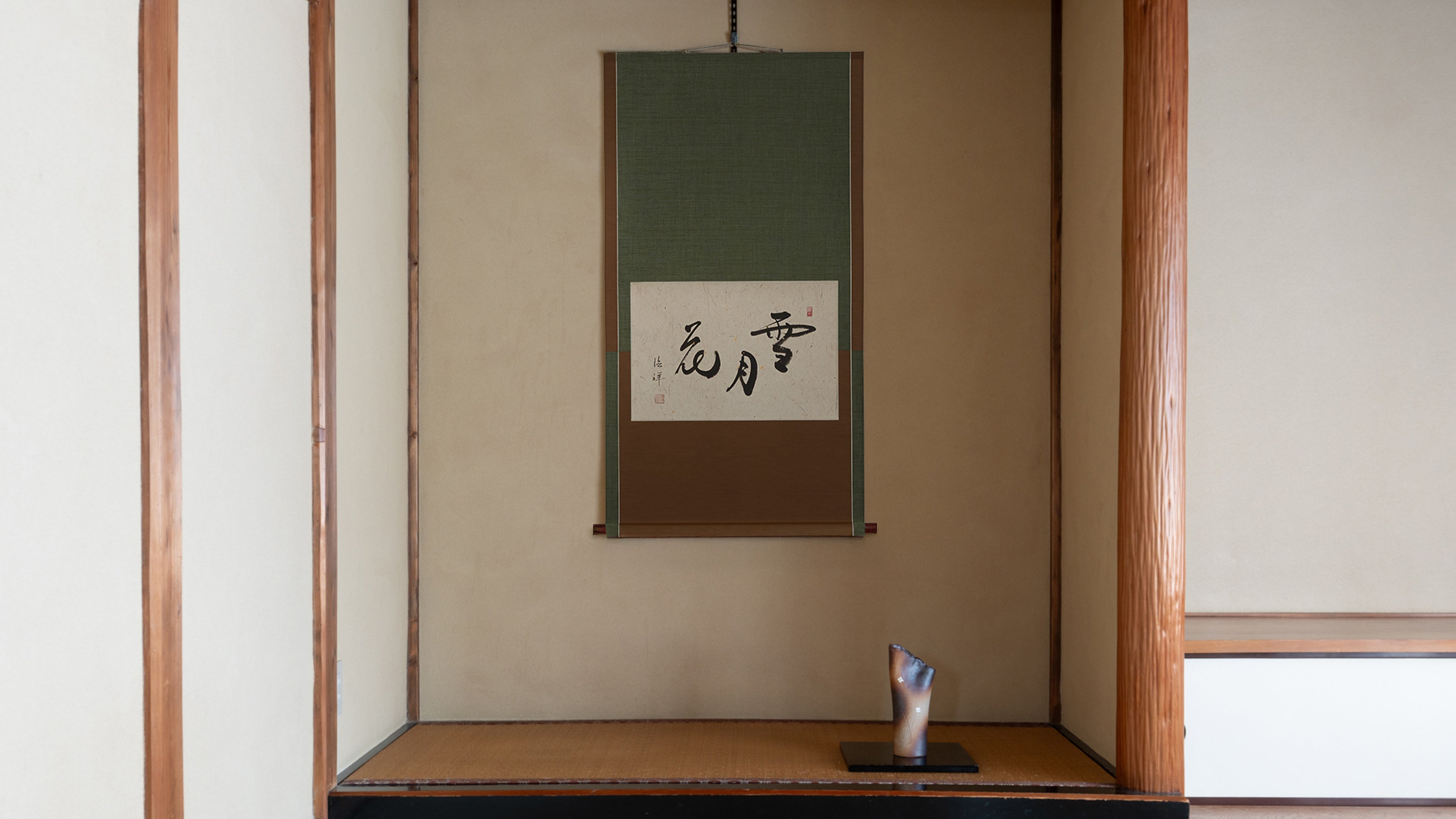
Japanese hanging scrolls, known as kakejiku or kakemono, are a traditional form of Japanese wall art that has been cherished for over a thousand years. Featuring Japanese calligraphy, seasonal motifs, or paintings, each scroll is crafted with refined techniques that reflect the beauty of nature and culture.
Versatile and timeless, they can be displayed in homes, tea rooms, or modern interiors, and are often referred to as picture scrolls or Japanese scrolls. Their lightweight form makes them easy to roll, store, and rotate with the season or occasion. As an enduring expression of Japanese wall art, hanging scrolls bring harmony to any space.
How to Care
Choose options
Estimated Shipping Widget will be displayed here!
Kakejiku Hanging Scrolls
Japanese hanging scrolls, known as kakejiku or kakemono, are a traditional form of Japanese wall art that has been cherished for over a thousand years. Featuring Japanese calligraphy, seasonal motifs, or paintings, each scroll is crafted with refined techniques that reflect the beauty of nature and culture.
Versatile and timeless, they can be displayed in homes, tea rooms, or modern interiors, and are often referred to as picture scrolls or Japanese scrolls. Their lightweight form makes them easy to roll, store, and rotate with the season or occasion. As an enduring expression of Japanese wall art, hanging scrolls bring harmony to any space.