

Hojicha: The Complete Guide to Japan's Roasted Green Tea
Explore the world of hojicha, Japan’s roasted green tea, from its Kyoto heritage to a cozy latte recipe and teaware.
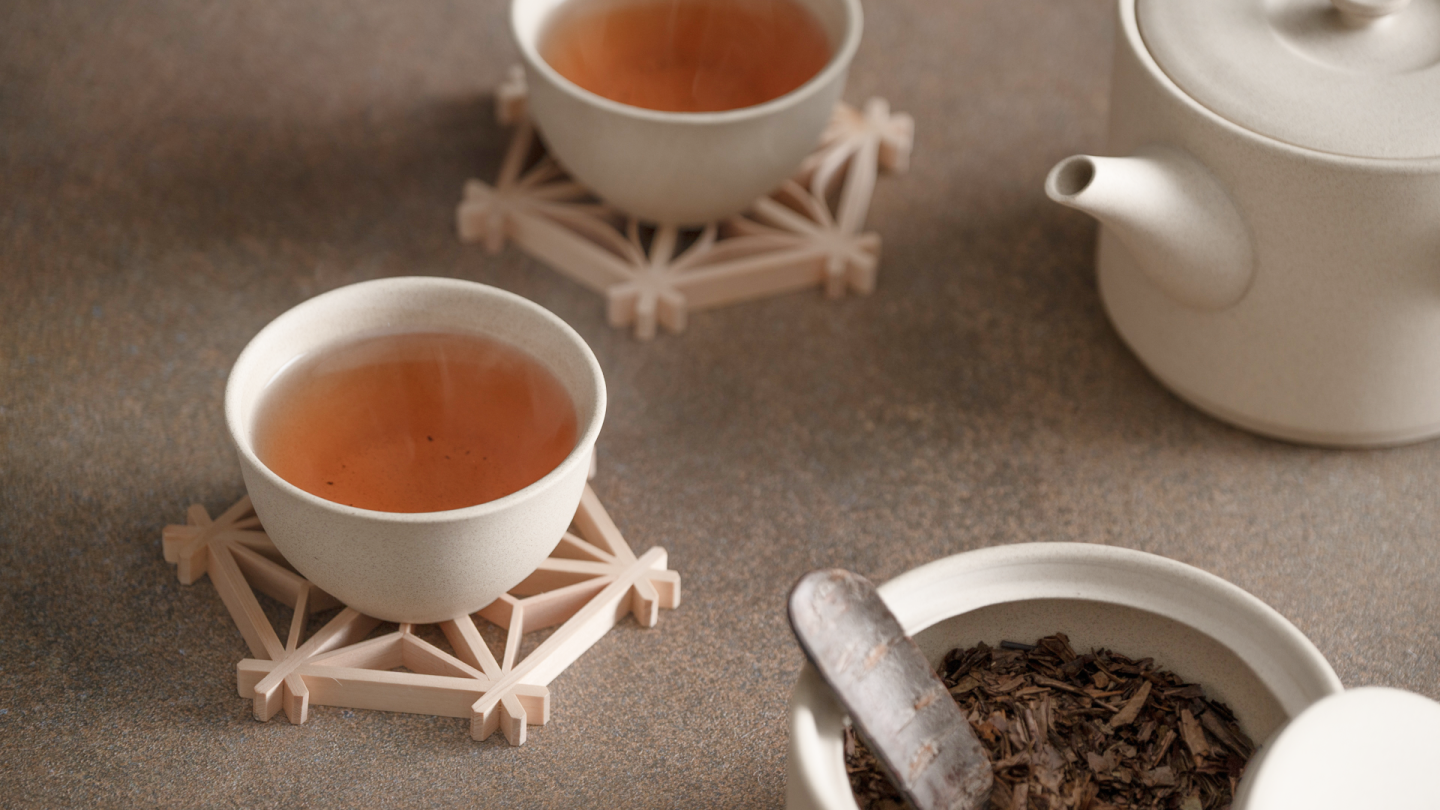
Interest in Japanese tea has grown steadily around the world in recent years, fueled in part by the global popularity of matcha. Alongside it, hojicha has also begun to attract increasing attention. For many people overseas, hojicha lattes shared on social media have become their first introduction to this distinctive roasted tea.
With its gentle aroma, mellow flavor, and relatively low caffeine content, hojicha captures much of what makes everyday Japanese tea culture so special. Long enjoyed in homes, restaurants, and tea shops across Japan, hojicha is valued for its warmth and ease of drinking.
In this guide, we’ll explore what hojicha is, its history and health benefits, different ways to prepare it, and the traditional teaware that can deepen the experience.
What Is Hojicha?

Hojicha is a Japanese tea made by roasting green tea leaves—typically bancha, an everyday green tea made from mature leaves, or kukicha, which is made from the stems and twigs of the tea plant—over high heat. While regular green tea is steamed to preserve its grassy, vegetal character, hojicha gets its notable nuttiness and reddish-brown color from the roasting process.
Because some of the caffeine is reduced during the roasting process, hojicha is generally lower in caffeine than many other Japanese teas. This makes it an approachable tea for a wide range of people, from children and those sensitive to caffeine, to anyone seeking a soothing tea to drink after meals or later in the day.
History of Hojicha
There are several theories surrounding the origins of hojicha. One commonly cited explanation is that, in an era before modern logistics and preservation methods, tea producers experimented with roasting older tea leaves to improve their taste and aroma. These efforts are said to have eventually led to the creation of hojicha as we know it today.
Hojicha is generally believed to have originated in Kyoto during the 1920s. According to popular accounts, a tea merchant roasted unsold tea leaves over charcoal to bring out their fragrance. The result was a flavorful and aromatic tea born from a spirit of avoiding waste—an expression of the Japanese concept of mottainai, or “nothing wasted.”
Originally served as an everyday tea among common households, hojicha gradually became appreciated for its comforting aroma and rounded flavor. Today, it is served in settings ranging from ryokan inns to refined Japanese restaurants and is considered one of Japan’s representative teas. More recently, the popularity of hojicha lattes overseas has further accelerated its global recognition.
Health Benefits of Hojicha
Reduced Caffeine
Although hojicha is not caffeine-free, it generally contains less caffeine than coffee and many other teas.
Approximate caffeine content per 1 cup (240 ml):
- Gyokuro: 380 mg
- Coffee: 170 mg
- Matcha: 140 mg
- Black tea: 70 mg
- Oolong tea: 50 mg
- Sencha: 50 mg
- Hojicha: 50 mg
- Barley tea: 0 mg
Beneficial Catechins (Antioxidants)
Like other green teas, hojicha contains catechins, antioxidant compounds associated with various health benefits. However, some catechins are reduced during the roasting process.
Aromatic Pyrazines
Pyrazines are aromatic compounds created during roasting when amino acids and sugars in the tea leaves react to heat. These compounds are responsible for hojicha’s signature roasted aroma and are also believed to promote relaxation and healthy blood circulation.
Mild Tannins
Compared to many green teas, hojicha contains lower levels of tannins, making it milder on the stomach. This makes it an ideal tea to enjoy during or after meals.
How to Enjoy Hojicha
Hot or Cold Hojicha

The simplest way to experience hojicha is also one of the most rewarding. Add about 1 Tbsp (3 g) of loose-leaf hojicha per person to a kyusu teapot, pour in hot water at around 195°F (90°C), and steep for 30 seconds before pouring into a yunomi teacup. The key is using hot water and keeping the steep short—this brings out the aroma without any bitterness.

For iced hojicha, brew a strong concentrate with a small amount of hot water, then pour directly over a glass full of ice. It's a beautifully refreshing drink for warmer months.
Hojicha Latte

The hojicha latte has captured the hearts of tea lovers worldwide—and for good reason. While hojicha powder offers a convenient shortcut, here we're using loose-leaf tea for a richer, more aromatic result, brewed on the stovetop in the style of Japanese royal milk tea.
Ingredients (Serves 2)
- 4 Tbsp hojicha, loose-leaf
- 1/2 cup (120 ml) water
- 1 1/2 cups (360 ml) milk
- 1 Tbsp sugar or honey, optional
Instructions
1. Brew the Hojicha
Add the hojicha and water to a small saucepan and place over medium heat. Once the water begins to simmer, reduce to low heat and steep for about 3 minutes, until the water turns a deep reddish-brown.

2. Simmer with Milk
Add the milk and increase the heat to medium. As soon as small bubbles appear around the edge of the pan, just before a full boil, remove from heat.

3. Strain and Serve
Set a fine-mesh strainer over a mug and pour the latte through it. Add sugar or honey to taste, stir well, and enjoy.

Hojicha in Sweets

Hojicha's roasted depth makes it a natural partner for sweets. Ice cream, pudding, cookies, chocolate—the flavor works beautifully across a wide range of desserts and baked goods.
Find Your Hojicha Teaware
The right teaware can transform a simple cup of hojicha into a genuine ritual. Here are the essentials:
Japanese Teapot
A teapot with a wider body gives the leaves plenty of room to open and release their full flavor and aroma. Look for stoneware or porcelain styles, each offering different heat retention and aesthetic character.

Yunomi Japanese Teacup
The traditional yunomi has no handle—it's meant to be cradled in both hands. That connection to the warmth of the cup is part of what makes drinking hojicha such a calming experience.

Tea Canister
A well-sealed tea canister keeps your hojicha leaves fresh and aromatic. Some tea canisters feature a double-lid construction, offering additional protection against air and moisture.

Chasaji Teaspoon
A chasaji typically holds around 2 to 3 g per scoop, making it easy to measure out consistent amounts each time you brew.

Hojicha has been woven into the fabric of Japanese daily life for about a century. In every roasted cup, there's a quiet kind of wisdom—the ingenuity of making something beautiful from what might otherwise be overlooked.
Whether you start with a hojicha latte or go straight for the full teapot-and-yunomi experience, we hope this guide helps you find your own way into the world of hojicha.
Stay close to the craft
Now and then, a quiet letter — new stories, seasonal notes, and the hands behind the work.
Guide to Matcha Bowls
Explore the world of Japanese matcha bowls, with tips on shapes, materials, and how…
How to Create a Tea Room Corner at Home
Transform any corner of your home into a tea room and create a calming…
Matcha: A Beginners Guide to Japanese Green Tea
Discover matcha’s history, health benefits, and how to prepare it. Learn how to enjoy…
Leave a comment