

Cracking Open the Wonderful World of Japan’s Tamago Cuisine
Written by Team MUSUBI
While not circled in red on a calendar, January 30 quietly shines as a day affectionately dubbed the “beginning of chicken’s laying season” or 鶏始乳. This date marks the anticipated return of egg-laying, signaling a transition from winter to spring, a playful nudge from nature that warmer days are on the horizon.
Japan’s love for eggs, tamago in Japanese, is matched only by Mexico, with the International Egg Commission’s 2022 report placing Japan second in consumption—averaging 339 per person annually. So it’s no wonder that eggs find their way in many dishes from cozy, simple recipes to more skill-demanding dishes that require a masterful finesse. See some all-time favorites to discover which you will want to try next.
tables of contents
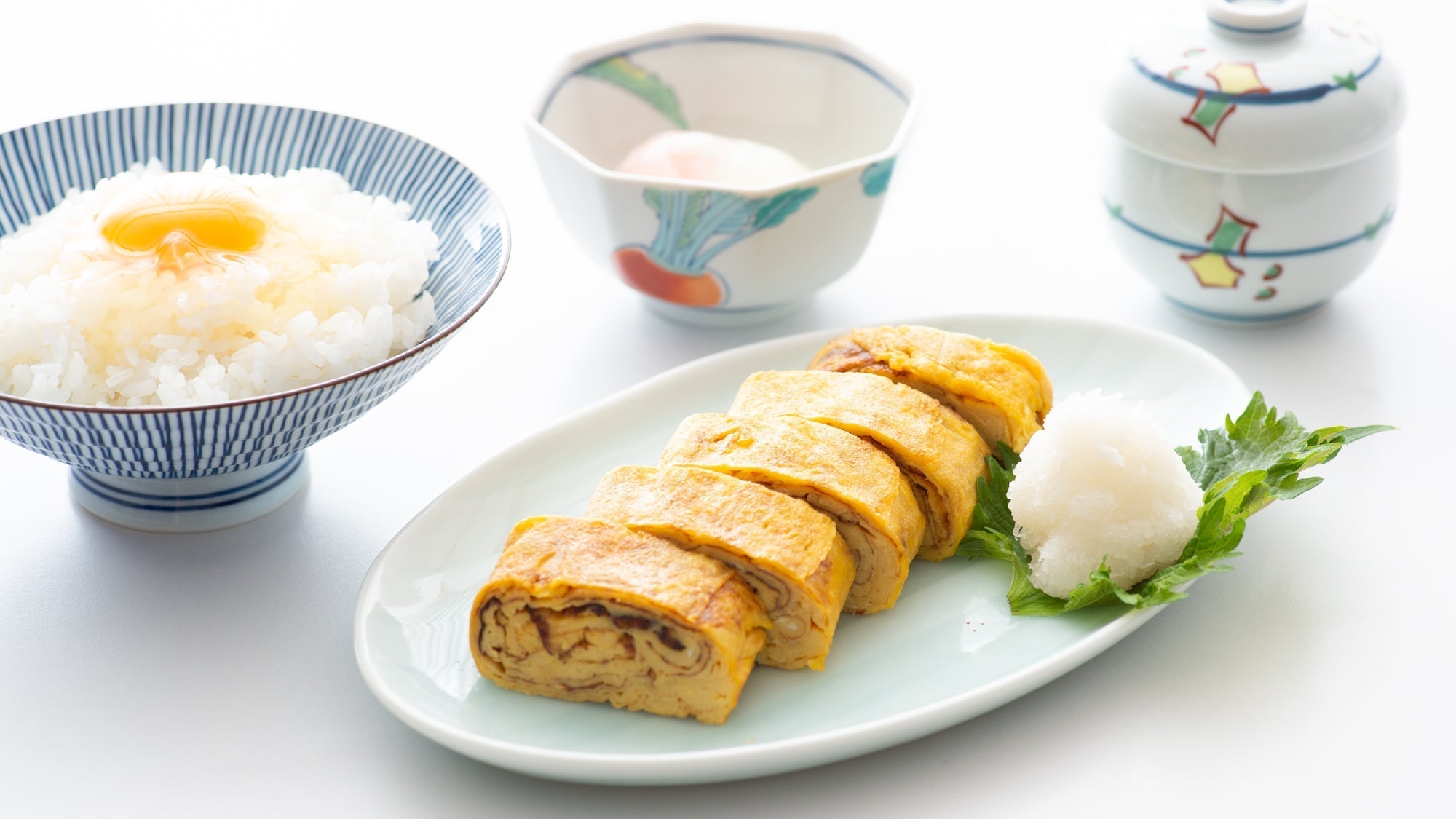
TKG

It’s pretty hard to find a menu easier than just cracking an egg into a bowl of hot rice. Yet, it’s in this simplicity that Japan’s beloved tamago kake gohan, affectionately referred to as TKG, truly shines. This dish, directly translating to “hot rice topped with eggs,” holds a special place in the hearts of many. This little gem of a dish has sparked the creation of soy sauces specifically made for TKG. It’s Japanese soul food at its finest, showcasing how something as simple as a fresh egg can bring so much happiness to a table.

Right at the heart of Japanese comfort food, TKG shows off the magic you can whip up with just an egg and some rice.
Tamagoyaki

Tamagoyaki is one of the most cherished egg dishes in Japanese home kitchens, holding a special place in Japanese bento boxes. While it might initially seem like Japan’s version of an omelette, it’s actually a culinary delight that stands in its own league.
Preparing tamagoyaki is a more intricate process than meets the eye, and its ingredient lineup sets it apart from the standard omelet fare. Typically, you’ll find eggs, dashi, sugar, and sometimes mirin or sake, adding that extra touch of flavor. This blend of ingredients gives tamagoyaki its own distinct harmony of flavors.

The skill in making tamagoyaki is truly tested in the careful work of tenderly rolling it, layer by layer. Mastering this requires practice, especially to achieve the ideal tamagoyaki using three to four eggs. It’s this gentle rolling process that produces the fluffy, dashi-infused egg delight we all cherish. Special rectangular pans play a crucial role in attaining their impeccable shape. To prepare this dish at home, read our blog Master Tamagoyaki with a Copper Pan.
And if you’re looking for a place steeped in tamagoyaki history, Ougiya in Tokyo has been serving up its signature thick tamagoyaki since its founding in 1648, showcasing the deep love the Japanese have had for this dish for centuries.
Onsen Tamago

Indulging in an onsen tamago treats you to a luxurious egg encounter, commonly served as a delightful side dish in a traditional washoku breakfast. Unlike its poached counterpart, an onsen tamago is gently cooked within its shell, resulting in a velvety-smooth white and a yolk with a subtle firmness, creating a truly heavenly experience.
It’s quite the culinary puzzle, how this delicate blend of textures is achieved. Normally, an egg mixture sets between 60 to 80°C (140 to 176°F), but onsen tamago plays a different game with temperature. The whites firm up at around 80°C, while the yolk finds its sweet spot at a cozier 65 to 70°C (149°F to 158°F). This temperature trick results in onsen tamago’s signature custardy whites enveloping a gently set yolk.

Chawanmushi

Chawanmushi, a heartwarming favorite in the lineup of a Japanese meal, brings together a gentle egg custard with a seasonal mix of veggies and classic additions. It’s all about that cozy, comforting vibe, especially when it’s steamed to perfection in a lidded chawanmushi bowl.
Chawanmushi was initially inspired by visitors from China during the Edo period (1603 CE–1868 CE), and is deeply rooted in the traditions of shippoku cuisine, a culinary style that blends Japanese and Chinese cooking.
Adapting itself to all seasonal delights, you can add bamboo shoots in the spring, enjoy it chilled in the summer, set gingko nuts in the fall or serve it steaming hot in the winter with a slice of yuzu peel. Chawanmushi incorporates the gifts of each season, enhancing your culinary pleasure.
Visit our blog Warm Comfort of Chawanmushi for a recipe that guides you in making chawanmushi at home. Savor this delicious dish in a genuine chawanmushi bowl to enjoy its authentic flavors.
As we say goodbye to the frosty clutches of winter and step into the welcoming, sunny days of spring, bask in the egg-cellence of tamago dishes. What better way to roll out the welcome mat for spring than with the delicious embrace of Japanese cuisine painted in shades of yellow?

Popular posts
Popular posts
Categories
Categories
Leave a comment
This site is protected by hCaptcha and the hCaptcha Privacy Policy and Terms of Service apply.