

Japanese Plates Explained: Why Shape Matters More Than You Think
Explore why shape matters in Japanese plates, from round and oval to chrysanthemum, gourd, and fan forms.
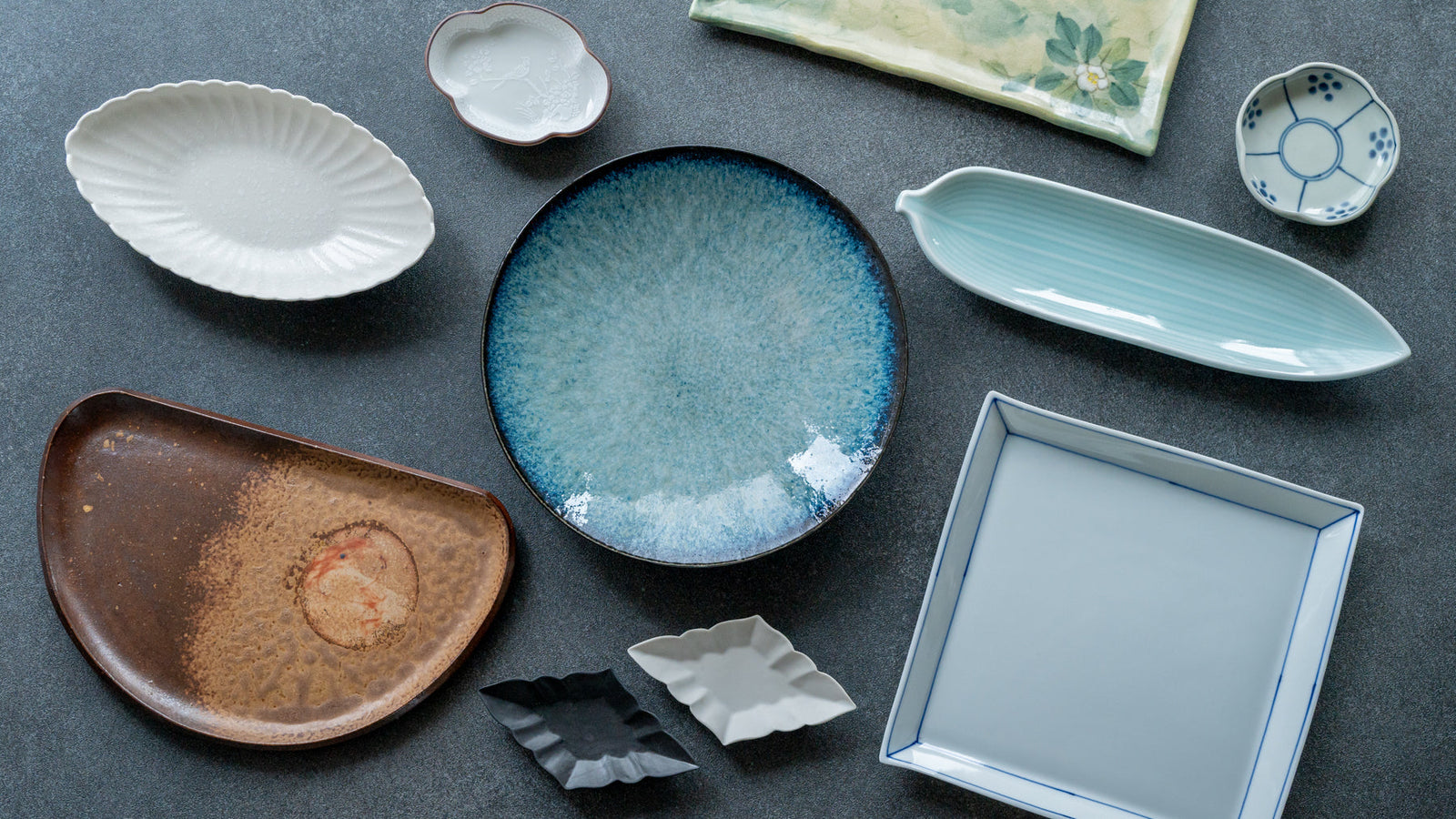
In Japanese tableware, shape is never just decorative. Many plate designs are inspired by flowers, plants, geometric forms, and traditional objects, each expressing seasonality, symbolism, and aesthetic balance. From chrysanthemum-shaped rims to fan-inspired silhouettes, these forms reflect the Japanese appreciation for nature, craftsmanship, and the beauty of presentation.
Understanding these shapes provides a deeper insight into how Japanese dining transforms even the simplest meals into a thoughtful visual experience.
Standard Shapes
While Japanese tableware is known for its many distinctive and decorative forms, standard shapes remain the foundation of everyday dining. Round, square, rectangular, and oval plates each offer different visual qualities and practical advantages, influencing how food is arranged, presented, and enjoyed.
Round
The round plate is the most common and versatile shape in Japanese tableware. Its smooth, continuous outline holds harmony and balance, reflecting the Japanese preference for simplicity and natural flow.

Because there are no corners or directional edges, round plates draw attention toward the food placed at the center. They are suitable for almost any type of cuisine, from grilled fish and pasta to desserts and shared appetizers.
This icy blue dinner plate demonstrates how a simple round form can elevate presentation. The soft gradient glaze adds depth that frames the food without overwhelming it, making it equally suitable for home-cooked meals and restaurant-style plating. Its generous size allows ingredients to be arranged with space around them, a key principle in Japanese plating that values both the food and the empty space surrounding it.

Square
Square plates introduce structure and definition to a table setting. Their clean lines create a modern appearance while also providing a practical surface for arranging food with precision.

In Japanese cuisine, square plates are often chosen when presentation benefits from order and symmetry. The corners frame ingredients, making them particularly effective for dishes such as sashimi, tempura, or carefully composed appetizers.
This Seto sometsuke plate highlights the appeal of the square form. The cobalt-blue lines along the rim naturally emphasize the central frame for the food. The contrast between the crisp silhouette and the hand-painted decoration harmonizes refinement with warmth, making it an ideal choice for both traditional and contemporary dining.

Rectangular
Rectangular plates are closely associated with Japanese dining because they complement the long and slender forms of many washoku dishes. Sushi, sashimi, grilled fish, and seasonal appetizers often benefit from a horizontal orientation that encourages the eye to move across the arrangement. This shape also makes effective use of negative space, an important element in Japanese aesthetics.

This camellia-decorated rectangular plate combines elegant proportions with painterly detail. The surface provides ample room for arranging ingredients while allowing the floral design to remain a visible part of the presentation. Its refined decoration and subtle irregularities reflect the handmade character of Japanese ceramics, transforming even a simple serving into a memorable visual experience.

Oval
Oval plates combine the softness of a round plate with the visual movement of a rectangular one. Their gently elongated shape creates a graceful flow that feels both elegant and approachable. They bring a gentle, welcoming character to the table while offering enough space for beautifully arranged dishes.

This chrysanthemum-shaped oval plate is a wonderful example. The chrysanthemum, long regarded as an auspicious motif in Japan, symbolizes qualities such as longevity, resilience, and noble beauty. The softly scalloped outline adds interest without distracting from the food, while the snow-like speckled white glaze enhances its seasonal charm. Its oval form also creates a graceful flow while maintaining harmony, making it especially well-suited for thoughtfully arranged dishes. Whether used for salads or pasta, the plate brings elegance to everyday dining.

Flower & Plant-Inspired Shapes
Nature has long served as one of the richest sources of inspiration for Japanese tableware. Rather than simply decorating plates with floral or botanical motifs, artisans often incorporate the forms themselves into the shape of the vessel. From chrysanthemum petals and plum blossoms to bamboo leaves and gourds, these nature-inspired silhouettes bring seasonality, symbolism, and organic beauty to the dining table.
Chrysanthemum Shaped
Among the many floral motifs found in Japanese tableware, the kiku, or chrysanthemum, is one of the most celebrated. As the imperial flower of Japan, it has long been associated with longevity, nobility, and good fortune. Chrysanthemum-shaped plates often feature gently radiating petals that create a refined, petal-like frame around the food.

The radiating form gives the plating a refined focal point. Even when their blooms are not in season, chrysanthemum-inspired vessels bring a touch of natural beauty and elegance to the table.

This old Imari-style side plate showcases a classic chrysanthemum design, with petal-like divisions extending from the rim toward the center. Each section is decorated with auspicious motifs such as seigaiha waves, shigebishi diamonds, and zuiun clouds, adding layers of symbolic meaning alongside visual appeal. Perfect for serving side dishes or desserts, it demonstrates how shape and decoration work together to enrich the dining experience.
Petal Rimmed
Petal-rimmed plates soften the boundary between tableware and nature. Rather than reproducing a flower exactly, these designs suggest blooming petals through gently curved edges, creating a graceful silhouette that feels both decorative and approachable.

This style is especially popular in Japanese ceramics because it adds decoration without overwhelming the food. The subtle undulations of the rim catch light and shadow differently from a standard circular plate, bringing movement and depth to the table setting.
This plum blossom-shaped sauce plate beautifully illustrates the appeal of petal-inspired design. Its softly rounded contours create a warm and inviting presence, while the blue-and-white decoration reflects the aesthetics of early Imari ware. Though small in size, the distinctive shape elevates simple items such as sauces, sweets, nuts, or relishes, transforming them into thoughtfully presented accompaniments.

Mokko Shaped (Quatrefoil)
The mokko shape, also known as a quatrefoil, is one of the most recognizable traditional forms in Japanese tableware. Its outline resembles four gently rounded lobes joined together, creating a shape that feels more dynamic than a circle yet softer than a square.

The name is thought to be derived from a bird’s nest or quince flowers, and the shape has long been regarded as auspicious. Historically, it has been associated with family prosperity, growth, and harmonious relationships, making it a popular motif for celebratory occasions.
This mokko-shaped sauce plate combines symbolism with contemporary elegance. The softly curved outline frames the intricate decoration. The shape enhances both the look of the food and the appreciation of the craftsmanship behind it.

Leaf Shaped
Japanese aesthetics often find beauty in the organic forms of leaves, which symbolize the changing seasons and the fleeting beauty of nature. Leaf-shaped plates bring this appreciation directly to the dining table, creating an organic connection between food and the living world.

The long but narrow form is particularly well-suited for presenting side dishes, sweets, and seasonal delicacies. Its directional shape encourages thoughtful arrangement while subtly guiding the eye.
Inspired by a bamboo leaf, this celadon side plate captures both the elegance and simplicity of nature. The delicate striped detailing resembles leaf veins, while the soft blue celadon glaze evokes the freshness of a dew-covered leaf. Together, these elements create a piece that feels calm, refined, and simple.

Gourd Shaped
The gourd has been cherished in Japanese culture for centuries as a symbol of prosperity, fertility, and good fortune. Thanks to its abundant growth and many seeds, it is often associated with abundance and the flourishing of future generations.

Gourd-shaped tableware transforms this auspicious symbol into a functional object, bringing celebratory symbolism and an auspicious presence to everyday dining. The distinctive curves create a dynamic silhouette that immediately stands out among more conventional plate shapes.

This gold Arita ware dinner plate highlights the elegance of the gourd form through its flowing contours and engraved decorative patterns. The luxurious finish enhances its ceremonial feel, while the symbolic shape adds cultural depth to the presentation. Whether used for special gatherings or festive meals, it demonstrates how traditional motifs continue to inspire contemporary Japanese tableware.
Geometric & Decorative Shapes
While floral and plant-inspired forms draw directly from nature, geometric and decorative shapes explore a more structured dimension of Japanese tableware design. Through symmetry, rhythm, and symbolic patterning, these forms transform simple geometry into a visual language of balance and meaning. They often reinterpret Japanese motifs in abstract ways, turning angles, curves, and framing devices into part of the dining experience itself.
Diamond Shaped
The diamond shape is often associated with floral symmetry in Japanese design, where natural motifs are abstracted into geometric forms. Its angular yet focused silhouette creates a clear focal point, naturally framing the food placed within it.

This diamond-shaped sauce plate from the RYOUKA series by USUKIYAKI takes inspiration from the kousa dogwood flower, whose blossoms form a subtle diamond-like geometry. The softly wavy rim enhances its sculptural quality while casting delicate shadows across the surface, adding dimensionality to the presentation. Ideal for sauces, condiments, or small side dishes, the plate also works beautifully when layered with larger tableware.

Fan Shaped
The fan shape is deeply rooted in Japanese cultural history, symbolizing celebration, expansion, and good fortune. Its radiating form naturally conveys a feeling of expansion, suggesting the graceful opening of a folding fan.

This fan-shaped dinner plate reinterprets the sensu folding fan through a contemporary ceramic design. Gentle surface undulations mimic the structure of wooden ribs, while richly detailed motifs—including phoenixes, chrysanthemums, peonies, and pine trees—are arranged in circular compositions that echo classical Japanese decorative arts.
Ideal for tempura, appetizers, or celebratory meals, the plate also functions as a display piece, where its expressive form and intricate decoration can be appreciated even outside of dining use.Old Imari Akadami Phoenix Fan-shaped Dinner Plate

Half-Moon Shaped
The half-moon shape reflects a quieter, more grounded aesthetic, often found in Japanese ceramics that emphasize texture and material expression. Its curved silhouette suggests imperfection and asymmetry, qualities that highlight the uniqueness of handcrafted pottery.

This Bizen ware plate embodies the earthy character of yakishime firing techniques. Each plate is unique, with subtle variations in color and pattern that reflect the unpredictability of the firing process. Its weight and tactile surface make it particularly suitable for sushi, sashimi, and seasonal sweets, where simplicity and material enhance the dining experience.

From simple circular plates to highly expressive floral and geometric forms, Japanese tableware demonstrates that shape is never an afterthought—it is an essential part of how food is experienced. Each form carries its own rhythm, symbolism, and visual logic, shaping not only how a dish is presented, but also how it is perceived.
Whether inspired by nature, traditional motifs, or abstract geometry, these designs reveal a consistent philosophy: beauty lies in balance, intention, and attention to detail. By understanding these shapes, we gain a deeper appreciation of how Japanese dining turns even everyday meals into moments of quiet visual storytelling.
Stay close to the craft
Now and then, a quiet letter — new stories, seasonal notes, and the hands behind the work.
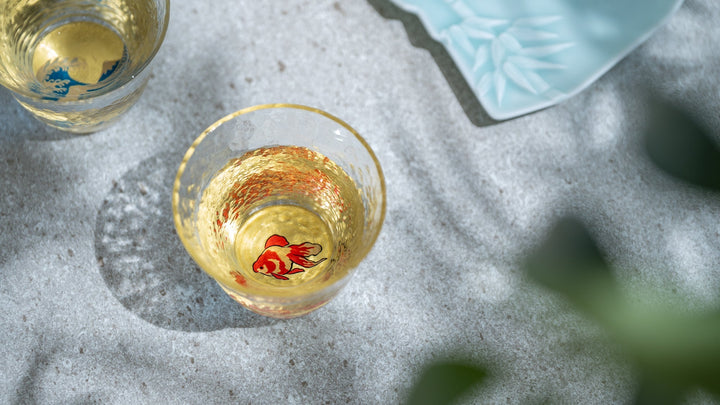
5 Motifs That Capture the Spirit of Japanese Summer
Meet five Japanese summer motifs and the cool tableware that brings the season's spirit…
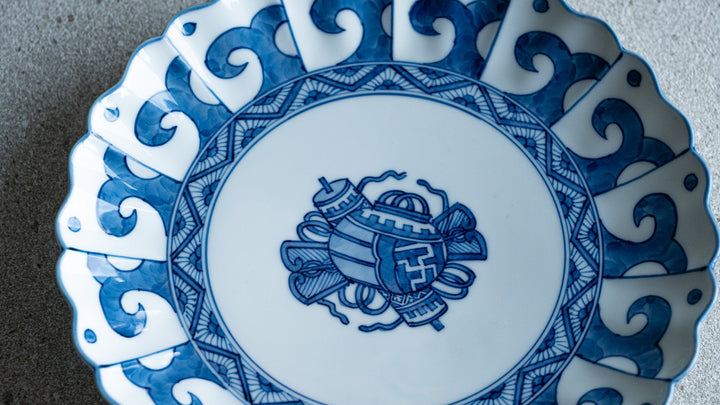
What is Sometsuke?
Sometsuke is the traditional blue-and-white porcelain technique that uses the cobalt pigment gosu on…
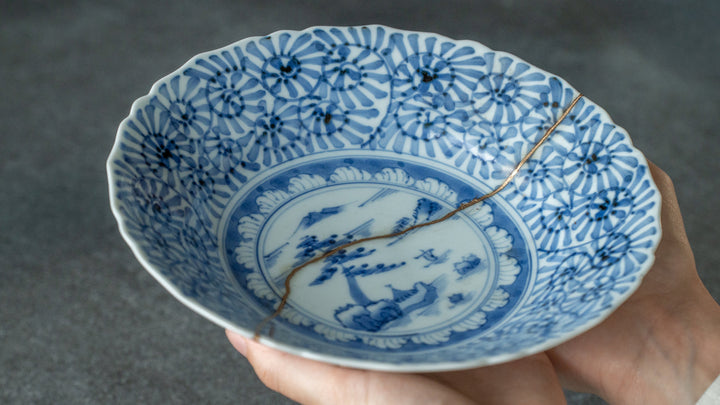
A Beginner’s First Kintsugi with the MUSUBI Craft Kit
Five pieces of chipped, cracked, and broken tableware, seven sessions, and one beginner's honest…
Rebecca Menasché
Leave a comment
@Ann – Thank you for such a thoughtful comment. It means a great deal to know that the article resonated with your own experience. We especially loved your observation that what once felt like intuition now has a clearer explanation. We are delighted that the article could deepen your appreciation, and we hope it brings even more enjoyment to your future meals.
Even when I am not serving Japanese cuisine, I still enjoy choosing dishes from my Japanese tableware, because of their beauty and diversity. Western dinnerware is round by default, occasionally square in a contemporary set; I like the freedom to enhance food serving with seasonal motifs and dynamic shapes. This article highlighted some of the reasons I choose a given shape of dish, which I had been doing intuitively—-now I understand more concretely why I was choosing the shapes. There is an internal logic to having variable forms for our dishes, allowing us to showcase an item with tableware that follows its shape and portioning. Enjoyable, sensible, and artistic!