

Japanese Table Manners: Enjoy Washoku with Ease and Confidence
Learn Japanese table manners, from handling tableware and chopsticks to dining etiquette for sushi, fish, and tempura.
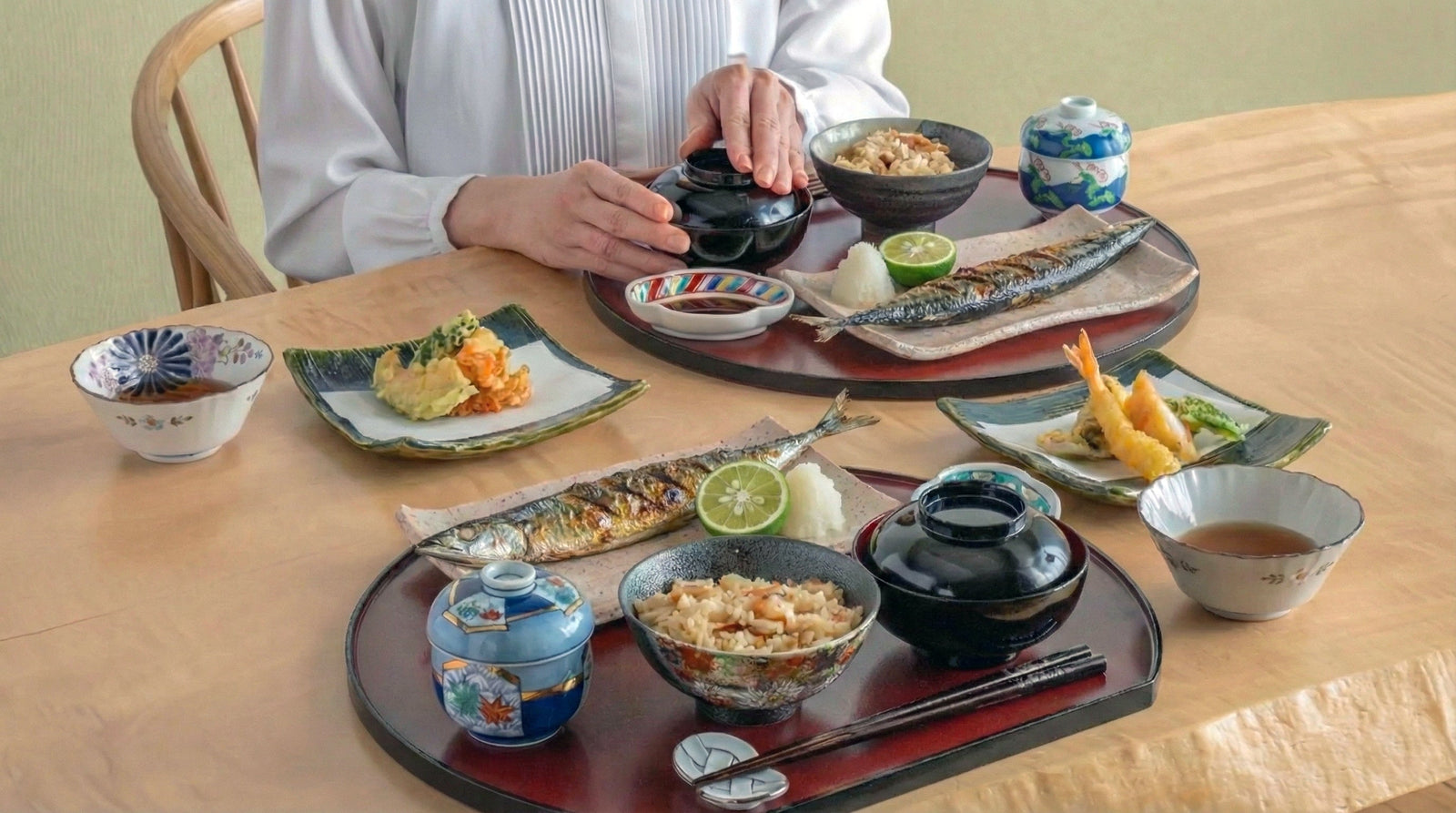
When eating washoku, Japanese cuisine, have you ever found yourself thinking, “I know how to use chopsticks, but what should I pay attention to next?” or “What is the correct way to hold this piece of tableware?” This article is a guide to the way Japanese tableware is used and treated, along with the proper way to eat different dishes, designed to further refine the way you dine.
Japanese table manners are not merely a set of formal rules. They entail wisdom that allows one to enjoy food at its best and to show respect for those who prepared it. Something as simple as the way you hold a bowl can make your dining experience richer. In addition, different dishes have different ways they are eaten, and understanding these practices helps draw out the food’s natural flavors to their fullest.
This article looks at the basic manners for handling tableware, along with food-specific eating etiquette. By acquiring this knowledge, you can savor your meals at Japanese restaurants with greater confidence, grace, and depth.
Basic Tableware Manners
Good Posture Comes First
The first step toward enjoying washoku beautifully is maintaining correct posture. Sit with your back straight and avoid leaning forward or bringing your face close to the dish. As a general rule, dishes that may be lifted should be held in the hand and brought closer to the mouth.

You may have seen people place their palm beneath food to catch drips from sauce or broth, a gesture known as tezara (using the hand as a saucer). This is considered poor manners, as it can soil the hands and cause the body to lean forward. Instead, use a small plate, or place a sheet of kaishi—thin paper traditionally crafted from washi and often provided at kaiseki restaurants and other formal dining establishments—beneath the food.

Tableware Rules: Items to Lift and Items to Leave on the Table
In Western dining, it is considered good manners to keep plates on the table. In Japan, however, lifting certain pieces while eating is regarded as proper etiquette. This custom developed through Japan’s long history of dining while seated on tatami mats, where raising a dish closer to the body made eating at low tables more comfortable.
That said, not all tableware should be lifted. In Japanese table manners, as a general principle, only wanmono (bowls) such as rice bowls and soup bowls are meant to be held. Others are typically left on the table.
Items that may be lifted:
Rice bowls, soup bowls, kobachi small bowls, small side plates, bowls for tempura dipping sauce, sauce plates, and similar items

Items that should not be lifted:
Flat plates for grilled fish, platters for assortments of tempura or sashimi, and similar dishes

As a general guideline, dishes smaller than the palm of your hand are usually meant to be lifted, while those larger than the palm should remain on the table. Keeping this distinction in mind helps cultivate movements that feel natural and refined. For large flat plates or heavier dishes, leave them on the table and use serving chopsticks to transfer food to a smaller plate before eating.
How to Open and Place a Lid Gracefully
There is also a graceful way to open and place the lid of a bowl. Knowing the correct steps helps create a polished impression from the very start of the meal.
1. Support the bowl with your dominant hand, and use the other hand to rotate the lid as if tracing the shape of the Japanese character “の” while opening it.

2. Lightly tilt the lid to let any condensation drip back into the bowl.

3. Turn the lid upside down and place it slightly to the back right of the bowl.

4. After finishing the dish, return the lid to its original position on the bowl.

Extra care is needed for lacquerware bowls decorated with maki-e or other designs. Some people place the lid upside down on top of the bowl after the meal, but this can damage the delicate decoration. Always place the lid back as it was, without turning it over.
How to Use Chopsticks Well
Using chopsticks well is essential to eating neatly and confidently. There are many established practices to be aware of, from how chopsticks are held to how they are picked up and set down. For a detailed introduction to the basics of using chopsticks, see our blog How to Use Chopsticks: Easy Steps for Beginners. For common mistakes to avoid, we also recommend reading Mastering Chopstick Etiquette: Tips for Using Japanese Chopsticks.

Dish-Specific Eating Manners
In washoku, how a dish is eaten plays an important role in bringing out its flavors. This section looks at basic manners for some of the most common dishes.
Sashimi and Sushi: Enjoying Delicate Flavors to the Fullest
How to Use Soy Sauce
When it comes to how to eat sushi, dipping the fish lightly in soy sauce, not the rice, is a useful tip to keep in mind. If the soy sauce comes in contact with the rice, the moisture can cause it to fall apart, affecting both the appearance and the balance of flavors. Using only a small amount of soy sauce also helps preserve the fish’s naturally delicate taste for sushi and sashimi.

How to Use Wasabi
Wasabi should not be mixed into soy sauce. Instead, place a small amount—about the size of a grain of rice—directly on top of the fish before dipping it lightly in soy sauce. Mixing wasabi into the sauce dulls its fresh aroma and gentle sharpness. Applying it directly allows you to appreciate its clean fragrance and refreshing bite.

The Role of Gari (pickled ginger)
Gari, the lightly sweetened pickled ginger served with sushi, is meant to refresh the palate between different pieces. After finishing one type of fish, a bite of gari helps clear lingering flavors and oils, allowing you to refresh your palate. Gari is also known for its antibacterial properties and its role in aiding digestion. Keep in mind that it is not intended to be eaten together with the fish.

Grilled Fish: Where Care Shows on the Plate
When grilled fish is served whole, a common question is whether it is acceptable to flip the fish over. The answer is no. In Japanese table manners, grilled fish is eaten without turning it over. Follow these steps for eating grilled fish neatly.
1. Begin with the top half of the fish.

2. Once the top portion has been eaten, use your chopsticks to gently lift out the backbone in one smooth motion, from head to tail.

3. Place the removed bone neatly on the top edge of the plate.

4. Next, enjoy the other half of the fish.

Keeping the bones and skin gathered in one area, rather than scattered across the plate, gives the plate a cleaner and more composed appearance. Eating with care and attentiveness without flipping over the fish naturally leaves a good impression on those you dine with.
Tempura: Appreciating Texture and Aroma
Order of Eating
When tempura is served as an assortment, it is customary to begin with lighter items, such as vegetables, usually arranged toward the front. This allows their subtle flavors to come through before moving on to seafood, which carries richer oils. Tempura is typically arranged by the chef with a specific order in mind, so starting from the front allows you to experience each piece as intended.

Tempura Dipping Sauce and Condiments
Grated daikon is added to the tempura dipping sauce and mixed lightly. When dipping tempura, avoid submerging the entire piece. Instead, dip it only partway to preserve the crisp texture of the batter while still taking in the flavor of the sauce. To preserve tempura’s light, airy crunch, avoid soaking for too long.

Bringing Confidence to the Table
The table manners introduced here can all be put into practice right away. At first, they may feel unfamiliar, but with practice, they will soon become second nature. There’s no need to be perfect from the start.
Table manners are not about rigid rules, but about paying attention to the food and showing respect for the care that went into its preparation. Eating with care and attention to detail opens the door to a fuller experience of washoku, from the flavors themselves to the beauty of the tableware, the skill of the chef, and the subtle presence of the seasons. We hope the tips in this article help you savor your Japanese meal with confidence.
Stay close to the craft
Now and then, a quiet letter — new stories, seasonal notes, and the hands behind the work.
Unlock the Charm of Soba: How to Enjoy Japan’s Beloved Noodle Dish
Discover soba's history and cultural significance, plus suggestions on the perfect tableware for this…
Your First Taste of Ozoni: A Delicious New Year’s Tradition
Learn about ozoni, a Japanese New Year’s soup brimming with mochi and seasonal veggies…
In Ikebana, flowers become you: Experiencing Sogetsu-style Ikebana
An inside look at Sogetsu ikebana, exploring its philosophy, techniques, and how form and…
Ito Ryo
Leave a comment