

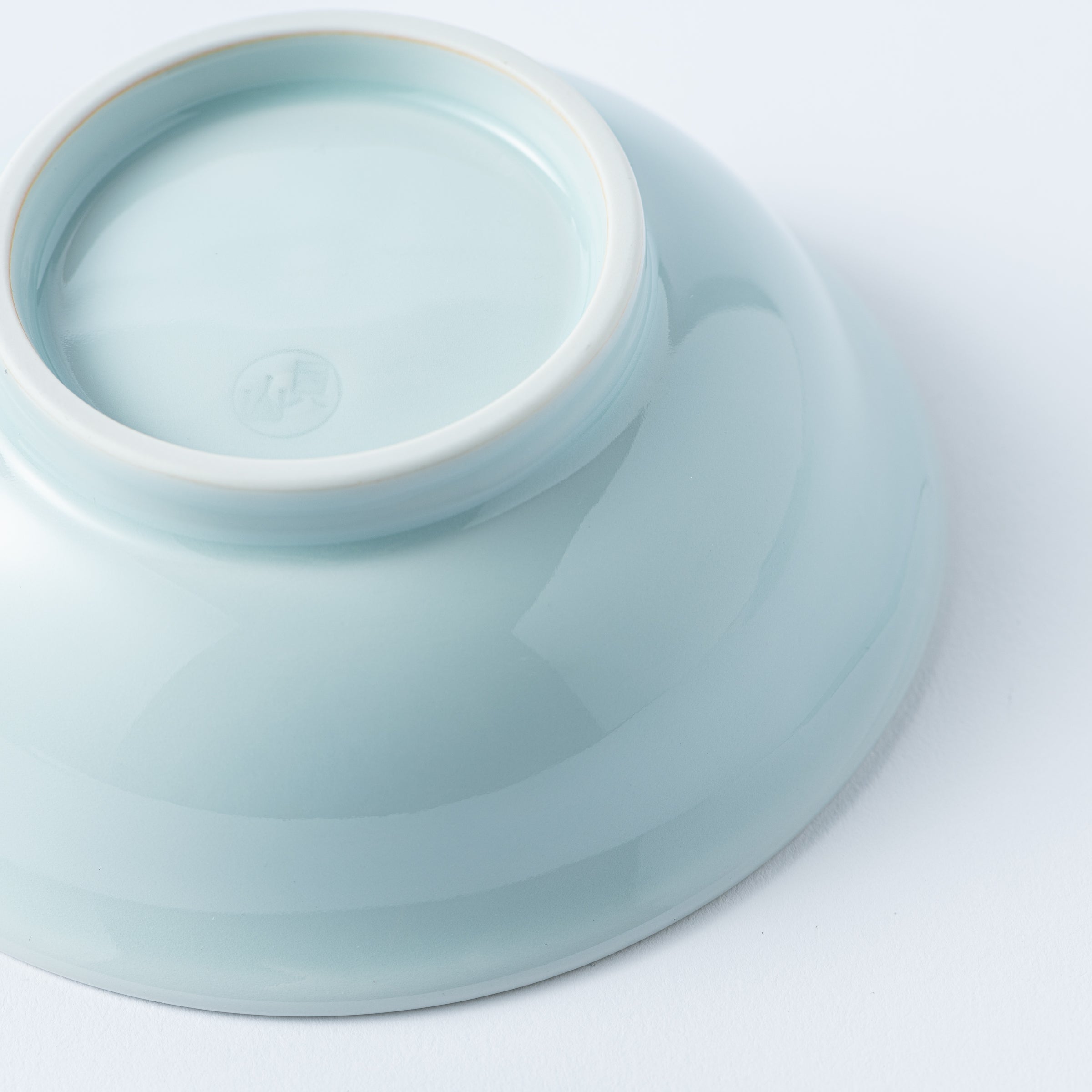
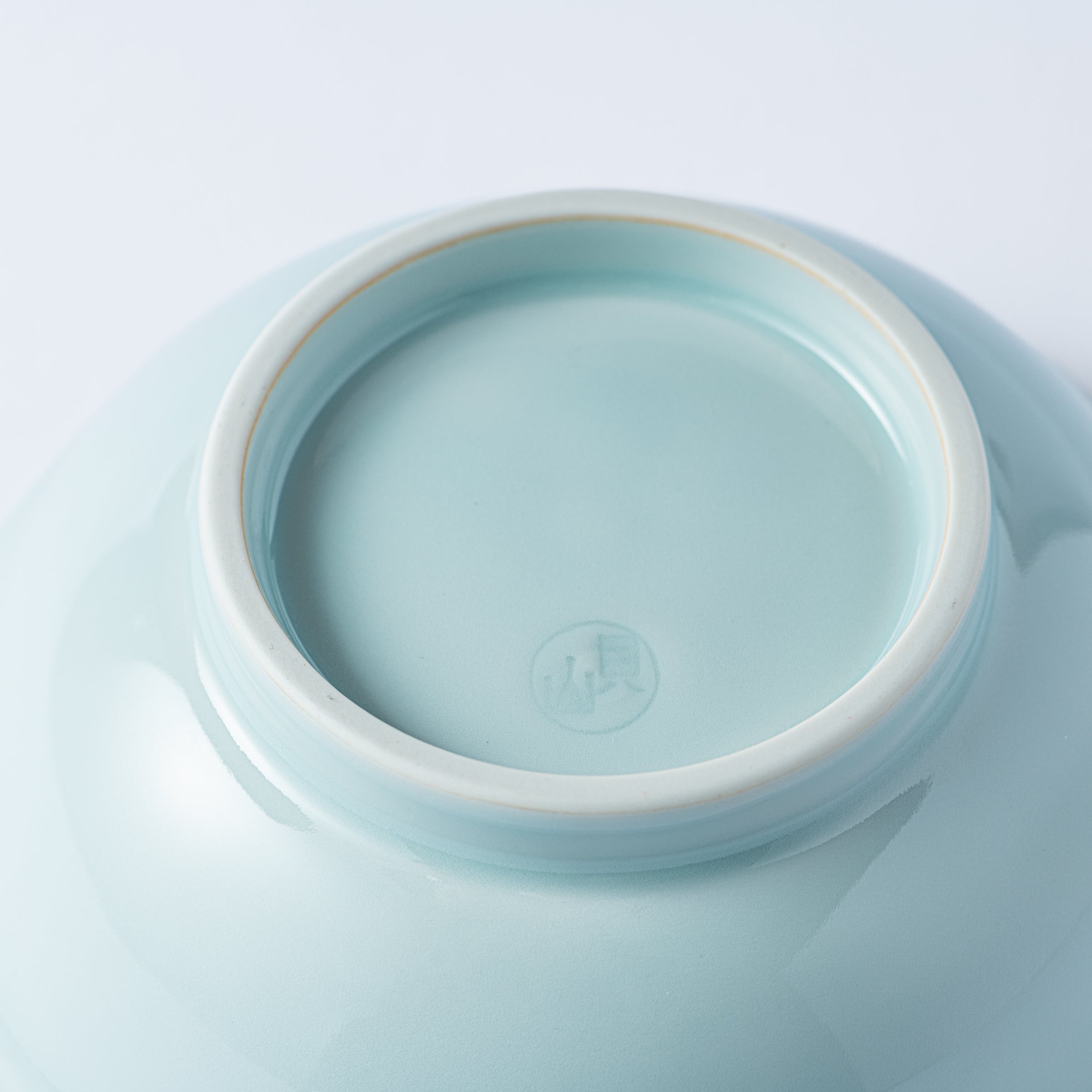
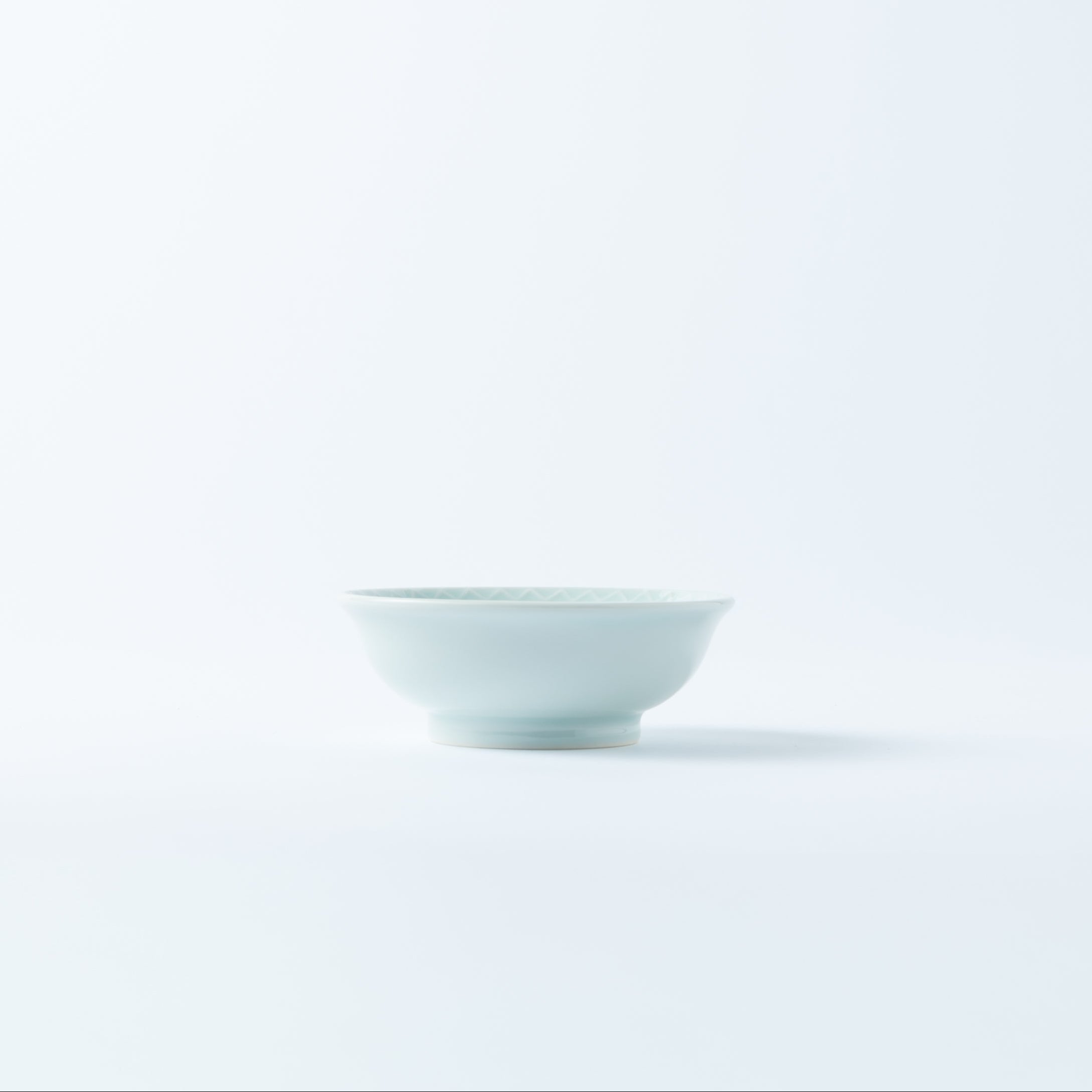
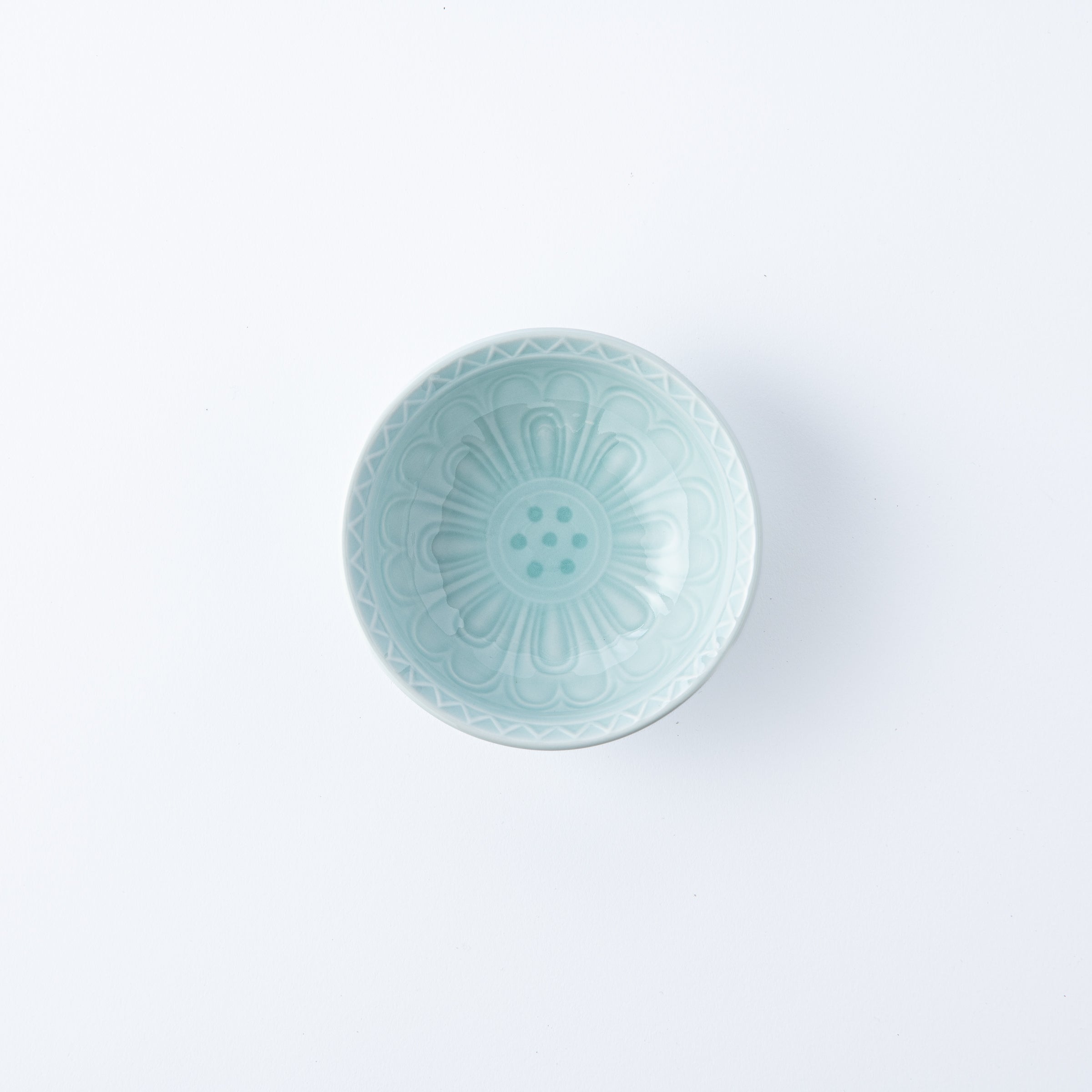
Kaiseki Tenpyo Kobachi Small Bowl
Ships from Japan · Free shipping on orders over $250 USD
Estimated Shipping Widget will be displayed here!
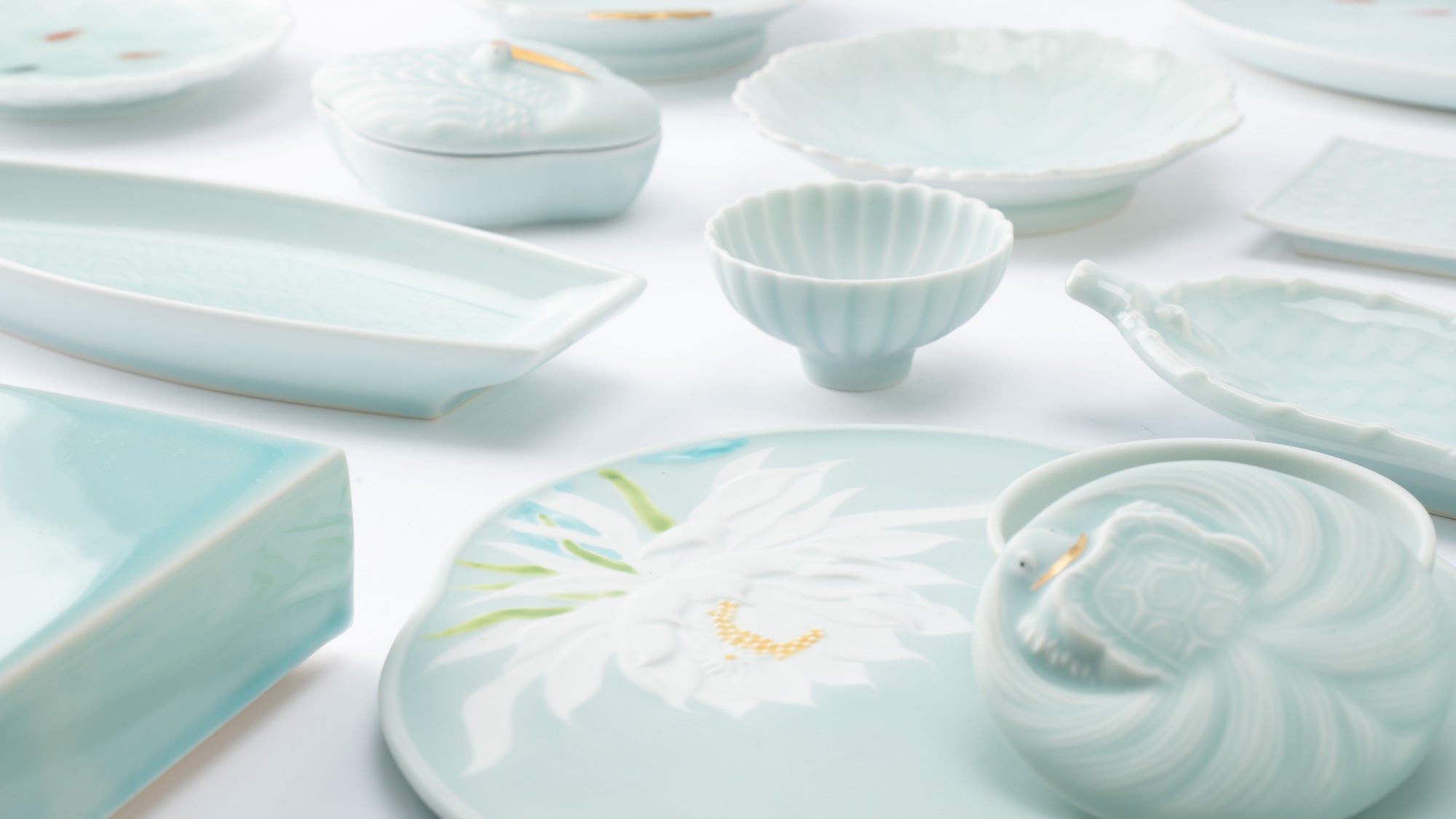
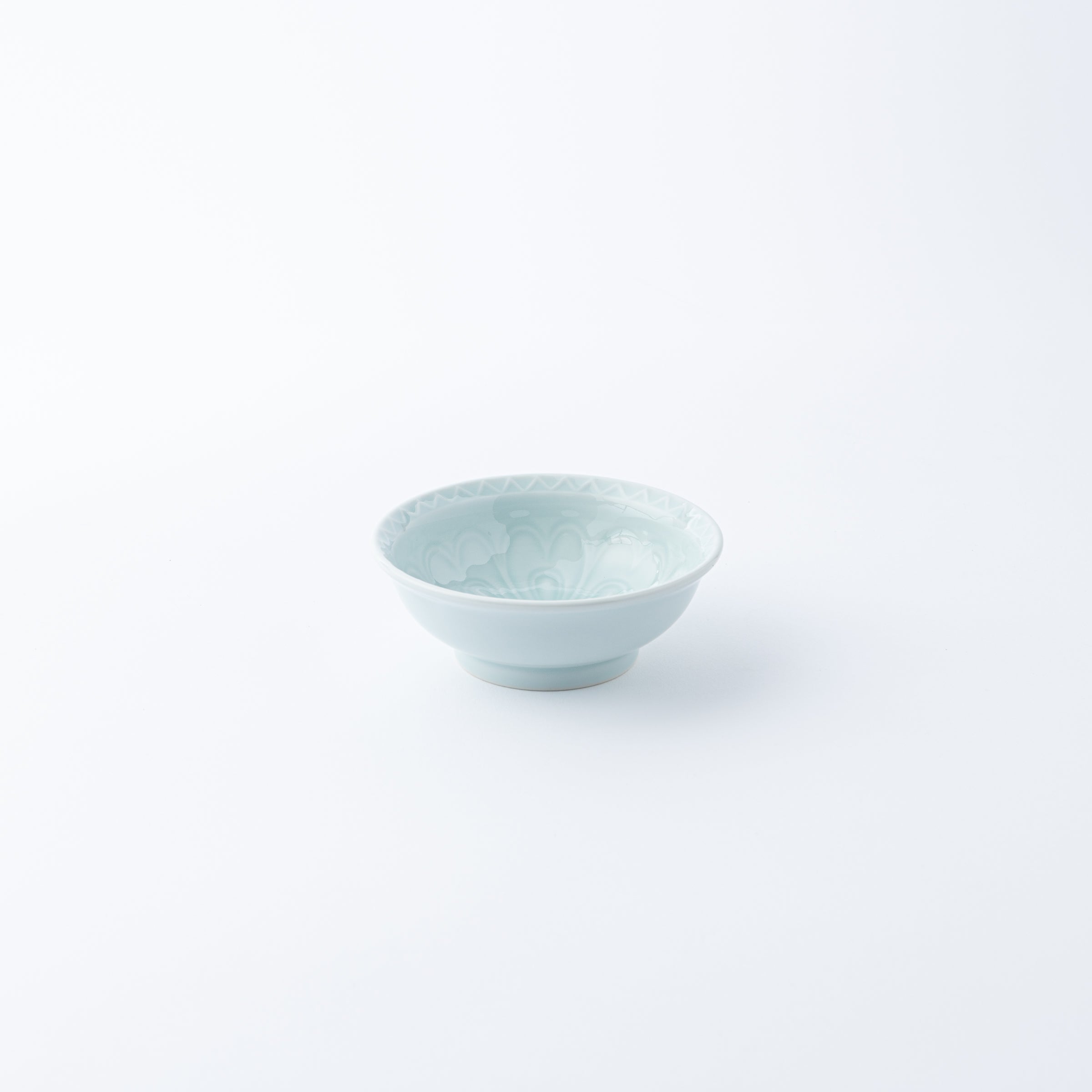
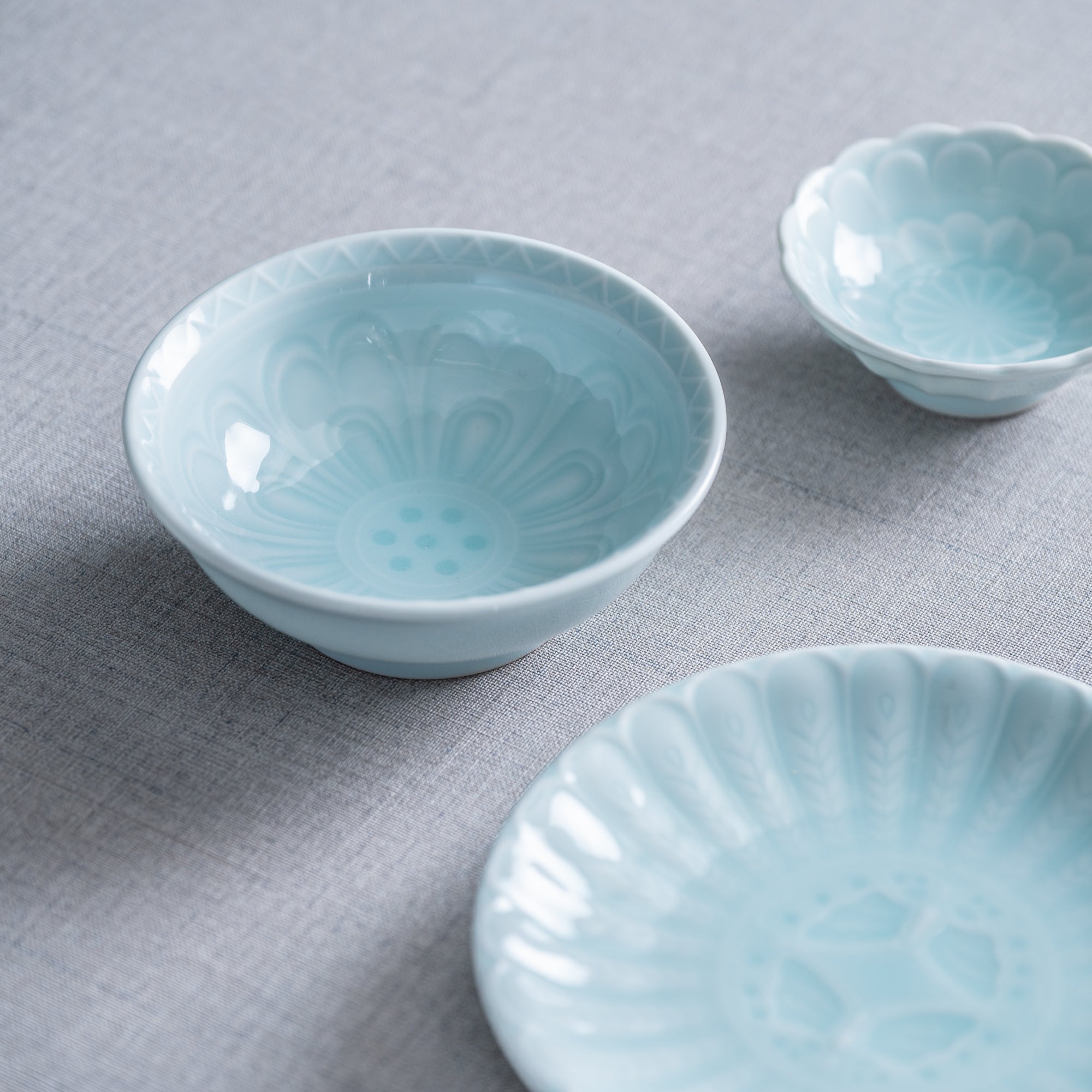
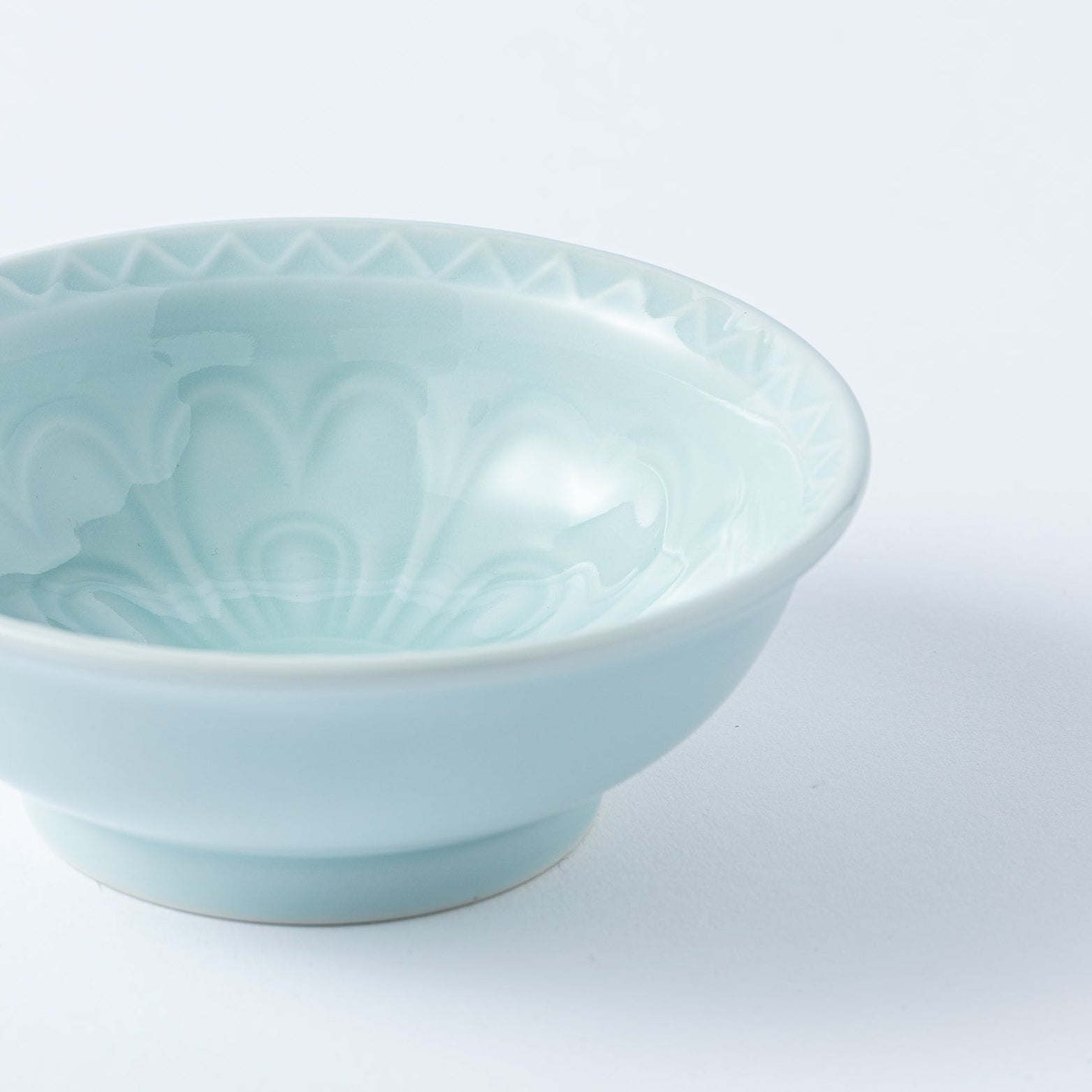
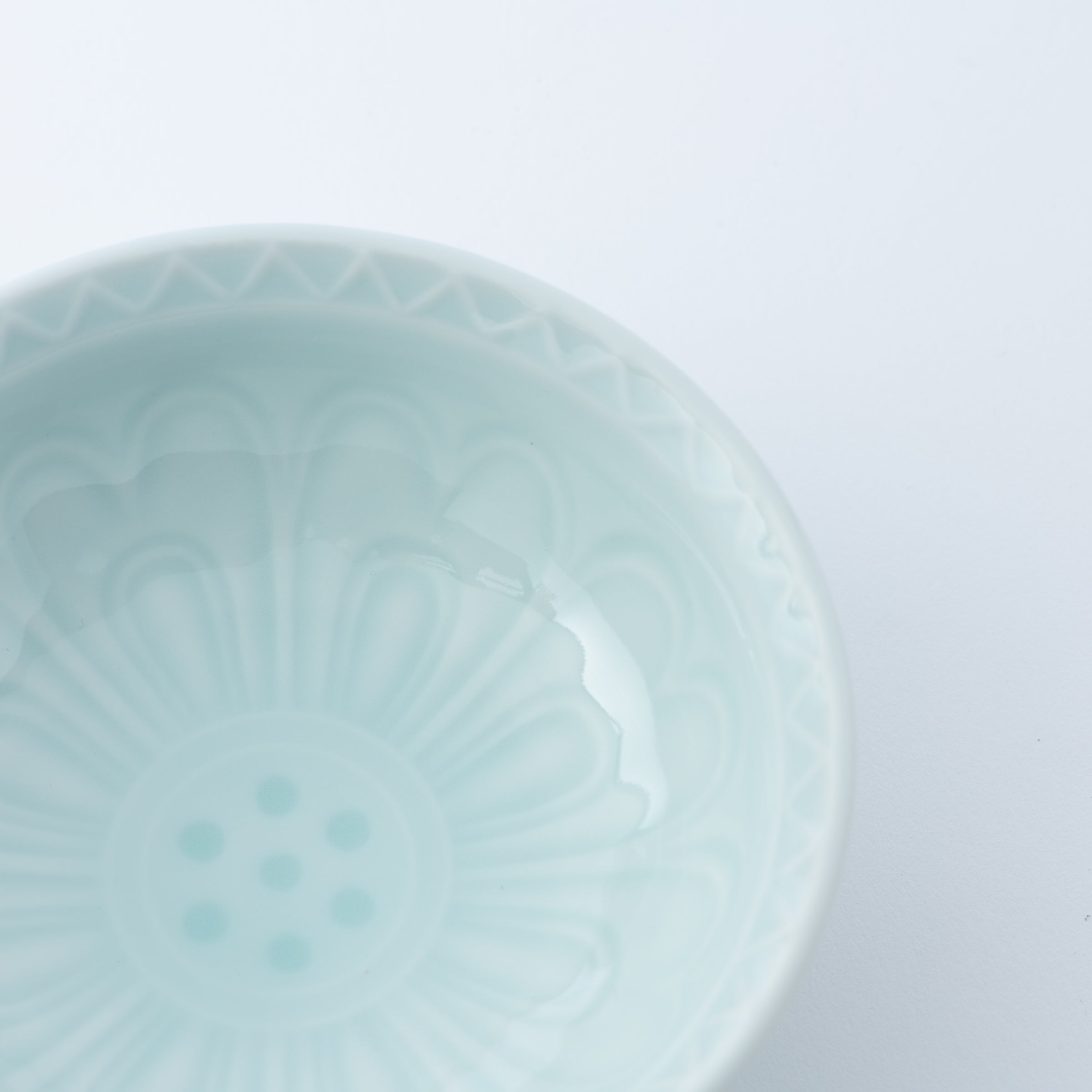
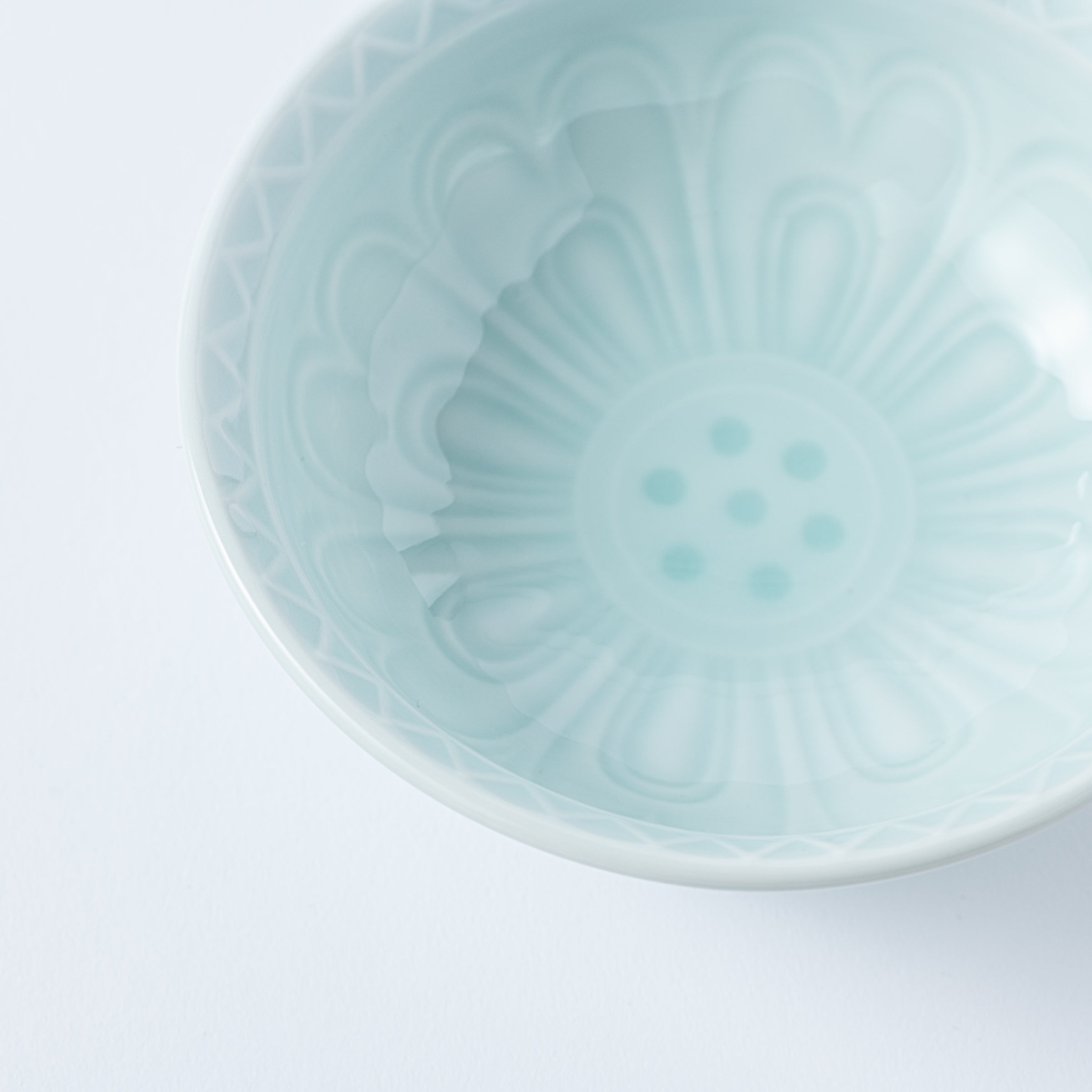
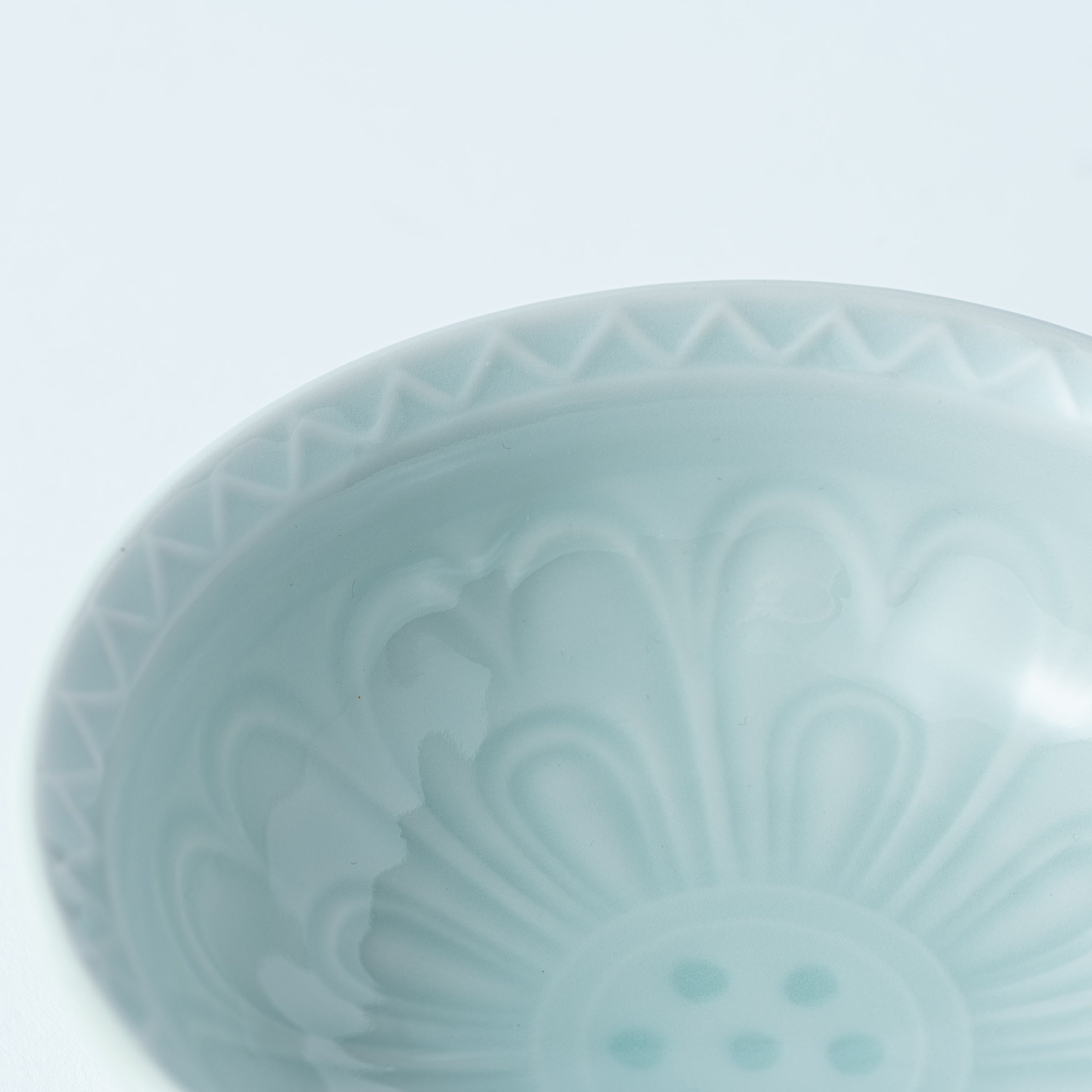
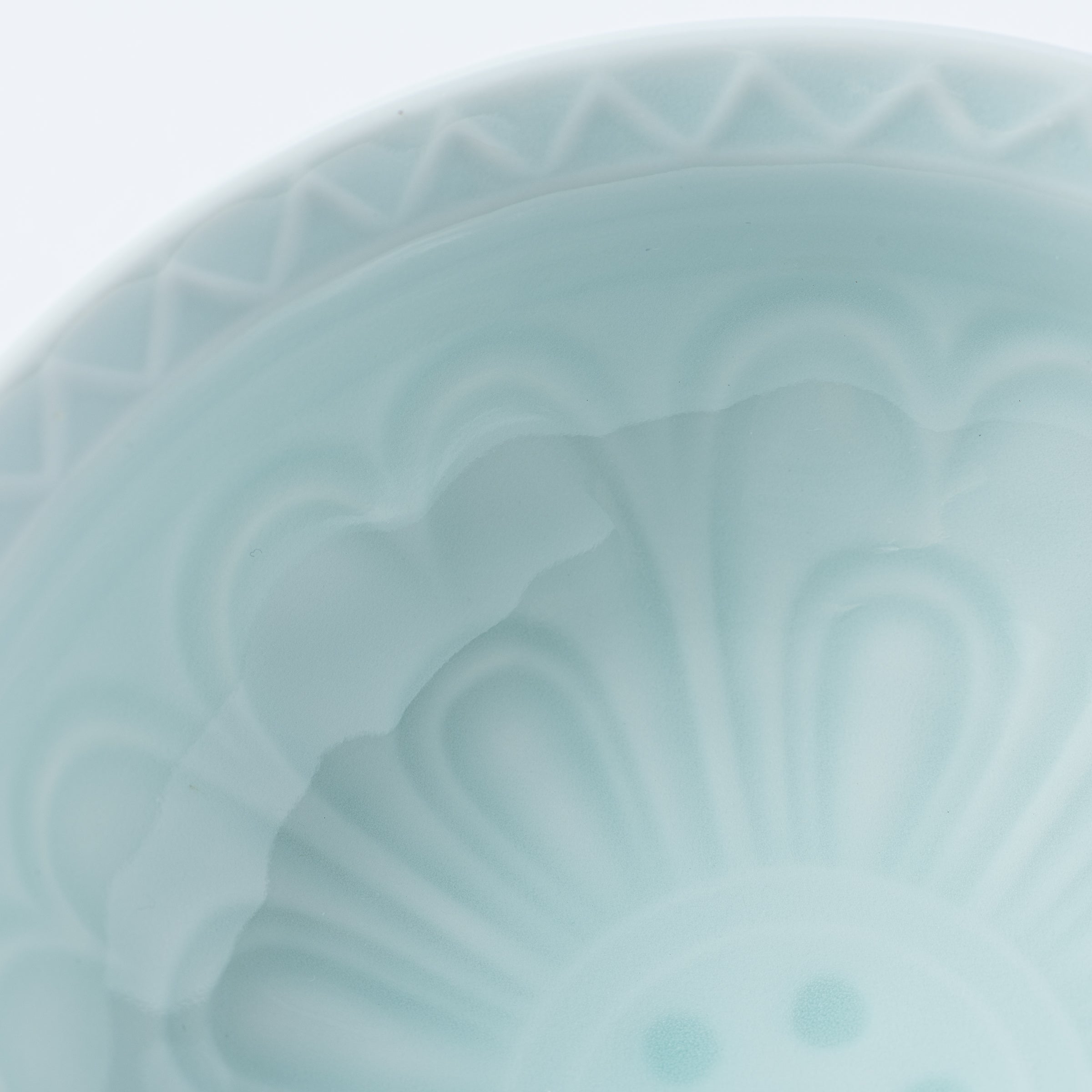
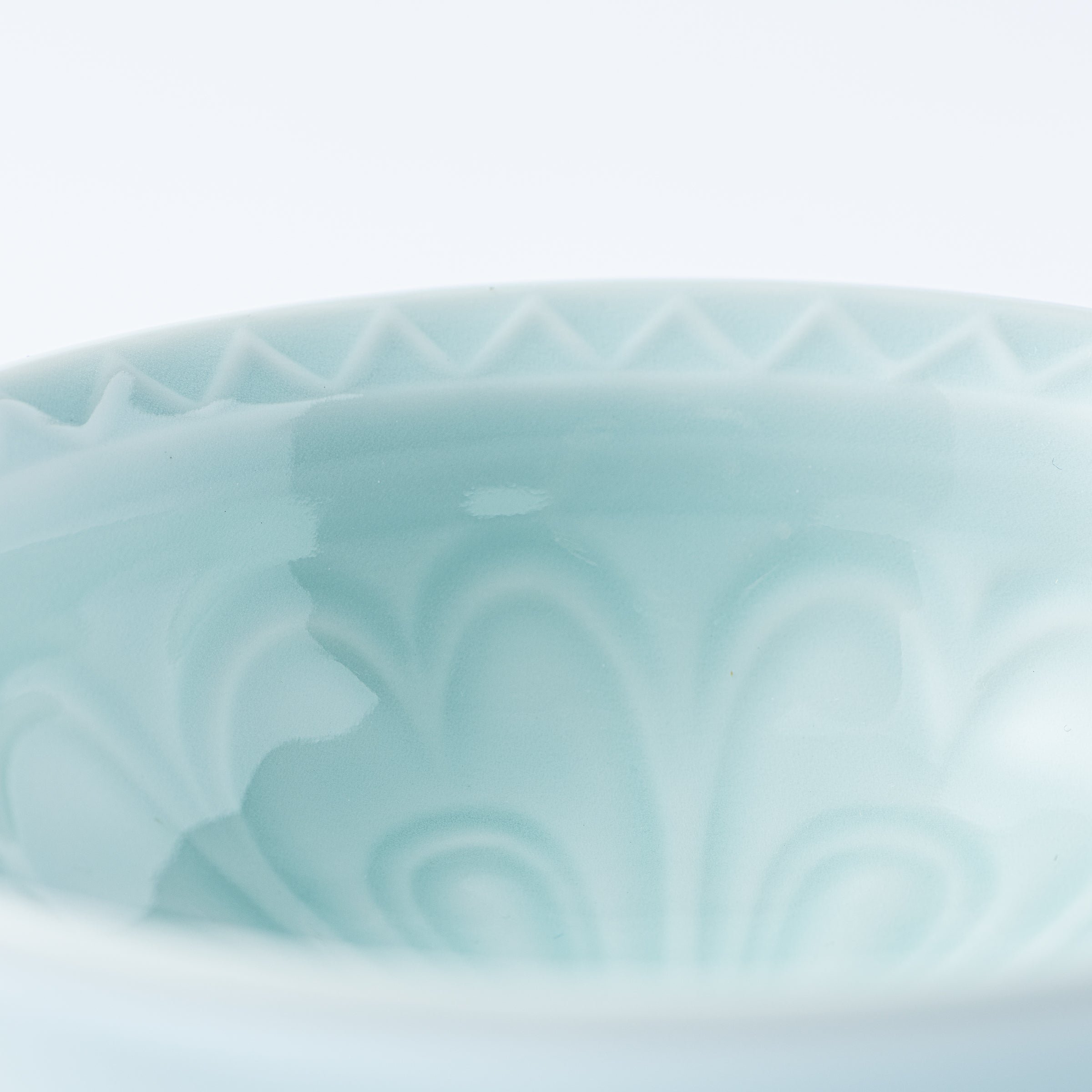
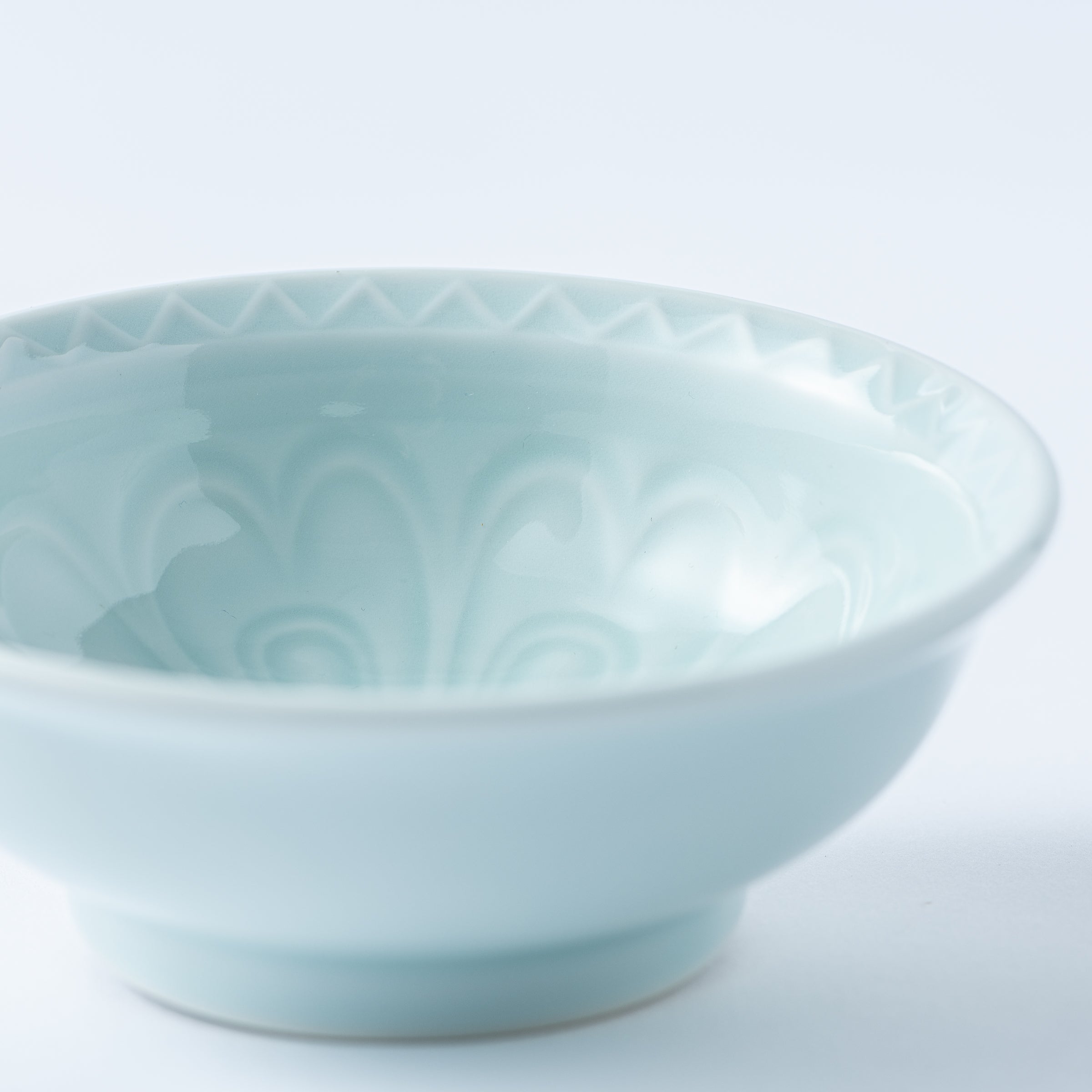
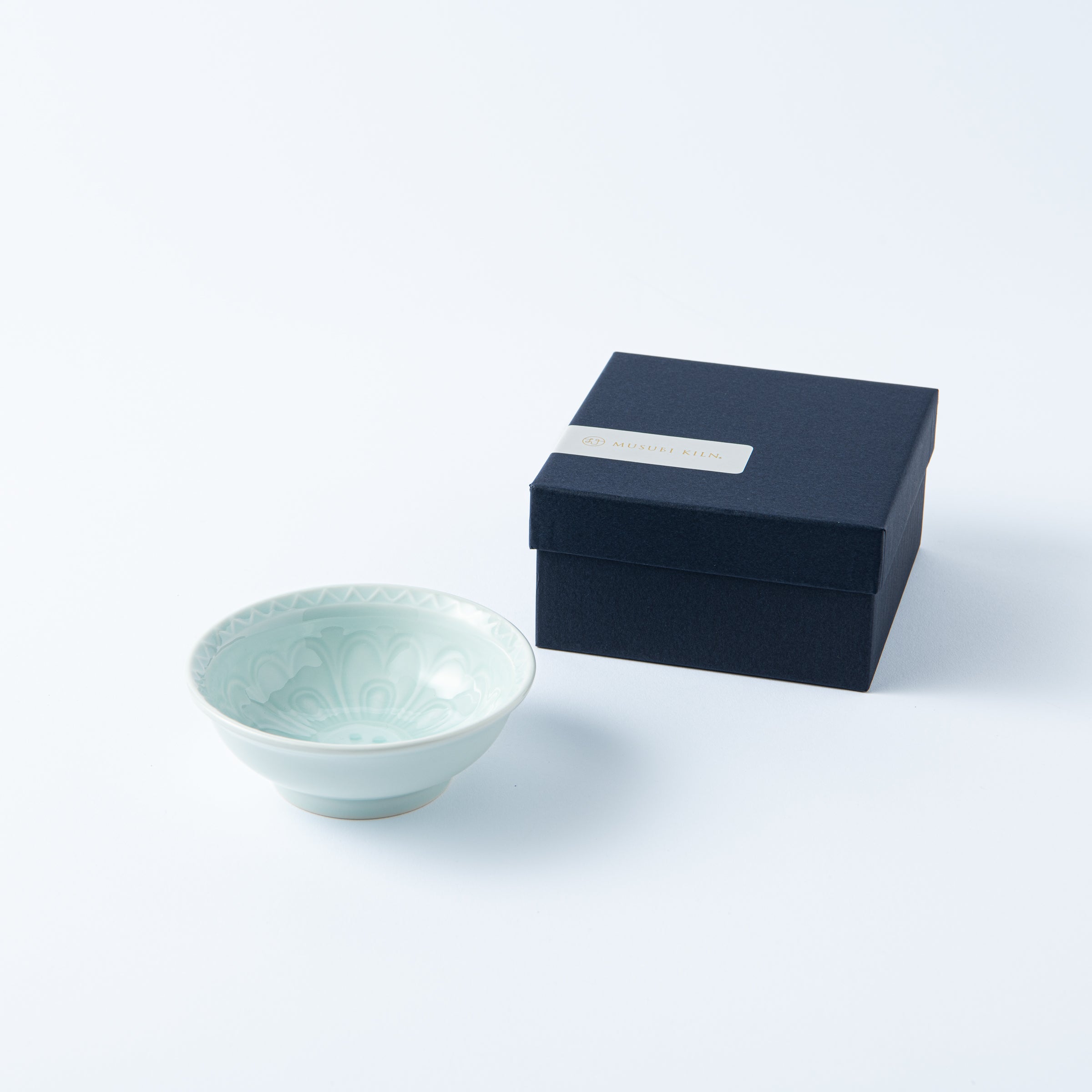
The Kaiseki Tenpyo Kobachi Small Bowl draws its pattern from a roof tile motif dating to the Tenpyo era (729–749 CE), first encountered by Kaizan Kiln’s founder in a museum in Nara. Beneath the translucent blue-white glaze, the carved geometry softly unfolds into flower-like forms, its contours gently diffused by light to create a quiet sense of depth.
Each piece is shaped through pressure casting using molds made from hand-carved plaster originals. The precision of the pattern reflects the control of the artisan’s hand at every stage, while the celadon glaze gently dissolves the edges of the carving into shadow. What remains is not ornament alone, but atmosphere shaped through texture and restraint.
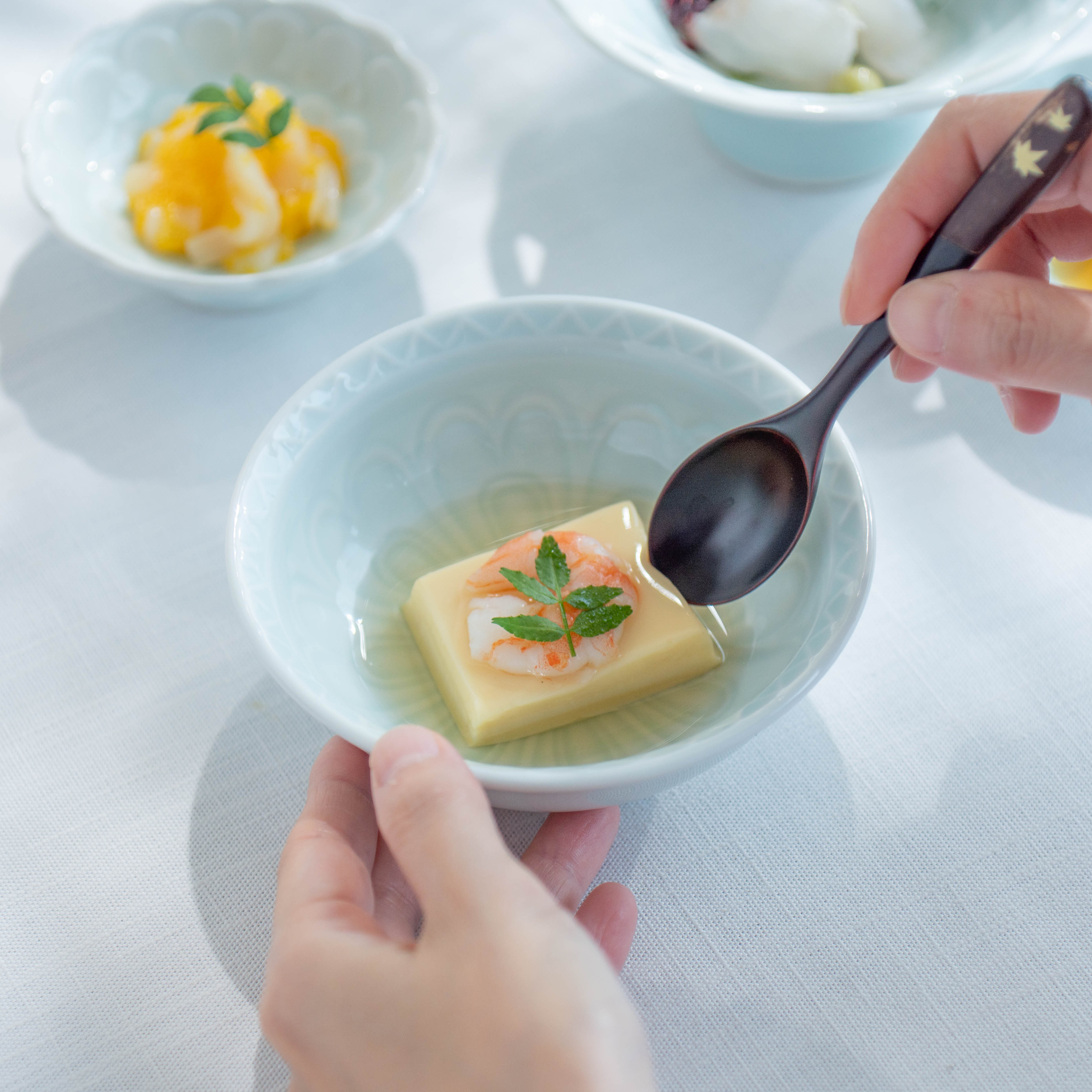
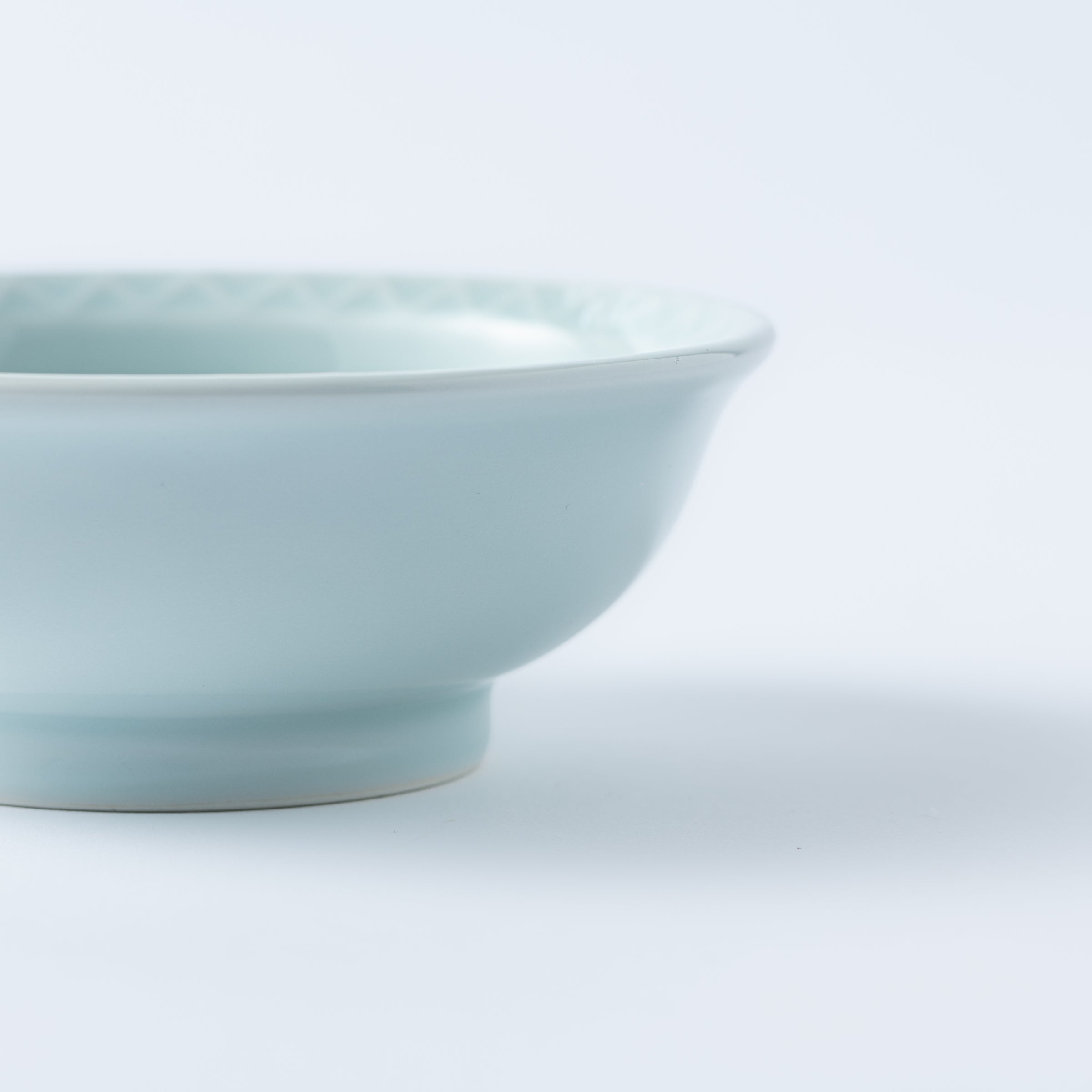
The open shape and measured proportions allow the vessel to sit comfortably among other dishes, carrying a presence that feels composed.
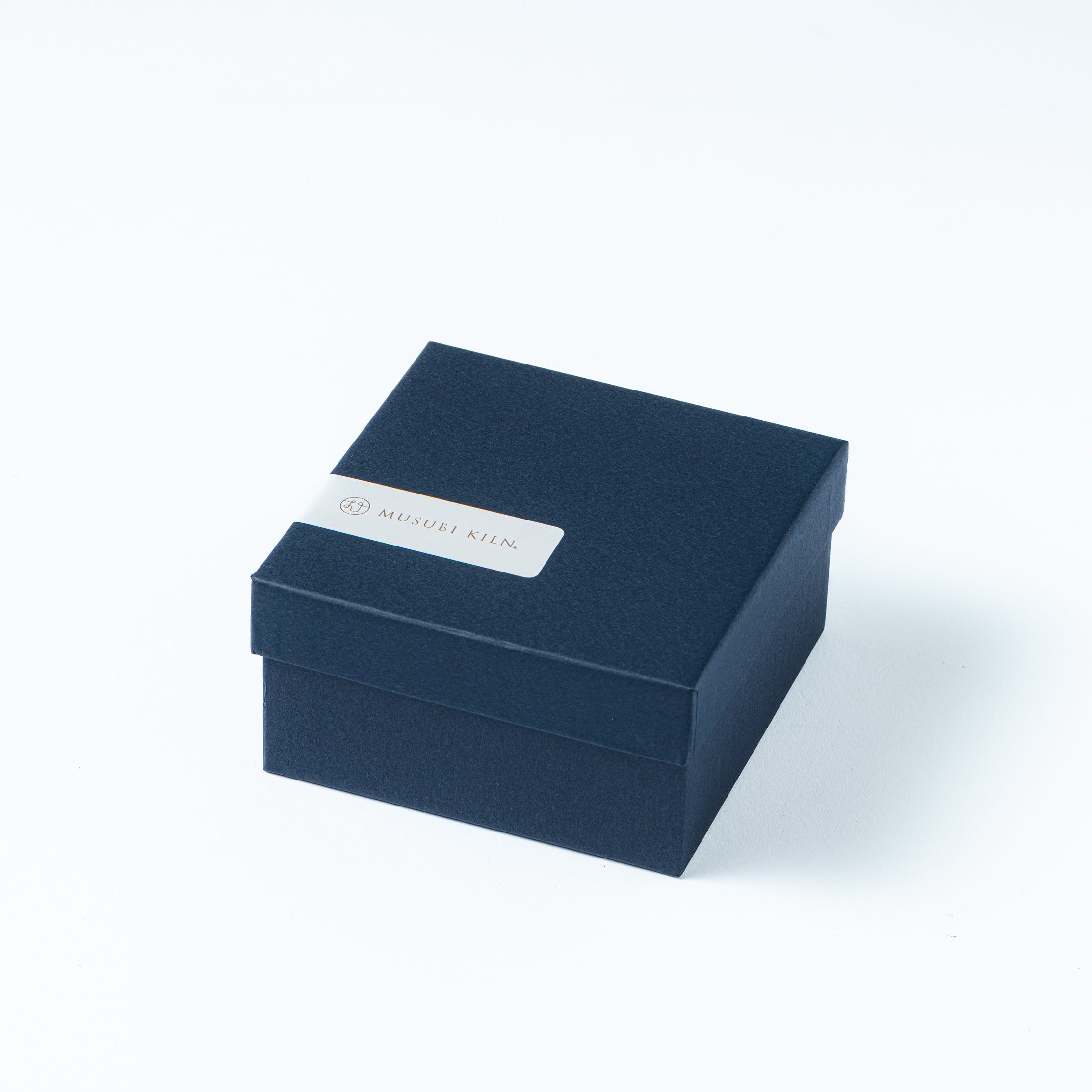
Packaged in an elegant gift box, it makes a perfect present for anyone who enjoys cooking and hosting gatherings with friends and family.
DETAILS
| Quantity | 1 |
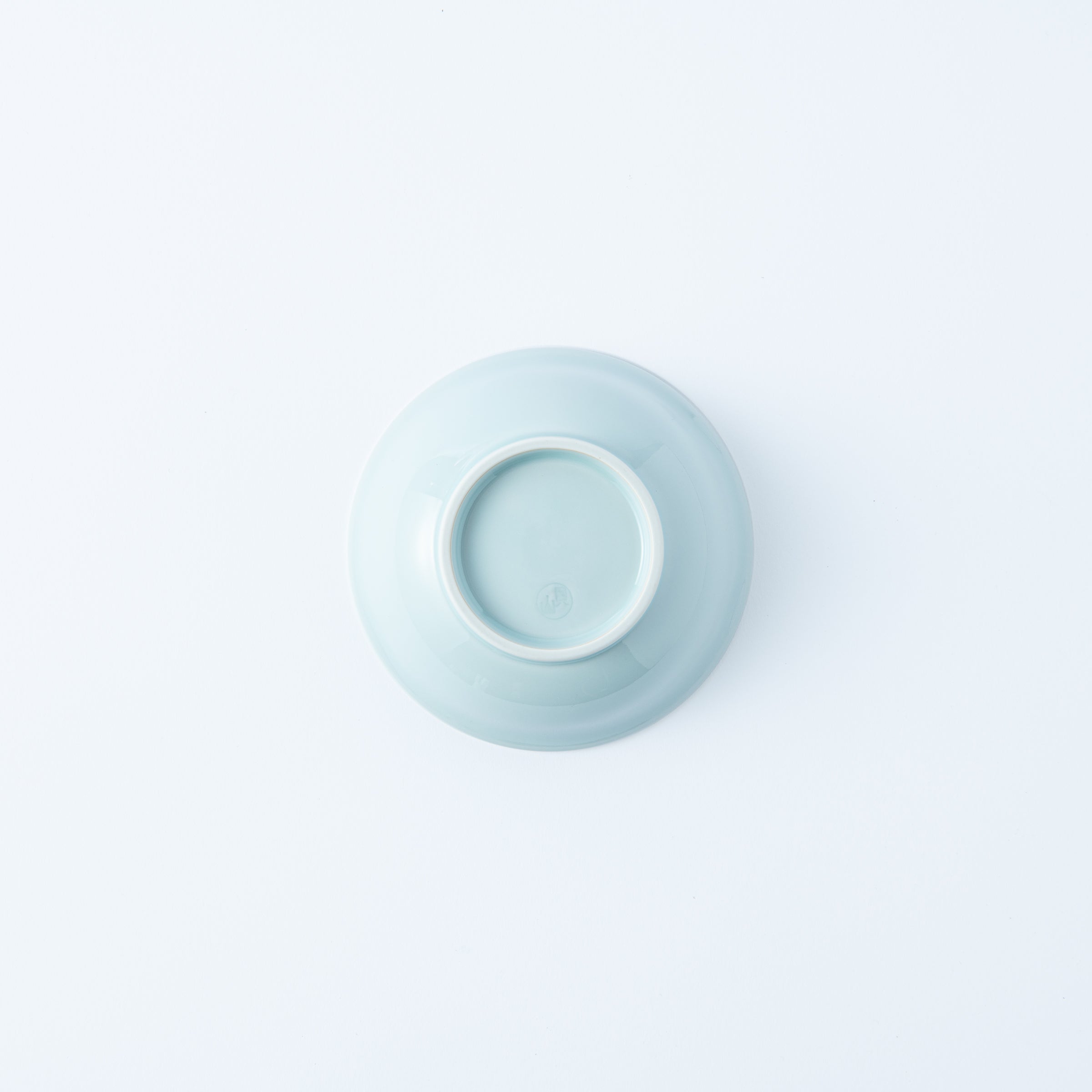
| Size | D 12 cm (4.7 in) x H 4.5 cm (1.8 in) |
| Weight | approx. 6 oz (170 g) |
| Material | Porcelain |
| Package Type | Paper box |
| Microwave | Yes |
| Dishwasher | Yes |
Maker / Brand
Kaizan Kiln produces luxury tableware used at hotels and restaurants that bring a sense of extraordinary to dining experiences and add a sparkle of joy to dining scenes. The company offers a modern and contemporary style with new sensibilities while respecting the traditional techniques of Arita ware.
Crafts
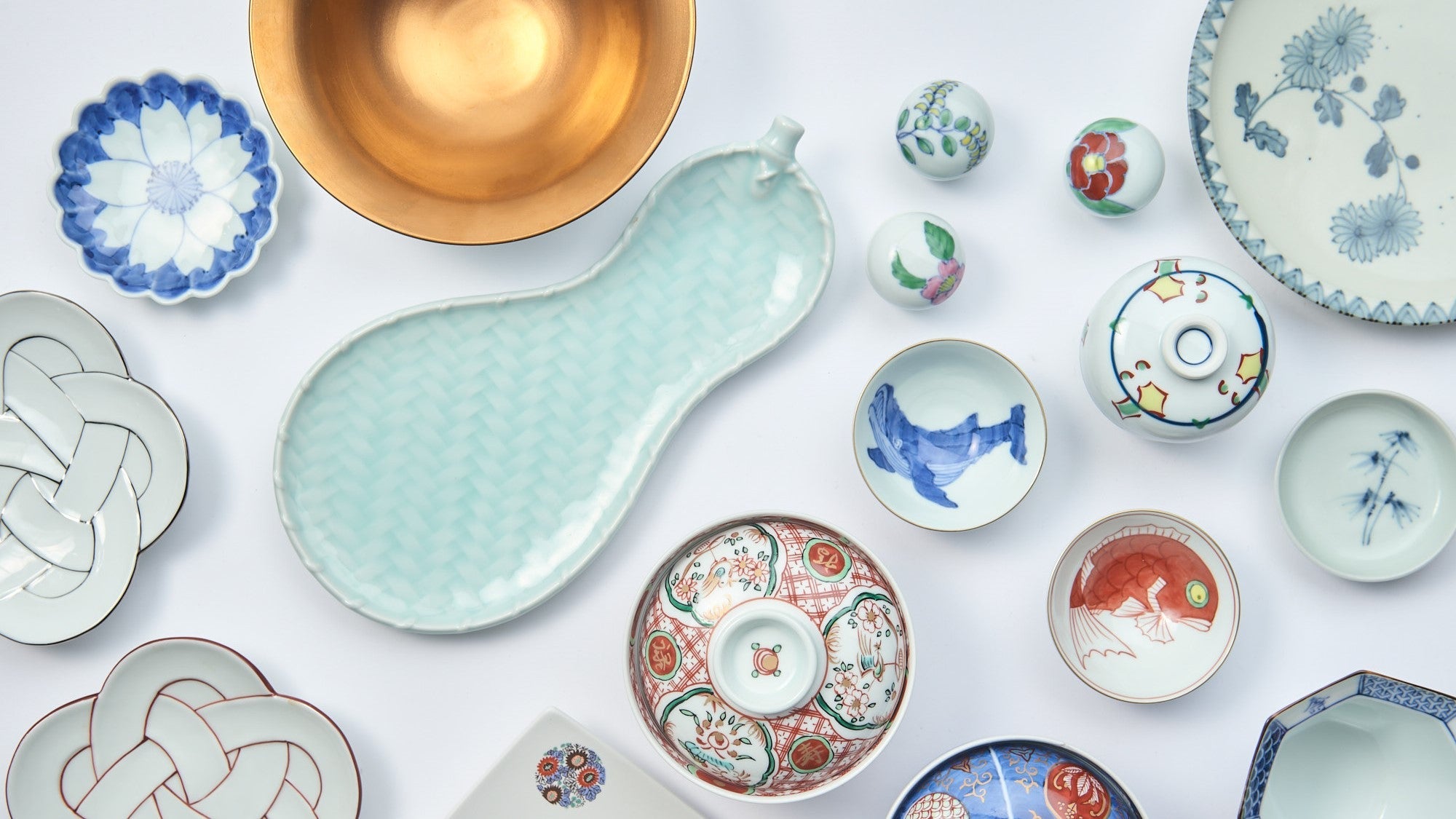
Crafted in the historic town of Arita, located in Saga Prefecture, Arita ware stands as the most venerable porcelain production hub in the annals of Japanese history. Characterized by its ethereal translucent white surface adorned with vibrant paintings, it has profoundly influenced the porcelain craft across Europe.
Within Japan, Arita ware is held in high esteem as a prestigious brand, with the town of Arita acknowledged as a quintessential production area.
Choose options
Estimated Shipping Widget will be displayed here!
Kobachi Small Bowls
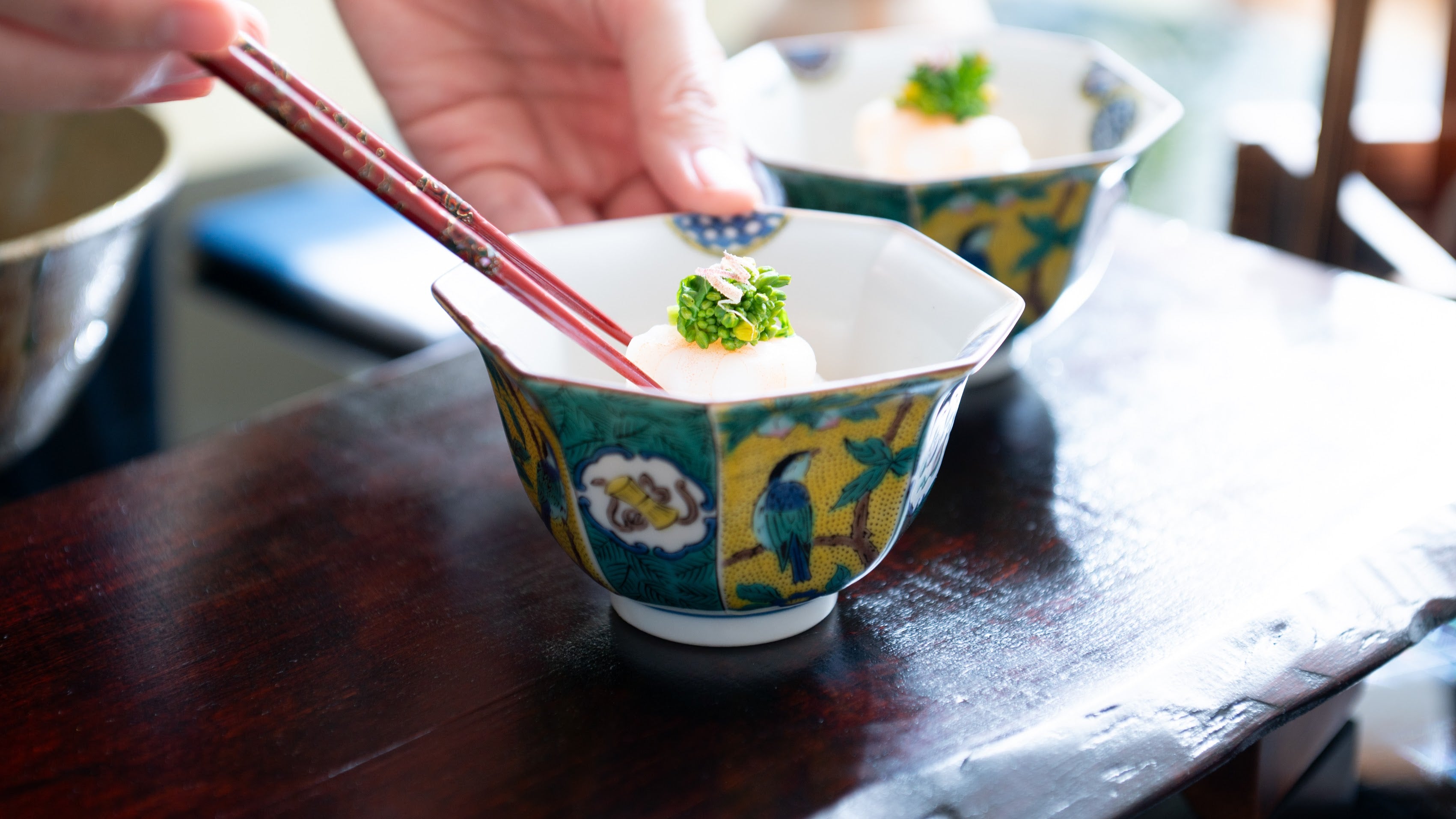
Kobachi, literally “small bowls” in Japanese, are designed for serving appetizers and side dishes. Deeper than a small plate but smaller than a main course or ramen bowl, kobachi are just the right size for light stews and simmered vegetables. Incorporating one or several kobachi bowls into a table setting and arranging dishes of different sizes and colors lends your meal an authentic Japanese atmosphere.
This category includes bowls with diameters under 12.9 cm (5.1 in).
Celadon
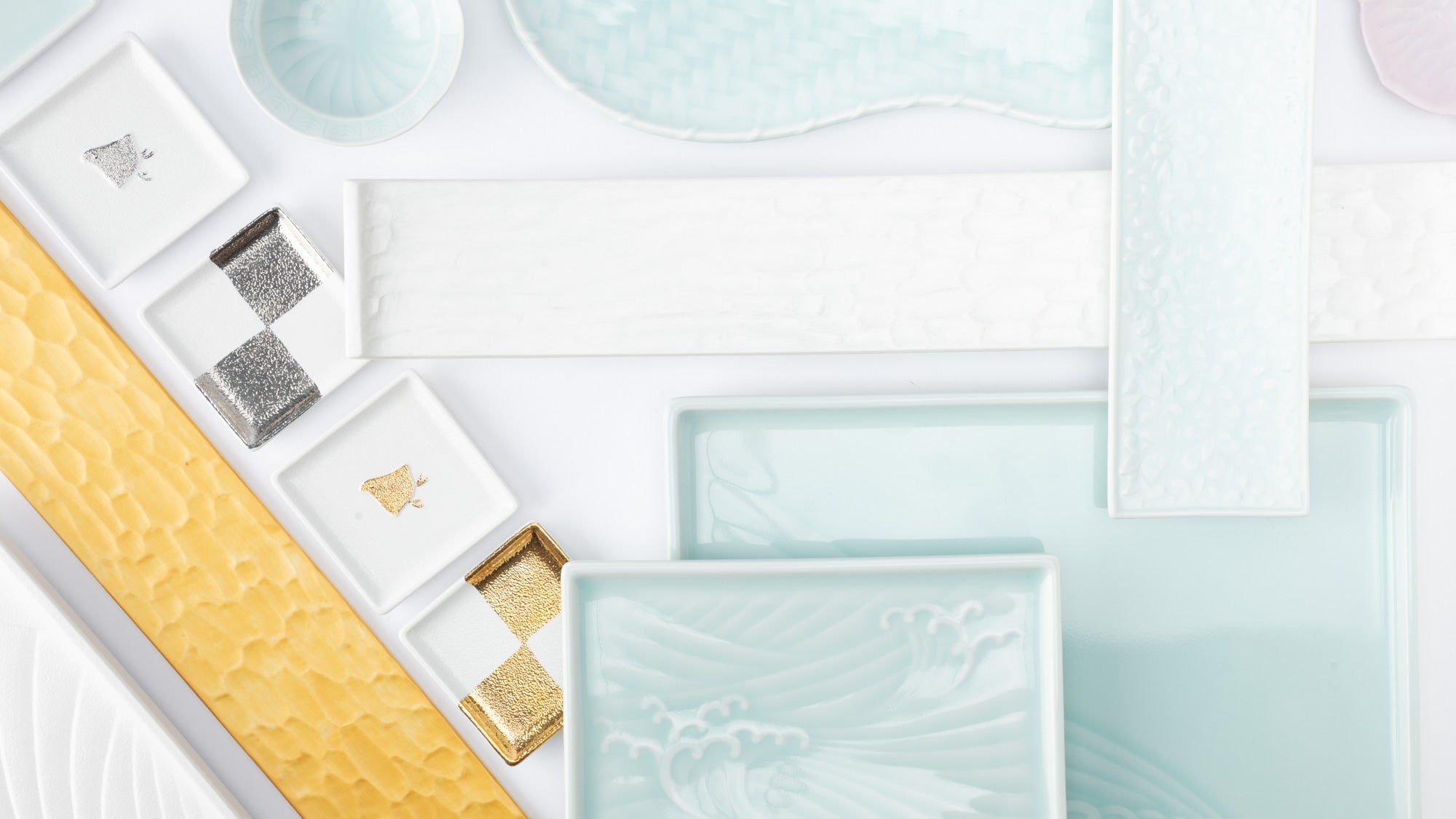
Celadon porcelain originated in China and was introduced to Japan by the 10th century. Among the aristocratic classes at that time, celadon wares from China were regarded as the finest imported goods. They adored its mysterious blue and named it "secret-color."
Production of celadon ware began in the Hizen region, the northwestern part of present Kyushu in the early Edo period (1603 CE - 1868 CE), and the technique was later passed on to Kyoto and nearby areas. In 1957, the craft technology was designated a national intangible cultural asset. Celadon continues to be cherished and crafted by many potters and artisans today.