Nunome 布目
布 cloth · 目 weave/pattern
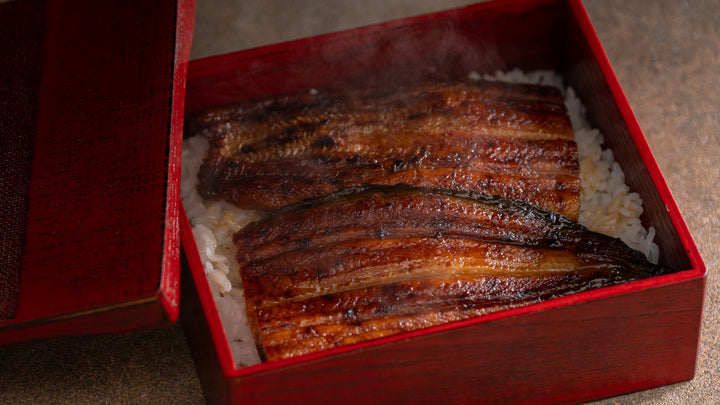
Nunome (cloth grain) is the texture of woven cloth left on the surface of a piece, seen in both ceramics and lacquerware. In ceramics it began as a byproduct of mold forming—hemp cloth was placed between the mold and the clay so the clay would release cleanly, leaving the weave imprinted, as in Oribe ware; glaze pools in the marks to give tonal depth and a soft, slightly rough feel, and the texture is also applied decoratively by pressing cloth onto a leather-hard body. In lacquerware, nunome-nuri is a top-coating technique in which hemp cloth is applied so the grain of the weave shows in the finished surface, prized for revealing the fiber texture and for its durability.
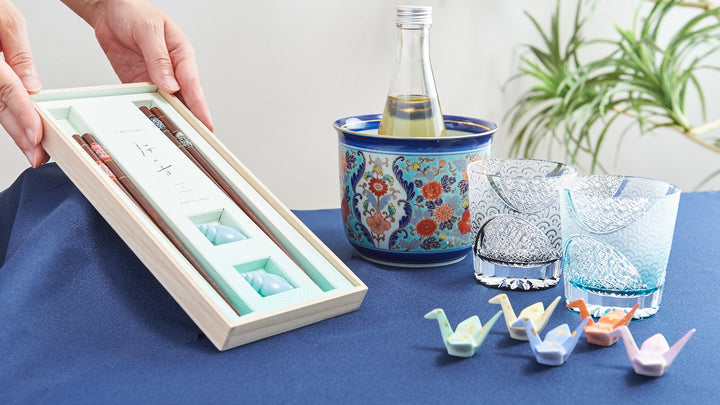
The cloth application creates a texture that resembles woven fabric on the surface, giving warmth and uniqueness to the piece. On ceramics, the nunome pattern appears as a textile-like design over which other decorative elements such as flowers and gold accents may be layered.