

Discover The World of Shinshu Soba Noodles
Learn about Shinshu soba, Nagano’s famous buckwheat noodles, from their rich history to their use in refined dining.
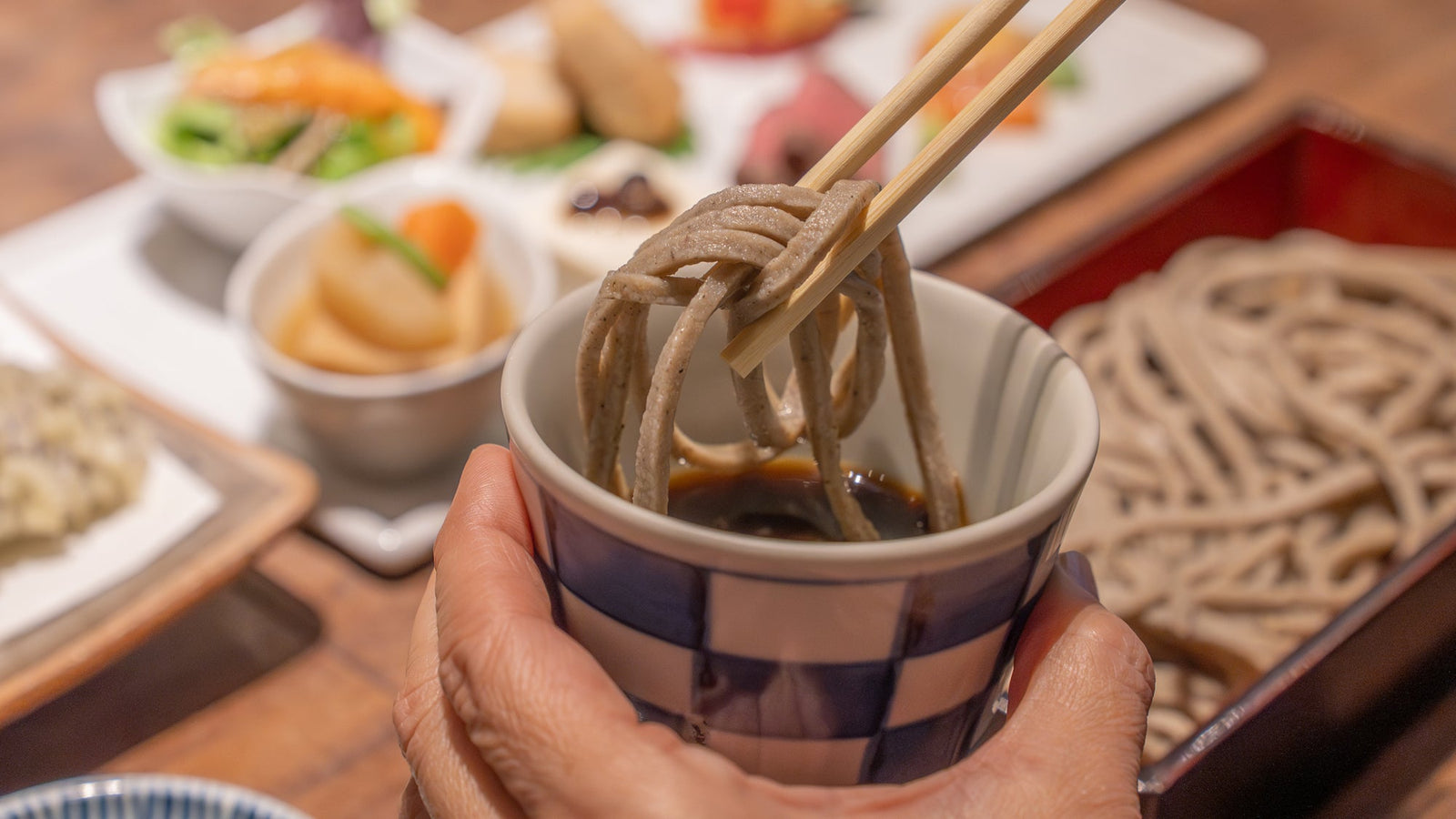
Soba is one of the iconic dishes in Japanese cuisine, alongside sushi and tempura. More than a staple, it reflects the country’s regional diversity and culinary culture. Among the many varieties of soba, the noodles from Shinshu, the traditional name for Nagano Prefecture in central Japan, are especially renowned for their rich aroma and satisfying texture. Team Musubi had the opportunity to talk to the chef of Ginza Sanada, which specializes in soba and sake. Let us guide you to the world of Shinshu soba.

Shinshu, the Heart of Soba Culture
Long regarded as one of Japan’s most celebrated regions for soba, Shinshu has a history of buckwheat cultivation that, according to local tradition, dates back to the Nara period (710–794 CE). In those days, soba was eaten as sobagaki, a simple mixture of buckwheat flour stirred with hot water. A temple document dated 1574 records the long, slender soba noodles we know today, making it the oldest known reference in Japan to noodles of this kind.
During the Edo period (1603–1868 CE), the region became a major crossroads connecting Edo (present-day Tokyo) with eastern and western Japan. Through these networks, soba-making techniques spread widely. One story tells of a vendor who introduced particularly refined soba to Edo. Known as Sarashina soba, it was made by removing the outer husk of the buckwheat grain and grinding only the inner endosperm into a fine flour. The shop he later opened in Edo helped shape the city’s emerging soba culture.

Soba artisans from the region also traveled across Japan, carrying their skills with them and contributing to the origins of other well-known soba traditions. Examples include Izumo soba from Shimane Prefecture along the Sea of Japan and Aizu soba from Fukushima Prefecture.
The mountainous landscape and climate are especially suited to buckwheat cultivation. Large differences between day and night temperatures help produce high-quality buckwheat rich in starch, while clear mountain spring water is essential for kneading the soba dough. These natural conditions, combined with techniques refined and passed down through generations, have helped make this area one of Japan’s leading centers of soba craftsmanship.

Reflecting this rich tradition, Shinshu is home to twelve local soba varieties—more than any other soba-producing region in Japan. Across the country, about thirty varieties are recognized, often distinguished by the type and proportion of wheat flour or other binders used. Three of the most common styles are juwari soba, made from 100 percent buckwheat flour; nihachi soba, which contains about 80 percent buckwheat flour and 20 percent wheat flour; and Sarashina soba, made from flour ground from the center of the buckwheat kernel. Differences in flour and proportion give each type its own color, aroma, flavor, and texture—one of the many pleasures of soba.
A Refined Soba Experience in Ginza
In the bustling city of Tokyo, you'll find around 1,000 soba restaurants, each offering its own unique flavor and culinary experience. Some have earned Michelin stars, and some have become cherished local gems. Team Musubi had an incredible lunch experience at Ginza Sanada, a restaurant specializing in Shinshu soba, local dishes, sake, and select pottery. During our visit, we had the opportunity to speak with Chef Gotanda Tetsuya, who shared insights into the world of Shinshu soba and cuisine.
Sanada is located on the third floor of a building along Ginza Suzuran Street, one block behind the main street near Ginza Sony Park. A Shinshu specialty shop occupies the first floor. Take the elevator to the third floor, and Sanada will be right in front of you. At the entrance, you can glimpse soba noodles being prepared in the kitchen.


Upon entering, guests may be pleasantly surprised by an ambiance reminiscent of a jazz bar, with soft background music, contemporary artwork on the walls, and dim lighting. It feels like more than one might expect from a soba restaurant. This restaurant appears to be a hidden gem, a sanctuary away from the vibrant bustle of Ginza.

“We designed it as a small house in the woods, using simple wooden items for tableware, chairs, tables, and a counter, along with dim lighting to create a space where guests can enjoy our food and relax as if at home,” says Nishino Takako, a public relations officer in the President’s Office of Fonz Co., Ltd., which operates Sanada.
As we took our seats, a few groups of guests were enjoying a relaxed late lunch.
“Restaurants in this area typically finish lunch service around 2 or 3 pm, but we remain open until 4 pm. This allows us to welcome office workers and shoppers looking for a later meal.”
Their lunch menu offers two combination sets of appetizers and soba noodles. You can choose between a flavorful cold dipping sauce or a savory hot broth for the noodles. There are also four combination sets of small tempura bowls with cold or hot soba noodles. An à la carte option is also available. We selected two different sets. One included a set of seven seasonal appetizers accompanied by a plate of cold juwari soba noodles. The other set was a small rice bowl with conger eel tempura on top, served with a plate of cold soba noodles. We also ordered a side of vegetable tempura.


They serve authentic 100 percent buckwheat juwari soba, limited to ten servings per day. We were fortunate to get the last one available. Its robust, nutty flavor of buckwheat comes through more directly. If you're looking for gluten-free options, 100 percent buckwheat soba is the clear choice.

The other cold soba we tried was nihachi soba, made with 20 percent wheat flour and 80 percent buckwheat flour. This blend is used in many soba noodles in Japan. The wheat flour helps the soba retain moisture and remain intact even after a prolonged period. As a result, the noodles have a balanced, firm texture and smooth mouthfeel, making them both tasty and easy to eat.
From a Soba Restaurant in Shinshu
Sanada’s appetizer platter features local foods from Shinshu, with the exception of taro. Among the dishes are roasted venison and smoked Shinshu trout. The smoked trout, a true local specialty, has a refreshing, mild taste, distinct from the richer flavor of king salmon. The salad vegetables are fresh, crisp, and naturally sweet.
The miso sauce for the "sashimi konjac" (thin slices of konjac made from the konjac plant), the soy-marinated black beans served over tofu, and the pickled local greens, nozawana, are all sourced from Suju Masayuki Shoten, a miso brewery founded in 1827 and still run by the owner’s family in Komoro City, Shinshu. These ingredients come together in a flavorful assortment that pairs perfectly with local sake, tempting enough to order a glass even in the afternoon. We had to resist.

Sanada is operated by Fonz Co. Since establishing its first soba restaurant, Kawakamian, in Karuizawa—a resort town in Shinshu—in 2000, the company has expanded into a range of food businesses. These include Japanese restaurants specializing in miso- and soy sauce-based cuisine, as well as a sushi restaurant and a café.
“Kawakamian, founded by our CEO at the age of 25, embodies the concept of a stylish soba restaurant with sake loved by the local community. Since then, we have had the privilege of opening soba restaurants in Tokyo, Kamakura—a historic town just outside Tokyo—and Saitama, a suburb of the capital. Each restaurant has its own distinct concept.
Sanada draws on the idea of showcasing fresh, traditional vegetables sourced directly from contracted farmers in Shinshu. The dishes are designed to highlight the natural flavors of the ingredients. Shinshu is home to many outstanding sake breweries, and we are honored to offer a selection of their finest. Guests can enjoy the delicate harmony of sake and food, served on handcrafted pottery from the area,” says Nishino.

The Timing Behind Perfect Soba
Gotanda, the head chef with nineteen years of experience, confidently states, “The soba dipping sauce is made from dashi broth, blended with two types of bonito flakes and blue mackerel flakes, along with a two-year-aged soy sauce crafted by Suju Masayuki Shoten. This blend allows us to create a rich and profound umami sauce with a restrained saltiness. Shinshu dipping sauce is slightly salty, but it can enhance the flavor of simple, thin noodles. It is notable for its distinctiveness from the thick, sweet sauce typically found in the Kanto region, which includes Tokyo and the surrounding areas."
The sauce gently coating the soba created an excellent combination. The thickness and saltiness were not particularly noticeable. We ate our soba following the golden rule: dip it lightly into the sauce served in a small soba choko cup, then slurp it. This dynamic way of eating helps bring out even more flavor.


The vegetable tempura included shimeji mushrooms and eggplant, both specialties of Shinshu, along with a slice of sweet potato. What sets their sweet potato tempura apart is the preparation: the sweet potato is first roasted, then lightly fried. This extra step makes it incredibly sweet and gives it a melt-in-your-mouth texture. The tempura tastes even better with salt, as recommended.

Dinner is served from 4 pm to 11 pm, and they offer a variety of appetizers à la carte, as well as three types of course menus. The takikomi gohan is highly recommended; it is steamed rice cooked in a clay pot with pieces of local chicken or fish and seasonal vegetables. Many customers order takikomi gohan or cold soba noodles to finish their meal. Sobayu, the hot water that turns milky as starch from the buckwheat noodles dissolves during cooking, is served at the very end of the meal. Mix it with the remaining dipping sauce to create a warm, nutty drink that captures the final essence of the experience.
Gotanda explains that the timing of serving the food is of the utmost importance to ensure that the soba is served at its peak condition.
"We start boiling the soba noodles when our guests have finished their appetizers. We gently bring the soba to a boil, then let them rest for two minutes. Then, we wash it in cold water to lock in that perfect texture. We proudly serve fresh soba noodles with the delicate scent of buckwheat to make your dining experience even more memorable. We also fry the tempura at the same time so that customers can enjoy it fresh and crispy. For those who wish to enjoy sake, we serve the tempura first."


Preparing food to suit the pace of each guest’s meal is a style of hospitality on par with that of a traditional Japanese restaurant.
Pairing Soba with Local Pottery
Sanada places a special emphasis on the presentation of its food, selecting tableware that enhances the dining experience. Nishino explains that they meticulously reuse any chipped dish by repairing it with kintsugi.
"Fonz runs Suju Gallery Dark Eyes in Karuizawa and Komoro, which deals in crafts and folk art from a range of artists, like Amari Hiroshi, a potter based in Komoro. We source our dishes from him because his collection of subdued and austere tableware embodies the beauty of simplicity, which we believe complements Japanese cuisine. He has kintsugi repair artists on staff, so we send any broken dishes to be repaired."

Gotanda says that the tempura and the rolled omelet, tamagoyaki, are served on Amari's tableware.
"I visit pottery studios and galleries in Komoro and personally select tableware in subdued colors that bring out the best in our dishes."

The small soba choko cups used to serve the soba dipping sauce are made by Baizan Kiln, a maker of durable and easy-to-use Tobe ware, which is a favorite among soba and udon restaurants.

"At our restaurant, we ensure that the food, tableware, and music are all perfectly combined to create a dining space where guests can relax and enjoy their food and drinks," Nishino says.

Soul Food for All Ages
Sanada has guests ranging in age from their twenties to their seventies. During the weekday lunch hours, they attract seventy to eighty customers per day, and on weekends, they pull in nearly one hundred. In the evenings, the restaurant mainly caters to guests with reservations, with only around thirty customers, keeping the turnover low. This is because they want to ensure that each guest can fully enjoy their culinary experience.
"Ramen and pasta are among the most popular noodle dishes across all age groups. It is often said that soba is favored primarily by older generations. However, this may be a misconception. We've seen a surge of young people in their early twenties coming to eat soba and posting about it on Instagram. The enthusiasm of our younger guests clearly demonstrates soba’s enduring place as a soul food deeply rooted in Japanese culture."

Sanada's sister restaurant, Sanada SIX, is located in Ginza SIX, a Ginza landmark complex, just a few minutes' walk away. The menu is almost identical, but Sanada SIX boasts an open, glass-walled space with an airy feel. This space is designed to attract inbound tourists straight after shopping at Ginza SIX.
"We are exploring the possibility of introducing Shinshu soba and opening restaurants in places like New York in the future. In the meantime, we are prioritizing introducing international guests in Ginza to the unique charm of Shinshu soba and its exquisite ingredients," Nishino says.
Sanada is a window into the local food culture of Japan, and is one well worth looking through. If you're craving some delicious Shinshu food, then look no further than Ginza NAGANO on the first floor of the building, a treasure trove of Shinshu specialties. You will find 100 percent buckwheat soba noodles, shichimi (seven-spice chili blend) to sprinkle on soba noodles, miso paste, soy sauce, and more. Bring the ingredients back home and try preparing soba noodles yourself. Eating soba may bring back memories of your trip to Japan.

Stay close to the craft
Now and then, a quiet letter — new stories, seasonal notes, and the hands behind the work.
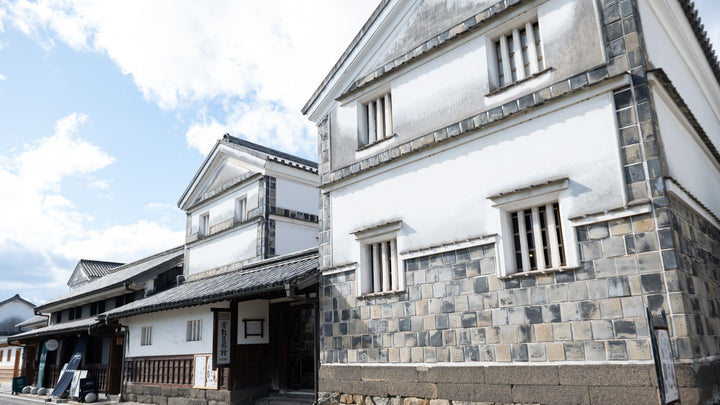
KURASHIKI MUSEUM OF FOLK-CRAFT
We visit one of Japan's most popular cultural spots, the Kurashiki Museum of Folkcraft,…
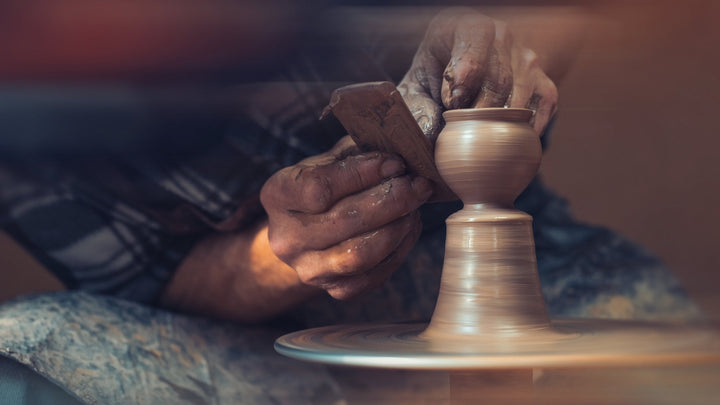
About “Rokkoyo” Japanese Six Ancient Kilns
In this issue, we will introduce the characteristics and attractions of the Rokkoyo kilns…
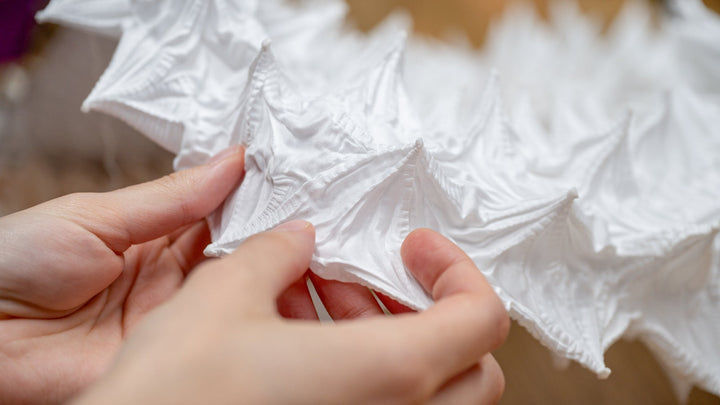
Experiencing Shibori Tie-Dyeing with Suzusan: Traditional Textiles Made Modern
Discover Suzusan’s modern take on 400-year-old Arimatsu shibori through a hands-on tie-dye workshop.
Rebecca Menasché
Leave a comment