

Hida Shunkei Lacquerware
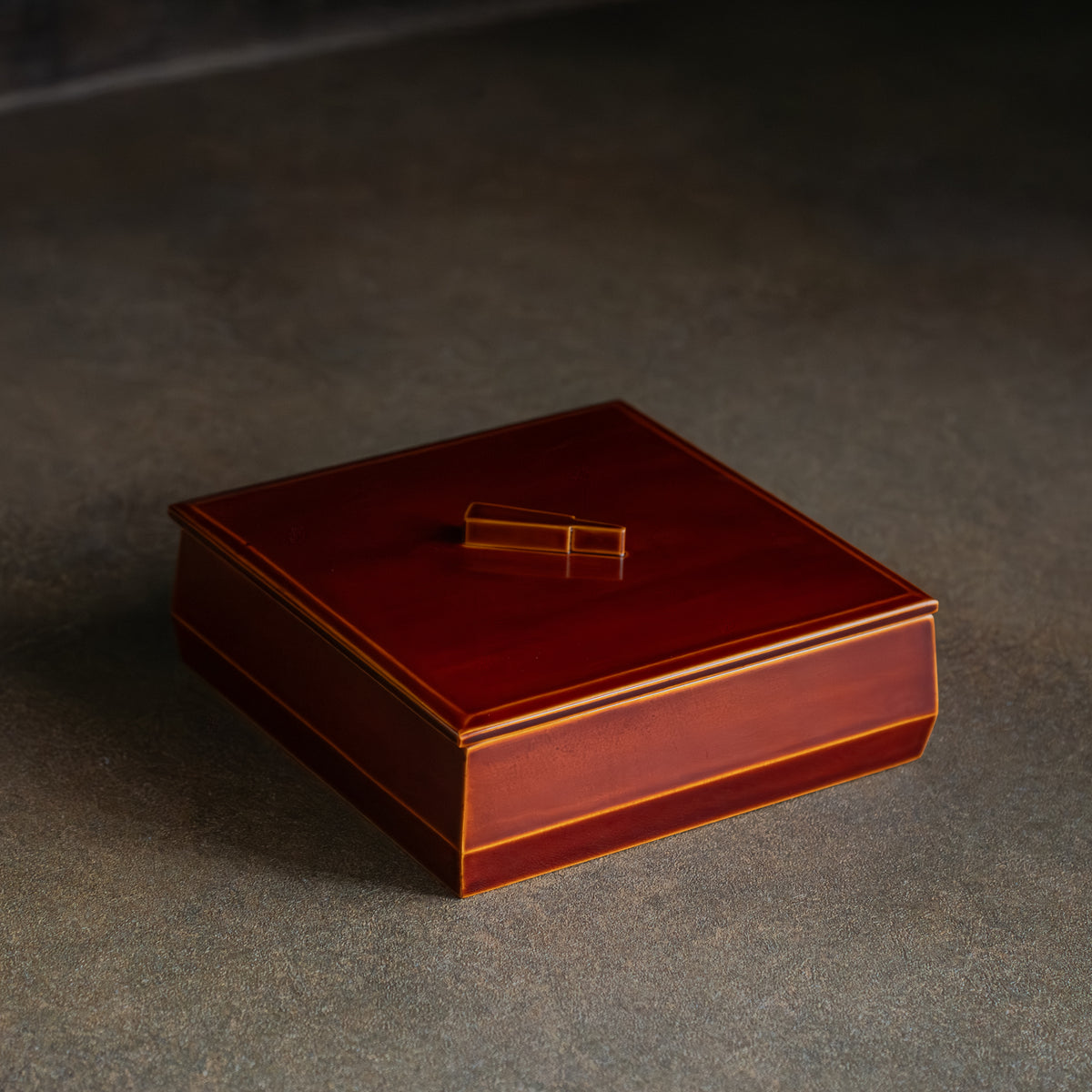
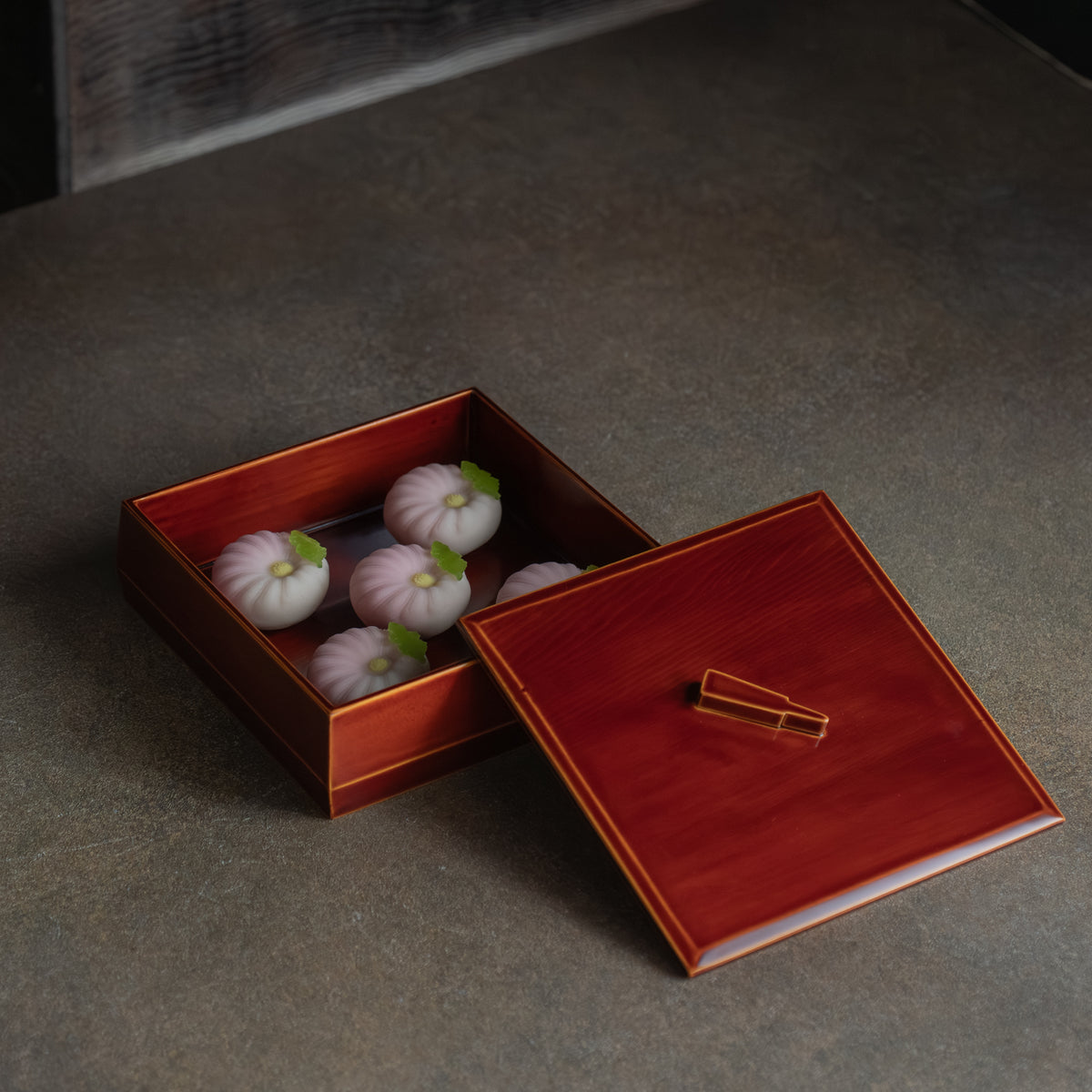
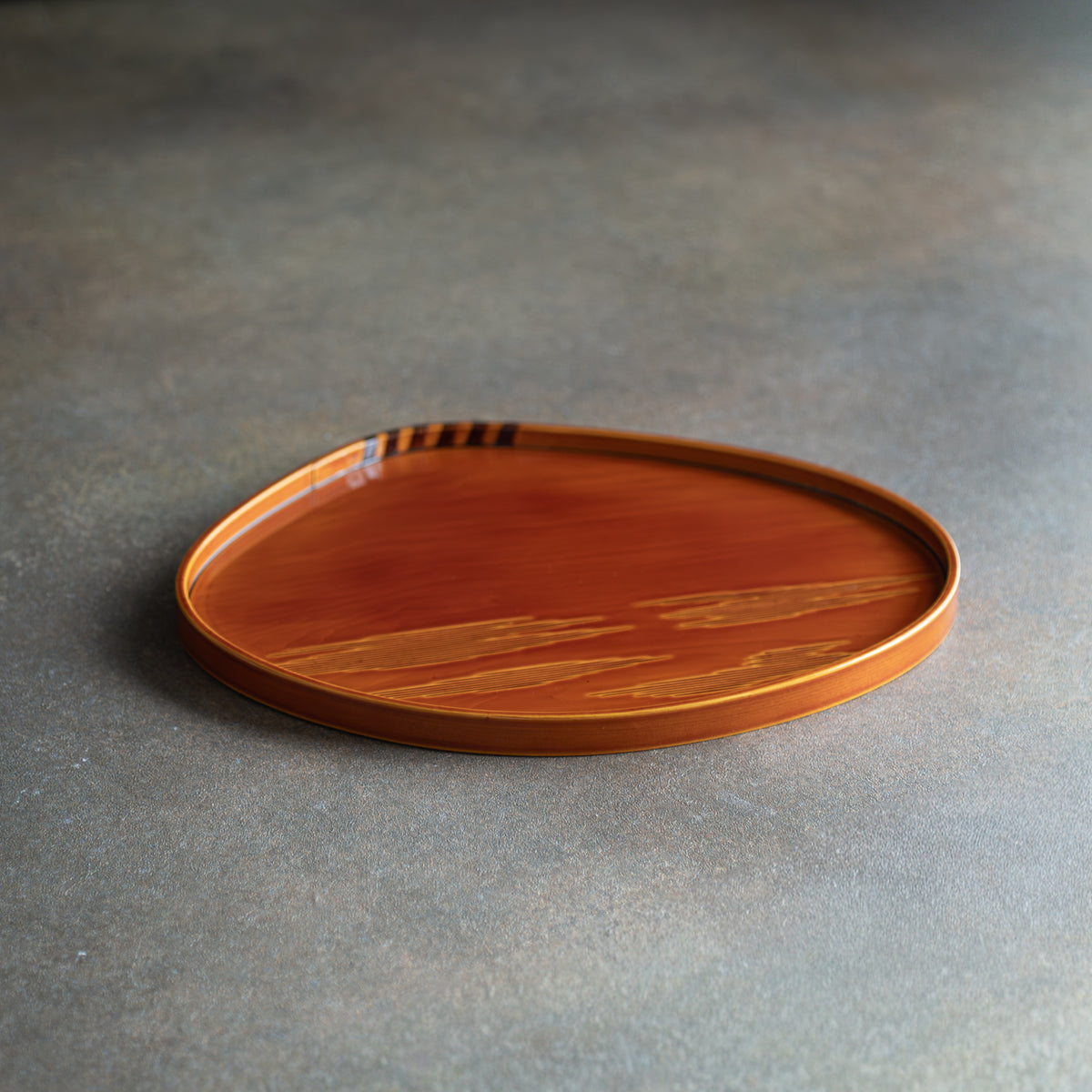
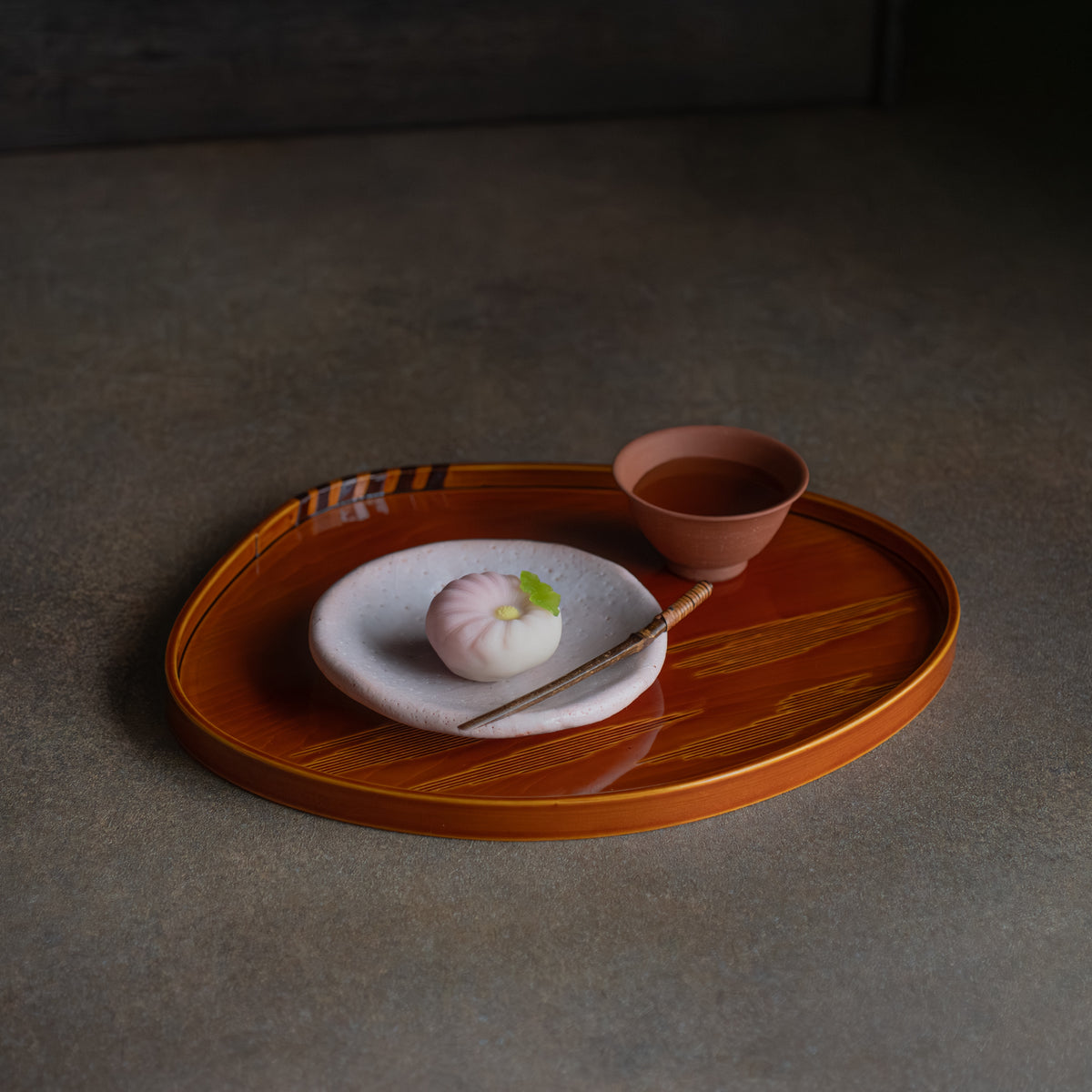
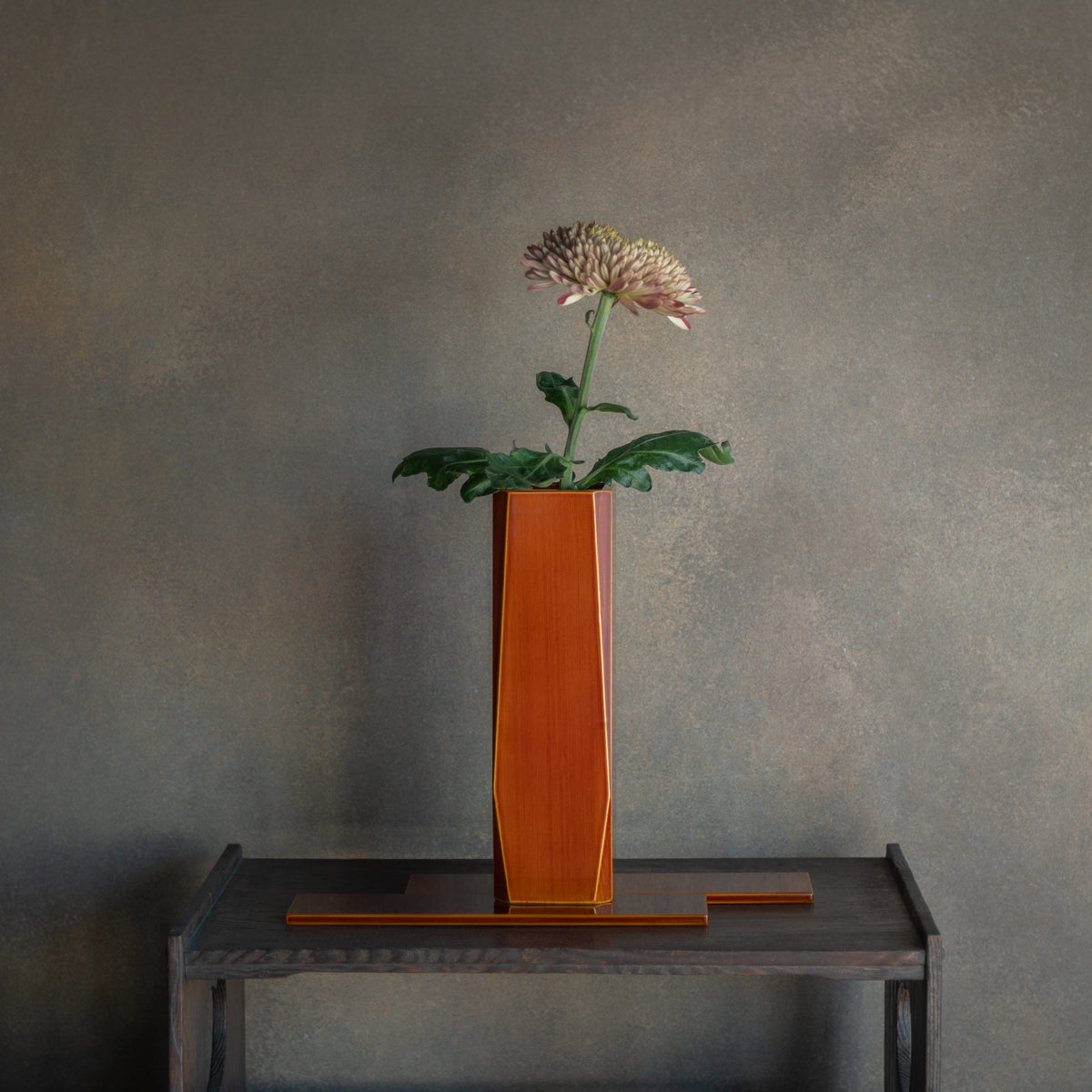
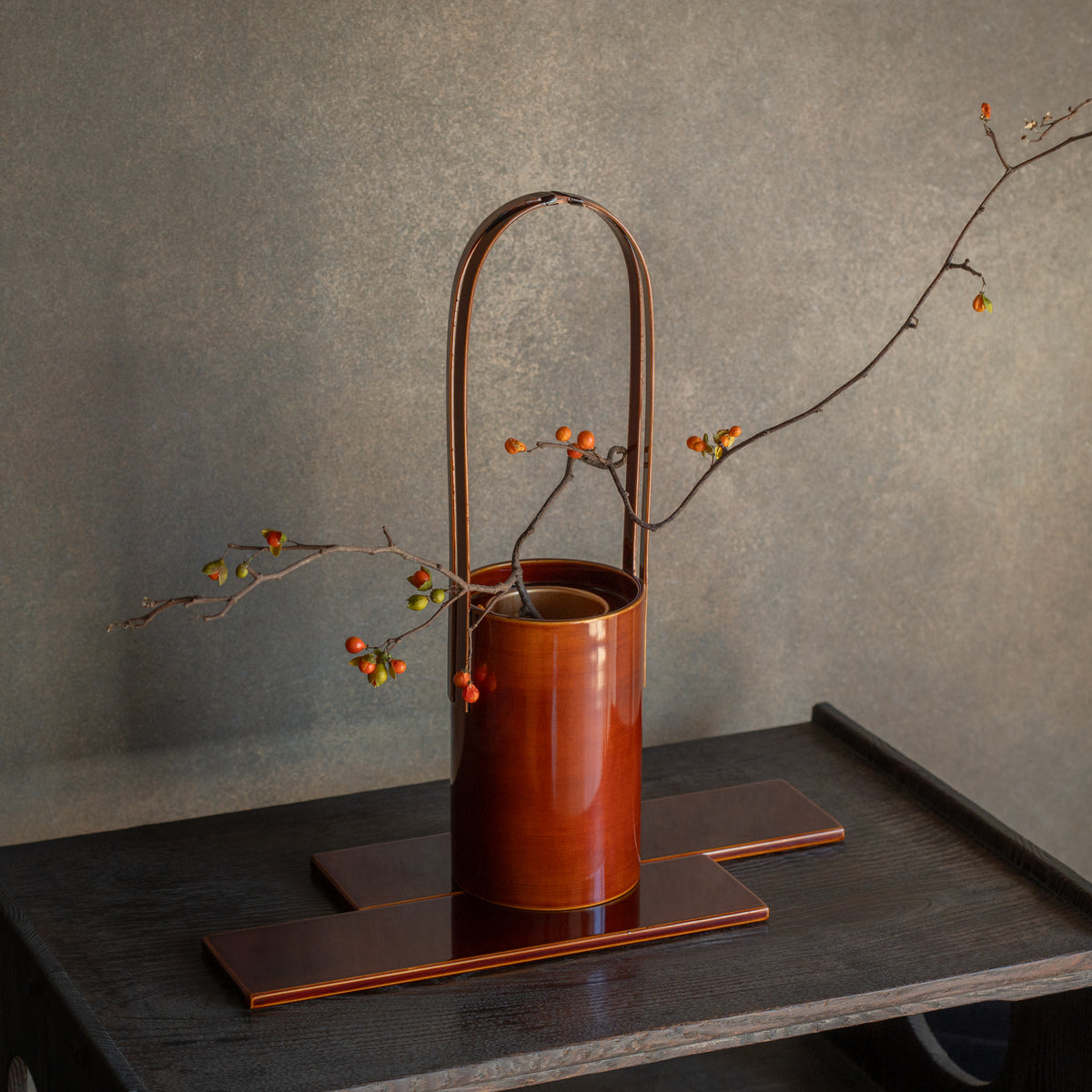
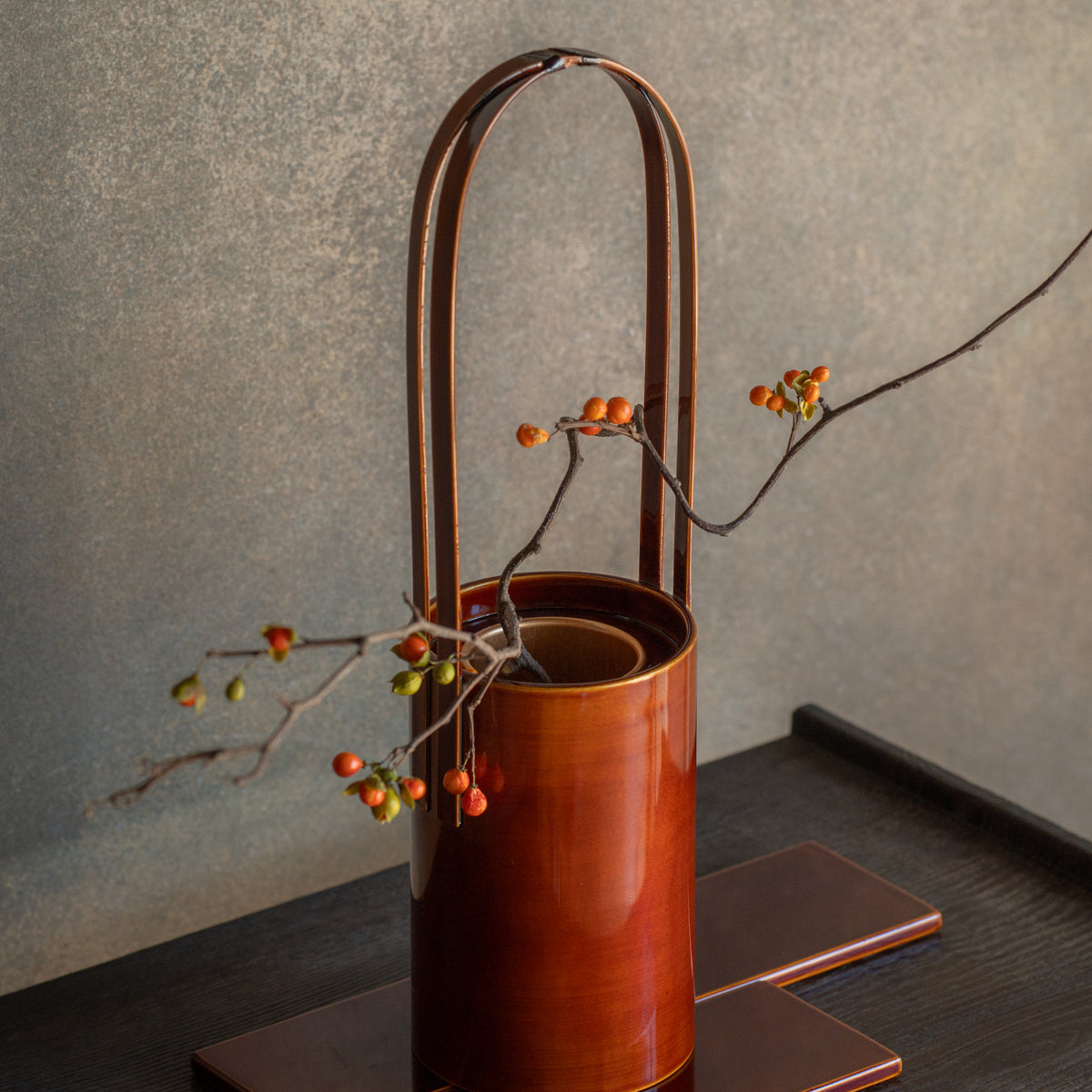
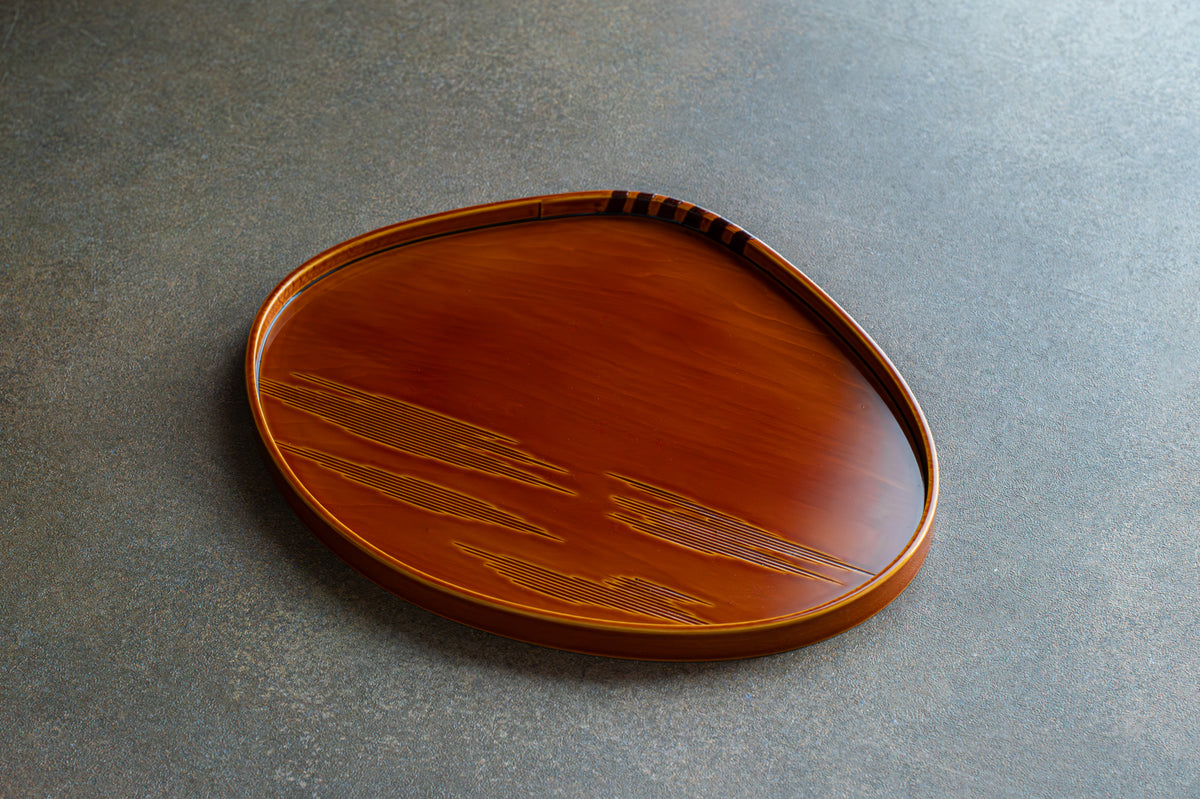
Hida Shunkei is a lacquerware craft from Takayama and the surrounding Hida region of Gifu Prefecture, an area long known for its woodworking tradition. For more than 400 years, artisans have coated dyed woods such as hinoki and sawara cypress as well as Japanese horse chestnut with clear lacquer, allowing the natural grain to remain visible through its deep, translucent luster.
Over time, the lacquer develops a richer luster, bringing out the beauty of the wood even further. Hida Shunkei was designated a Traditional Craft by the Japanese government in 1975 and continues to evolve while preserving the techniques passed down through generations.
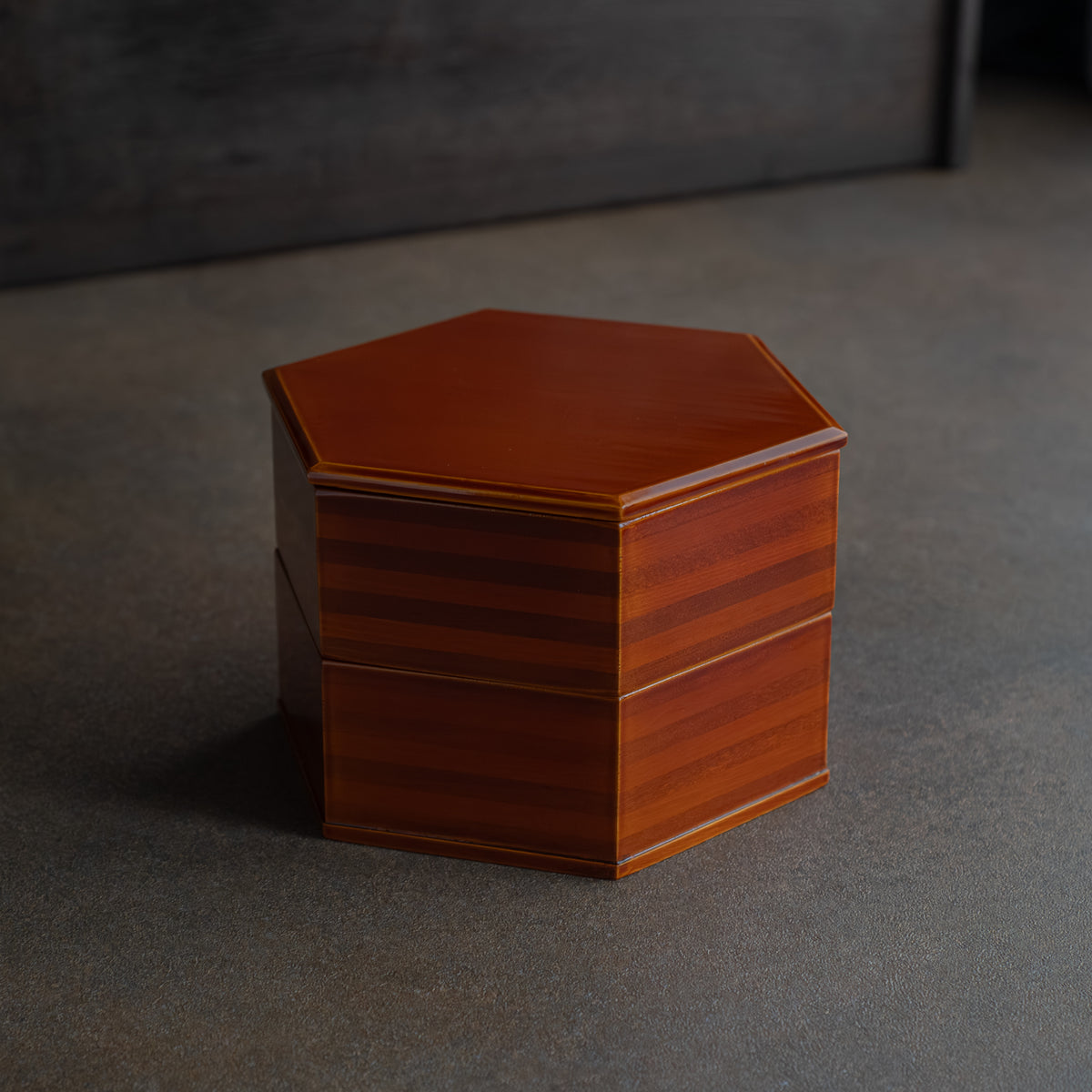
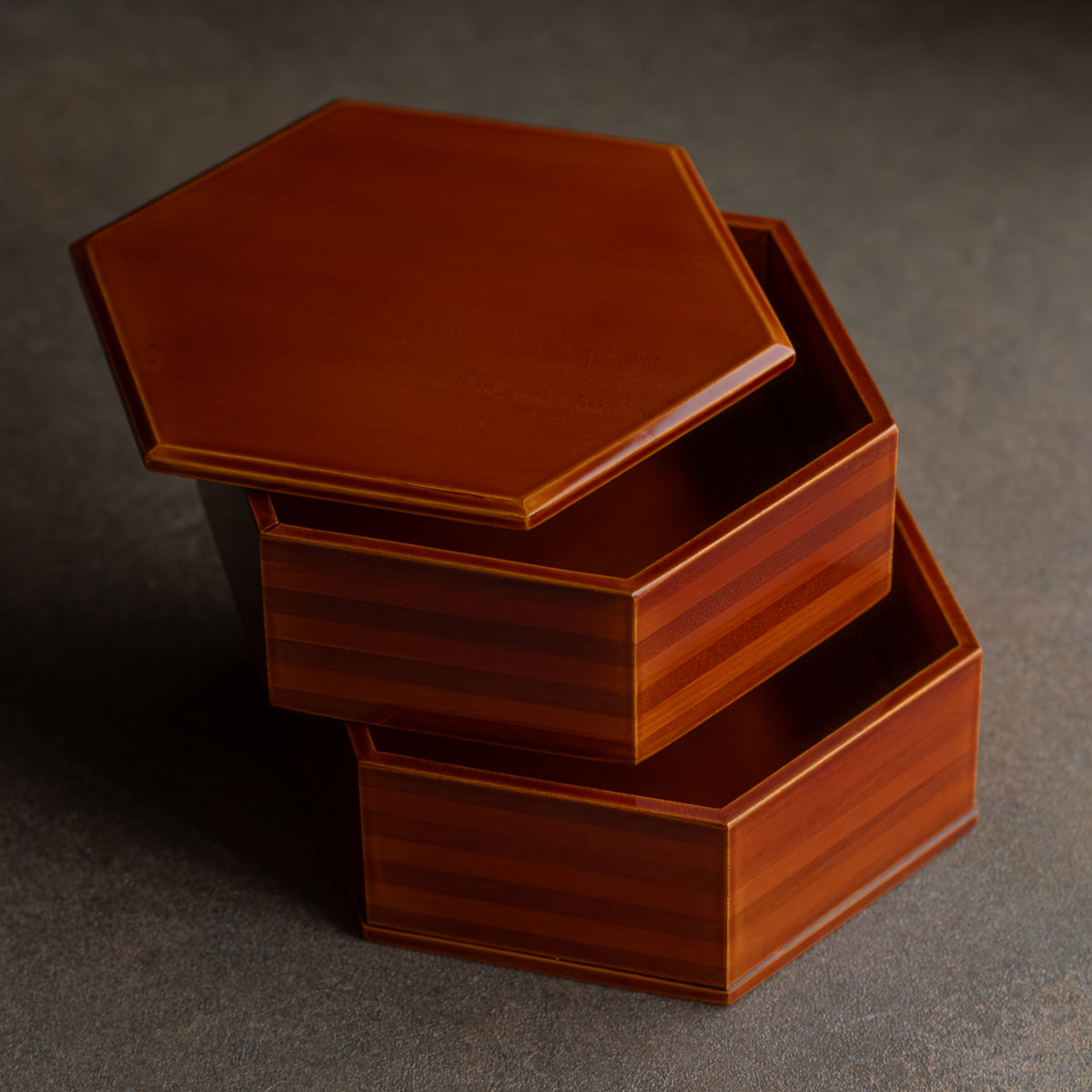
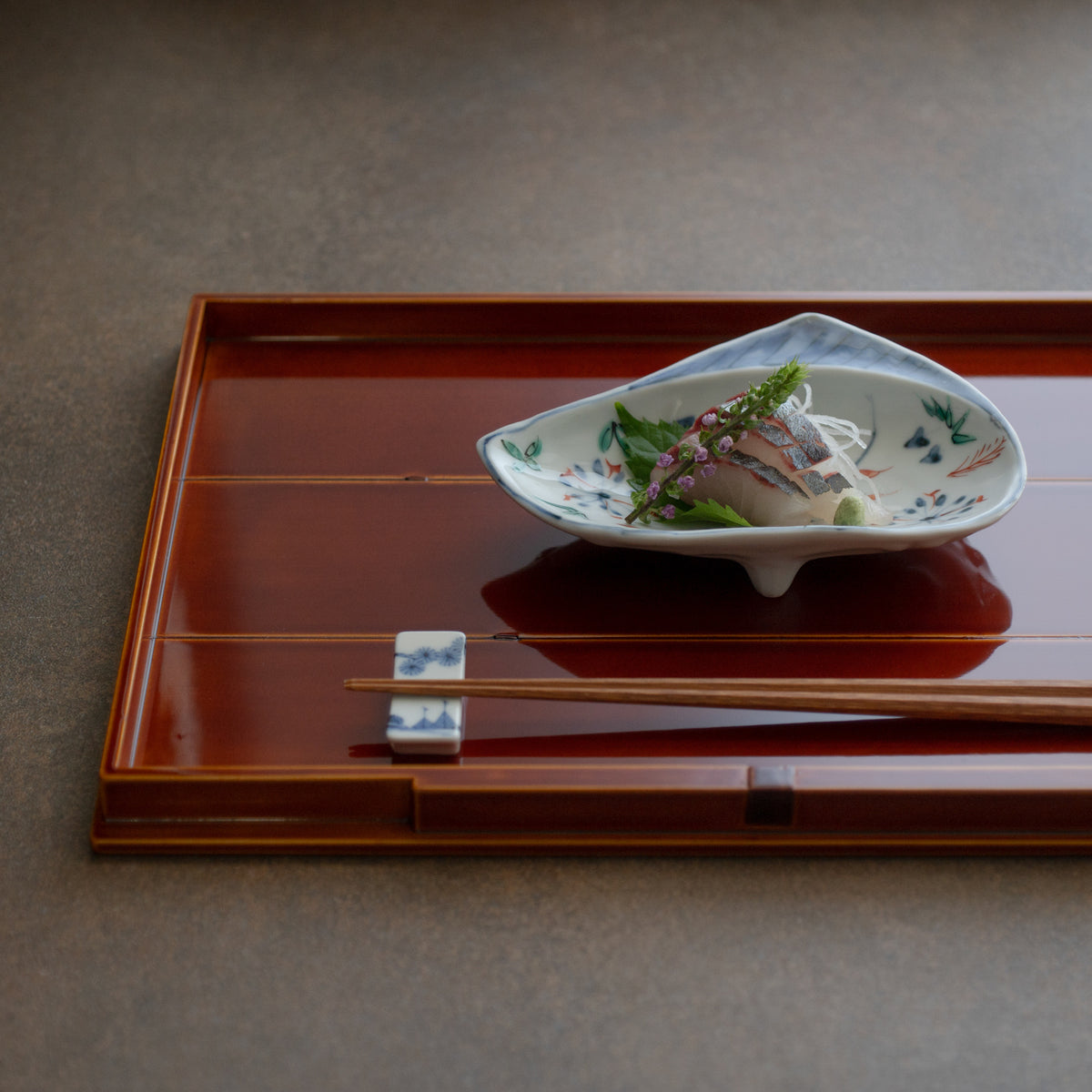
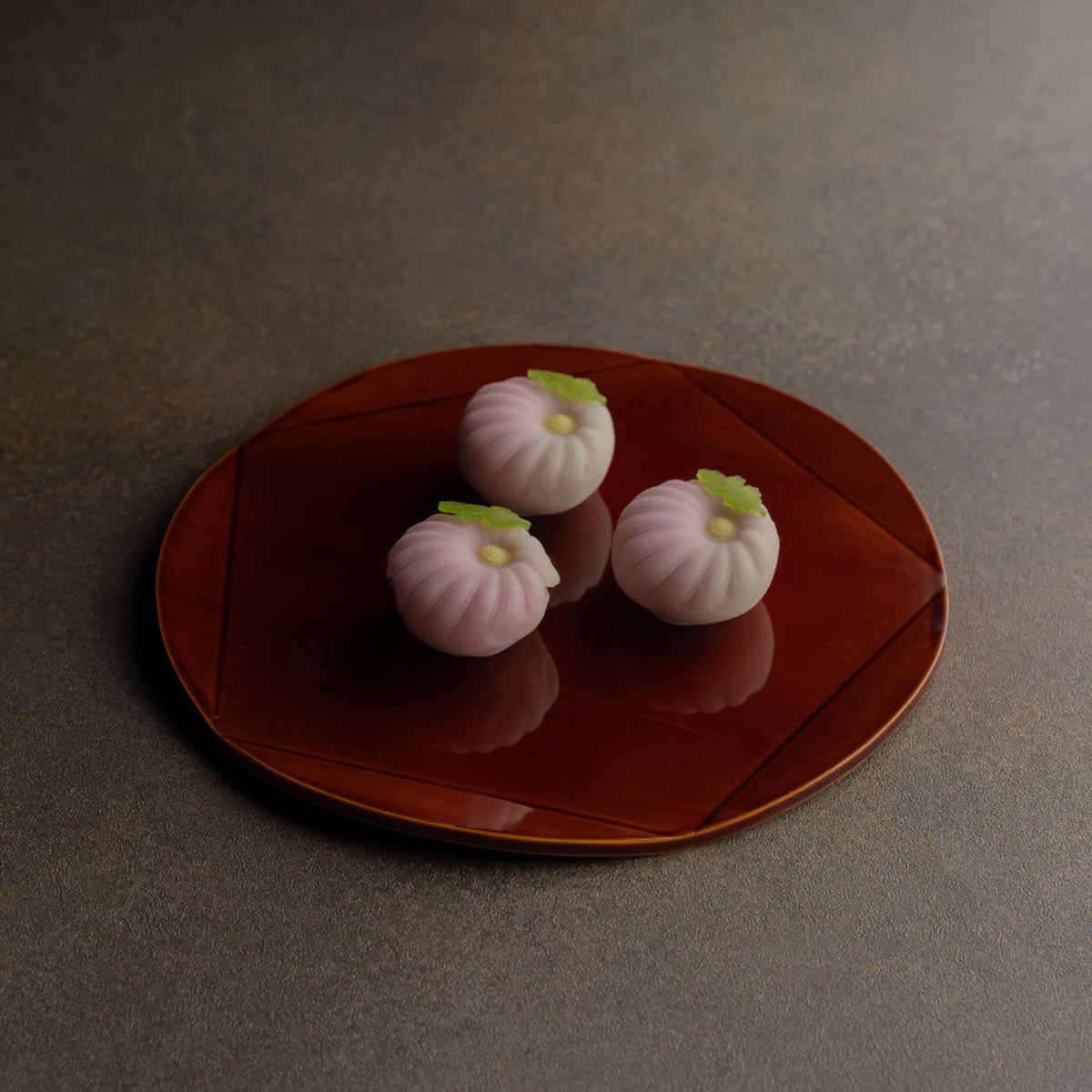
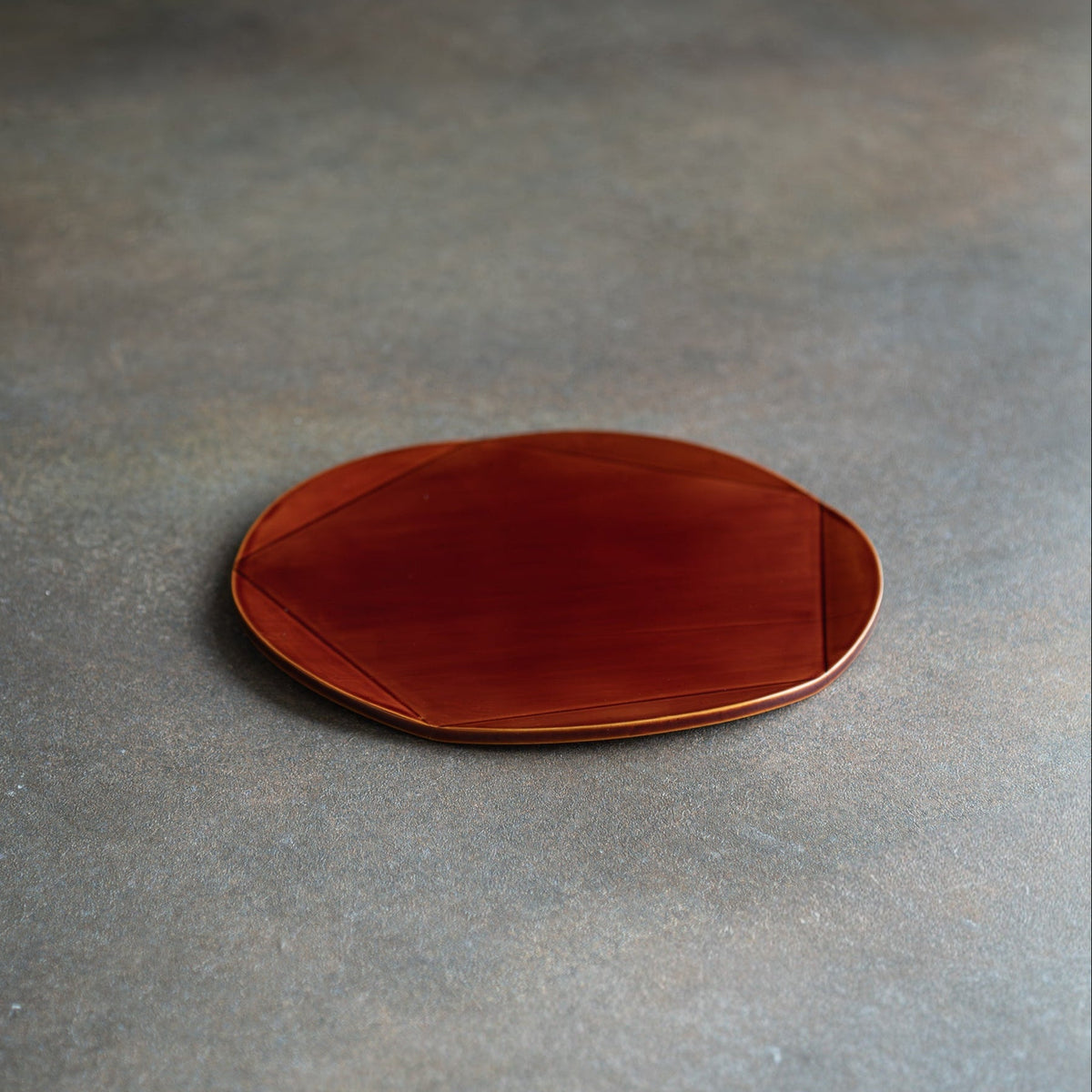
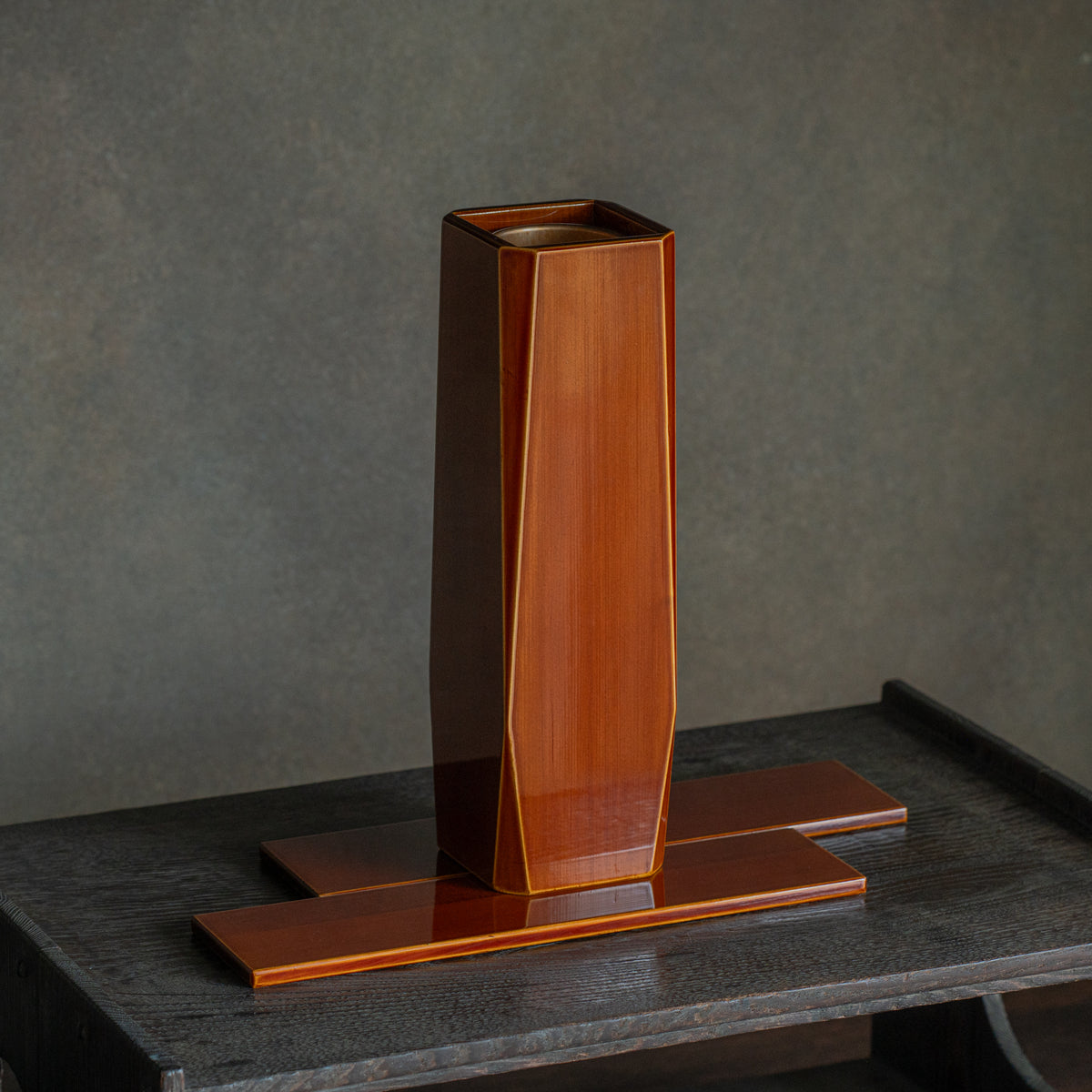
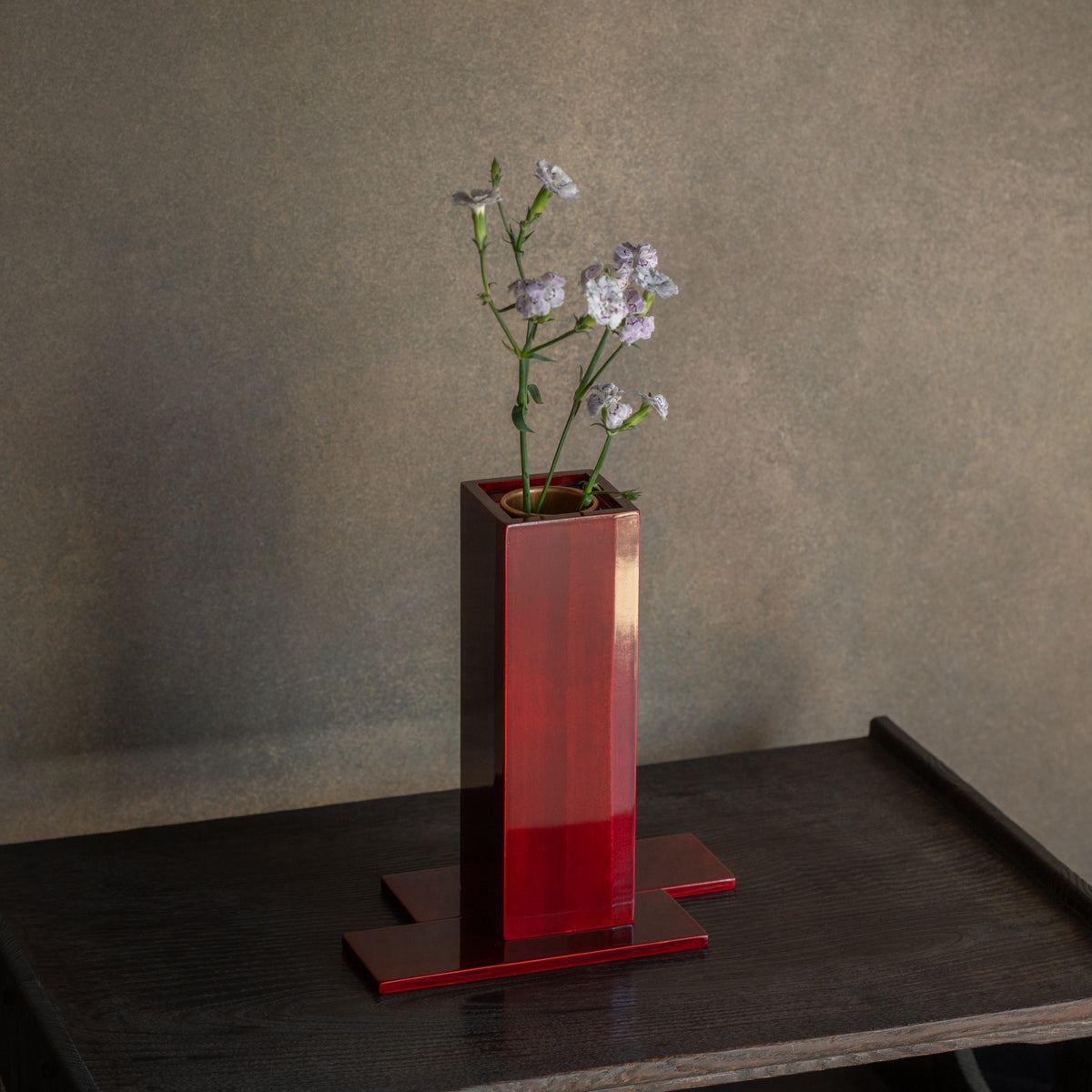
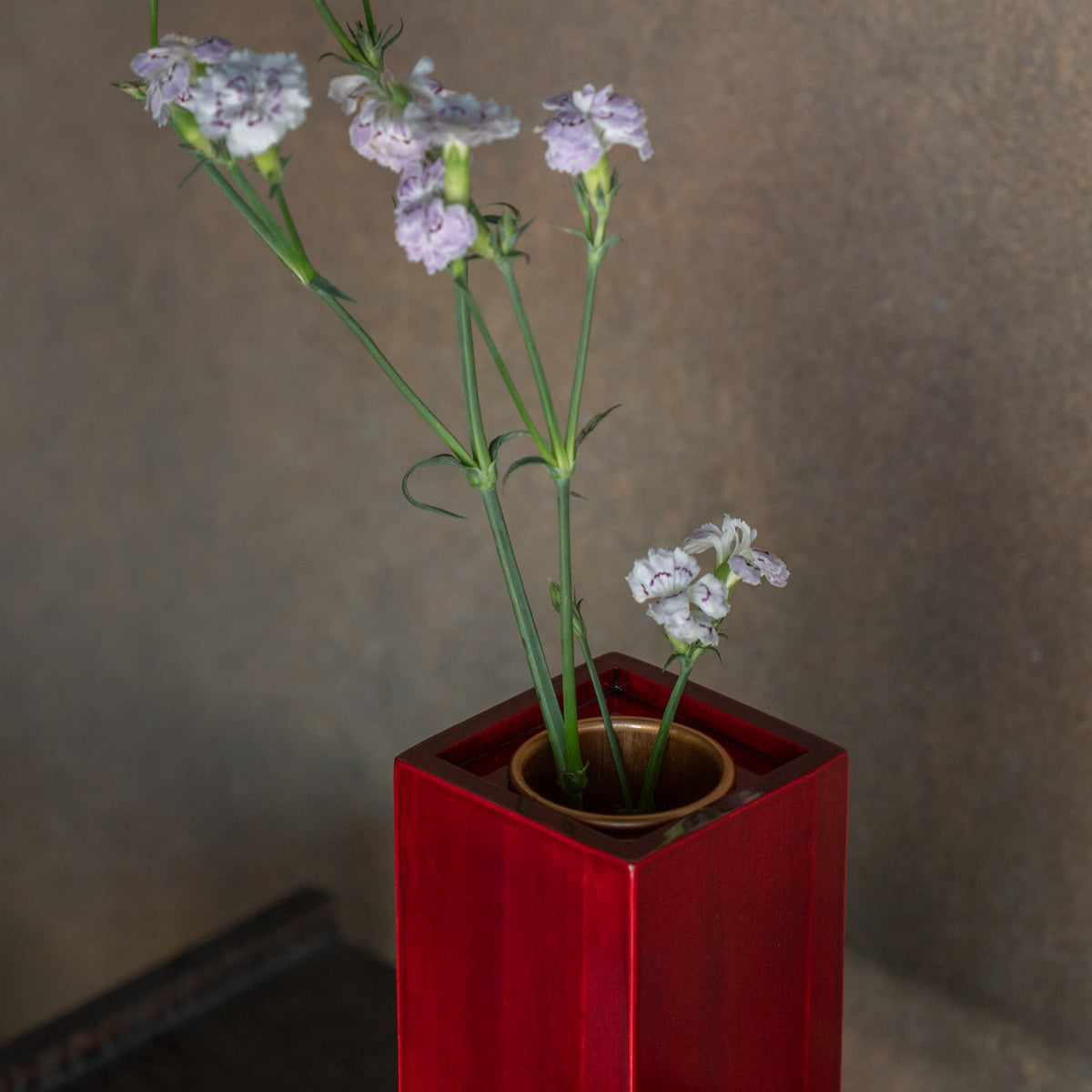
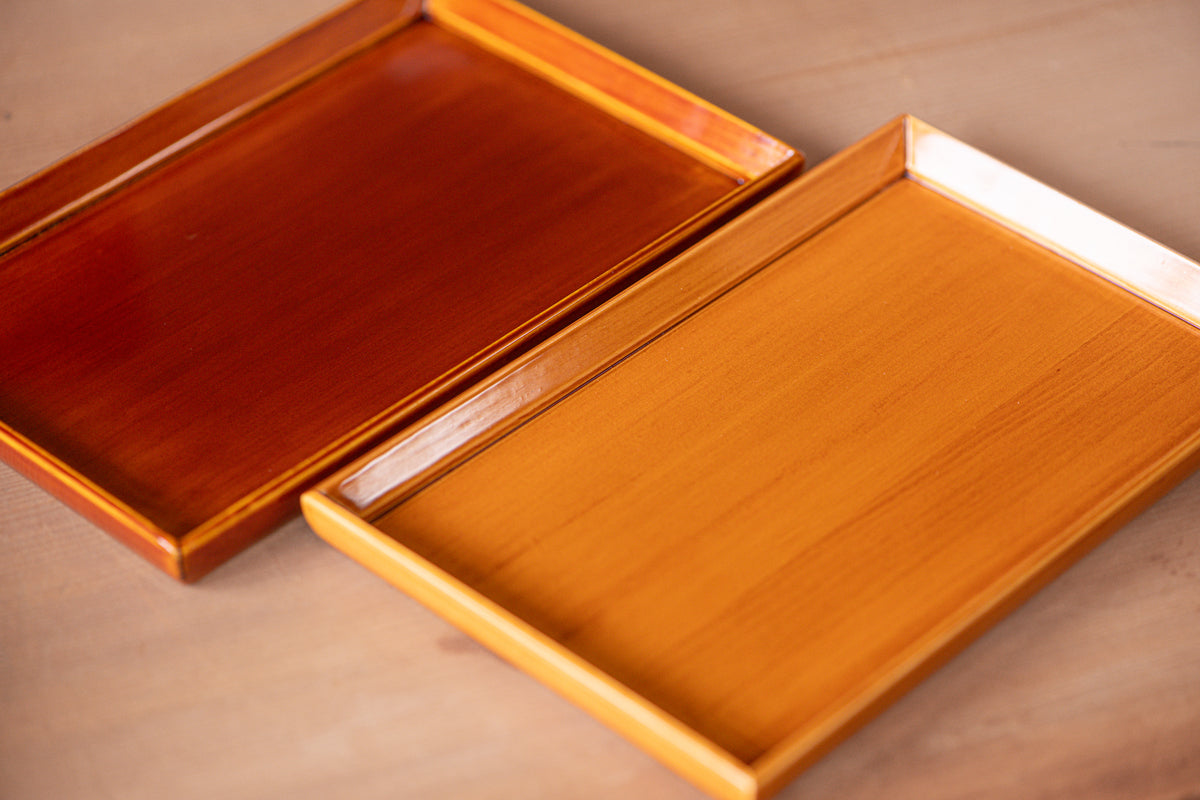
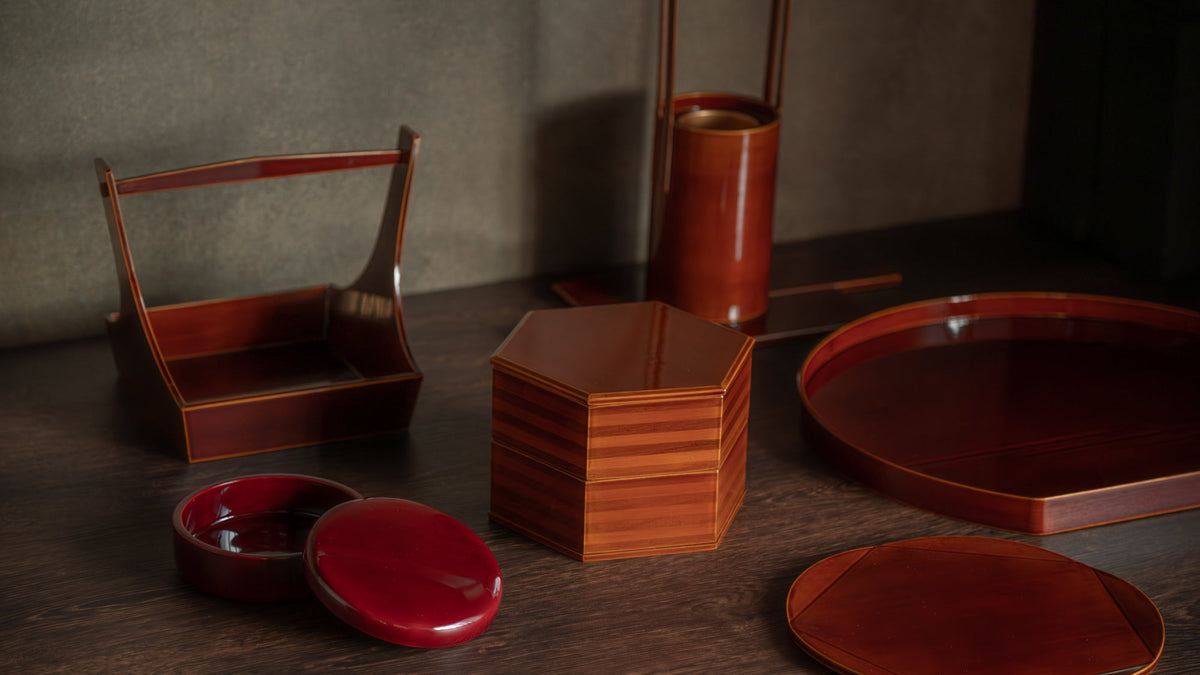
Hida Shunkei uses transparent lacquer, known as suki-urushi, that lets the grain of the wood show through. As the piece is used over time, the lacquer grows clearer, mellowing to a warm amber. Pieces are finished over either a yellow or a red base to bring out the beauty of the wood grain, and that color shines through the lacquer.
Skilled woodworkers shape each form using one of three methods: hiki-mono, made by turning wood on a lathe; ita-mono, made by joining wooden boards; and magemono, made by bending thin boards.
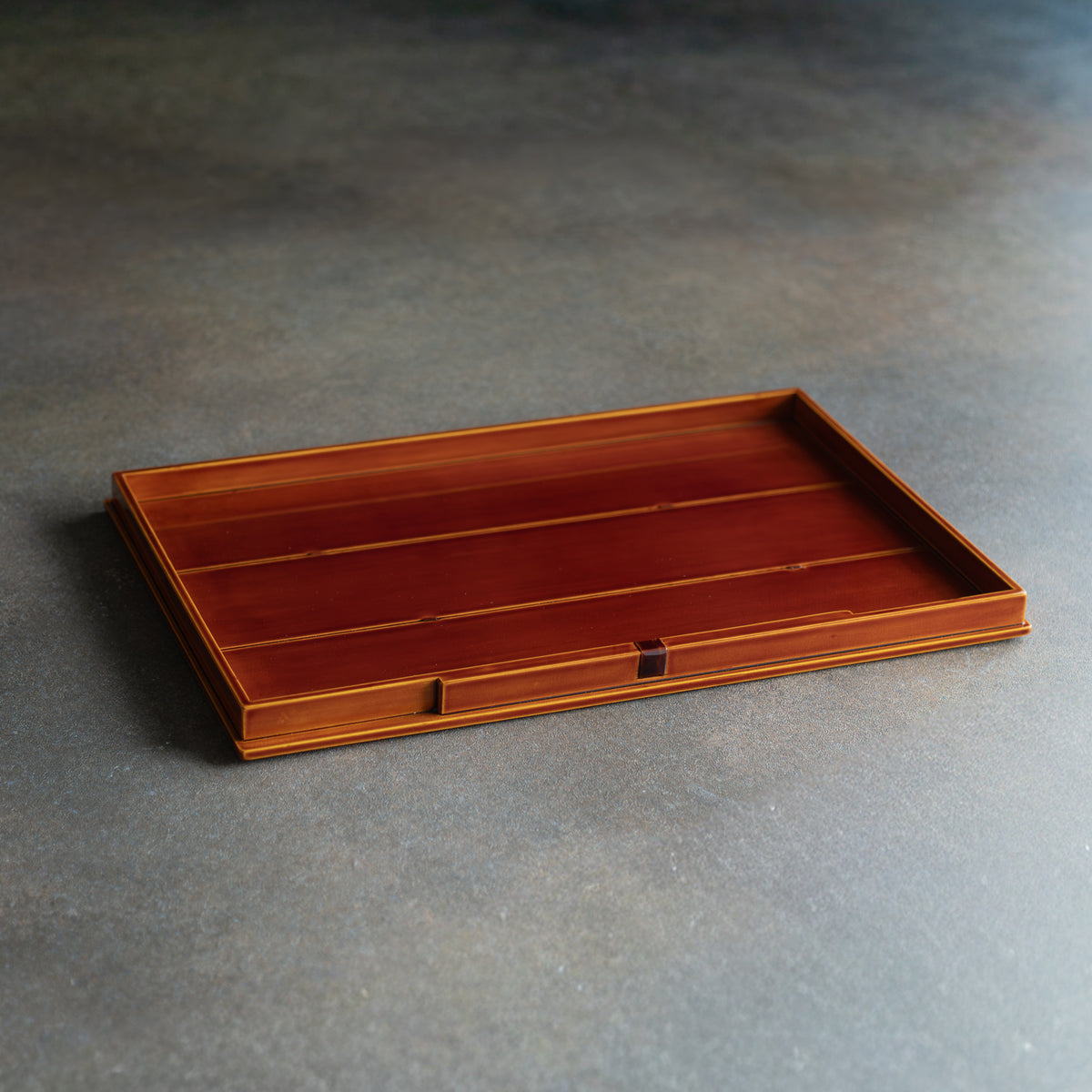
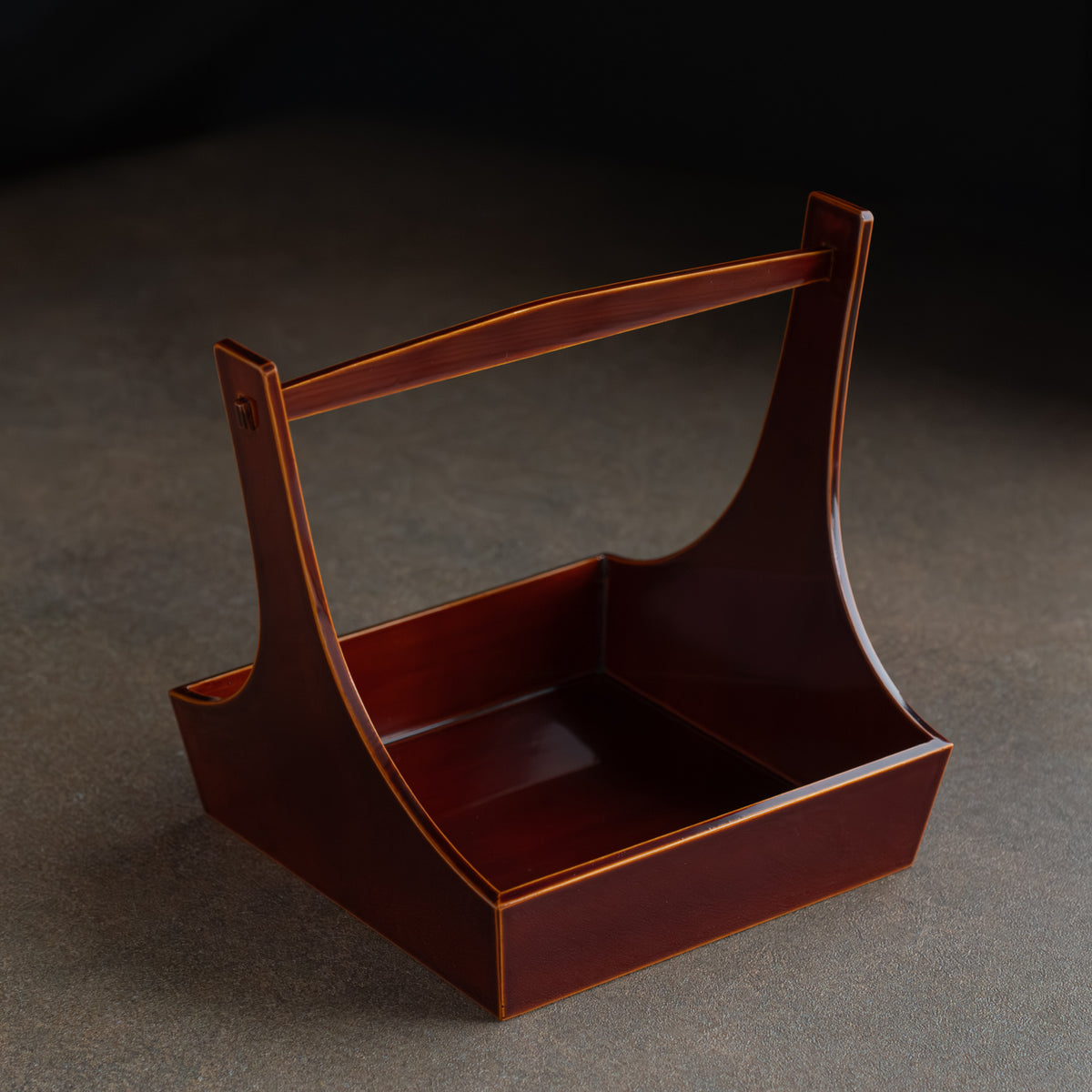
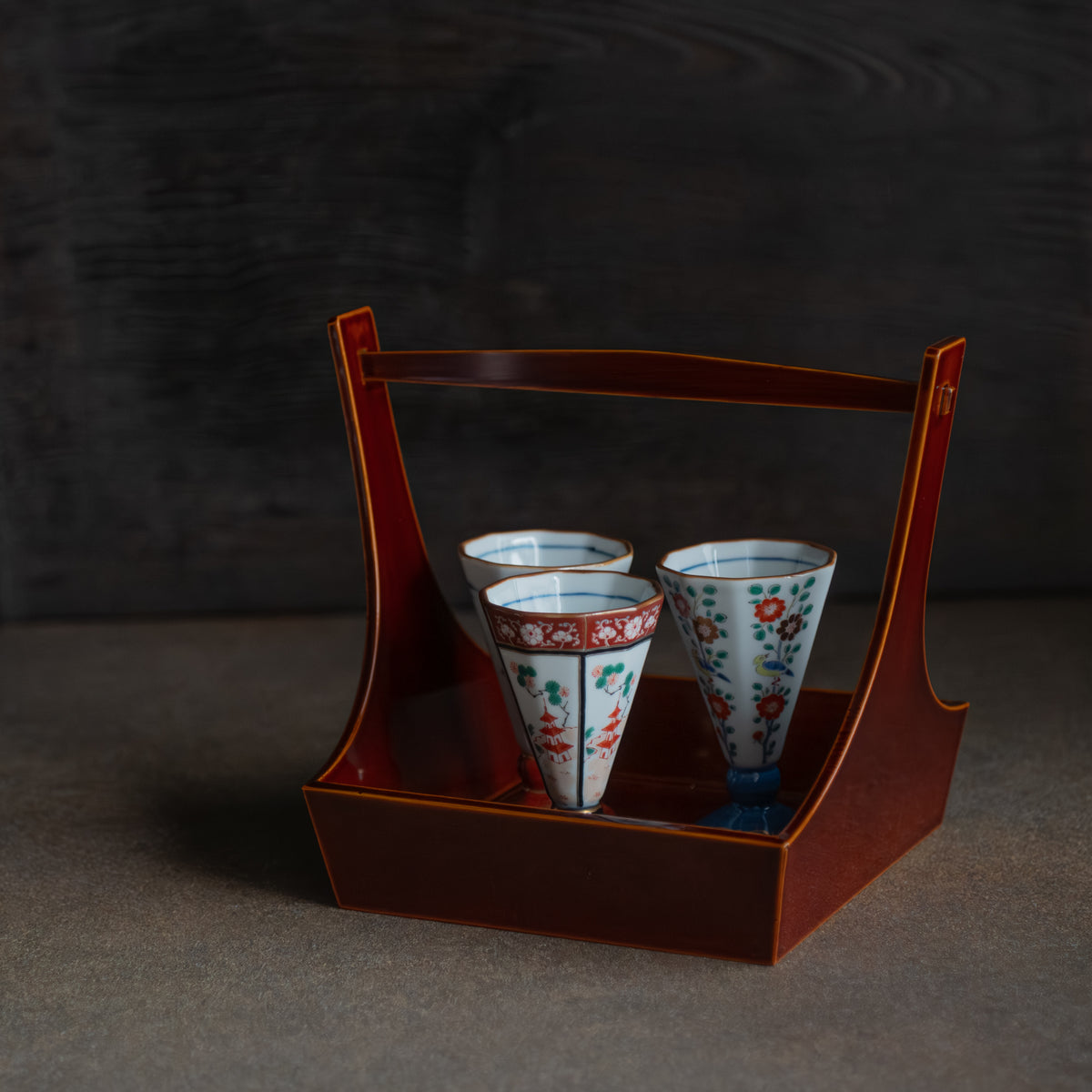
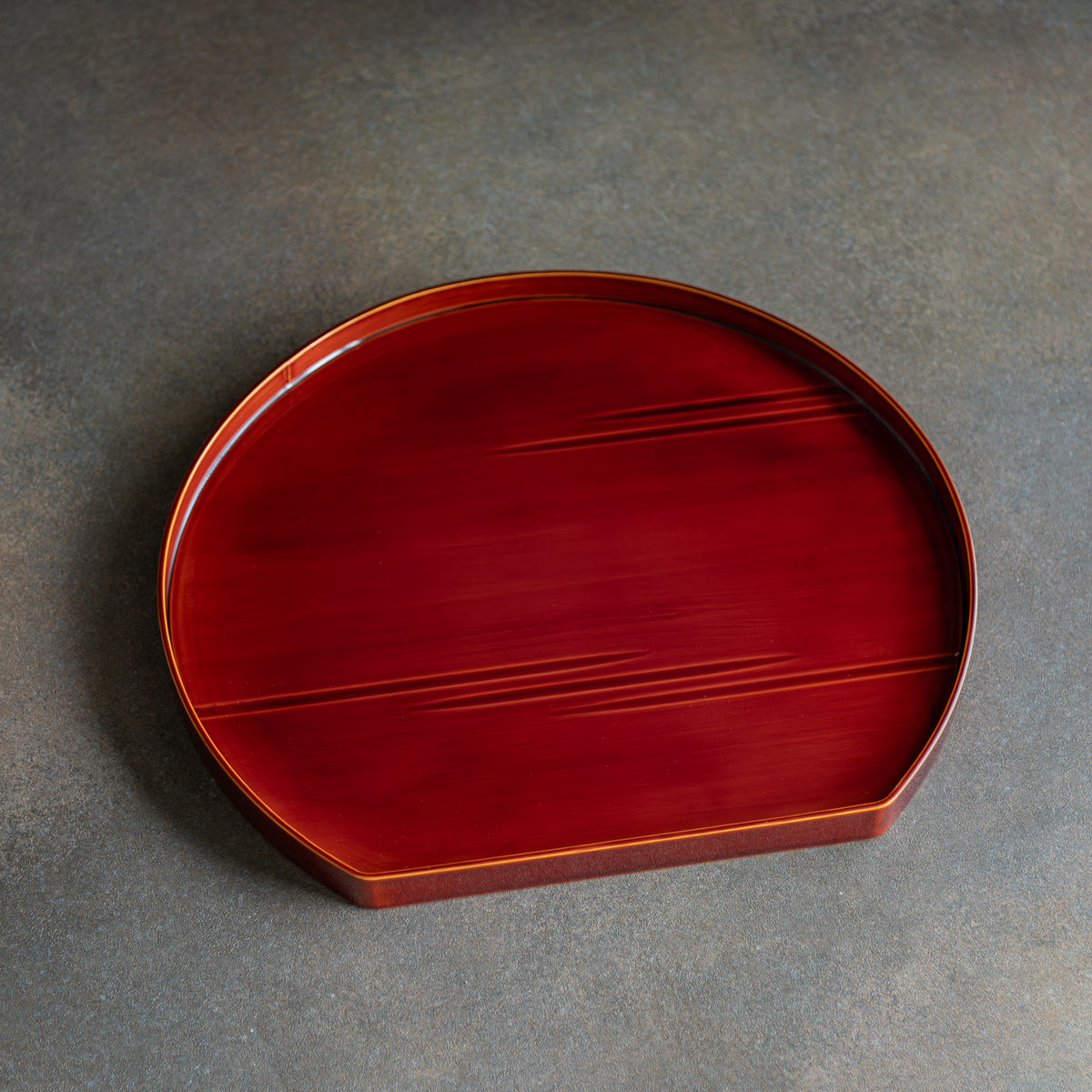
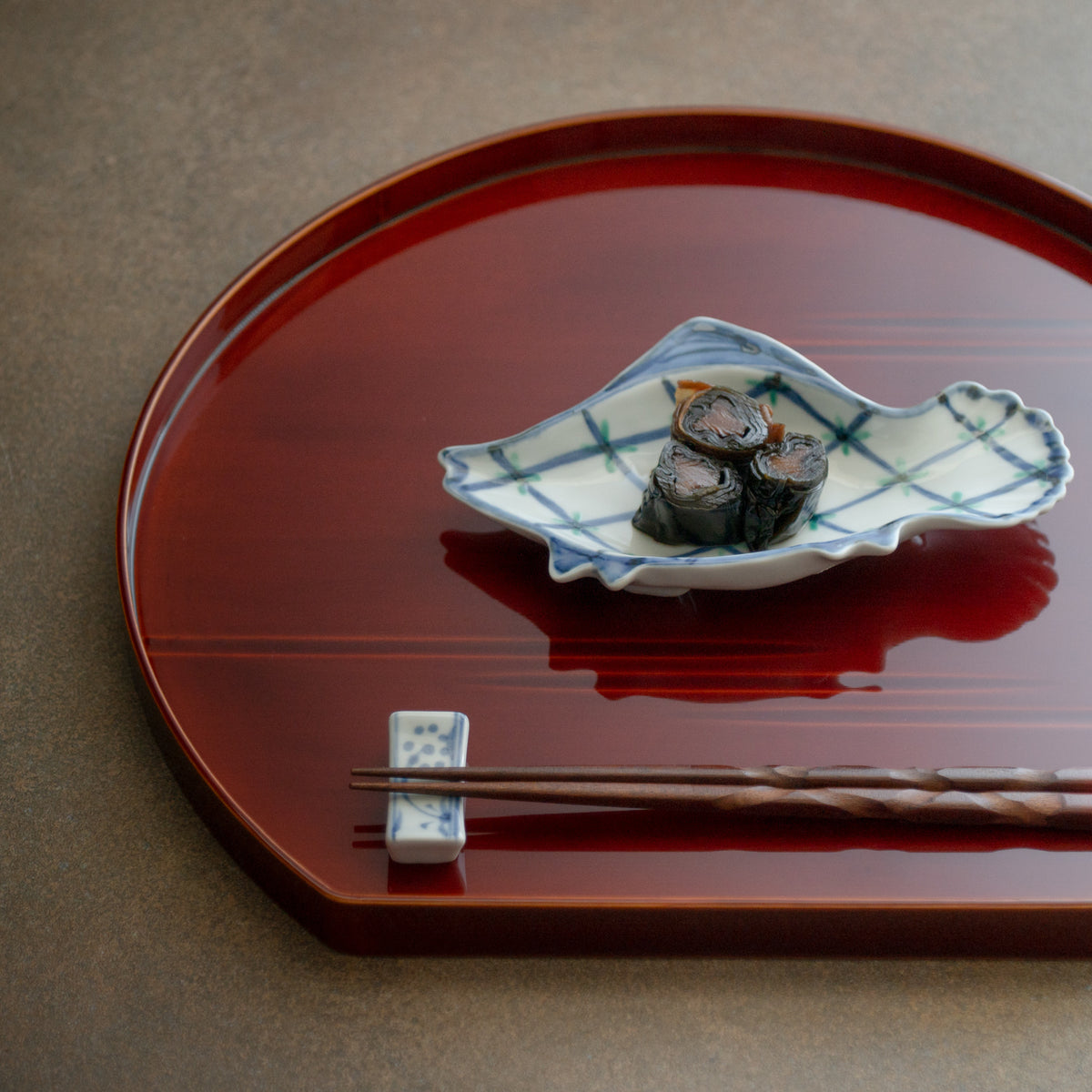
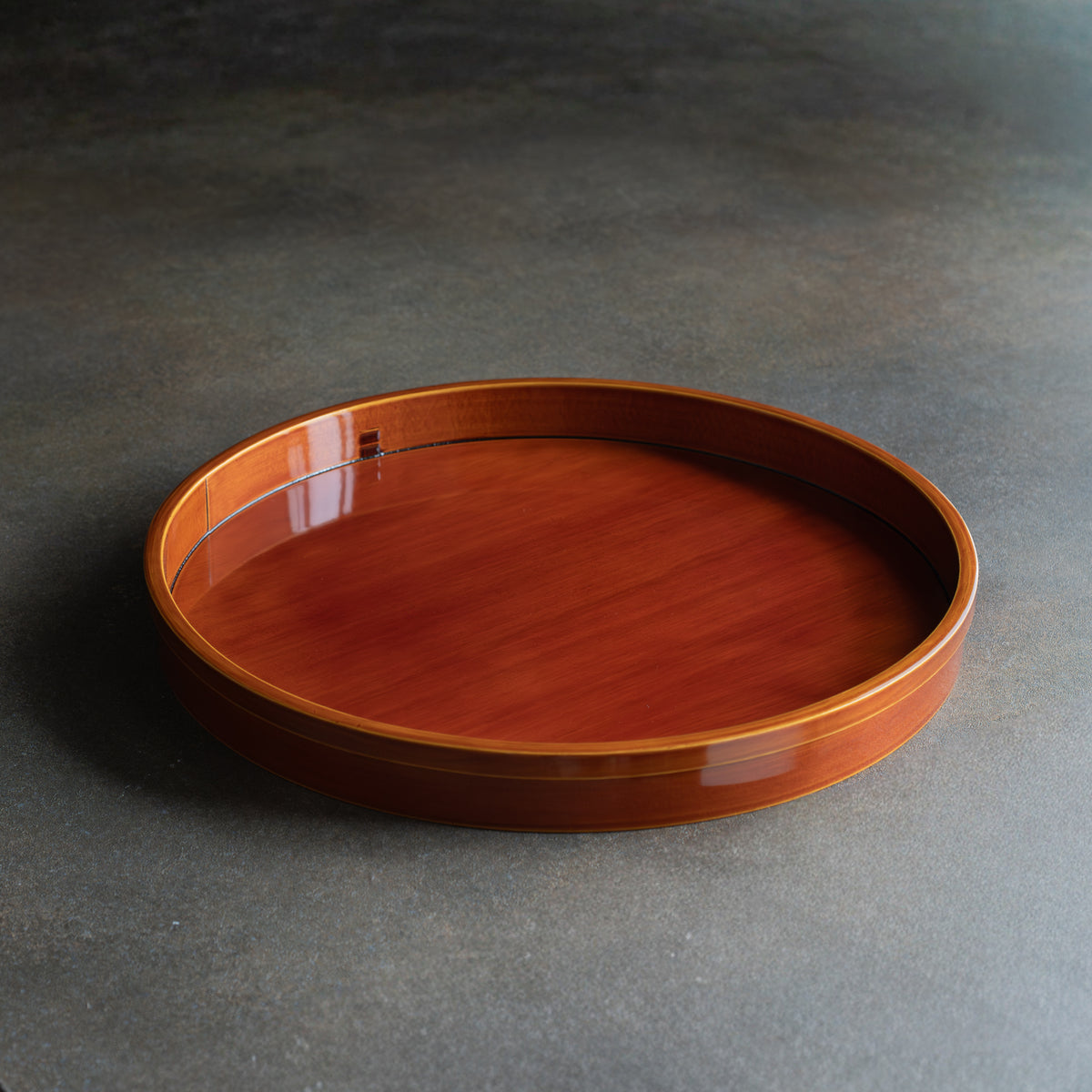
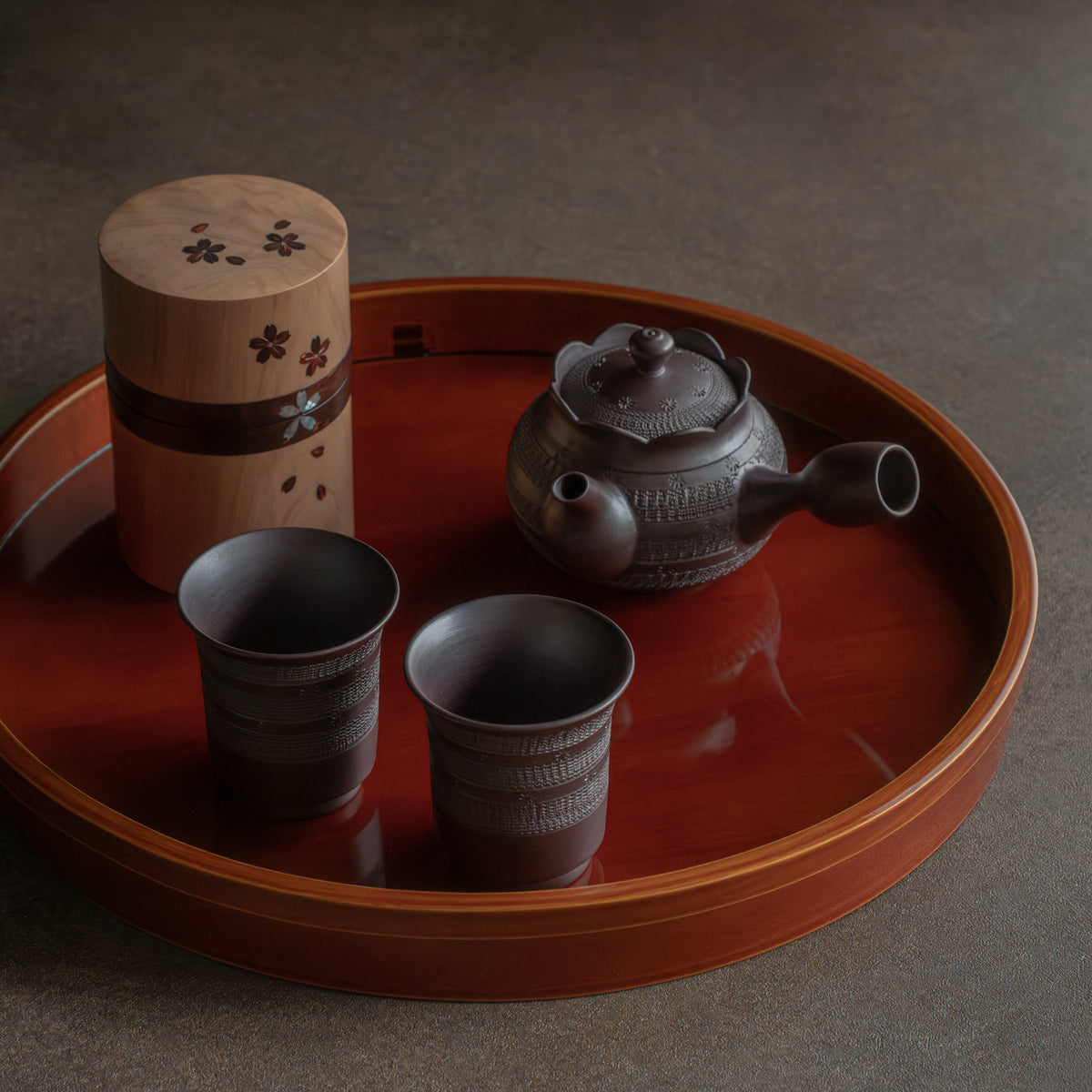
Hida Shunkei is especially associated with trays, serving platters, and other everyday pieces, valued for their light weight and the natural wood grain visible beneath the clear lacquer.
Local tradition traces Hida Shunkei back to a single tray. In the Keicho era (1596–1615 CE), Takahashi Kizaemon, a master carpenter who worked on temples and shrines in the castle town of Takayama, split a length of sawara cypress and was struck by the grain it revealed. He shaped the wood into a hamaguri-bon, a tray in the form of a clam shell.
Kizaemon presented the tray to Kanamori Shigechika, later known as the tea master Kanamori Sowa. Shigechika is said to have been fascinated by the piece and commissioned his official lacquerer, Narita Sanemon, to finish it with clear lacquer. Its color was thought to resemble that of a celebrated tea container known as Hi-Shunkei, giving the lacquerware its name, Shunkei. The tray was later presented to the shogun's household.
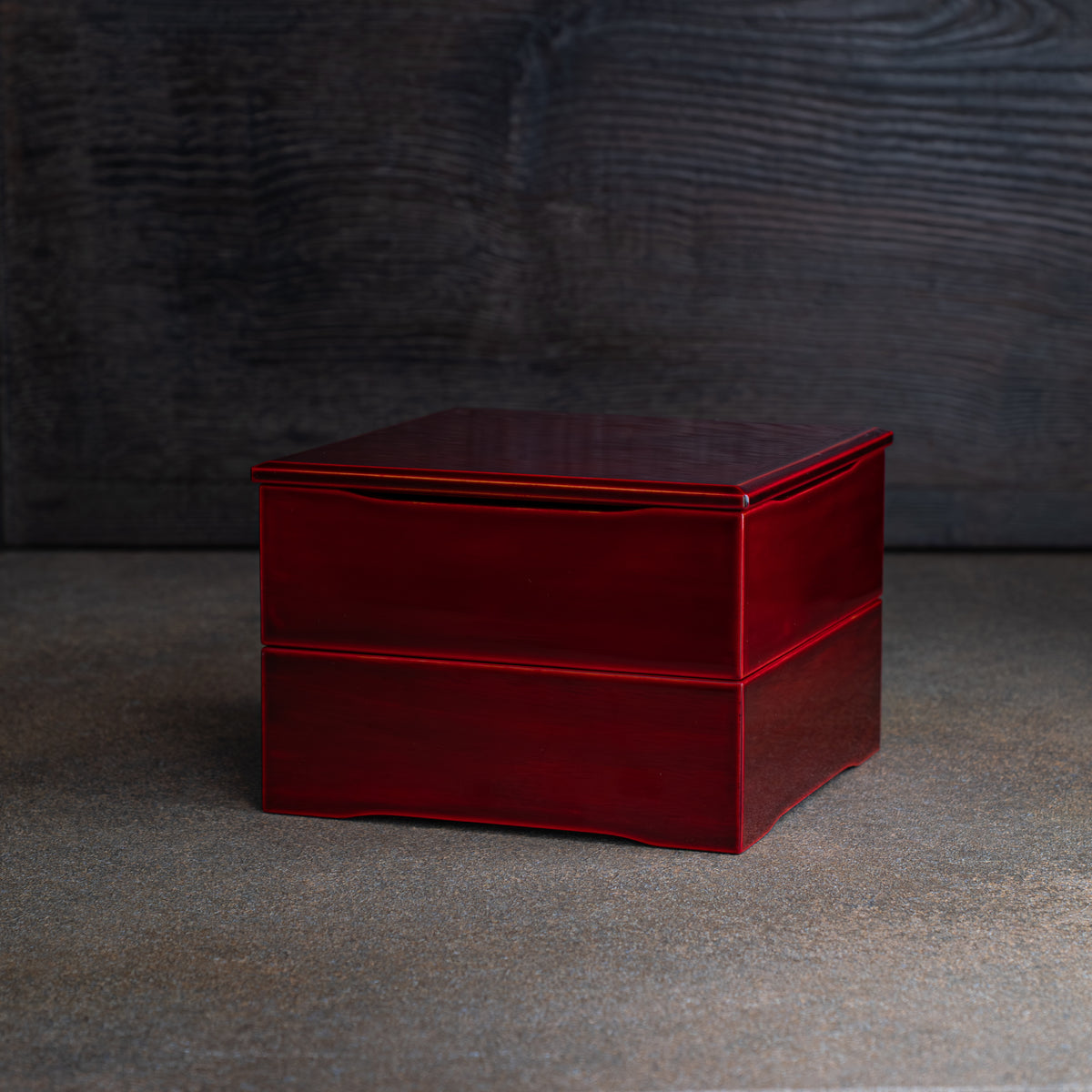
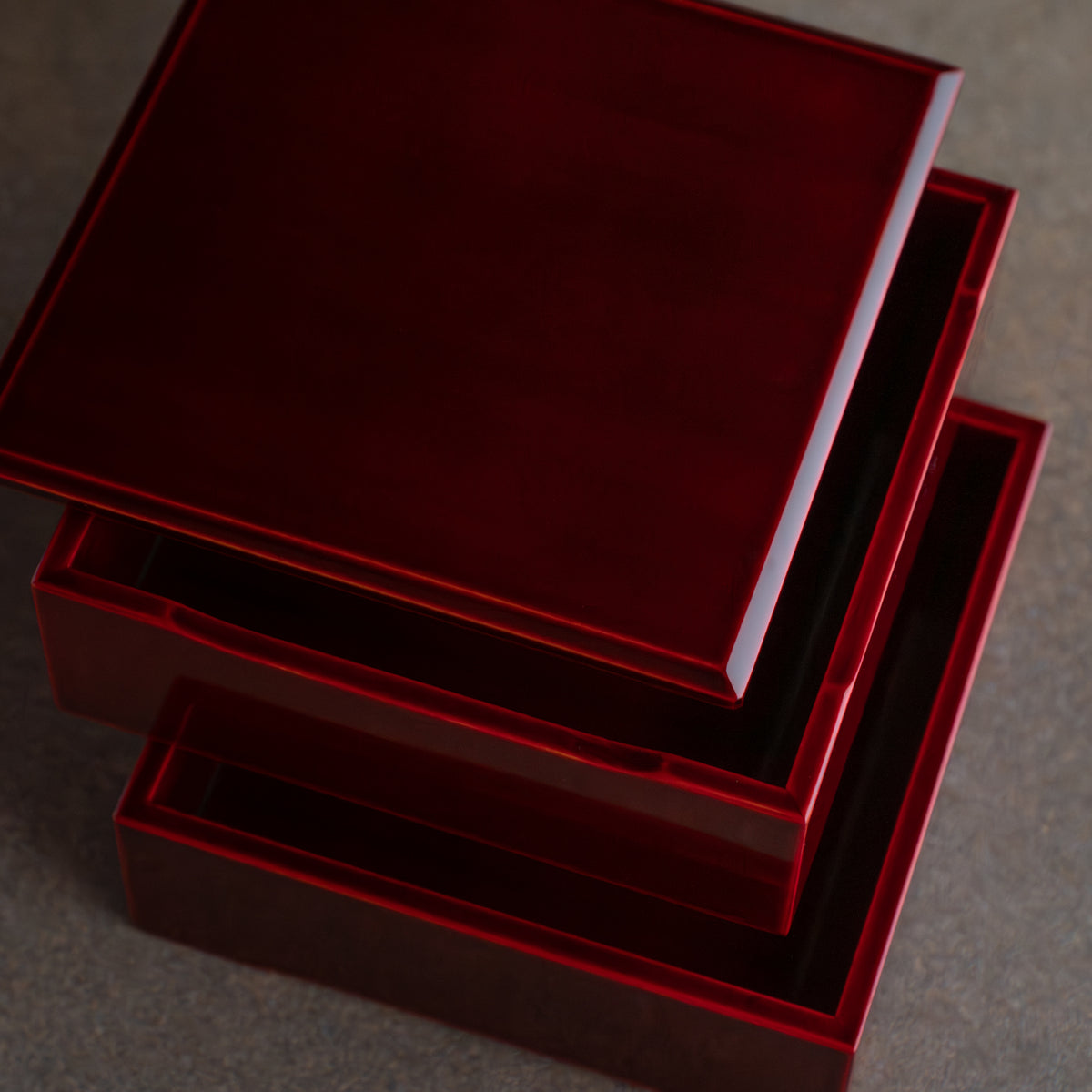
Initially used mainly for tea ceremony utensils, Hida Shunkei gradually expanded to include jubako bento boxes, trays, and other household items made by joining wooden boards during the late Edo and Meiji periods. By the early twentieth century, craftspeople were also creating curved and circular forms alongside the traditional angular shapes.
Selecting and Preparing the Wood
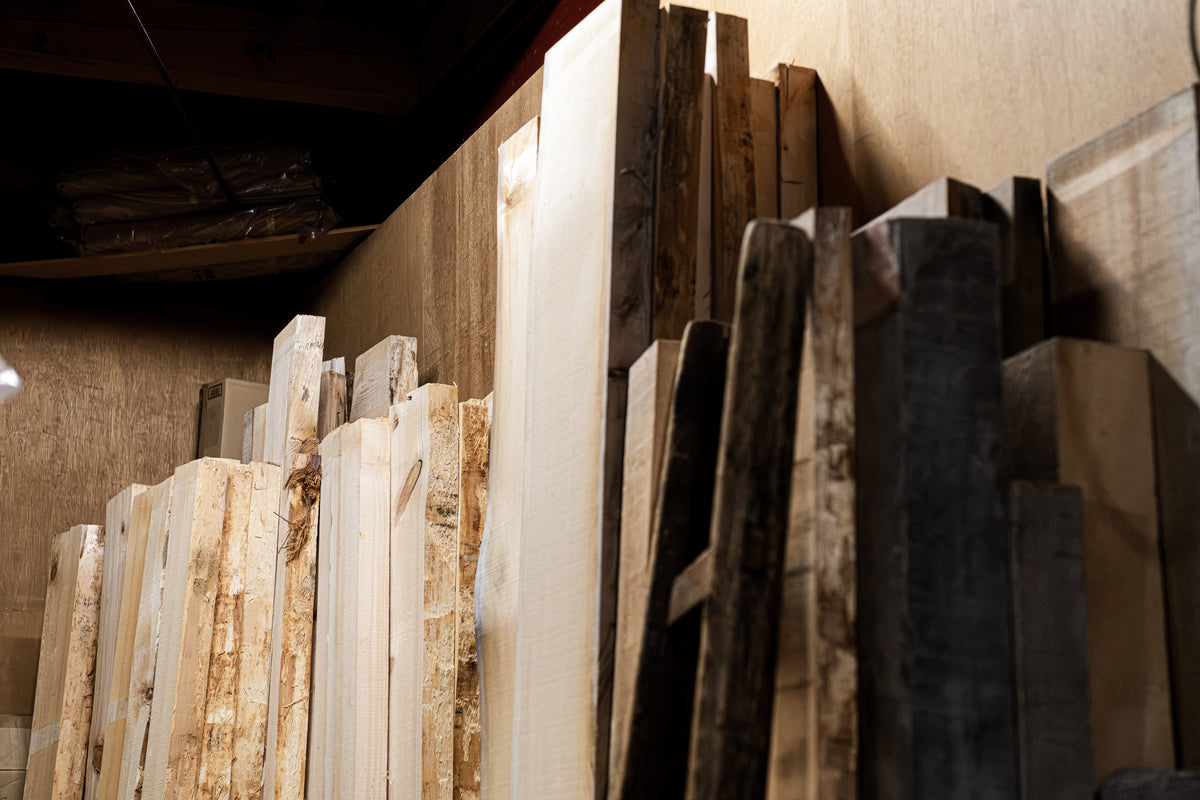
Hida Shunkei is made from woods including hinoki and sawara cypress, as well as Japanese horse chestnut. The timber is naturally dried for five to six years, then sawn into boards and dried further.
Shaping the Wood
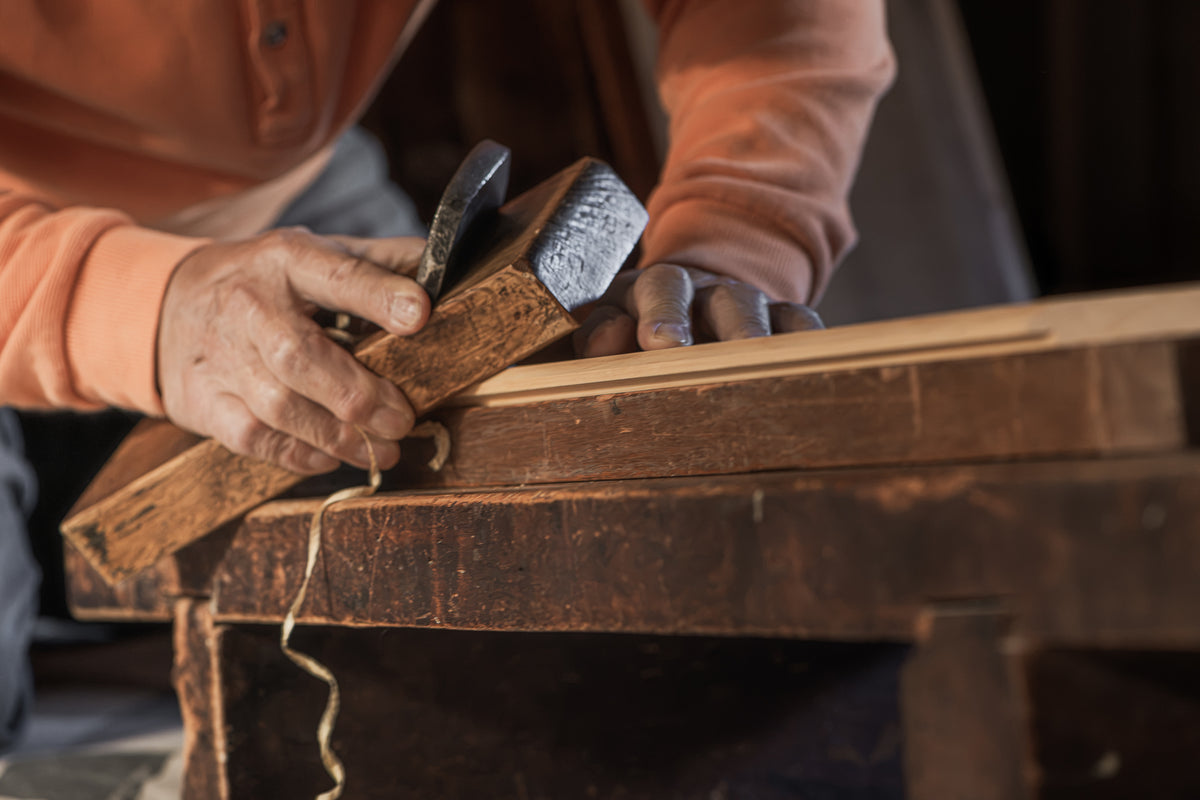
Because the finished lacquer remains transparent, every flaw in the wooden base shows, so the woodwork must be precise. The dried wood is cut to the shape of each piece, and woodworkers use different techniques depending on the form.
For ita-mono, such as jubako bento boxes and trays, the cut boards are dried until they no longer warp. The surfaces are then smoothed with a plane, or decorated with patterns using a fine-bladed plane.
Magemono are produced from thinly processed boards that are soaked in hot water to soften them, then bent around a wooden roller called a koro, joined with nikawa (natural animal glue) and reinforced with strips of mountain cherry bark.
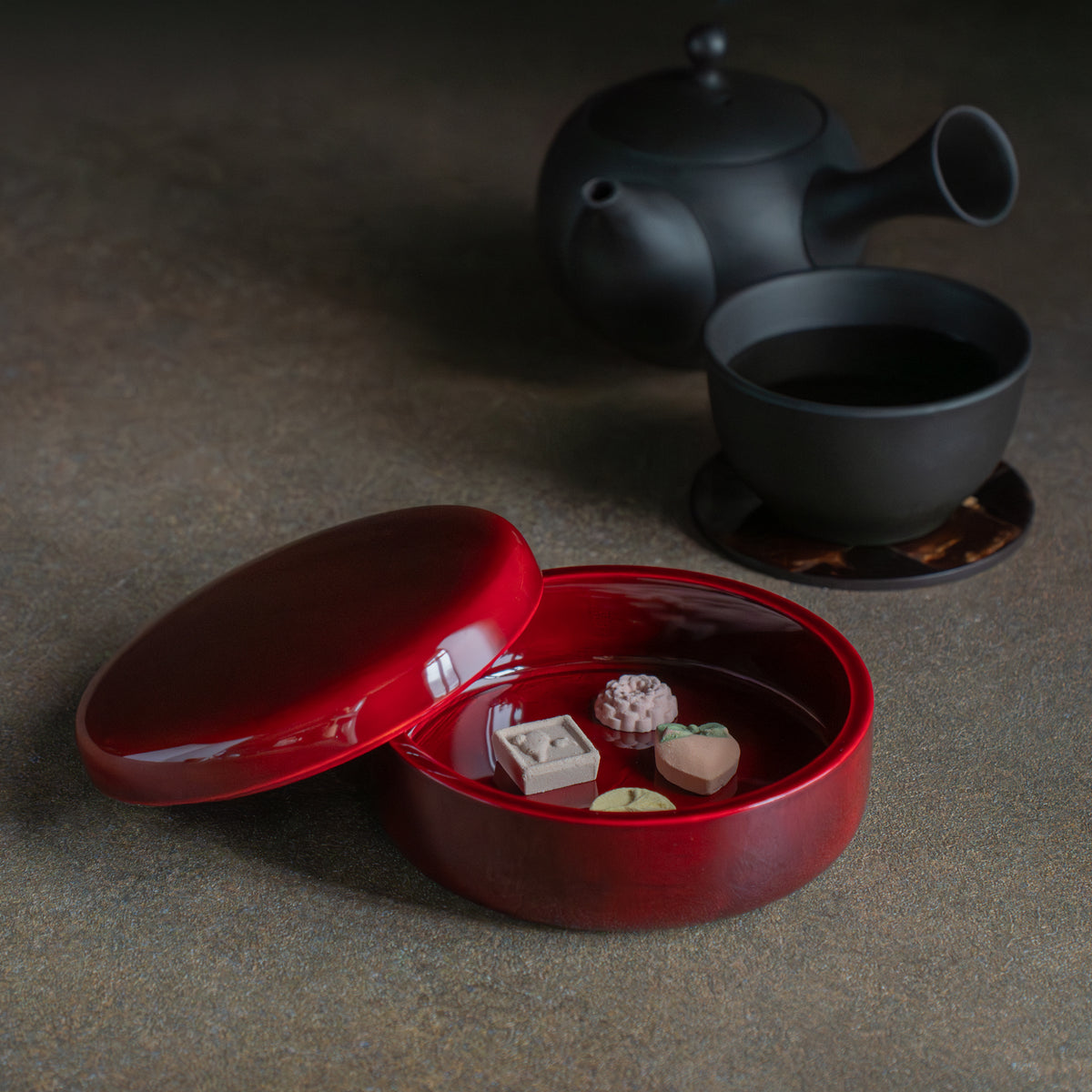
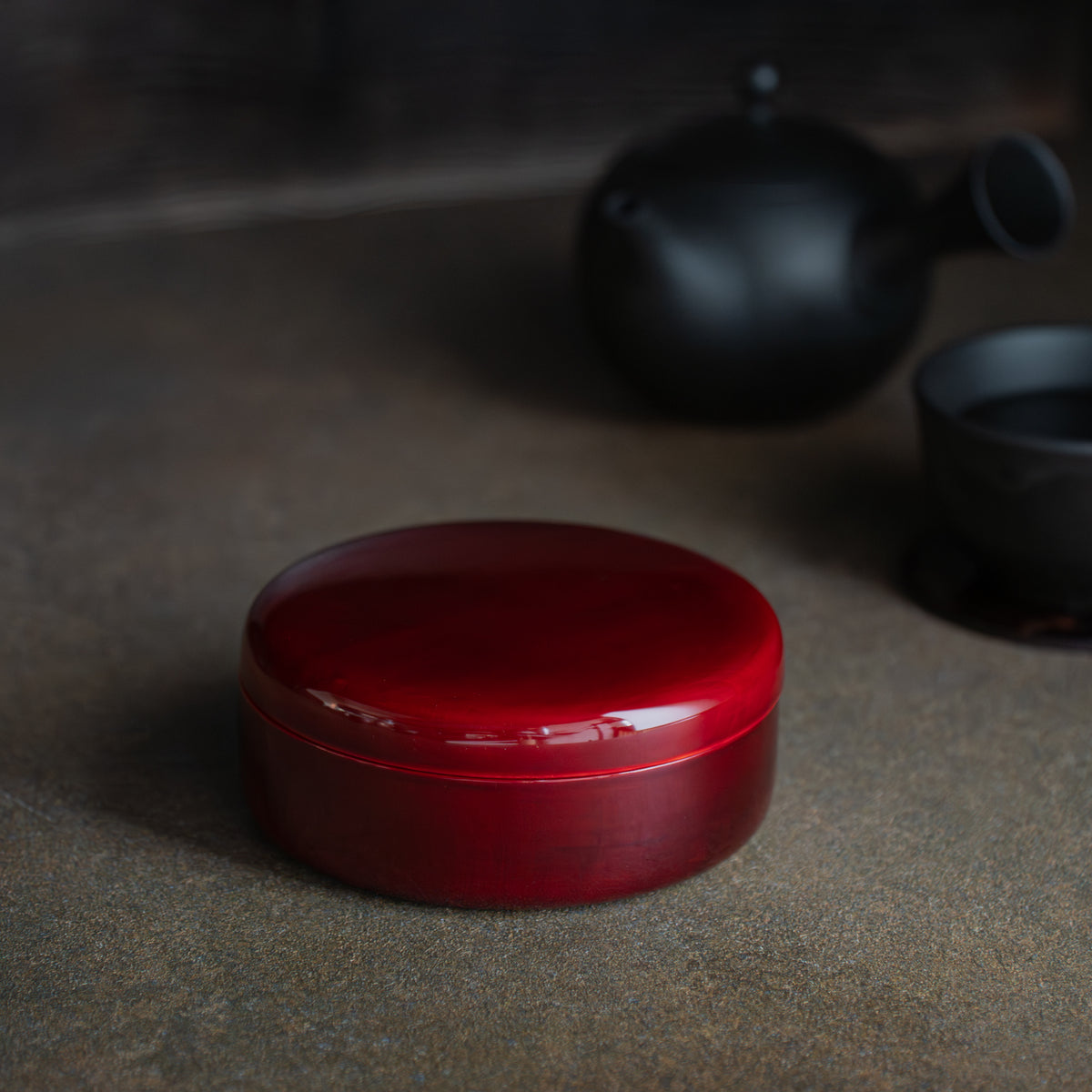
Lastly, for hiki-mono, a block of wood is mounted on a lathe and rotated while a blade is used to shave and hollow it into shape. This method is used to make round forms such as trays, candy boxes, and teacup saucers.
Sealing the Wood Pores
Once the wooden base is complete, it is passed to a lacquer artisan. The surface is first carefully smoothed, then treated with a fine clay powder mixed with water. The mixture is applied and wiped away with a cloth, helping the dye take evenly and preventing an uneven lacquer finish.
Coloring and Base Coating
The prepared wood is given a yellow or red base using natural dyes. Several layers of gojiru, a liquid pressed from soaked and ground soybeans, and casein, a protein, are then used to create a thin film that prevents the lacquer from soaking too quickly into the wood.
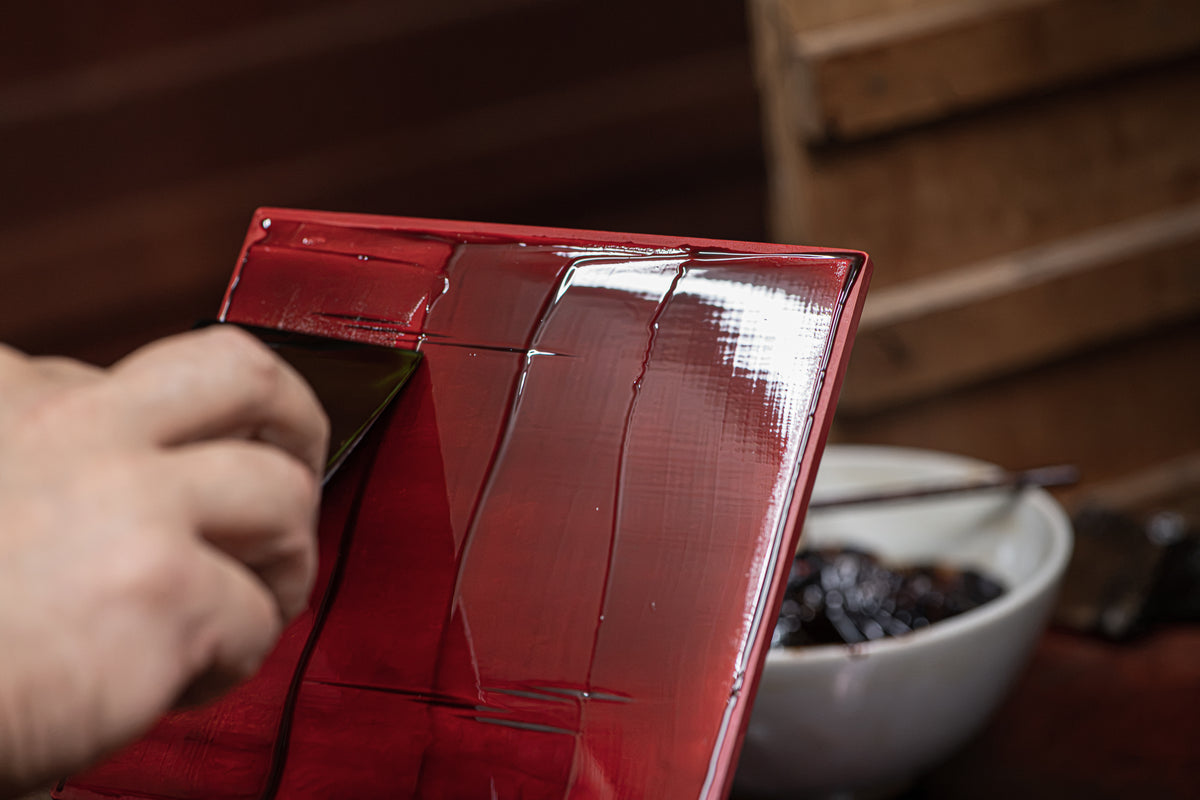
The surface is sanded before lacquering begins. A mixture of raw lacquer and perilla oil is rubbed into the wood, then wiped off with a cloth so that the lacquer soaks in. From the second application onward, suki-urushi is applied and wiped off. Repeated several times, the process leaves the lacquer harder and more transparent with each coat, gradually deepening the finish and changing how the grain appears.
The Final Lacquer
The piece is completed with a final coat of suki-urushi. Because even a speck of dust can affect the result, this stage requires particular care. Each artisan refines the top-coat lacquer by their own closely guarded method.
Lacquer cures only within certain ranges of temperature and humidity, so the lacquer and the finishing process are adjusted to the season and the day's conditions.
Drying
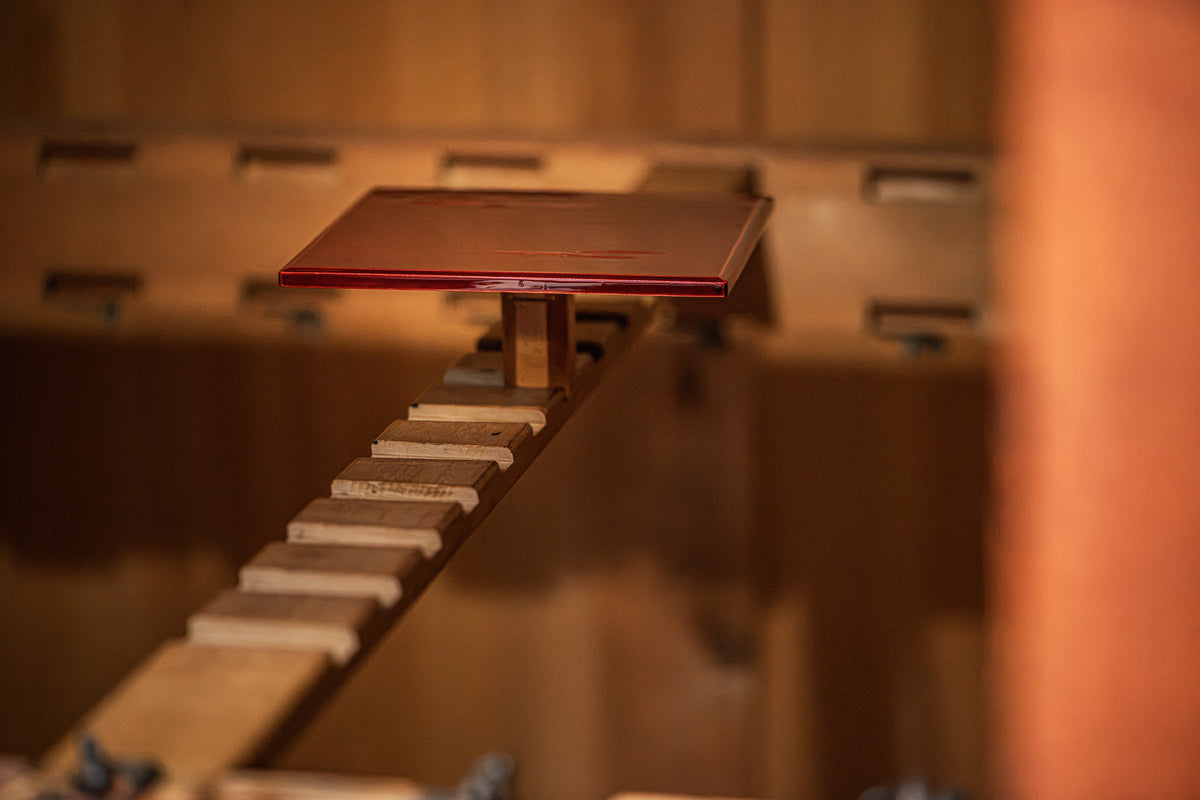
The finished pieces are placed in a furo, a cabinet-like drying room where temperature and humidity are carefully controlled. Here, the lacquer gradually hardens, completing the process.
Origin & Other Makers
Filters