
Micro Calligraphy Connecting Across Time
Tamura Seito
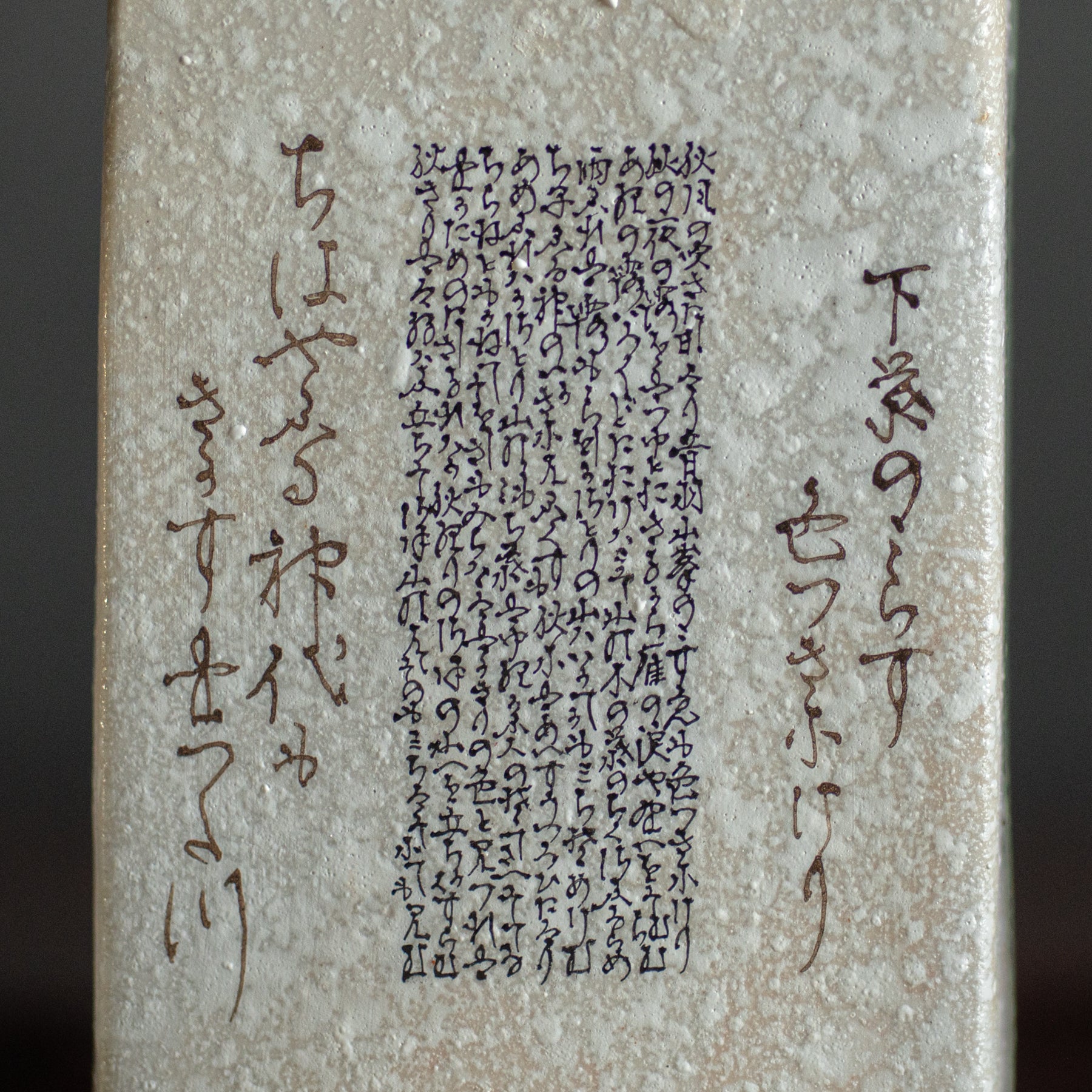
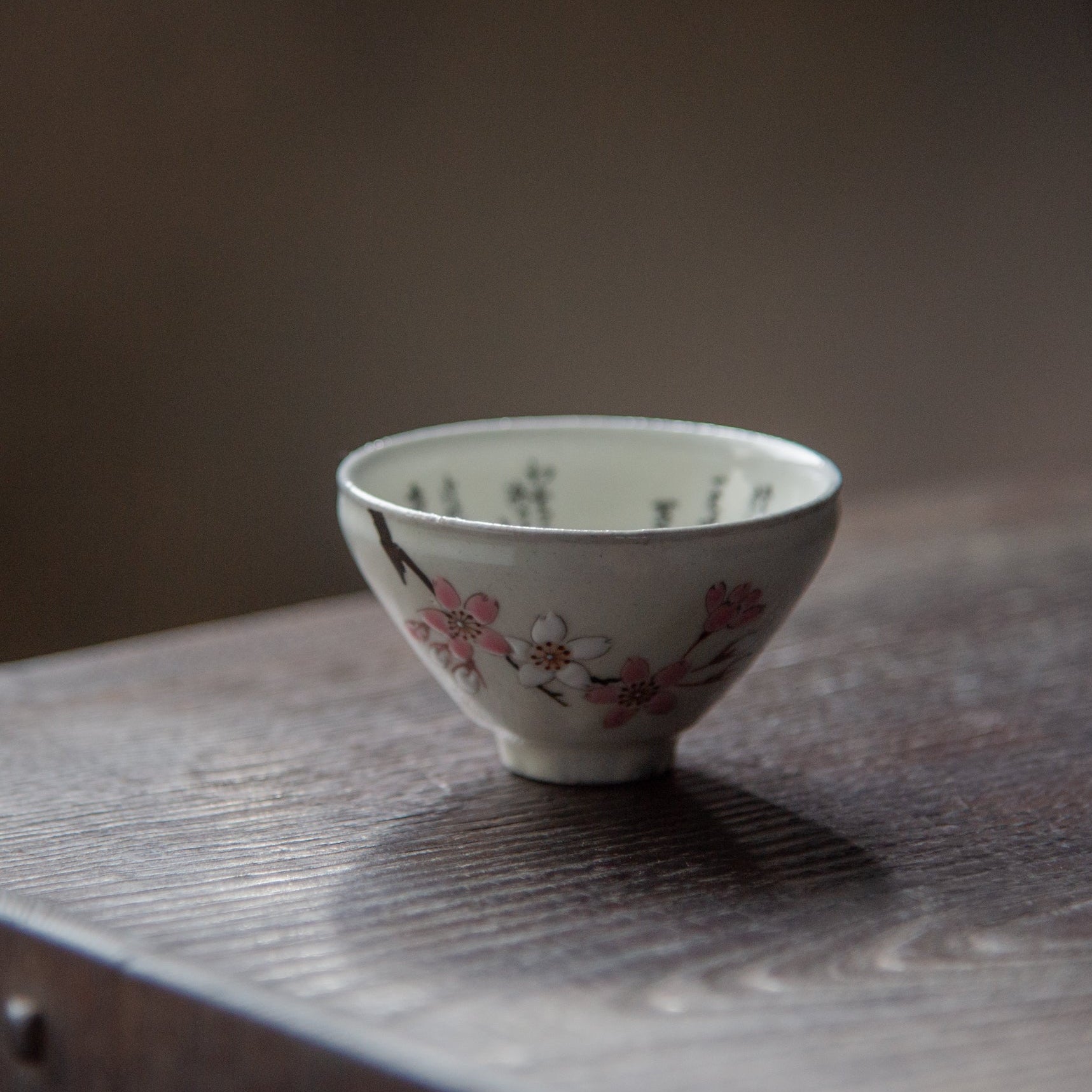
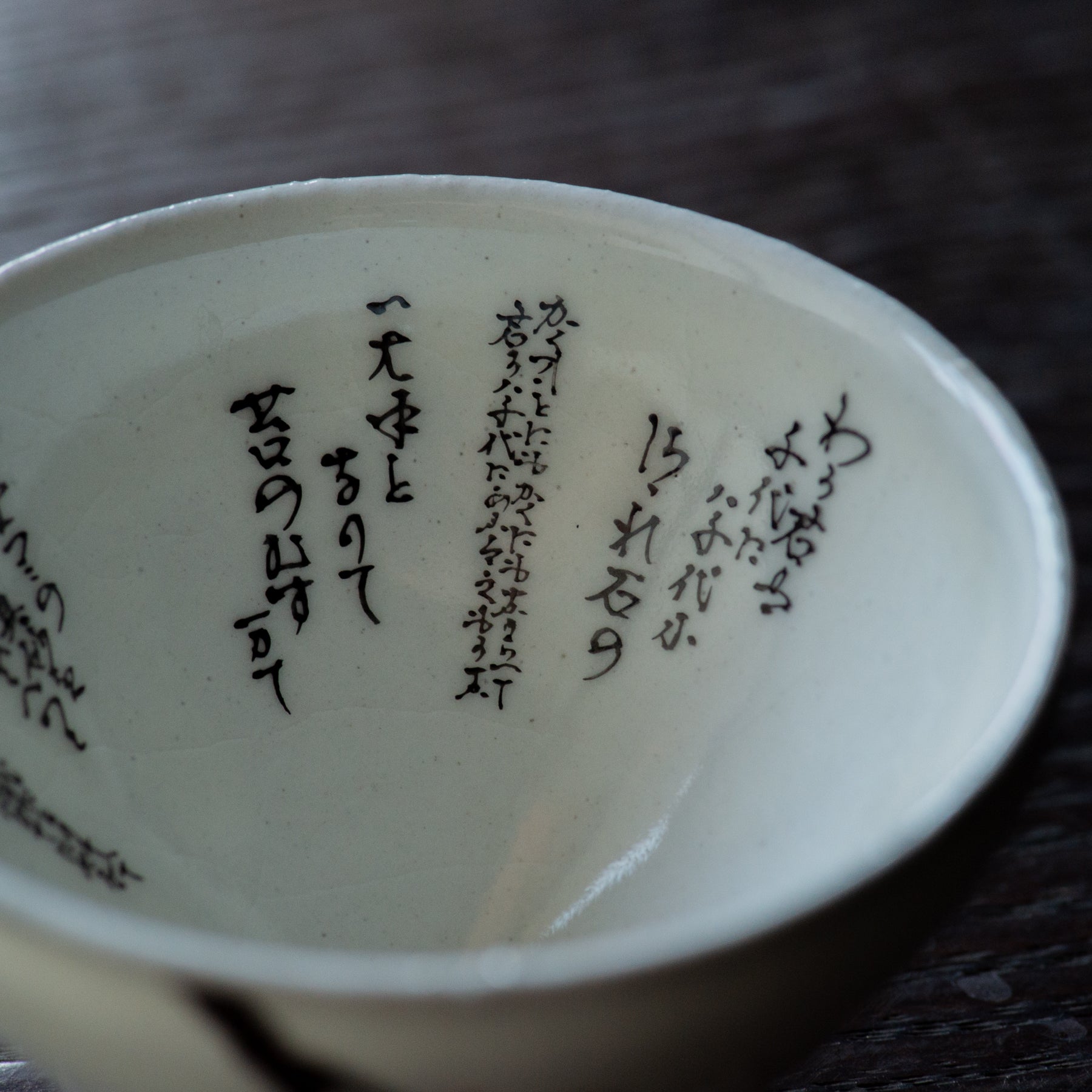
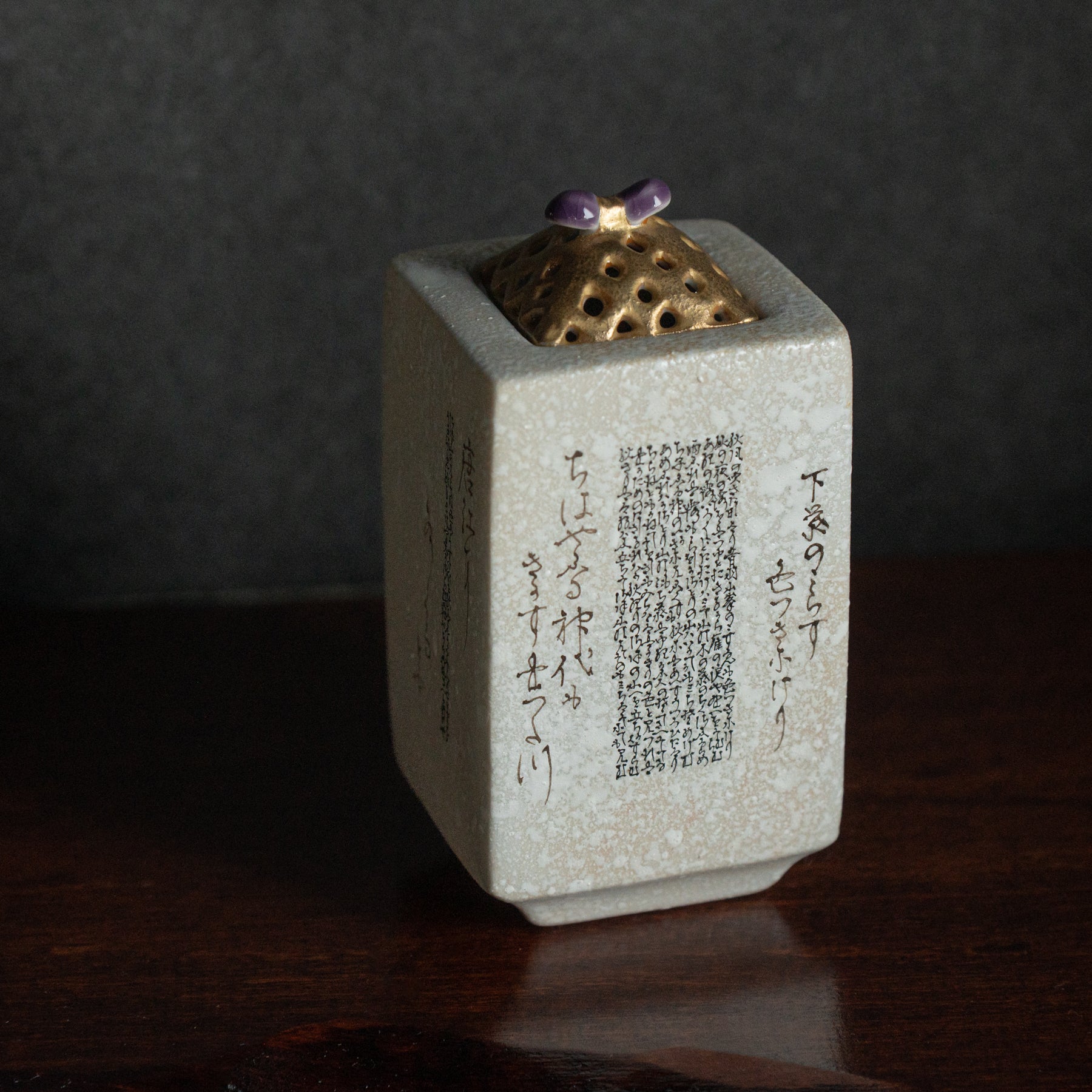
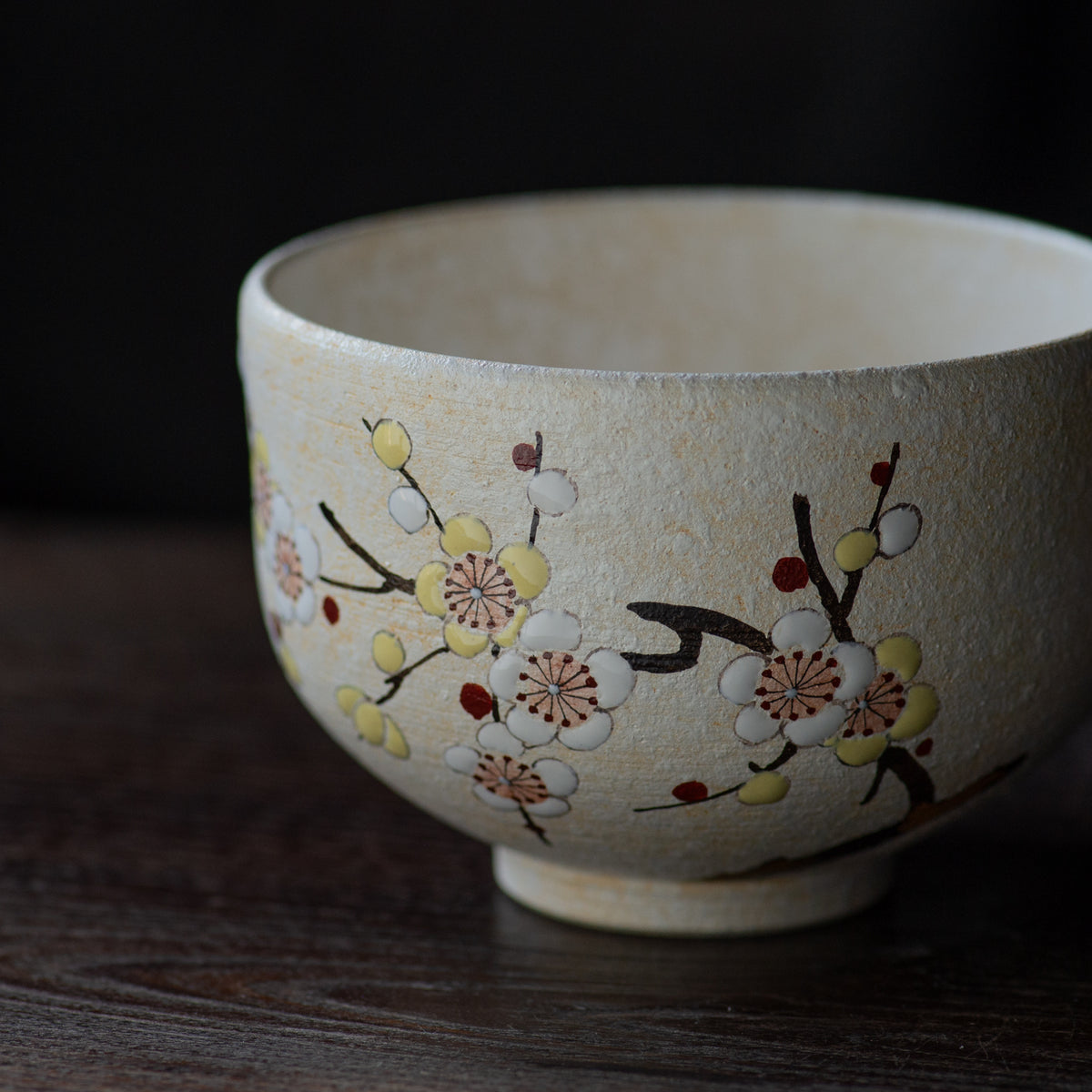
Tamura Seito is the fourth-generation artist of Kutani mohitsu saiji, or brush-writing micro calligraphy on Kutani ware. Her supple lettering flows rhythmically, bringing poetry to life in miniature across porcelain. While drawing on the power of verses centuries old, she brings her own responsive style to the calligraphy, creating a world where ancient words overlap with contemporary experiences and songs take physical form.
Calligraphy That Contains a Supple Power
The verses Tamura chooses come from classical Japanese poetry collections, words written centuries ago by people who loved, traveled, and celebrated in ways that still feel immediate today. Drawing on these poems' universal themes, she adds her own style to create work with presence—not flashy, but powerful.
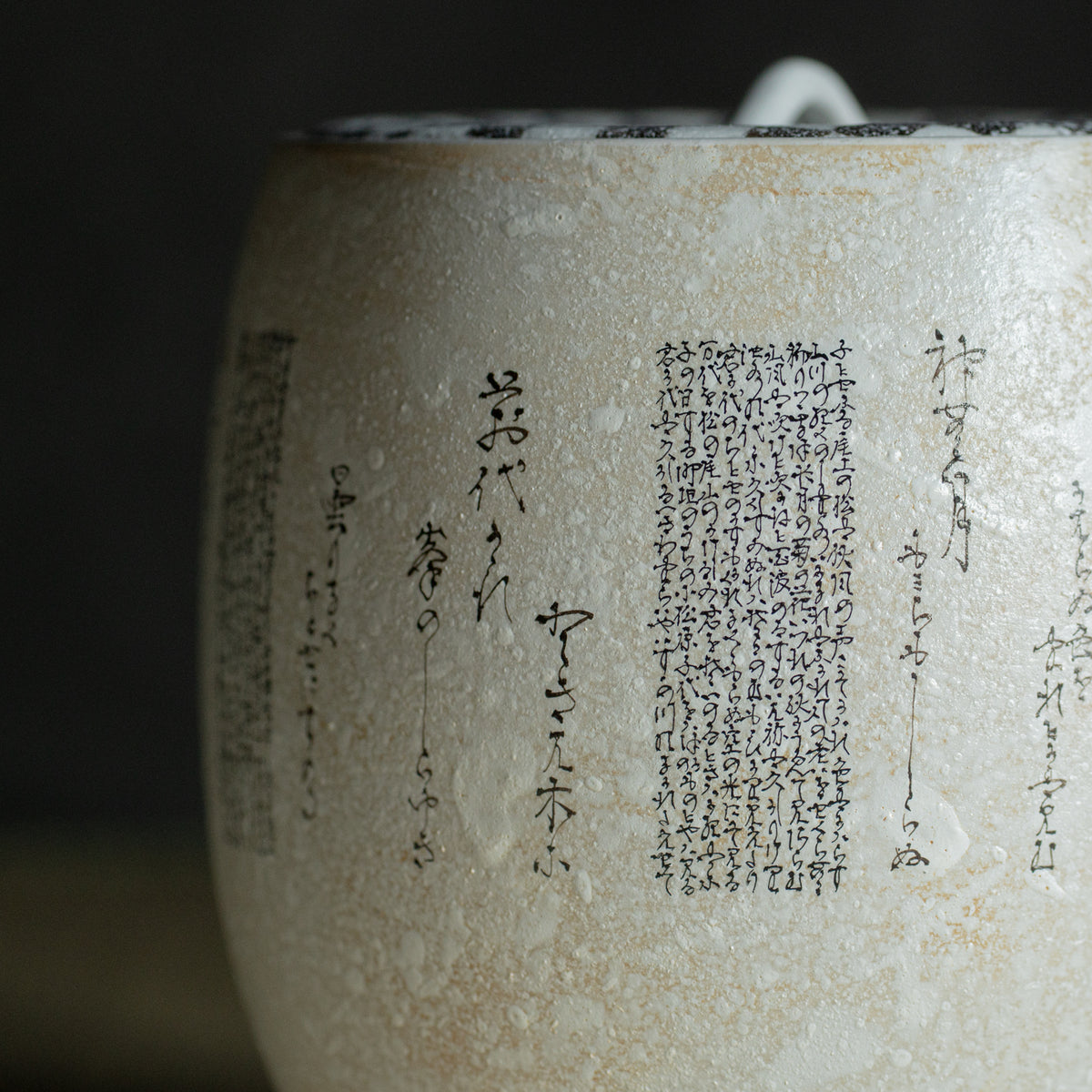
Tamura believes that the meaning of the poems and even the characters themselves do not necessarily have to be understood. Her calligraphy can be appreciated purely for the beauty of its shape, balance, and flow. She plans her forms and glazes carefully, looking beyond the lettering alone to produce a piece that feels like a single, unified story.
Her calligraphy style is gentle, supple, and responsive. Negative space features prominently, allowing both physical space for the eye to roam and emotional room for interpretation. Tamura designs her pieces to be viewed from any angle, wishing for the user to be the one to finally complete the piece.
The Discipline Behind the Art
Tamura approaches her art like an athlete, continuously challenging herself to write smaller and finer characters. The work is dexterous and highly physical; her condition on a particular day impacts her creations. Tamura works entirely with the naked eye, without a magnifying glass or other visual aids, wielding a brush sometimes as thin as a single hair.
She is the fourth generation to carry on this technique, as well as its sole successor. She inherited the art from her grandfather, Tamura Kinsei, whose 76-year-long mohitsu saiji career featured nonchalant, sensual characters. Her father, Tamura Keisei, under whom she studied, creates calligraphy that is delicate in its detail but forceful in its presence. Tamura Seito builds on what she learned from them while developing a style of her own, painting characters that are gentle and flexible. Now twenty years into her career, she continues to pursue new expressions in the art of Kutani mohitsu saiji.
Sending Poems Across Time
The poems Tamura chooses for her calligraphy are waka, a classical Japanese verse form of thirty-one syllables arranged in groups of five, seven, five, seven, and seven. Most often, she draws from the Kokinshu, the Shin Kokinshu, and the Manyoshu, anthologies compiled from 600–1,300 years ago by the imperial court.
Which poems speak to Tamura has changed as she has. Earlier in her career, she gravitated toward poems of love; more recently, she has turned toward verses that speak of travel. What stays constant is her sense that a poem written a thousand years ago by someone she will never meet can still touch her heart directly. Through her art, she passes this emotional resonance along to whomever receives her vessels, a physical testament to ancient words that echo across time.
Biography
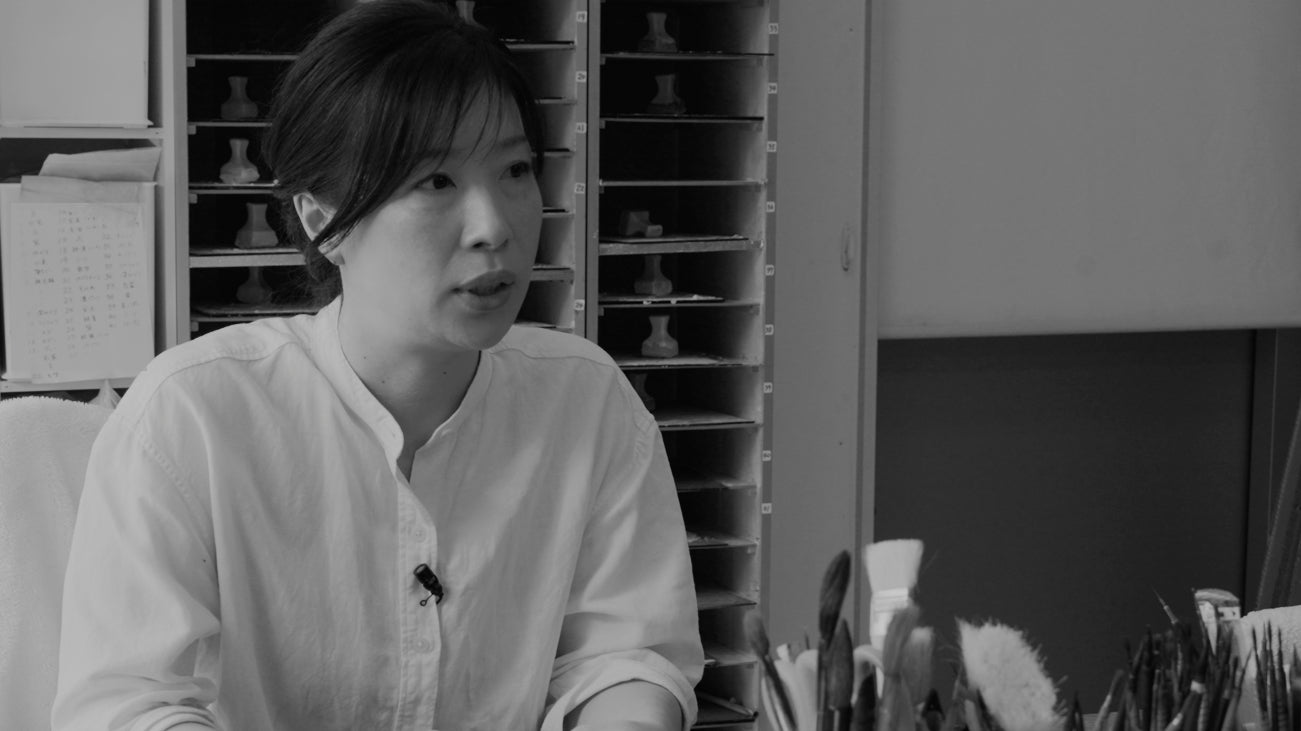
Tamura Seito was born in Komatsu City, Ishikawa Prefecture, in 1980. She graduated from the University of Tsukuba’s College of International Studies in 2004, and began her formal apprenticeship in Kutani mohitsu saiji under her father, Tamura Keisei, that same year. In 2007, she graduated from the Ishikawa Prefectural Kutani Ceramic Technical Training Institute, and established her own studio in 2010. Since then, her work has appeared in over fifty exhibitions across Japan, many of them solo exhibitions. Her pieces have also been featured internationally in Kutani ware exhibitions at museums in Jingdezhen, Shanghai, and Dongguan, China, in 2018 and 2019.