

Come and Discover the Charm of Japan's Izakaya Culture
We will introduce Japan’s izakaya culture and tips on how to enjoy an izakaya to those unfamiliar with its charm and interested in visiting one someday.
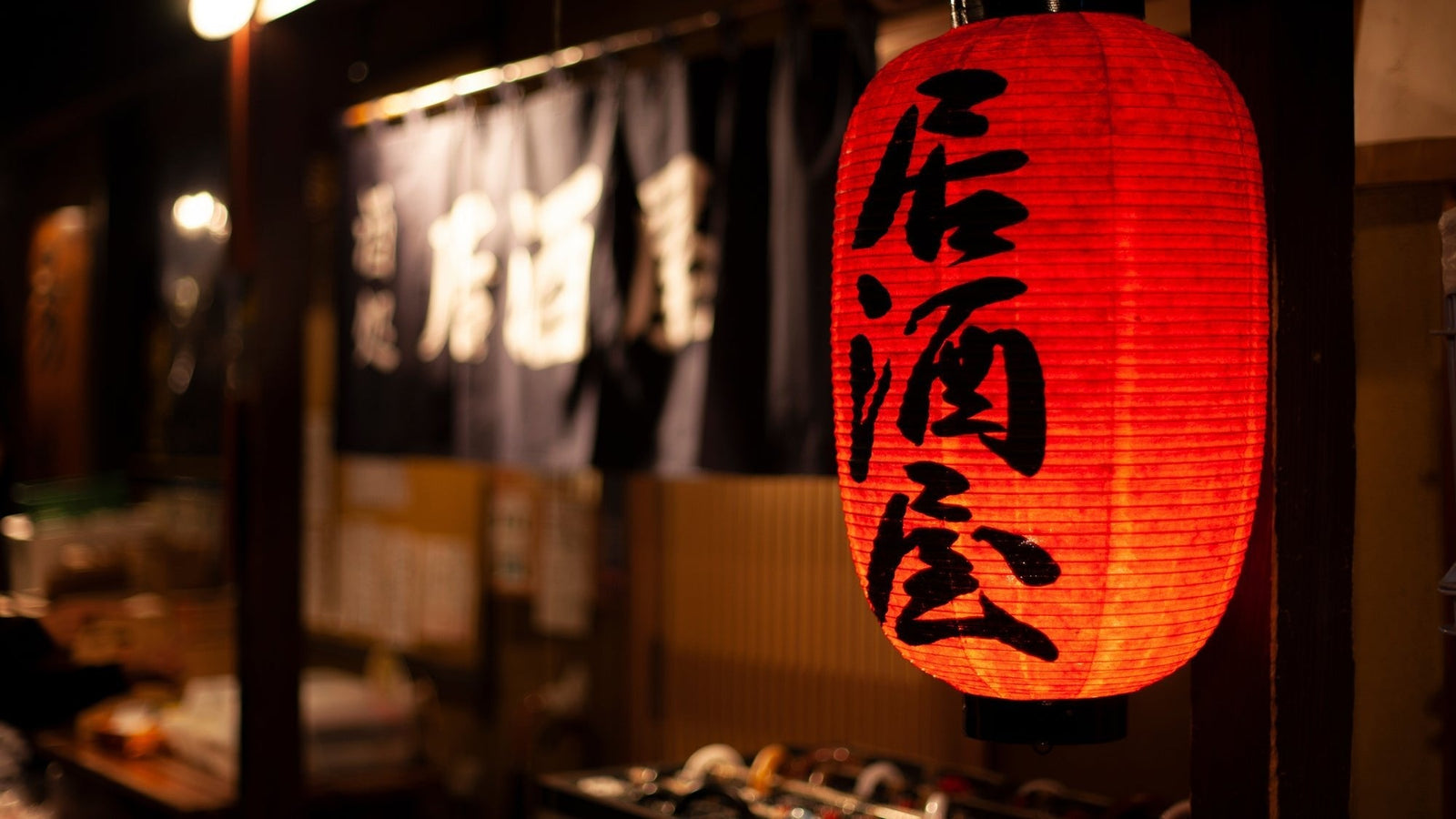
With the recent relaxation of regulations under COVID-19, many people might be eager to travel abroad again. According to data released by the Japan National Tourism Organization (JNTO), the number of foreign visitors to Japan has increased for two consecutive months in December 2022 and January 2023.
Food-related tourist attractions such as strolls through Asakusa, seafood restaurants at Toyosu Market, and food shopping floors in department stores in Ginza have recently seen a large number of foreign tourists and one cannot help but notice the high level of interest in Japan's dining culture. Discovering the food culture of a foreign country can surely add an extra layer of intrigue and delight to your travels.
But with so much to choose from, dining in Japan can be an overwhelming experience at times. Among the long list of choices, one type of eatery stands out and is favored by those seeking something unique: the "Izakaya (Japanese-style pubs)."
In this article, we will introduce Japan's izakaya culture and tips on how to enjoy an izakaya to those unfamiliar with its charm and interested in visiting one someday.
The Characteristics of Izakaya

The History of Izakaya

Izakaya, renowned for its distinctive cuisine culture, is said to have originated in the Edo period (c. 1603-1867). In the early Edo period, it was customary to buy alcohol and drink at home, but from the mid-Edo period, sake stores began to offer light snacks along with alcohol. As a result, more and more individuals started to linger in these stores and sip alcohol, eventually leading to the creation of the term "izakaya," which is written by combining three Chinese characters - "i" (to remain), "sake" (alcohol), and "ya" (store).
In the aftermath of the war, black markets emerged from the charred remains. This brought with it an abundance of inexpensive drinking establishments such as food stalls and standing bars. As Japan's economy began to boom in the mid-1950s, more and more bars were popping up across the country. Office workers started frequenting these bars after work as a way to de-stress. Izakaya chains grew in popularity and by the 1980s, the number of people visiting izakaya establishments increased dramatically with further economic growth. Ever since, izakaya has maintained its popularity as a casual, everyday stopover.
Order like a Local


If you are not sure what to order, choose a variety of standard items from the menu. There are approximately eight sections on the menu and here are some of the popular options that could serve as a guide.
- Appetizers: "Edamame" (Green soybeans), Deep-fried Tofu, French Fries, Chilled Tofu, Salted Cabbage
- Salads: Potato Salad, Daikon Radish Salad, Caesar Salad
- Drinks: Beer, Shochu (Japanese distilled spirit), Sour (cocktails with Shochu), Whisky and Soda, Fruit Wine, Non-Alcoholic Drinks
- Side Dishes: Japanese Rolled Omelette, Tempura, Stewed Meat
- Fish: Assorted Sashimi, Atka Mackerel, Fried Horse Mackerel
- Meat: Fried Chicken, Grilled Chicken Skewers, Deep-fried skewers, Deep-fried Ham Cutlet, Chicken Wings
- Staple menu: "Ochazuke" (rice with green tea), "Yaki-Onigiri" (grilled rice Ball), Rice Porridge
- Dessert: Ice Cream, Sorbet, Almond Jelly, Mango Pudding
3 Recommended Izakaya Alleys in Tokyo
1. The Nonbei Yokocho/Shibuya

After the end of the war, an array of street vendors gathered to create bustling food and drink alleys in this area from around 1950. Currently, about 40 small izakayas are crammed into the area, and some families have been going there for three generations. Amongst them stands a yakitori shop with a secret sauce recipe passed down for six decades. Countless visitors have experienced its atmosphere and allure.
2. Golden Gai/Shinjuku

Kabukicho located in Shinjuku is host to an extraordinary location where around 300 small drinking vendors have congregated. This special spot has been featured in the "Michelin Green Guide Japan" and is a well-liked destination for foreign tourists. There are many unique and friendly shop owners, so why not try enjoying izakaya-hopping?
3. Hoppy Street/Asakusa

This is a side street about 80m (87yd) long near Asakusa Temple, also known as "Stewed Street." Many of the izakayas are open during the daytime and some provide outdoor seating for customers to enjoy delicious food and drinks. Many visitors come to savor Sho-chan's melty beef tendon stew.

Stay close to the craft
Now and then, a quiet letter — new stories, seasonal notes, and the hands behind the work.
Onigiri Facts that Even Native Japanese People Don’t Know
Uncover surprising facts about onigiri, including insights from the owner of Onigiri Bongo, a…
Ito Ryo
Journey into the World of Bonsai in Tokyo
Join a hands-on bonsai workshop in Tokyo at Seikoen and explore the beauty of…
The Art of Kodo: Exploring Japanese Incense Culture at Juttoku
Experience the meditative world of Japanese incense at Juttoku., where scent, history, and craftsmanship…
Leave a comment