
Musubi 結び
結 to tie · to join · to bear fruit
Musubi means to tie, to bind, to join—the word behind our name. But it is older than knots. Its root, musu, is an ancient verb meaning 'to come into being,' the same word used for moss slowly growing over stone (koke musu). Hi means spirit: in Japan's oldest chronicle, the Kojiki, musuhi is the generative force that brings life into existence. The everyday words for son (musuko) and daughter (musume) are said to carry the same root—a soul born into this world.
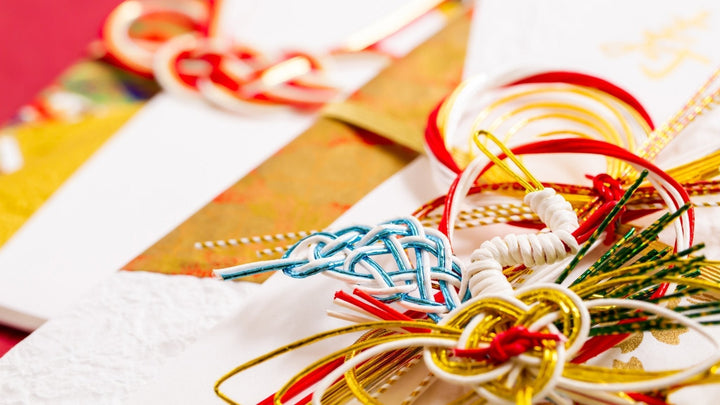
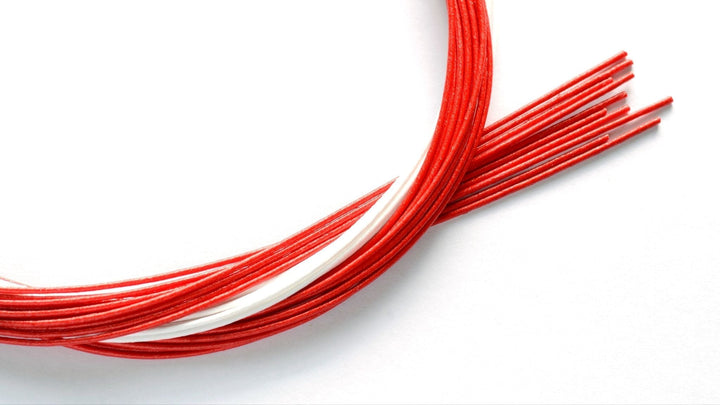
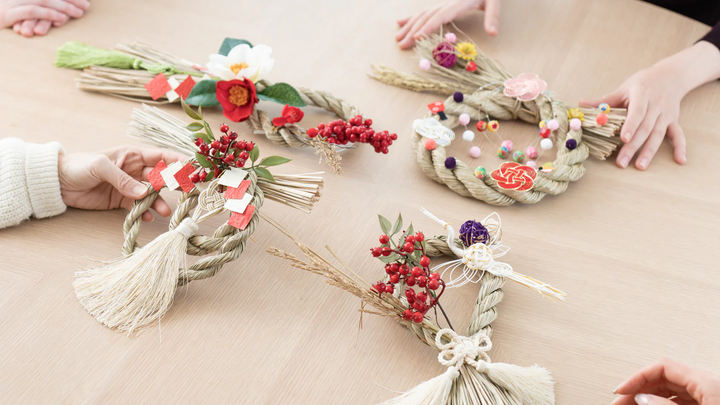
To tie a knot, then, was never merely practical. A knot was believed to hold the soul that had come to dwell within, keeping it from wandering away until the moment the knot was untied. This is why knots appear at every threshold of Japanese life—in mizuhiki cords on gifts, in shimenawa ropes at shrines, in the sash of a kimono: each one quietly binding something alive.