

6 Secrets to the Perfect Crunch: Tempura Recipe
Learn six chef secrets for light, crispy tempura and try a simple shrimp and vegetable recipe at home.
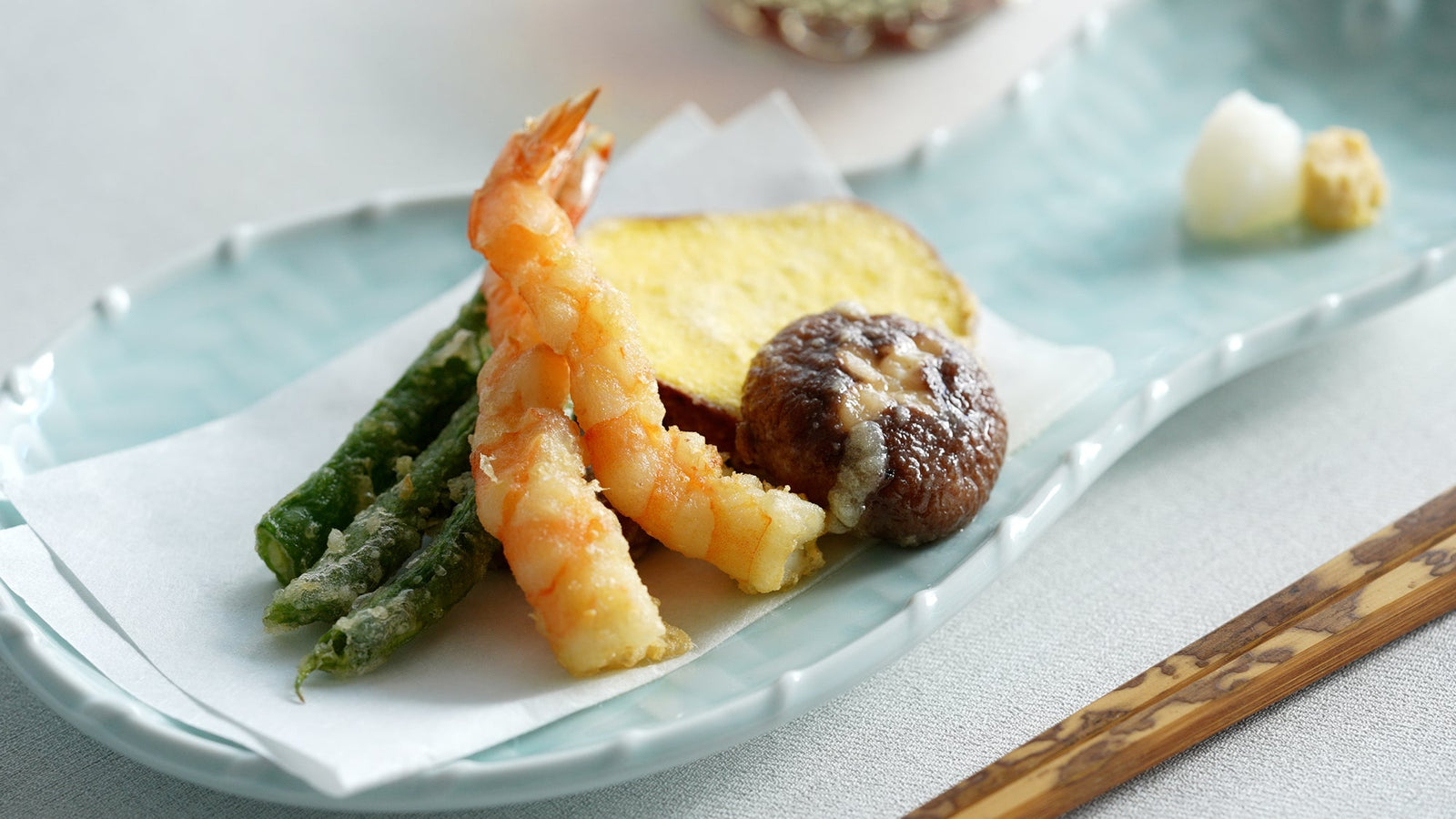
Is there a more satisfying crunch than perfectly fried tempura? That first bite where the whisper-light batter gives way to reveal a piece of sweet shrimp or earthy sweet potato, still steaming inside, is one of Japan's great culinary gifts to the world.
And yet, tempura has a reputation for being difficult. Many home cooks attempt it once, but get discouraged when it doesn’t turn out as they expected. However, the secret to delicious tempura isn’t that difficult—it just lies in being precise. The difference between greasy and glorious comes down to a handful of details that Japanese chefs have spent centuries refining.
Understanding the principles behind a dish is an important part of cooking Japanese food well. In this guide, we share six tips used by tempura chefs, along with a simple recipe you can try tonight. Whether you're serving shrimp, root vegetables, or mushrooms, these tips will help you achieve crisp, light tempura every time.
6 Tips for Crisp Tempura
1. The Tactical Art of Prep: Preparing Your Shrimp
Make small diagonal incisions along the belly, and press the shrimp down from the back with your fingers until you feel and hear a subtle snap. This breaks the tough tendons. This careful step ensures even cooking and helps the shrimp remain straight for an elegant presentation on the plate.

2. Drying, Dipping, and Draining Well
Before dipping your ingredients into the batter, ensure they are completely dry, then dust them lightly with flour. This helps the batter adhere well. Once fried, transfer the tempura immediately to a wire rack, standing the pieces upright if possible. This allows excess oil to drain downward rather than pooling underneath.

3. The Secret of a Weak, Cold Batter
Unlike many Western-style batters that aim for a thicker, sturdier coating, tempura batter should remain light and delicate. You want to avoid developing gluten, which makes the coating chewy rather than crisp. Always use ice-cold water and avoid overmixing—small lumps in the batter are perfectly acceptable. For best results, use a pair of long cooking chopsticks (saibashi) to gently poke and stir the mixture with large, quick movements. Prepare the batter immediately before frying, and keep the bowl resting inside a larger bowl filled with ice water if your kitchen is warm.


4. Choosing the Right Oil Blend
Professional chefs often use a carefully balanced blend of oils to add aroma without overwhelming the natural flavors of the ingredients. At home, the best choice for your base is rice bran oil, known for its lightness and high smoke point. Canola oil or vegetable oil also works well. To bring the flavor closer to restaurant tempura, try blending about 30 percent toasted sesame oil into your base frying oil.

5. Temperature Is Everything
The core of tempura is steaming, a process that requires careful temperature control. When cold batter hits hot oil, the water in the batter evaporates instantly, pushing outward and creating a barrier that prevents oil from soaking into the food. For this mechanism to work, your oil must be precisely between 340°F and 350°F (170°C and 180°C). Too cold, and the batter absorbs oil, becoming heavy and soggy. Too hot, and the outside burns before the inside is gently steamed.

6. Serve Immediately, Always
Tempura has a fleeting lifespan measured in minutes. The moment it leaves the oil, the residual steam inside begins to soften the crust from within. For the best dining experience, serve tempura immediately while the coating is still crisp. To preserve that crunch, it is highly recommended to line your serving plate with a sheet of kaishi, or traditional Japanese paper, to absorb excess oil. If you do not have kaishi paper on hand, a high-quality paper towel works well.

Tempura Recipe
Ingredients (Serves 2)
- 4 large shrimp, peeled and deveined with tails left on
- 4 slices of sweet potato, 0.2-inch (5 mm) thick
- 4 shiitake mushrooms, stems removed
- 4 green beans
- All-purpose flour, for dusting
- Frying oil, as needed
Dipping Sauce:
- 2/3 cup (150 ml) dashi stock
- 1 1/2 Tbsp (25 ml) soy sauce
- 1 1/2 Tbsp (25 ml) mirin
- 0.2 oz (5 g) bonito flakes
Garnish:
- Grated daikon radish, as needed
- Grated ginger, as needed
Batter:
- 1 egg
- 1 cup ice-cold water
- 1 cup all-purpose flour


Instructions
- Combine dashi stock, soy sauce, and mirin in a saucepan and bring to a boil. Add bonito flakes, turn off the heat, and strain the liquid through a fine mesh strainer to complete the dipping sauce.


Make four to five diagonal incisions along the belly of each shrimp. Press the shrimp firmly down from the back until you feel a slight snap, ensuring they stay straight when frying. Pat the shrimp, sweet potato, shiitake mushrooms, and green beans completely dry with paper towels.

- Beat the egg thoroughly in a bowl, then stir in the ice-cold water. Add the all-purpose flour in three separate batches, mixing very briefly each time to ensure plenty of visible lumps remain.


- Heat frying oil in a deep pot. Set the temperature to 340°F (170°C) when frying the vegetables and 350°F (180°C) when frying the shrimp.
- Dust the prepared ingredients lightly with extra all-purpose flour and shake off any excess. Dip the ingredients into the batter and fry them in order, starting with the vegetables and finishing with the shrimp, until crispy and cooked through.

When the bubbles around the ingredients become smaller and the crackling sound softens, it indicates that excess moisture has cooked off and the tempura is ready.


- Line a plate with kaishi paper if available, arrange the fried pieces neatly, and serve alongside the grated daikon and grated ginger. Serve hot with the prepared sauce.

Tempura has long held a reputation for being difficult to master, but now you know the truth: it is a cuisine shaped by precision and attention to detail. When each thoughtful detail aligns, from the chill of the batter to standing the pieces upright to drain, consistent results are easier to achieve.
Tempura is not about complicated technique so much as understanding the principles behind the process. Trust these principles, set your table with your favorite Japanese tableware, and enjoy your crispy, delicious tempura at home.
Stay close to the craft
Now and then, a quiet letter — new stories, seasonal notes, and the hands behind the work.

Akari’s Sake-Steamed Hamburg Steak Recipe
Akari's sake-steamed hamburger steak with cherry tomatoes. No eggs, no breadcrumbs, just a simple,…
Hasegawa Akari
A Late Summer Afternoon at the Table
Five simple dishes, one slow afternoon. Blue-and-white porcelain, glass, and Bizen ware hold the…
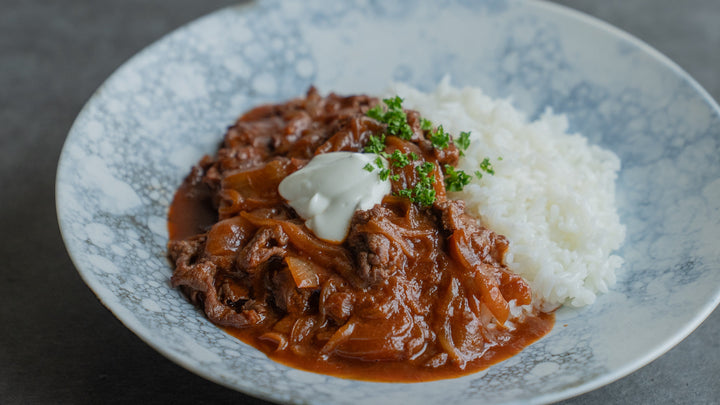
Akari’s Recipe: Hayashi Rice with Browned Soy Sauce
Cook Akari's hayashi rice from scratch using browned soy sauce for deep, comforting flavor…
Leave a comment