

Unagi: The Eel Meals That Are Japan’s Summer Specialty
Learn why unagi is Japan's essential summer meal, from the Doyo no Ushi no Hi tradition to the slow-grilled art of unaju.
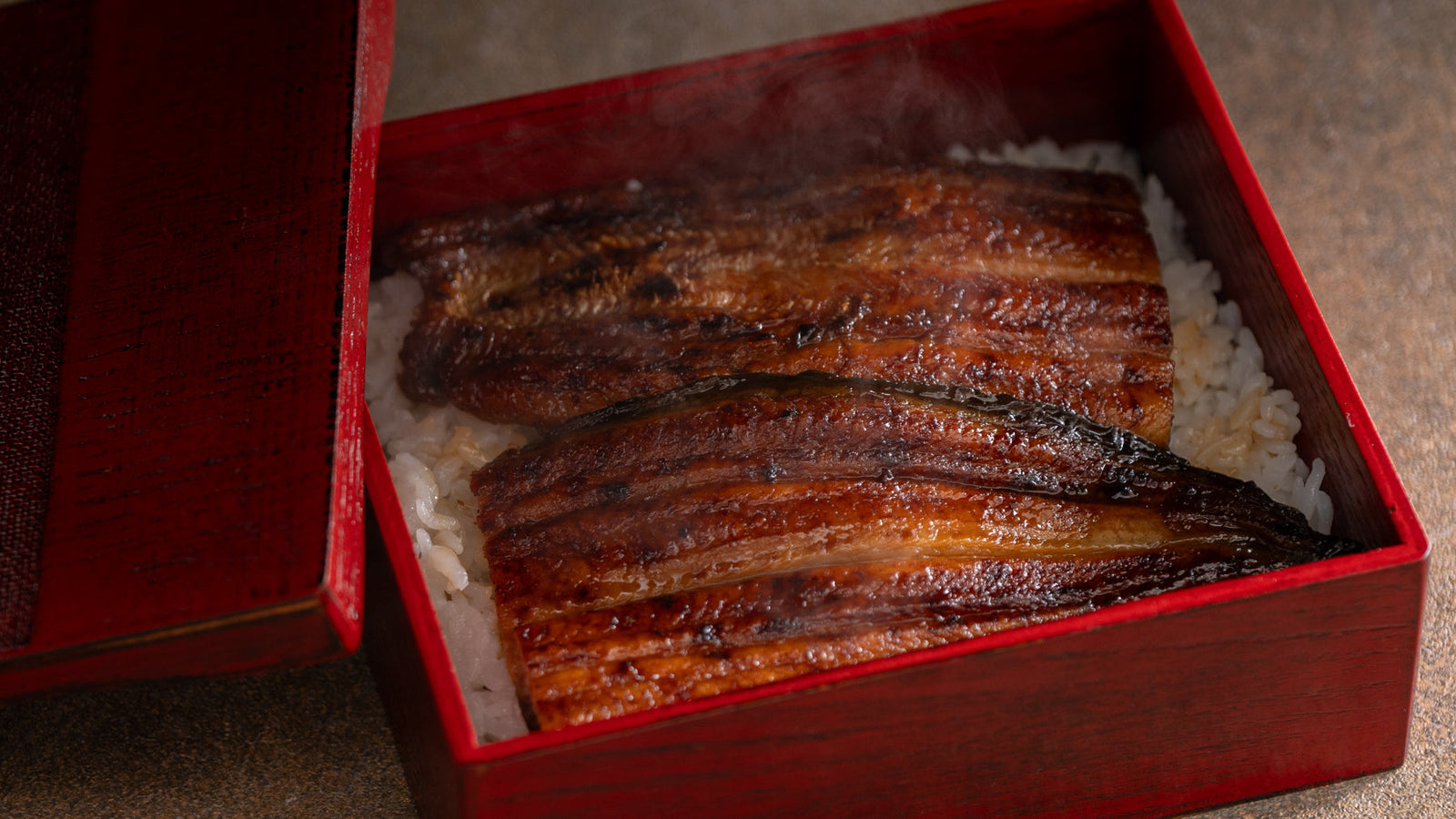
When summer arrives in Japan, a distinct, savory aroma begins to drift from traditional restaurants, capturing the hearts of food lovers nationwide. This is the scent of unagi (grilled eel), Japan’s ultimate summer comfort food. But how did this rich, savory fish become the definitive flavor of the hottest months? In this article, we dive into the fascinating history of unagi as a stamina-boosting delicacy, explore its most famous culinary styles, and suggest ways to recreate this authentic Japanese dish in the comfort of your own home.
How a Winter Fish Became a Summer Staple
The story of how eel entered Japan’s summer culinary lineup has to do with a curious confluence of summer fatigue, the lunar calendar, and good advertising.
Eel is not technically in season in summer. Its best season—or shun, when an ingredient is at its peak of deliciousness—is late autumn to early winter. That is because in the colder months, eel store up nutrients for hibernation and spawning. When cooked, this translates into richness and flavor. So how did we get to today’s image of glistening, saucy eel bowls as a much-awaited dish during the hottest months of the year?
It begins with Doyo no Ushi no Hi, or the Midsummer Day of the Ox. Doyo is the eighteen-day period before the beginning of each season in the Japanese lunar calendar. When using the lunar calendar, days can be counted in repeating sets using the zodiac signs—similar to the days of the week, except with twelve days instead of seven. That means that one to two Days of the Ox (Ushi no Hi) can fall within doyo. In summer, doyo spans from late July to early August, generally considered Japan’s hottest and most humid time of the year.
Under these levels of heat and humidity, many people experience what is known in Japan as “summer fatigue,” an umbrella term that covers a range of symptoms from feeling lethargic and sluggish to losing one’s appetite and experiencing neck and shoulder stiffness. The conventional wisdom for combating this seasonal discomfort includes consuming foods that contain plenty of nutrients.

On Doyo no Ushi no Hi, in particular, it was thought that eating foods beginning with U would relieve summer fatigue symptoms. The standard go-tos were foods like umeboshi (pickled plum), uri (a gourd-like melon), and udon noodles. The addition of unagi didn’t come until later, in the late Edo period (1603–1868 CE).
The origin is disputed, but one theory points to influential scholar and writer Hiraga Gennai (1728–1779), who used the day’s connection to U foods as an opportunity to promote his friend’s eel restaurant. In the summer off-season for eel, such advertising would have been crucial. The restaurant’s success prompted others to hop on the trend.
Whether this anecdote is true or not, it does attest to Japan’s enterprising spirit of seasonal marketing, as restaurants even today roll out glistening photos of popular unagi dishes in preparation for the much-awaited summer rush. Incidentally, it is disputed whether eating eel actually has any effect on the symptoms of summer fatigue, but with their U-food main ingredient and high vitamin and calorie content, the association of unagi dishes with midsummer meals is strong in the cultural consciousness.
Japan’s Most Famous Eel Dishes
So what is the unagi cuisine taking Japan by storm every summer? Here are a few of the top dishes you’ll find, plus ideas for recreating them on your own table.
Unagi no Kabayaki
Kabayaki refers to a split open, deboned, long fish roasted on a skewer over an open flame. Other thin, long fishes, such as mackerel and sardines, can be cooked kabayaki-style, but eel is the most common, and it is what many people think of when they hear “kabayaki.”
This style of grilled unagi is typically brushed with a sweet-savory eel sauce, which is a mix of soy sauce, cooking sake, mirin, and sugar. The final result is a sticky, toasty coating over a slightly crispy exterior and soft, flaky interior.

Unagidon and Unaju
Unagidon, meaning “eel rice bowl,” and unaju, literally “eel stack,” refer to essentially the same thing: unagi no kabayaki nestled atop a bed of fluffy white rice, often sprinkled with a Japanese pepper known as sansho. The major difference between them is the container.
While unagidon, true to its name, is served up in a donburi bowl, unaju comes in a square or rectangular bento box or layered bento box known as a jubako. The pairing of rich, saucy eel atop steamy rice makes for a filling, protein- and nutrient-packed meal.
When recreating unagidon at home, we chose the Cloth Patterned Donburi Bowl. Its hand-lacquered finish brings the traditional feel of an eel restaurant. The shallow depth holds plenty of rice without being overwhelming, while the open rim shows off the unagi to its best—steamy, saucy, and ready for digging in.

Next, for unaju, a vessel like the Nunome Line Square Bento Box would be just the thing. The black and red layers of lacquer add a homey, rustic feel, while the cloth pattern brings texture. Imagine lifting the lid to reveal a steaming layer of unagi fresh off the grill and wowing your dinner companions.

Unagi no Tare (Eel Sauce)
Of course, these dishes wouldn’t be complete without the eel sauce, or unagi no tare. This dark, viscous sauce is the key to their deliciousness. In fact, the boom in kabayaki in the Edo period is sometimes attributed to the sweet addition of mirin to the salty, umami soy sauce previously used in Edo eel restaurants.
Today, most restaurants produce their own sauces, featuring different levels of sweetness and stickiness, while bottled eel sauce begins appearing in Japanese supermarkets as summer approaches.
However, it is also easy to make at home. It typically involves heating mirin and sake in a saucepan, adding soy sauce and sugar, then cooking until the mixture thickens. Trying out different ingredient proportions or experimenting with various soy sauces and sugars are just a couple ways to adjust the sauce’s flavor profile.


More Unagi Umami
There are many more ways to enjoy grilled eel. Variations include umaki, eel rolled up inside tamagoyaki, the Japanese rolled omelette, and ochazuke, a home-style dish of tea poured over an unagi bowl. Find more inspiration here, where we try unagi in a Nagoya-style dish called hitsumabushi.

Stamina Food: Eel as Nutrition During Kiln Firing
Eel is rich in minerals like iron and calcium; protein; vitamins A, B1, B2, D, E; and calories, leading to it being seen as a “stamina food” ideal for replenishing one’s energy. With this reputation, unagi has helped sustain craftspeople engaged in the grueling task of firing wood kilns in certain traditional ceramic production hubs.
Wood-firing involves long hours of labor, often extending over three days or more while manually tending the flames. Internal temperatures for a main firing must reach around 1,200°C (2192°F), meaning the heat around the kiln gets intense.

Tajimi and Seto, two cities about half an hour from each other that are home to Mino ware and Seto ware, respectively, both have a large number of eel restaurants to match their large number of kilns. Local stories from these areas tell of kiln workers eating Japan’s beloved summer dish to help keep themselves going during the challenging hours of tending the kiln.
One writer for the Tajimi Tourism Association tells an account from his wife’s kiln-worker great-grandparents that craftspeople believed that eating eel gave them strength, and many kept live eels in the waterways near their homes. So while the historic availability of eel in local rivers helped establish it as a regional food, the area’s strong ceramics culture may have further contributed to its popularity.
Whether unagi is a yearly favorite or you’re encountering it for the first time, we invite you to explore its sweet-savory flavors. The smoke of the grill, the wafting aroma of the sauce, and every toasty, fluffy bite. The intense heat of the day sinking with the sun into muggy nights, lanterns aglow from the eaves of restaurants. These are the moments to carry in your heart into the summer days to come.
Stay close to the craft
Now and then, a quiet letter — new stories, seasonal notes, and the hands behind the work.
A Late Summer Afternoon at the Table
Five simple dishes, one slow afternoon. Blue-and-white porcelain, glass, and Bizen ware hold the…
Discovering Japan’s Summer Fruit Delights
Learn about Japan’s summer fruits, featuring juicy watermelons, Shine Muscat grapes, aromatic plums, pineapples,…
The Two Types of Kaiseki Cuisine
Same word, two meals: discover how cha-kaiseki and kaiseki diverge in purpose, sequence, and…
Leave a comment