

A Festive Japanese Meal in a Jubako Bento Box
Japanese food served in a Jubako bento box upgrades a casual meal into a special occasion with a festive feel.
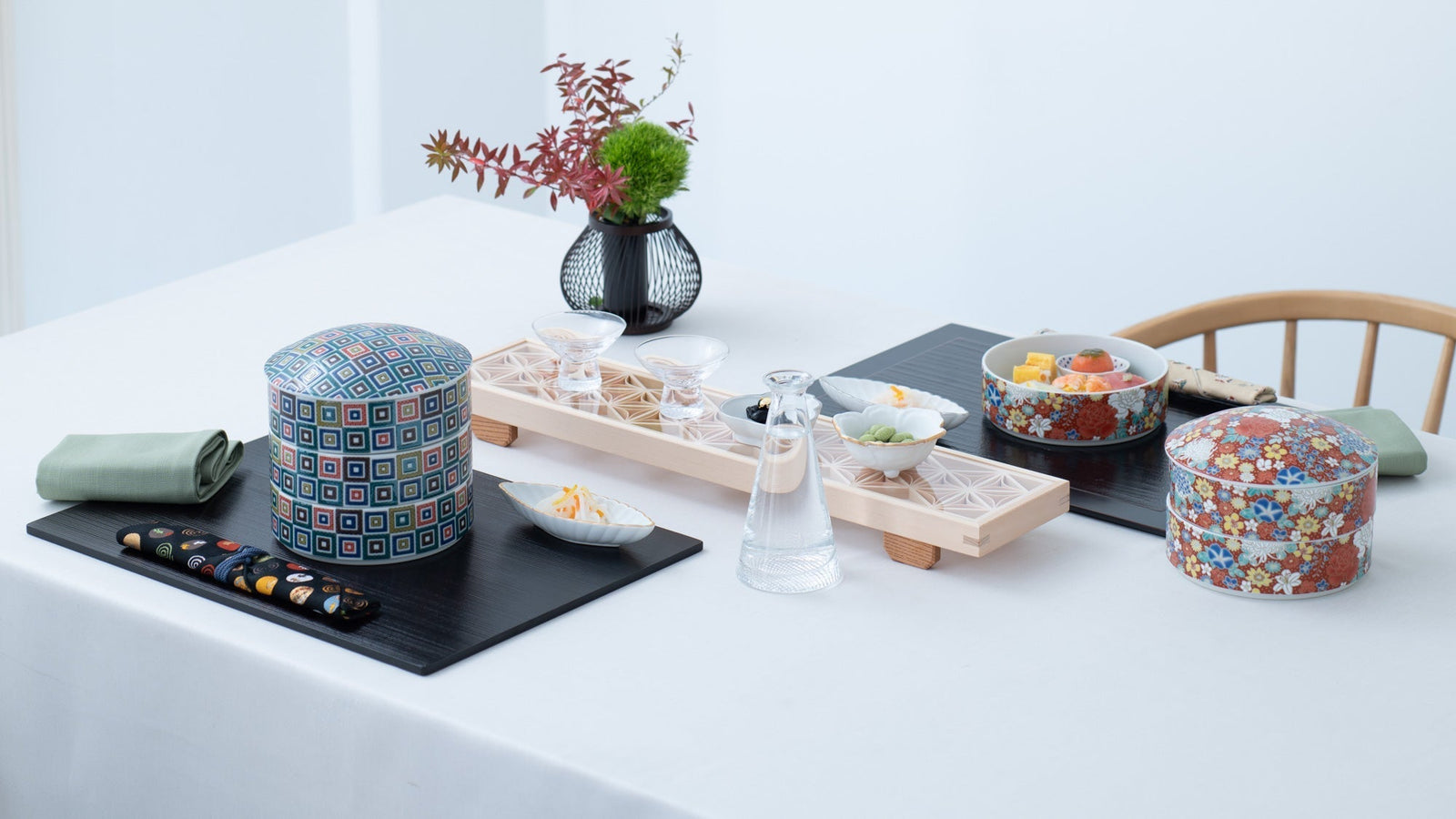
Three tiers of Kutani Ware Artistry
In the past, Jubako bento boxes were mainly square in shape and were made of wood coated with thicks coat of lustrous lacquer. Now, Jubako bento boxes come in various materials and various shapes.
The main items for this Japanese table setting are the round three-tiered Jubako bento boxes, unique and beautifully crafted pieces of tableware made of Kutani ware. Each Jubako is colorfully decorated with classic Kutani ware designs.
The Jubako bento box with the full floral designs is in the Hanazume pattern where intricate floral designs are painted all across the sides of an item. Gold linings to the flowers add a feel of elegance to this classic design of Kutani ware.
The second Jubako is in a "Ishidatami (meaning stone path)," pattern from the Kokutani style. Small squares depicting path stones neatly decorate the surface and finer patterns fill the path stone squares. Another signature design that reflects the refined beauty of the overglaze enamel decorations of Kutani ware.

A Full Course Japanese Meal in Three Tiers
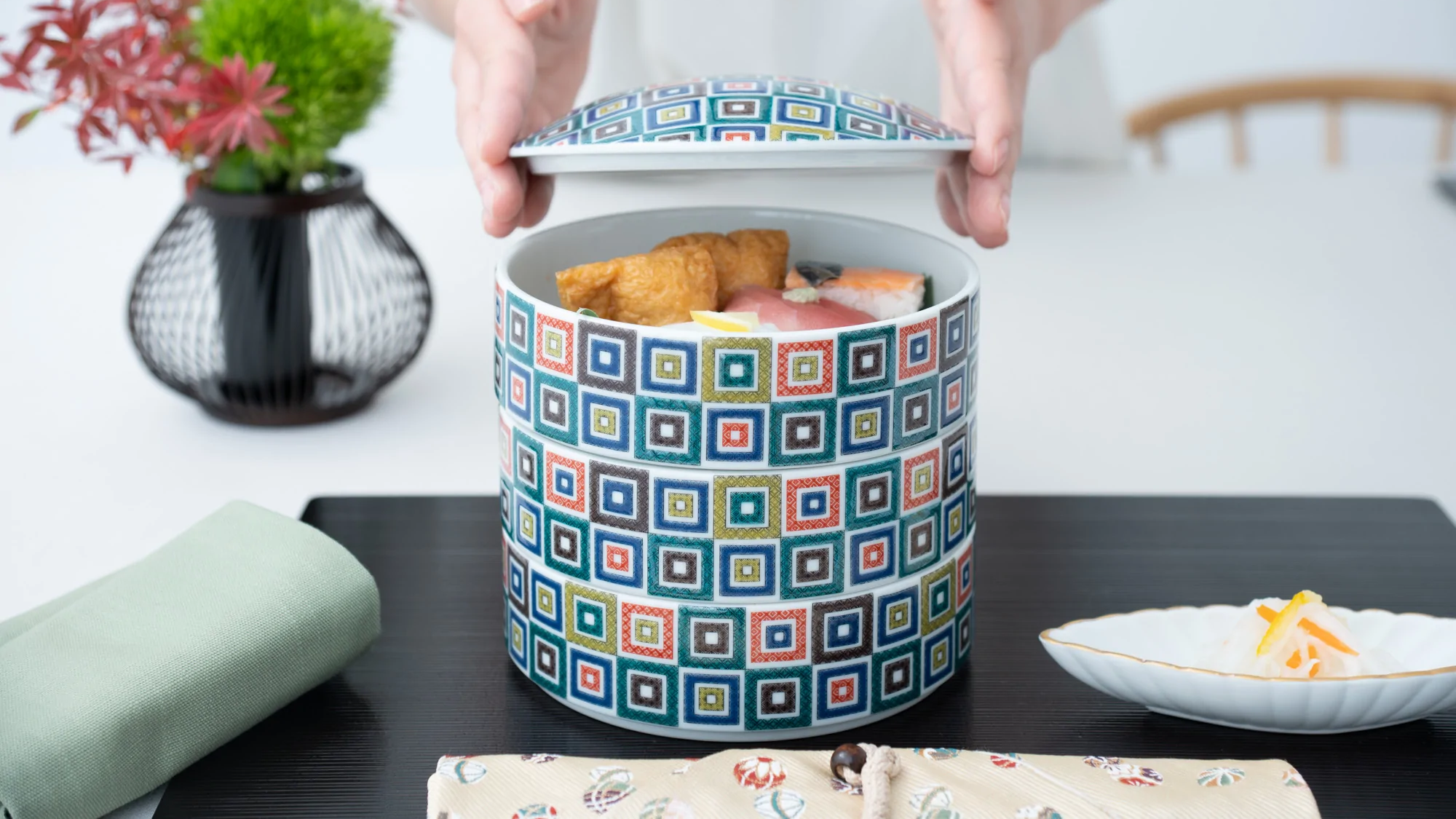

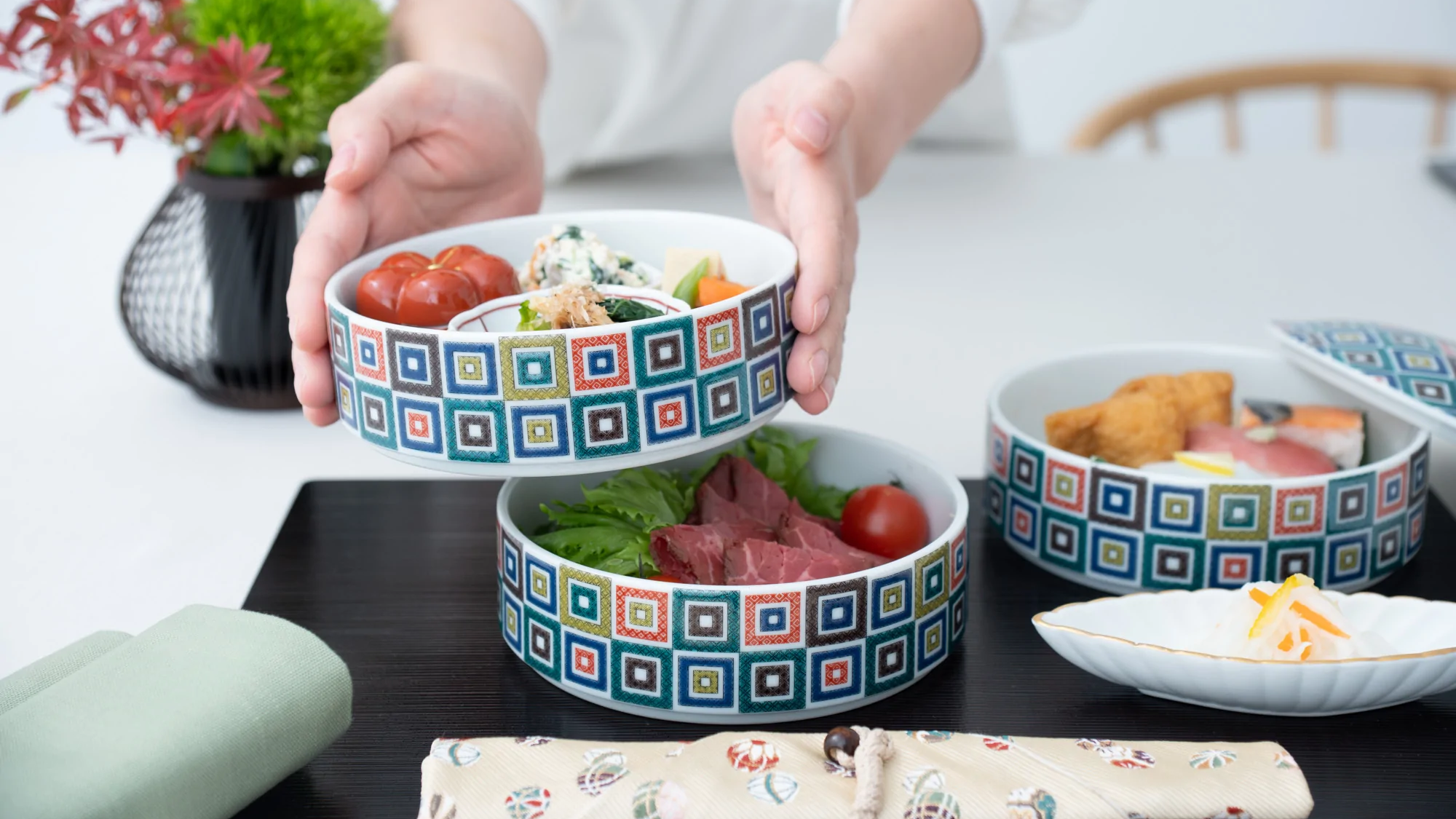
Small Plates with a Festive Feel


Featured items
Jubako Bento Boxes

Jubako bento boxes make dishes look more elegant, and create a sense of excitement when the lid is opened. Take a look at our selection of beautifully crafted Jubako bento boxes to create a refined and festive atmosphere on your table top.
view Jubako Bento Boxes collection
Zuiho Kiln

Zuiho Kiln was established in 1917. Having built a kiln in the Arita Sotoyama area, Zuiho Kiln has always felt the changes in the times. They have continued to produce original tableware for restaurants including traditional Japanese style restaurants, Ryotei. They also produce tableware that people can use in their everyday lives and that have warmth only felt in handmade products.
Stay close to the craft
Now and then, a quiet letter — new stories, seasonal notes, and the hands behind the work.
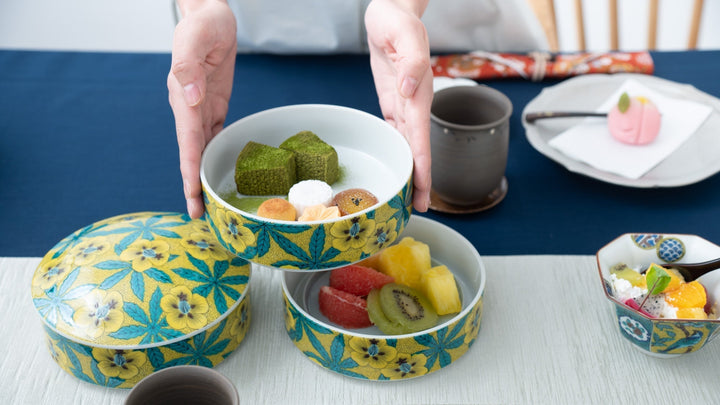
A Fun Afternoon with Japanese Sweets and Tea
Amaze your guest with sweet and savory delights served in a three-tiered Kutani Ware…
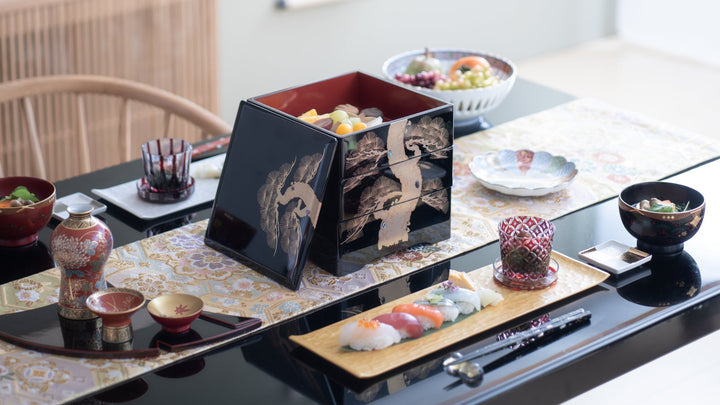
Elegant Sushi Dining: The Lacquerware Jubako Box Experience
Discover how a lacquerware Jubako bento box can elevate your sushi dining to an…
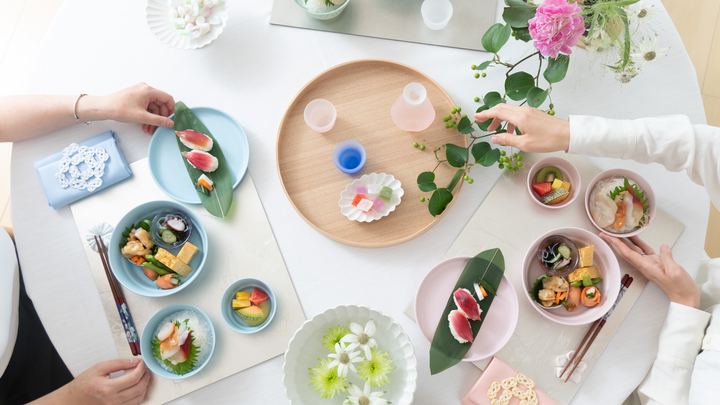
Pastel Perfection with a Jubako Bento Box Luncheon
The gentle-colored Jubako bento boxes from Arita Porcelain Lab's Conic series are uniquely designed…
Leave a comment