

All About Hanami: Sakura Viewing Parties
Japan’s cherry blossom viewing tradition is a celebration of spring. Explore hanami’s history and how to enjoy it today.
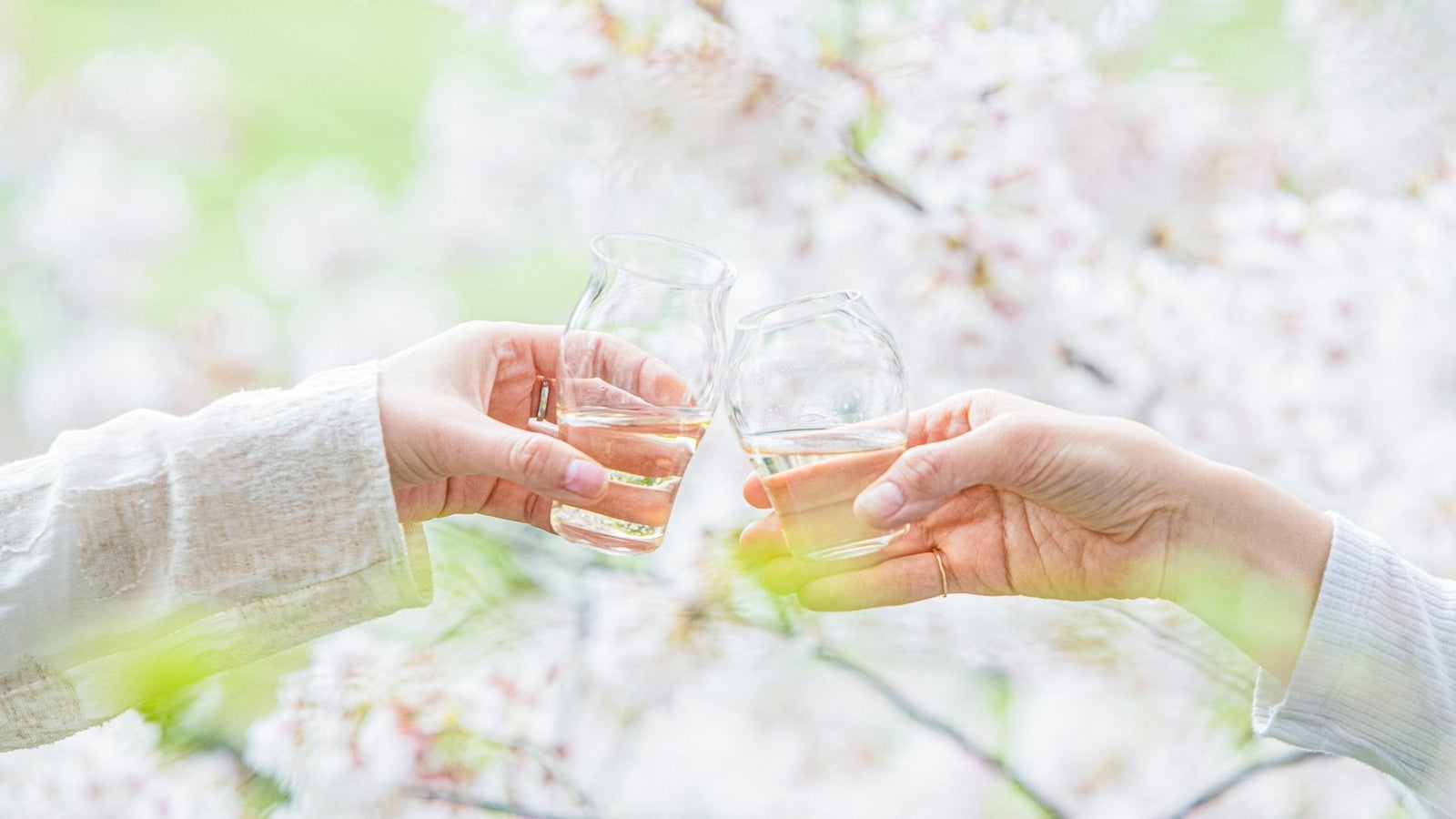
The paths and landscapes we usually walk along can suddenly turn into a different world. That is when the sakura (cherry blossoms) are in full bloom, heralding the arrival of spring.
The Japanese people have long had a tradition of enjoying the seasons in various ways, and it is no exaggeration to say that hanami (cherry blossom viewing) is one of the most significant events of the year, allowing people to savor the beauty of the season.In this article, we will introduce hanami in detail, which has been an age-old tradition in Japan.
What is Hanami? The Japanese Tradition of Cherry Blossom Viewing
Hanami refers to the custom of enjoying food and drink while admiring cherry blossoms in bloom. More than simply viewing flowers, it expresses a celebration of spring’s arrival and offers an opportunity for people to reaffirm a sense of community by gathering together around a shared table.

The origins of hanami can be traced back to the Nara period (710–794 CE), when it was practiced among the aristocracy. At that time, the focus was not on cherry blossoms but on plum blossoms, which had been introduced from China. Court nobles held elegant gatherings beneath the blooming trees, composing poetry while appreciating the seasonal scenery.
By the Heian period (around 794–1185 CE), however, cherry blossoms had grown in popularity, gradually replacing plum blossoms as the centerpiece of these gatherings. One commonly cited reason is that Japan eventually discontinued the diplomatic missions that had been regularly sent to China. As direct cultural exchange slowed, a distinctly Japanese aesthetic began to flourish, and people increasingly turned their attention to elements of the native landscape—among them the cherry trees that had long grown throughout the archipelago.
During the Edo period (1603–1868 CE), the practice of hanami expanded beyond the court and spread widely among the general public. What had once been an aristocratic pastime evolved into a seasonal celebration open to people of all backgrounds. Even today, scenes of families, friends, and coworkers sharing bento and drinks beneath flowering trees remain a familiar sign of spring across Japan.
But why have cherry blossoms captivated the Japanese imagination for more than a thousand years? The answer lies in their ephemeral nature. From full bloom to falling petals, their splendor lasts only one or two weeks. For this reason, the cherry blossom has come to symbolize a central idea in Japanese aesthetics: that nothing lasts forever, and that beauty is often most deeply felt precisely because it is fleeting.

When is Cherry Blossom Season in Japan?
Because the Japanese archipelago stretches a long distance from north to south, the timing of the cherry blossom season varies greatly by region. The earliest blooms appear in Okinawa, where blossoms begin to open from late January to around February. In Kyushu and Shikoku regions, the season usually arrives in mid-March, while in Tokyo and Osaka it typically falls between late March and early April. The Tohoku region follows from mid to late April, and in Hokkaido, the blossoms reach their peak in early May.

As the blooming season gradually moves northward across the country, it is known as the “cherry blossom front.” Each spring, its progress is widely reported in the news and closely followed by the public. The ideal time for viewing is when the trees are in full bloom, usually about one to two weeks after the first blossoms appear. When planning a trip, it is wise to check the projected progress of the cherry blossom front for the region you intend to visit.
Japan is home to an estimated 200 to 300 varieties of cherry trees. The most widely recognized is Somei Yoshino, distinguished by its pale petals that range from soft white to delicate pink. Because it is a cloned cultivar, the trees tend to bloom almost simultaneously, which is why the flowering of Somei Yoshino serves as the standard indicator for the cherry blossom front.
Another well-known variety is Yamazakura, a wild cherry tree native to the mountainous regions of southern Japan. Unlike Somei Yoshino, its leaves emerge at the same time as its blossoms. Shidarezakura, or weeping cherry, reaches its peak about a week earlier than Somei Yoshino and is admired for its long, gracefully cascading branches. In Kyoto, this variety is designated as the city’s official flower and can be seen throughout the area—at shrines, along riverbanks, and lining temple approaches.
Best Hanami Spots in Japan
One of the most celebrated places to enjoy cherry blossoms in Tokyo is Ueno Park. Within its spacious grounds, around 800 cherry trees burst into bloom each spring, drawing large crowds who gather beneath the canopy of flowers. Another beloved viewing spot is the area along the Meguro River, where drifting petals fall onto the surface of the water, creating a dreamlike scene. In the evening, illuminated blossoms transform the riverbanks into a softly glowing corridor, making it one of the city’s most atmospheric locations for nighttime viewing.

For those who prefer a quieter experience, Shinjuku Gyoen National Garden offers a more relaxed setting. Although there is an entrance fee, alcoholic beverages are not permitted inside the garden. As a result, visitors can stroll the grounds and appreciate the blossoms in a calm, unhurried atmosphere.

In Kyoto, Philosopher’s Path is widely known as one of the city’s most picturesque cherry blossom walks. A stone-paved path stretches for roughly two kilometers along a canal, while arching branches overhead create a tunnel of blossoms. The route invites visitors to take their time and enjoy the scenery at a gentle pace. Another iconic location is Maruyama Park. As Kyoto’s most renowned spot for evening blossom viewing, the illuminated cascading branches form a striking and memorable sight.

Outstanding cherry blossom destinations can be found throughout Japan. In Mount Yoshino, nearly 30,000 wild cherry trees cover the mountainside, turning the slopes into a vast wash of pale pink. Because the mountain rises in elevation, the blossoms open gradually from the base to the summit, allowing visitors to enjoy the season for an extended period. Meanwhile, Hirosaki Castle is known as one of the finest viewing locations in the Tohoku region. About 2,600 cherry trees bloom around the historic castle. Evening illuminations are held each year, offering a completely different atmosphere from the daytime scene.

During the peak season, famous viewing spots across the country quickly fill with visitors. For those seeking a quieter alternative, however, there are also lesser-known locations worth discovering. One such hidden gem is the cherry-lined embankment at Sewaritei Cherry Blossom Path. Stretching for roughly 1.4 kilometers (about 0.9 miles) along the levee, rows of cherry trees form a long avenue of blossoms. Because the viewing area is spacious and attracts fewer tourists than central Kyoto, it provides a more relaxed setting for hanami. Bringing a picnic and sitting on the grassy bank beneath the blossoms is a particularly pleasant way to spend a spring afternoon.

How to Enjoy Hanami: Outdoor & Indoor Ideas
Outdoor Ideas

In Japan, drinking alcohol in public spaces is not prohibited by law. For this reason, a classic style of hanami is to bring drinks and food and gather beneath the cherry blossoms for a shared meal. That said, some parks have their own rules regarding alcohol. For example, at Shinjuku Gyoen National Garden, drinking inside the park is not permitted. Visitors are also expected to observe proper manners—avoid loud behavior and do not leave trash behind—so that everyone can enjoy the setting.
One of the typical items brought to hanami is a hanami bento. This lunchbox usually contains easy-to-eat dishes such as onigiri (rice balls), tamagoyaki (rolled omelet), karaage (fried chicken), and inari sushi. Sharing these foods under the cherry blossoms makes the meal feel more special. Traditional sweets such as sakura mochi and hanami dango often appear in pink and green tones that evoke the colors of cherry blossoms and add a festive touch. Alcoholic drinks like beer, sake, and canned chuhai are also commonly part of the gathering.
It is helpful to bring a picnic sheet, warm clothing, garbage bags, and disposable chopsticks or paper plates. At popular spots, remember to arrive early to secure a place.
Our hanami blog post also shares ideas for making meals under the cherry blossoms even more enjoyable. This article also offers ideas for enjoying hanami with just two people. If you own a jubako bento box, this is an article you won’t want to miss—you may be surprised to discover how naturally the refined elegance of a jubako complements the spirit of hanami.
Indoor Ideas

In Japan, cherry trees are often planted along streets, and many homes also have them in their gardens, making it possible to view the blossoms from indoors. To create a hanami atmosphere at home, some people decorate their space with branches of cherry blossoms and hold a home gathering that doubles as a hanami celebration. Preparing tableware or interior accents in pink tones or with cherry blossom motifs can further enhance the seasonal mood. Set the table with your favorite dishes and special foods, and enjoy a hanami gathering at home. We introduce helpful ideas for doing so in detail on our blogs.
When you would like to enjoy hanami together with a meal—such as lunch or dinner—please take a look at the following blogs:
If you are planning a gathering centered around tea time, the following articles may offer some inspiration:
Cherry blossoms remain in full bloom for only a fleeting moment—usually no more than one or two weeks each year. For more than a thousand years, the Japanese tradition of hanami has embraced this brief season, finding beauty in its transience and making the most of the limited time the blossoms offer.

Yet hanami is not limited to time spent beneath the trees. Some enjoy a gathering at home while gazing at cherry blossoms through the window; others recreate the atmosphere indoors by setting the table with cherry-blossom-themed tableware. Each person discovers their own way to welcome the season. This spring, we invite you to explore the articles on MUSUBI KILN and discover your own style of hanami—then bring it to life with our Sakura Collection.
Stay close to the craft
Now and then, a quiet letter — new stories, seasonal notes, and the hands behind the work.
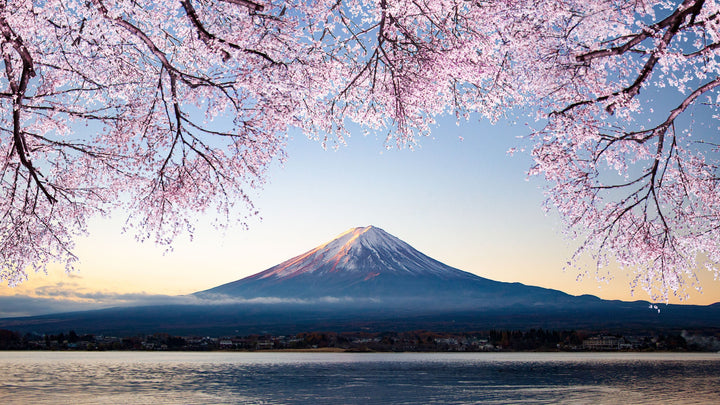
Japanese Spring Motifs to Know
From cherry blossoms to nightingales, discover Japan's most iconic spring motifs and their deep…
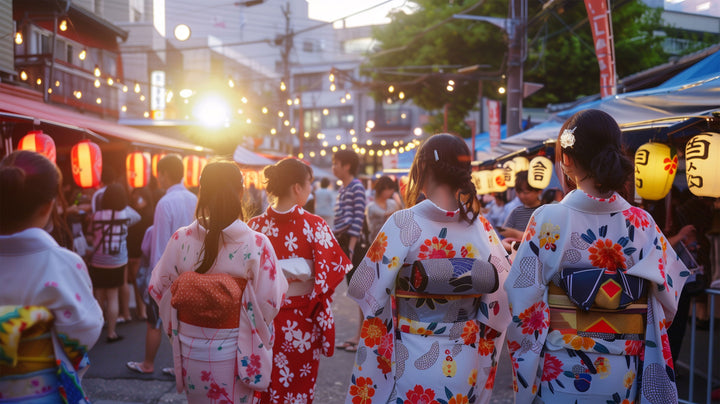
Street Eats & Summer Beats: Your Guide to Japan’s Festival Yatai
Explore Japan’s summer festivals through yatai, vibrant food stalls serving takoyaki, kakigori, and more…
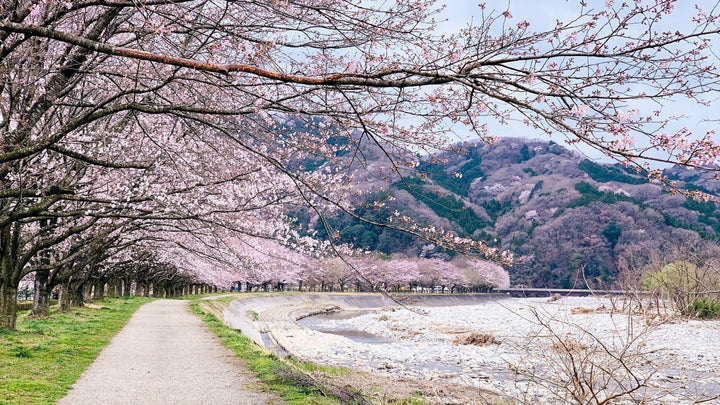
Beauty Blossoming—Japan’s Cherry Trees
Novelist Michael Pronko muses on Japan's sakura season and the crowds of people who…
Michael Pronko
Leave a comment