

Summer Sake Guide: Why Japanese Sake Shines in the Heat
A guide to natsuzake, Japan's newest sake season, and three ways to enjoy it — chilled, on the rocks, or as a highball — paired with MUSUBI KILN's glass sake cups.
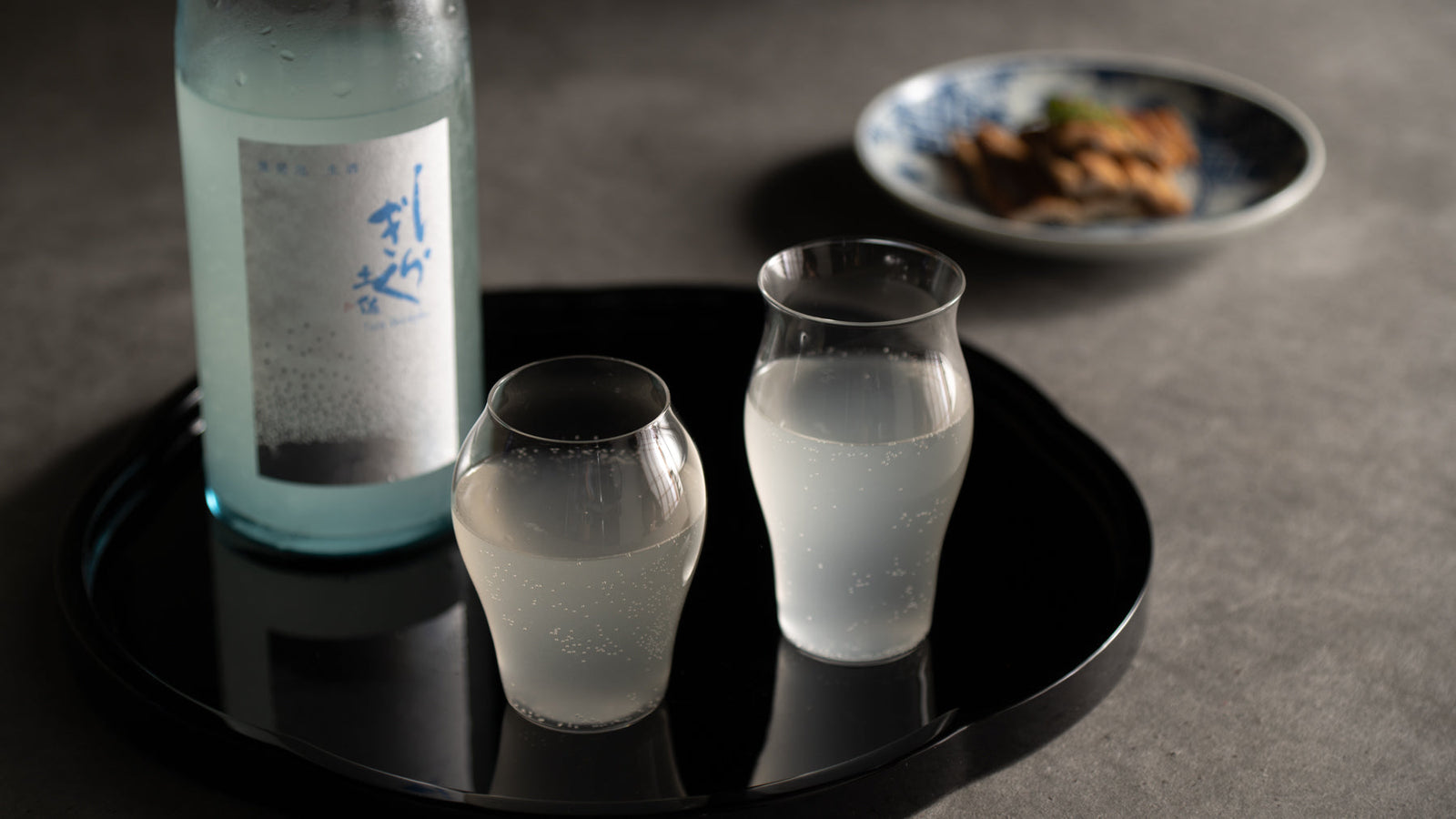
Many people assume sake is a drink for warming the hands on a cold night—and there is real pleasure in that, sipping from a small ceramic cup, the steam rising gently between your fingers. But sake has another season entirely.
In Japan, a category called natsuzake, “summer sake,” has been gaining devoted fans in recent years. Served over ice or diluted with sparkling water, these lighter, brighter bottles offer something quite different from the warming cups of winter. This article explores what summer sake is, how to enjoy it, and which vessels from MUSUBI KILN can make the experience even more special.

Japanese Sake Has Seasons
Japan’s sake-brewing tradition stretches back nearly two thousand years, but the techniques that define modern production took shape during the Edo period (1603–1868 CE). To keep microorganisms from interfering with fermentation, brewers developed a method called kanzukuri, “cold-weather brewing,” producing sake during the coldest months, then aging it through summer before releasing it in autumn.
As refrigeration and distribution networks developed over the following centuries, brewers could begin releasing sake at different times of year, and each season gradually acquired its own character. Today, shiboritate “freshly pressed sake” marks winter, haruzake “spring sake” ushers in the warmer months, hiyaoroshi fills the shelves each autumn, and natsuzake arrives each summer. Of these seasonal categories, summer sake is the newest arrival—it has only become a recognized part of the market in roughly the last fifteen years.
What Is Summer Sake?
Natsuzake has no single fixed definition. The term is used broadly to describe any sake that drinks especially well in warm weather. Within that wide umbrella, styles vary considerably. Some bottles are namazake, “unpasteurized sake,” raw and fresh-tasting, never heated during production. Others are namachozoshu, pasteurized only once rather than the usual twice, which preserves a lively edge. Still others are junmai ginjo, sake brewed for a fragrant, fruity character, or lightly sparkling nigori “cloudy sake.”
What these bottles tend to share is a clean finish—what sake lovers call kire, the way the taste clears from the palate quickly—and a bracing, refreshing acidity that makes the first sip feel genuinely cooling.
Many summer sake labels lean into the season visually, too: bottles in translucent blue and green, labels illustrated with goldfish, fireworks, or ocean waves. Choosing a bottle of summer sake can feel like picking up a piece of summer itself.

How to Enjoy Summer Sake
Here are three ways to make the most of summer sake at home.
Chilled (Reishu)
The most straightforward approach: serve the sake well chilled, between 5–10°C (41–50°F). Cold temperatures sharpen the finish and bring out the rice’s clean, focused flavor.

Designed under the guidance of sake specialists and crafted using the traditional techniques of Edo glass blowing, this two-piece set pairs two deliberately different shapes: tsubomi “bud” and hana “bloom.” Each form is shaped to bring out distinct aspects of sake’s aroma.
Edo kiriko cut glass—a craft born in the late Edo period (1603–1868 CE) and refined further when British glassworking techniques arrived during the Meiji era (1868–1912 CE). Featuring intricate hand-cut details crafted by skilled artisans, these glasses add a touch of elegance to every moment spent enjoying summer sake.

Against a ground of gold, red and white goldfish swim in vivid contrast—a design that brings instant life to a summer table. This glass sake cup from Yoshita Kasho arrives in a branded gift box, making it a thoughtful choice for any sake lover in your life.

This thin, lightweight cup is decorated with the tokusa “horsetail” pattern—crisp vertical stripes in refreshing blue that have been beloved since the Edo period. The plant itself, which grows straight toward the sky, is a traditional symbol of growth and prosperity. Lined up neatly around the cup’s surface, the pattern has a clean, almost geometric calm that feels particularly cooling in warm weather.
On the Rocks
The Nihon Shoki, Japan’s second-oldest chronicle compiled in 720 CE, contains passages that have been interpreted as describing something very close to sake on the rocks. At the time, naturally occurring ice cut from mountains in winter was stored in underground chambers called himuro (ice houses).
The method works especially well with genshu, undiluted sake that tends toward higher alcohol and richer body. As the ice slowly melts, the sake softens and opens up, the alcohol gradually dropping toward an easier, more approachable sip.

The color of the glass flows from deep blue into warm amber, carrying two patterns from the Japanese decorative tradition: the seigaiha “ocean wave” design and the chrysanthemum, a classic symbol of Japan. The exceptional craftsmanship of combining cut glass with colored glass creates a striking contrast of color and light.
Sake Highball
Mixing sake with sparkling water in roughly a one-to-one or one-to-two ratio produces something that will feel familiar to anyone who enjoys a whiskey highball.

The sake’s character still comes through—its umami depth and any fruity notes—while the carbonation lifts everything and adds a refreshing crispness. This style pairs particularly well with ginjoshu and junmai ginjoshu varieties.

Adorned with floral motifs painted in underglaze blue, this tall porcelain cup brings a refreshing touch to the table and is ideal for enjoying a highball over ice. Its thin porcelain walls provide an exceptionally smooth drinking experience, complementing the crisp, invigorating flavors of the drink.
Summer Is Sake Season
Sake isn’t only meant to be enjoyed warm. Served on the rocks or mixed with soda, summer sake offers a refreshing alternative perfect for the hotter months.
And the right vessel can make the experience even more enjoyable. Whether it’s a cool blue cup, a piece decorated with playful goldfish motifs, or a glass adorned with intricate artisan-cut details, each brings a unique expression to summer sake. The cool touch of the glass and the refreshing imagery before your eyes transform an ordinary drink into a moment of comfort and relaxation.
Stay close to the craft
Now and then, a quiet letter — new stories, seasonal notes, and the hands behind the work.
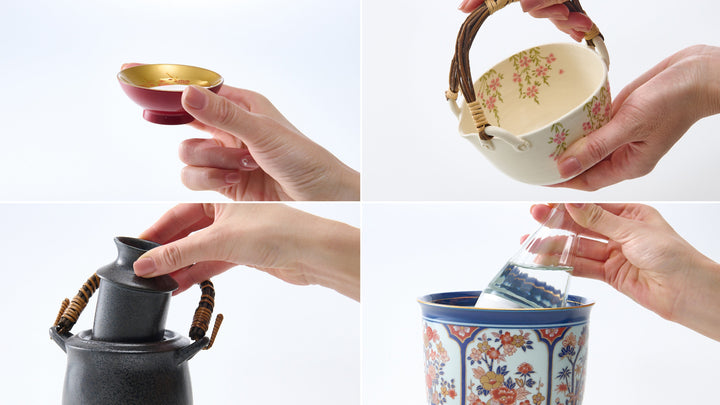
Guide to Japanese Sake Items
Explore traditional Japanese sake cups and carafes, their unique forms, and how to enjoy…
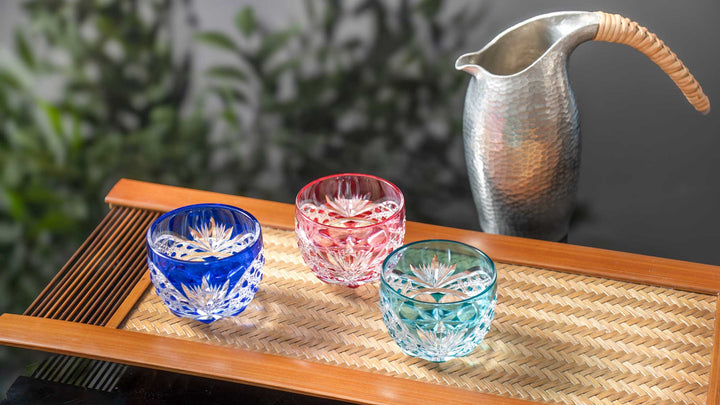
What is Japanese Sake? A Comprehensive Guide
Discover the history, brewing process, and types of Japanese sake. Learn how to enjoy…
Hirata Paku Kayoko
Discovering the Charms of Japanese Whisky
Read further to learn about what Japanese whisky is about, its history, and all…
Leave a comment