
Kiyohara Orimono
Led by the eleventh generation of the Kiyohara family, Kiyohara Orimono carries on a weaving heritage that began in Kyoto’s Omuro area and continues today in Shiga. It specializes in tsuzure ori (tapestry weaving), a technique long valued for its beauty and durability that has adorned spaces for centuries. Shaped by a commitment to carrying this expertise into the next hundred years, its work spans from festival hangings to textiles for everyday life.
Tsuzure ori is the oldest weaving technique within the Nishijin weaving tradition. The Kiyohara family traces its weaving roots to Omuro, Kyoto, where their ancestors are said to have taken up the craft during the Muromachi period (1336–1573 CE).
The business was established as Kiyohara Shoten in 1873. It relocated to Shiga Prefecture during the Taisho era (1912–1926 CE) and has continued to pass its knowledge from one generation to the next ever since.
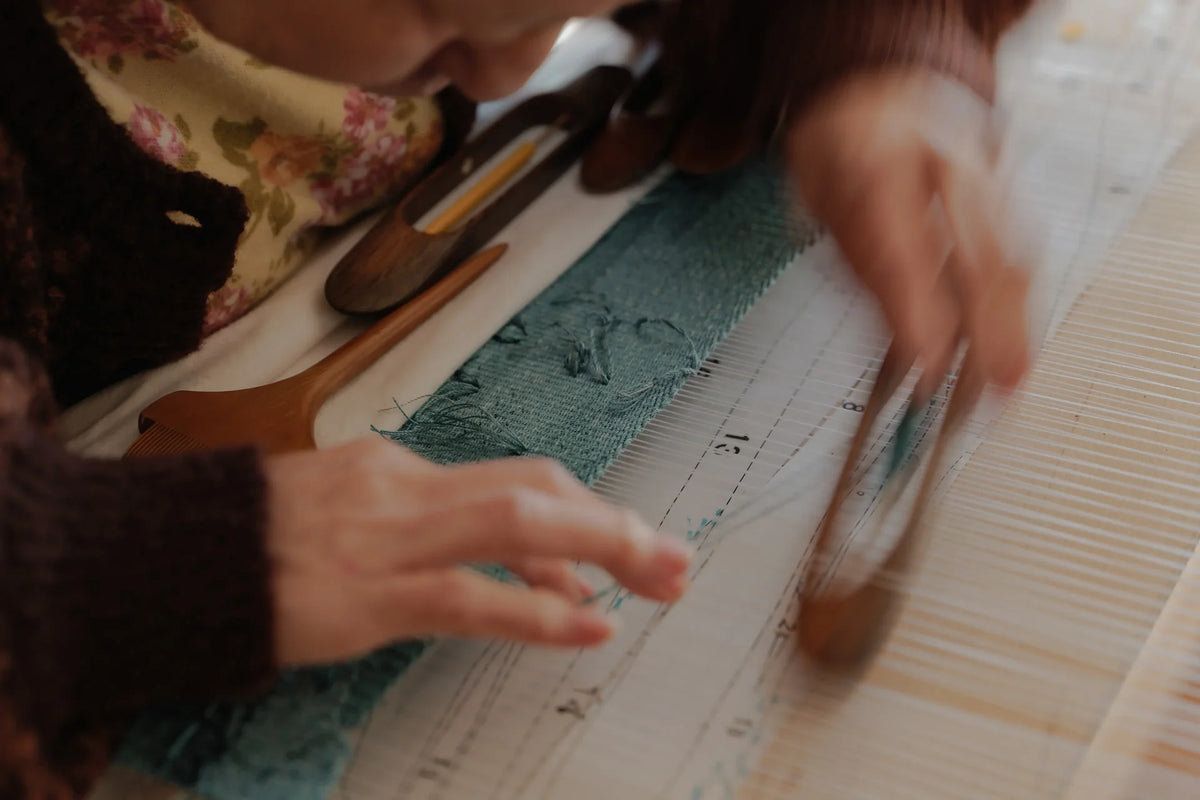
For historic festivals such as the Gion Matsuri, faithfully reproducing a hanging means following the original weaving method. Neither Jacquard weaving nor inkjet printing can substitute for tsumekaki hon-tsuzure ori, in which artisans gather the weft threads with fingernails filed into sawtooth notches. Each restoration or recreation takes one to two years and is carried out under the supervision of Japan’s Agency for Cultural Affairs.
Today, the company also develops new applications, from everyday objects to architectural interiors, keeping its inherited skills in use as needs and settings change.
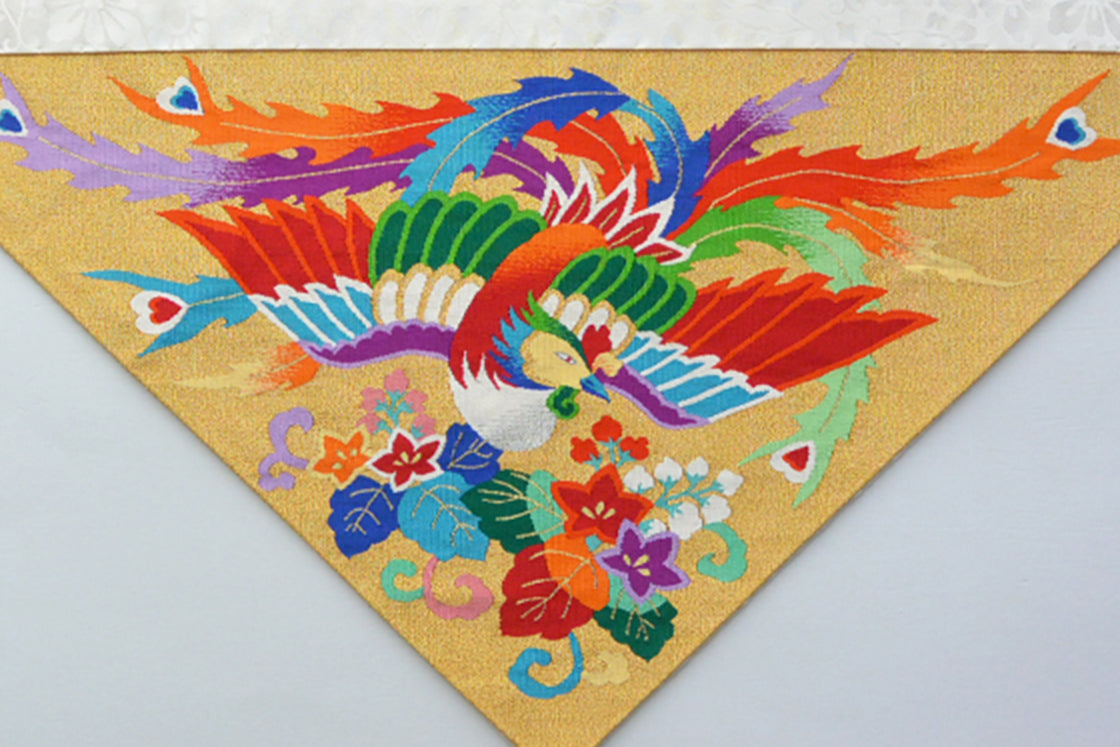
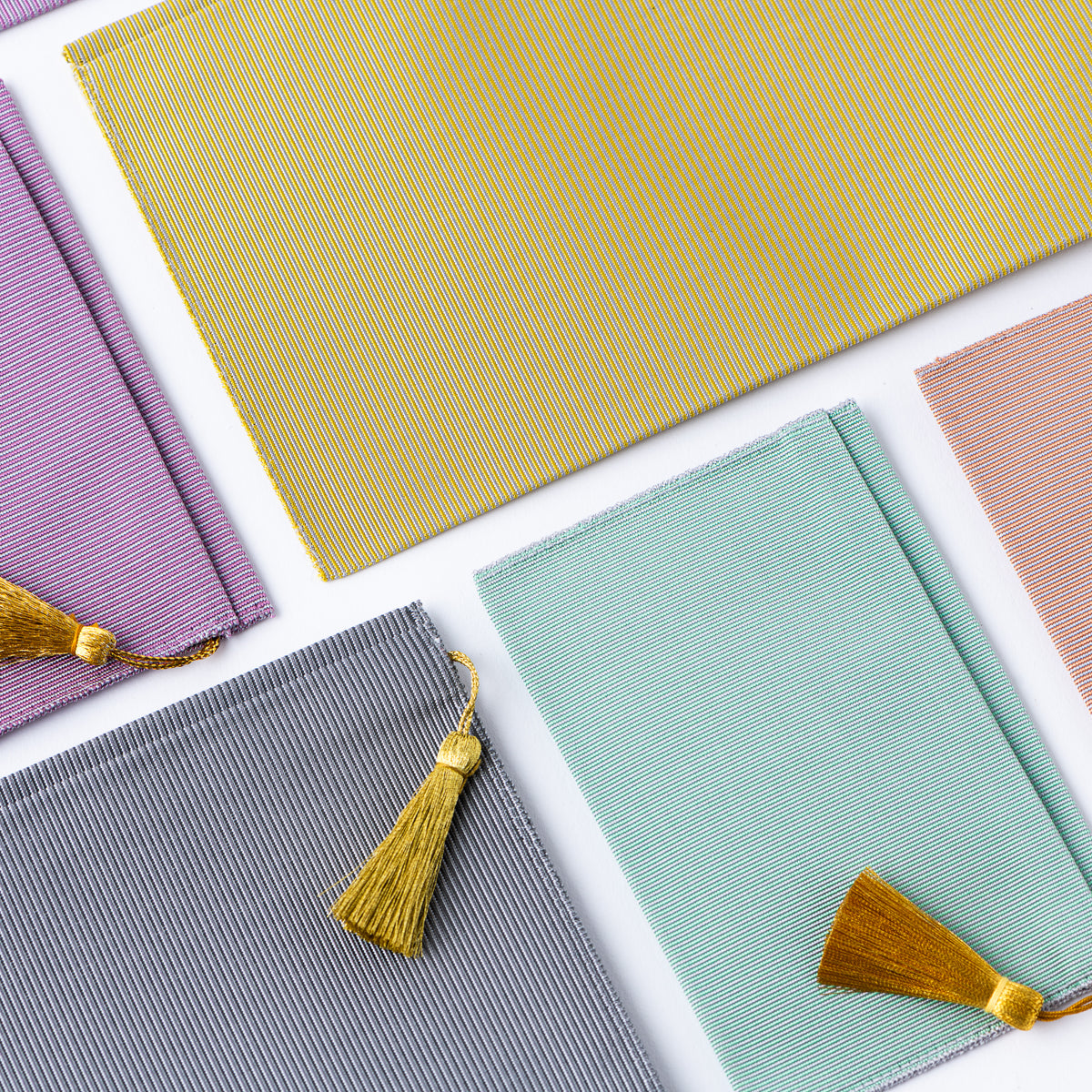
Tsuzure ori is distinguished by its densely packed weft threads, which completely cover the warp beneath them. This structure creates a firm fabric whose surface reveals the colors and textures of the horizontal yarns.
The choice of fibers, the density of the weave, and the pairing of hues each influence the result. Closely related shades bring gradual transitions, while contrasting tones give patterns greater definition. Gold threads add another dimension, catching the light as the cloth moves.
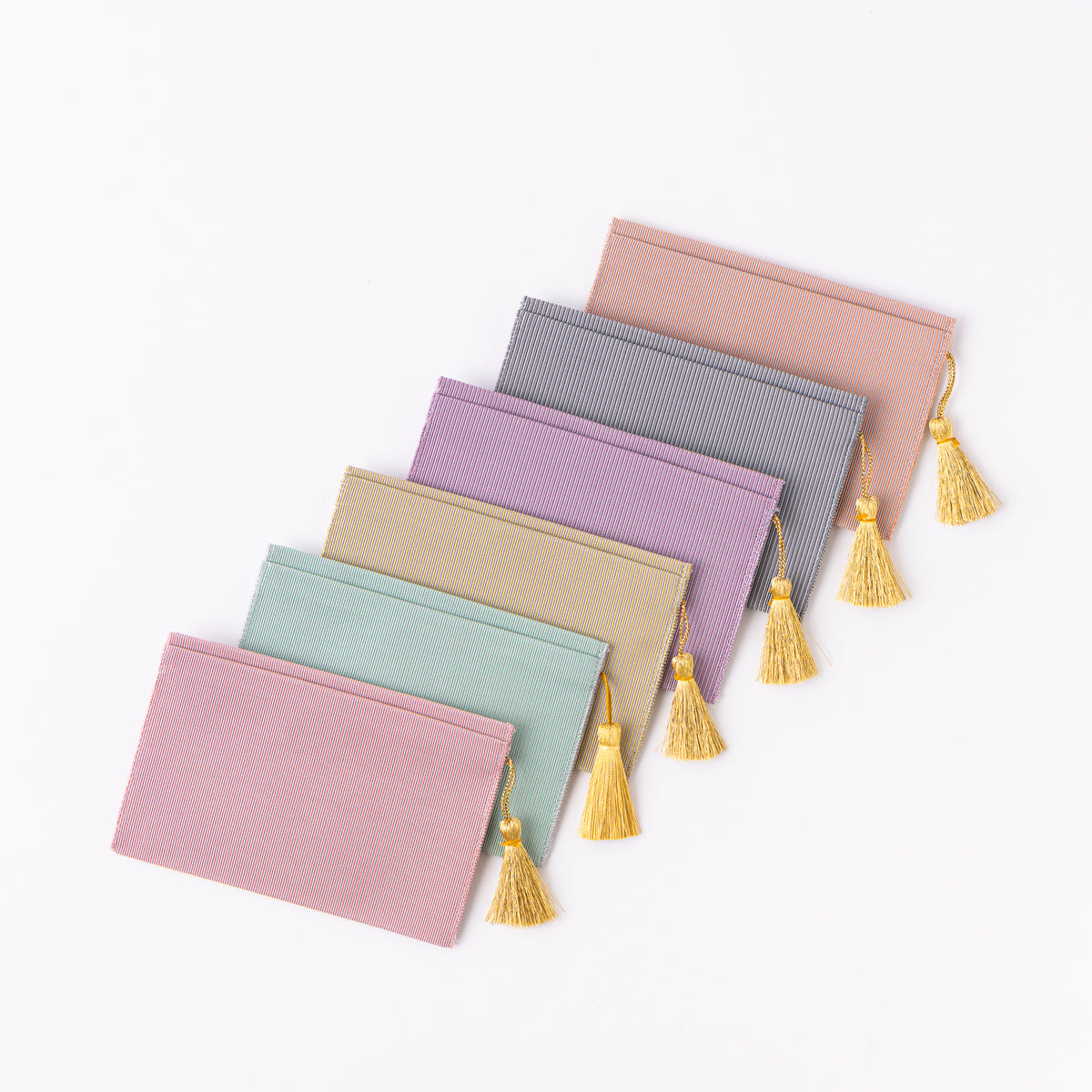
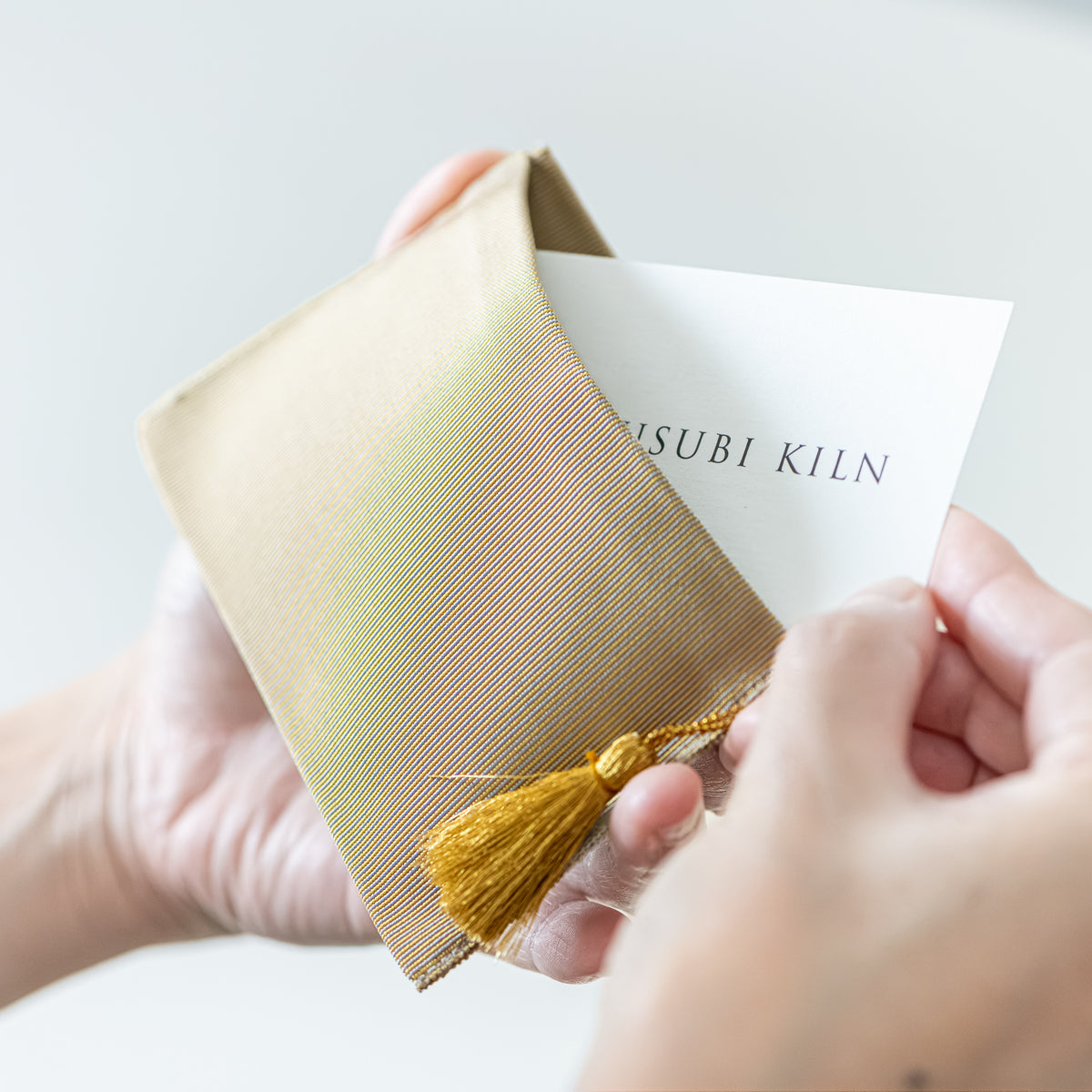
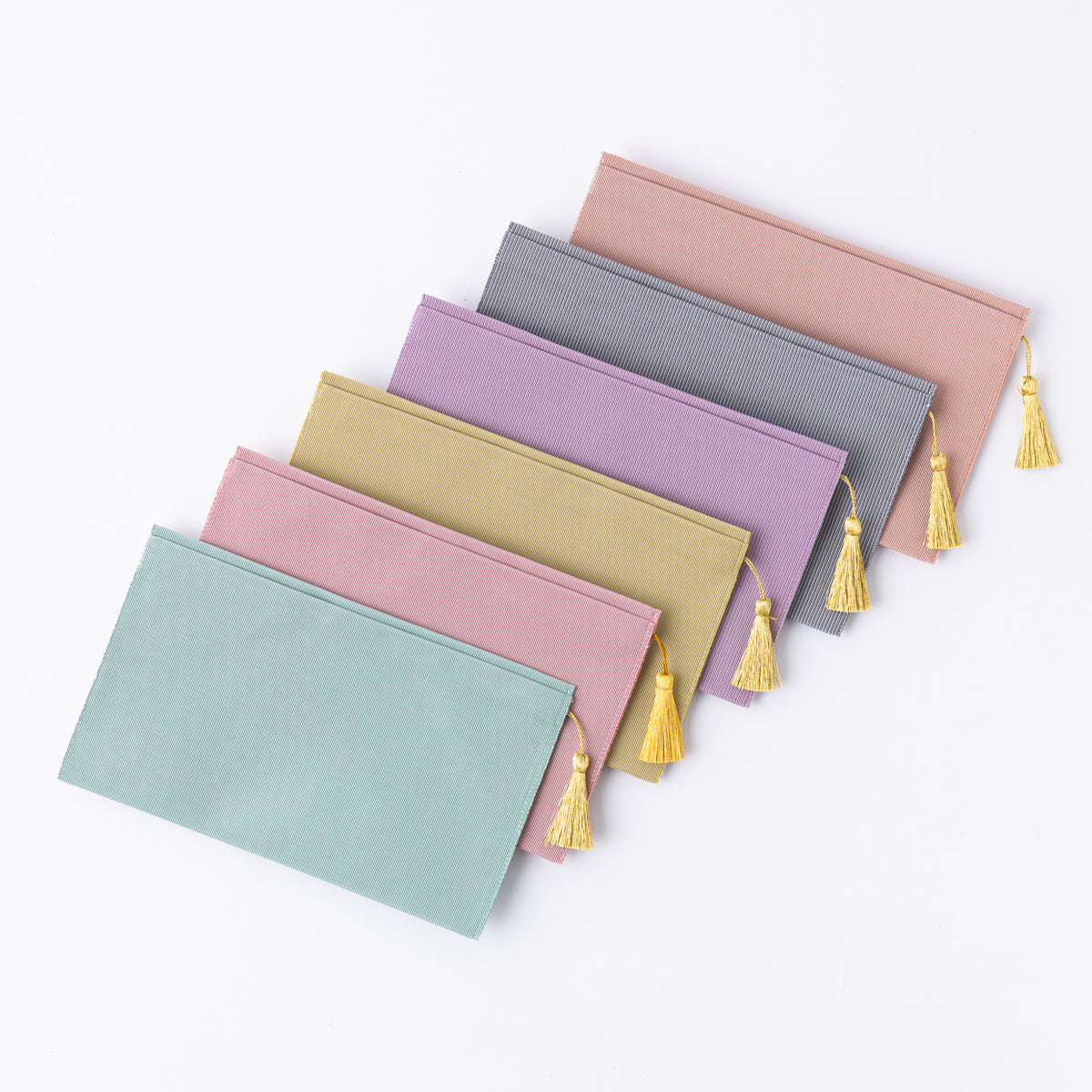
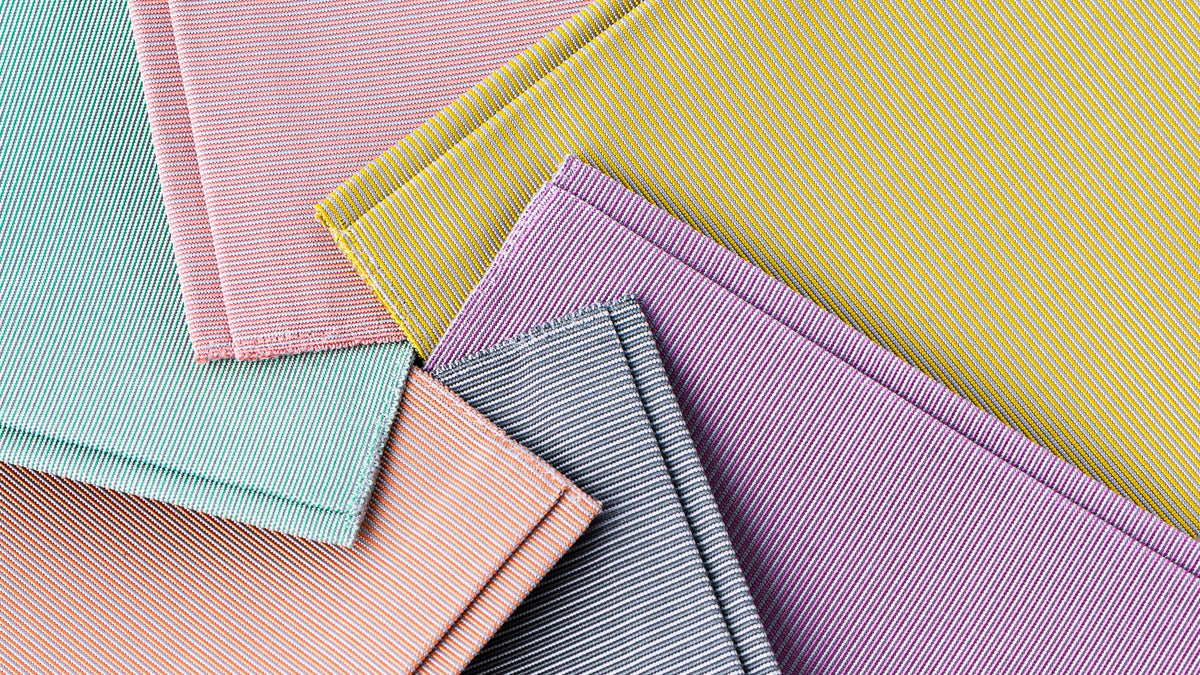
Alongside its handwoven commissions, Kiyohara Orimono uses machine weaving to bring its expertise into contemporary applications. The textiles in this collection are machine-woven and show the maker’s attention to materials, color, and structure in forms suited to everyday use.
Related posts