

The Making of Musubi Kiln's Greeting Cards
What meanings are imbued in the designs of the cards we created? Let's delve into the significance of each element.
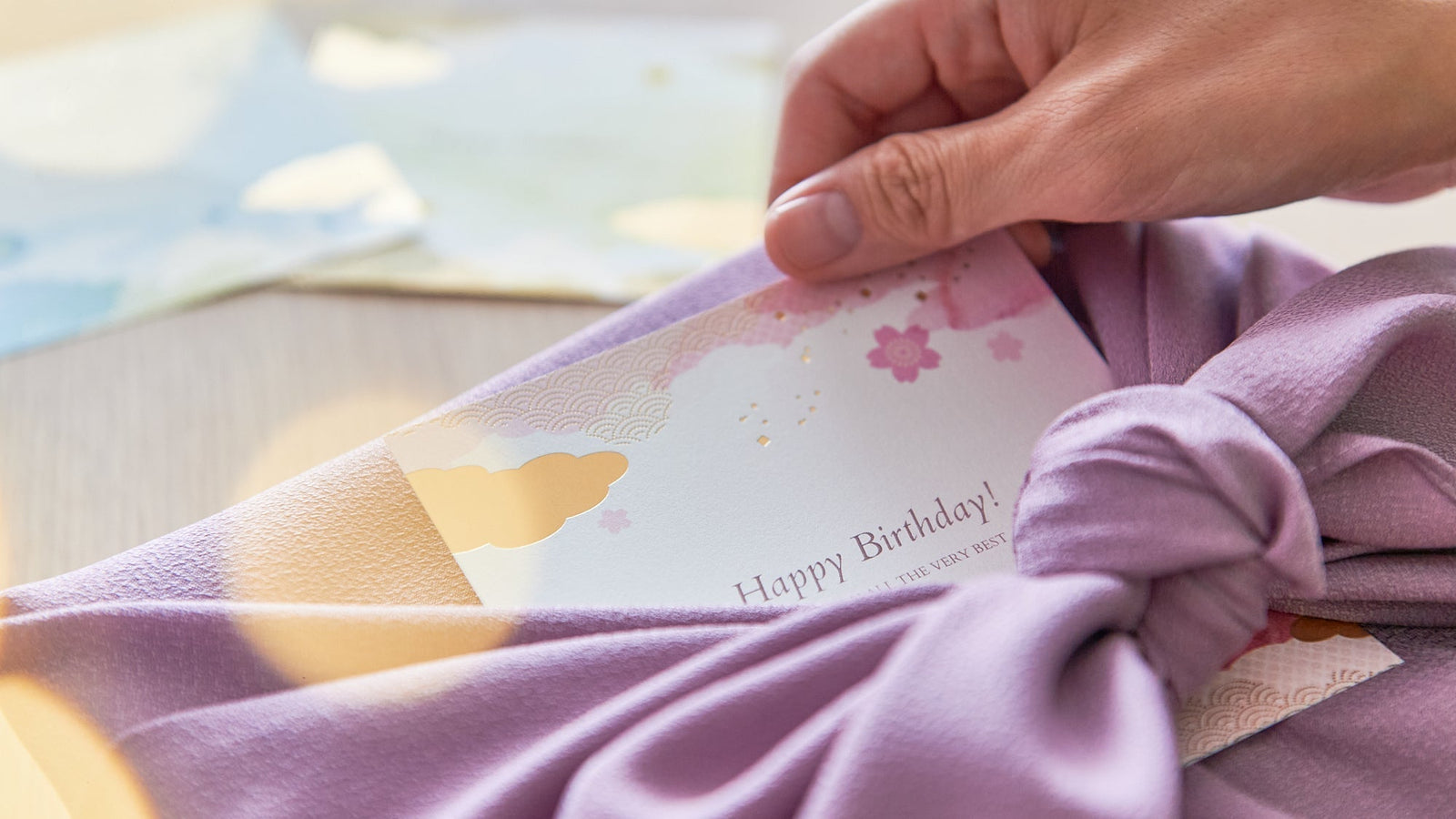
We are delighted to announce the addition of greeting cards to our product lineup. Available with three different messages - "Happy Birthday," "Happy Holidays," and "Thank You" - these cards, like furoshiki, are perfect for conveying your feelings of gratitude to the recipient.
This product was highly requested by our customers. However, traditionally, cards have not been a part of Japanese culture, and most available in the market feature non-Japanese or international designs. We pondered, "How can we create cards that embody the essence of Musubi Kiln and Japanese aesthetics?" It is through such trials and errors that we have come up with the three card designs we are introducing this time.
So, what meanings are imbued in the designs of the cards we created? Let's delve into the significance of each element - the colors, motifs, patterns and decorations.
Inspiration from "The Tale of Genji Scroll"

"Happy Birthday"

Color - Nadeshiko (Dianthus)
A bright pink, reminiscent of the Nadeshiko flower, with a slight purple tint. This color has a long history, appearing in ancient anthologies like the "Manyoshu" (Collection of Ten Thousand Leaves) and in the Tale of Genji. The Nadeshiko is a perennial plant, one of the seven flowers of autumn.
Motif - Sakura (Cherry Blossoms)
Sakura, or cherry blossoms, represent Japan and are enjoyed for their beauty during springtime. Known for their elegance and transient nature, they symbolize "grace" and "spiritual beauty," making them perfect for birthdays.
"Happy Holidays"

Color - Ominaeshi (Golden Lace)
A cool and refreshing yellow, reminiscent of the Ominaeshi flower, also one of the seven flowers of autumn. This beautiful color has been cherished since the Heian period and was traditionally worn in autumn. The Ominaeshi yellow is also reminiscent of the moon, which is most beautiful during mid-autumn.
Motif - Chidori (Plover)
Chidori are not a specific type of bird but a general term for small birds living near water. The pattern has been treasured from days of old, and when combined with wave patterns, it symbolizes overcoming challenges together, representing marital harmony and household safety. The holiday card also incorporates "Seigaiha," a wave pattern, making it auspicious for the holiday season.
"Thank You"

Color - Shiro-ai (Indigo White)
The lightest color used in indigo dyeing, it's a pale blue with a hint of yellow. This color, known as "Shiro-ai" or "Shiroki-ai," dates back to the Heian period (794 CE – 1185 CE) and is seen in historic texts. Interestingly, the color "Skytree White," used in Tokyo Skytree, the world's highest free-standing broadcasting tower, is inspired by Shiro-ai.
Motif - Ume (Plum Blossom)
Ume, or plum blossoms, bloom refreshingly early in spring. Loved since ancient times for their shape, branch form, and fragrance, they were the symbol for "flowers" before being replaced by sakura. Ume is also associated with the five blessings, symbolizing fortune, prosperity, longevity, joy, and wealth, and combined with pine and bamboo, it forms the auspicious "Sho-Chiku-Bai" (Pines, Bamboo, Plum).
A Frame for Your Feelings

Filled with the distinctive touch of Musubi Kiln, these cards, paired with furoshiki, exemplify Japanese aesthetics and make wonderful additions to a special gift. With space on the back for your message, they're ideal for gifting to your loved ones. We plan to expand our card lineup in the future, so please look forward to it!
Stay close to the craft
Now and then, a quiet letter — new stories, seasonal notes, and the hands behind the work.
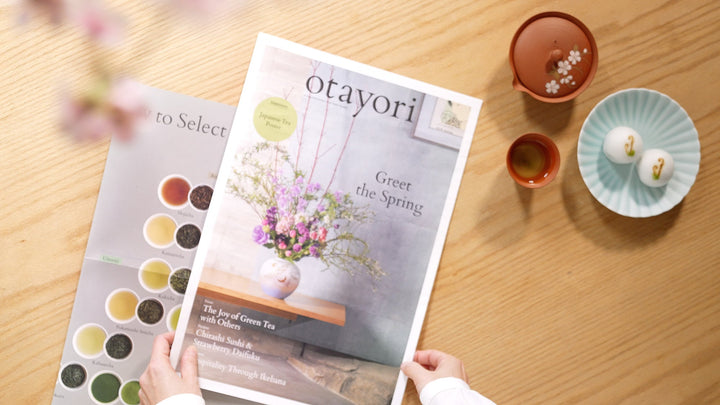
Otayori 2026 Spring Issue: Hospitality, Tea, and Ikebana
Otayori 2026 Spring Issue explores omotenashi through Japanese tea, ikebana, and fresh seasonal recipes.
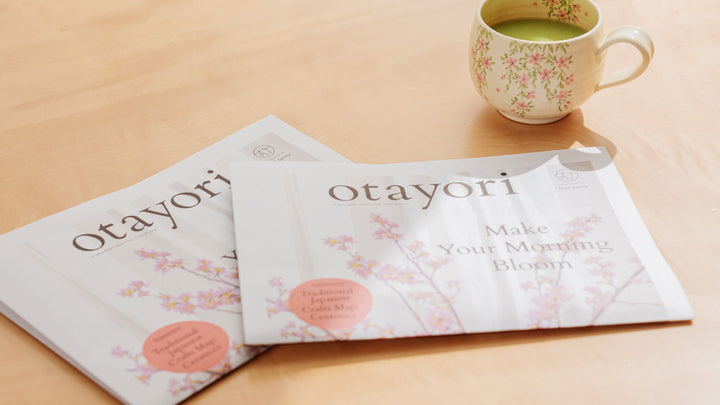
Otayori: A New Seasonal Companion from Musubi Kiln
A new seasonal magazine from Musubi Kiln, Otayori shares stories of Japanese craftsmanship, traditions,…
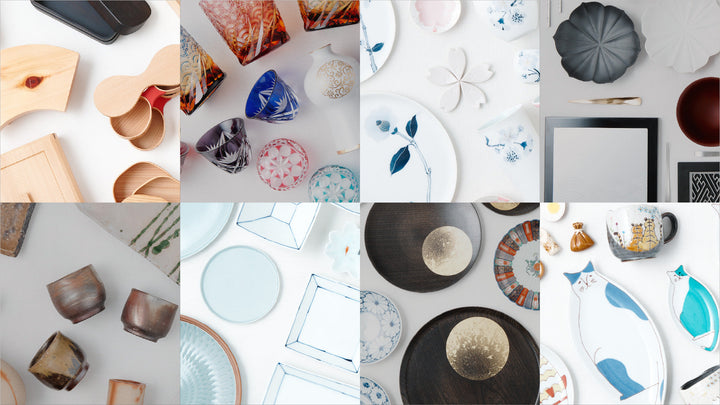
8 Japanese Tableware Themes to Elevate Your Table Settings
From rustic earthenware to elegant lacquerware, discover Japanese tableware themes that reflect your lifestyle.
Leave a comment