

What Is Yusuzumi? The Japanese Art of Staying Cool in Summer
Discover yusuzumi, Japan's tradition of cool summer evenings with uchimizu, engawa, and ryomi dishes.
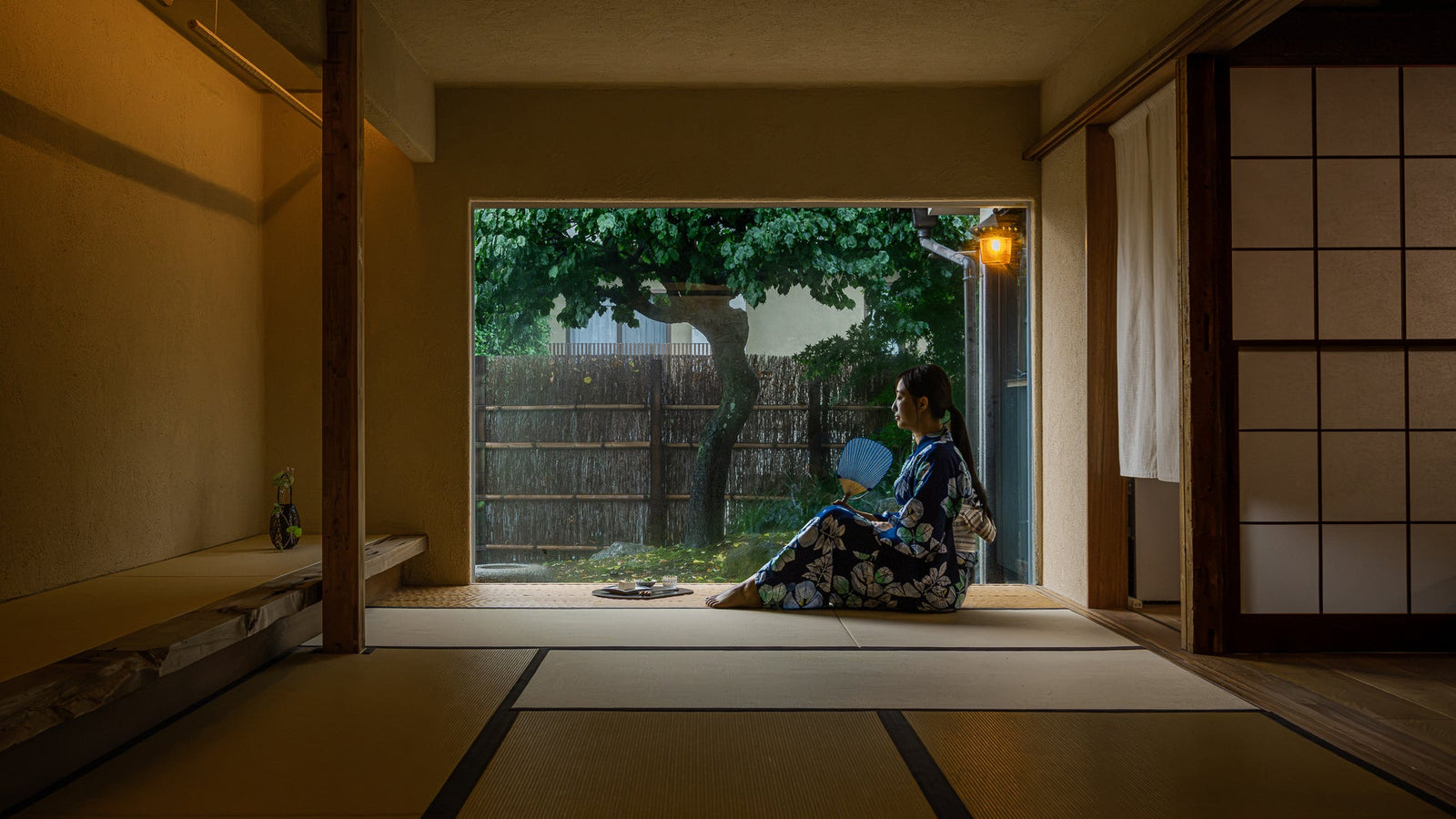
As the last light of day fades, a cool breeze drifts through the open window. A chilled appetizer rests on a celadon plate, the sound of conversation lingers in the air, and a tranquil summer evening begins to unfold. This moment is at the heart of yusuzumi—a Japanese practice of cooling down, pausing, and reconnecting with nature.
In this article, we explore how to create your own yusuzumi-inspired evening at home. From serene celadon plates to hand-painted sometsuke bowls, discover how Japanese tableware can bring season, craft, and connection into an ordinary summer night.
What Is Yusuzumi?
The Japanese word yusuzumi literally means “evening cooling off.” It refers to the long-standing custom of stepping outside at dusk to enjoy the relief that comes as the day’s heat begins to fade. Long before air conditioning became commonplace, people gathered on an engawa (a traditional wooden veranda), relaxed in their gardens, or wandered through neighborhood streets, making the cool of the evening a part of summer life.

More than simply escaping the heat, yusuzumi reflects a distinctly Japanese way of experiencing the season. Rather than treating summer as something to endure, it encourages an appreciation of the subtle changes that arrive with evening: the softer light, the gentler breeze, the sounds that emerge as the day grows tender, and the slower pace that naturally follows sunset. These fleeting experiences turn the end of the day into an opportunity to pause and unwind.
Yusuzumi is less a single custom than a way of seeing. The practices explored in the following sections reveal how this sensibility shapes Japanese summers today.
The Japanese Tradition of Evening Coolness
One of the defining features of Japanese summer culture is the many ways people have learned to make the season feel more comfortable through their surroundings. Water, architecture, and seasonal food all play a role in this quiet pursuit, transforming ordinary occasions into experiences that soothe both body and mind.


Although many of these customs are long-standing, they continue to shape the rhythms of summer today. Whether sprinkling water outside the home, relaxing on an engawa, or enjoying a light chilled meal, each reflects a shared appreciation for finding relief through the subtle pleasures of everyday life.
Uchimizu: Cooling the Air with Water
One of Japan’s well-known summer customs is uchimizu, the act of sprinkling water onto streets, gardens, and entrances during the cooler hours of the morning or evening. While evaporation does lower the surrounding temperature slightly, the practice has long carried a significance beyond its practical effect.

Freshly sprinkled water darkens the ground, catches the light, and releases the earthy scent of damp stone and soil. Together, these changes create an atmosphere that feels noticeably cooler, demonstrating how the perception of coolness can arise through sight, sound, smell, and touch.
Today, uchimizu is still practiced in homes, temples, and neighborhoods throughout Japan, a reminder that even a modest gesture can change the feeling of a summer evening.
Engawa: A Place to Slow Down
If uchimizu shapes the atmosphere outdoors, the engawa creates a place from which to experience it.
Running between the interior of the house and the garden, this traditional wooden veranda was designed to invite natural light and fresh air into the home. During summer evenings, it became the ideal place to sit quietly, listen to the sound of wind chimes, admire the changing sky, or share a chilled drink with family and friends.

Rather than separating people from nature, the engawa connects them with it. As the breeze moves through the house and the garden settles into the evening, the boundary between indoors and outdoors begins to soften.

Sake or whisky served in delicate glassware further enhances the experience, reflecting the cool hues of twilight while allowing the changing light to become part of the evening itself.
Ryomi: Savoring Summer’s Cool
Refreshment in summer is not only felt in the air but also tasted.
The idea is expressed in ryomi, literally “the taste of coolness.” Rather than referring to a particular flavor, it is often used for foods that evoke refreshment through their temperature, texture, appearance, and seasonality.

Minimally prepared dishes such as hiyayakko (chilled tofu), lightly salted edamame, and cold somen noodles have long been enjoyed during the hottest months of the year. Their mild flavors require little seasoning, allowing the freshness of the ingredients to take center stage. Served in glass bowls or cool-toned ceramics, they appeal to the eye as much as to the palate.
Together, these seasonal dishes embody a distinctly Japanese understanding of summer.
Yusuzumi is not simply a way to seek relief from the heat. It reflects a Japanese sensibility of finding comfort in small changes—the shift of the season, the passing of time, and the moments woven into everyday life.

In a world that often moves quickly, these seasonal rituals invite us to slow down and notice what is around us. A summer evening does not need to be extraordinary to become memorable; sometimes, it is the simplest pleasures that stay with us the longest.
Perhaps this is the enduring charm of yusuzumi: not just a tradition from the past, but a reminder to reconnect with the season and with one another.
Stay close to the craft
Now and then, a quiet letter — new stories, seasonal notes, and the hands behind the work.
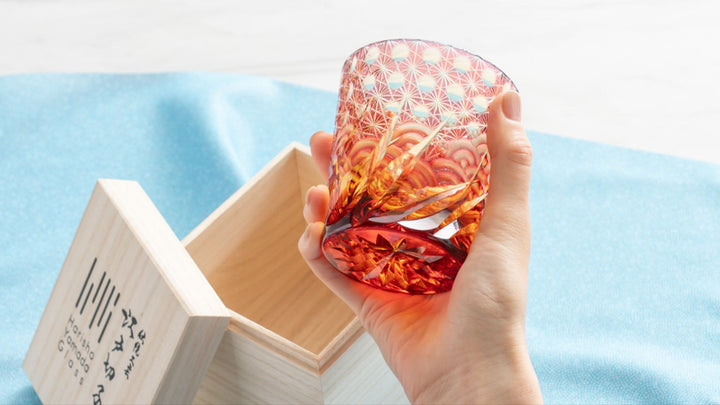
Summer Gift Ideas That Bring a Refreshing Feeling
Explore Japanese summer gift ideas for ochugen, from Edo Kiriko glass and wind chimes…
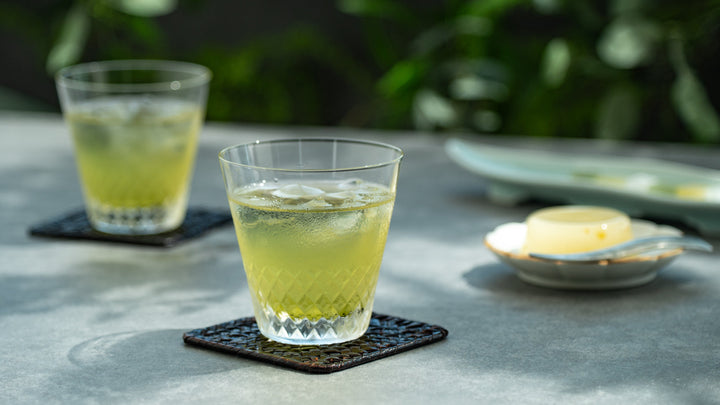
Cold Water, Sweeter Tea: A New Way to Enjoy Japanese Tea
Discover mizudashi-cha, Japan's cold-brewed tea method that softens astringency and draws out natural sweetness…
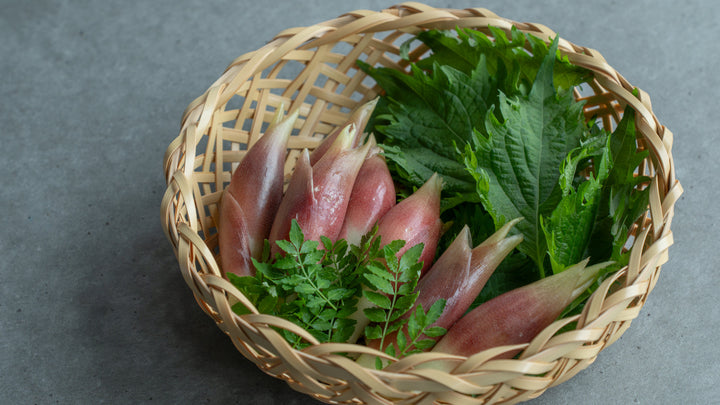
Exploring the Seasonal Herbs of Japanese Cuisine
Discover shiso, myoga, kinome, and seri, the seasonal herbs that quietly shape the flavors…
Leave a comment
@nofixedstars – Thank you so much for your kind comment! We’re glad the article resonated and brought up memories for you. Something about the sight and smell of damp greenery just feels cooler, doesn’t it? I often think about this when I visit my local park. Even if the heat and humidity are the same as inside my Tokyo apartment, the scents of running water and foliage bring a sense of ease and relaxing into the heat that the modern interior just doesn’t give. Definitely there is much to learn from the people who came before us!
summer is very hot and humid where i live, too, and i like this idea of honouring the transition from daytime heat and brightness to the (slightly) cooler evening. i particularly admire the way all the senses are involved in triggering a perception of coolness. salads and chilled foods make sense, of course, but the scent and sight of just-dampened stone and greenery is also cooling and refreshing. i wonder if my grandmother instinctively knew this as she watered her flowers on hot summer evenings; did she know she was bringing freshness to herself as well as the heat-stressed greenery and blooms? tradition is often very sensible.