

Cold Water, Sweeter Tea: A New Way to Enjoy Japanese Tea
Discover mizudashi-cha, Japan's cold-brewed tea method that softens astringency and draws out natural sweetness — and learn how to make it at home.
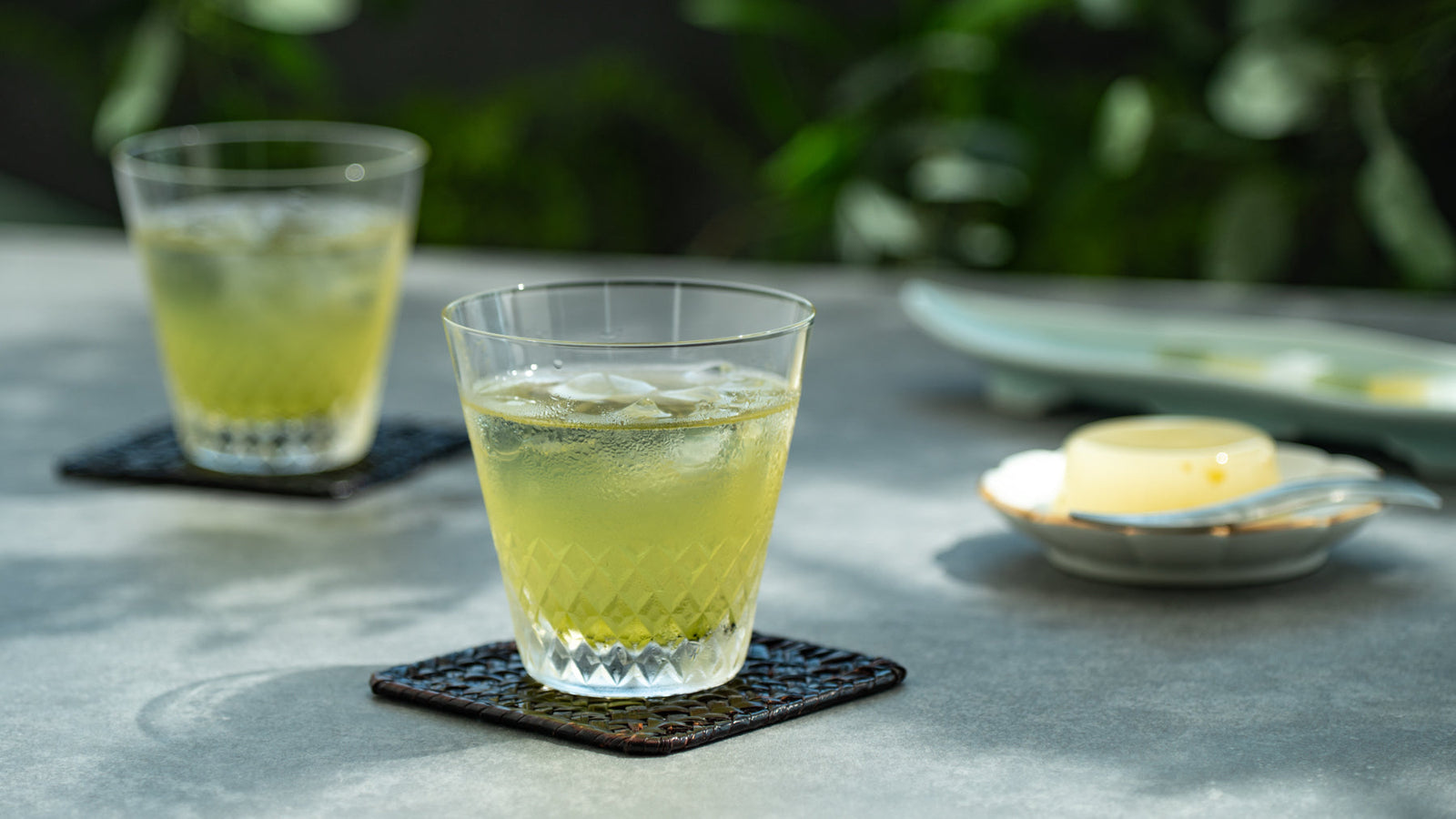
Many people think Japanese tea should always be brewed with hot water. But there’s another traditional way to enjoy it that’s well worth discovering: mizudashi-cha, or cold-brewed Japanese tea.
What surprises many first-time drinkers is that the very same tea leaves can produce a completely different flavor when brewed with cold water instead of boiling water. The astringency becomes much gentler, while the tea's natural sweetness and umami come to the forefront, creating a smooth, mellow cup.
A longtime favorite in Japanese households during the hot summer months, cold-brewed tea is wonderfully refreshing and remarkably easy to make. In this article, we’ll explore what makes mizudashi-cha so special and show you how to prepare it at home.

What Is Mizudashi-cha?
Mizudashi-cha is Japanese tea brewed slowly with cold water instead of boiling water. As summer temperatures rise, it becomes a staple in many Japanese households thanks to its refreshing taste and the ease of preparing it in the refrigerator.
The temperature of the water plays a key role in determining which compounds are extracted from the tea leaves. The process is remarkably similar to cold brew coffee. Just as hot coffee and cold brew develop distinctly different flavor profiles, the same tea leaves can produce a surprisingly different cup simply by changing the brewing temperature.
When tea is brewed with boiling water, catechins—the compounds responsible for a tea’s astringency and bitterness—are released quickly, creating a crisp, well-defined flavor.
Cold brewing, on the other hand, slows the extraction of catechins while allowing theanine, the amino acid responsible for sweetness and umami, to take center stage. Because theanine dissolves readily even in cool water, the result is a tea with a mellow body, pronounced sweetness, and a lingering finish.

Like catechins, caffeine is also extracted less readily at lower temperatures. For this reason, cold-brewed hojicha and genmaicha, both naturally lower in caffeine, are excellent choices for unwinding in the evening and are also suitable for children.
One of the most fascinating aspects of Japanese tea is how dramatically its character can change. With nothing more than a different brewing temperature, the very same tea leaves reveal an entirely new side of themselves.
How Different Teas Shine When Cold Brewed
Cold brewing works beautifully with many varieties of Japanese tea, and each one reveals its own distinctive qualities when prepared this way.
Sencha

Sencha is made by steaming freshly picked tea leaves and is the most widely enjoyed tea in Japan. When cold-brewed, its natural sweetness and umami become more pronounced, while the liquor takes on a vibrant green hue. Its clean, refreshing taste, balanced by a rich savory depth, has made it the classic choice for cold-brewed Japanese tea. If you’re trying cold brewing for the first time, sencha is an excellent place to start.
Gyokuro

Gyokuro is a premium tea grown under shade for several weeks before harvest. By limiting the amount of sunlight the tea plants receive, the production of catechins—the compounds responsible for astringency and bitterness—is reduced, allowing the leaves to develop a deeper sweetness and richer umami.
Among Japanese teas, gyokuro is one of the best examples of what cold brewing can achieve. Often described as the ideal way to appreciate its full umami, cold brewing slowly extracts the tea’s flavorful components at a low temperature, resulting in a concentrated, velvety infusion with a smooth, almost silky texture. It is a tea to savor slowly, whether on a special morning or during a moment of relaxation.
Hojicha

Hojicha is a roasted Japanese tea made by heating tea leaves such as sencha over high heat, giving it its signature toasty aroma. Cold brewing removes almost all of its astringency, leaving behind the clean, comforting fragrance created by the roasting process. Naturally lower in caffeine than many other Japanese teas, hojicha contains even less caffeine when cold-brewed, making it a soothing choice for an evening break or a drink that children can also enjoy.
Genmaicha

Genmaicha is a fragrant blend of sencha and roasted brown rice, known for its light, nutty flavor. Because it has very little of the bitterness often associated with green tea, it is especially approachable for those who are new to Japanese tea. Cold brewing makes its flavor even crisper and more refreshing, and its balanced character pairs particularly well with meals.
Black Tea

Black tea is made by fully oxidizing the tea leaves, and it is produced in Japan as well. Known as wakocha, Japanese black tea is prized for its mellow sweetness and restrained astringency. Cold brewing brings out its delicate floral aroma and gentle sweetness. It is also wonderfully versatile—you can enjoy it with milk or infuse it in the refrigerator with fresh fruit to create a refreshing fruit tea.
Cold-Brewed Japanese Tea Made Simple
Making cold-brewed Japanese tea doesn’t require any special equipment. Simply add tea leaves and water to the same iced tea pitcher you normally use—one with a strainer is a plus and let the refrigerator do the rest.

The process couldn’t be easier. Place about 2½–5 teaspoons of tea leaves into the pitcher, pour in 2 cups (16 fl oz) of water, cover it, and refrigerate for 3 to 6 hours. As the tea slowly infuses, it develops a mellow flavor with a gentle sweetness.

Before serving, give the tea a light stir. During brewing, many of the tea's umami components naturally settle at the bottom of the pitcher. Stirring helps distribute them evenly, so every cup tastes just as flavorful from the first sip to the last.

One habit that’s especially worth adopting during the summer is preparing your tea the night before and enjoying it the following morning. Before heading to bed, simply add the tea leaves and water to your iced tea pitcher and place it in the refrigerator. By morning, you’ll have a refreshing tea with sweetness and umami that have been slowly drawn out overnight. If you plan to brew it overnight, it’s best to use a slightly smaller amount of tea leaves.
Starting the day with a carefully steeped pitcher of cold-brewed tea is a simple way to make the morning feel a little more special.
Time Is the Secret Ingredient
Cold-brewed Japanese tea doesn’t require special equipment or advanced techniques. All it asks for is the willingness to wait. Given a little time, anyone can discover a different side of Japanese tea.
That, in fact, is what makes cold brewing so special. Instead of preparing tea with hot water and enjoying it within minutes, you deliberately steep it in cold water and let it infuse slowly, even overnight. Time gently draws out the tea leaves’ natural sweetness and umami, creating a flavor that can only be achieved through this unhurried process.
In the middle of a busy day, taking a moment to prepare tea for tomorrow morning may seem like a small gesture. Yet that simple act can turn opening the refrigerator the next morning into a quiet moment to look forward to.

Stay close to the craft
Now and then, a quiet letter — new stories, seasonal notes, and the hands behind the work.
What Is Yusuzumi? The Japanese Art of Staying Cool in Summer
Discover yusuzumi, Japan's tradition of cool summer evenings with uchimizu, engawa, and ryomi dishes.
Summer Gift Ideas That Bring a Refreshing Feeling
Explore Japanese summer gift ideas for ochugen, from Edo Kiriko glass and wind chimes…
Exploring the Seasonal Herbs of Japanese Cuisine
Discover shiso, myoga, kinome, and seri, the seasonal herbs that quietly shape the flavors…
Leave a comment