

Japan’s First Tea Harvest and the Hand-Picked Tea Experience
Hand-pick first-harvest leaves at a Kanagawa tea farm and discover what makes shincha, Japan's new tea, so special.
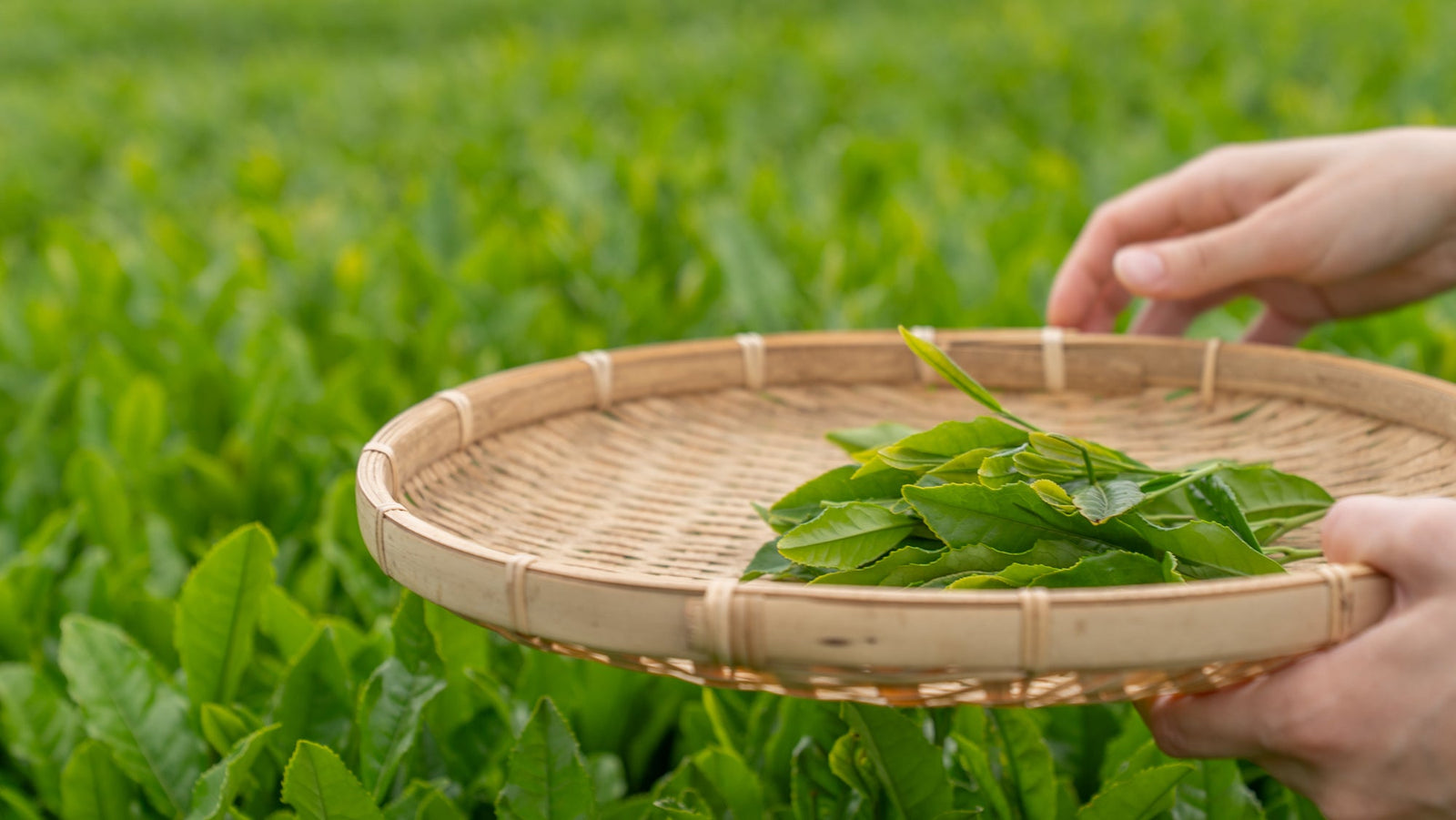
In late April and early May, Japan’s tea trees sprout their first leaves of the year, delicate, bright green buds unfurling toward the sky. This is the season of shincha, or “new tea.” Highly anticipated, the shincha harvest produces top-grade Japanese tea beloved for its fresh flavors. And at some tea farms, visitors are able to pick these leaves themselves.
To learn more, Team Musubi visited the farm of Kaiseicha, or in English, Sunshine Tea: a shincha specialist nestled at the base of the Hakone mountains in Kanagawa Prefecture. There, we picked new leaves between flat fields, rows of tea bushes, and burbling streams, the calming scenery of rolling foothills in the distance. Then we enjoyed a meal that incorporated those tea leaves in creative ways, and learned tips for getting the best brew out of shincha.

So follow along with us and experience the joys that the season’s earliest tea harvest has to offer, plus the teaware that brings it to life on your table.
Why Is Shincha So Special?
The secret to shincha’s outstanding flavor and aroma lies in the cold of winter, when tea trees go dormant for the season. The plants accumulate nutrients and umami, which come out in full force with their new leaves in spring. The deliciousness of these leaves is highly anticipated in Japan, reflecting both the strong culture of green tea drinking and the appreciation for the changing seasons.

Among Japan’s top tea production regions are Shizuoka Prefecture, Kyoto’s Uji—which is especially well-known for its matcha—and Kagoshima Prefecture in Kyushu. The timing of each location’s first crop differs depending on latitude and climate. In the warmer, southern-oriented Kagoshima, tea tends to be ready to pluck around the end of March, while further north in Shizuoka and Uji, it isn’t time until late April to early May.
The result is a sweeping line of shincha arriving in stores from the end of spring to early summer. Tea lovers keep an eye out for this moment, ready to enjoy the freshest tea of the year.
The Experience of Hand Picking Tea Leaves
Excited for this early harvest, we decided to learn what it takes for shincha to go from freshly-sprouted tree to the tea that fills our cups. That took us on a journey just about an hour outside of Tokyo to Sunshine Tea, a shincha specialist that offers tea-picking experiences for tea fans and both domestic and foreign tourists alike.
Stepping onto Sunshine Tea’s home base of Ashigara Green Farm was like taking a deep breath. Here was a whole world that felt far away from Tokyo’s crowds and concrete. In their place was lush greenery, running water, and the open sky.

Tea bushes grew in neat rows about waist height, tiny white butterflies fluttering over the glossy leaves in the humid air. Cloud shadows raced over the mountains, and hydrangea buds hovered poised on the cusp of blooming. Bright green rice seedlings sat on pallets behind the farm building, soon to be transplanted into the shallow waters of the prepared rice paddies.


“So this is the season of shincha,” I thought. The second week of May, Sunshine Tea’s first picking of the year had been completed just a week before.
Now it was time for us and a group of other tea enthusiasts, armed with bamboo baskets, to pick another round. Sunshine Tea’s CEO, Inoue Tetsu, explained how it’s done.
“If you look at these tea plants, you’ll see each stem ends in two leaves right at the top. What you want to pick are the newest ones that have just opened. The autumn tea harvest includes up to several leaves down the stem, but the spring harvest takes only the uppermost leaves.”

The tea leaves were waxy to the touch, a little thick, with serrated edges. Having only seen dried tea before, coming into contact with the living plant was new. You wouldn’t know it just to look at it, but this humble bush was the plant that had given birth to hundreds of years of tea culture all across the globe.

Inoue’s father, Mitsuru, came up to me to share picking tips.
“Pinch the stem right under the leaves and twist your wrist with a flick,” he said. “The freshest leaves are the brightest green, almost neon. Those are the best for shincha. The darker green leaves are a bit older and more mature.”

Quickly, the number of tea leaves in our baskets grew.
“Take one of your leaves and try tasting it,” Inoue instructed the group. I gave mine an experimental nibble. It tasted bitter, fresh, and a bit grassy. It hinted at the green tea I was used to drinking, yet certainly did not taste the same.
So what happens to tea leaves before they can be turned into a beverage? Baskets of leaves in hand, that is precisely what we were about to find out.

It’s All in the Preparation
Picking the leaves alone isn’t enough. Processing is a key step before the brew.
“Oxidation of the leaves starts as soon as they’re picked,” Inoue explained. “Because of that, tea farms need their processing facilities to be right next door. Japanese green tea gets steamed immediately to halt oxidation.”
He continued, “Because of the amount of time that has passed between you all picking these leaves today and when they can be processed, they would actually be better suited to black tea than to green tea. Black tea is the exact same plant as green tea. The leaves have only oxidized more.”
Back at the farm building, Inoue demonstrated a shortened version of what happens to tea leaves after they are picked. Having only ever read about mechanical tea processing, I had envisioned conveyor belts and complex airflow machines. But it turns out that when done by hand, tea preparation starts with a simple action that will be much more familiar to many: kneading.

Inoue rolled a handful of our freshly picked leaves between his palms and the table. Soon, they began to soften and seemed to shrink. He explained that this gradually removes the moisture.

Next, Inoue microwaved the tea leaves for one minute to steam them, followed by fanning them with an uchiwa fan to cool them off. Then came the kneading again, before another twenty seconds in the microwave to evaporate the moisture—shorter than before, as over-steaming changes the leaves’ color and flavor. One more round of kneading, steaming, and cooling, and we called it done.
Inoue explained that this was an abridged version of the process. “Usually, the tea would be kneaded about ten times until it’s dry.”
From Farm to Flavor: Shincha Tasting
Next, we conducted an experiment that put the “test” in “taste testing.”
In one teapot went unkneaded leaves. Another contained the tea leaves Inoue had just kneaded three times.

Immediately, we could both see and taste the differences in the two brews. The leaves that had not been kneaded or steamed barely changed the color of the hot water as they steeped. The nearly clear liquid had a raw taste that was grassy with floral undertones. In contrast, the leaves that had been kneaded and steamed three times produced a bright yellow-green brew with a sweeter flavor, still vegetal yet much more tea-like.

Finally, in a third teapot went the farm’s signature shincha from last week’s first harvest, completely dried and ready to be sold. This pot of tea was an understated grassy green, the kind I associate with a delicious cup of green tea.

The first sip brought delicate flavors that felt light on the tongue. Fresh, floral, with just the right amount of natural sweetness, the flavors seemed to unfold slowly for an enjoyable experience from beginning to end. Now that was proper tea.

To my surprise, I found that drinking a freshly brewed pot isn’t the only way to enjoy shincha tea leaves. Alongside lunch, we were served tea leaf tempura—the leaves we had picked earlier that day dipped in a light batter and fried. Crunchy and delicate, it made a wonderful side to ochazuke, a Japanese dish of tea poured over rice.


More creative ideas abounded, including a light and refreshing green tea soda, made with iced shincha and a lemon soft drink.

How to Brew Shincha at Home
Our enjoyment of shincha didn’t stop at the farm. Inoue shared his recommended method for brewing it at home.
- Measure out 1 tsp (3 g) of shincha tea leaves per cup into the teapot.

- Add hot water ranging from 60–70°C (140–158°F). To bring the water to the appropriate temperature, first pour the hot water into the teacups and let it cool for about a minute.

- Steep for 1 minute.

Following Inoue’s instructions, we brewed a pot of tea with teaware by Kakusho Kiln, a celebrated Mikawachi ware maker. The luminous, pure white of the porcelain showed off the shincha’s nuanced hues. The size of the teapot and teacups is ideal for brewing small batches to savor the most delectable sips.

With each sip of tea, I felt my shoulders relax, something in my mind letting go. I found a sense of ease.
Each kind of Japanese tea involves a different brewing method. Hojicha, for example, a roasted green tea, is brewed at hotter temperatures for 2–3 minutes. For more tips on brewing Japanese green tea, read more at our blog, Exploring Japanese Green Tea at Aozuru-chaho, where we interview a tea expert, and How to Brew an Excellent Cup of Gyokuro Green Tea, where we go over recommended methods for another prized tea variety.
Although I had returned to the hustle and bustle of Tokyo, with trains to catch and deadlines to meet, the gentle flavors of shincha brought me back to those quiet moments spent on Sunshine Tea’s farm. The rustle of the wind in the tea bushes, the chirps of birds, and the earthy, fresh scent after the afternoon’s rain: these would stay with me for many days to come.

With every sip, the very tea itself seemed to encapsulate those moments. And perhaps, in a way, it does: the same fresh mountain water that nurtures Sunshine Tea’s delicious shincha is also what allows other life to thrive. In another month or two, the dancing white butterflies will be joined by fireflies, a sensitive insect that needs a clean, unpolluted environment to survive. It was a reminder that we are all connected, that behind every delicate cup of new tea are the contributions of the land and people that nurtured it.

Kaisei MyTea Rice and Tea Association
80 Ushijima, Kaisei Town, Ashigarakami District, Kanagawa Prefecture
Hours: 9:00 a.m.–5:00 p.m.
Stay close to the craft
Now and then, a quiet letter — new stories, seasonal notes, and the hands behind the work.
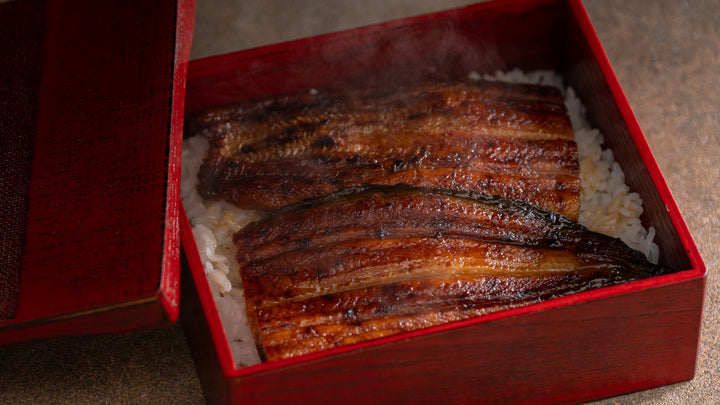
Unagi: The Eel Meals That Are Japan’s Summer Specialty
Learn why unagi is Japan's essential summer meal, from the Doyo no Ushi no…
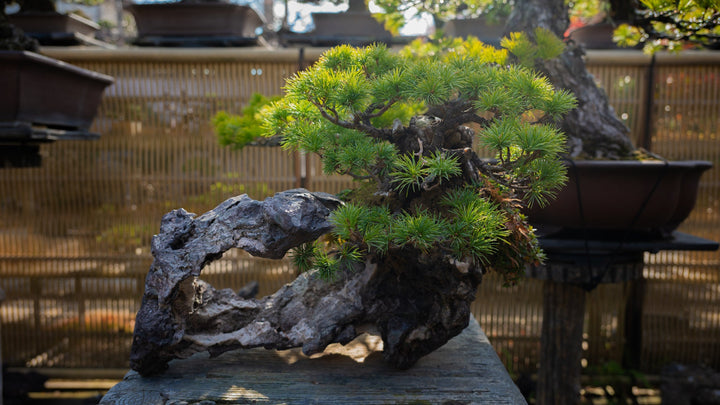
The Living Art of Bonsai
Why bonsai are landscapes rather than miniatures, and what century-old trees at Seikou-en teach…
Michael Pronko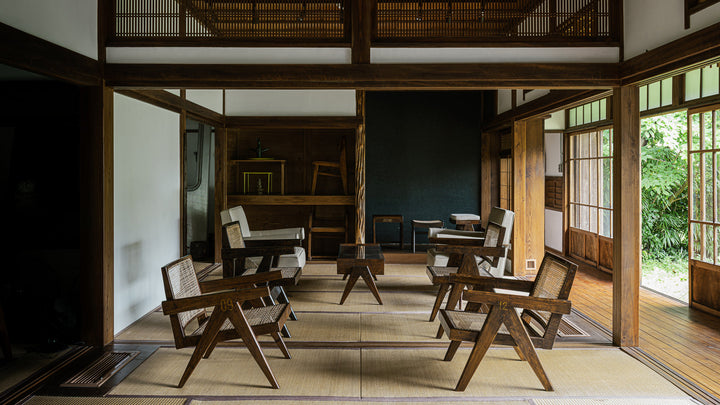
Life in a Kamakura Kominka with Two Gallery Owners
Inside a Kamakura kominka where French vintage furniture meets Japanese ceramics in everyday life.
Okano Makami
Leave a comment