

All About the Japanese Zodiac Signs
Discover the Japanese zodiac's history and meanings, plus zodiac-inspired items to bring charm and luck to your home!
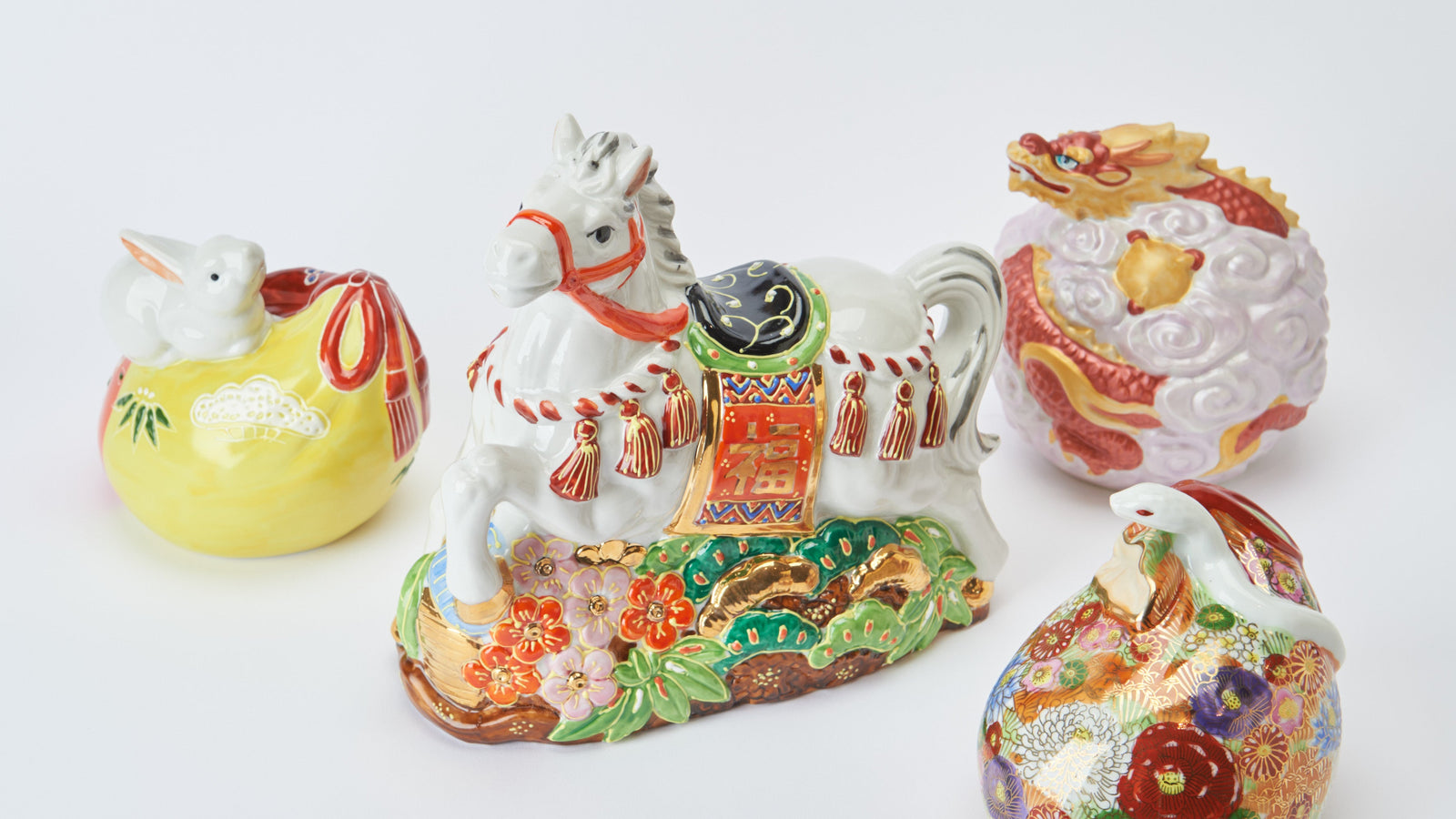
In Japan, the eto, or Japanese zodiac, for the coming year becomes a topic of conversation at the end of the year. Illustrations and photographs of the twelve animals appear on New Year’s cards, calendars, and various decorations. Fortune-tellers make predictions about the year’s events based on the eto, and some people think personalities are connected to the animal of their birth year.
This blog explores the history of the Japanese zodiac, the meaning of the upcoming Year of the Horse, and how zodiac-themed items can bring good fortune and vitality into your home.
What Is the Japanese Zodiac (Eto)?
The Japanese zodiac refers to the system known as jikkan junishi, which consists of ten calendar signs and twelve zodiac signs. It is said that these ten calendar signs and twelve zodiac signs were originally used as a type of calendar in ancient China before the first century, which was later introduced to Japan.
What exactly are the ten calendar signs and the twelve zodiac signs? Many people may not be familiar with the ten calendar signs, which were mainly used to show order, directions, and dates, and were applied in calendars, fortune-telling, and naming years. The twelve zodiac signs, on the other hand, are associated with time, directions, months, and years, and each is represented by an animal, such as the rat or the ox. The Japanese zodiac combines both the ten calendar signs and the twelve zodiac signs.

The zodiac is expressed by combining one calendar sign with one zodiac sign, creating sixty unique combinations. This sixty-year cycle, called the sexagenary cycle, marks a special milestone in Japan known as kanreki, symbolizing a return to one’s original zodiac sign.
The Japanese zodiac is believed to have its origins in ancient China, rooted in astronomy and calendars. One popular theory is that the twelve divisions were based on Jupiter’s twelve-year orbit, with each assigned an animal name. Other explanations exist, highlighting the system’s long history and cultural significance.
2026: The Year of the Horse — Symbolism and Meaning

The zodiac sign for 2026 is the horse, a symbol of strength, vitality, and prosperity in Japan. As the midpoint of the twelve-year zodiac cycle, the Year of the Horse represents peak energy, abundance, and the flourishing of life. While the Year of the Rat marks beginnings, the Year of the Horse is a time when momentum is at its highest, actions bear fruit, and opportunities to shine are abundant.
Horses have long shared a close bond with humans, serving as trusted helpers and companions. This connection has made them a symbol of success, recognition, and life force itself. Bringing horse motif items into your home is thought to invite good fortune and elevate your presence.
Explore our collection to welcome the Year of the Horse with elegance, vitality, and tradition.
The Story Behind the Twelve Zodiac Animals
The order of animals in the twelve signs of the Japanese zodiac originates from a popular traditional legend. The sequence of the twelve animals is: rat, ox, tiger, rabbit, dragon, snake, horse, sheep, monkey, rooster, dog, and boar.
According to the legend, a god—the deity in charge of the zodiac—announced that the order of the zodiac would be decided by the order in which animals arrived at a gathering held on the first day of the New Year. Eager to secure the best spots, the animals set off for the gathering. The ox, diligent and early, set out before the others, but the clever rat secretly rode on the ox’s back and jumped ahead just before reaching the finish line, thus claiming first place. The other animals arrived in turn, with the dog and the monkey quarreling along the way, which slowed them down. The cat, having been tricked by the rat about the date of the gathering, arrived too late and was excluded from the zodiac.
This story not only explains the order of the animals, but also why the cat is absent among the twelve signs of the Japanese zodiac.
Discover Your Zodiac Animal Items
At MUSUBI KILN, you’ll find items decorated with animal motifs from other zodiac years as well. A figurine of the zodiac animal for your birth year is believed to bring you extra luck. Be sure to read the description for each motif and check out the ones that catch your interest!
Rat/Mouse
Mice have historically been regarded as animals that bring good fortune in Japan. During the Edo period (1603–1868 CE), mice were known as the messengers of Daikokuten, one of the Seven Lucky Gods originally rooted in Indian mythology. Additionally, because mice are known for having many offspring, they are also seen as symbols of prosperity and family growth.

Ox
The ox is one of the oldest companions of humankind and has played a vital role in agriculture and transportation throughout history. In Japan, oxen are also considered the messengers of Tenjin, the deity of learning. Statues of oxen can be found at many Tenmangu shrines, including the famous Dazaifu Tenmangu in Kyushu. Their hardworking and diligent nature makes them enduring symbols of sincerity and honesty.

Tiger
In Asian cultures, the tiger has long been seen as an emblem of power and dignity. At the same time, tigers are known for their strong bond with their cubs, caring for them with great affection. Inspired by this nurturing trait, Japanese people have traditionally given tiger-themed toys to children as a wish for their healthy growth. Although tigers are not native to Japan, they have been a familiar and beloved motif in Japanese art and culture for centuries.


Rabbit
The rabbit has long been regarded as an auspicious animal, believed to bring good luck with its lively jumps and attract good fortune with its long ears. The rabbit is also considered a symbol of peace and safety in the home because of its gentle, calm appearance. Arranging your table with rabbit-themed items is a charming way to bring good fortune into your daily life and home.


Dragon
The dragon is the only mythical creature among the twelve zodiac animals. In Japan, the dragon has long been revered as a deity of water and the sea, with a belief that its appearance is a sign of auspicious events. Thought to be responsible for natural phenomena such as tornadoes, lightning, and rainbows, the dragon serves as a powerful emblem of the vibrant and awe-inspiring energy of the natural world.


Sanke
The snake is a symbol of revival and renewal in Japan. Its image of shedding old skin represents new beginnings, growth, and the emergence of life. Historically, the snake has been revered as a deity of fertility and weather, associated with longevity and a strong life force. Its ability to survive without food also earned it the title of a divine messenger. Bringing snake-themed items into your home is thought to invite renewal and good fortune.


Sheep
Sheep have shared a deep connection with humans for thousands of years, even appearing in ancient texts such as the Nihon Shoki. Domesticated for over 10,000 years, sheep are admired for their strong social bonds and flocking nature, which have led them to represent family harmony and enduring peace.
In Christianity, sheep are considered messengers of God, with lambs often representing the "Lamb of God," a symbol of purity and divinity. In China, sheep have been valued alongside oxen as important livestock animals, playing a significant role in agriculture.

Monkey
Monkeys hold a significant place in Japanese culture, with the Three Wise Monkeys of Nikko Toshogu Shrine ("see no evil, hear no evil, speak no evil") being particularly famous. Known for their intelligence, monkeys are traditionally regarded as messengers of the mountain gods.

 Kozan-ji Temple Choju Giga Designed Mug
 Kozan-ji Temple Choju Giga Matcha Whisk Holder
 Choju Giga Fan-shaped Sauce Plate
Rooster
The rooster has been highly esteemed in Japan as a symbol of good fortune and wealth. Additionally, the rooster’s crow at dawn signals the arrival of a new day, leading people to view it as a sacred creature that guides the world from darkness into the light of the sun.

Dog
In Japan, dogs were depicted as early as the Choju-giga, a famous set of four picture scrolls from Kozan-ji temple in Kyoto. Their cute and stylized appearance has charmed people for centuries. In recent years, Japanese breeds like Shiba Inu and Akita Inu have gained worldwide popularity. Why not bring a touch of their charm to your dining table for a delightful addition?

 Shiba Inu in Sunny Spot Japanese Rice Bowl
 Mt. Fuji and Peeking Shiba Inu Matcha Bowl
 Shiba Inu Sauce Plate
Boar
The boar has been highly valued in Japan for its fearless charge, symbolizing the power to overcome any obstacle or misfortune. Additionally, because boars are prolific breeders, they have been cherished as a good-luck charm for abundant harvests and prosperity.

A Japanese zodiac home decoration is a good-luck talisman believed to protect the family and ensure safety throughout the year. From traditional designs to modern styles, there are many options that suit contemporary interiors. Why not decorate your home this year with zodiac-themed items to ward off bad luck and welcome good fortune?
Stay close to the craft
Now and then, a quiet letter — new stories, seasonal notes, and the hands behind the work.
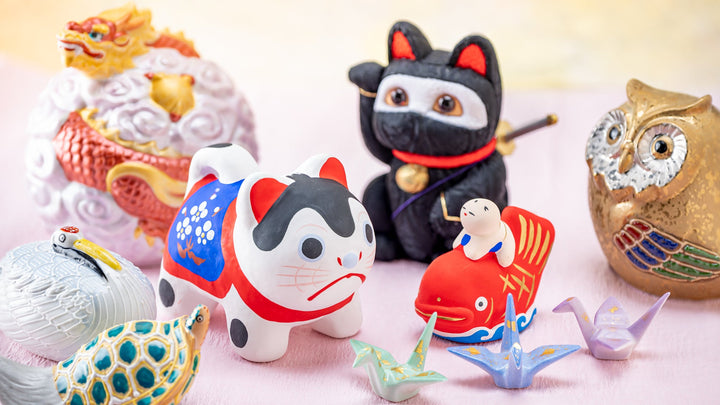
Farming Good Fortune with Auspicious Animals
Discover Japan's lucky animals and their symbolism in traditional figurines that bring good fortune…
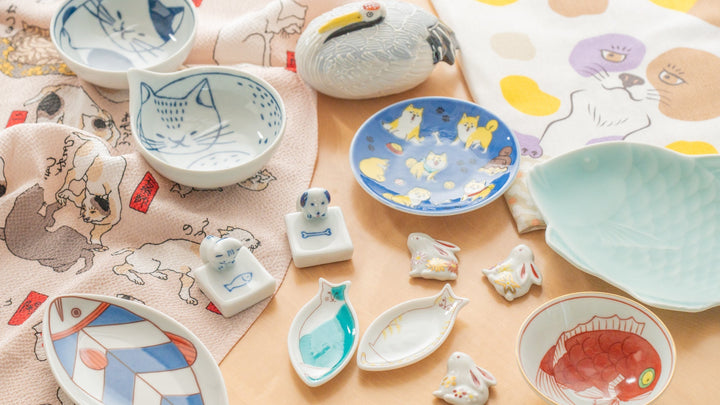
What Is the Meaning of Animals Painted on Japanese Tableware?
Discover the symbolism of animal motifs in Japanese tableware, and how they reflect seasons,…
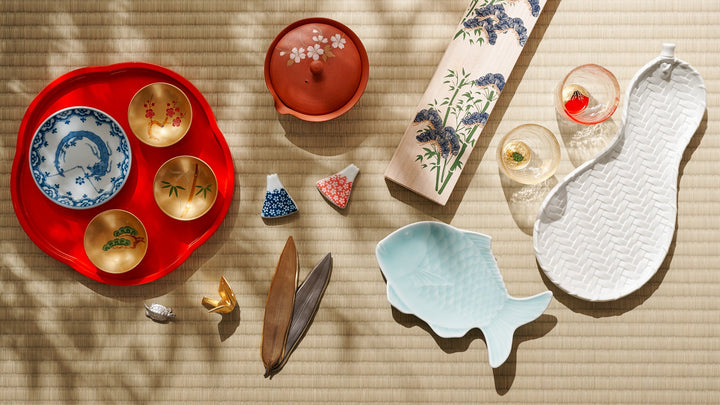
12 Japanese Lucky Charms and Their Meanings
Uncover the meanings of 12 Japanese lucky charms and discover gifts that celebrate the…
Leave a comment