
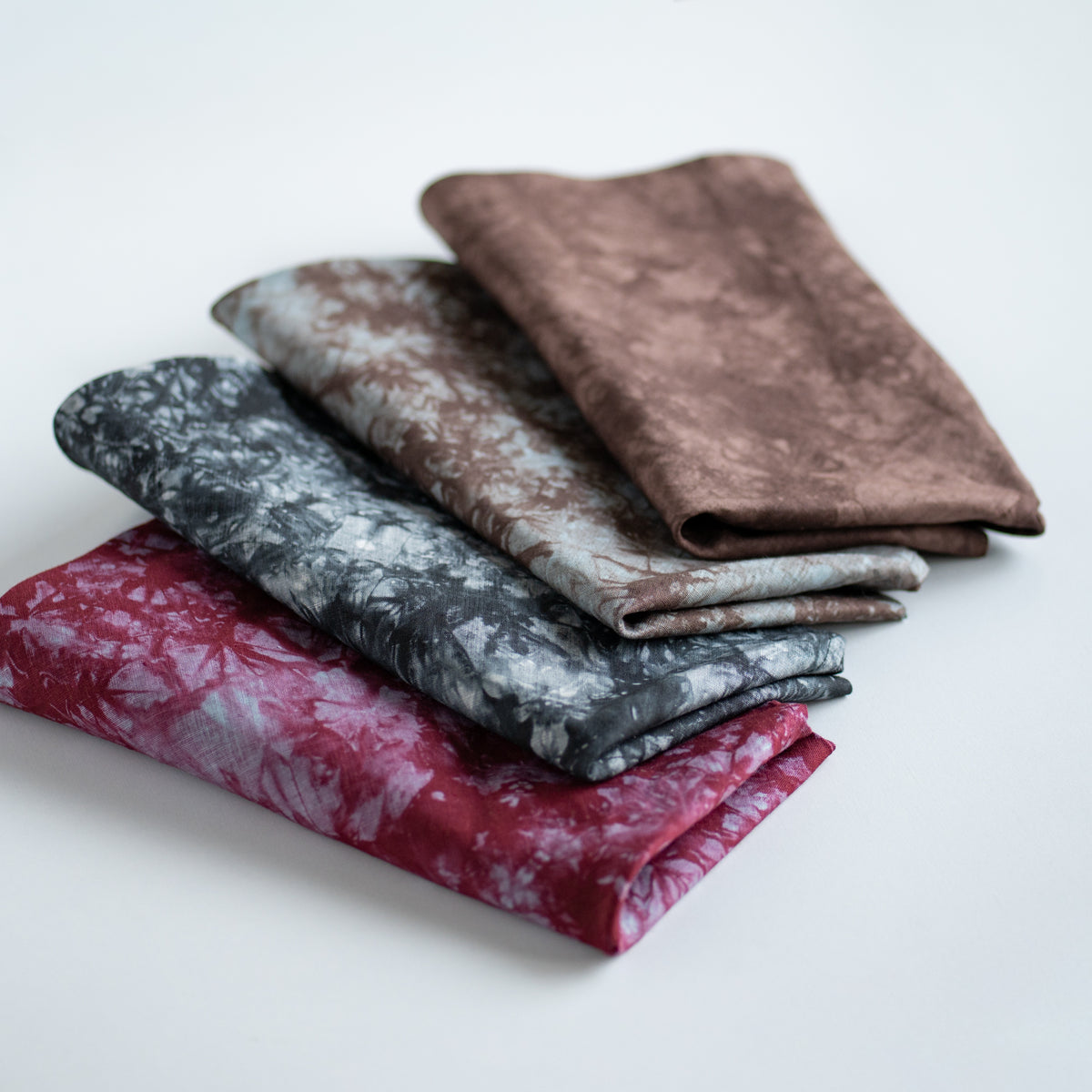
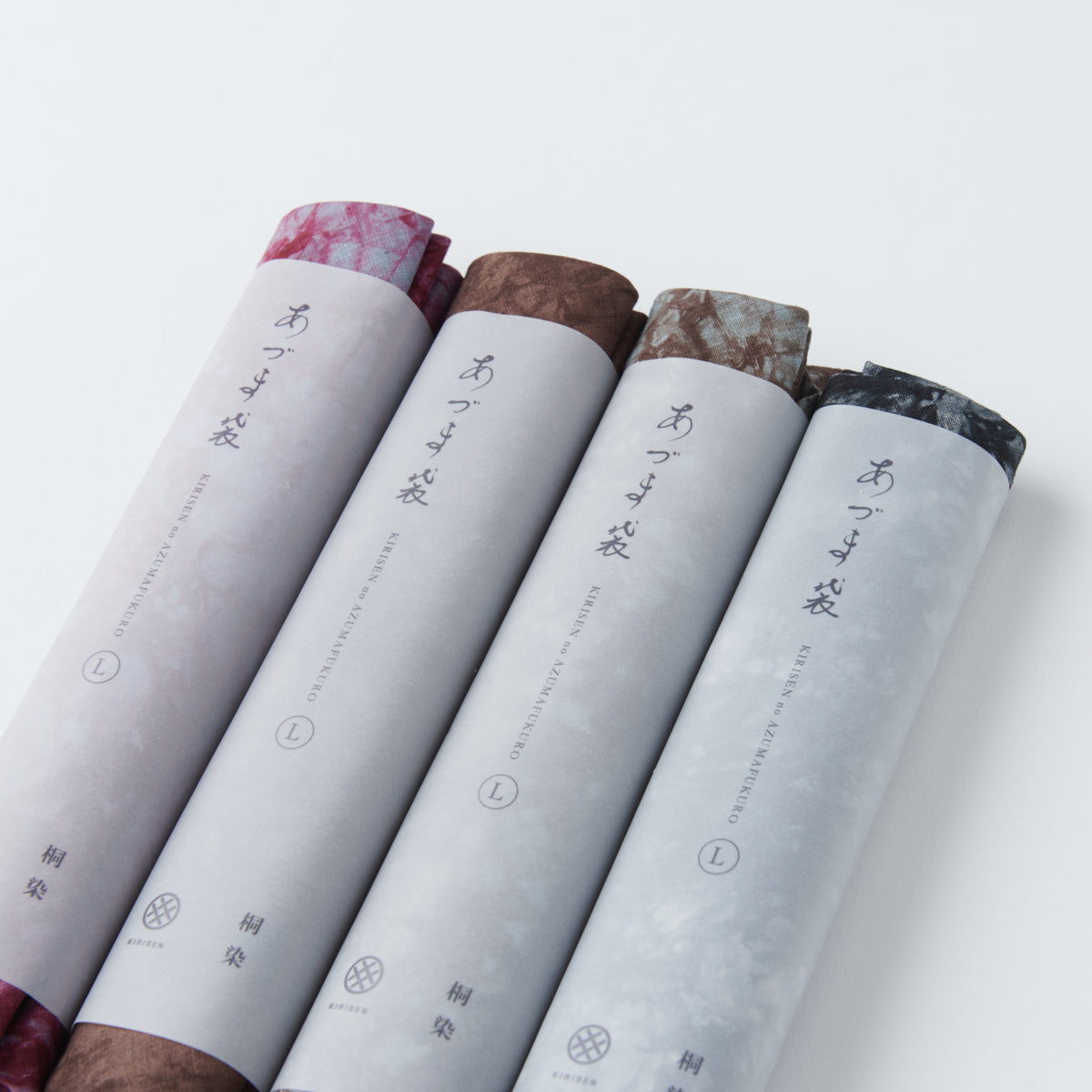
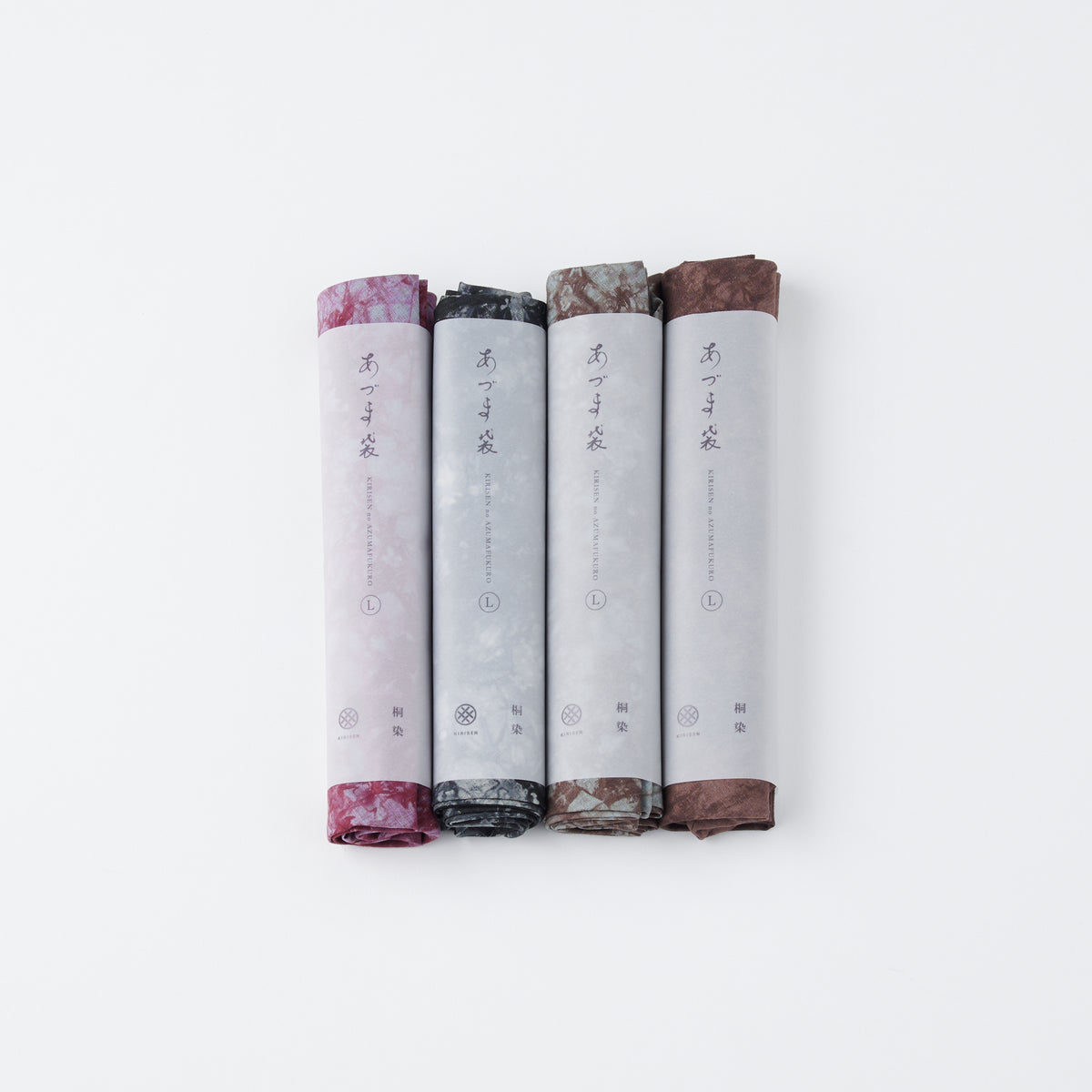


Kagozome Shibori Azuma Bag L
Ships from Japan · Free shipping on orders over $250 USD
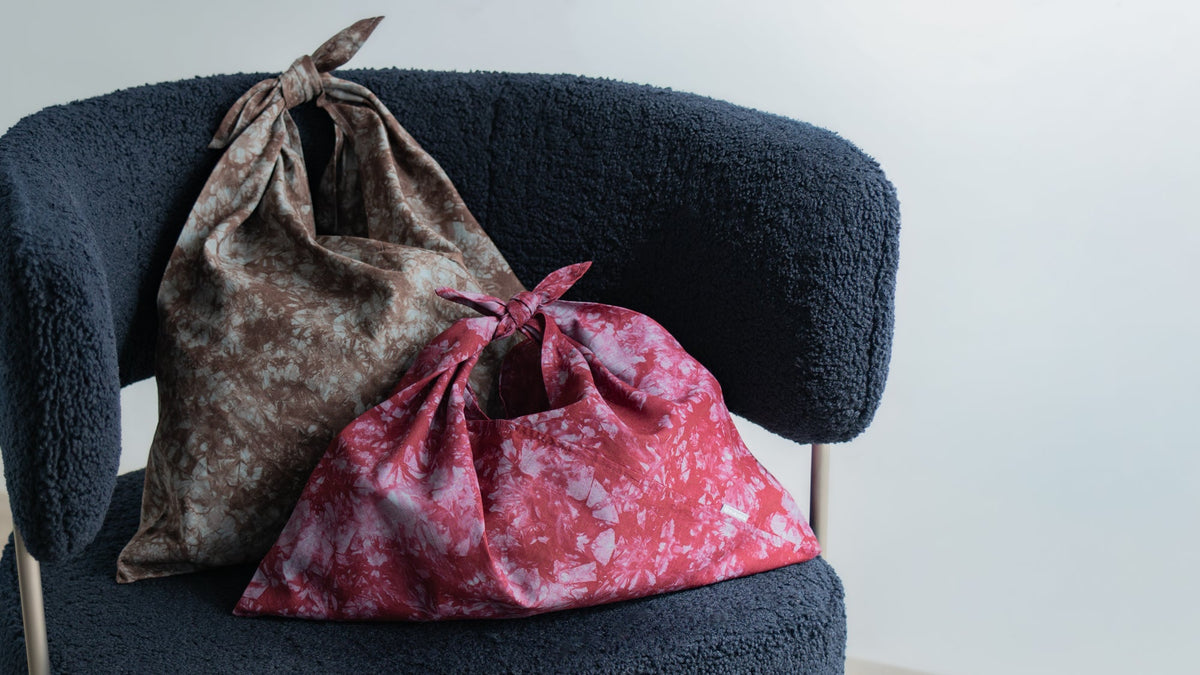
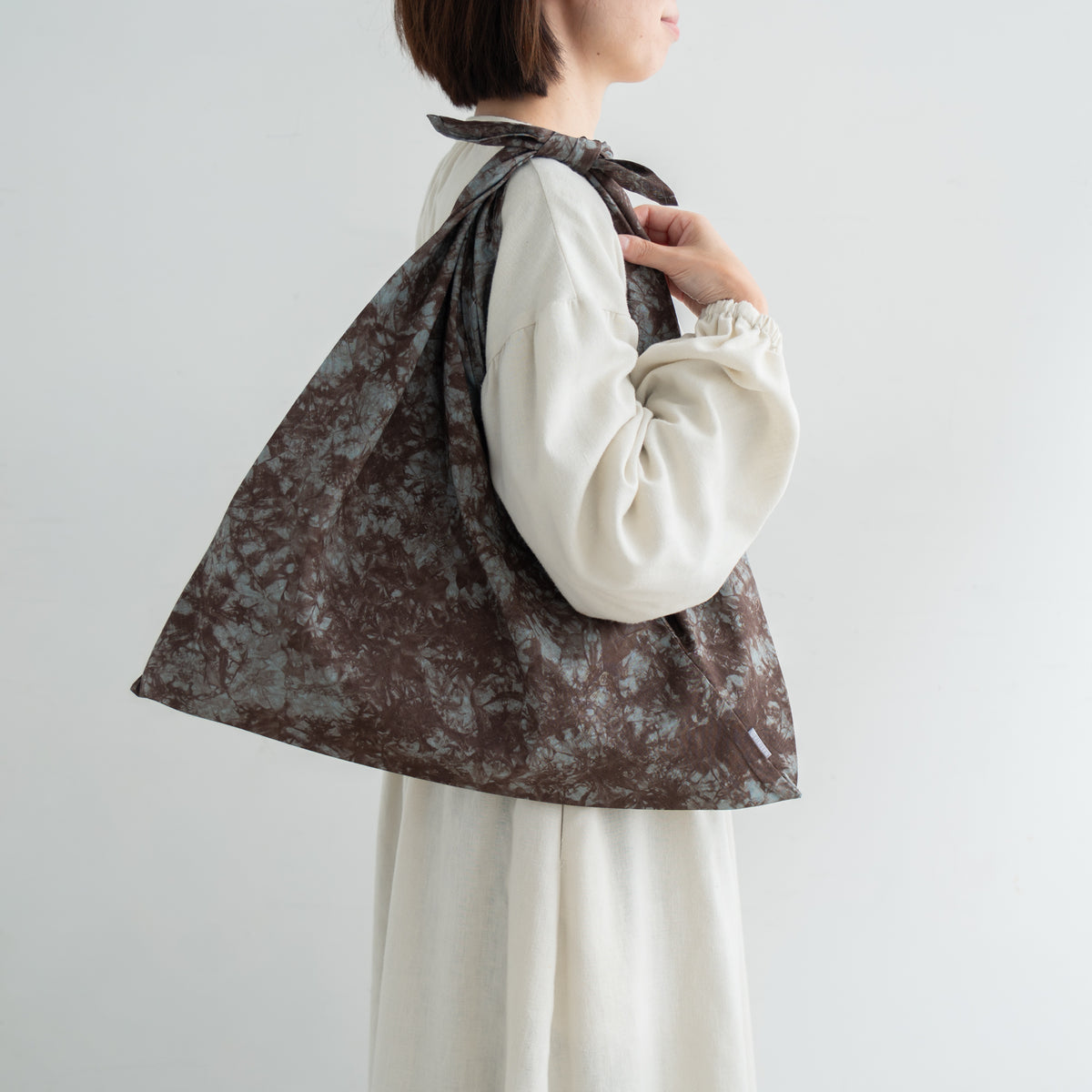
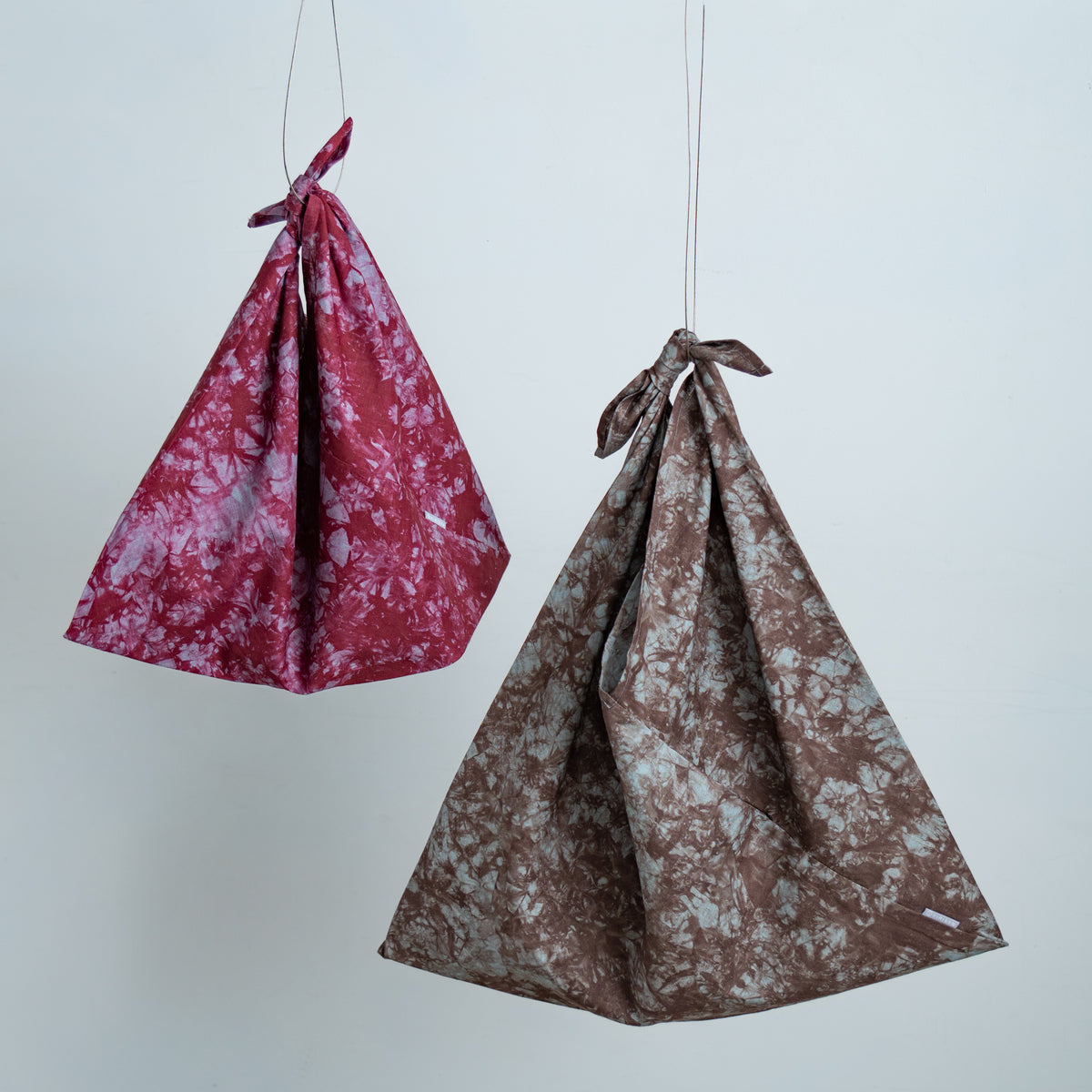
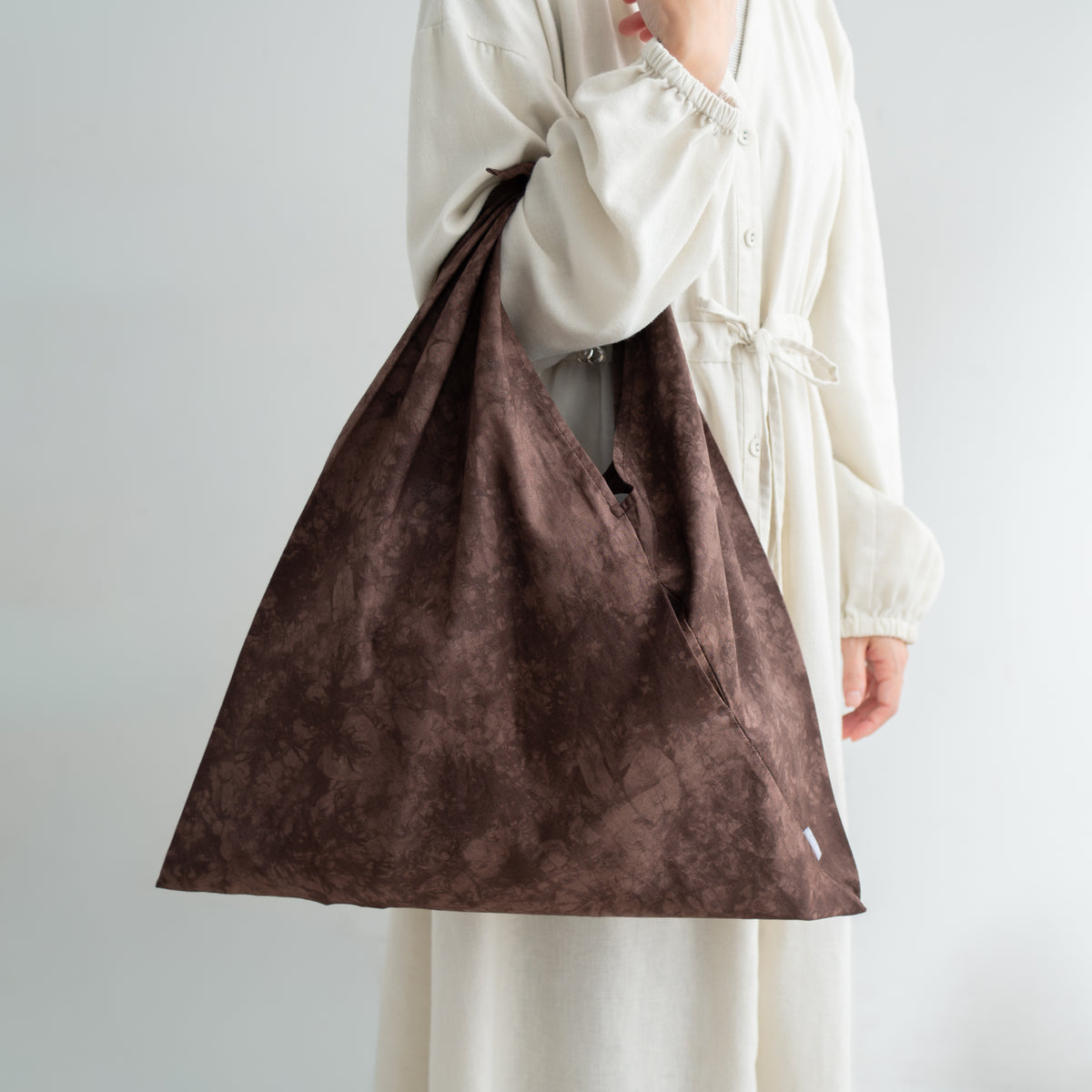
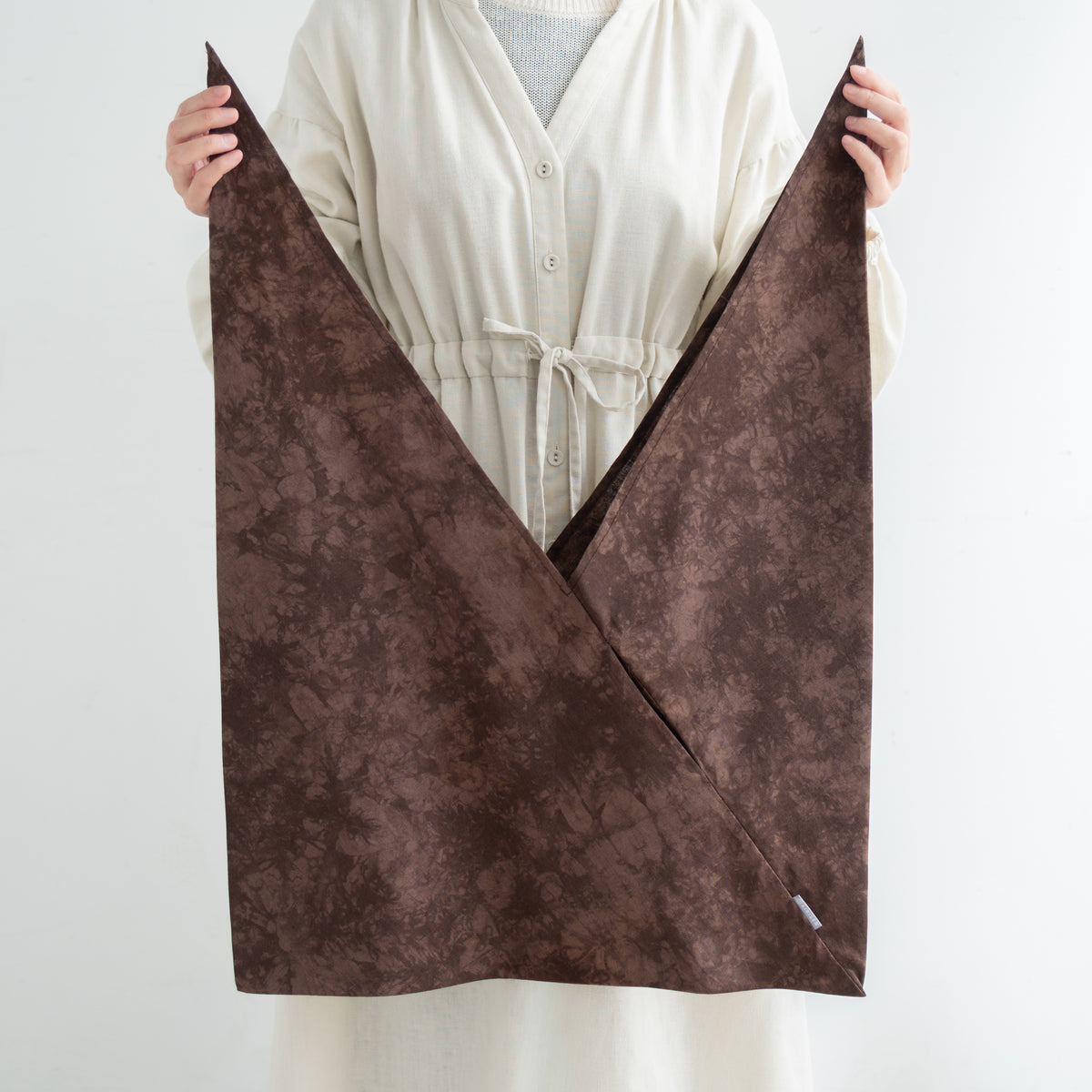
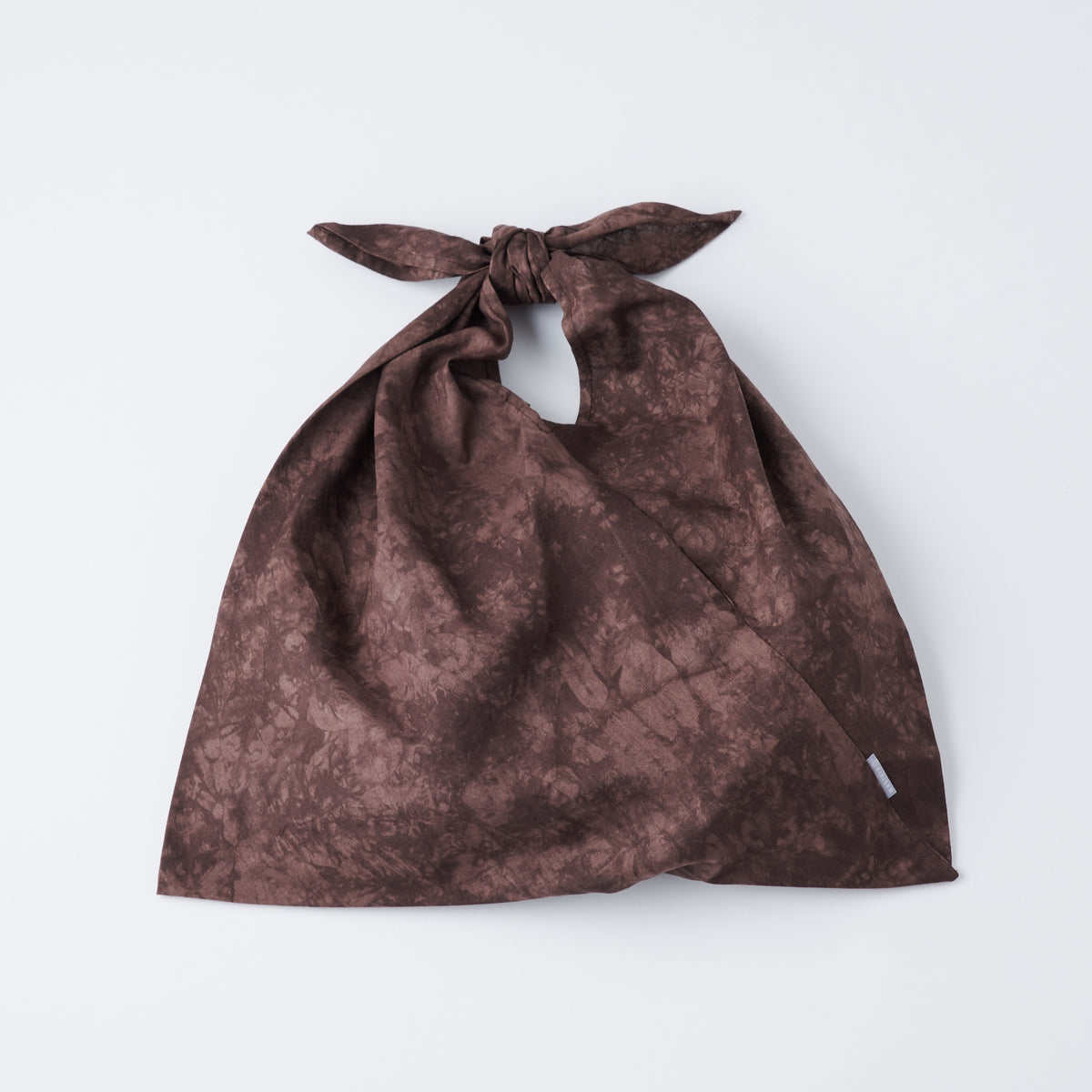
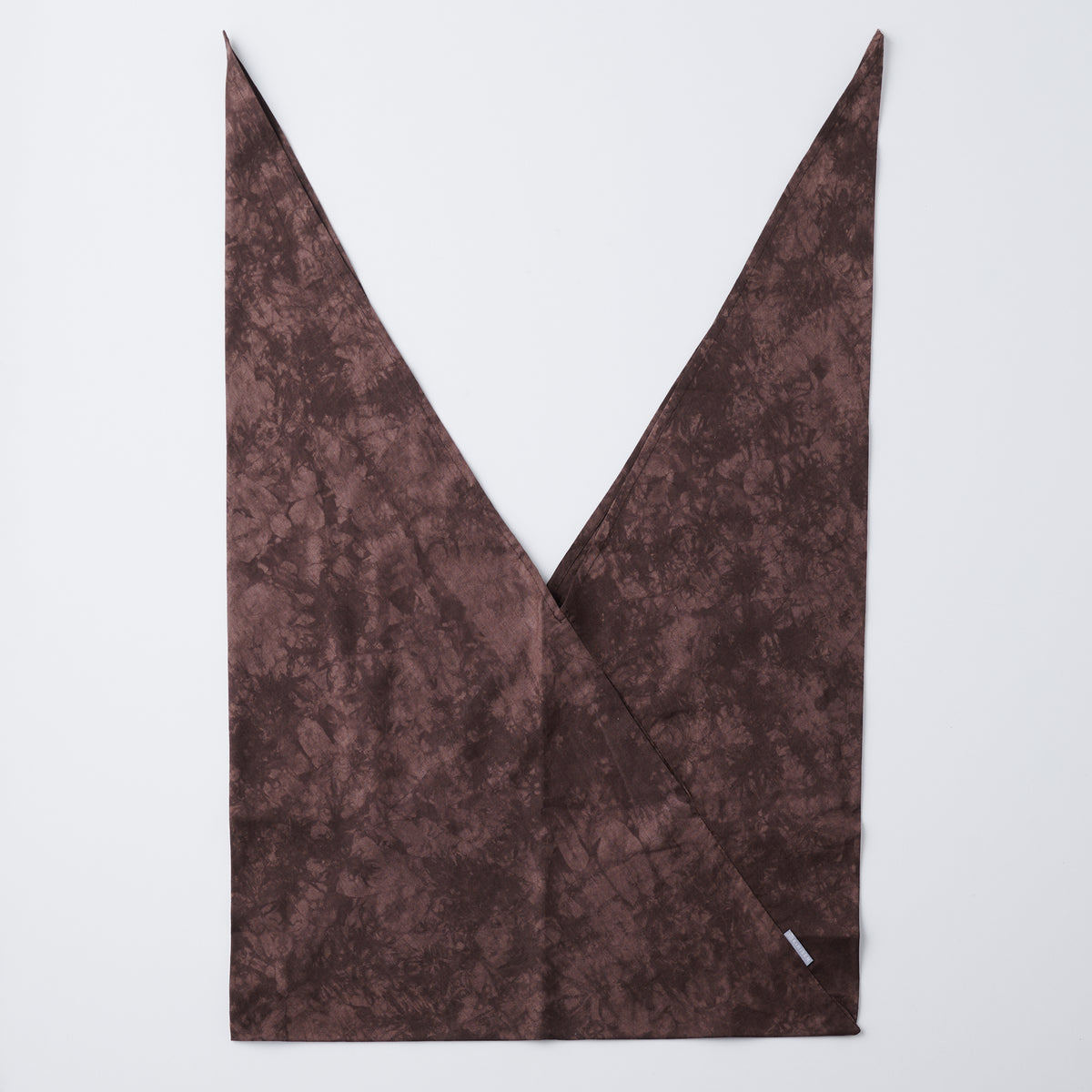
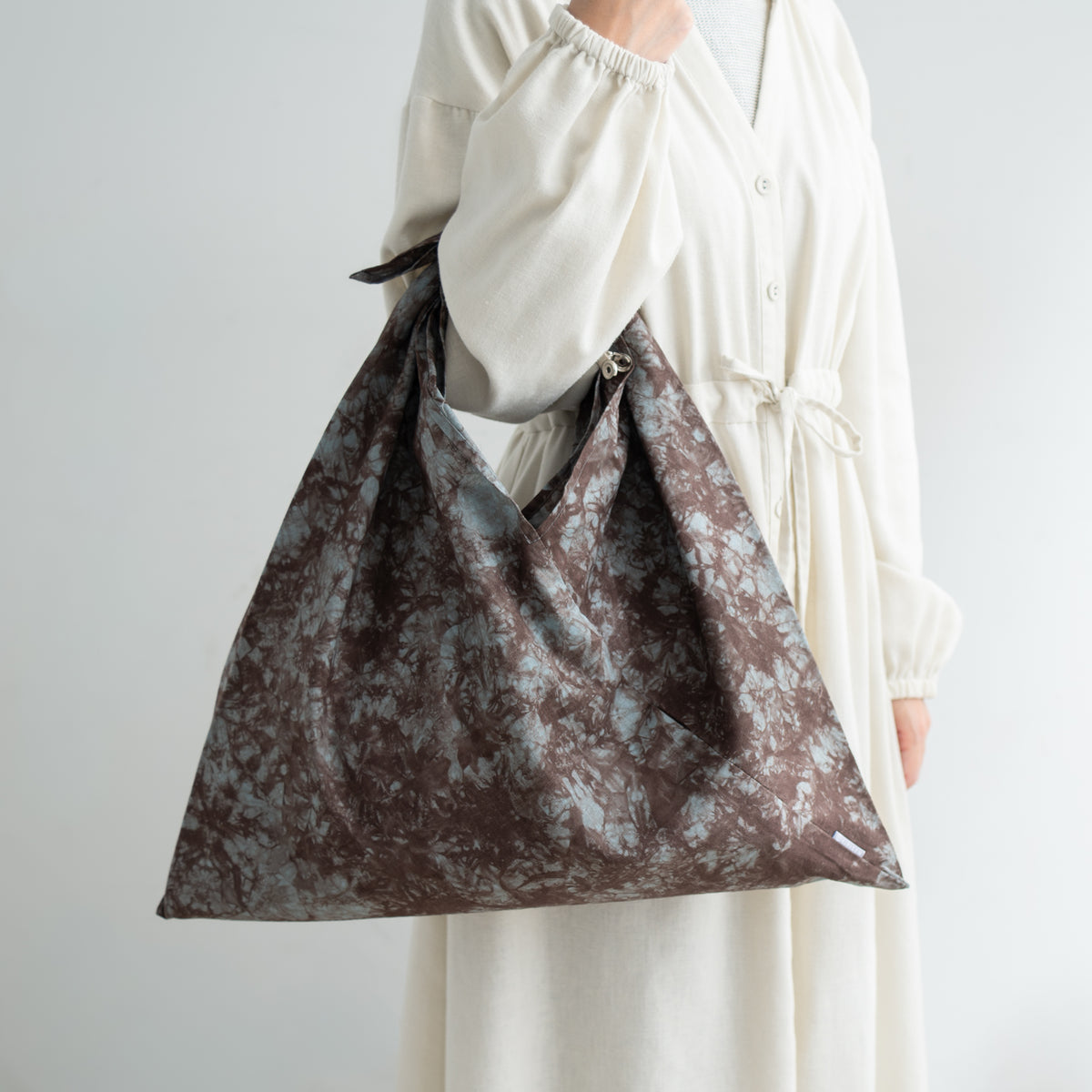
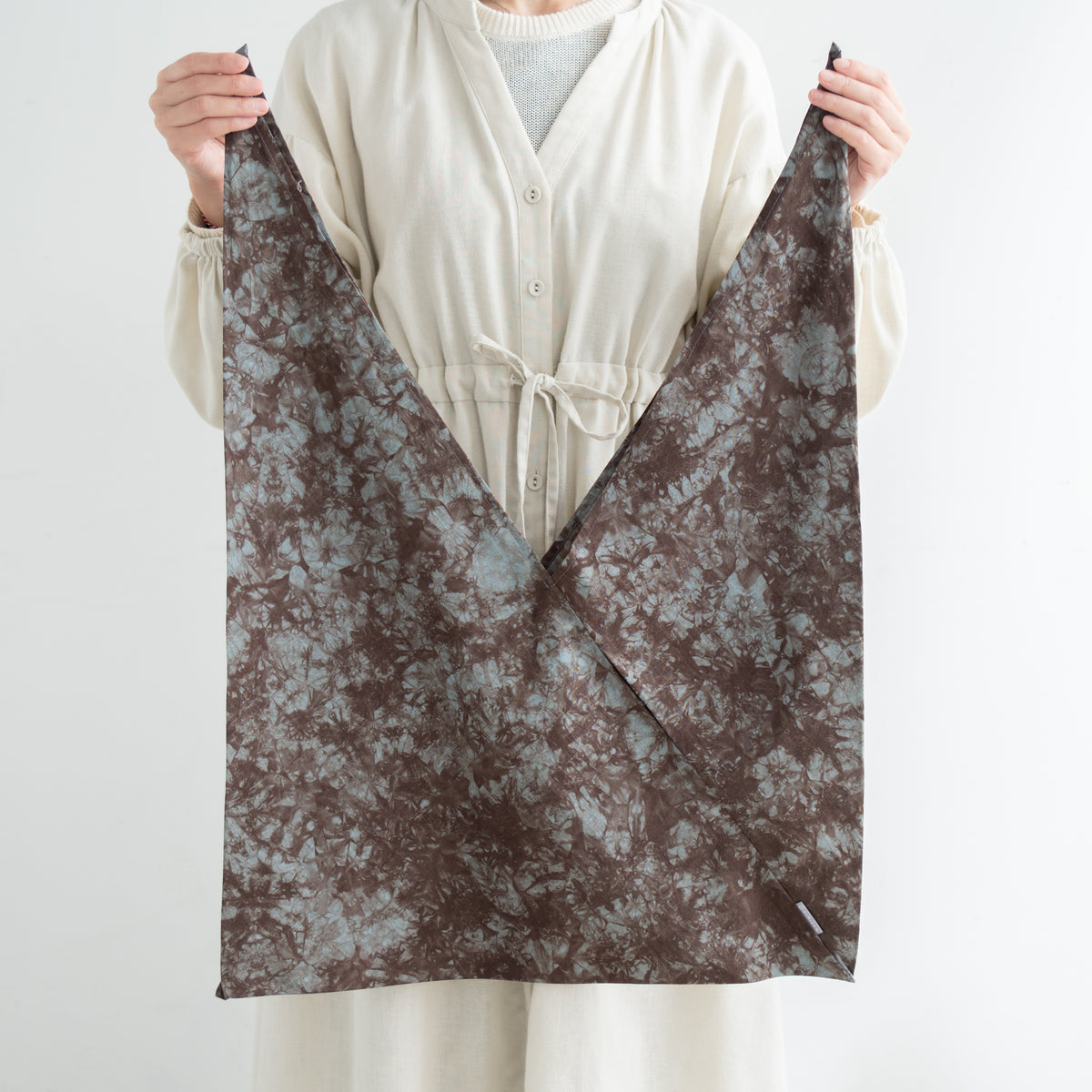
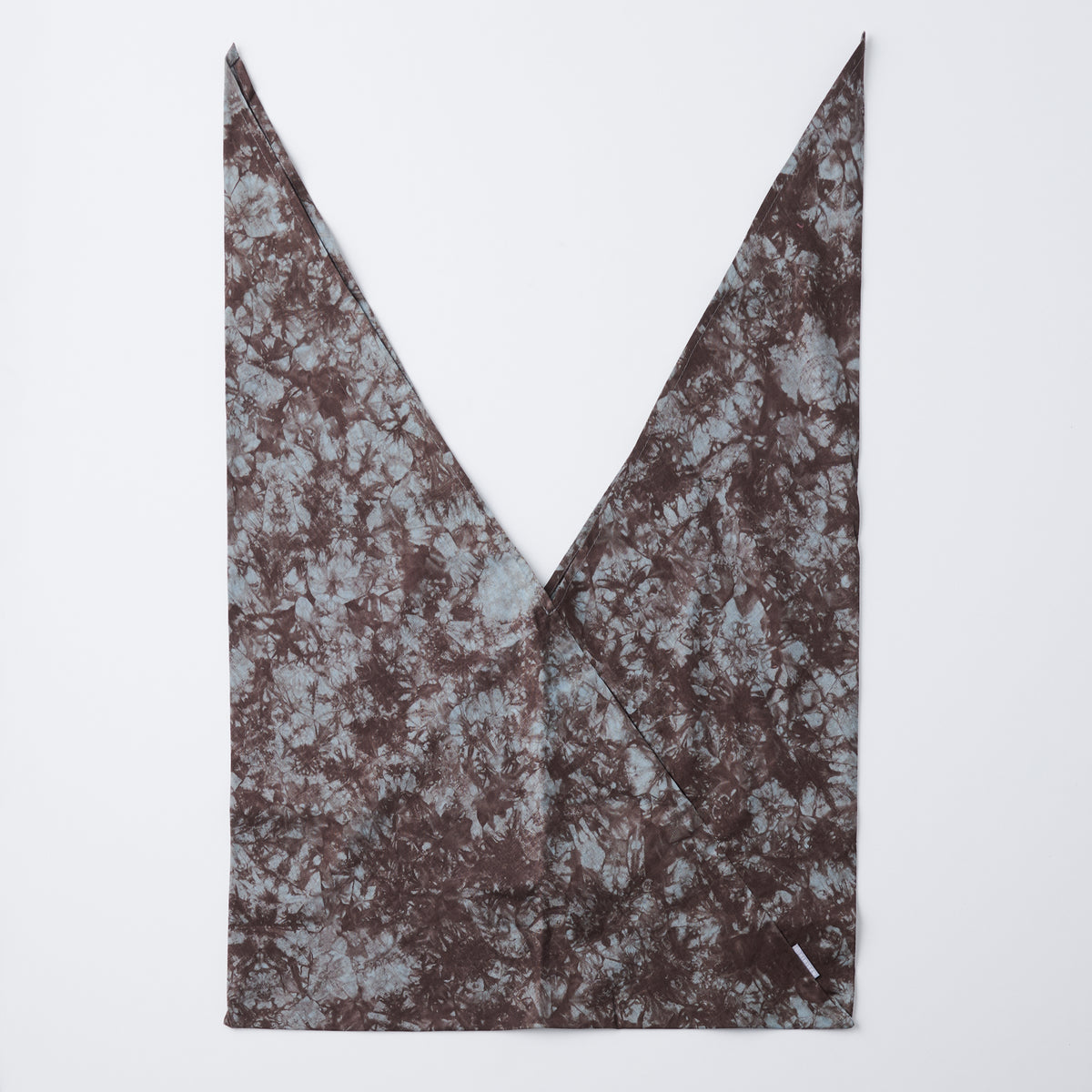
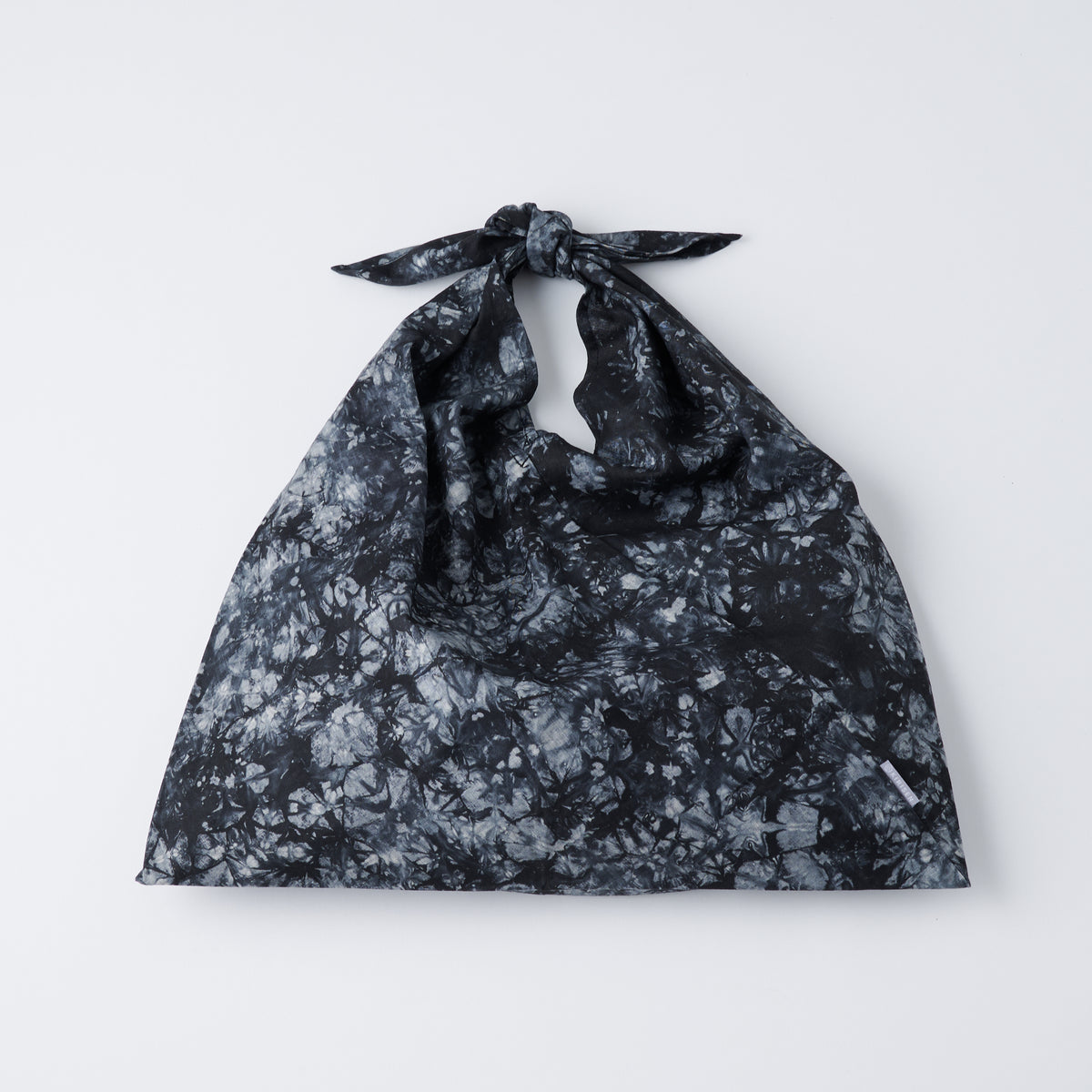
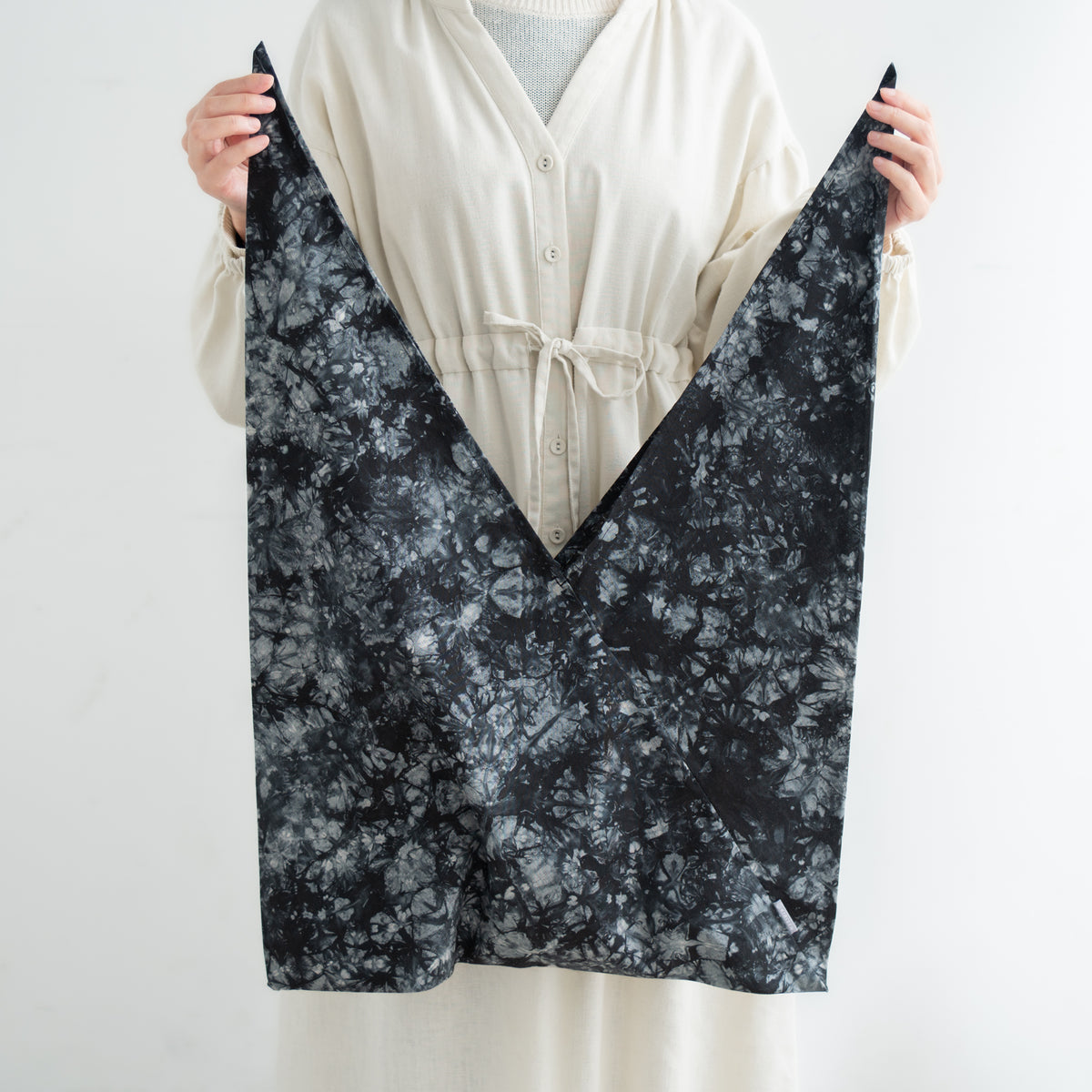
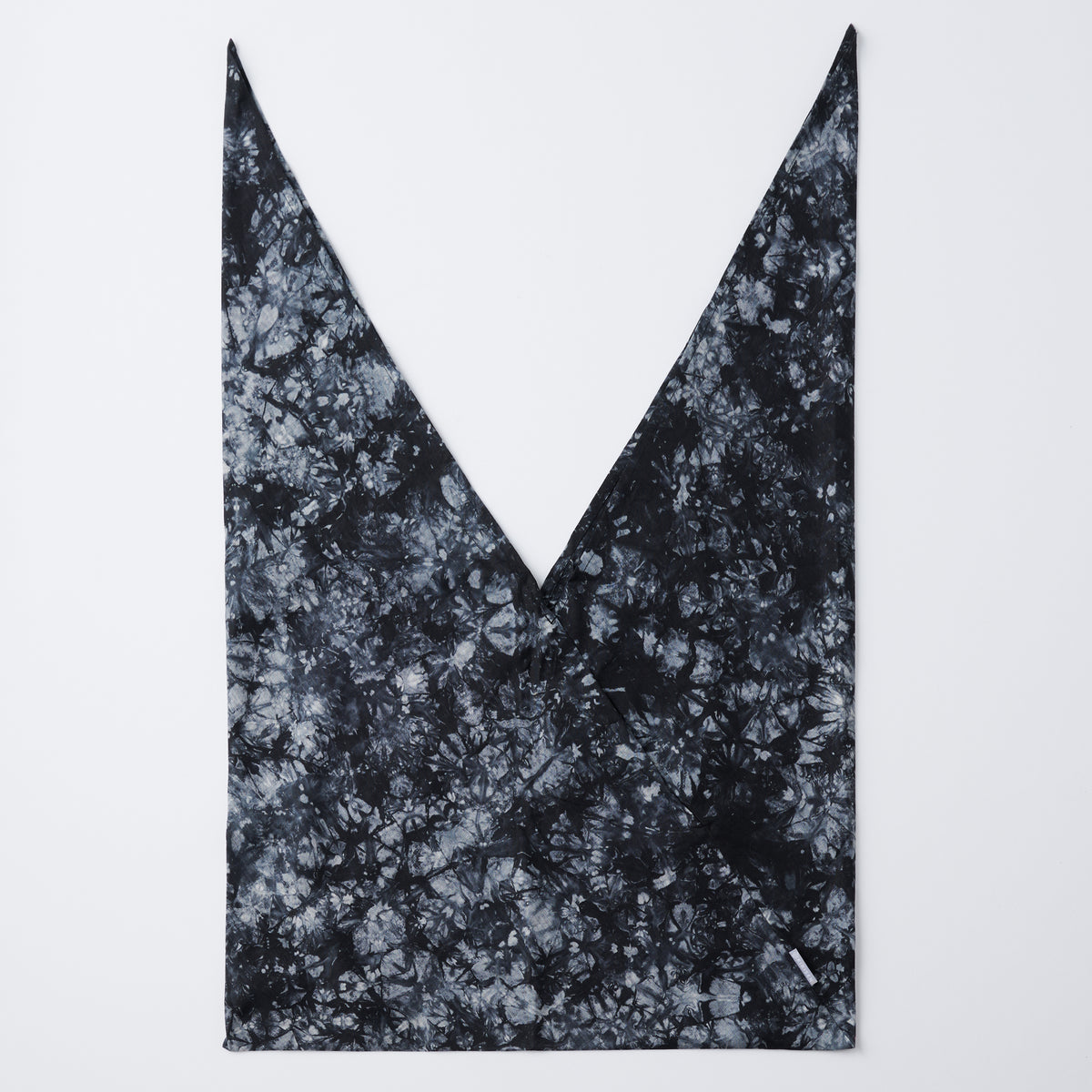
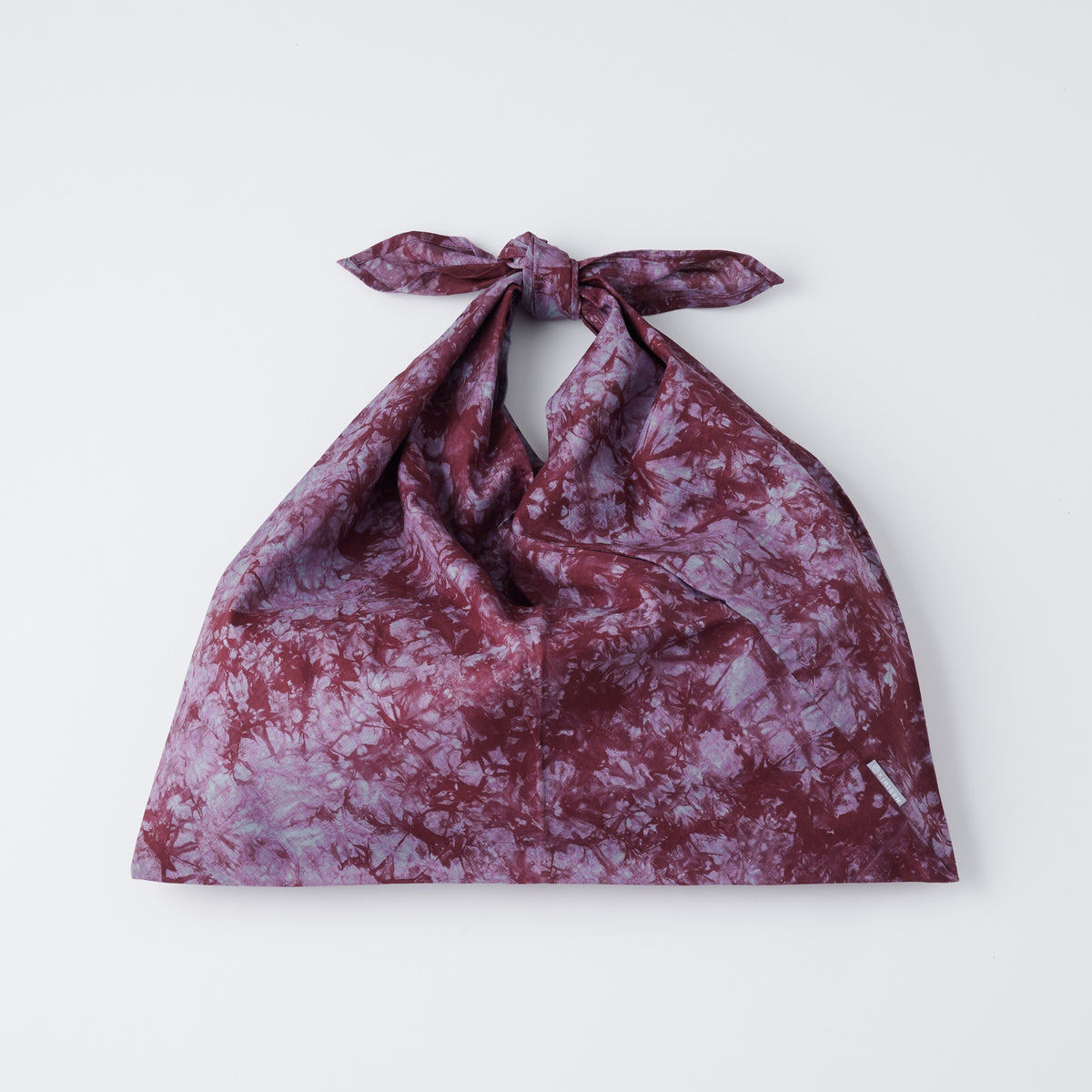
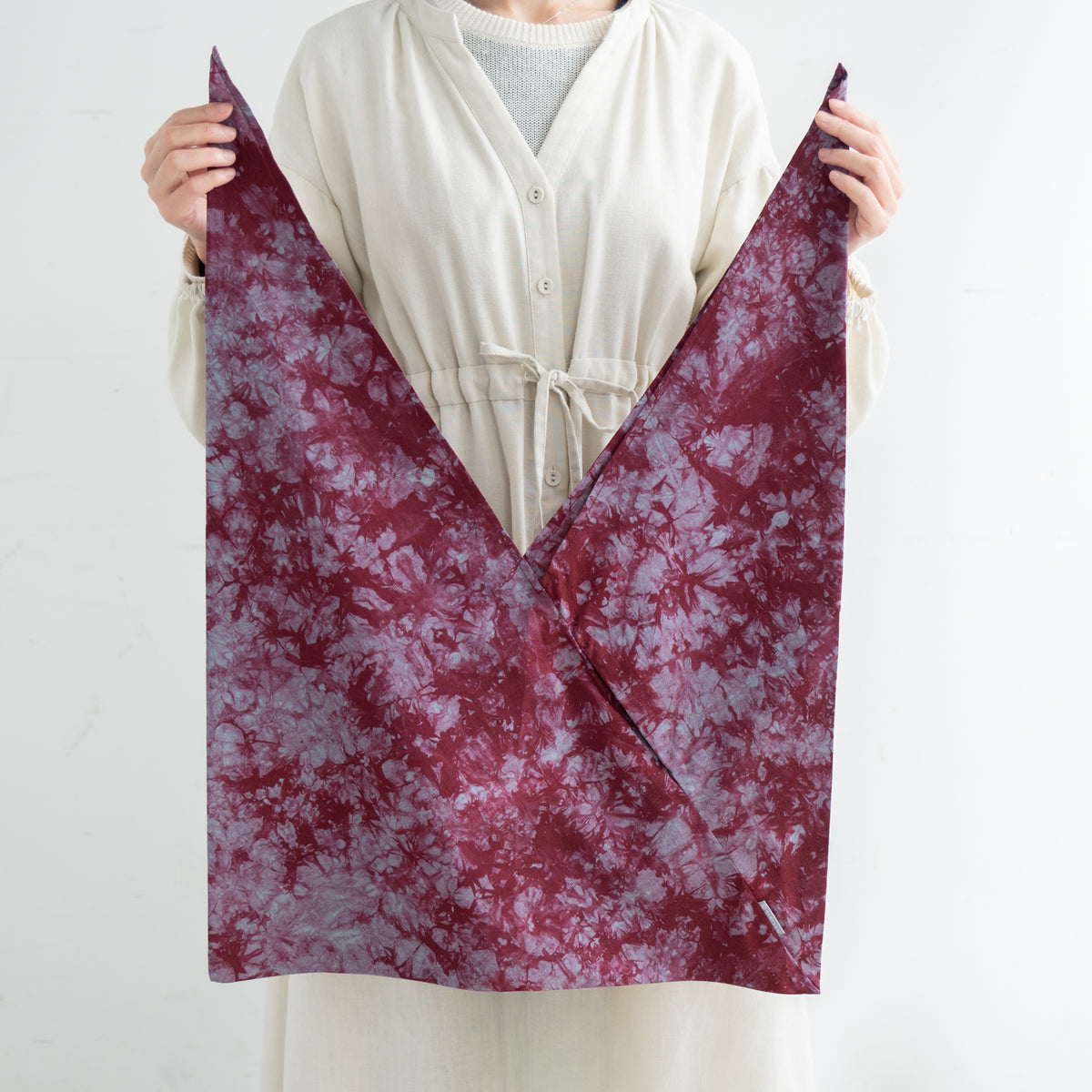
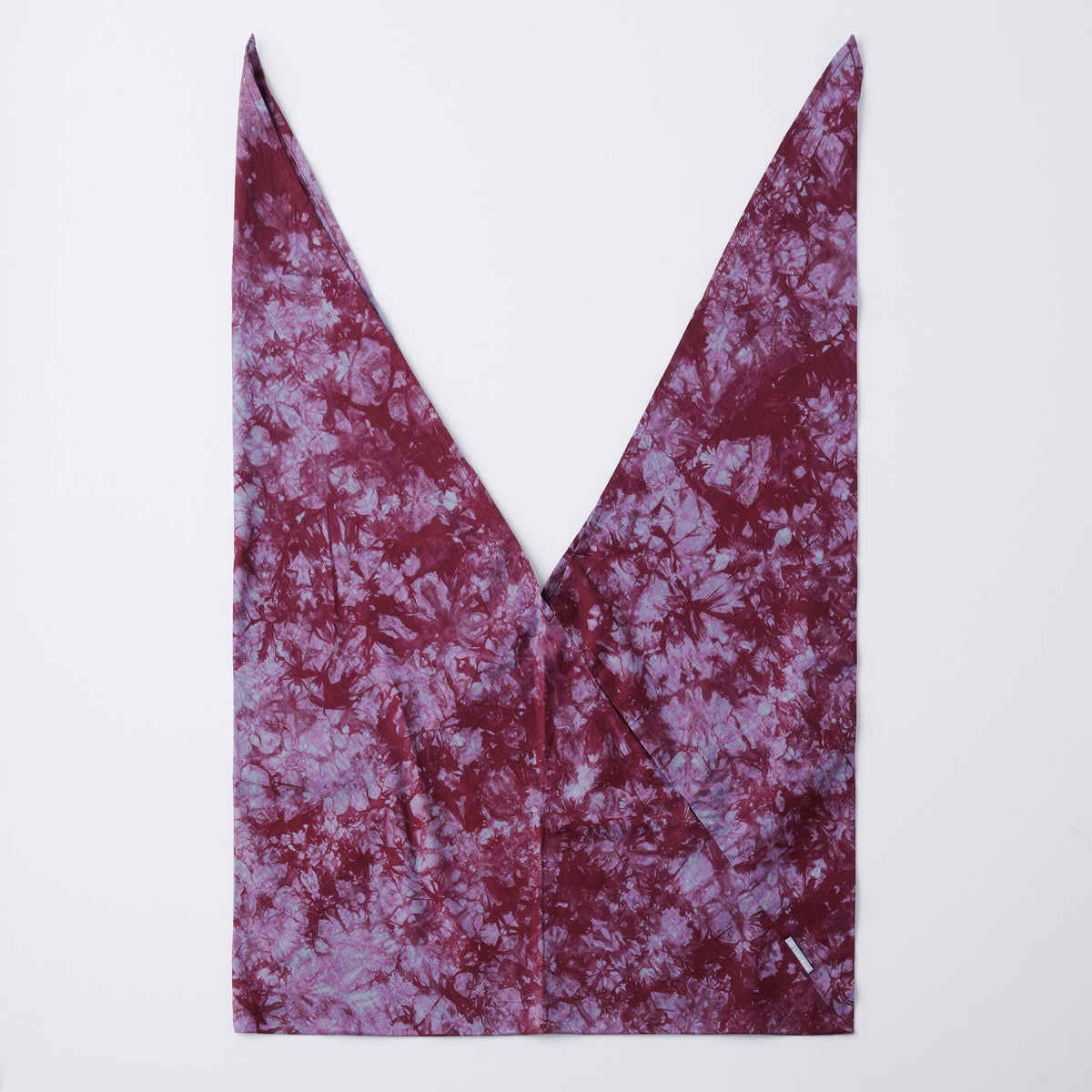
Made from a single length of cloth, this large Azuma Bag follows a traditional way of making bags that dates to the Edo period (1603–1868 CE), leaving no fabric offcuts.
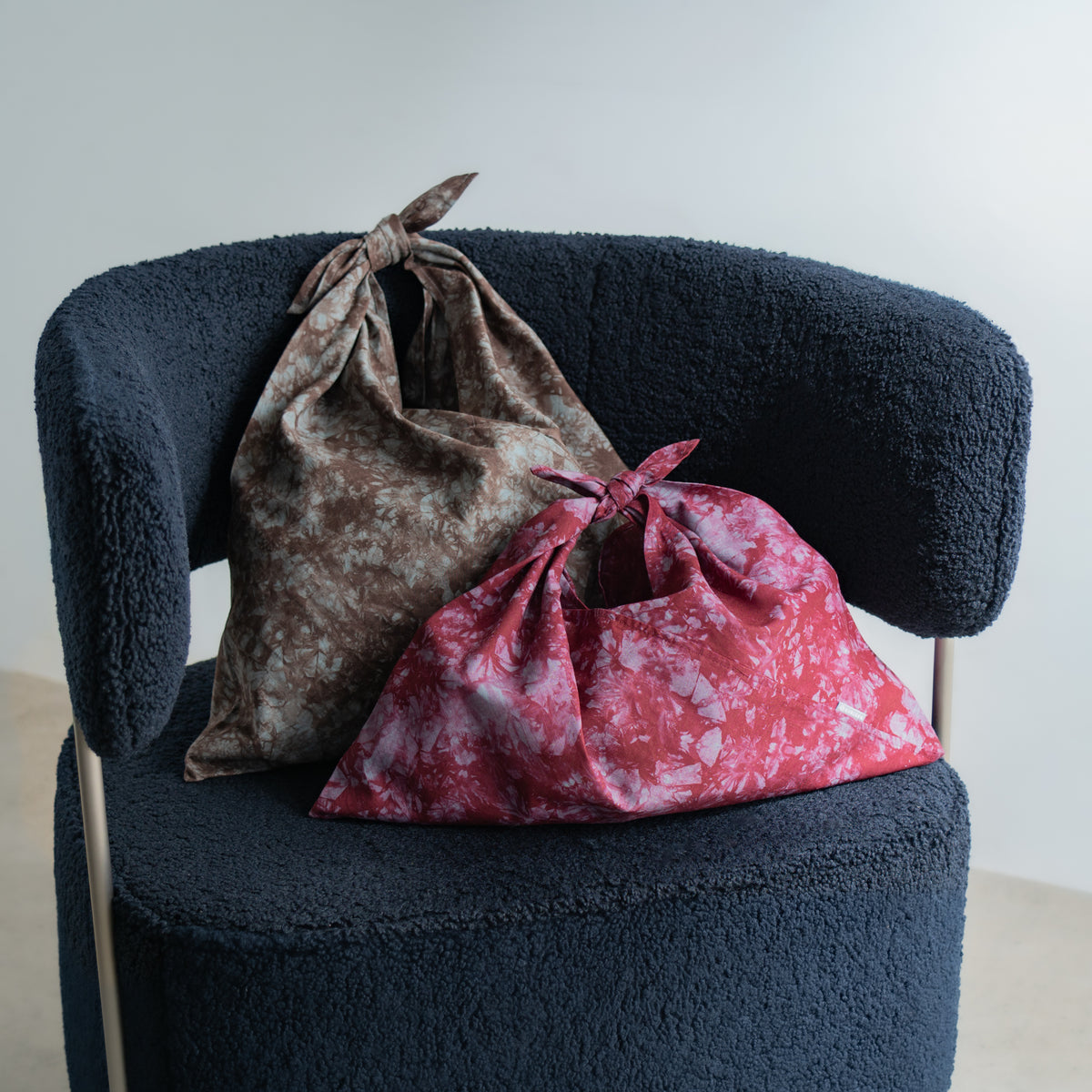
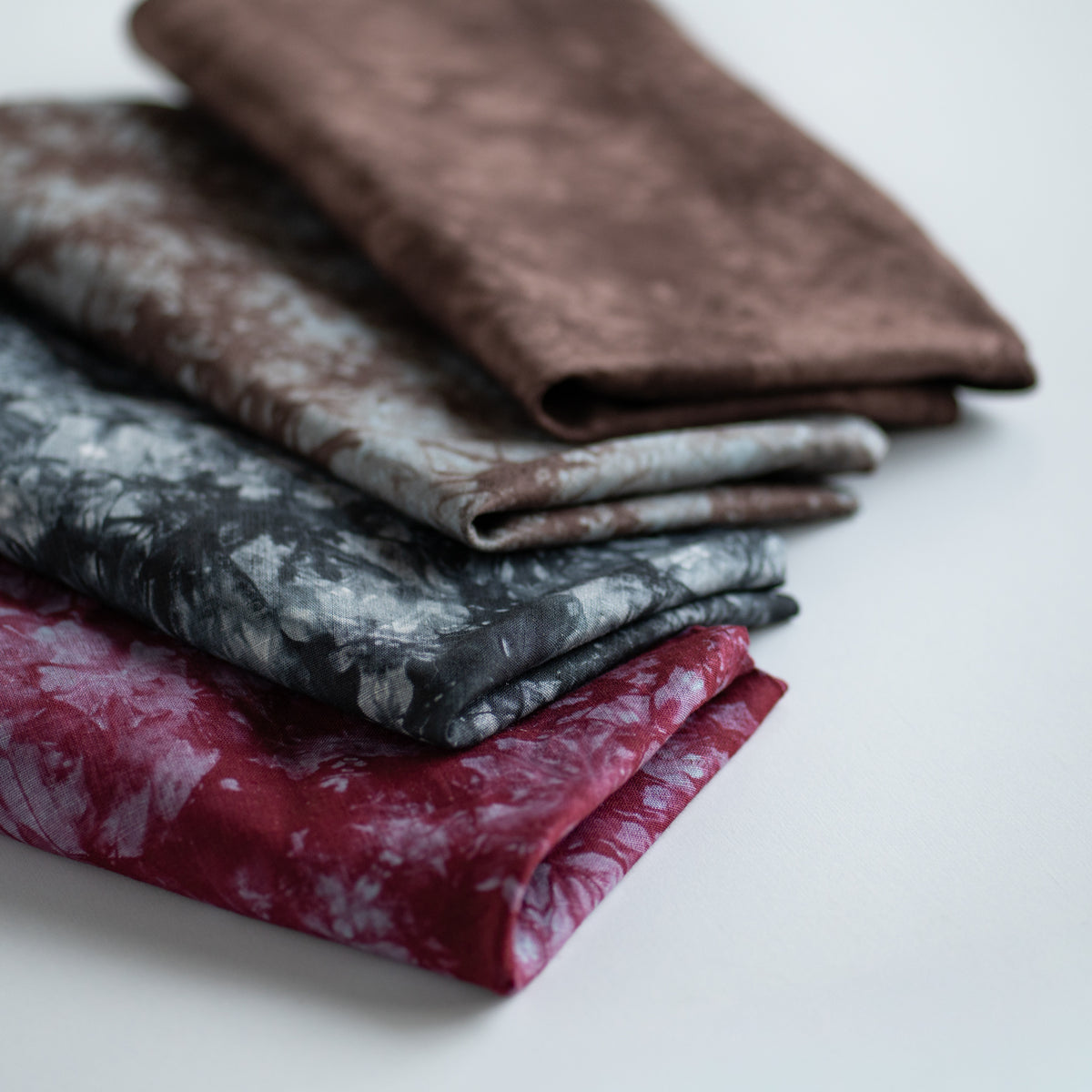
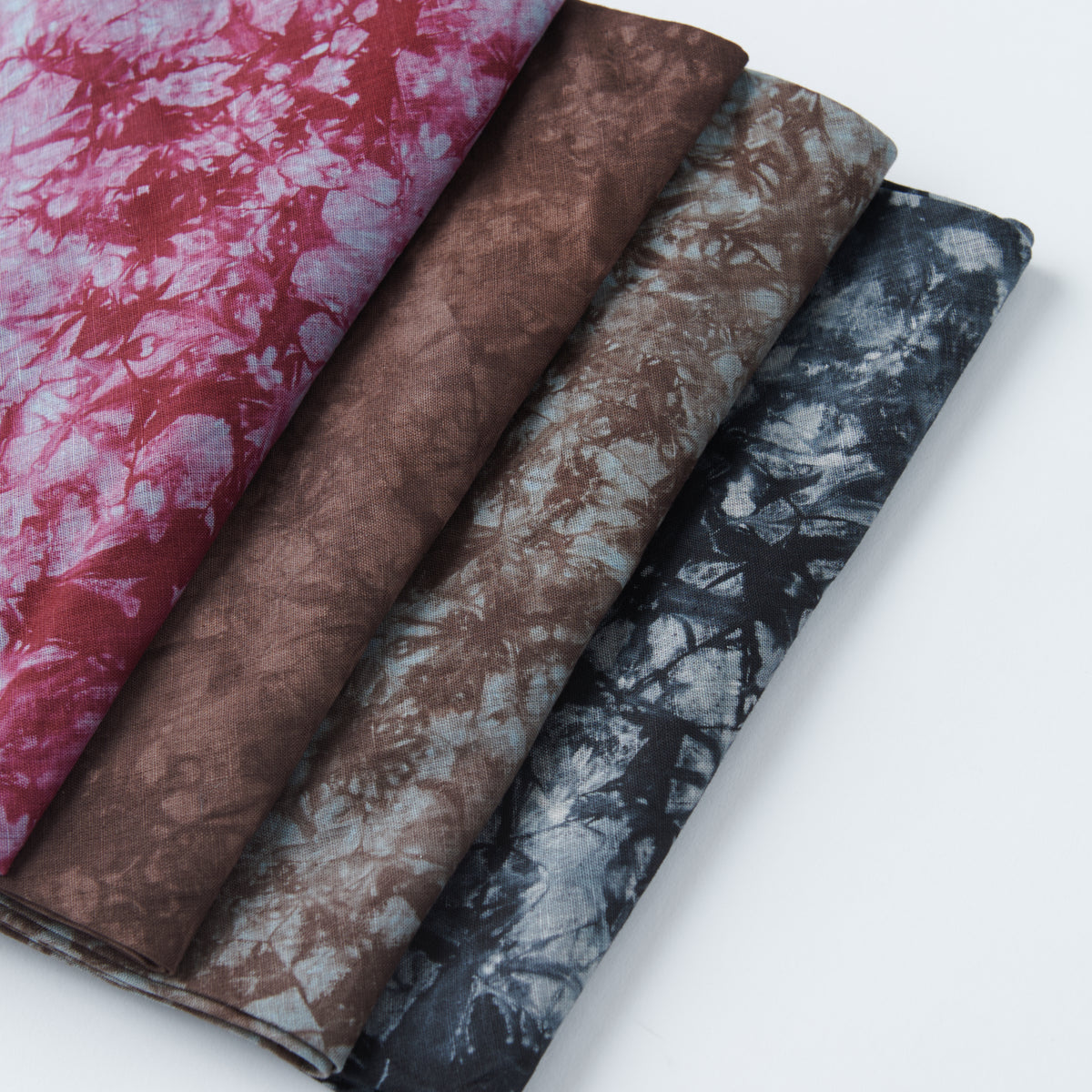
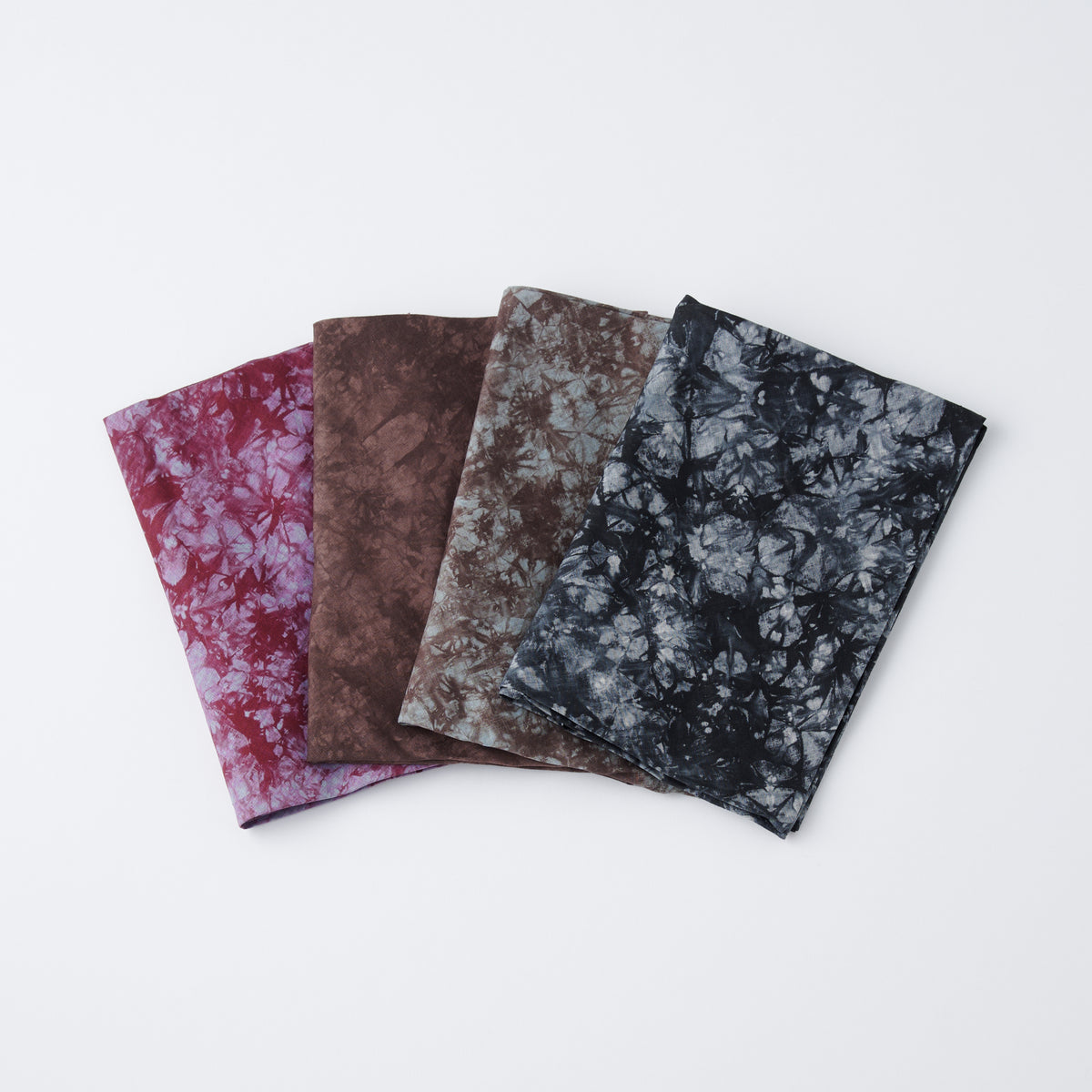
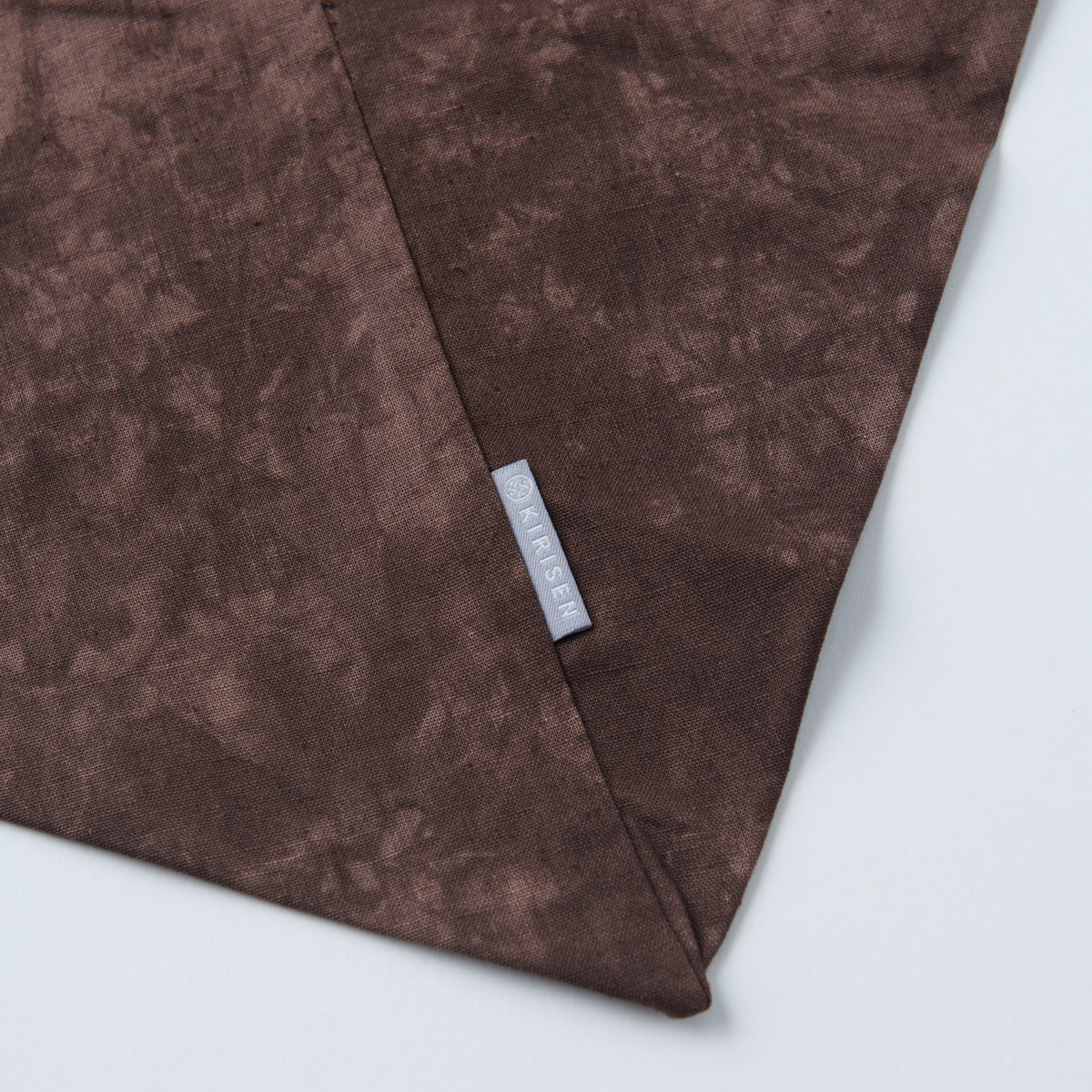
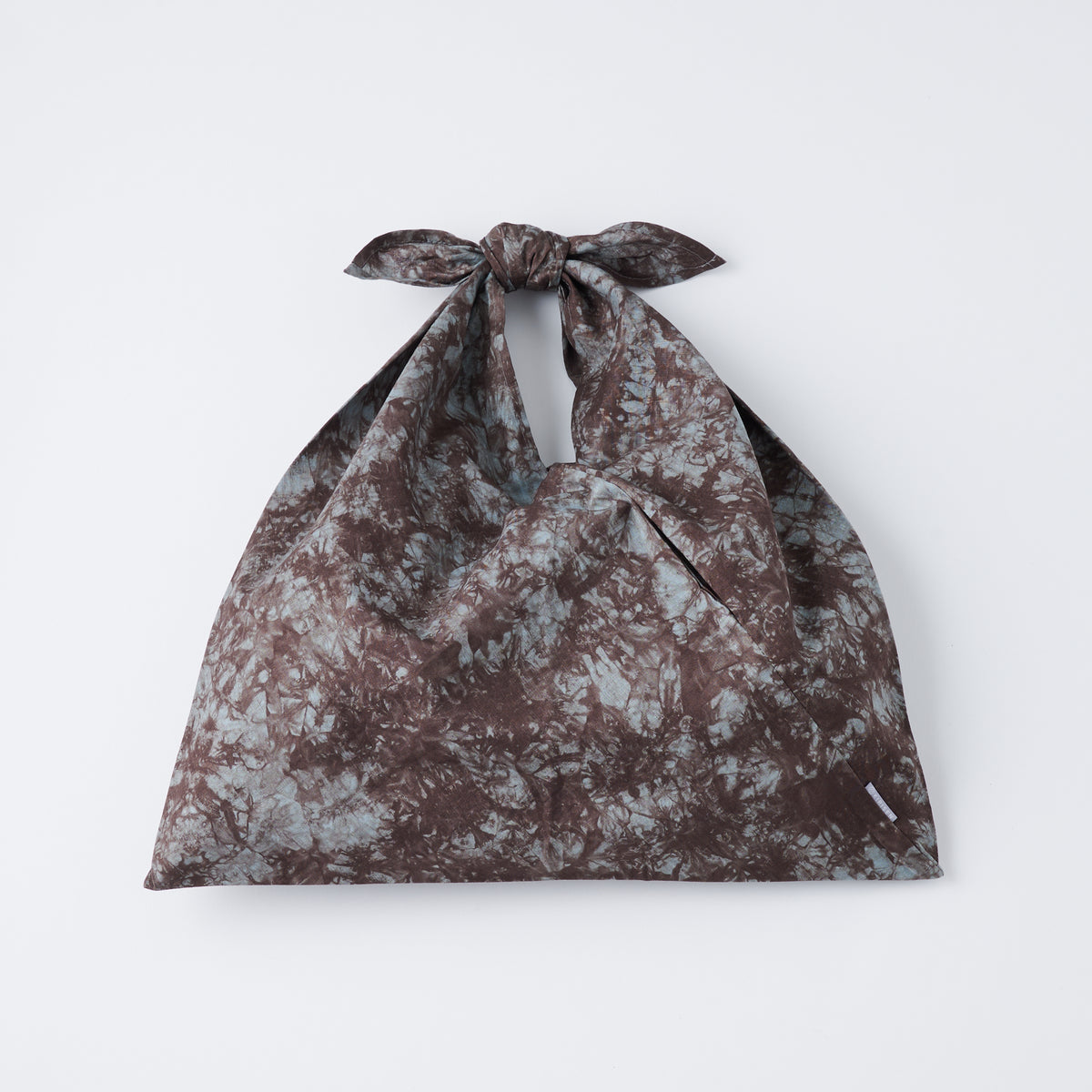
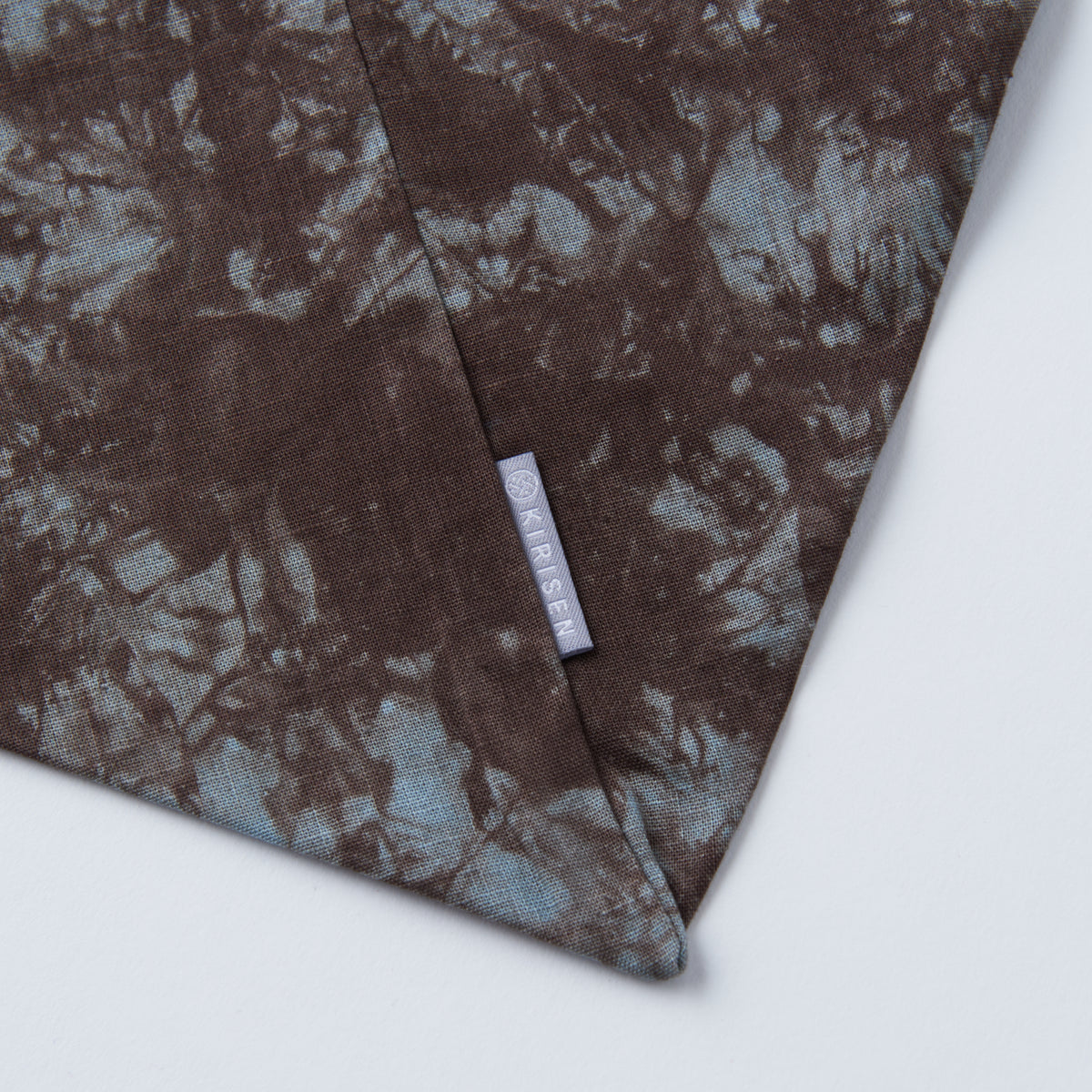
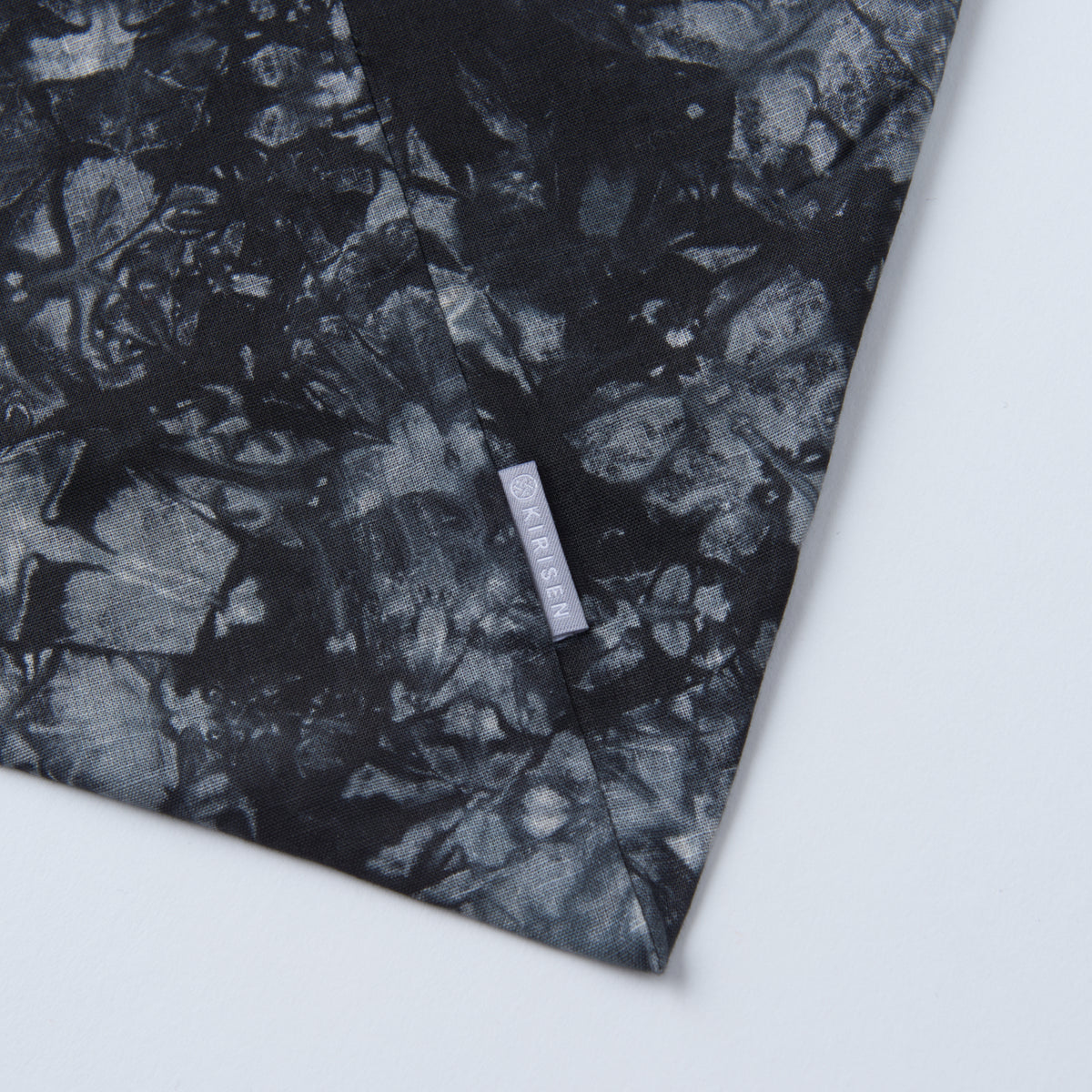
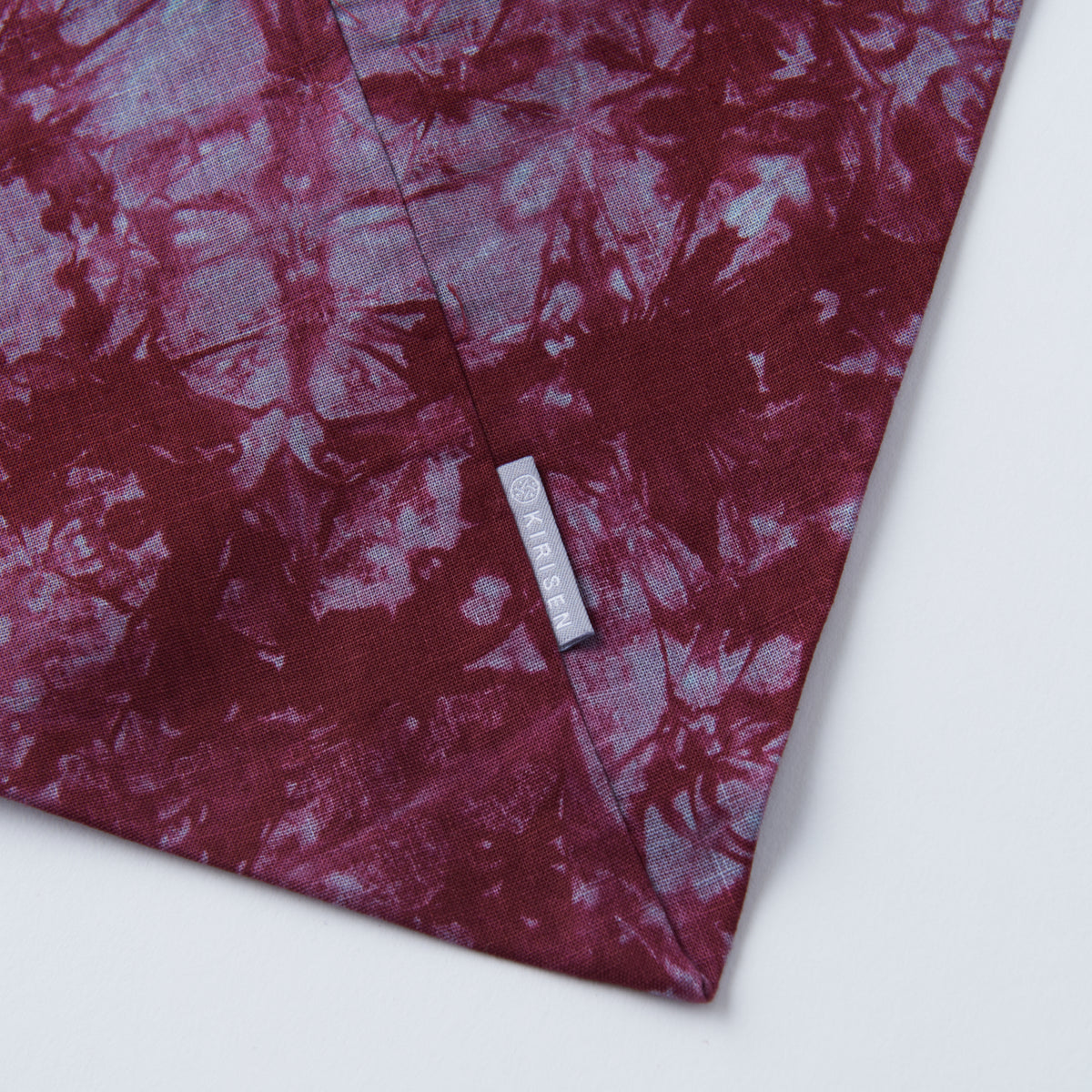
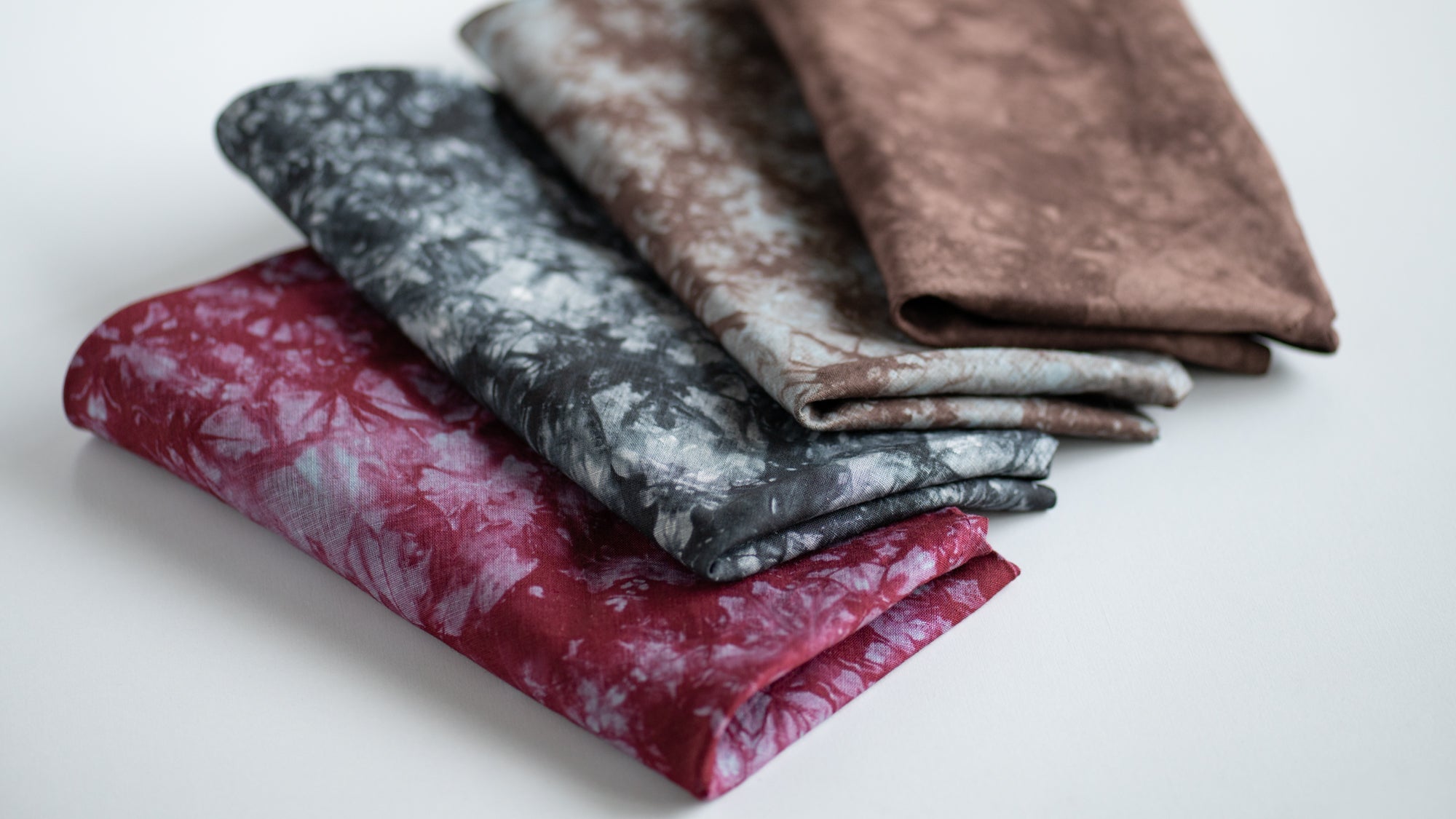
The fabric is hand-dyed at KIRISEN, a dye workshop founded in 1919 in the weaving town of Kiryu, Gunma Prefecture. Each color is mixed from scratch rather than selected from a fixed palette. KIRISEN’s kagozome shibori, a dyeing technique passed down from the workshop’s second generation and practiced in much the same way for decades, requires patient handwork. As the fabric absorbs the dye, irregular patterns emerge, resembling ice formations or flowers in bloom.
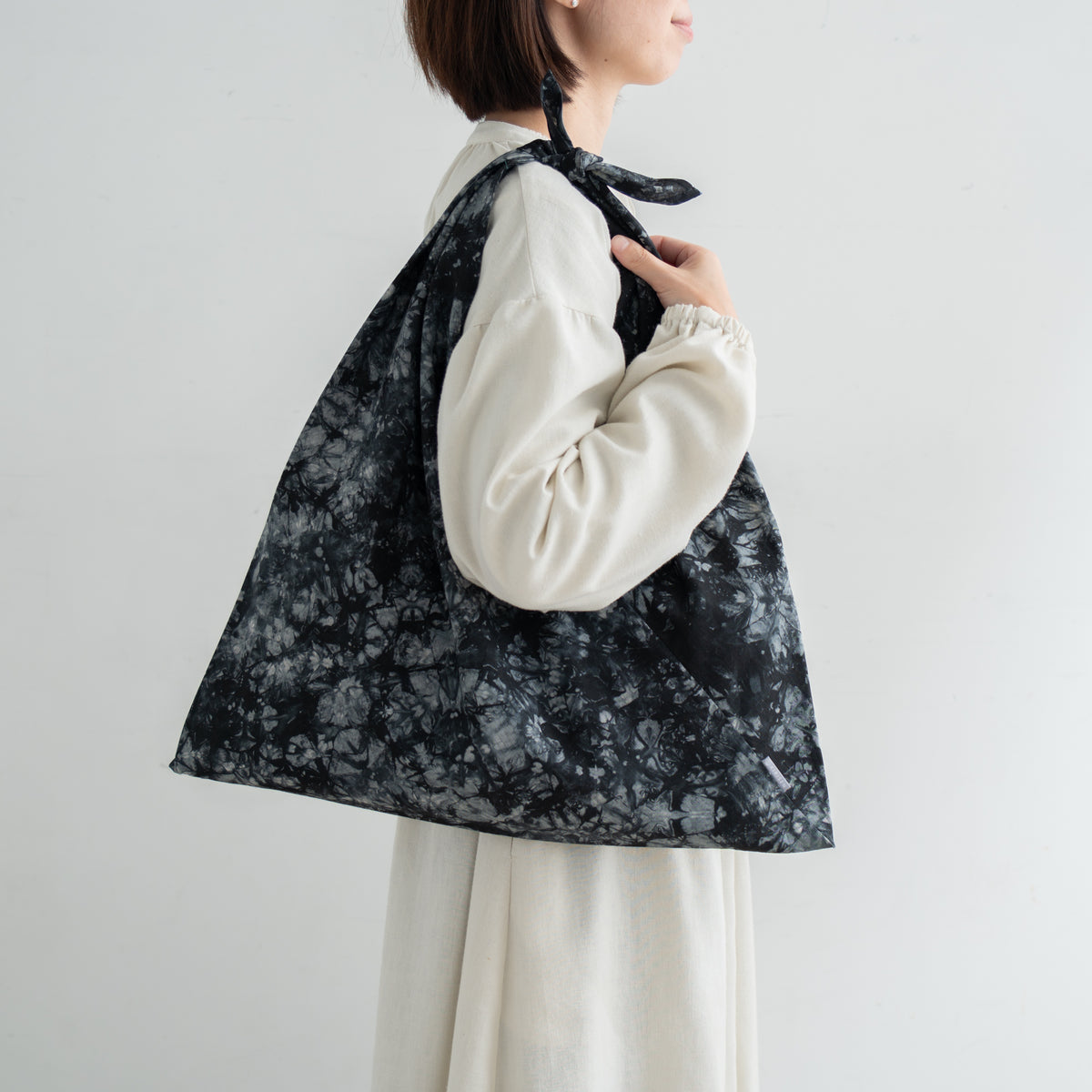
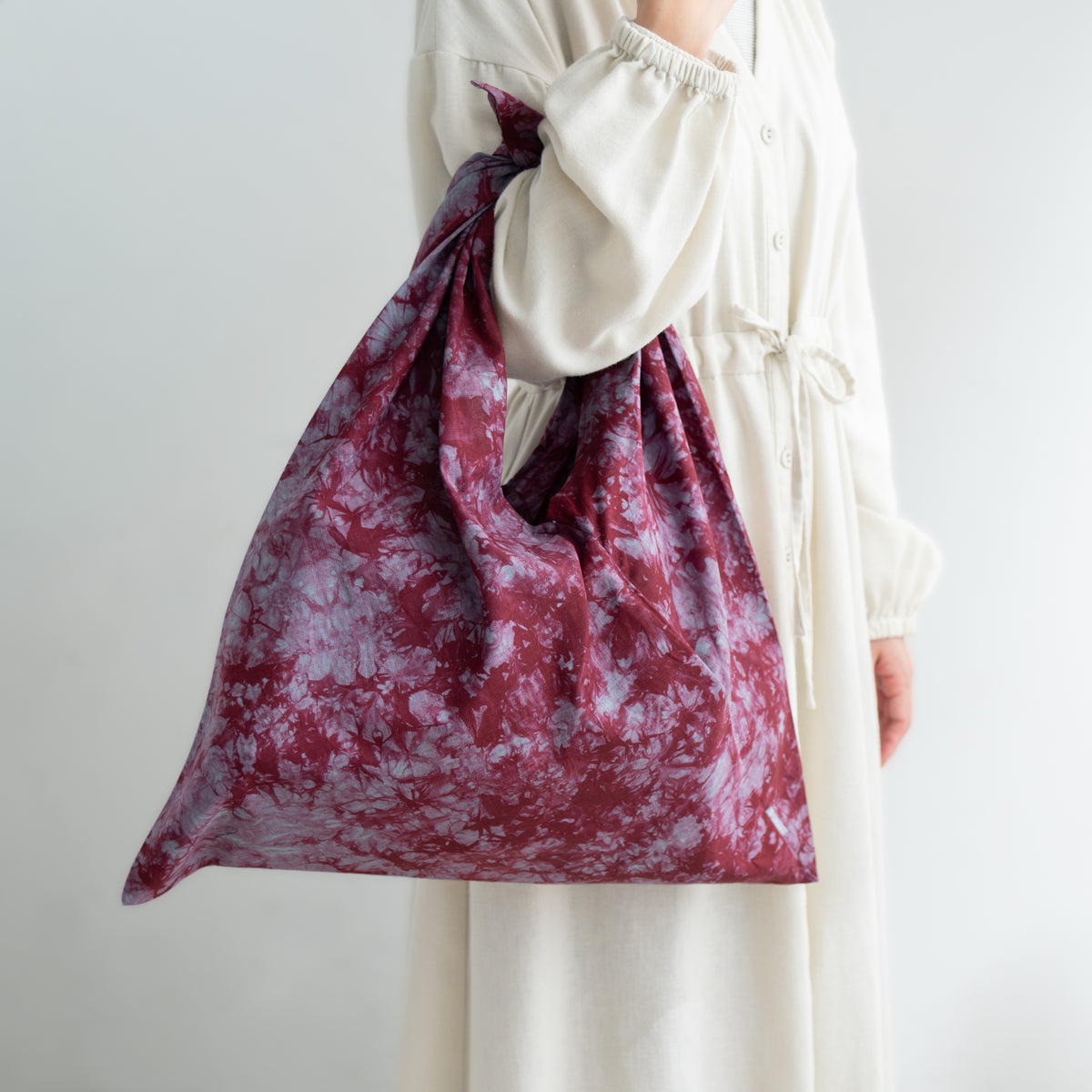
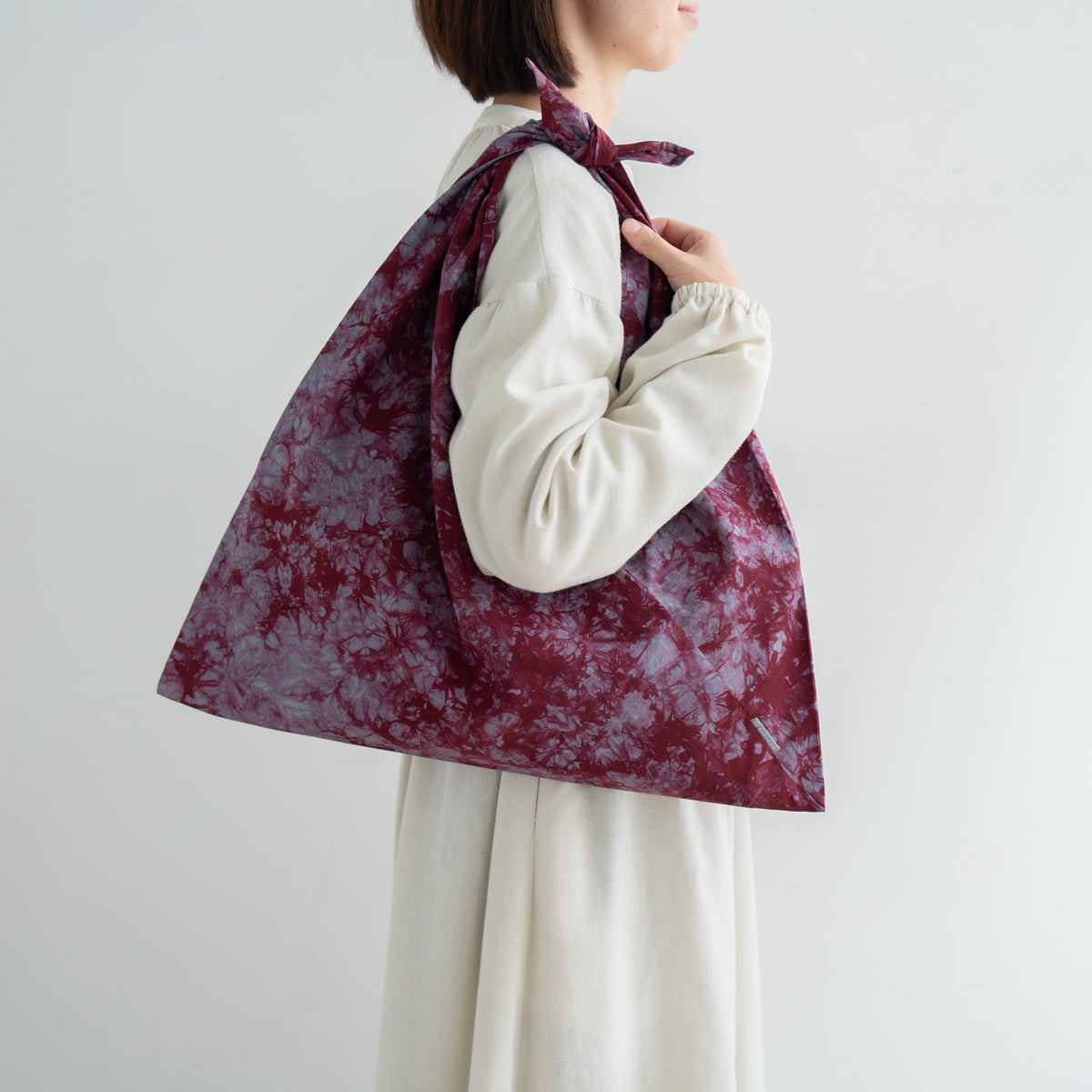
Its long pointed ends can be knotted together into a tote-style handle, making it a useful companion for outings and errands. A hand-sized pocket on the front holds small essentials, such as a coin purse, gloves in winter, or sunglasses in summer. No two pieces share the same shade or pattern, each a trace of the hand that dyed it.
DETAILS
| Quantity | 1 pc |
| Size | L 49 cm (19.3 in) x W 71 cm (28.0 in) |
| Weight | 90 g (3.2 oz) |
| Material | Cotton / Linen / Ramie |
Maker / Brand
In Kiryu, Gunma Prefecture, color has long been part of the town’s textile culture. Since 1919, KIRISEN has approached dyeing not with a set palette, but with the creation of color itself. The workshop develops its own hues and explores the patterns that emerge through hand-dyeing. Today, these techniques take shape in KIRISEN’s products, where mottled designs make each piece one of a kind.
How to Care
Notes
Choose options
Wear & Accessories
Some crafts become part of our homes, while others accompany us wherever we go. Few things are as close to everyday life as what we wear and carry. Made by artisans across Japan, the pieces in this collection are meant for just that, whether it’s a bag for the day’s errands or something to wear from one season to the next.