


Six Gourds Soup Bowl with Lid
Ships from Japan · Free shipping on orders over $250 USD
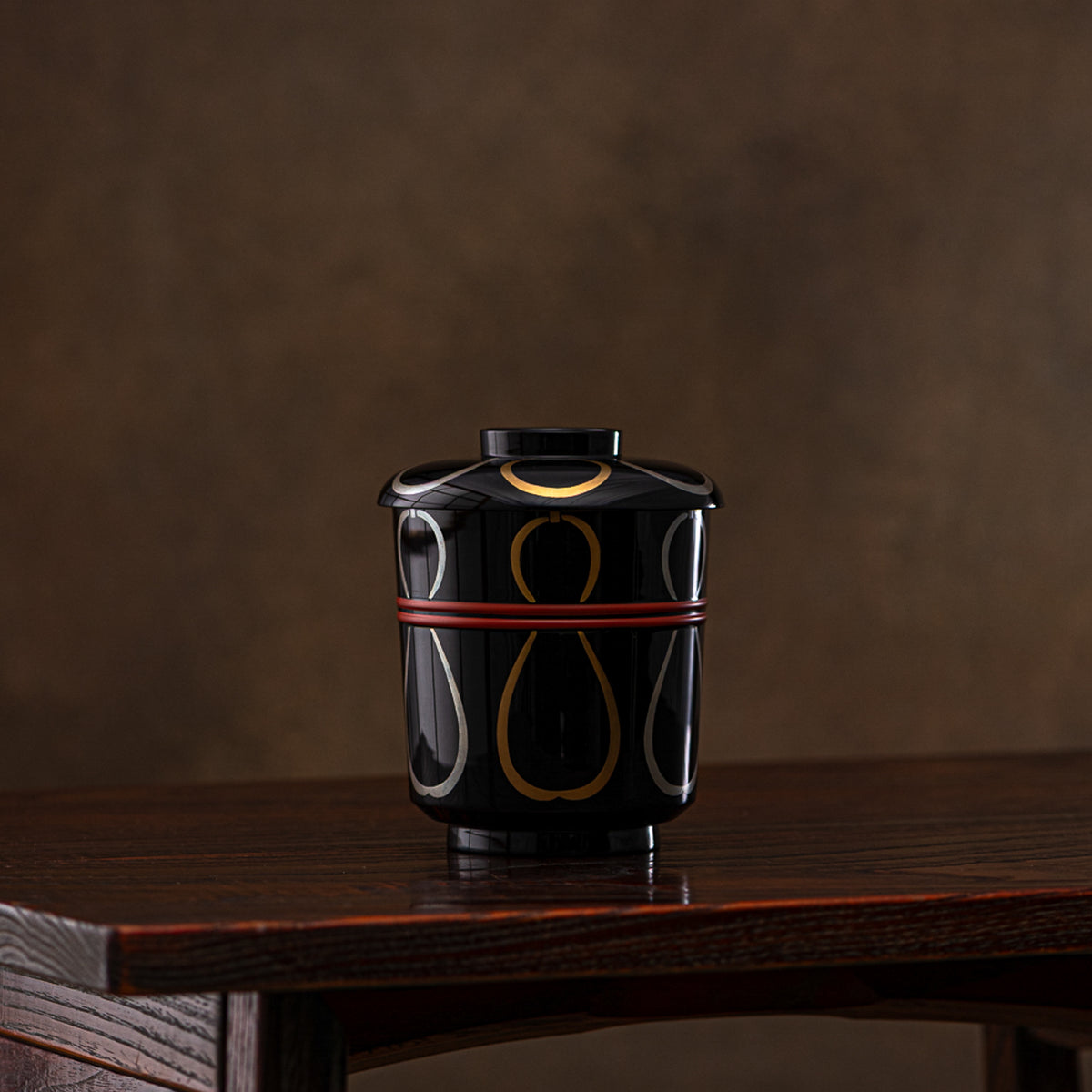
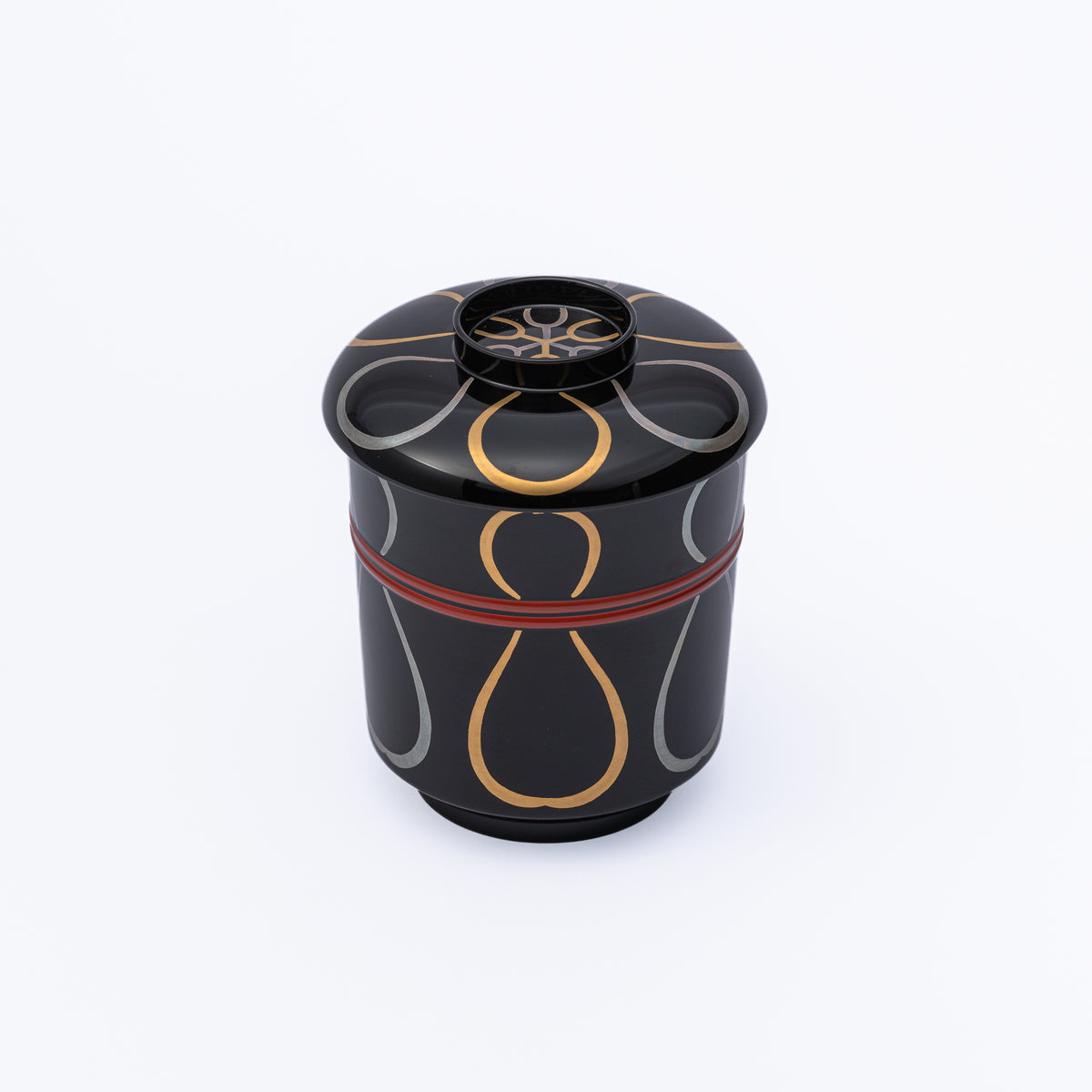
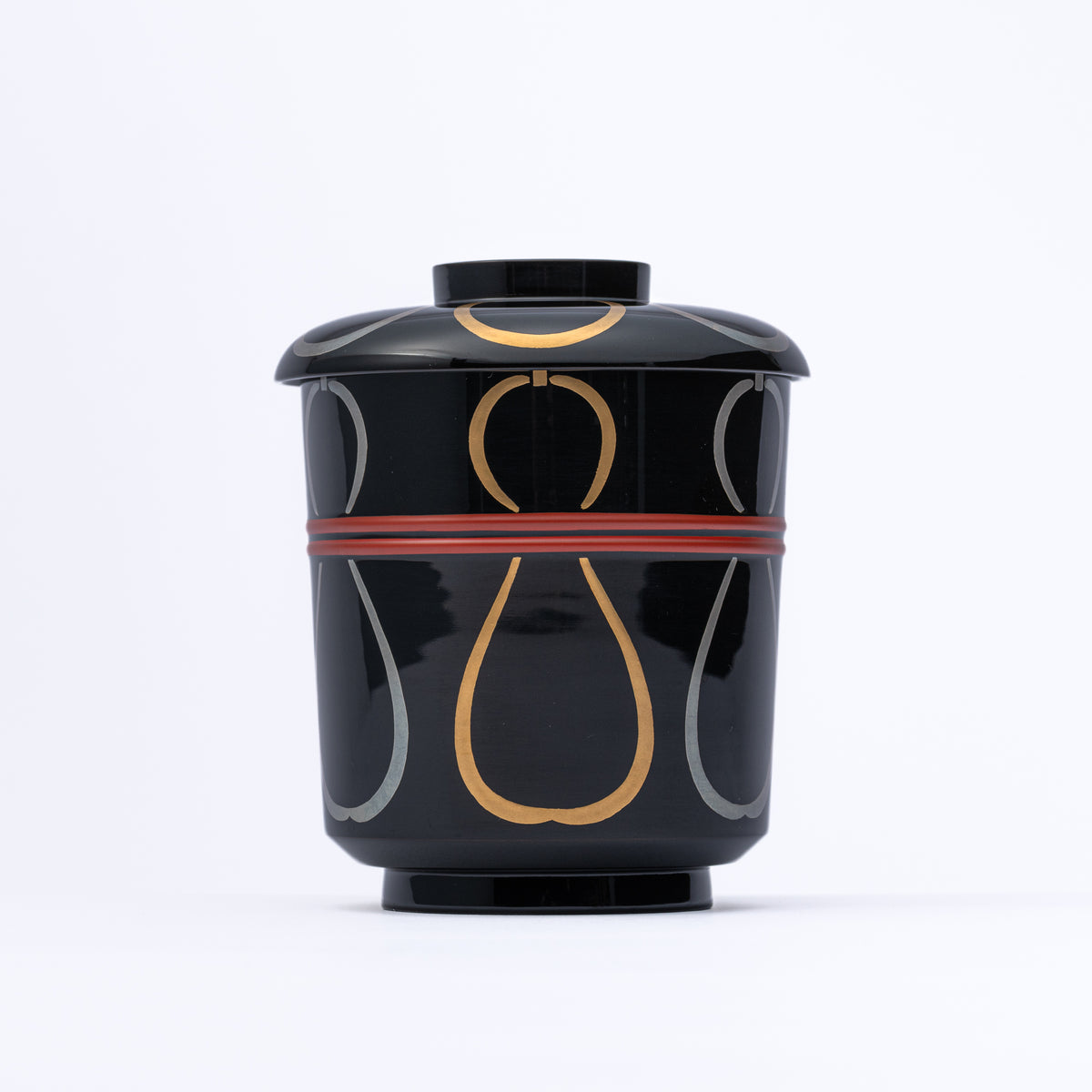
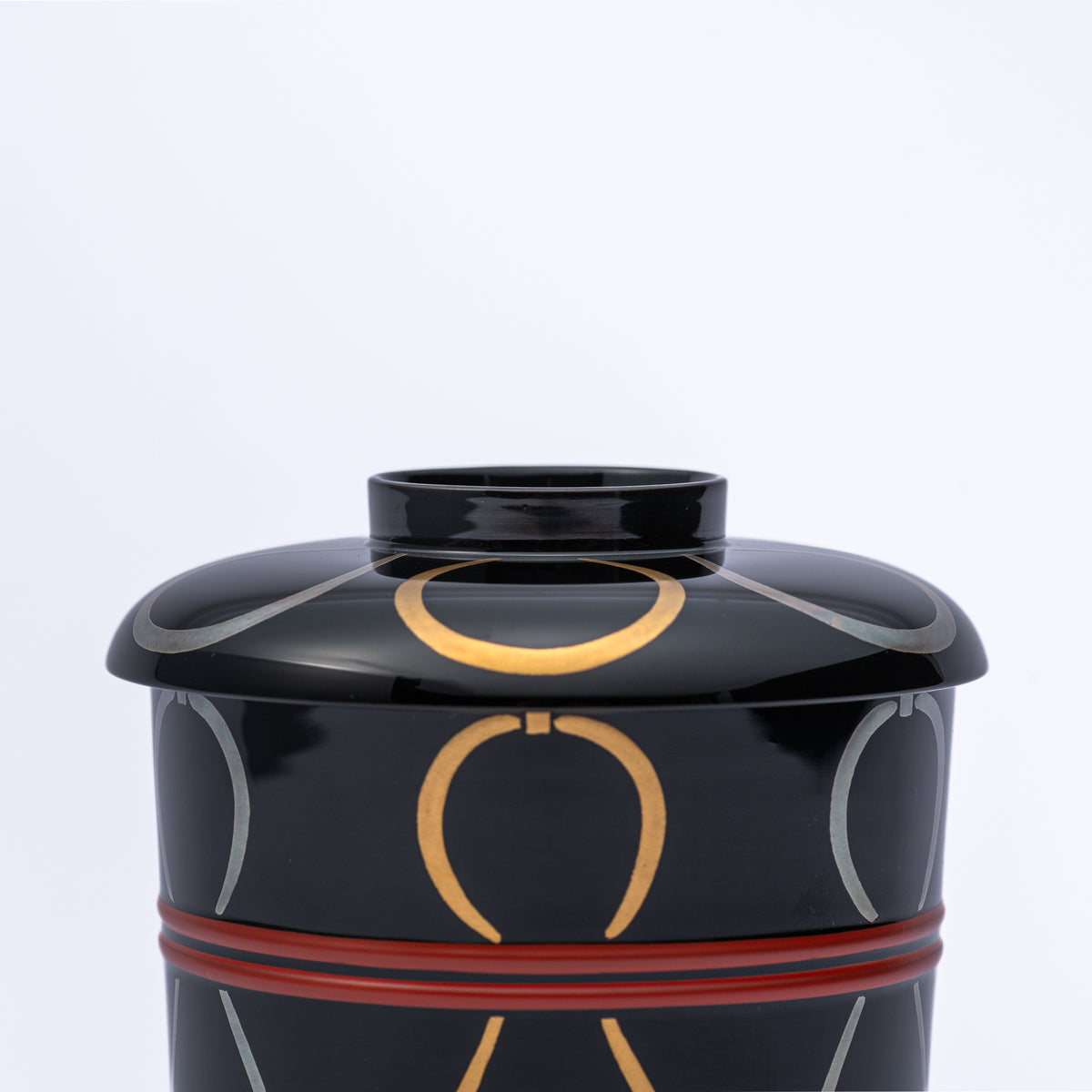
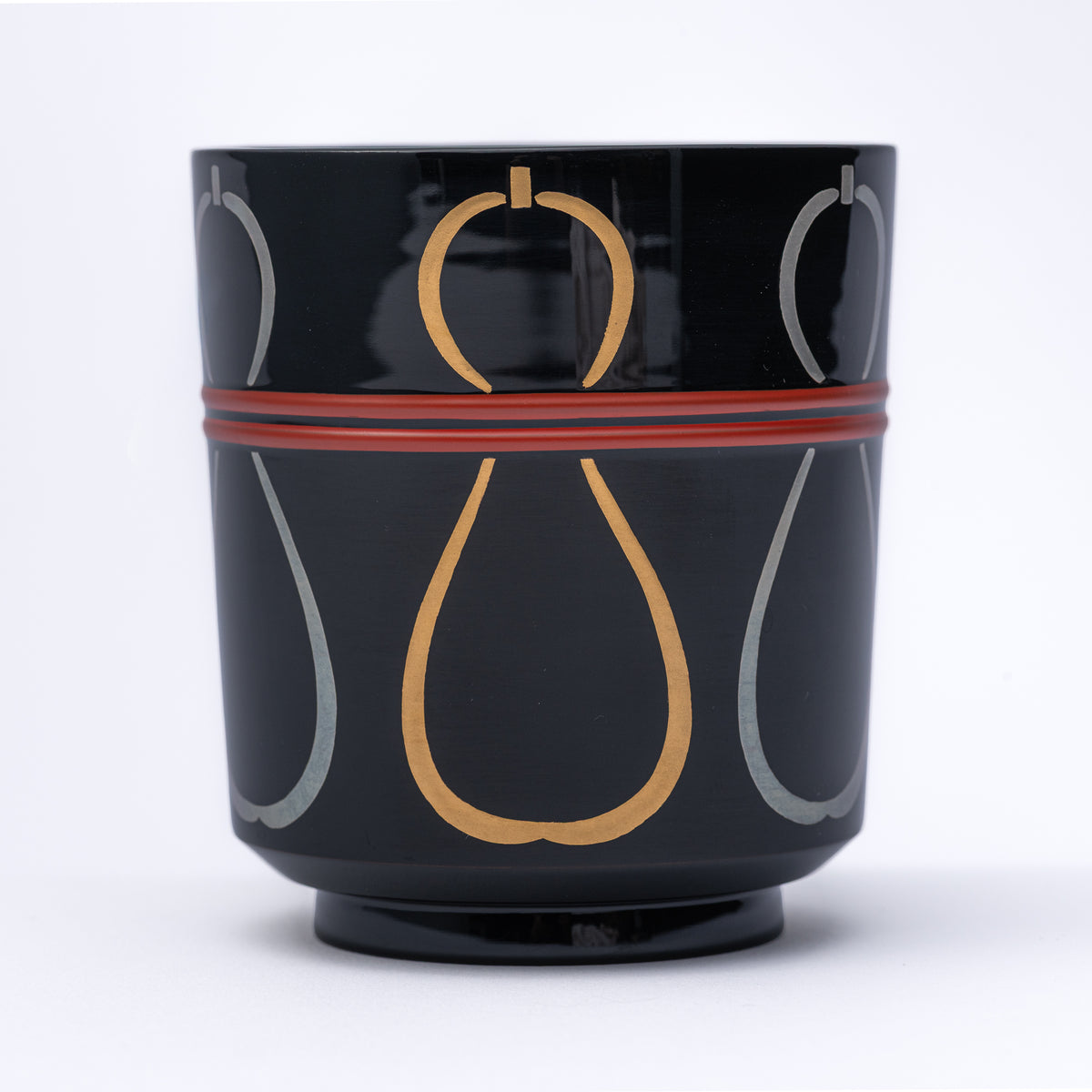
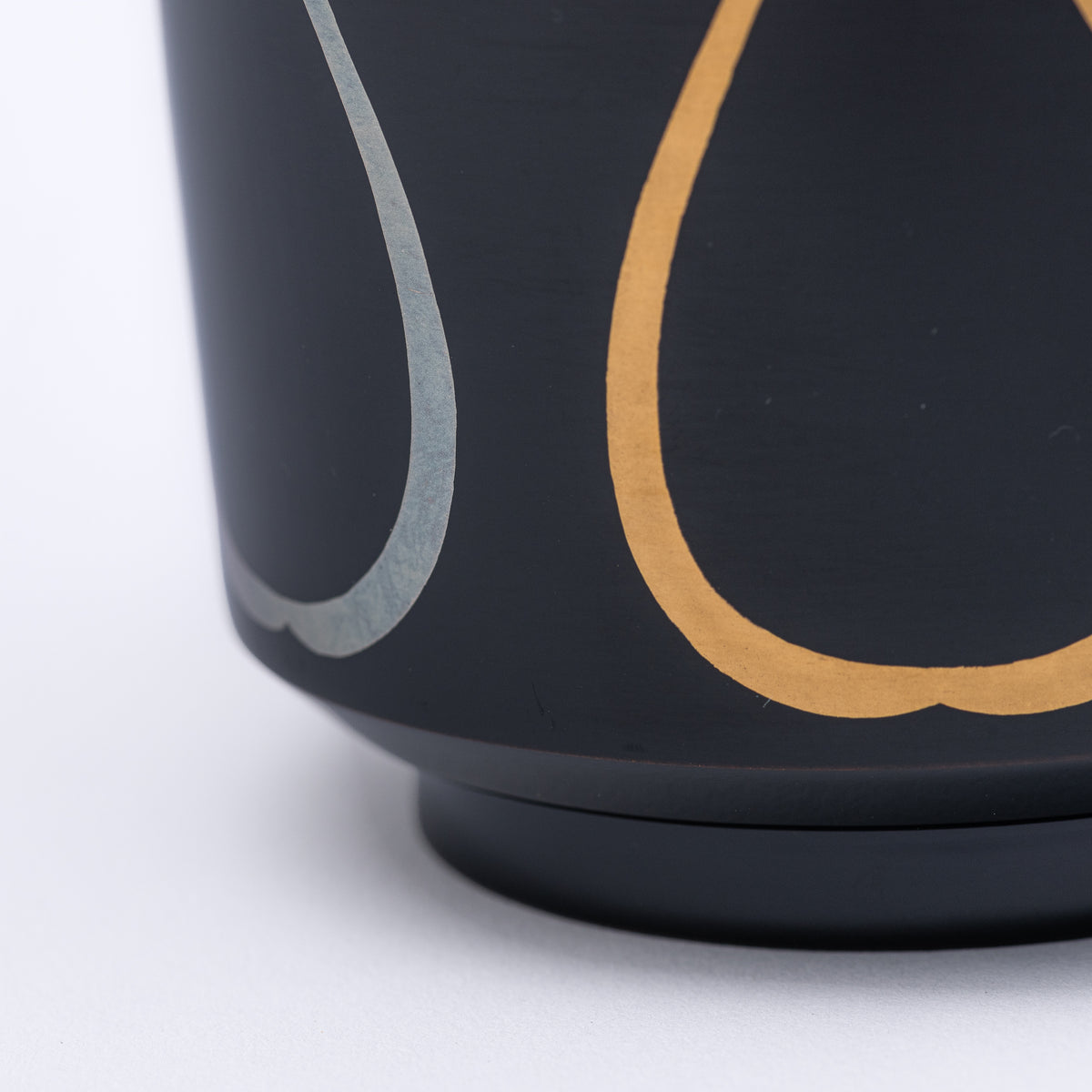
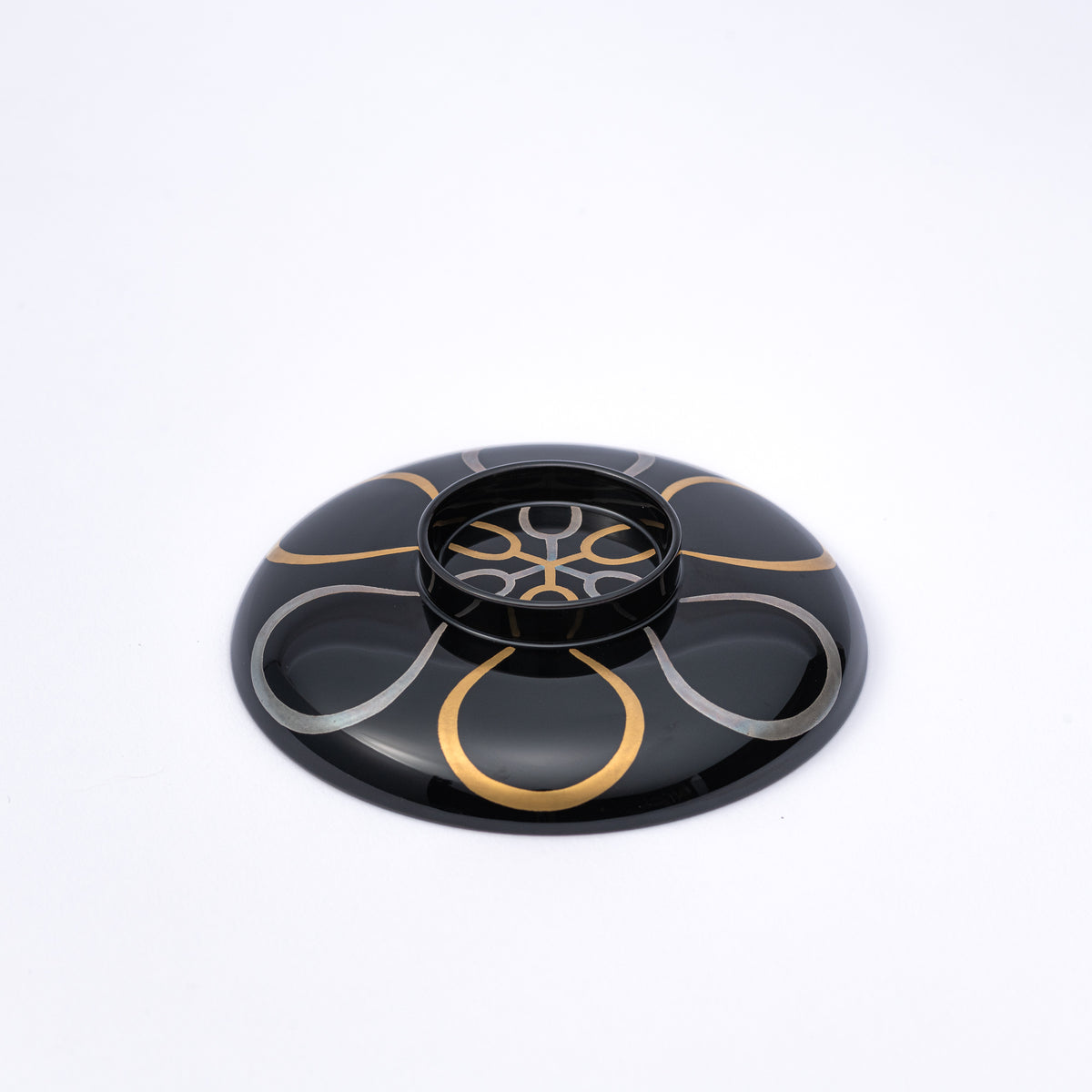
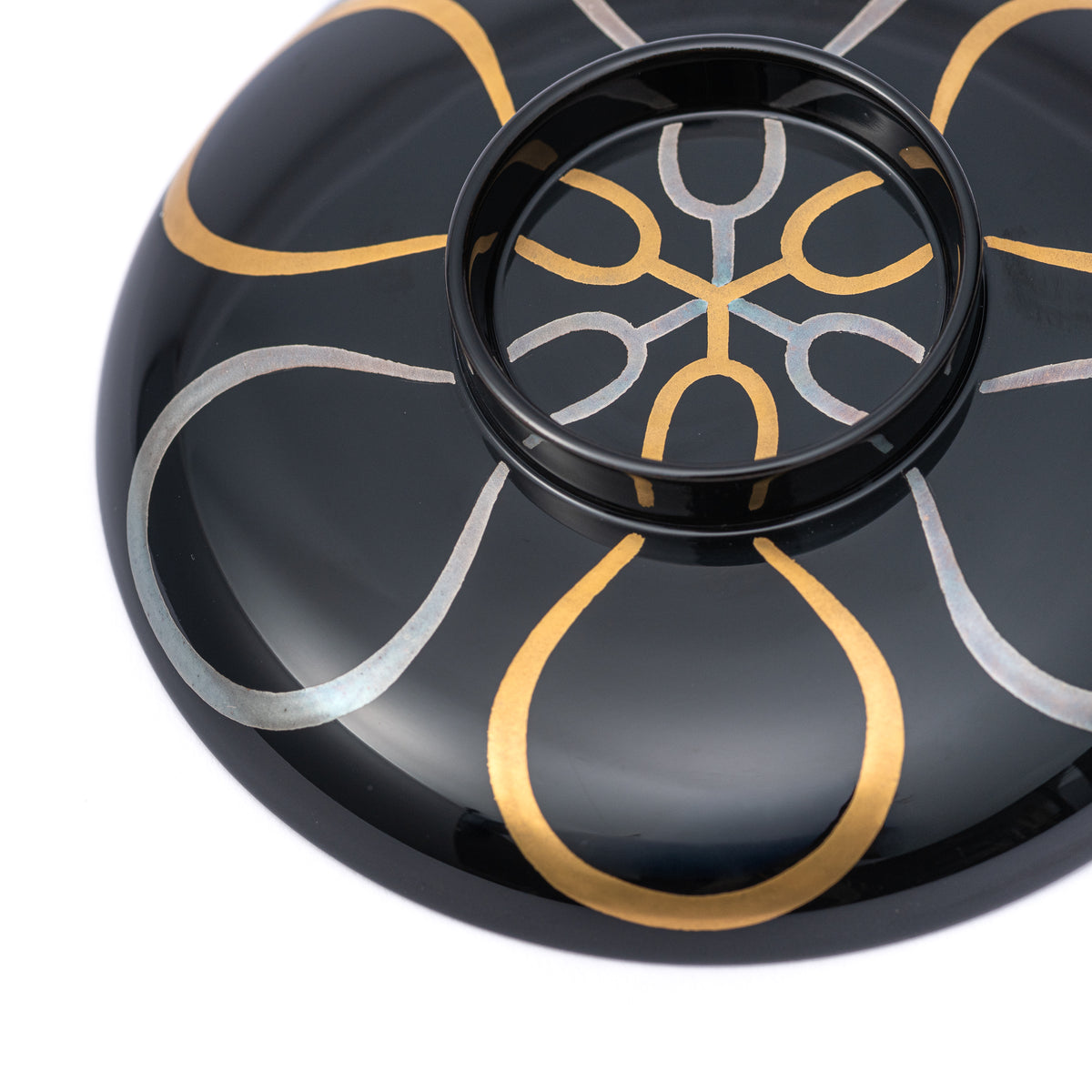
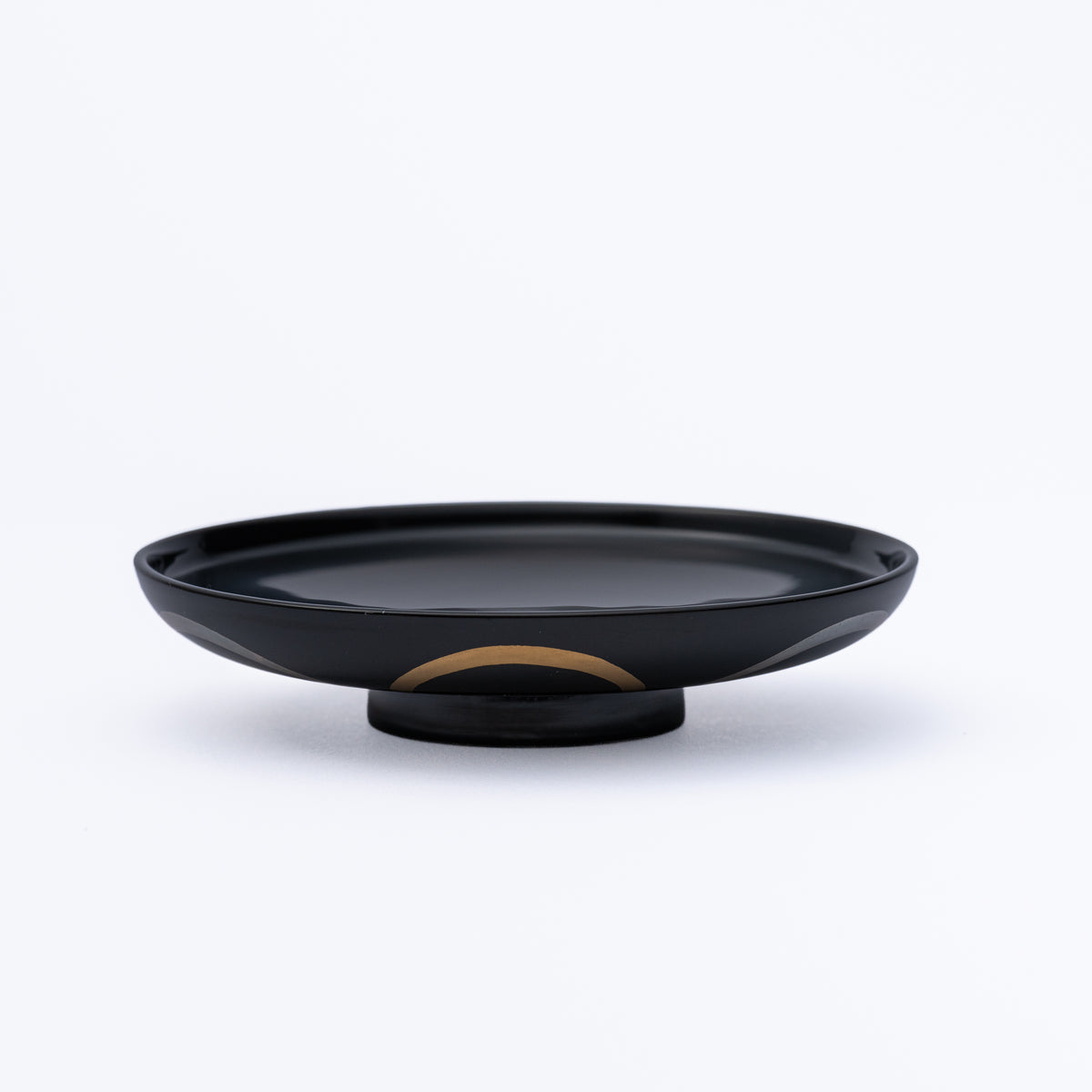
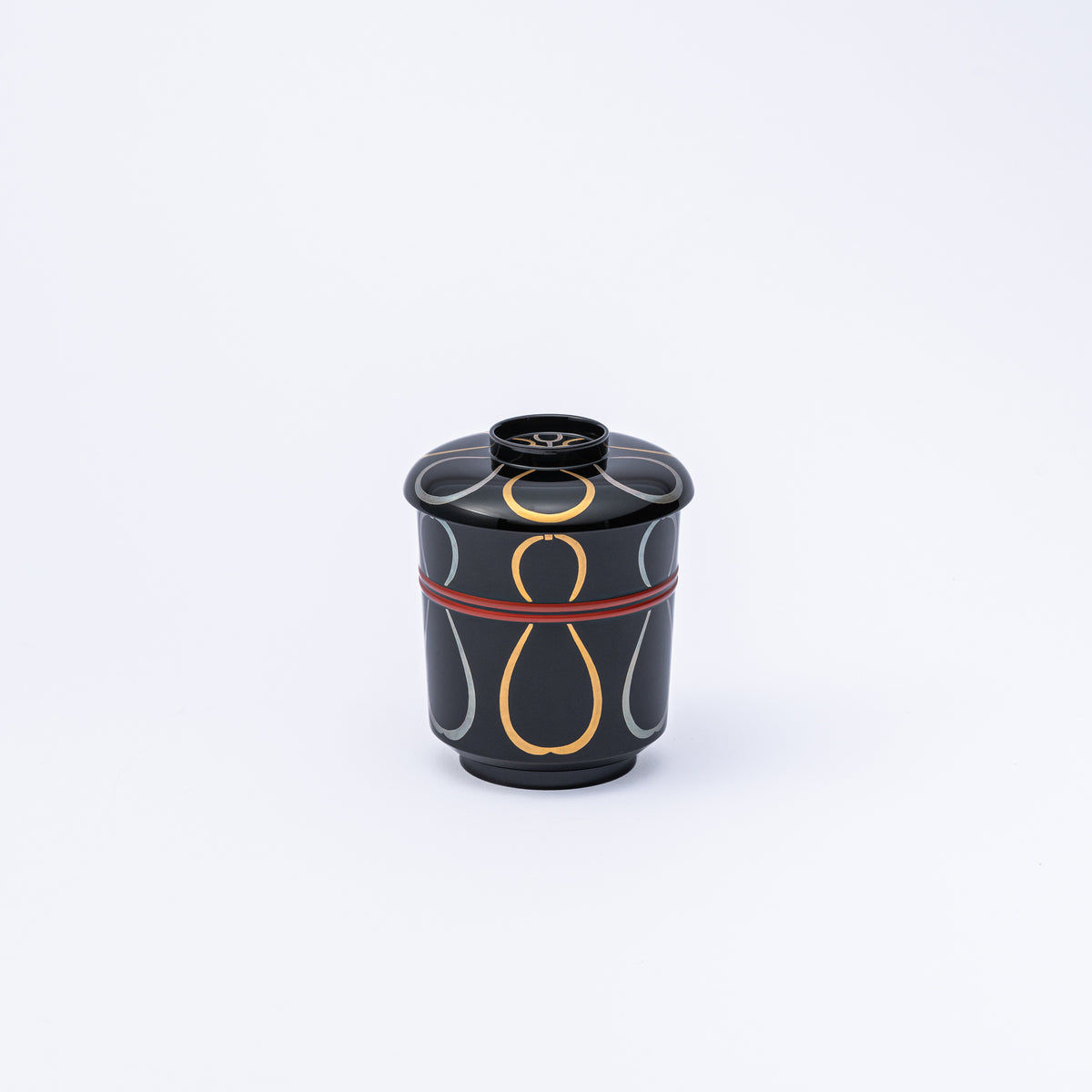
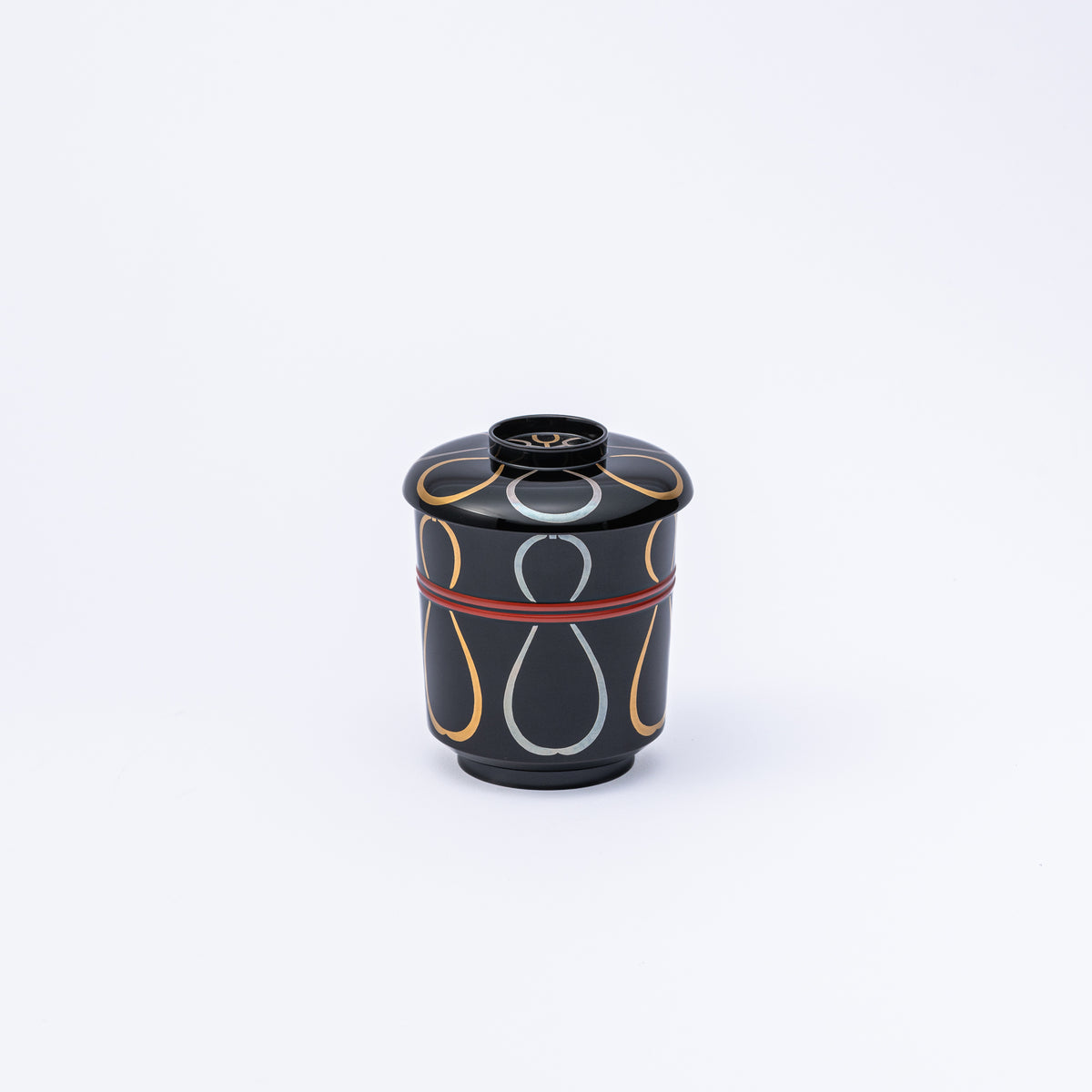
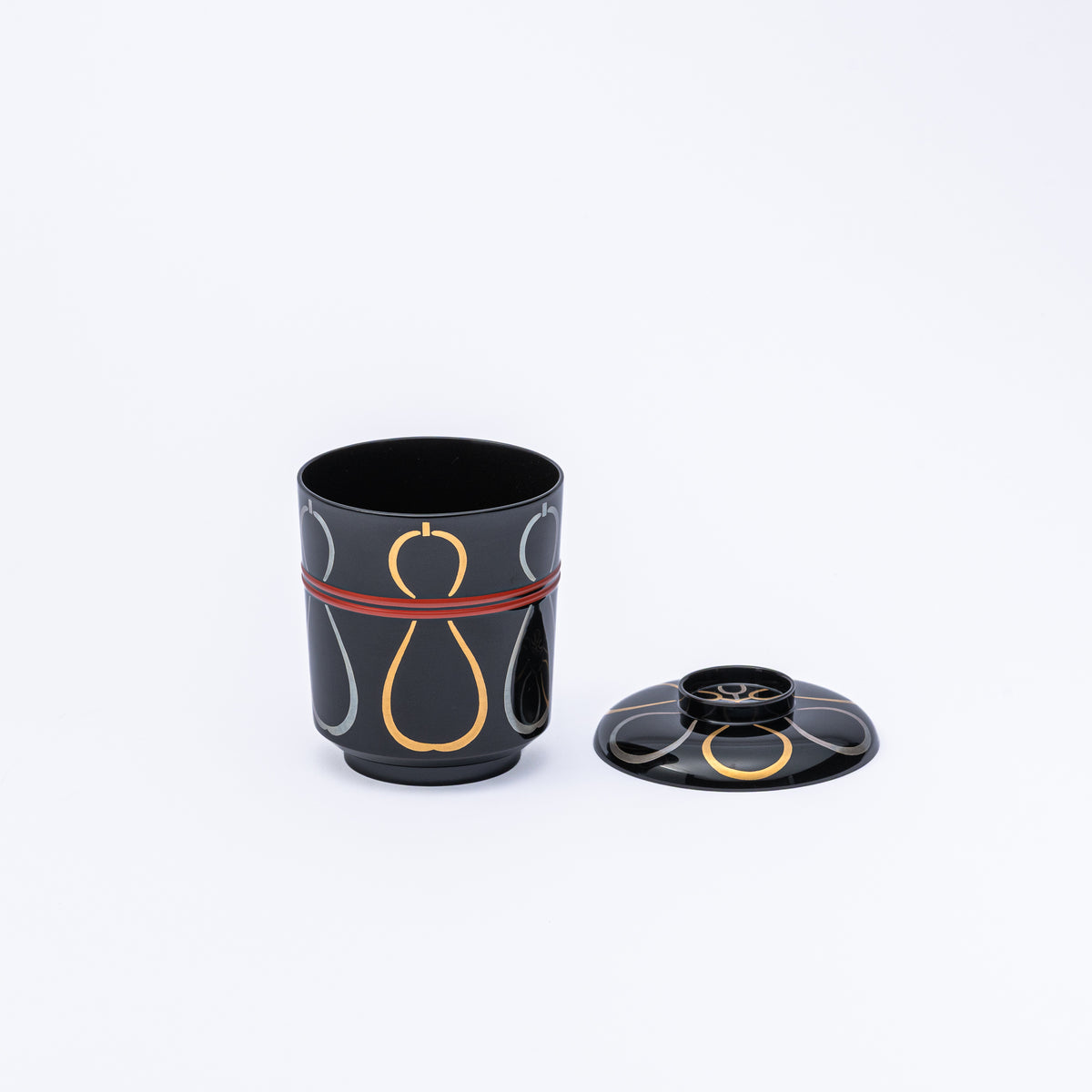
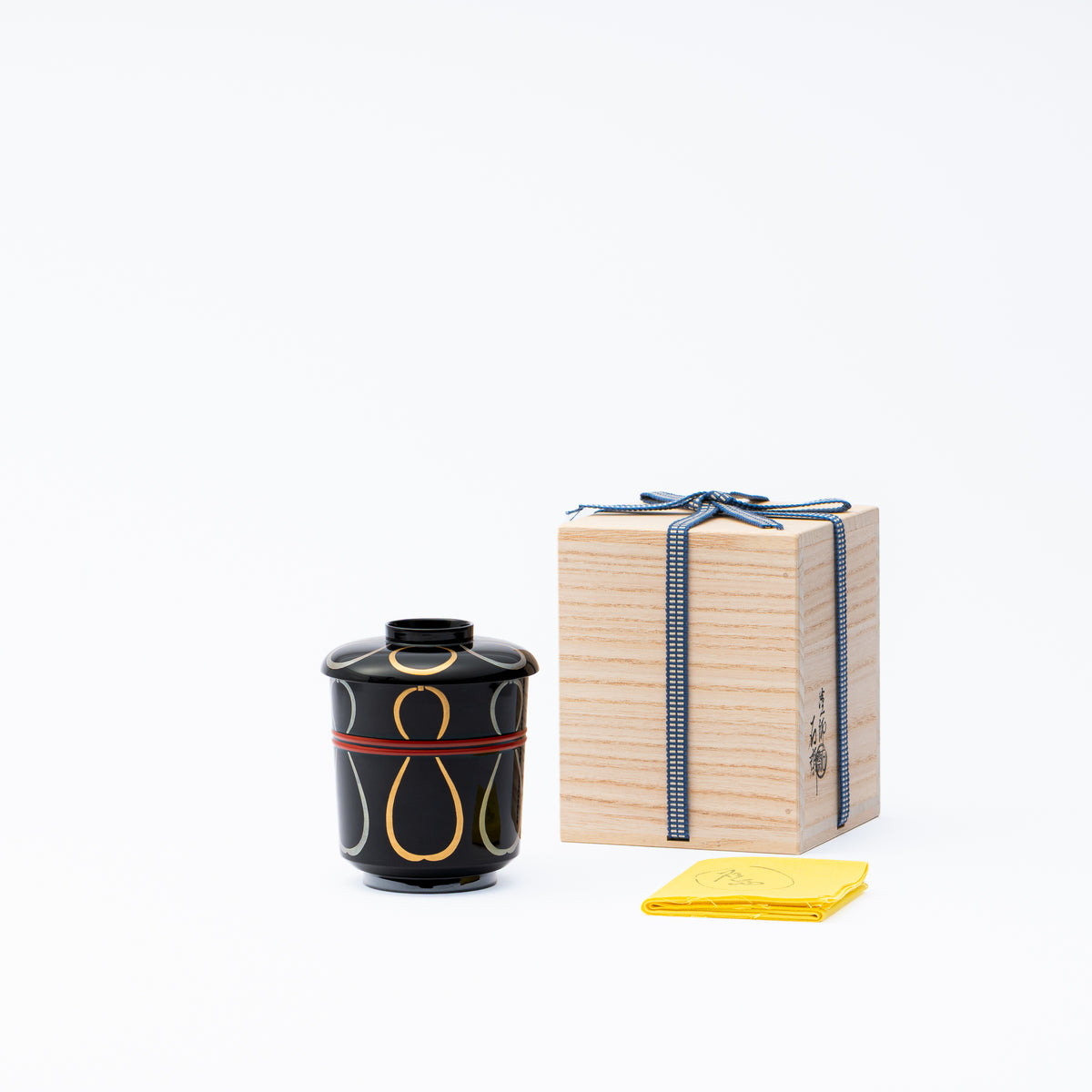
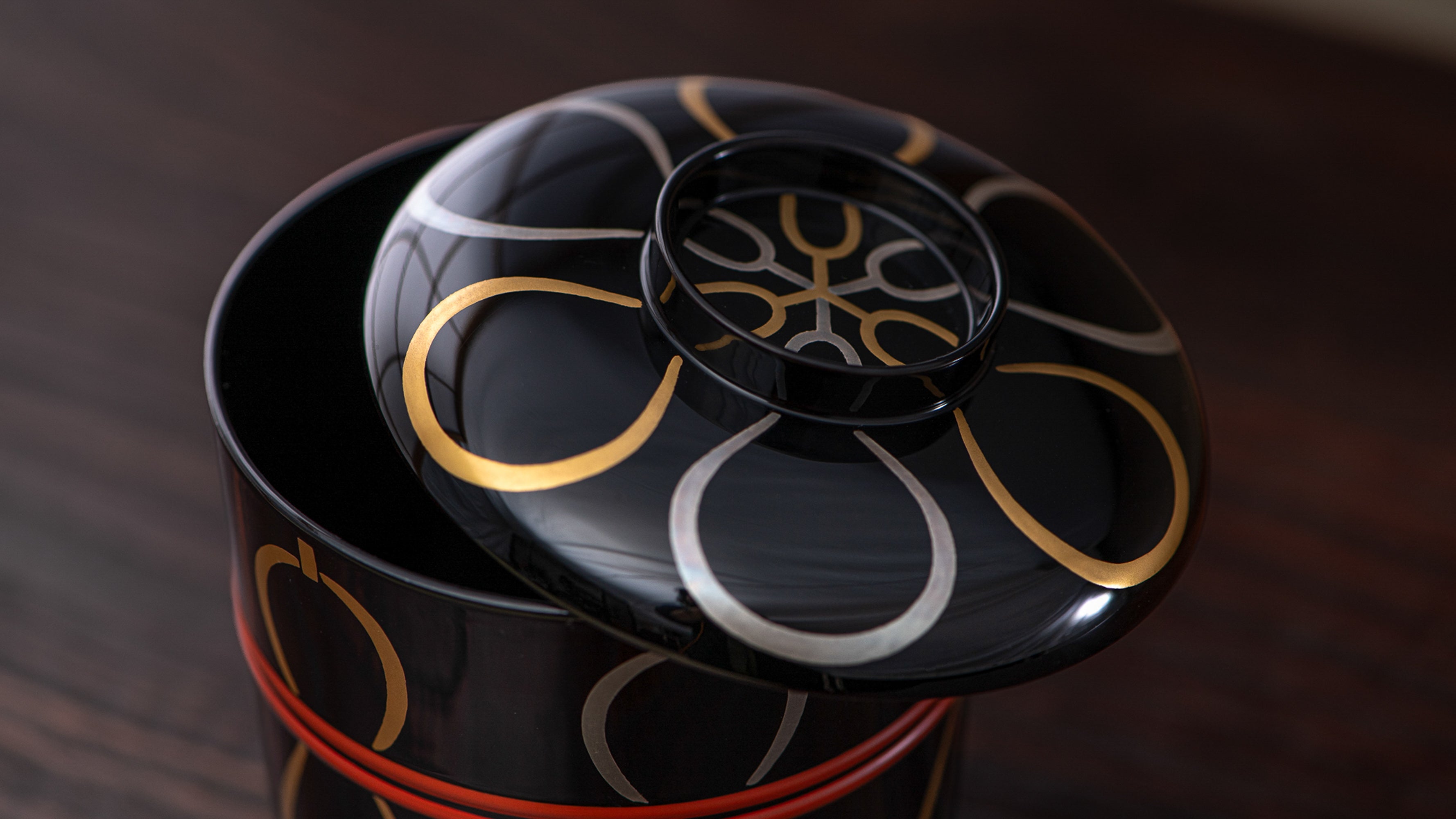
This tall lidded bowl is a reproduction of Kitaoji Rosanjin’s Mubyo-wan, or Six Gourds Bowl. This work brings together one of Rosanjin’s favored motifs with the Yamanaka lacquerware techniques of Tsuji Sekisai, from whom he learned lacquer artistry.
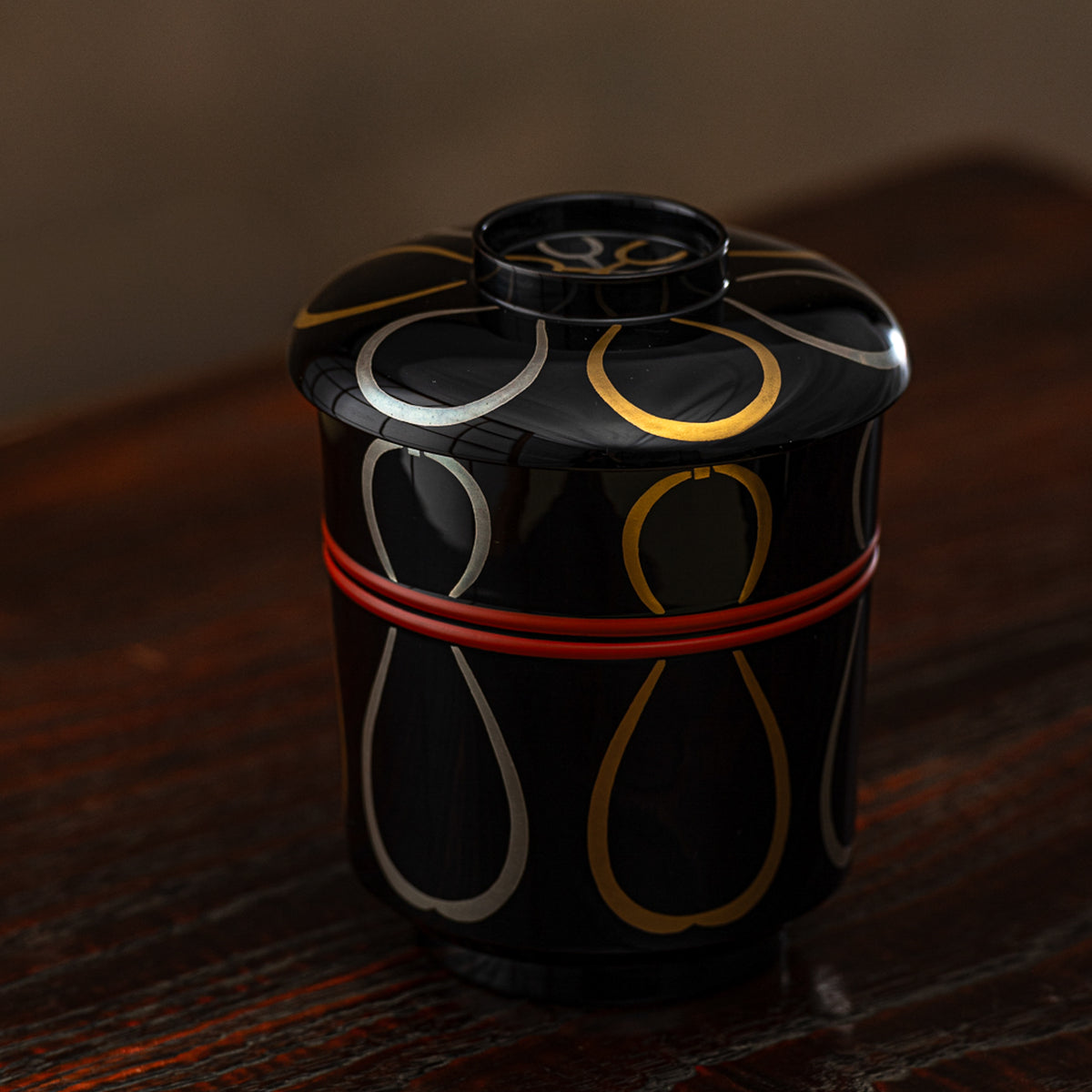
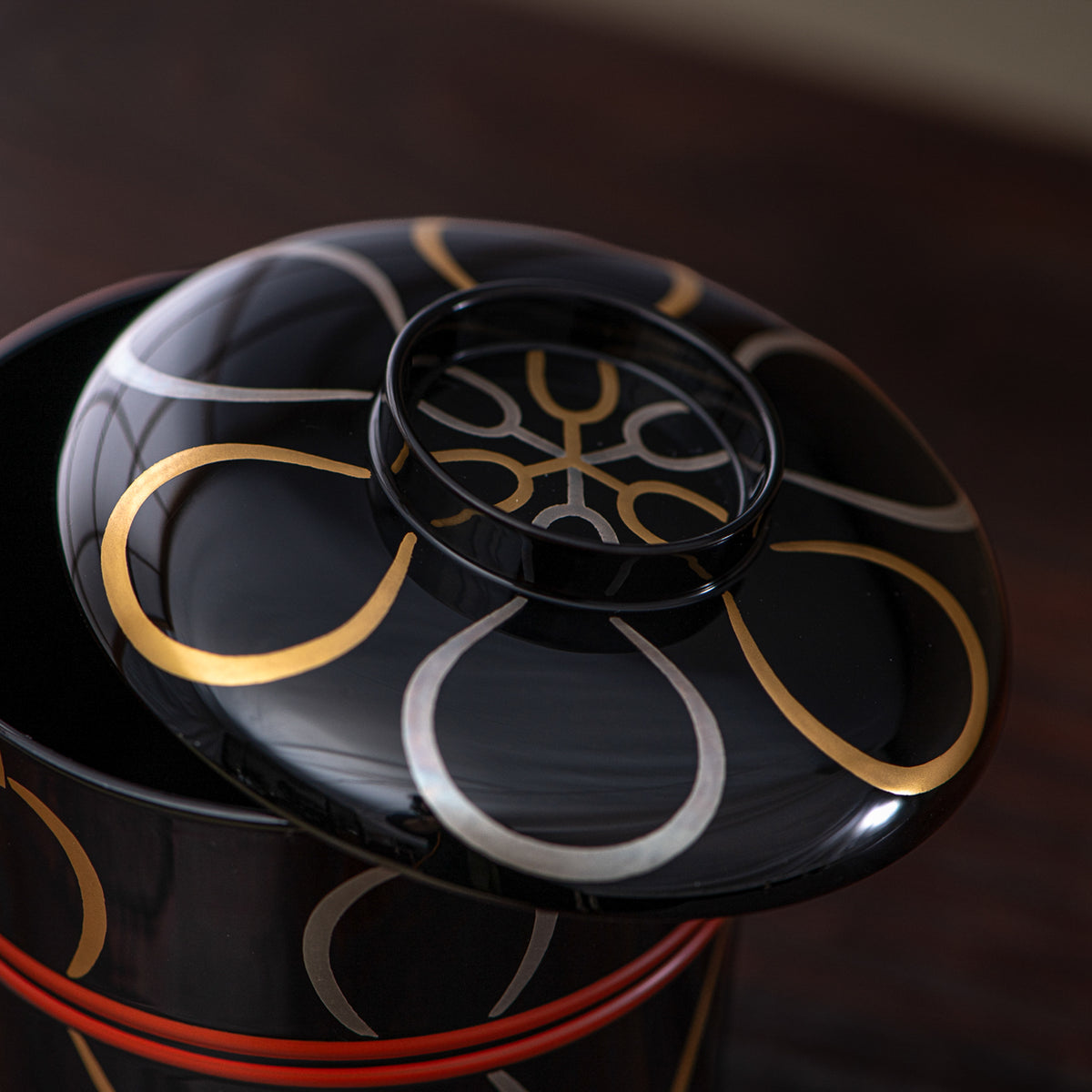
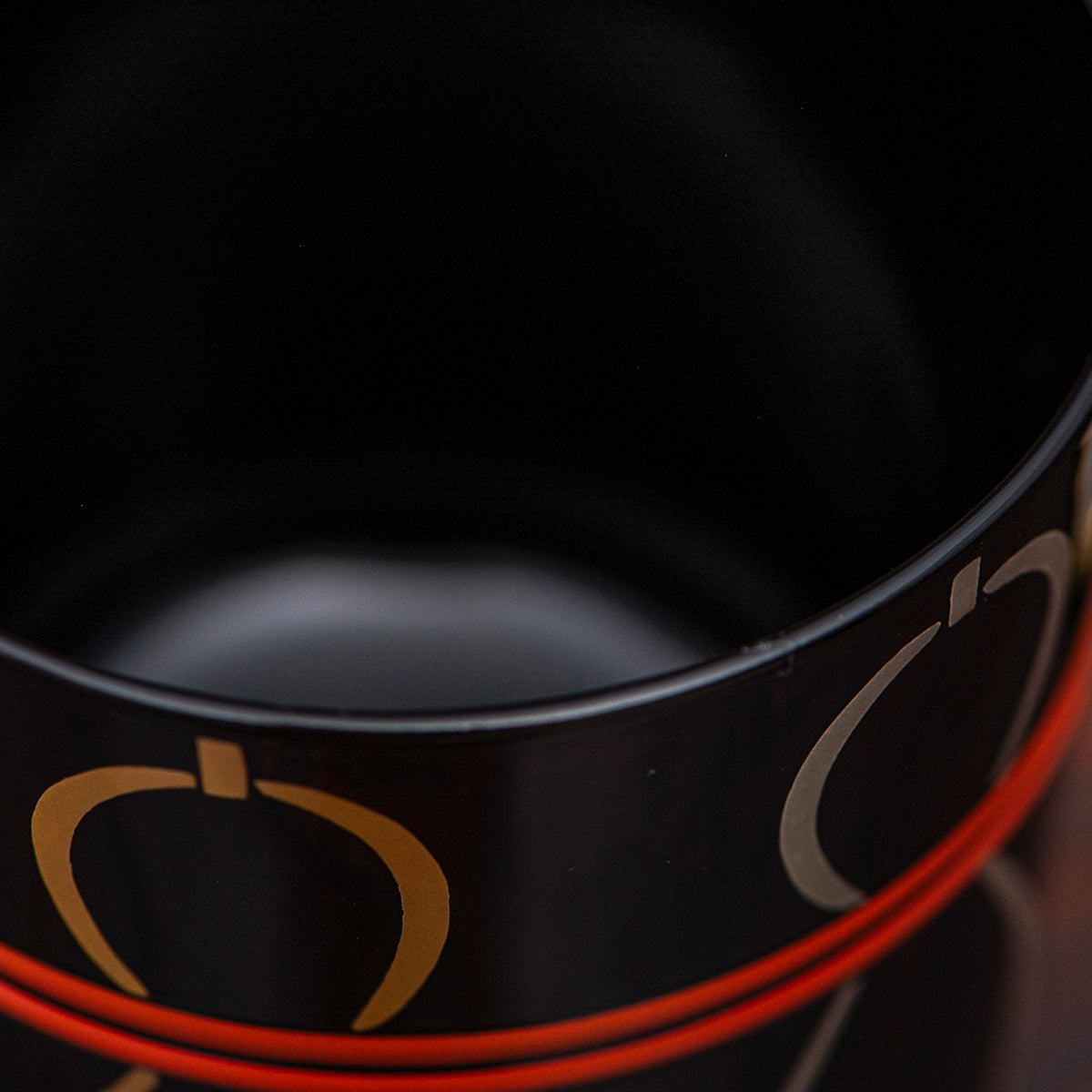
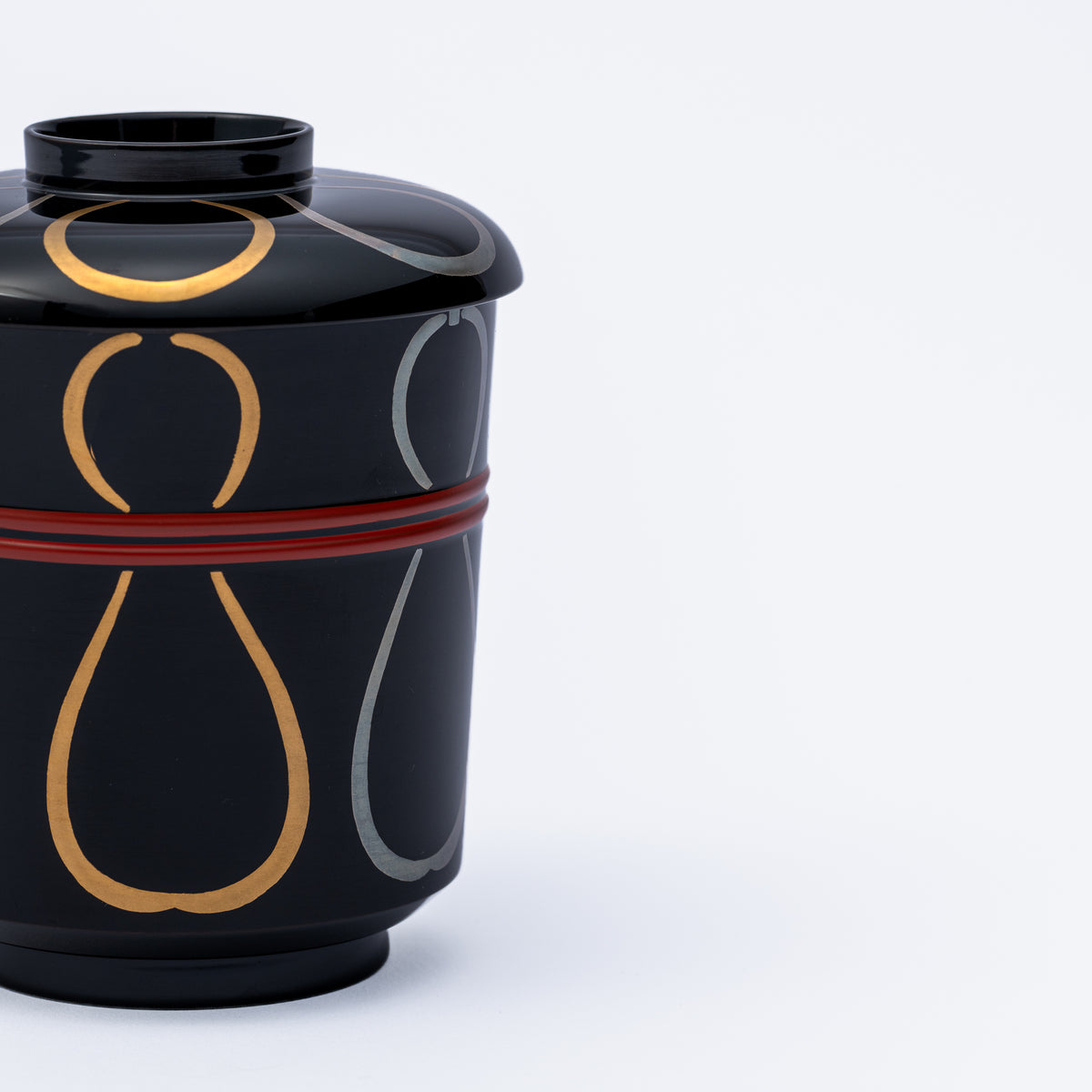
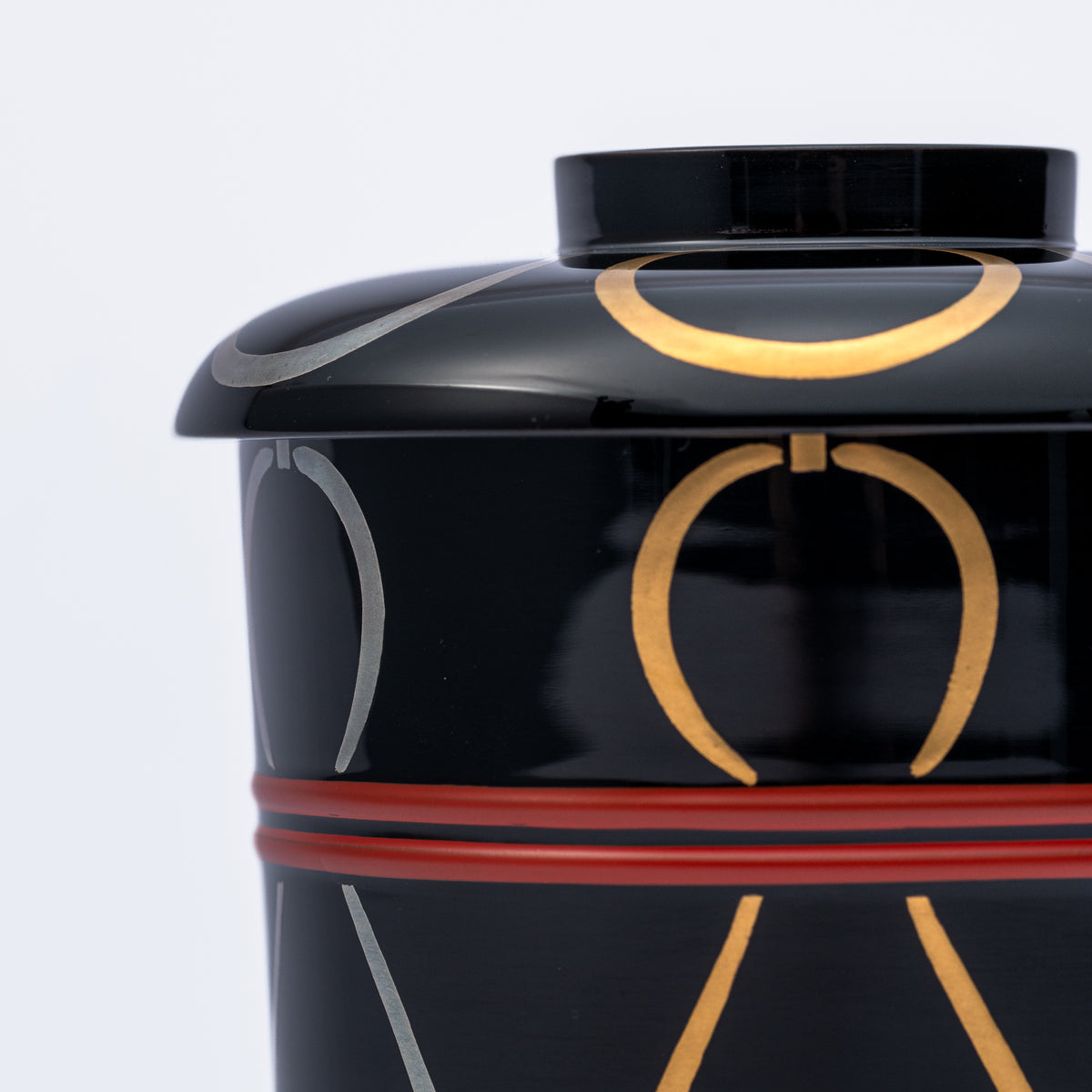
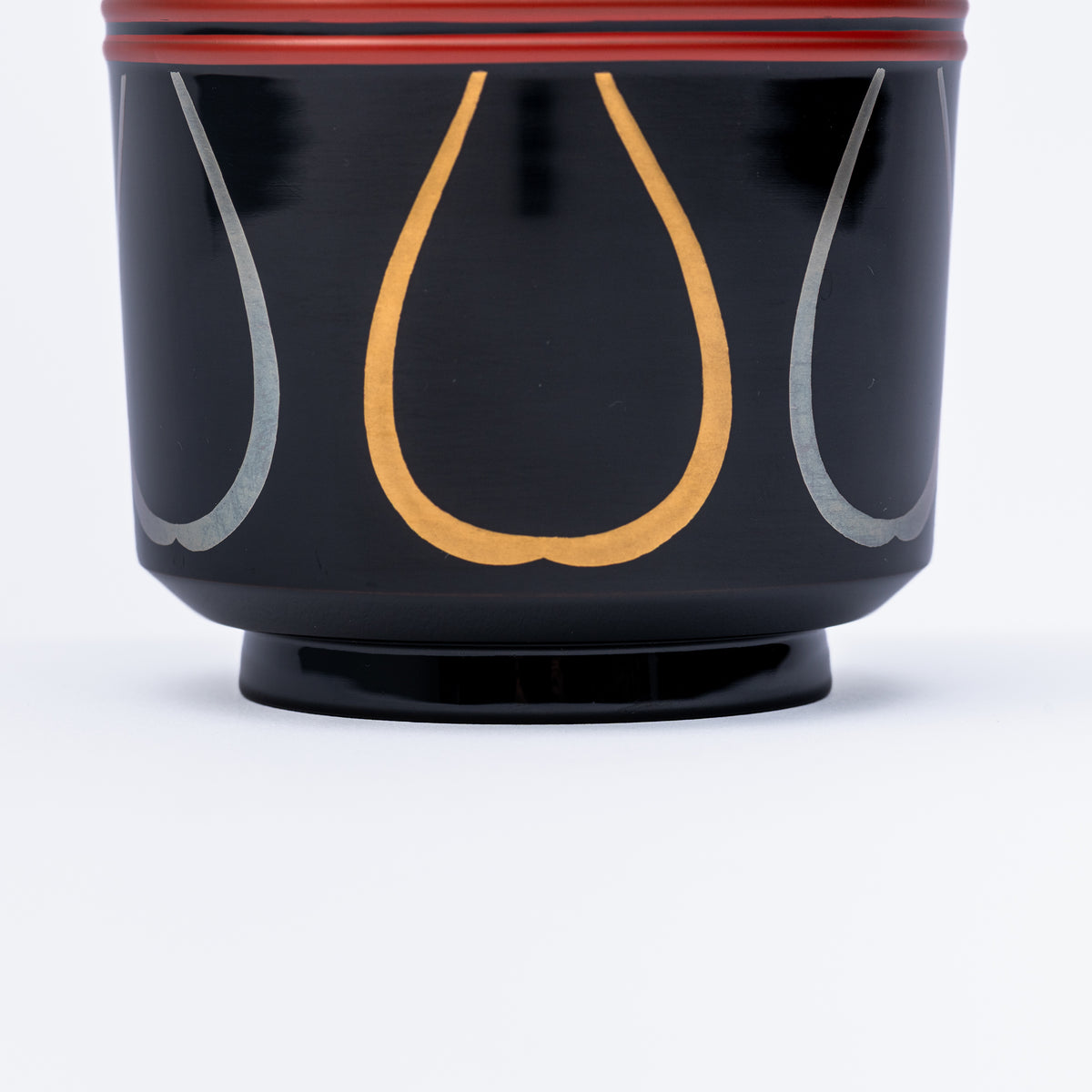
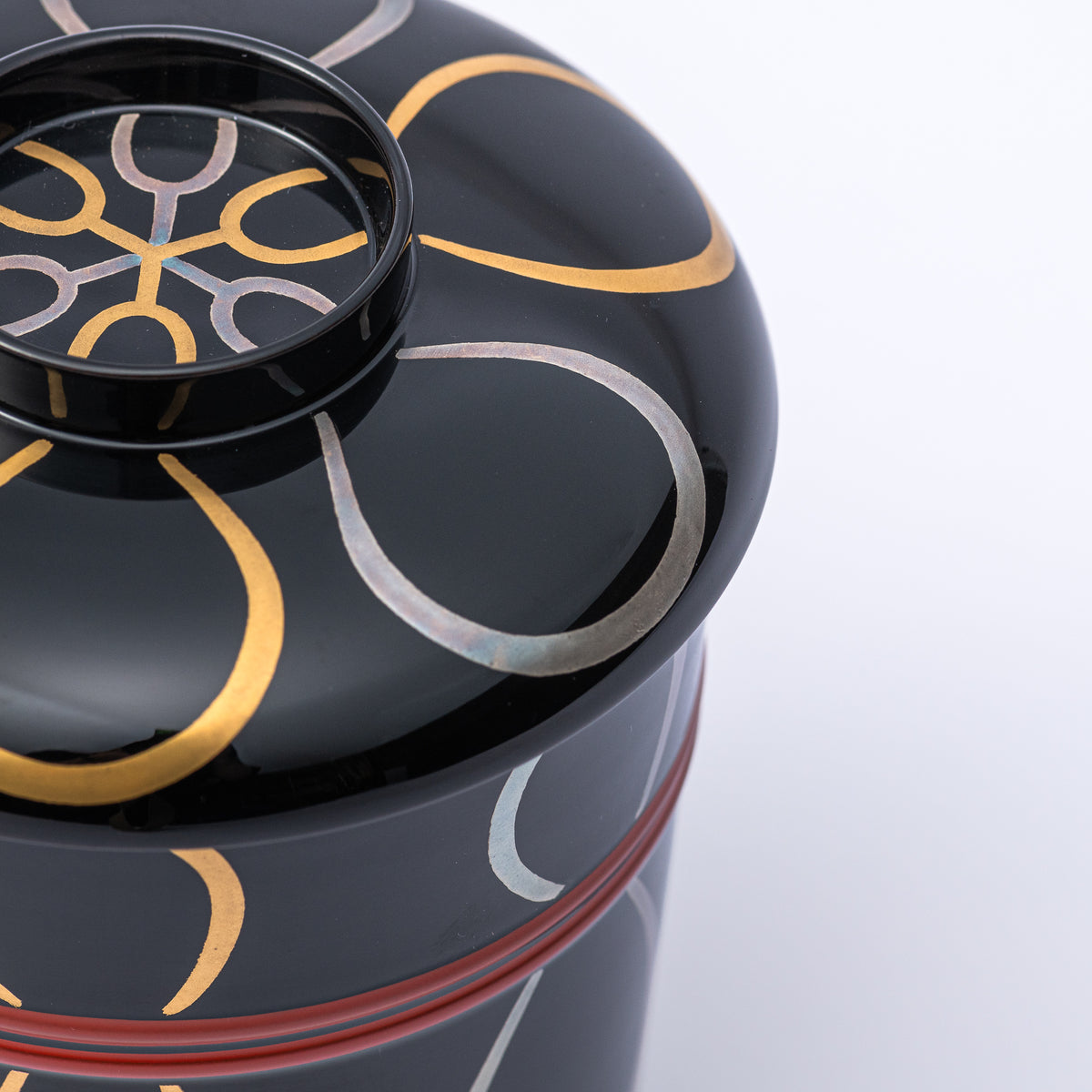
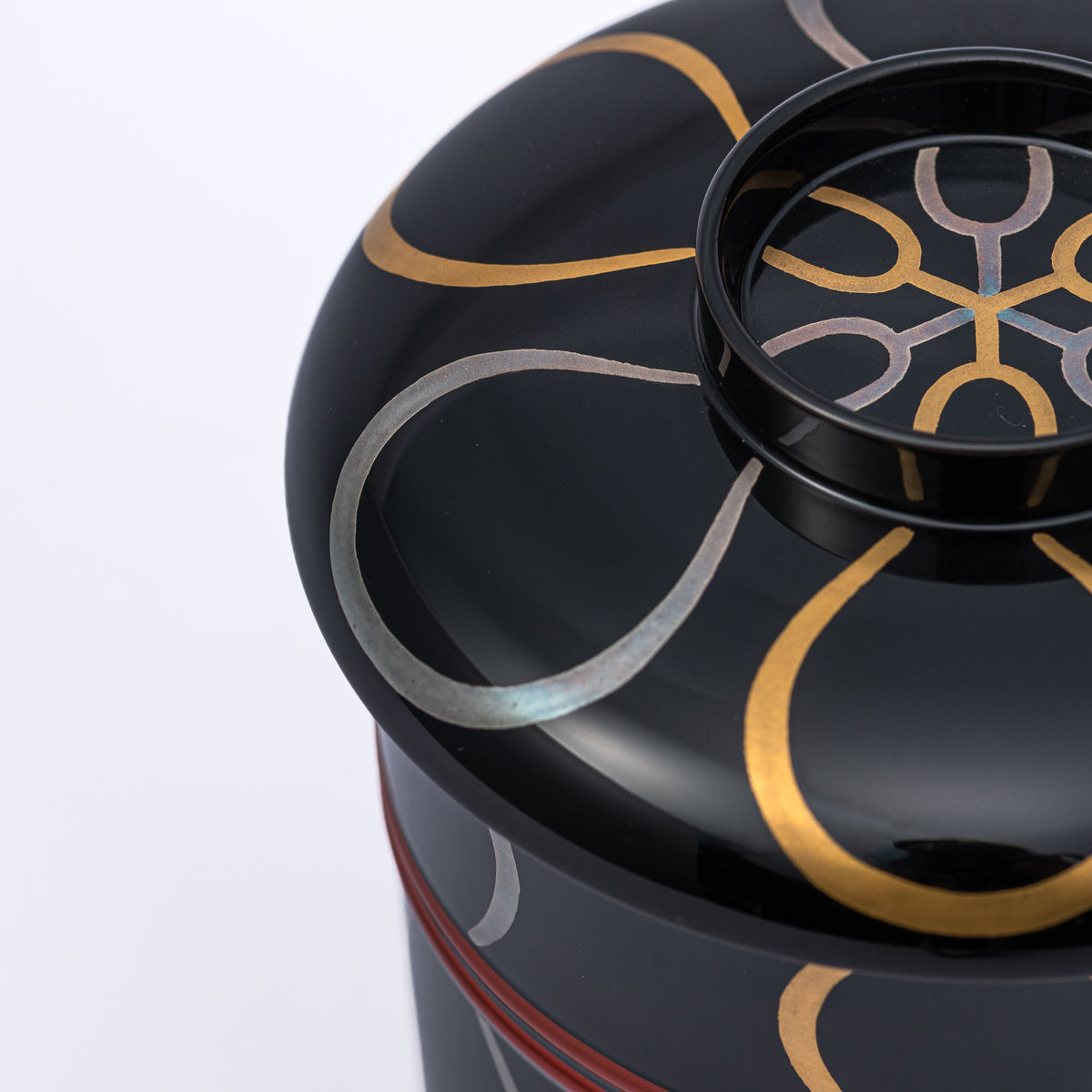
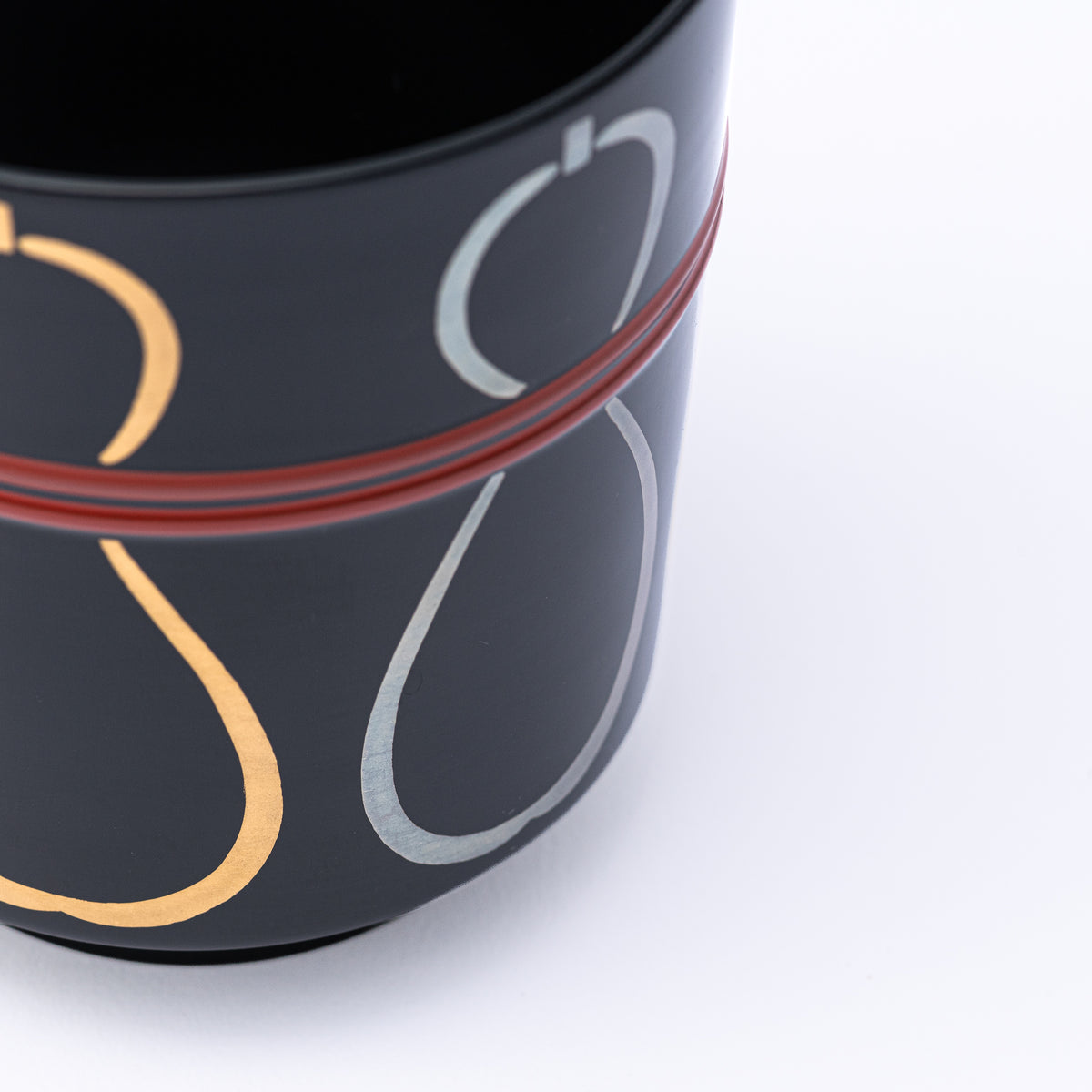
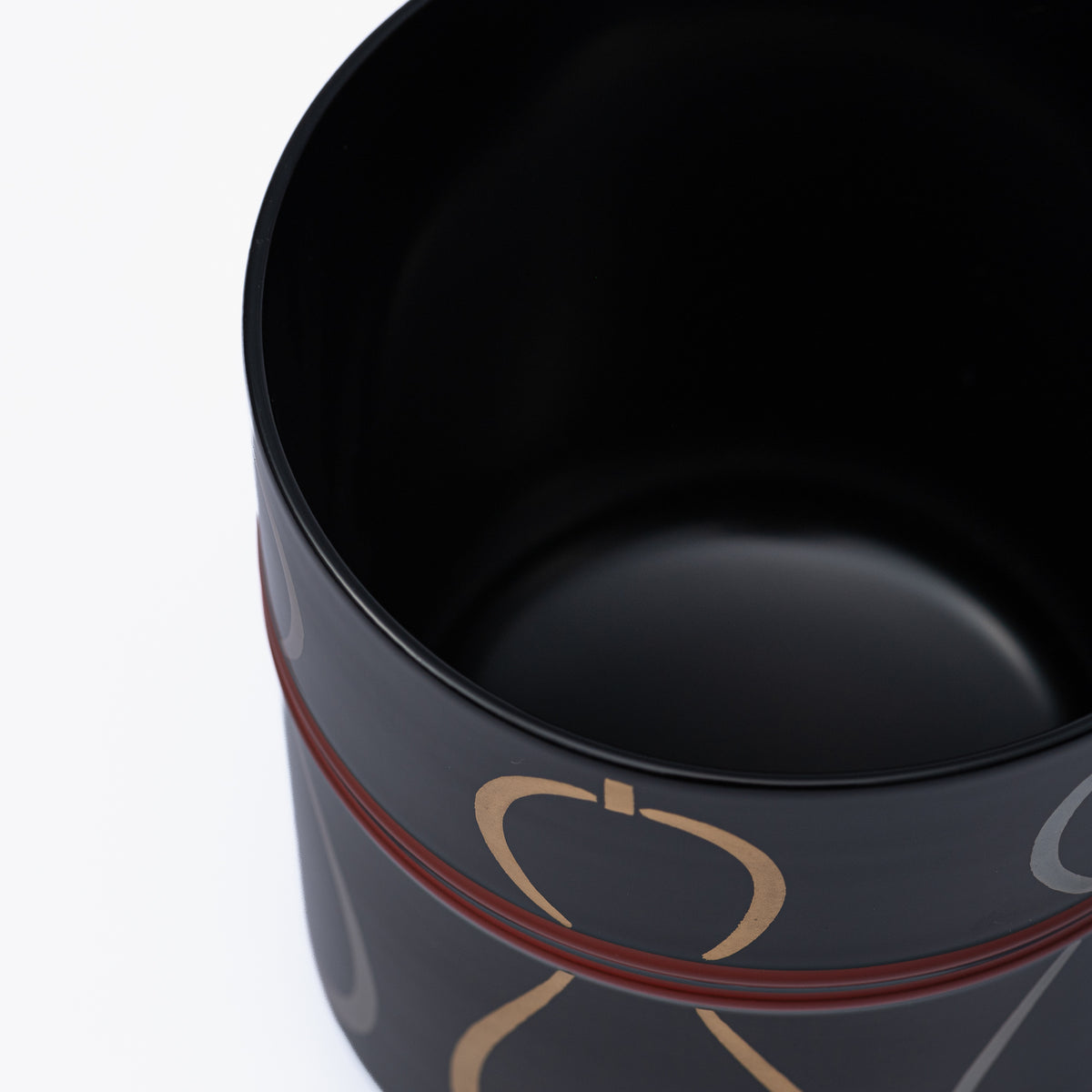
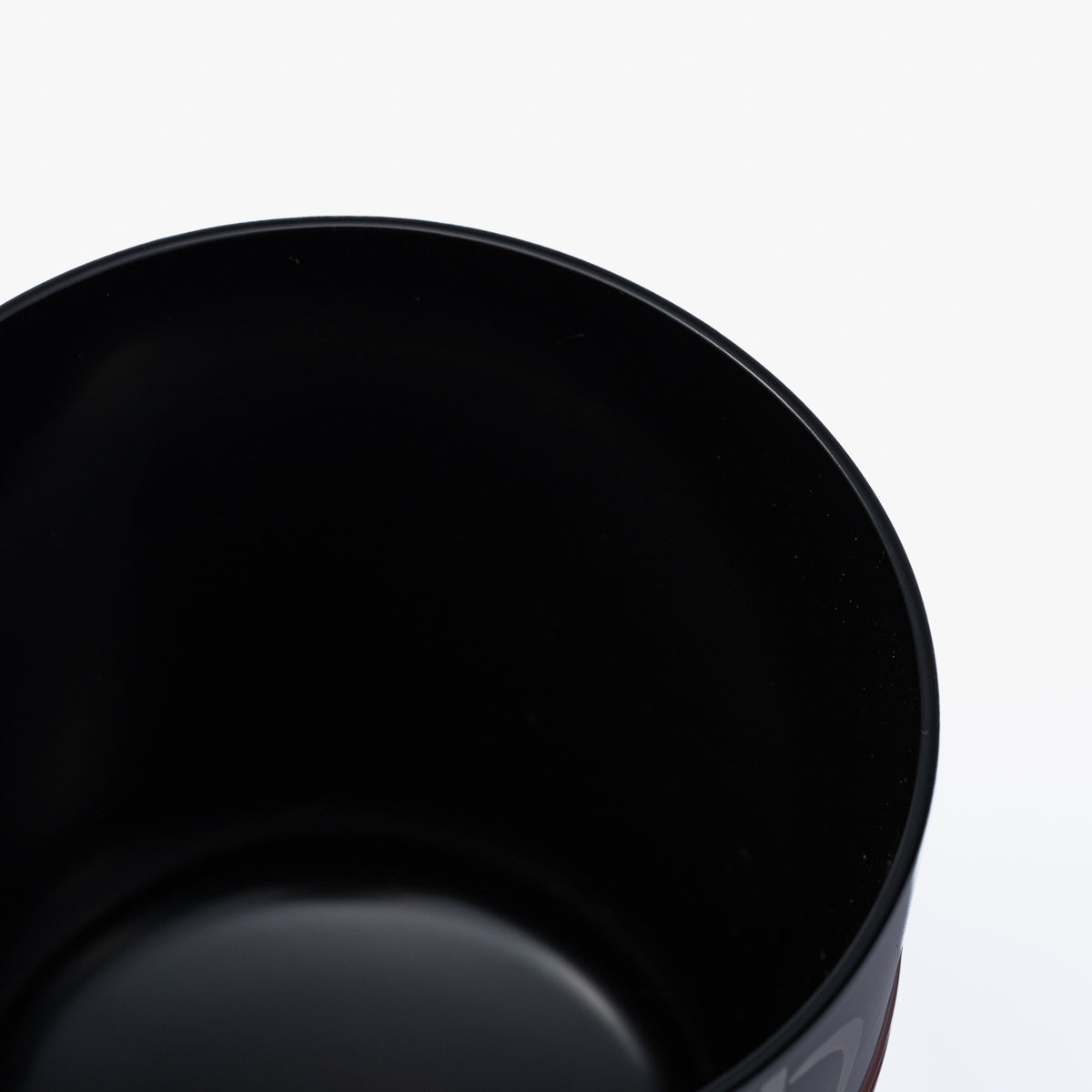
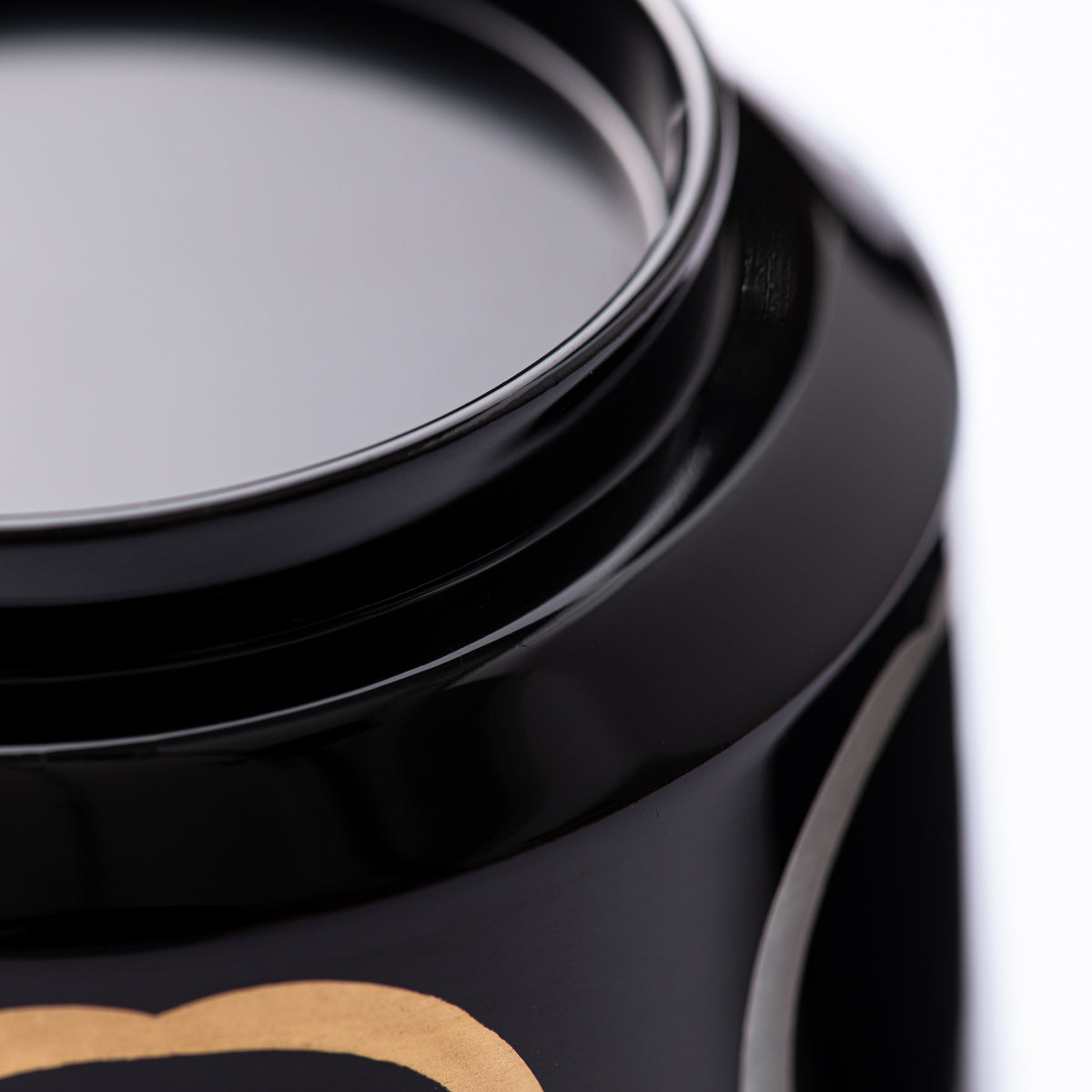
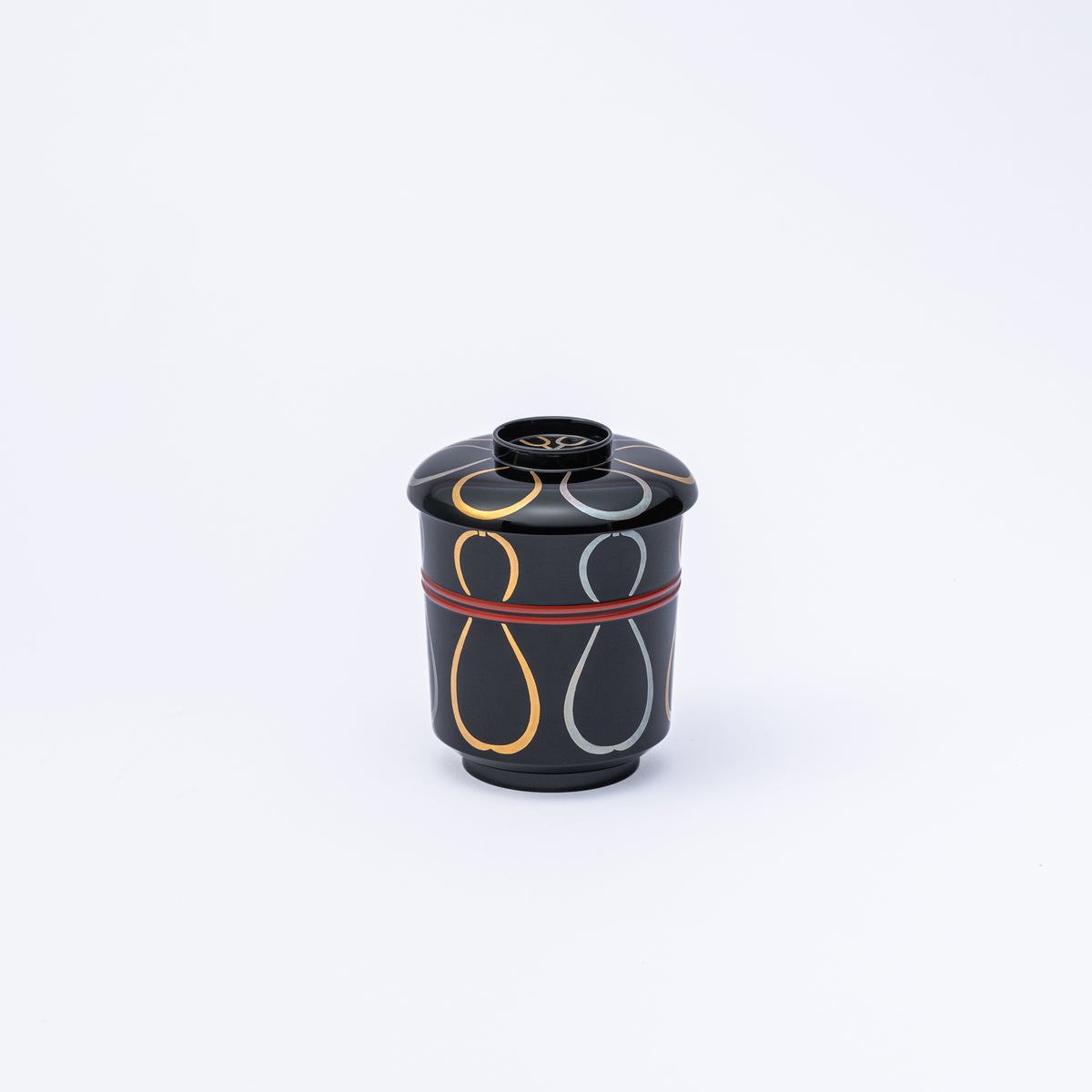
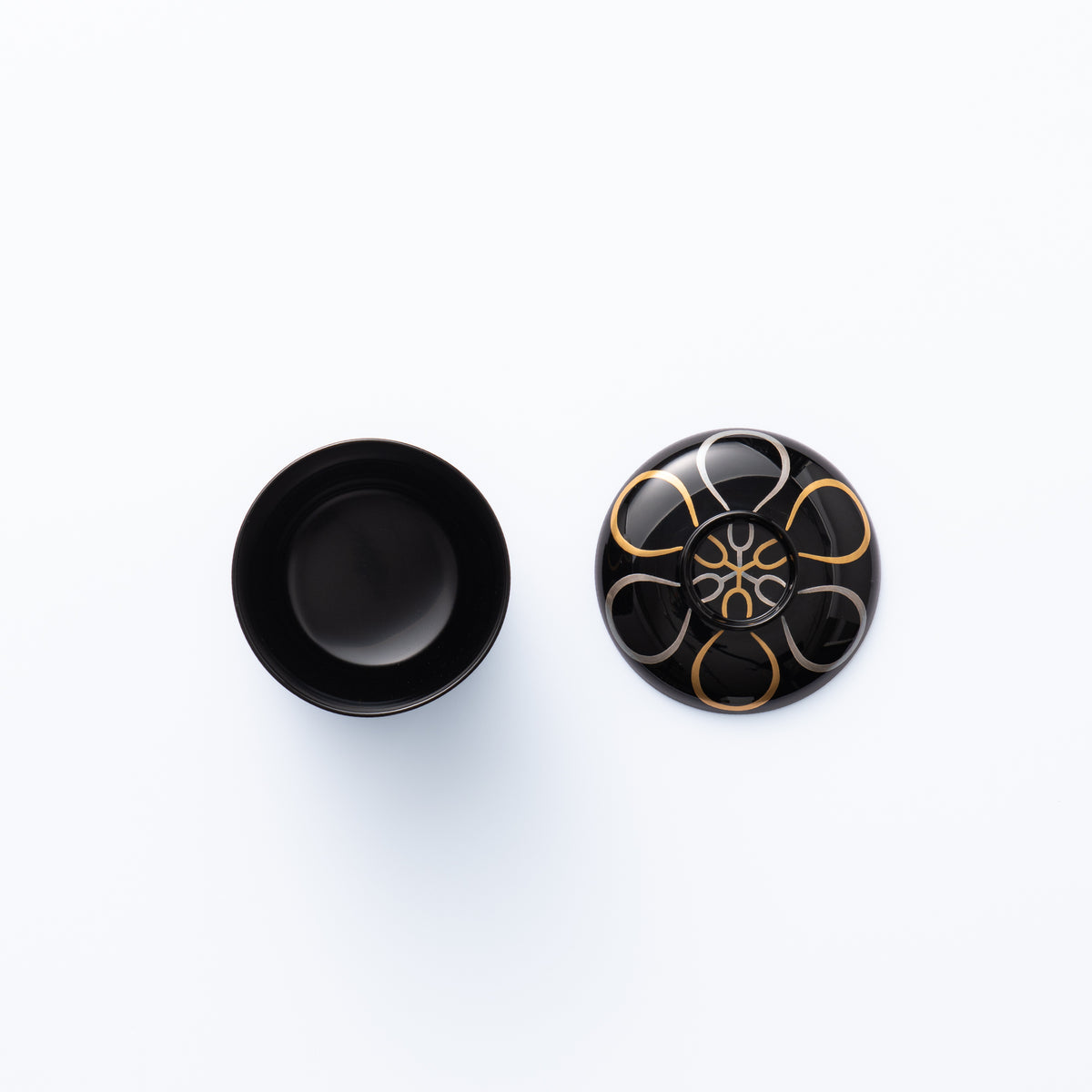
The bowl has a slender, cylindrical body with a rounded lid. Six gourds are outlined in gold and silver against the black lacquer, their elongated shapes spaced around the vessel. A pair of narrow red bands encircles the center, complementing the gold and silver outlines.
The piece is recreated by fifth-generation Tsuji Sekisai in Yamanaka, Ishikawa Prefecture, continuing the connection between Rosanjin’s designs and the lacquer techniques passed down through the Tsuji family.
DETAILS
| Quantity | 1 pc |
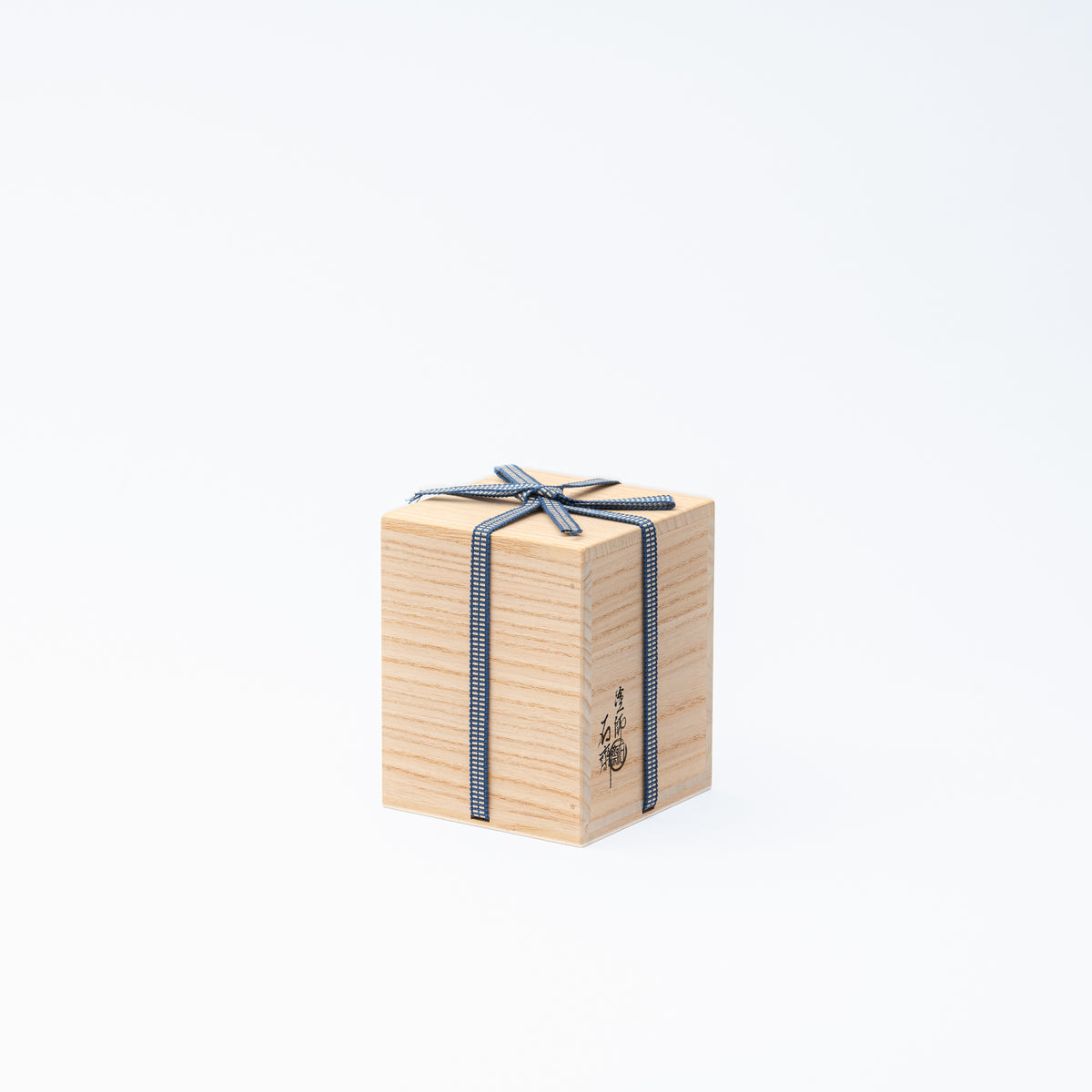
| Size | D 9 cm (3.5 in) x H 11 cm (4.3 in) Size of opening: D 8.4 cm (3.3 in) Wooden Box L 11.2 cm (4.4 in) x W 11.2 cm (4.4 in) x H 14 cm (5.5 in) |
| Weight | 134 g (4.7 oz) |
| Material | Wood, Lacquer |
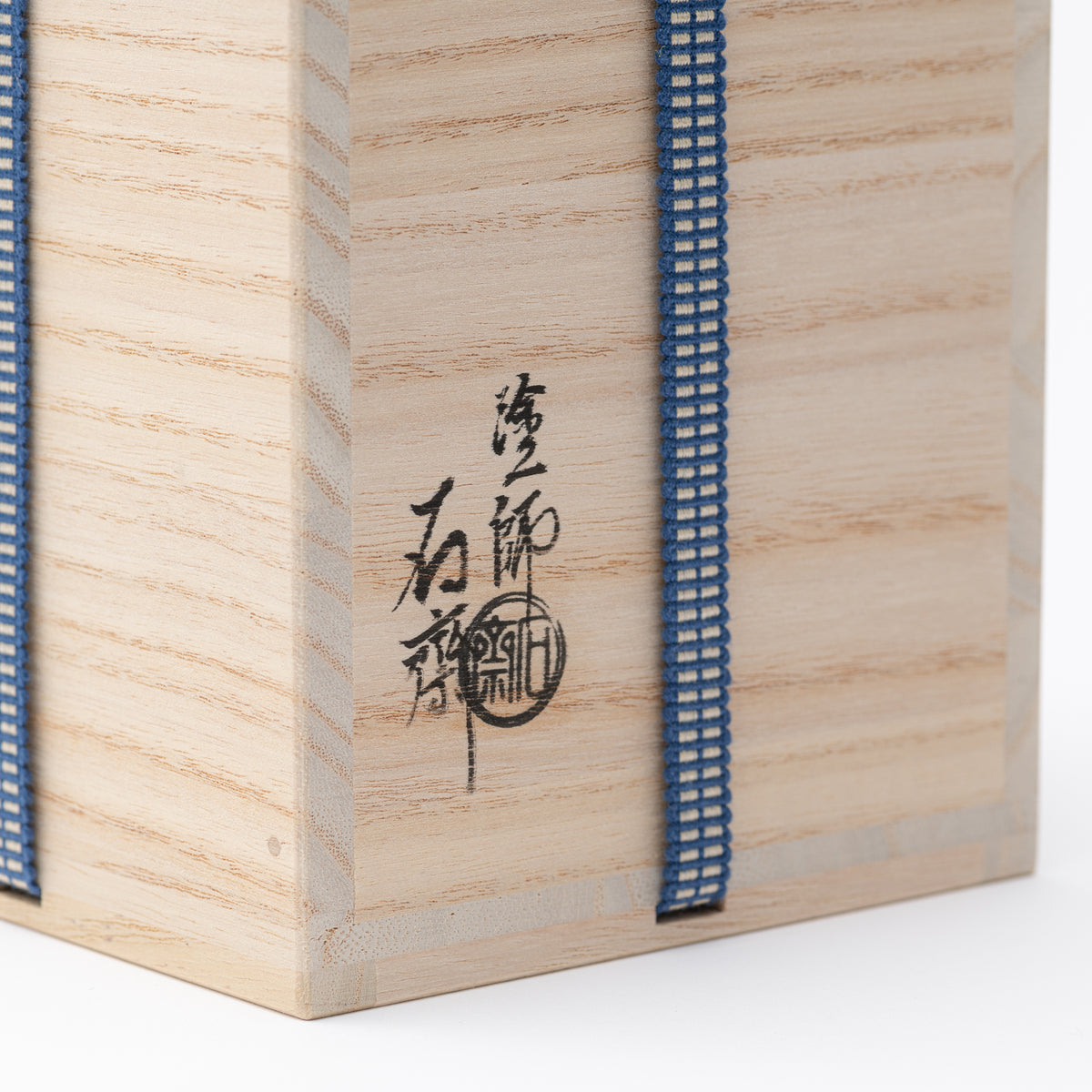
| Package Type | Wooden box |
Maker / Brand
Founded in 1840 in Yamanaka Onsen, Ishikawa Prefecture, Tsuji Sekisai is a lacquerware maker with a history spanning five generations. The family specializes in traditional Yamanaka lacquerware techniques, mainly producing tea utensils and tableware.
Tsuji Sekisai is particularly known for its close association with Kitaoji Rosanjin, the celebrated artist and gastronome. Their collaboration brought together Rosanjin’s distinctive designs and the Tsuji family’s craftsmanship, resulting in a number of notable works.
Crafts
Yamanaka lacquerware, also known as Yamanaka Shikki, is a kind of lacquerware produced in the Yamanaka Onsen district of Kaga, Ishikawa Prefecture. This lacquerware is unique in that it blends wood grain's natural elegance with the elegant maki-e technique of sprinkling gold, silver, or other colored powder onto a lacquer painting.
With its beautiful wood texture, delicate and robust Yamanaka lacquerware incorporates a modern sense of design while inheriting a tradition that has lasted for 400 years.

How to Care
Choose options
Soup Bowls
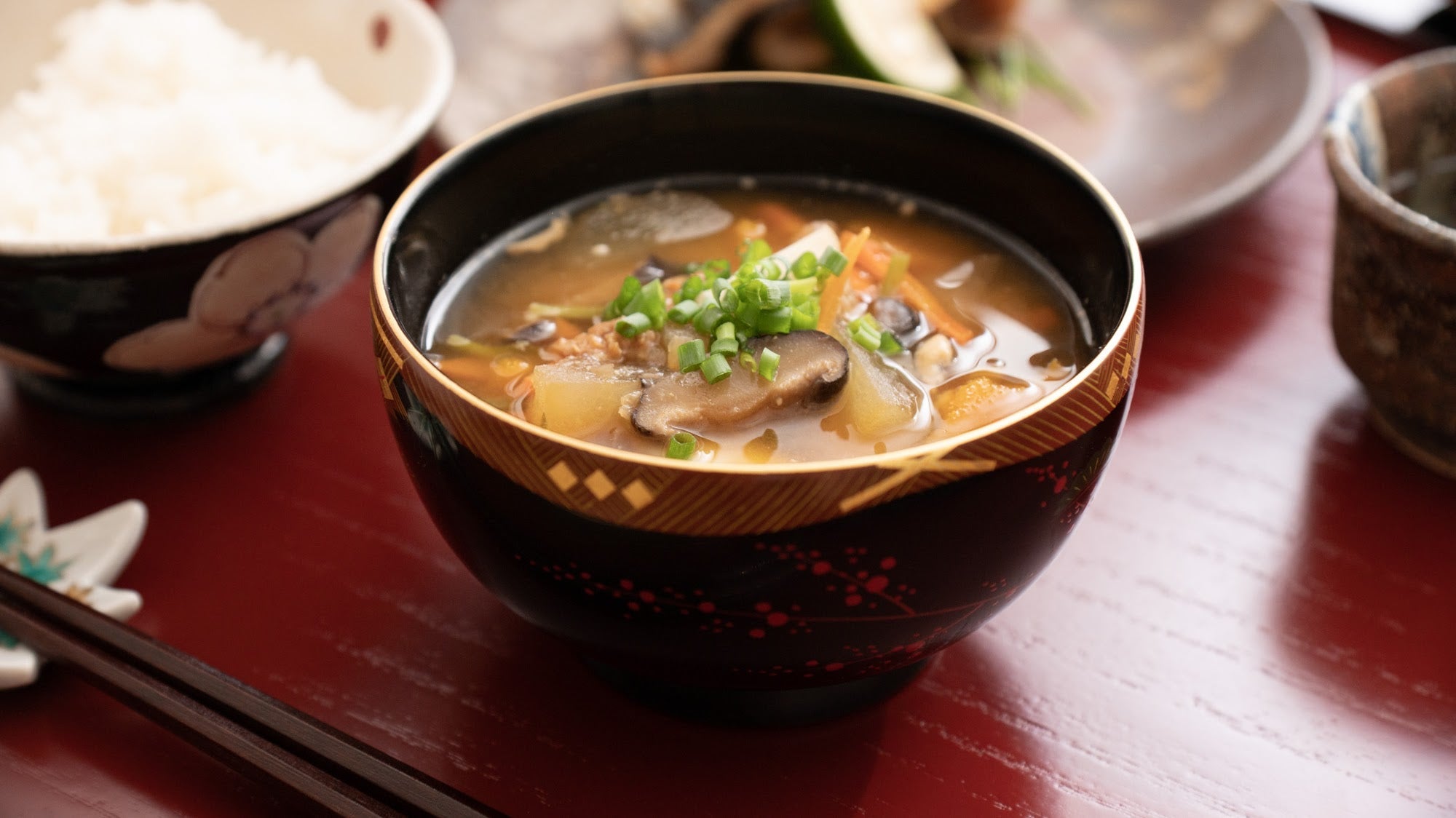
Japanese soup bowls, sized to rest comfortably in your hand, can be sipped from directly or paired with chopsticks or spoons. Whether enjoying hearty miso soup or delicate Japanese clear soup, the warm, nutritious broth aids digestion and enriches your meal. Choose from materials like wood or porcelain to curate the perfect atmosphere at your table.
Rosanjin
Kitaoji Rosanjin (1883–1959) was an artist who forged his own path across calligraphy, painting, ceramics, and lacquer. He was also a highly discerning gourmet. He cooked, ran a restaurant, and shaped with his own hands the pieces suited to his cuisine. His words, “Tableware is the kimono of food,” reflect his belief that food is complete only when presented in the right vessel.
The makers in this collection keep his designs alive through utsushi, the practice of learning from a master by recreating his work and bringing it into daily life. Some workshops have a direct connection with Rosanjin himself. Others have faithfully reproduced his originals, drawing on pieces held in museums and other archives.
None of these wares were made to sit on a shelf. Each one is waiting for a meal to bring it to life. Cherished and handed down through generations, they allow Rosanjin’s aesthetic to live on.
Related Posts
Guides
How to Care
