

Guide to Ramen Bowls
Explore ramen bowl anatomy and learn how size, shape, and Japanese glazes affect heat, aroma, and presentation.
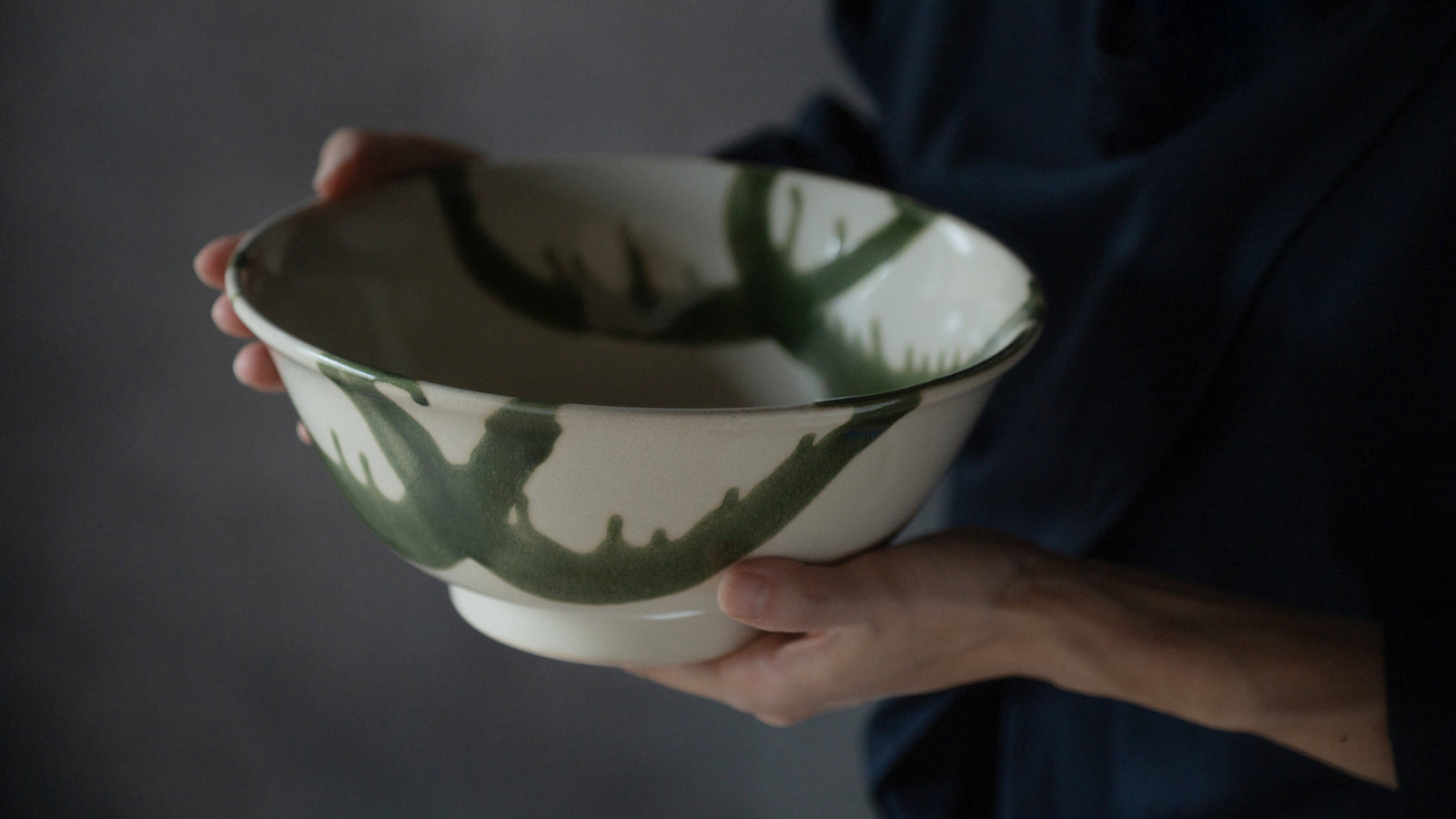
Ramen is more than a comforting bowl of noodles; it’s an experience shaped by every element, from the rich broth to the final garnish. One detail that is often overlooked is the bowl itself.
Far more than a serving vessel, a ramen bowl is designed to enhance the meal. Its size influences the balance of broth and toppings, its shape influences heat retention and how the aromas of the broth are released, and its traditional patterns reflect centuries of craftsmanship and cultural meaning.
Whether you’re recreating your favorite ramen at home or simply curious about Japanese tableware, understanding the story behind the bowl adds a new layer of appreciation to every meal. In this guide, we’ll explore how size, shape, and design come together to make the perfect ramen bowl.
Understanding the Anatomy of a Ramen Bowl
At first glance, a ramen bowl may seem like little more than a large bowl designed to hold noodles and broth. In reality, every part of the bowl has a purpose. Over generations, Japanese potters have refined the bowl's form to balance practicality, comfort, and aesthetics, creating a vessel that enhances both the flavor of the ramen and the experience of eating it.
Understanding the basic anatomy of a ramen bowl can help you appreciate why different bowls are suited to different styles of ramen.
The Wide Rim: Framing the Meal

The rim is the first thing you notice when looking at a ramen bowl. Many traditional ramen bowls feature a wide opening, providing enough space for noodles, broth, and toppings to be arranged without feeling crowded.
A generous rim also serves a practical purpose. It allows chopsticks and a ramen spoon to move comfortably through the bowl, making it easier to pick up noodles and enjoy every ingredient. For ramen topped with chashu pork, soft-boiled eggs, vegetables, or seaweed, the wider opening helps showcase each ingredient while keeping the presentation balanced.
The Bowl's Depth: Keeping Broth Hot and Ingredients Together

Ramen bowls are generally much deeper than ordinary soup bowls. Their depth allows them to hold a generous amount of broth while preventing it from spilling when noodles are lifted.
A deeper bowl can also help retain heat. Because the broth is held below the rim, it is less exposed to the surrounding air, allowing it to stay warm for longer. This is particularly important in Japanese ramen culture, where the soup is meant to be enjoyed piping hot from the first bite to the last.
The extra depth also gives ingredients room to settle naturally, creating layers of noodles, broth, and toppings rather than compressing everything into a shallow space.
The Foot Ring: Stability and Comfort

Turn a traditional ramen bowl over, and you’ll notice a raised ring on the bottom known as the foot ring. Rather than sitting flat against the table, the bowl rests on this raised base. This detail improves stability while reducing the amount of heat transferred directly to the tabletop. It also makes the bowl easier to lift, since your fingers can comfortably grip the foot without touching the hottest part of the bowl.
Although often overlooked, the foot ring is one of the subtle design features that reflects the careful craftsmanship of Japanese ceramics.
The Bowl’s Profile: More Than Just Appearance

The overall profile—or the way the bowl opens from base to rim—also influences the dining experience. Some bowls gently flare outward, creating a broad surface that highlights colorful toppings and allows aromas to spread as the ramen is served. Others have straighter sides, helping retain heat and making them ideal for rich, hearty broths.
These differences may seem subtle, but they reflect the thoughtful balance between presentation and function that characterizes Japanese tableware.
Choosing the Right Size

When choosing a ramen bowl, size is more than how much it can hold. The right bowl should comfortably accommodate the broth, noodles, and toppings while leaving enough space to enjoy the meal without spills. Rather than asking, “What size bowl should I buy?” it can be more helpful to ask, “How will I use it?” Ultimately, there is no single “correct” size. The best choice depends on the type of ramen you enjoy, how often you cook, and the experience you want to create. A bowl that suits the occasion will always make the meal more enjoyable.
For Home Cooking

If you’re preparing ramen at home, a medium-sized bowl is usually the most versatile choice. It holds enough broth for instant ramen and homemade recipes while remaining comfortable to carry and store.
A bowl that’s too small can make the ingredients feel crowded, causing toppings to overlap and broth to spill more easily. On the other hand, an oversized bowl may make a modest portion appear sparse and cool more quickly.
For most home cooks, choosing a balanced size means the bowl can be used not only for ramen but also for udon, soba, or other noodle dishes.
For Restaurant-Style Ramen

Many ramen shops use larger bowls than those commonly found in homes. This isn't simply to serve more food—it also creates enough room to present the dish attractively. A generous bowl allows chefs to arrange slices of chashu, marinated eggs, bamboo shoots, green onions, and other toppings without covering the noodles beneath. The extra space also makes it easier to mix the noodles into the broth while eating.
If you enjoy recreating restaurant-style ramen at home, a larger bowl can help capture both the appearance and the experience of dining in a ramen shop.
Exploring Different Bowl Shapes
Not all ramen bowls are shaped the same, and those differences extend far beyond appearance. Over time, Japanese potters have developed a variety of bowl profiles, each designed to enhance a particular aspect of the dining experience—whether that is showcasing toppings, retaining heat, or making the bowl more comfortable to hold.
While personal preference always plays a role, understanding the purpose behind each shape can help you choose a bowl that complements the style of ramen you enjoy most.
Flared-Rim Bowls (Sori-kodai)

Among the most recognizable ramen bowl shapes is the flared-rim bowl, known in Japan as sori-kodai. Its gently outward-curving rim creates a wide opening that gives noodles, broth, and toppings plenty of room to be beautifully arranged. The open shape allows the aroma of the broth to rise more freely, making the first impression of the meal as enjoyable as the first bite.
Because of its balance of practicality and presentation, the flared-rim bowl is one of the most versatile choices. It works well with everything from shoyu and shio ramen to richer styles like miso and tonkotsu, and is equally suitable for udon, soba, or donburi.
Straight-Sided Bowls (Kiritate)

Straight-sided bowls, known as kiritate, have a taller profile with relatively vertical walls. Their clean, modern silhouette gives them a more contemporary appearance while also serving a practical purpose.
Compared with wider bowls, the straighter sides can help retain heat by reducing the surface area exposed to the air. The deeper profile also provides generous room for broth and toppings, so these bowls are well-suited to hearty ramen with rich broths and abundant ingredients.
The Art of Ramen Bowl Design
While shape and size influence how a bowl performs, its design shapes the atmosphere of the meal, adding personality, craftsmanship, and a sense of occasion. From traditional motifs to contemporary glazes, each design reflects a different aesthetic and invites its own way of enjoying the meal.
Traditional Patterns: A Timeless Classic

One of the most familiar styles features traditional patterns inspired by Chinese ceramics, such as scrolling arabesques, geometric borders, or auspicious motifs. These designs have long been associated with ramen bowls in Japan and remain popular to this day.
Their bold lines and vibrant contrasts complement the rich colors of ramen, creating a lively presentation that feels both familiar and inviting. For those looking for a classic ramen bowl with a distinctly Japanese character, these timeless patterns are an enduring choice.
Designs Hidden Inside the Bowl
Some ramen bowls reveal their most distinctive details only as you eat.
A decorative motif painted on the interior—whether at the bottom of the bowl or around the inner walls—adds an element of discovery to the meal. As the noodles and broth gradually disappear, the artwork slowly comes into view, turning the final few bites into a small but memorable moment.
This playful approach reflects one of the pleasures of Japanese tableware: beauty is not only something seen at first glance, but something revealed through use.
Color Held in the Glaze

In many Japanese ramen bowls, the glaze itself takes center stage, becoming an important element of the bowl’s artistic expression.
From the cool translucence of celadon to rich matte blacks, earthy browns, and softly flowing glazes, different finishes create distinct moods and complement different styles of ramen. A dark glaze can make the creamy broth of tonkotsu ramen appear even more vibrant, while pale celadon or white glazes beautifully highlight lighter soups and colorful seasonal toppings.
Whether bold and dramatic or quiet and understated, the glaze adds depth and character to the bowl, transforming it into more than a vessel—it becomes a reflection of the artistry behind Japanese ceramics.
The Beauty of Simplicity

Not every ramen bowl is richly decorated. Many Japanese ceramic bowls embrace a more understated aesthetic, relying on subtle glazes, natural textures, and refined forms rather than elaborate patterns.
A single-color glaze or softly speckled surface allows the ingredients to take center stage, highlighting the vibrant colors of the broth, noodles, and toppings. This restrained approach is especially suited to contemporary interiors and reflects the Japanese appreciation for finding beauty in simplicity.
Discover More Ways to Enjoy Japanese Ramen Bowls
Finding the right ramen bowl is just the beginning. As you explore Japanese tableware, you'll discover that every bowl reflects generations of craftsmanship, thoughtful design, and a deep appreciation for everyday dining.
If you'd like to continue your journey, explore our journal to learn more about the stories behind our original ramen bowls, the artisans who craft them, and inspiring ways to bring Japanese ceramics into your everyday life. Whether you’re choosing your first ramen bowl, growing your collection, or searching for a meaningful gift, we hope these stories inspire your next meal—and your next favorite bowl.
This article was originally published on June 17, 2025, and updated on August 17, 2026.
Stay close to the craft
Now and then, a quiet letter — new stories, seasonal notes, and the hands behind the work.
What Are Oryoki Bowls? The Meditative Zen Tableware
Learn more about oryoki bowls, traditional Zen nesting tableware rooted in Buddhist practice.
Guide to Japanese Flatware & Cutlery
Explore Japanese flatware and cutlery, including chopsticks, rests, spoons, and forks, all crafted with…
Guide to Cooking Chopsticks
Learn how to choose, care for, and enjoy bamboo saibashi cooking chopsticks, essential tools…
Leave a comment