


The Chrysanthemum: Autumn’s Noble Flower in Japanese Tableware
Learn how Japan's late-blooming autumn flower shapes plates, bowls, and a donabe in Japanese crafts.
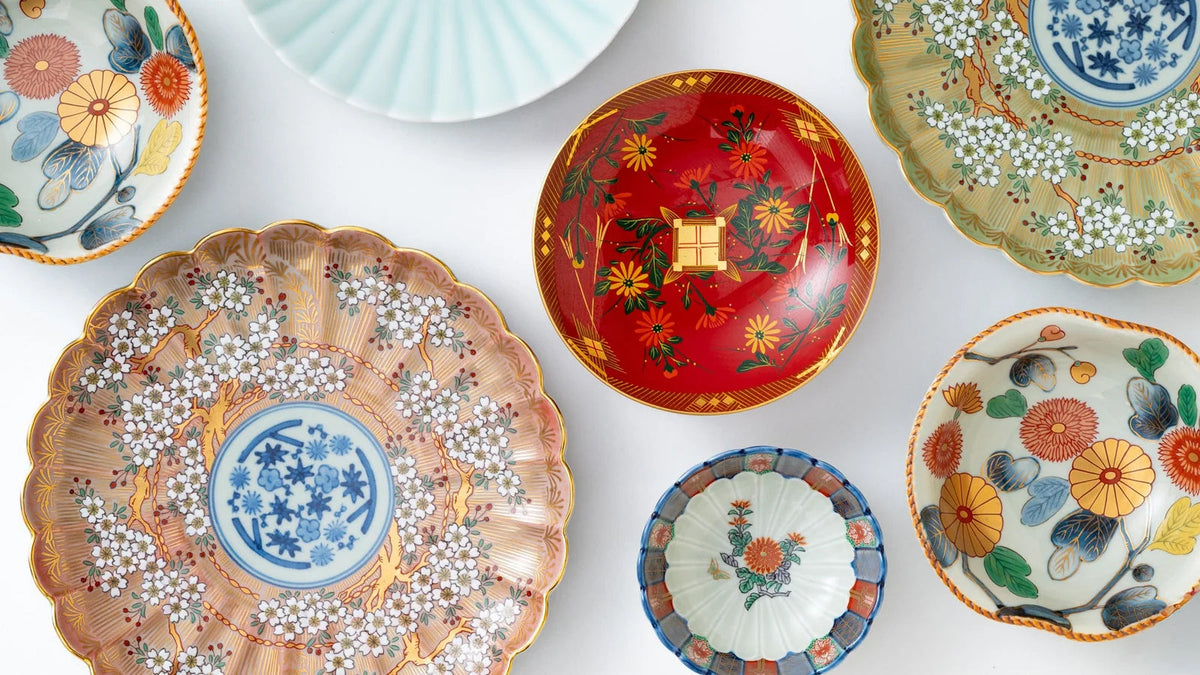
As the crisp air of fall settles in and the trees take on their vibrant colors, one flower comes into its own across Japan’s landscape. Blooming late in the year, after most others have faded, the chrysanthemum has long been cherished as a symbol of longevity and nobility. Today, it remains one of the most beloved motifs in Japanese tableware.
In this article, we introduce two expressions of the flower: vessels shaped like the blossom itself, and pieces painted with chrysanthemum motifs. Each brings a touch of autumn, whether you are serving a warm meal or taking in the changing colors of the season.
Chrysanthemums: Symbols of Longevity and Nobility
With their graceful beauty, chrysanthemums are treasured as the quintessential fall flower in Japan.
The flower originated in China, where it was prized as a medicinal herb believed to grant eternal youth and long life. Along with it came the custom of drinking chrysanthemum wine to pray for longevity, which took root at the Japanese imperial court during the Heian period (794–1185 CE). This tradition lives on in Choyo-no-Sekku, the Chrysanthemum Festival traditionally held on the ninth day of the ninth month of the lunar calendar. At the imperial court, people would sip sake infused with petals in hopes of good health.

Admired for their symmetrical form and delicate fragrance, chrysanthemums also came to represent nobility and grace. Today, a chrysanthemum crest serves as the emblem of the Imperial Family, and a stylized chrysanthemum appears on the cover of the Japanese passport, making the flower a national icon alongside the cherry blossom.

The above image is for illustrative purposes only.
Now, let’s take a closer look at how this autumn flower is expressed in Japanese tableware.
Chrysanthemums in Form
Vessels shaped like the chrysanthemum, with its many-layered petals, are full of gentle curves that round out a setting. Paired with different patterns and glazes, the same form can take on a very different character, from understated and calm to bright and festive.
Timeless Patterns

This chrysanthemum-shaped plate features an intricate kinrande style on both the front and back, a fine gold rim, and unique patterns on each petal. The raised edge makes it ideal for dishes with sauces or liquids.
One Form, Many Faces


Chrysanthemum plates from Keizan Kiln come in various designs, even though they share the same shape. One features karakusa (arabesque) patterns, while the other boasts a peony that blooms large across the plate. Arranged together, these pieces create a lively display of motifs.
Subtle Splendor

Chojuro Kiln’s chrysanthemum series shows the flower in its simplest form, in matte white porcelain. Crisp lines mark out each petal and lead toward the center, giving the pieces a sculptural depth that makes whatever you serve stand out. The understated white suits almost any dish, from salads and appetizers to sushi.
A Classic Form Reborn

Shaped like a chrysanthemum in full bloom, these bowls are part of USUKIYAKI’s RINKA series. In the early 1800s, a short-lived kiln in Usuki, Oita Prefecture, produced pottery known as Suehiro ware, but it faded away after little more than a decade. Revived in 2015, the tradition now lives on in designs like these, inspired by the white porcelain vessels with lobed, flower-shaped rims that were made there long ago. The bowls come in two colors: the matte white reveals a soft play of light and shadow, while the bold black, a less common color in Japanese tableware, brings a distinctly modern feel.
A Perfect Pair for the Pot


From Ginpo’s Kikka series come two chrysanthemum-inspired pieces made to be used together. The donabe (Japanese clay pot) features beautifully rendered chrysanthemum petals and a smooth ceramic texture. Its soft white, created with the traditional kohiki technique, contrasts strikingly with a deep black glaze that also helps resist stains. Generous in size, it is ideal for simmering hot pot, soups or oden for family dinners or lively gatherings with friends.
The matching medium bowl rises in a curve from base to rim, opening like a flower in bloom. It has a pleasing weight and sits comfortably in the hand. Its calm, rich tone suits everyday meals. Use it to serve portions straight from the pot, or on its own for salads and noodle dishes.
Chrysanthemums as Motifs
Painted chrysanthemums have long been a favorite subject for Japanese artisans. Some pieces show realistic blossoms drawn petal by petal, while others reimagine the flower as bold, graphic designs.
Touched with Gold

This Arita ware chawanmushi bowl is graced with chrysanthemums that float over a vivid green ground, with gold on the petals catching the light. The artisan paints the flowers first, then carefully fills in the bright green around them so the colors never overlap. Made with a demanding hand-painting technique that calls for both patience and close focus, this little lidded bowl is a true work of art.
The Finest Strokes

This Mikawachi ware rice bowl features flowing brushstrokes that depict chrysanthemums alongside sprays of bush clover. Mikawachi ware, produced in Nagasaki Prefecture, is known for its translucent white porcelain, decorated with fine blue underglaze painting, or sometsuke. Artisans expertly apply a brush with cobalt pigment to shade each flower from the outer petals to the center. This piece is surprisingly durable, making it practical for everyday use.
A Profusion of Flowers

The chrysanthemums on this pair of rice bowls are painted using Kutani gosai, the traditional five-color palette of Kutani ware, and finished with fine gold outlines. Blossoms with sharp, pointed petals sit alongside softer, rounded ones. Offered in a small and a large size, the pair makes a thoughtful gift for a couple, or a lovely way to add charm to your own everyday meals.
Lustrous Elegance

This Aizu lacquerware flat sakazuki cup showcases chrysanthemums in various stages of bloom, from buds to full flowers. The red lacquer sets off the golden petals and green leaves and stems. Once filled with sake, the motif seems to shimmer beneath the surface. Suited to festive occasions, the cup can also be displayed on its accompanying stand.
This autumn, bring the joy of chrysanthemum-themed tableware to your daily meals. The flower’s association with longevity and nobility lends meaning to these pieces, while the craftsmanship behind them offers much to appreciate. Find your favorite chrysanthemum design and let it bring a little seasonal beauty to your table.

Autumn's Embrace: The Warm Hues of Japan's Fall Flowers
Embrace Japanese autumn with the warm hues of osmanthus, chrysanthemums, and spider lilies, and…

Embracing Autumn with The Choyo-no-Sekku: The Beauty of the Chrysanthemum Festival
In this article, we will introduce you to "Choyo-no-Sekku," a festival that beautifully showcases…
What is Sometsuke?
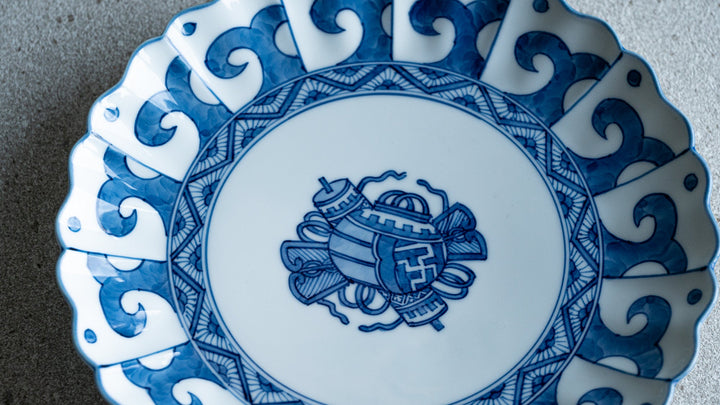
Sometsuke is the traditional blue-and-white porcelain technique that uses the cobalt pigment gosu on…
Stay close to the craft
Now and then, a quiet letter — new stories, seasonal notes, and the hands behind the work.

Leave a comment