Musubi Kiln Journal
RSS feed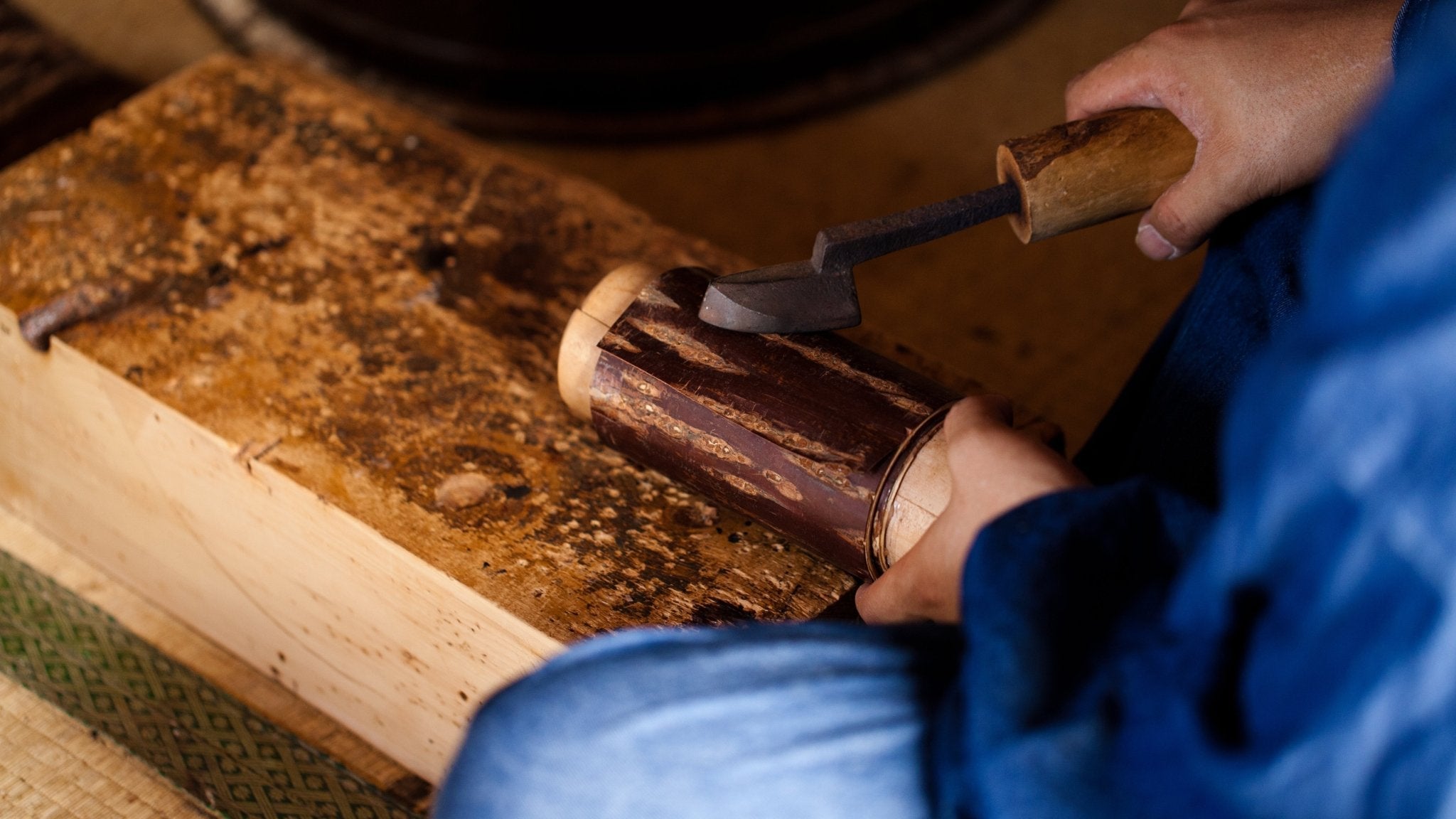
Woods Used in Traditional Japanese Crafts
Learn about Japan's finest woods, with insights on their unique properties and many uses in Japanese traditional crafts.
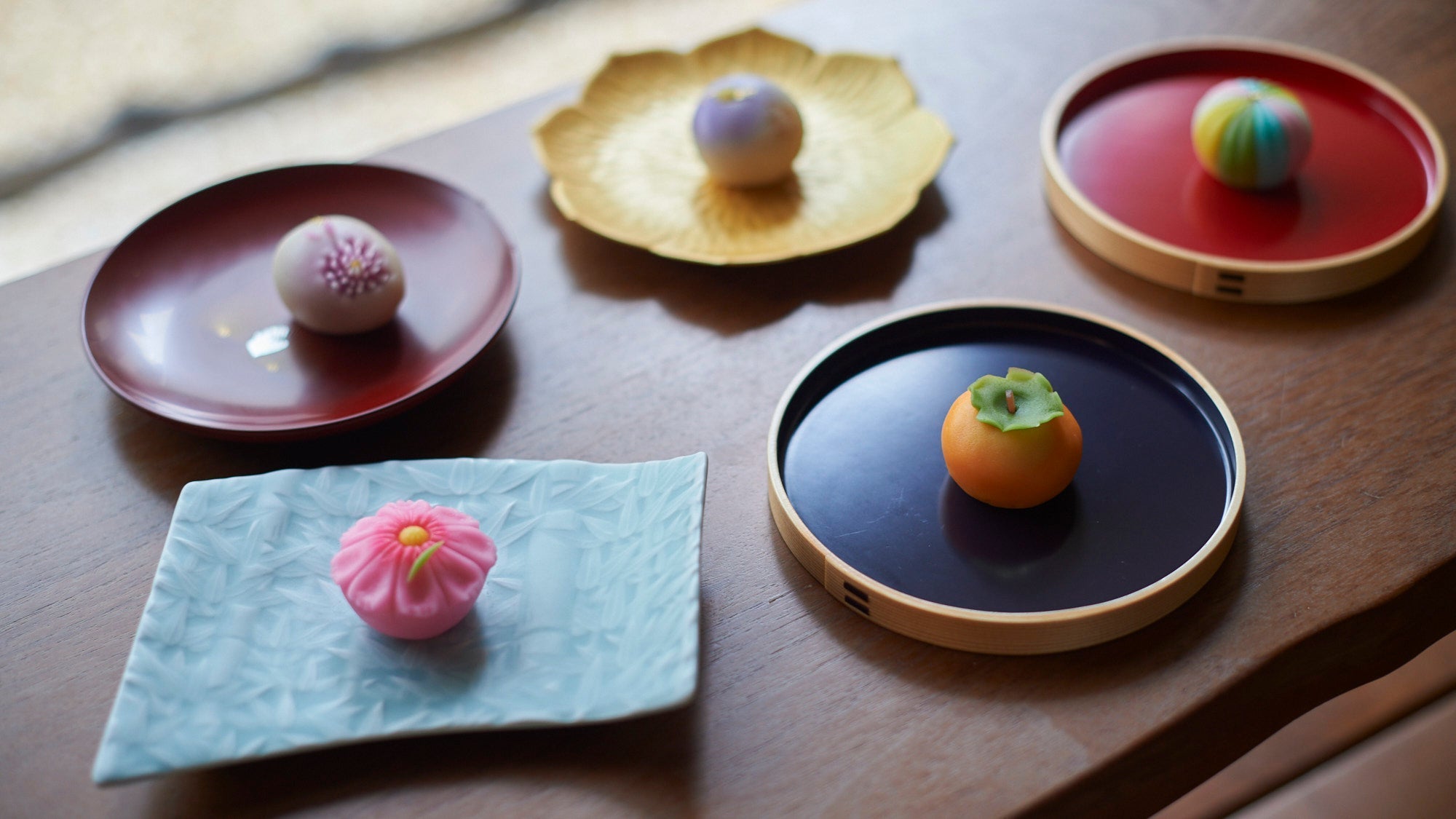
What is Nerikiri? All About Japan's Traditional Confection
Discover fall wagashi that embody the flavors of autumn in Japan. Learn about nerikiri, kurikinton, ohagi, and more.
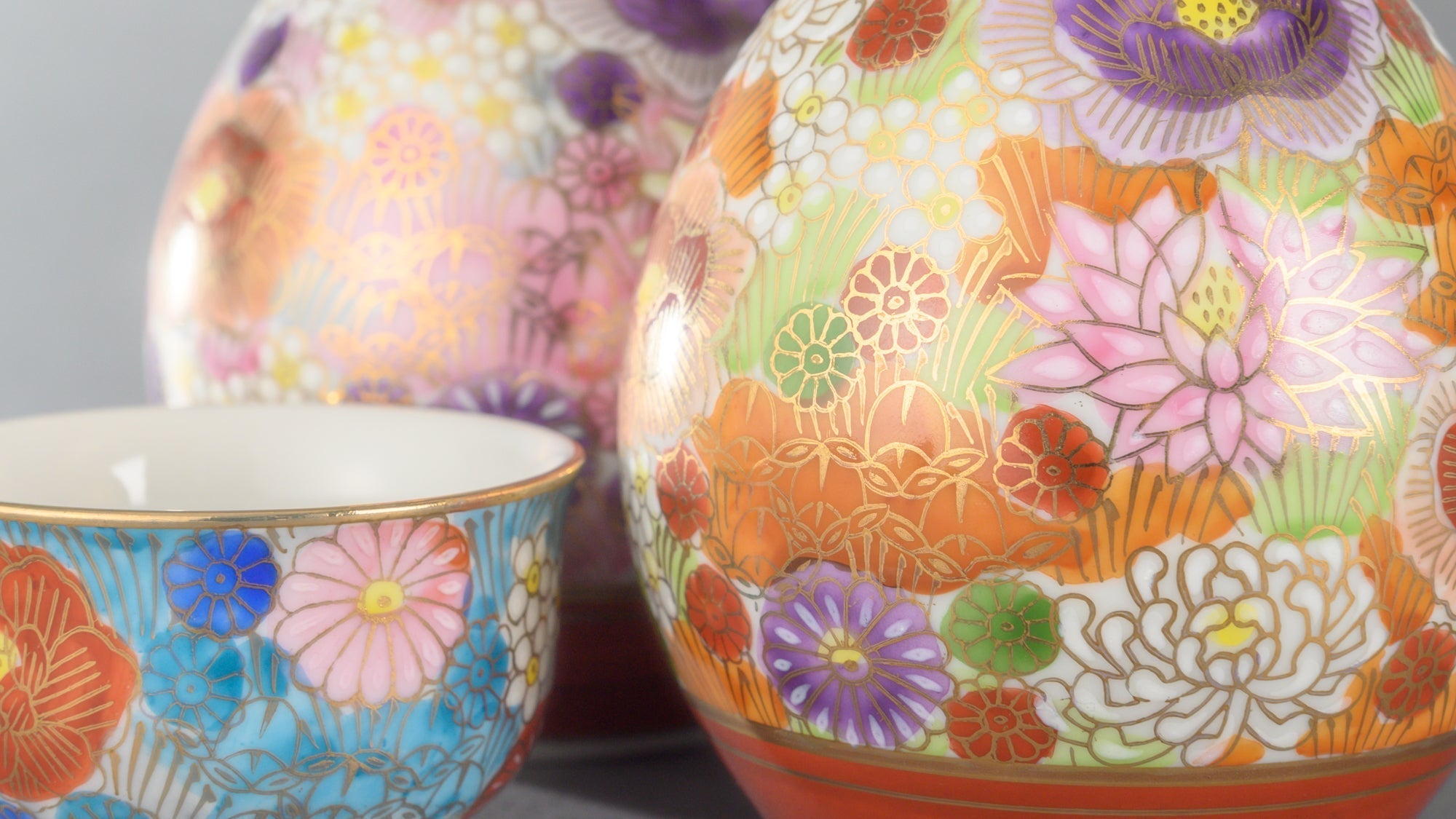
Learn about Hanazume, a Kutani ware style adorned with vivid florals and elegant gold.

Takade Eiji: A Life Etched in Wajima
Explore the life of Takade Eiji, a master of chinkin—the intricate art of carving and inlaying gold in Wajima lacquerware.
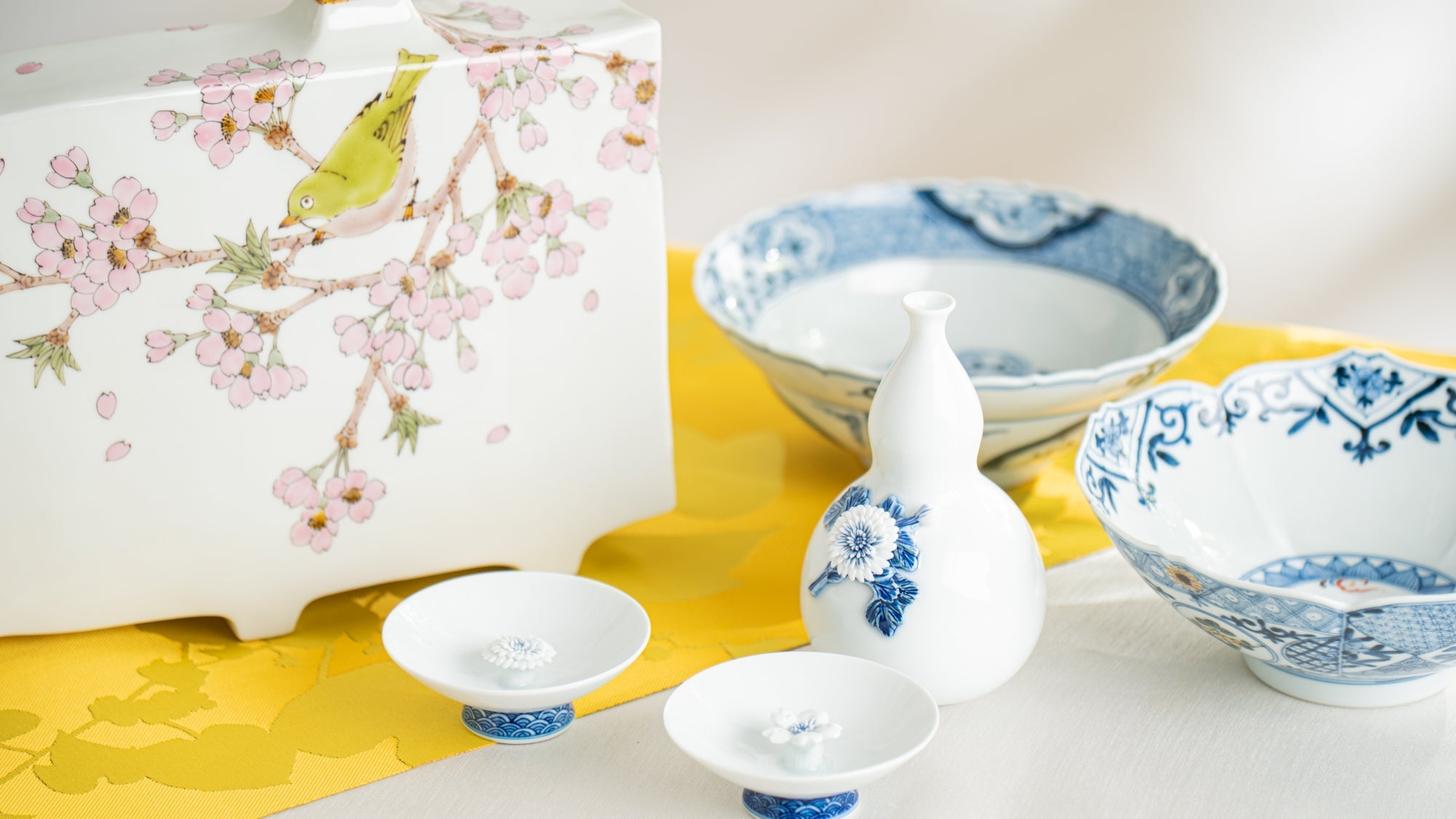
Excellence Endorsed: Celebrating Japan’s Most Honored Creators
Discover the significance of being a Japanese Imperial Household purveyor, an honor held by kilns with unmatched quality.
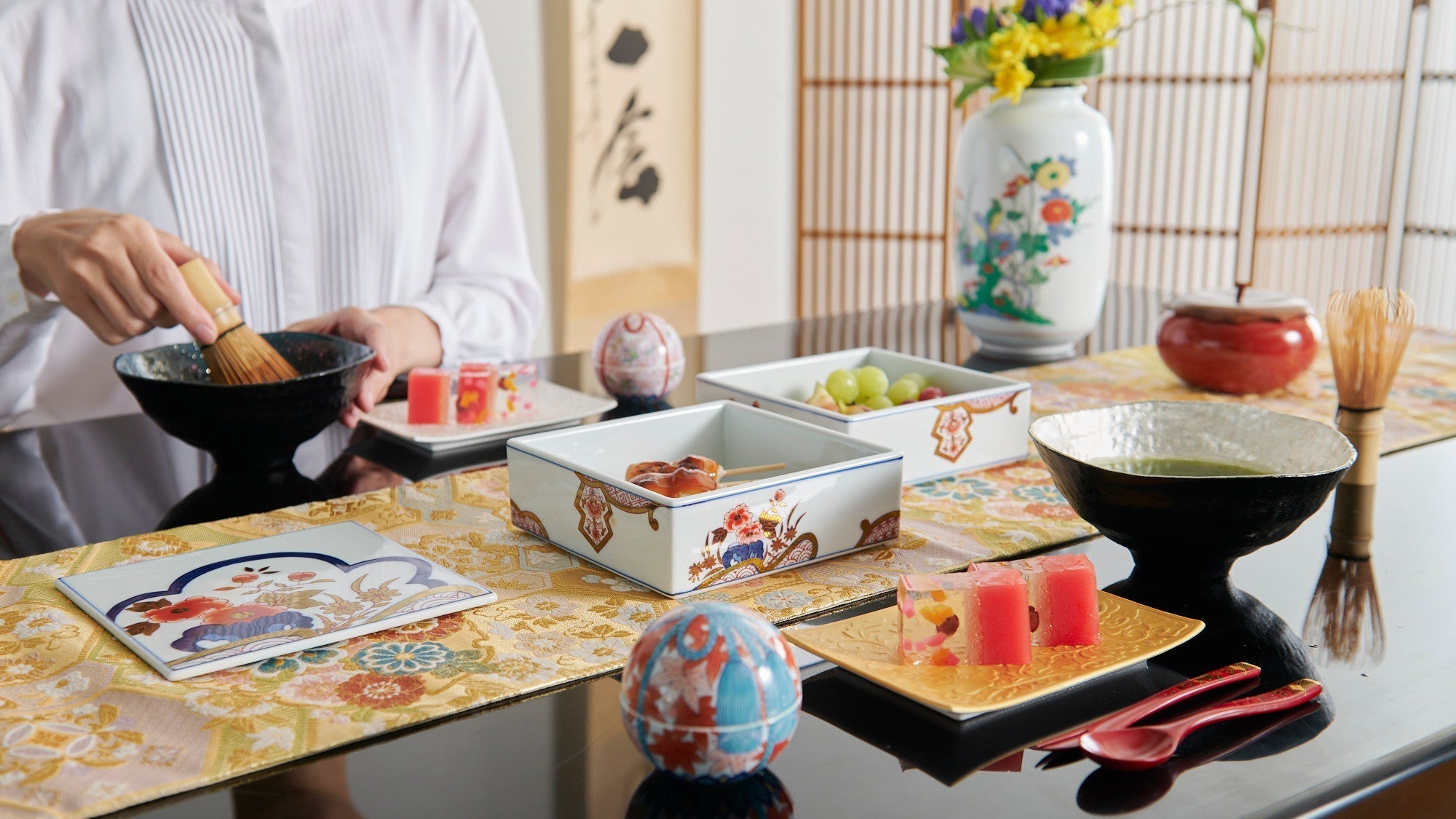
Golden Moments: Matcha for the Fall Season
Savor the season with matcha in elegant glass chawans, paired perfectly with Arita ware porcelain bento boxes, frosted gold and silver plates, and more.
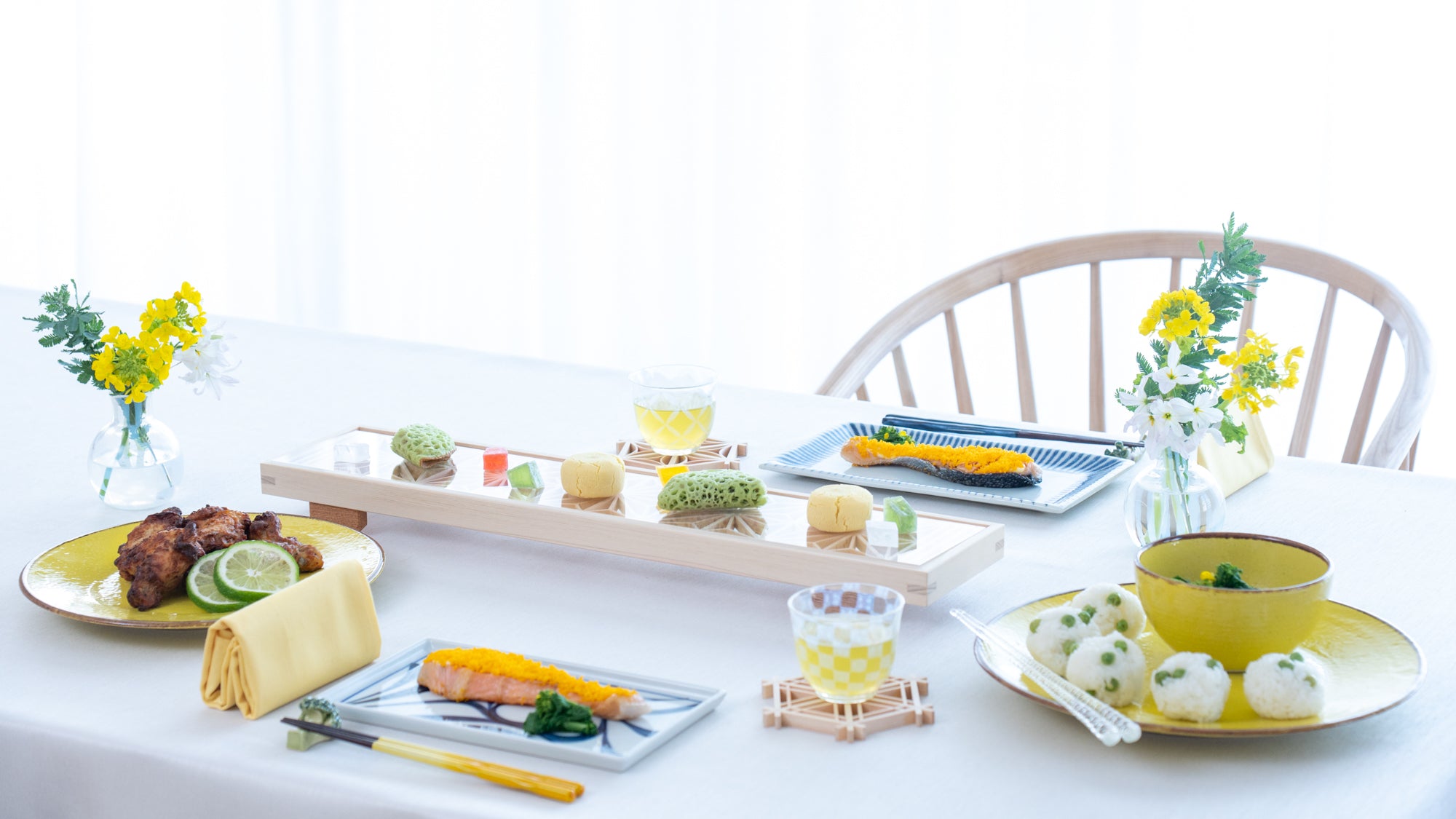
5 Important Tips for A Beautiful Japanese Dinner Setting
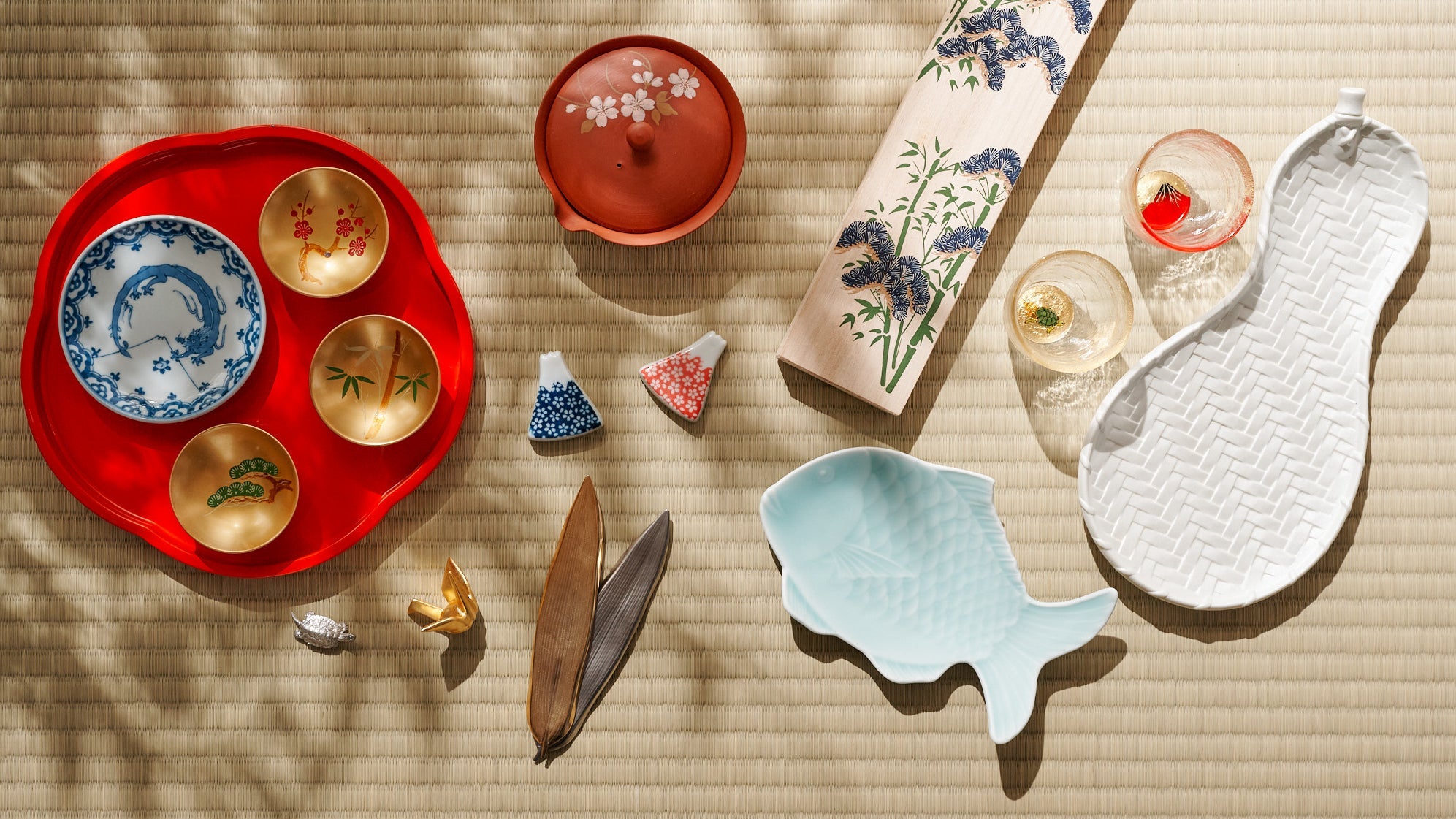
The secret of the beauty of Japanese tableware lies in the harmony of various tableware of different colors and shapes.
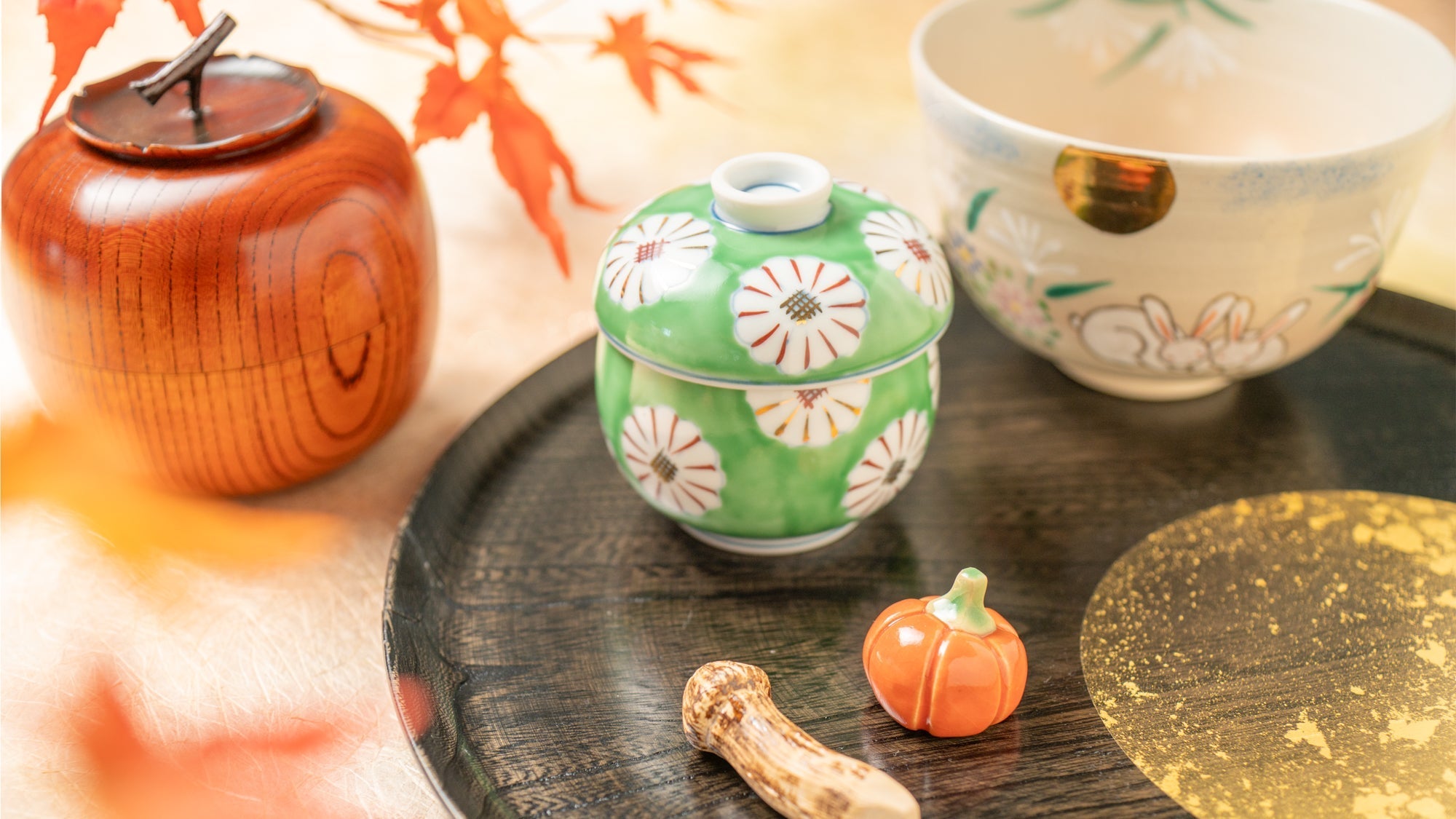
Japanese Motifs with Fall Inspiration
Discover Japanese fall motifs and items inspired by autumn’s beauty, featuring maple leaves, chrysanthemums, and more.
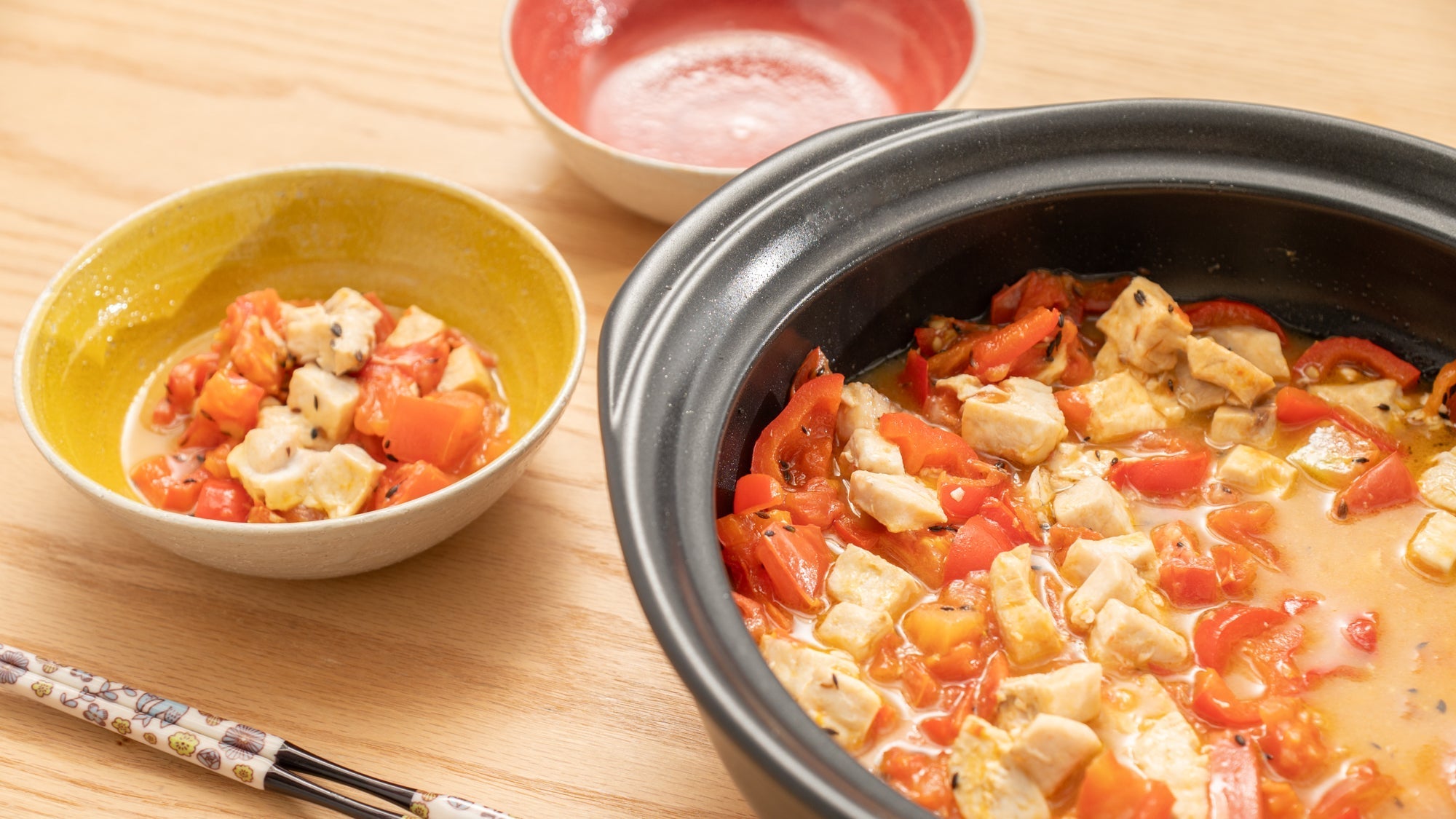
Hasegawa Akari's Summer Donabe Recipe: Swordfish Stew with Tomato and Bell Peppers
Make a delicious summer donabe stew with swordfish, tomato, and bell peppers, created by chef Hasegawa Akari.
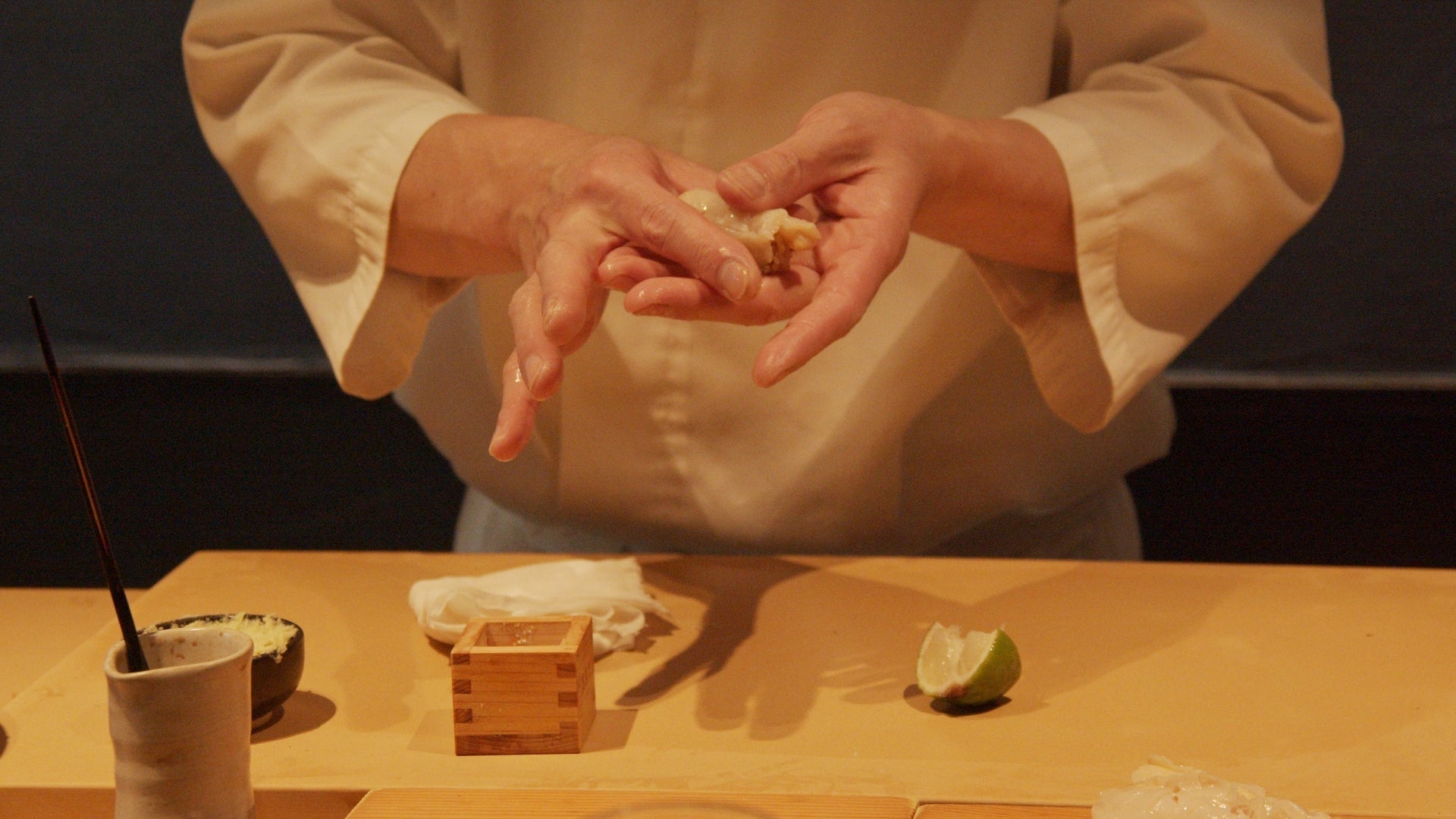
Tasting Toyama at Sushi Jinjin
Savor the flavors at Standing Sushi Jinjin, where Chef Kimura crafts Tokyo-style sushi using local Toyama ingredients.
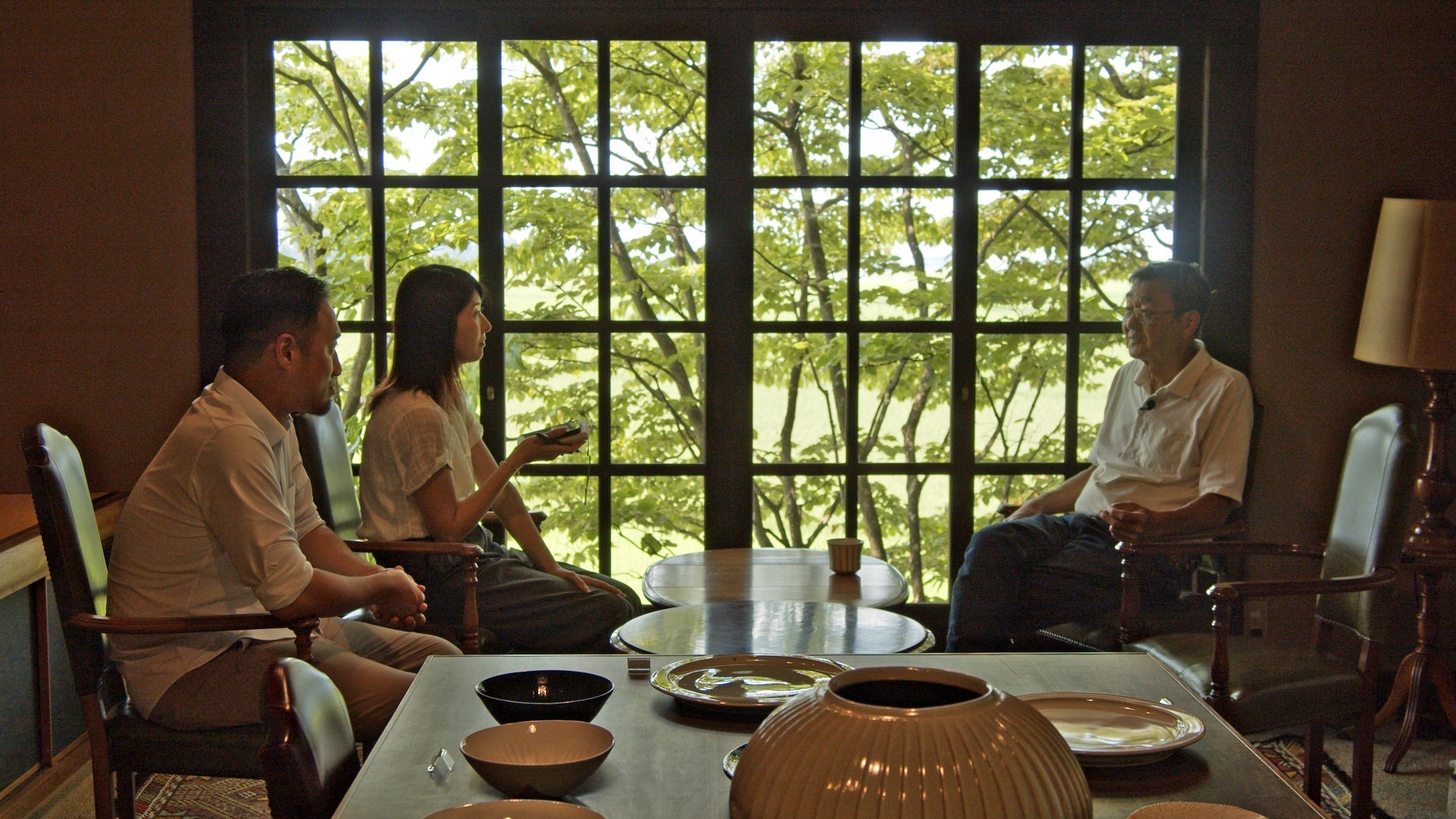
Visiting Toyama's Master Craftspeople: Two Potters and a Washi Artisan
Meet three master artisans from Toyama, Japan, as they share their crafts and traditions in a serene countryside setting.
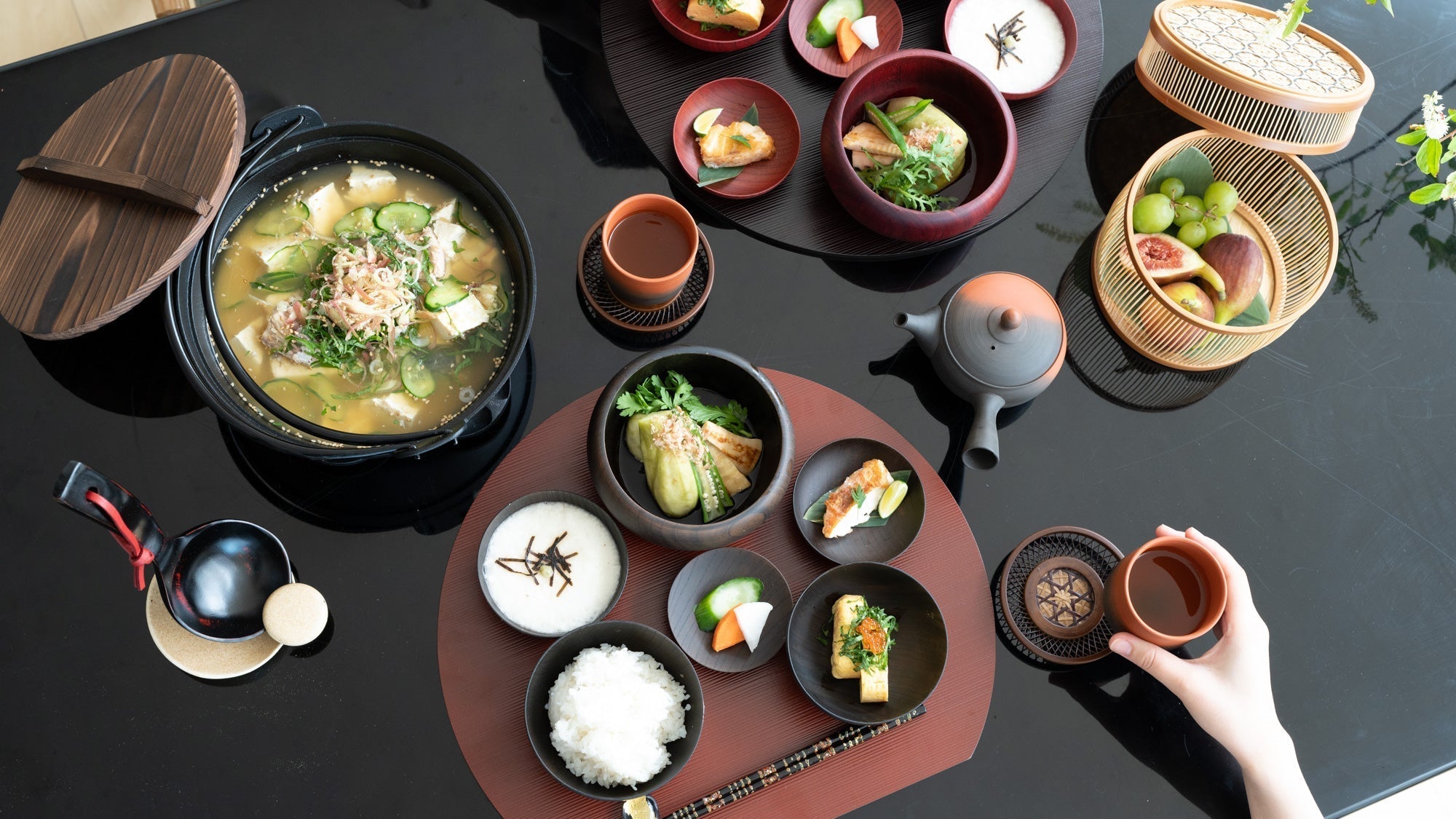
Layered Beauty: Yamanaka Lacquerware Bowls for a Japanese Breakfast
Discover the layered beauty of a Japanese breakfast table with Yamanaka lacquerware. Featuring oryoki bowls, bamboo basketry coasters, and more.
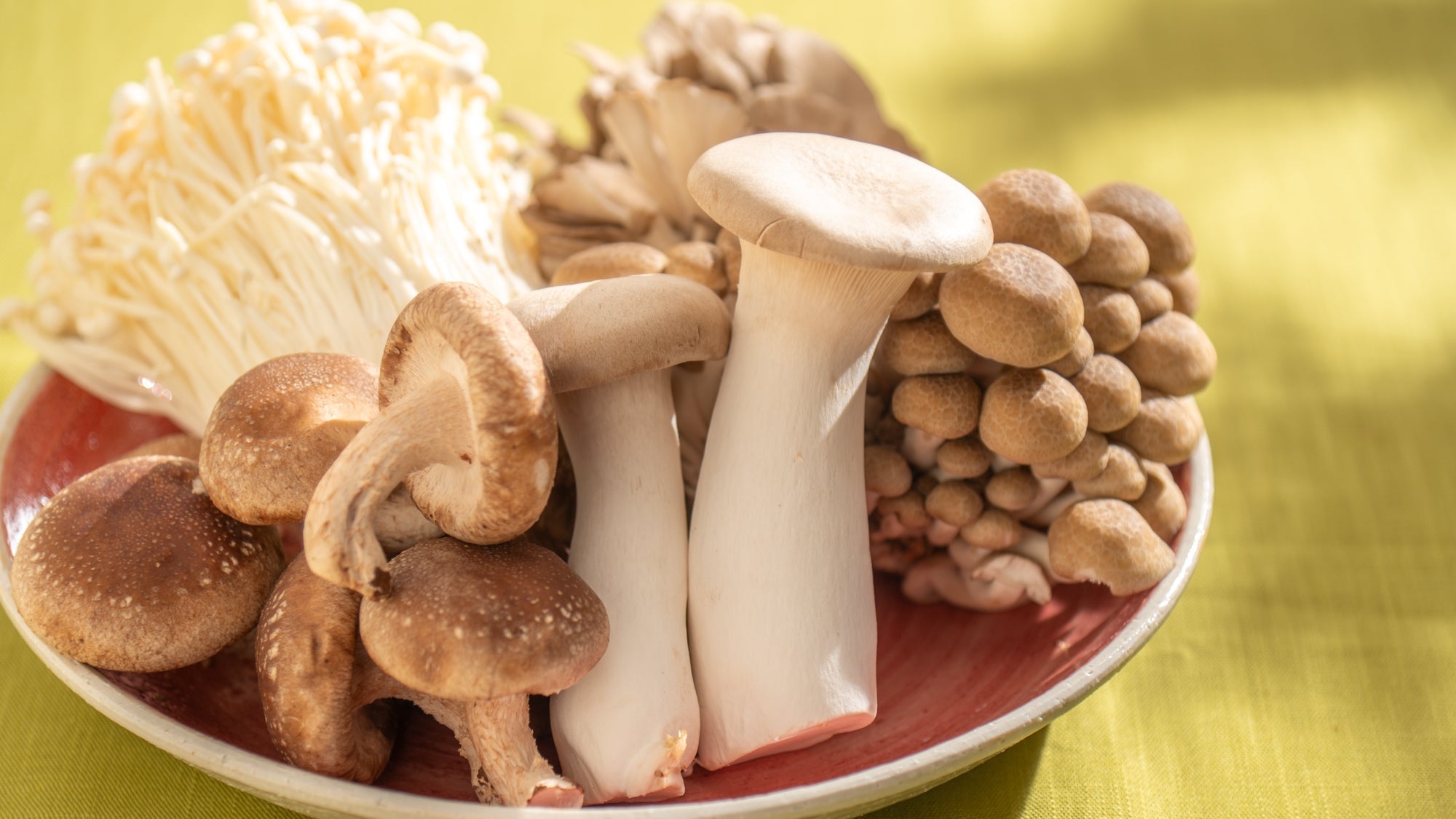
The Nutritious Magic of Japanese Mushrooms
Explore the rich flavors and health benefits of delicious Japanese mushrooms like shiitake, matsutake, and maitake.
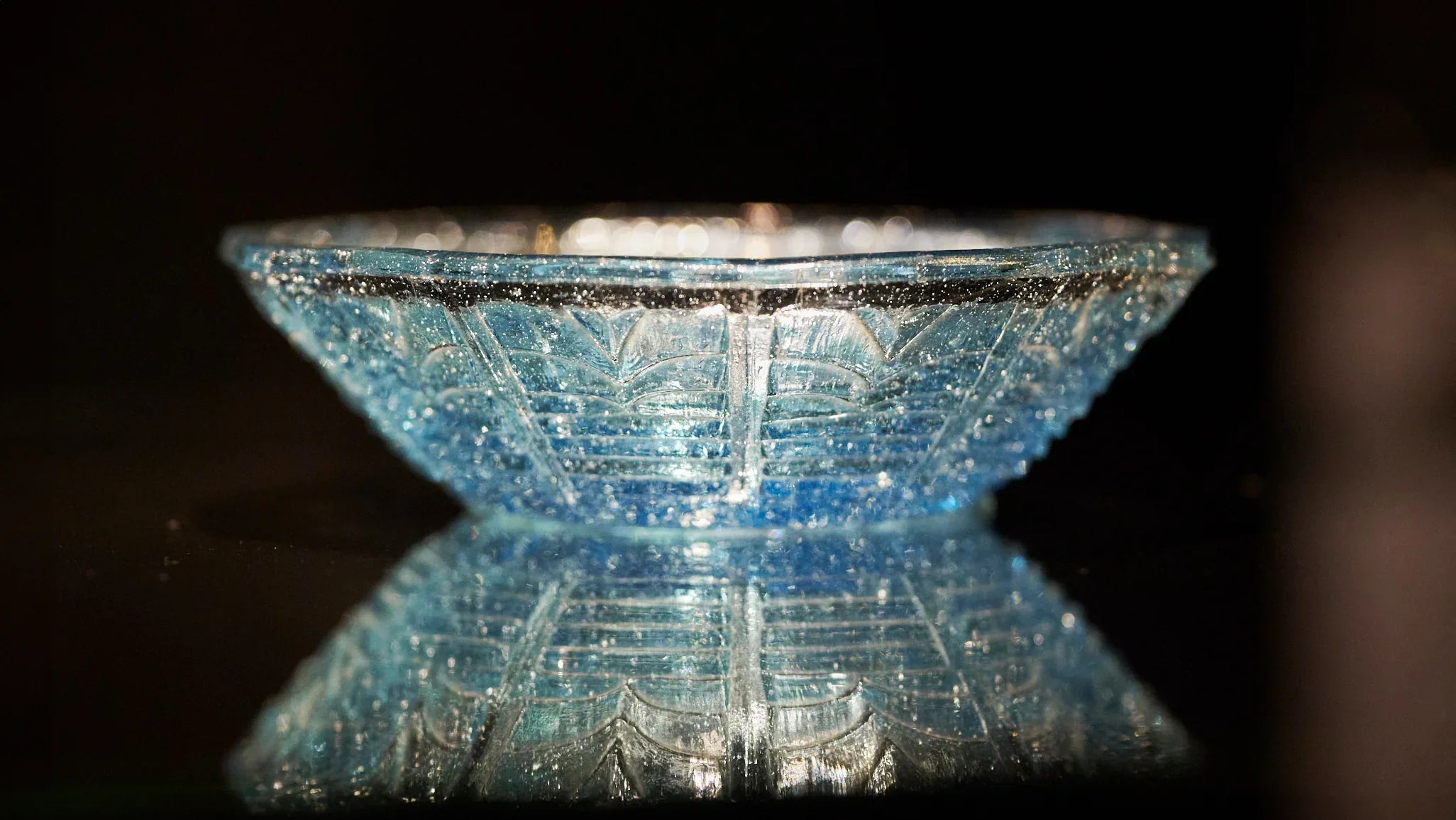
Glass from the Past: A Visit to the Hirota Glass Japanese Glass Museum
Journey through time at Hirota Glass Museum, where the legacy of vintage Japanese glass comes to life.
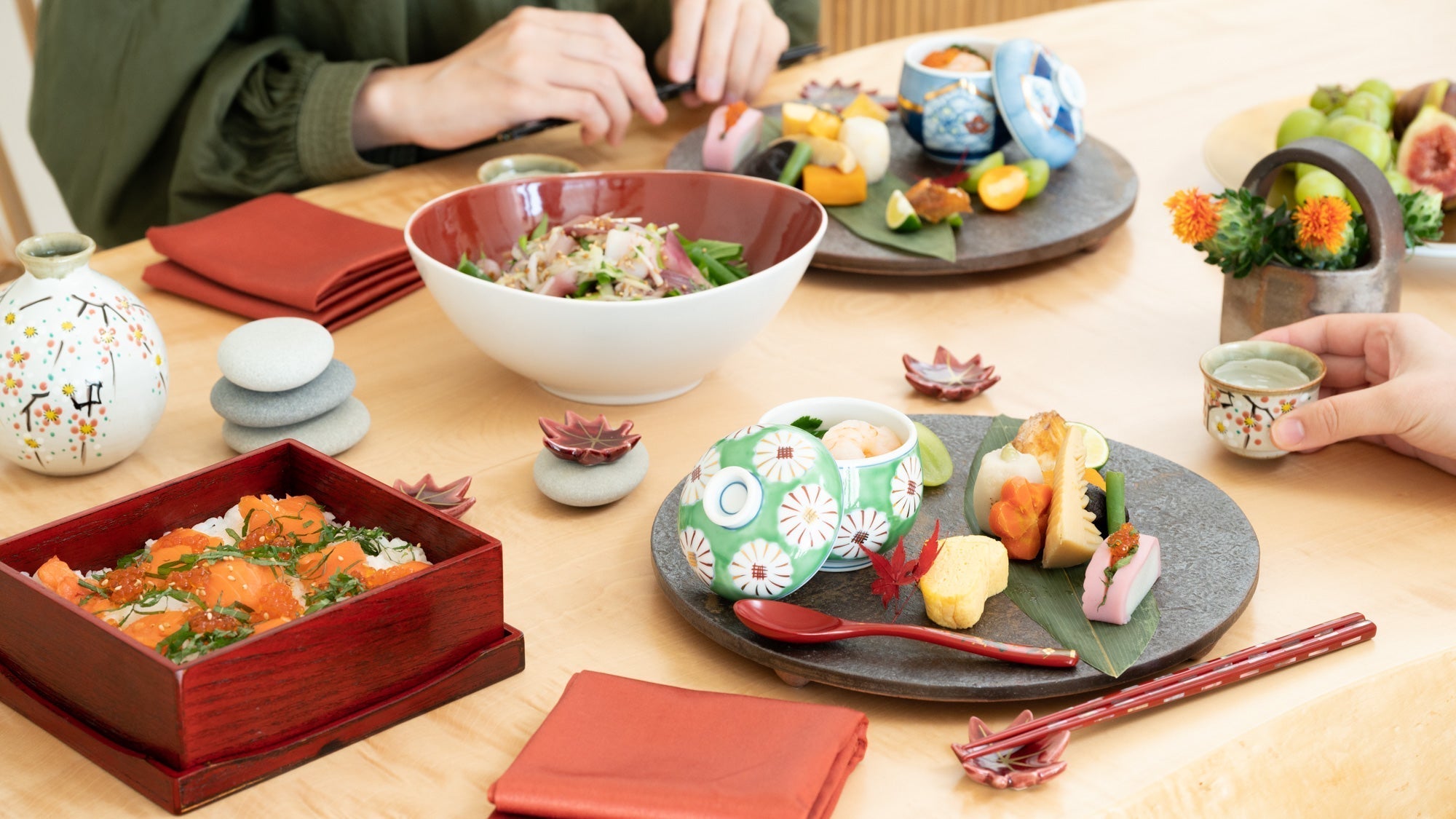
Ready for Fall: Chawanmushi Topped for the Season
With an assortment of stunning tableware, from deep red lacquerware bento boxes to colorful porcelain bowls, each piece is chosen to showcase our featured menu of sushi and chawanmushi.
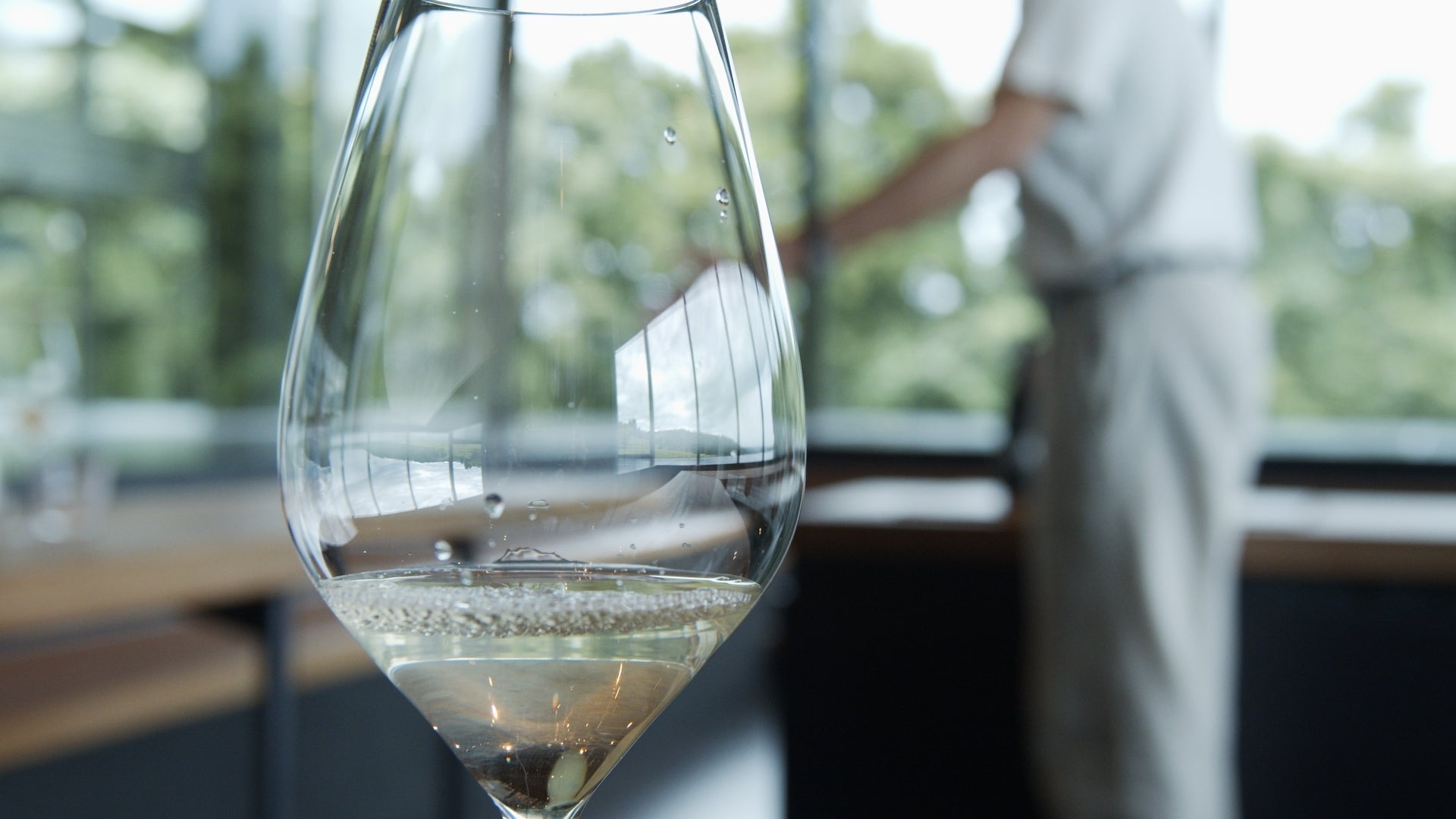
Discover IWA, where Japan's ancient sake traditions merge with French winemaking artistry, led by legend Richard Geoffroy.
Categories
Categories
Popular posts
Popular posts